Top 10 Caves around Duppach
Best caves around Duppach are found in Germany's volcanic Eifel region, offering access to several intriguing underground formations. These caves are primarily characterized by their volcanic origins and historical uses, providing a glimpse into the area's geological past and human activity. The region features a variety of cave types, from natural rock shelters to artificial millstone quarries. Exploring these sites reveals the unique interplay of natural forces and historical industry in the landscape.
Best caves around Duppach
- The most popular…
Last updated: August 11, 2026
Buchenloch Cave
Highlight • Cave
Translated by Google •
Tip by

Millstone Cave at Rother Kopf
Highlight • Cave
Translated by Google •
Tip by

Sign up now to discover places like this
Get recommendations on the best single tracks, peaks, & plenty of other exciting outdoor places.
Sign up for free
Birresborn Ice Caves (Birresborner Ice Caves)
Highlight • Cave
Translated by Google •
Tip by

Gerolsteiner Dolomites Climbing Crags
Highlight • Climb
Translated by Google •
Tip by

Hohl-Ley Cave
Highlight • Cave
Translated by Google •
Tip by
Sign up for free to discover even more caves around Duppach.
Sign up for free
Already have an account?
Start today with a free account
Your next adventure awaits.
Login or Signup
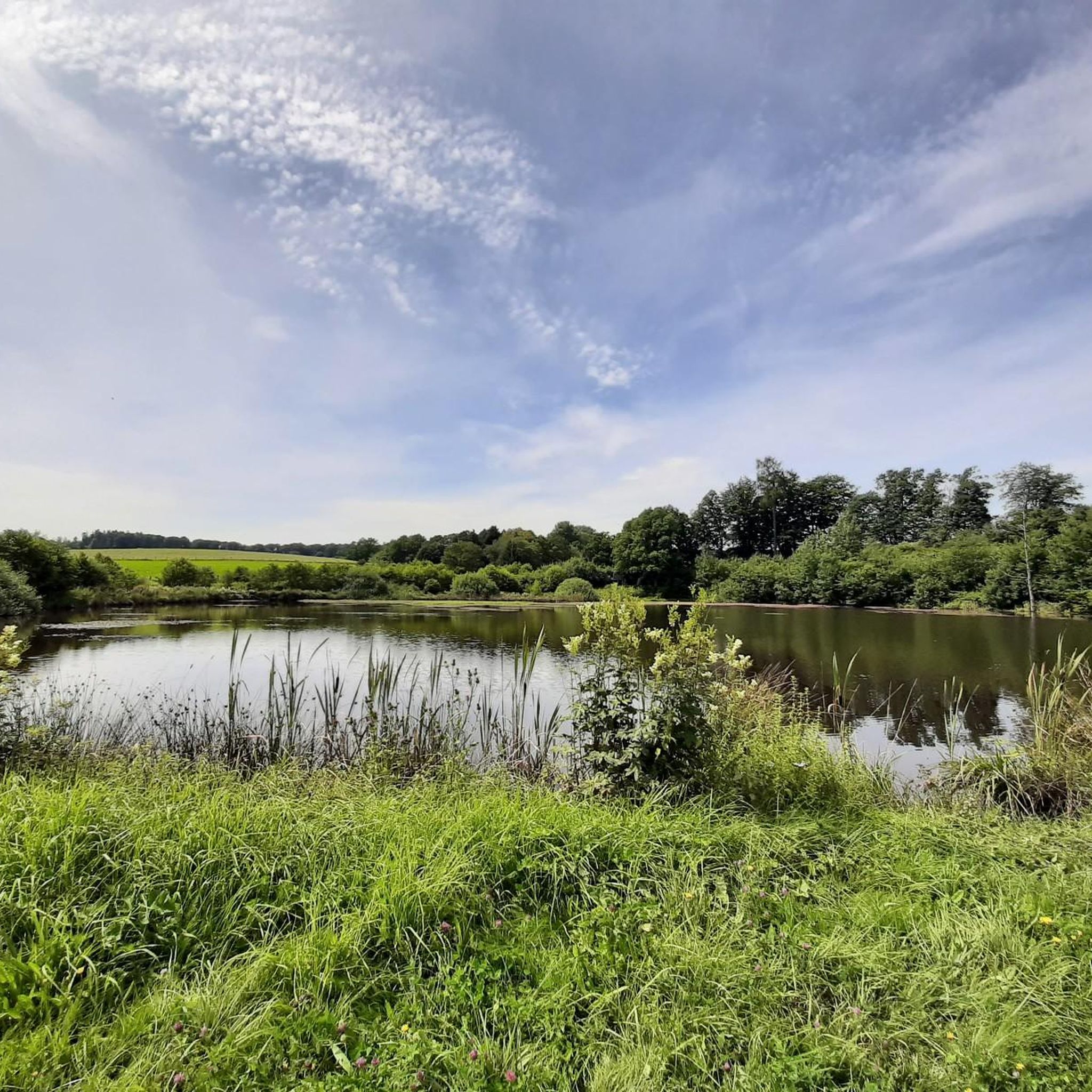
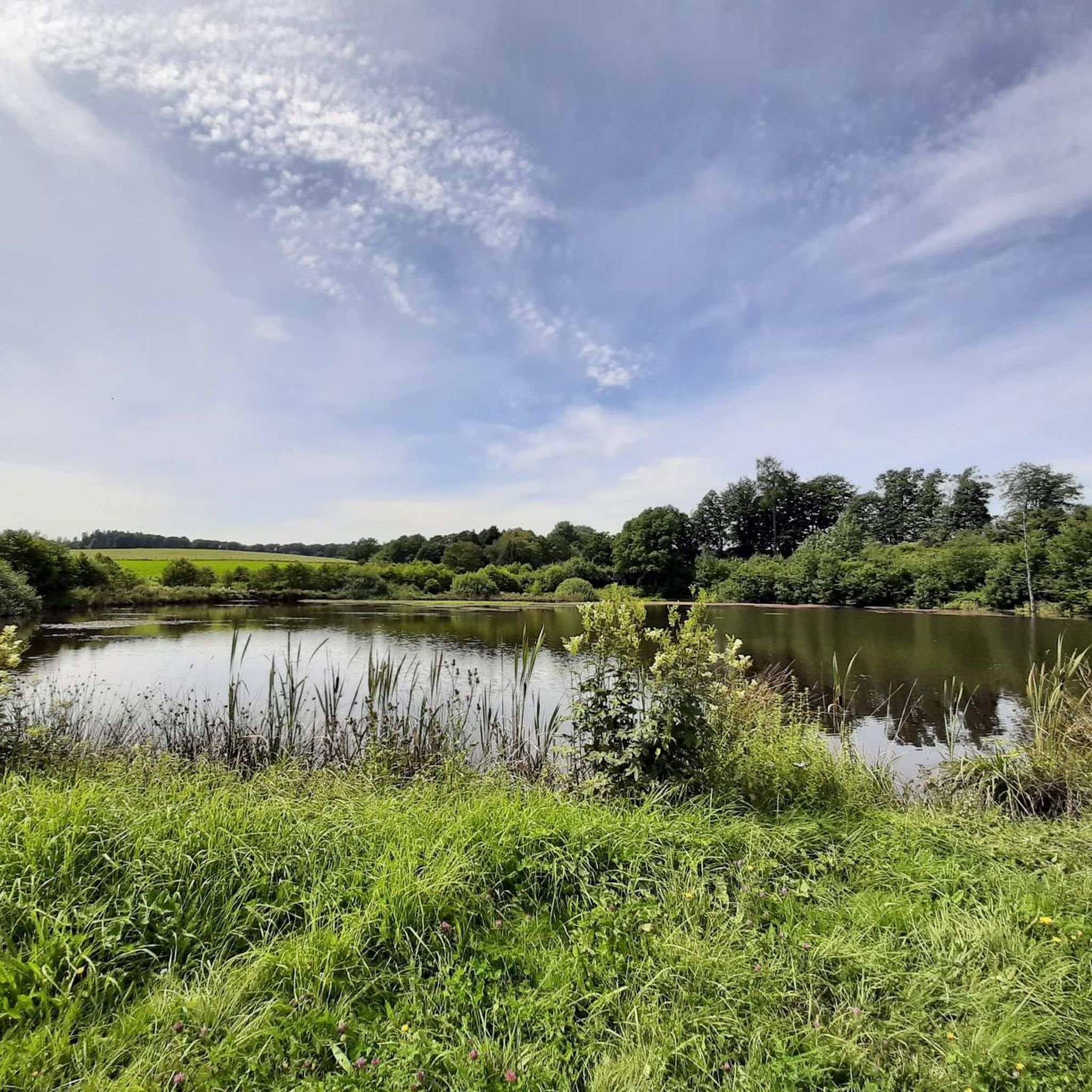
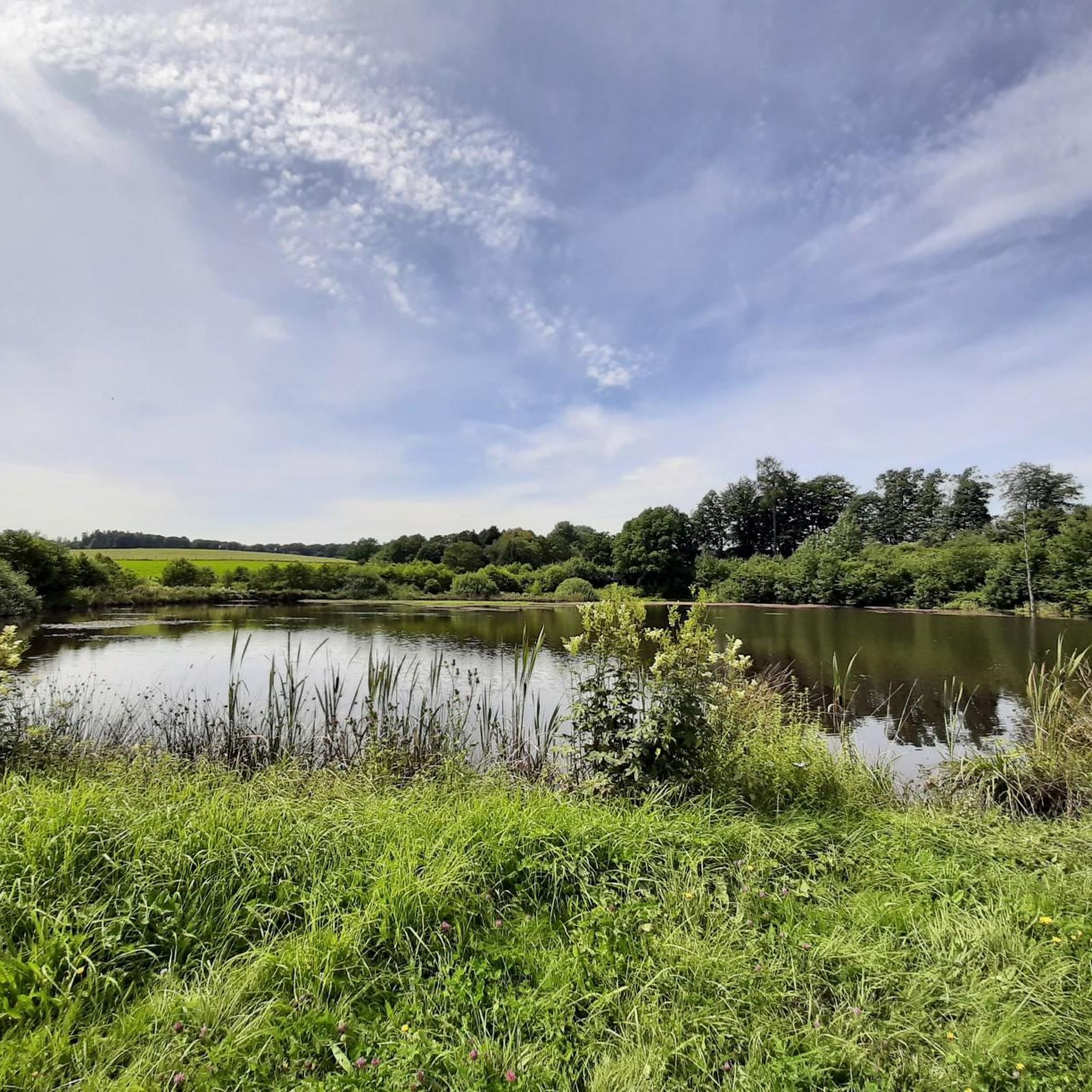
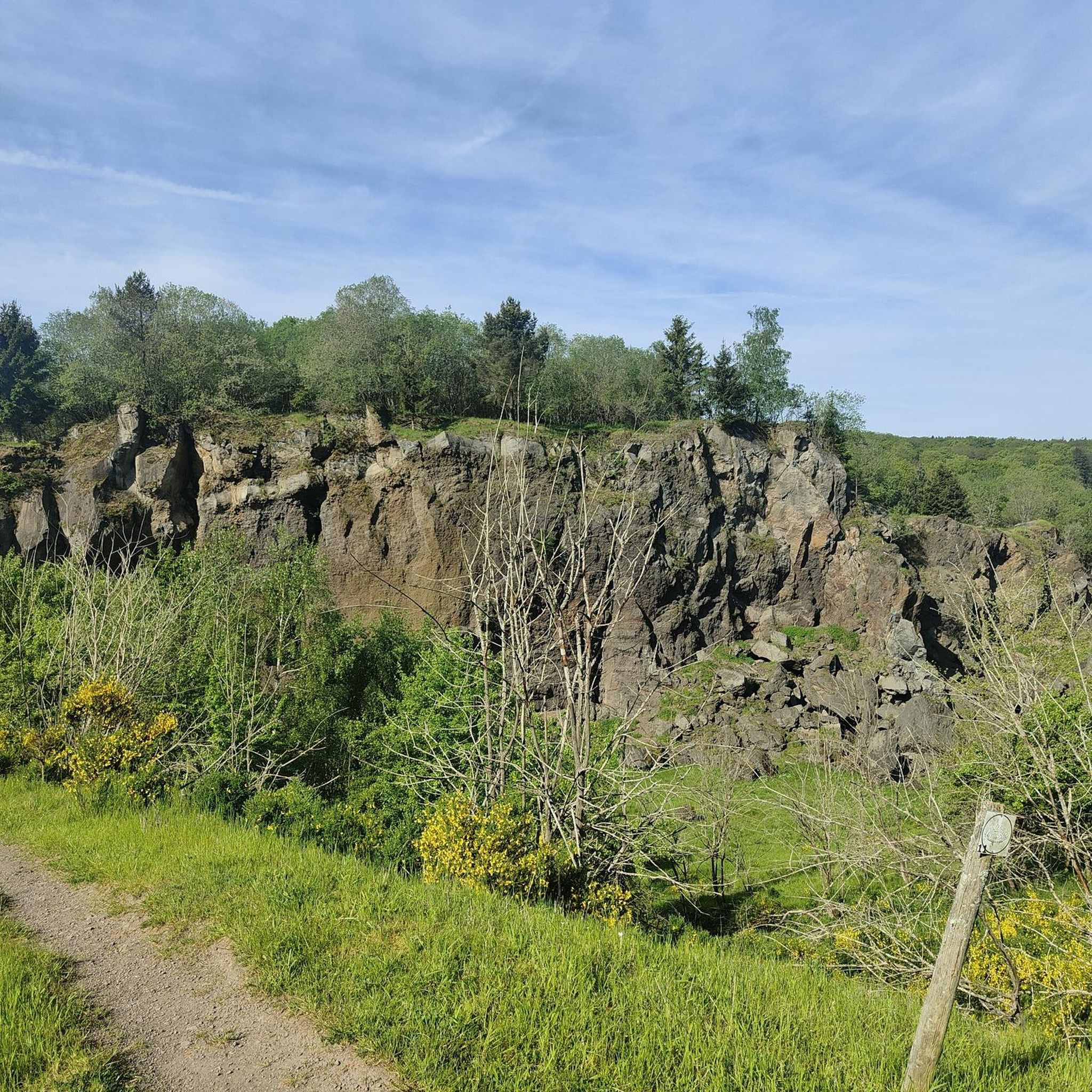

Tips from the Community

Up the steep mountain and then be surprised... are not big
0
0

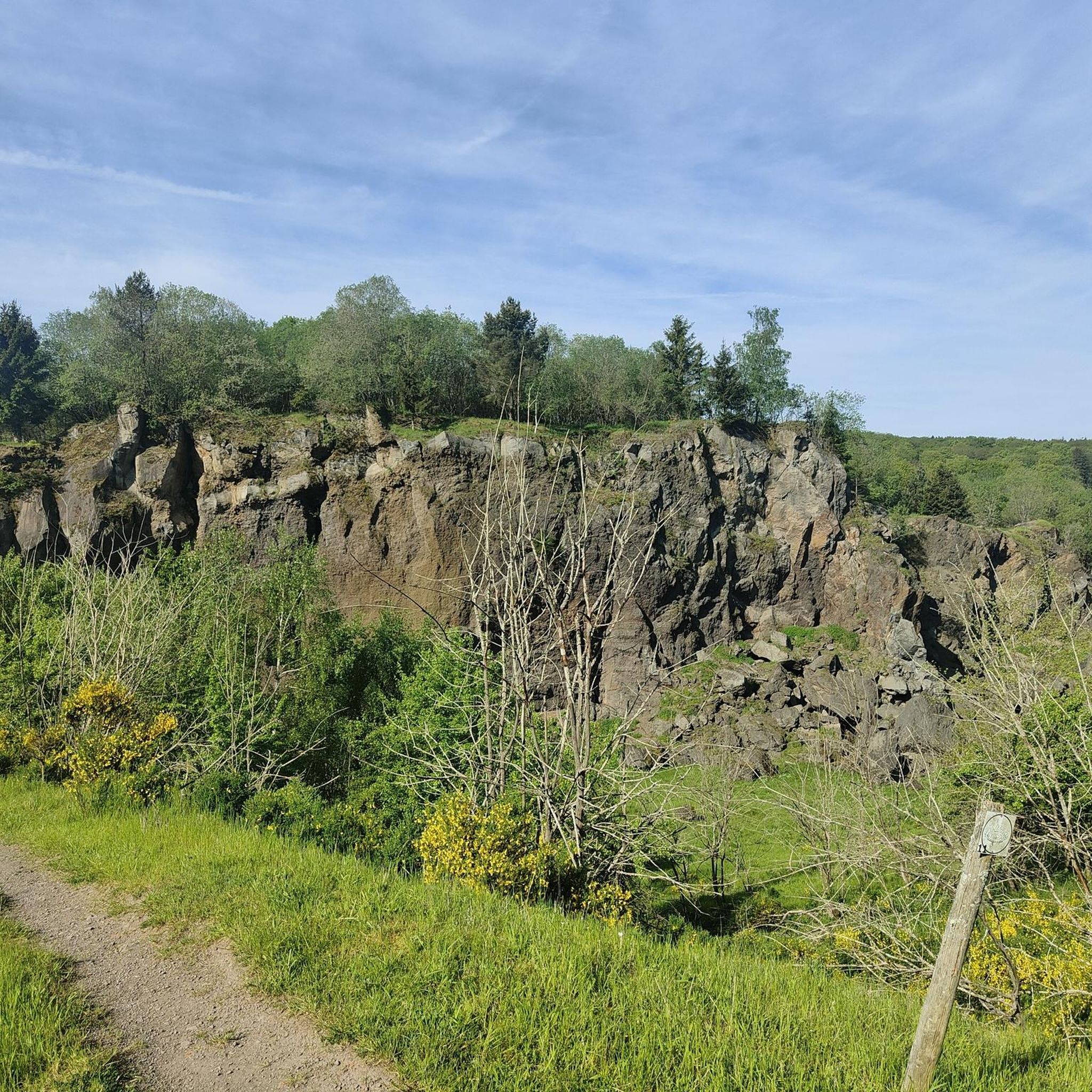
Beautiful!! A few experienced climbers went up the steep wall
1
0

I would recommend just reading the information board and not climbing up to the rock with the small caves. You can catch a glimpse of the barred cave entrances, but that's all.
3
0

The Gerolsteiner Dolomiten nature reserve is located in the Vulkaneifel district in Rhineland-Palatinate in the area of the town of Gerolstein and the municipality of Pelm. The area, which consists of two parts, extends north of the main town of Gerolstein on both sides of the L 29 state road. You can also climb here.
2
0
The Gerolsteiner Dolomiten nature reserve is located in the Vulkaneifel district in Rhineland-Palatinate in the area of the town of Gerolstein and the municipality of Pelm. The area, which consists of two parts, extends north of the core town of Gerolstein on both sides of the L 29 state road.
2
0

The Hohl-Ley Caves, the gateway to the underworld, as the informative sign on site calls these bat caves and informs about the biodiversity that is found there. The climb is steep, and the cave entrances have a grille to protect the animals. Still, it's worth taking a look inside.
2
0

"One day we throw off the "light" rucksacks and climb a steep path, through fields of wild garlic in bloom, up the slope to the Hohl-Ley cave; called "Gateway to the Underworld" because there are many animals in the grotto system, quite a few are named bat species, find sanctuary.” https://www.komoot.de/tour/780244919
7
0

Well accessible cave. It is very good to see how the millstones were worked out. A good headlamp is recommended so that your hands are free to take pictures. I personally found the cell phone camera too dark
7
0
Frequently Asked Questions
What types of caves can I explore around Duppach?
The region around Duppach, part of the volcanic Eifel, features a variety of caves. You'll find natural rock caves like the Buchenloch Cave, which has volcanic origins. Additionally, there are numerous artificial millstone caves, such as the Millstone Cave at Rother Kopf, created from centuries of mining porous volcanic rock. The Birresborn Ice Caves are a unique type of millstone cave known for their persistent ice formations.
Are there any caves with historical significance near Duppach?
Yes, several caves offer a glimpse into history. The Buchenloch Cave is a prehistoric rock cave believed to have been used by Neanderthals. The millstone caves, including the Millstone Cave at Rother Kopf and the Birresborn Ice Caves, highlight the medieval practice of mining volcanic rock for millstones, providing insight into past industrial practices and challenging working conditions.
What is special about the Birresborn Ice Caves?
The Birresborn Ice Caves are unique because they were created through the mining of millstones, not naturally. Their internal temperature consistently stays between -1°C and +4°C, allowing icicles and ice columns to persist well into summer. They also serve as vital winter quarters for numerous bats.
When is the best time to visit the caves around Duppach?
Many caves, especially those that serve as bat winter quarters like the Buchenloch Cave and the Birresborn Ice Caves, are closed to visitors between October 1st and March 31st to protect hibernating bats. Therefore, the best time to visit is typically from April to September.
What should I bring when visiting the caves?
For exploring the caves, it is highly recommended to wear sturdy shoes. A flashlight is essential for most caves, as they are unlit, allowing you to fully appreciate their interiors and ensure safety. For some deeper or less developed caves, a helmet might also be advisable.
Are there any family-friendly activities related to the caves?
Yes, the Birresborn Ice Caves Forest Educational Trail is a newly created forest nature trail that leads to the ice caves. It's designed to be very interesting for children and adults alike, with lots to discover about tree species, forest inhabitants, and mineral resources along the way.
Can I visit the Hohl-Ley Cave?
The Hohl-Ley Cave offers shelter for bats and other creatures. While the cave goes about 12 meters into the mountain, it is generally not accessible to visitors, especially during the bat protection period from October 1st to March 31st.
What is the geology of the caves around Duppach?
The caves around Duppach are primarily influenced by the region's volcanic past. Natural caves like Buchenloch Cave were formed by groundwater dissolving rock over millions of years. The numerous millstone caves, including those at Rother Kopf, Nerother Kopf, and Hohenfels-Essingen, are artificial, created by mining porous volcanic rock (basalt) that was ideal for millstones due to its sharp-edged properties.
Are there other millstone caves to explore besides the one at Rother Kopf?
Yes, beyond the Millstone Cave at Rother Kopf, you can also explore the Millstone Cave at Nerother Kopf and the Mühlsteinhöhlen Hohenfels-Essingen. These sites provide further insight into the historical industry of millstone extraction in the volcanic Eifel region.
What outdoor activities can I do near the caves around Duppach?
The area around Duppach offers various outdoor activities. You can find numerous running trails, such as those detailed in the Running Trails around Duppach guide. For cycling enthusiasts, there are options for both gravel biking and general cycling, with routes available in the Gravel biking around Duppach guide and the Cycling around Duppach guide.
What do visitors enjoy most about the caves around Duppach?
Visitors appreciate the unique combination of natural beauty and historical significance. The impressive size and prehistoric connections of Buchenloch Cave are often highlighted. The millstone caves, including the Birresborn Ice Caves, are valued for showing the challenging conditions of medieval mining and their fascinating ice formations. The overall experience of exploring the volcanic Eifel's underground world is highly rated.
Most popular routes around Duppach
Most popular attractions around Duppach

Get inspired with the komoot mobile app


Explore more
Extend your search for the best caves by checking out these guides of the top ones around Duppach:
