Top 12 Castles around Eslarn
Best castles around Eslarn are primarily historical sites, with the municipality itself featuring former castle locations like the Neues Schloss and Altes Schloss, which are now archaeological findings. The region is characterized by its historical development, including significant events such as the 1567 fire that destroyed the original structures. For those seeking standing castles and more extensive experiences, the surrounding area offers various castle ruins and historical sites. These locations provide insights into medieval settlement patterns and the strategic importance…
Last updated: October 10, 2026
Reichenstein Castle Ruins
Highlight • Castle
Translated by Google •
Tip by

Wildstein Castle Ruins
Highlight • Castle
Translated by Google •
Tip by

Sign up now to discover places like this
Get recommendations on the best single tracks, peaks, & plenty of other exciting outdoor places.
Frauenstein Castle Ruins
Highlight • Castle
Translated by Google •
Tip by

Friedrichsburg Castle
Highlight • Castle
Translated by Google •
Tip by

Wooden Chapel of Our Lady and St. Sophie
Highlight • Religious Site
Showing Translation
Tip by

Sign up for free to discover even more castles around Eslarn.
Already have an account?
Start today with a free account
Your next adventure awaits.
Popular around Eslarn
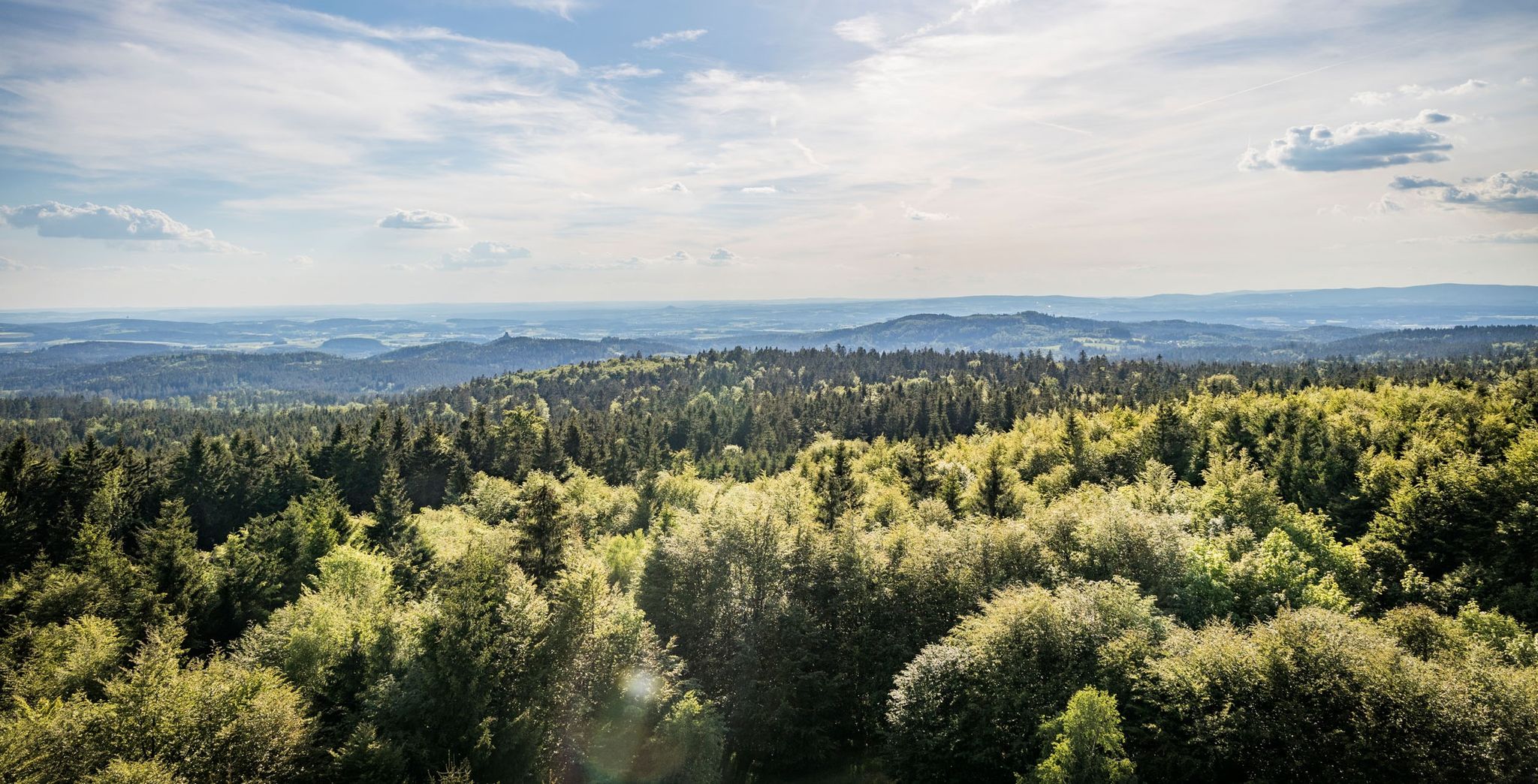
Nurtschweg – Hiking along the German-Czech border
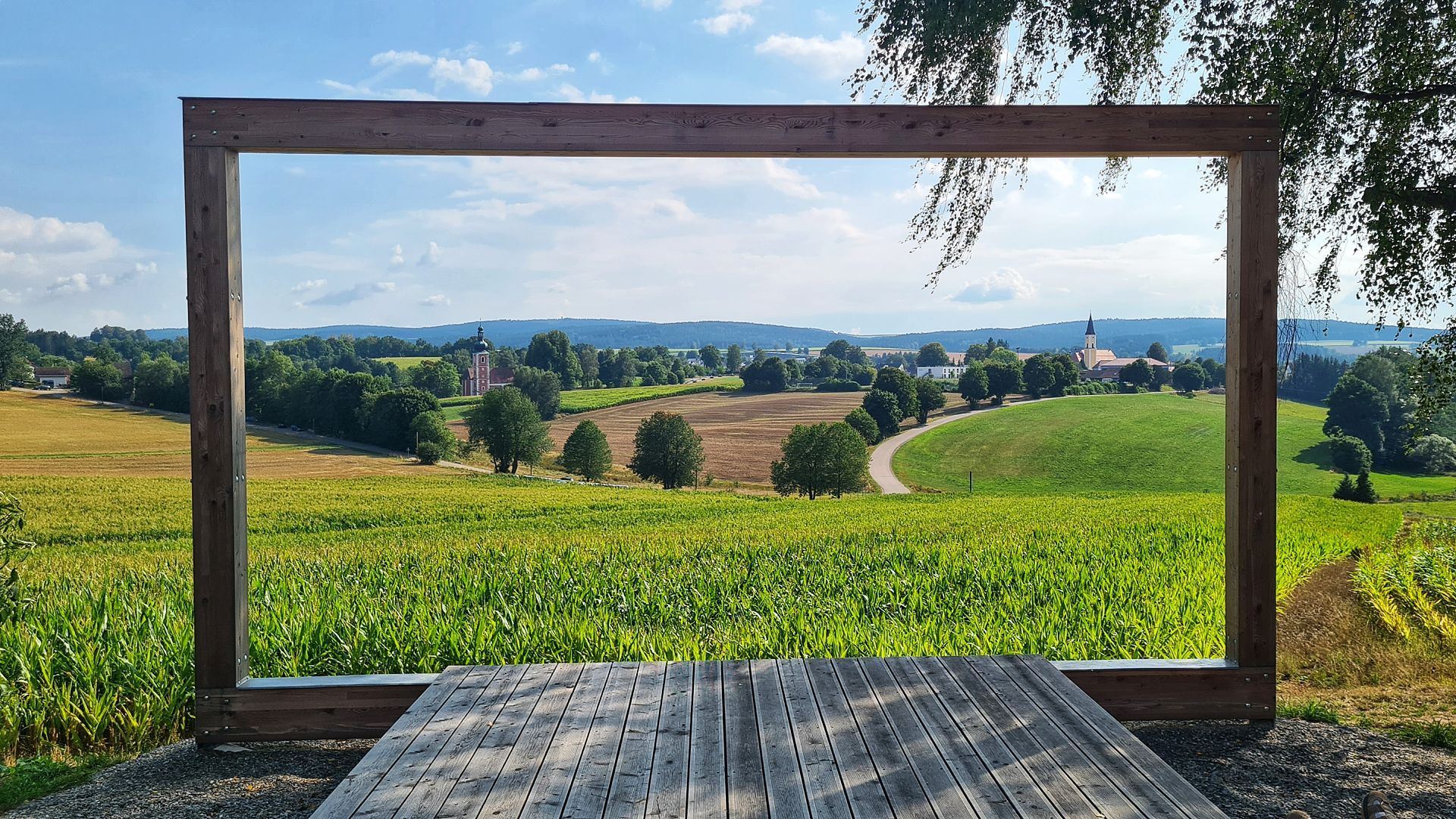
Hike the Glass Cutter Trail through the Upper Palatinate Forest
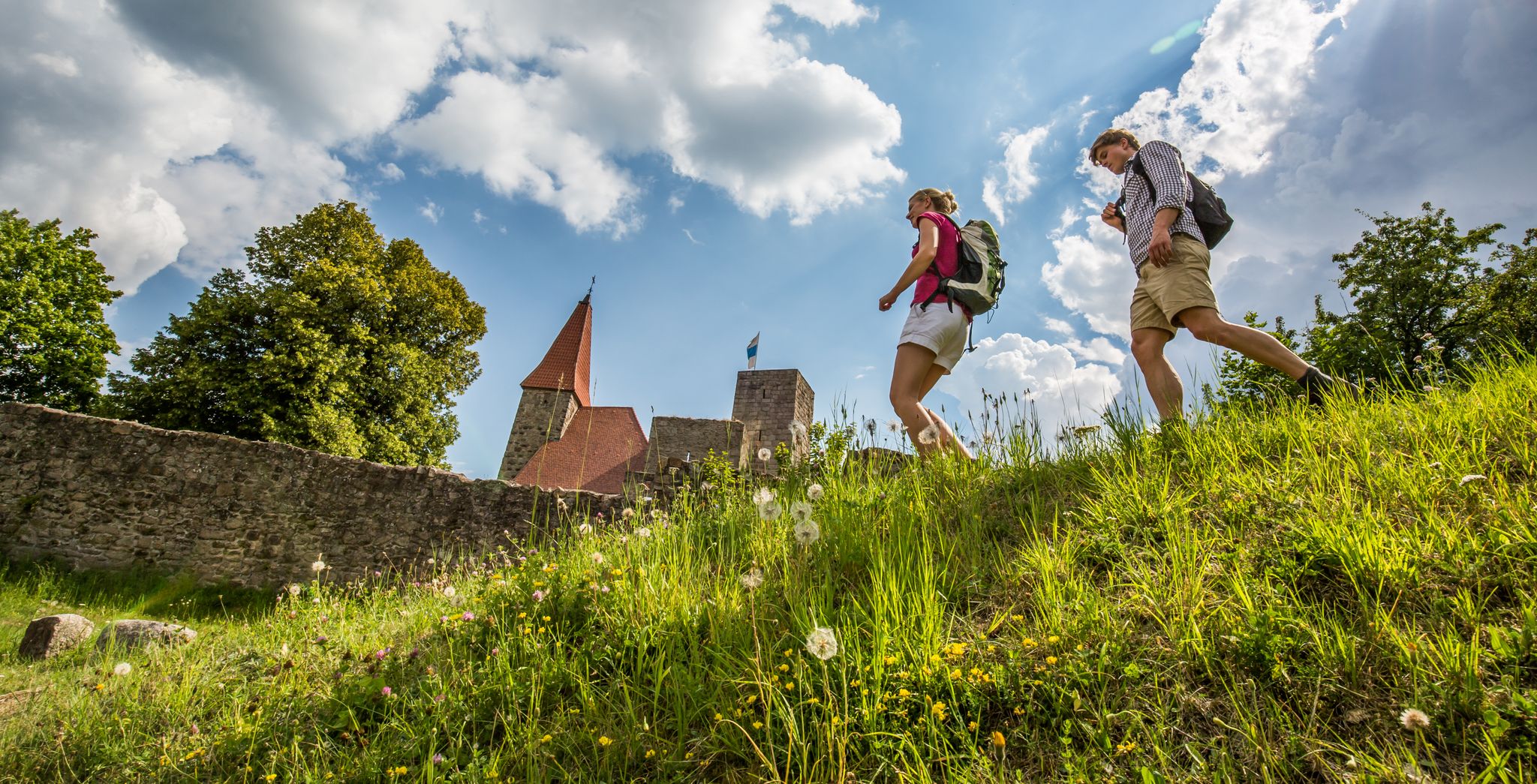
Water, forest and castles — hiking in the Upper Palatinate Forest
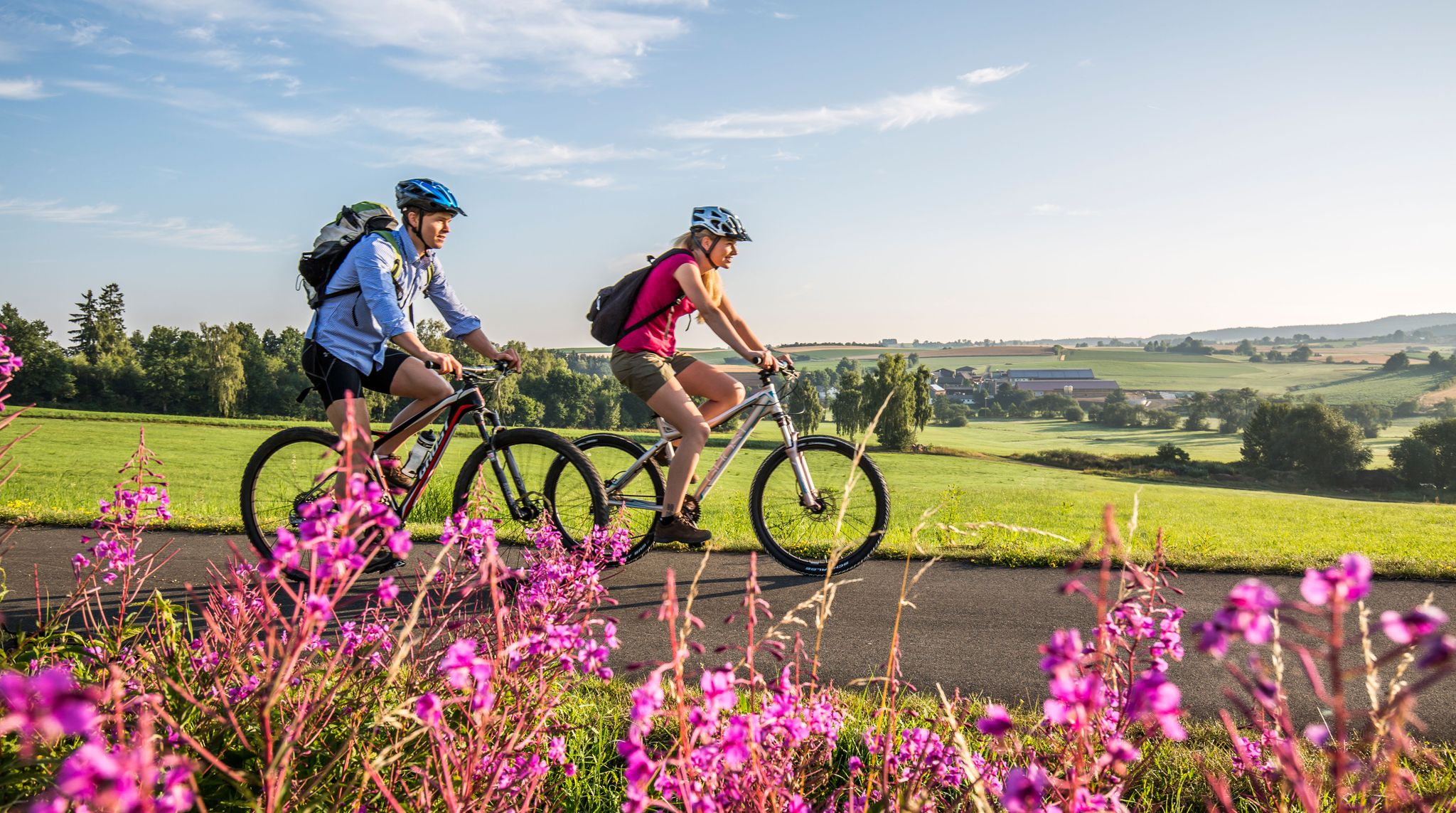
Nature and Culture — Cycling in the Upper Palatinate Forest
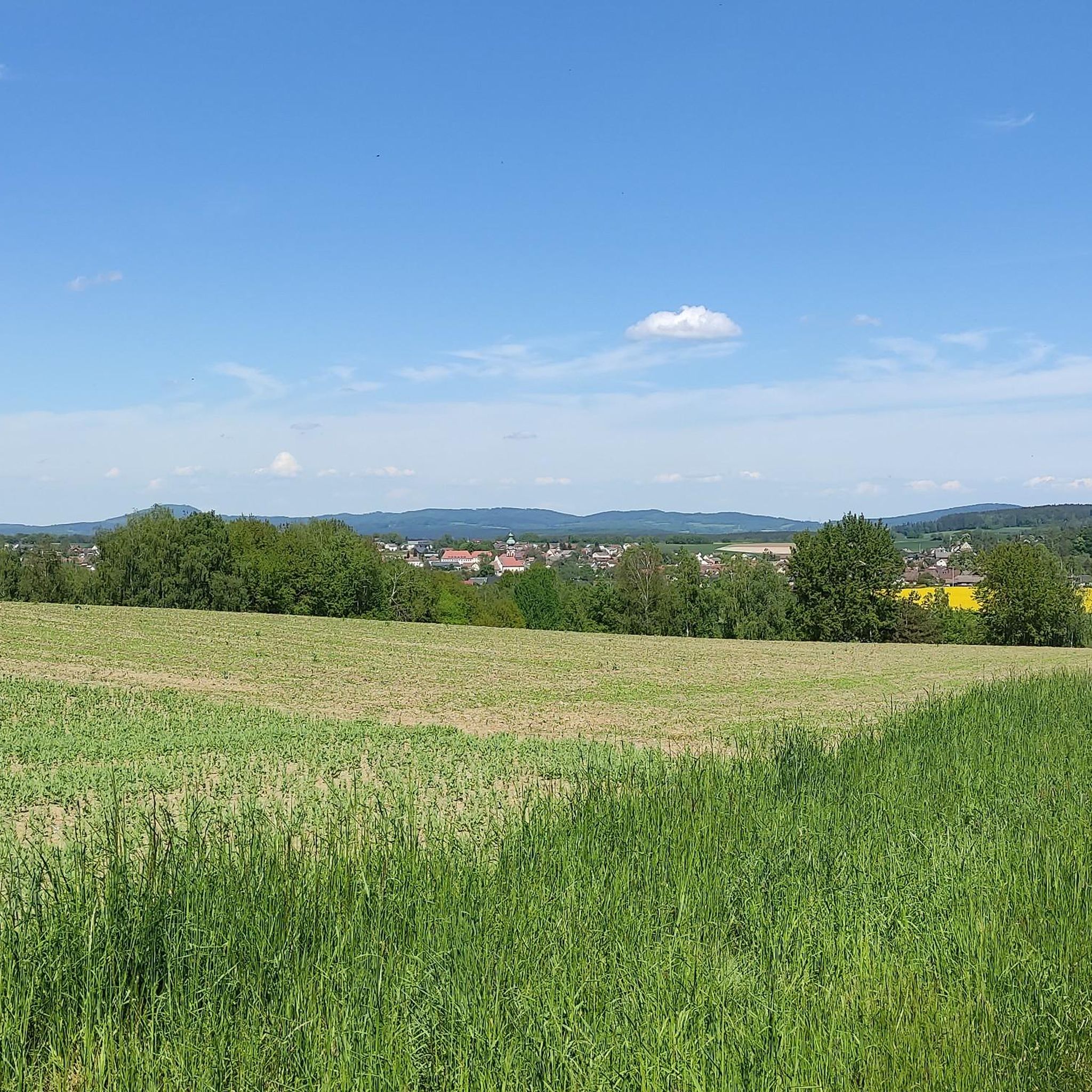
Hiking around Eslarn
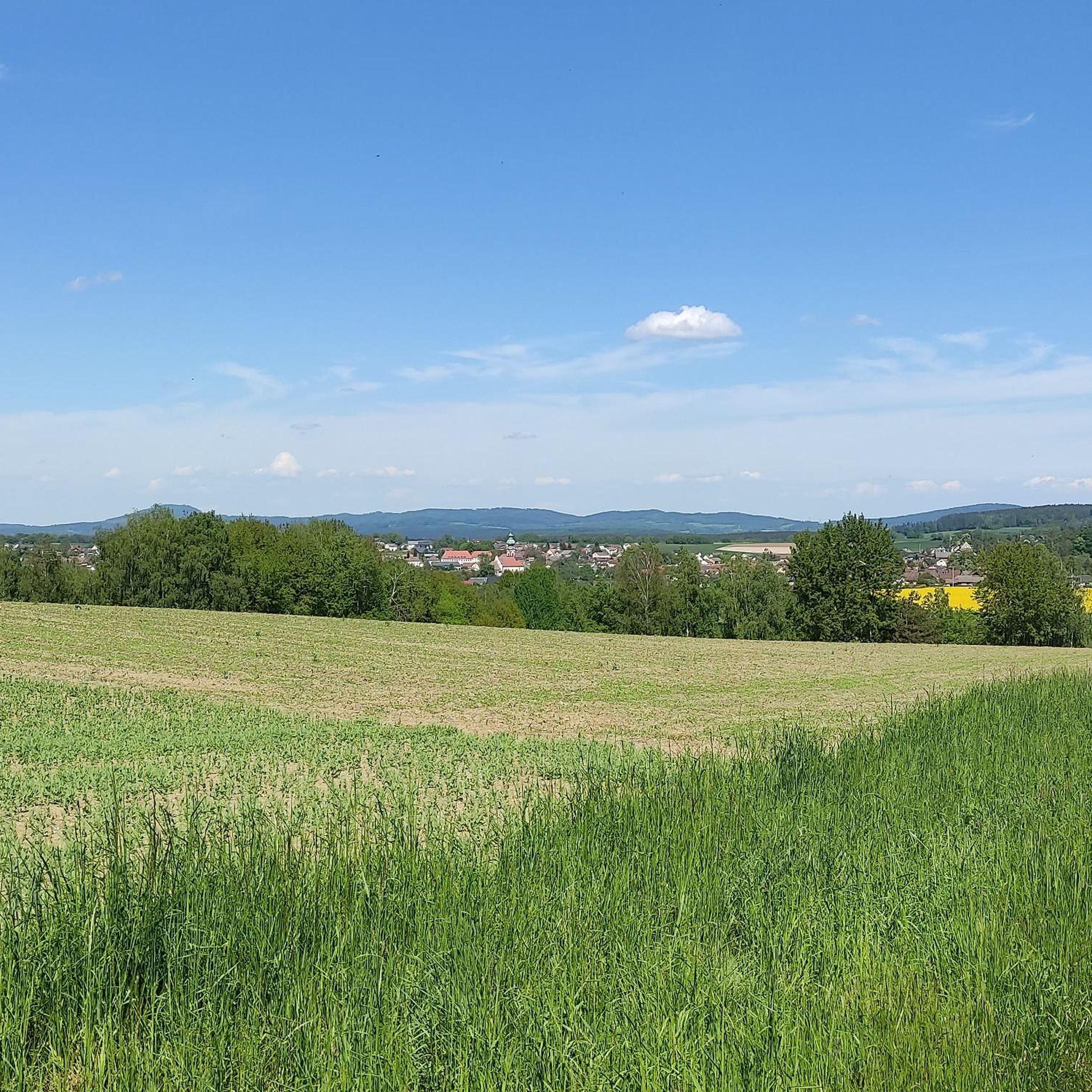
Cycling around Eslarn
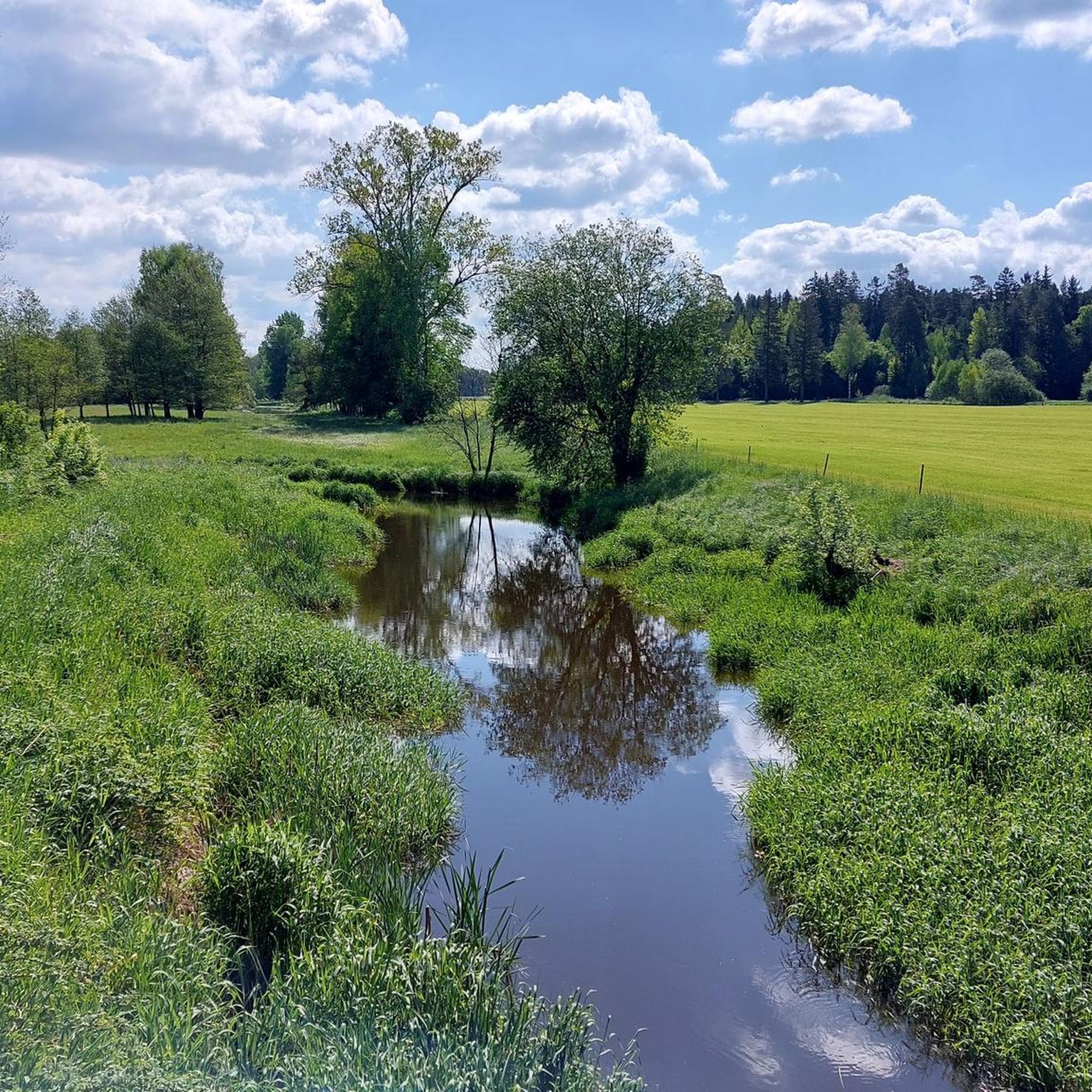
MTB Trails around Eslarn
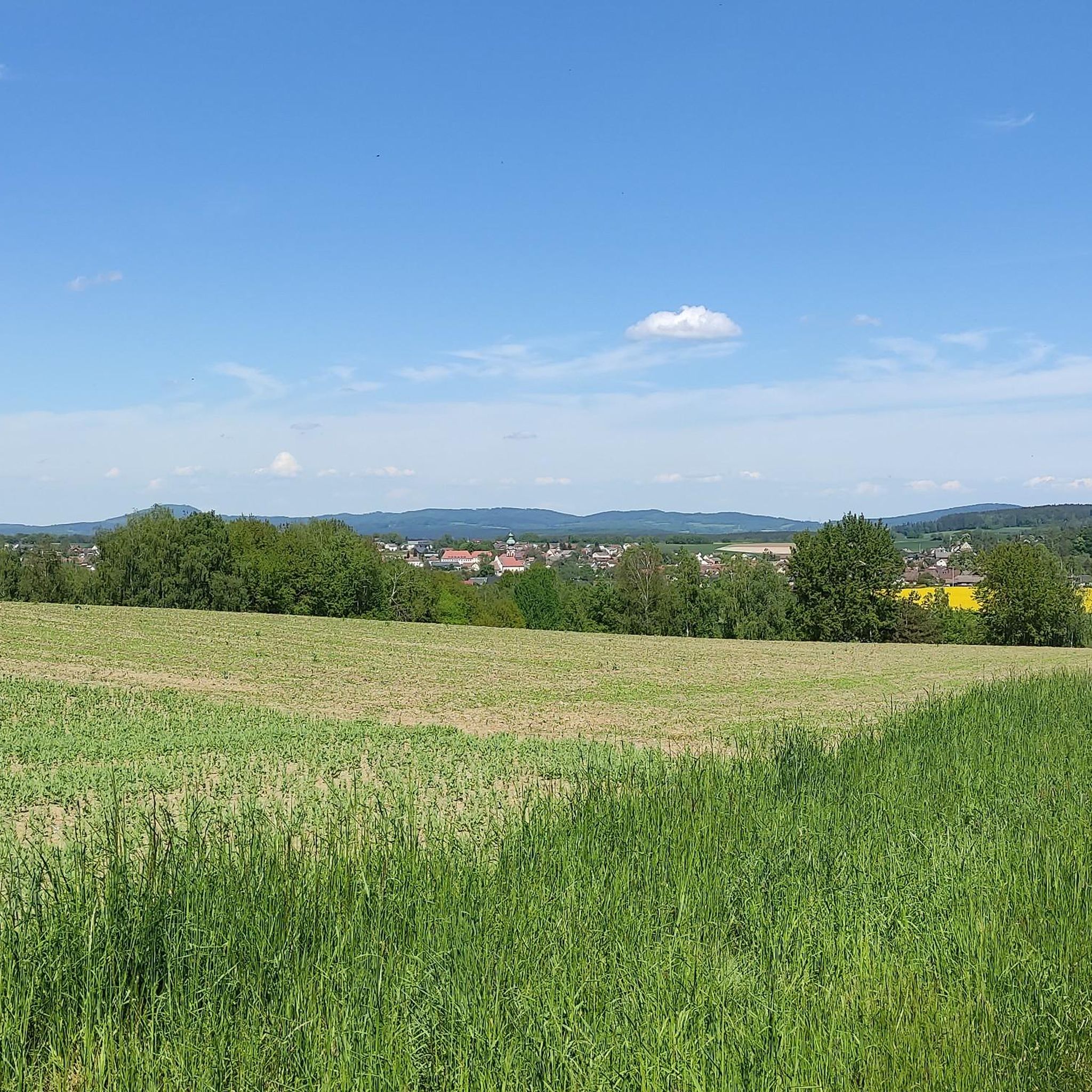
Road Cycling Routes around Eslarn
Running Trails around Eslarn
Gravel biking around Eslarn
Other adventures around Eslarn


Tips from the Community

In the family-owned woodworking businesses, Count Jindřich Kolowrat-Krakowský commissioned this chapel in 1939. It is dedicated to the Virgin Mary and Saint Sophia and was built as a memorial to the Count's first wife, Sofia Nikolaevna Trubetskaya, who died in 1938. The mother of four of the Count's five children lived to be only 38 years old.
14
0

Historic building. Pfalzgrafenweiler Friedrich resided here
2
0

It's a shame there's nothing to see. The information in the entrance area states "visits not possible" and advises you to contact the tourist information office, but there's no information about where it's located.
2
0
Reichenstein Castle can be considered an early settlement center in the Schönsee area. It was probably built in the late 11th century. Apart from a few remnants of the walls, only the stump of the round keep remains. However, the Reichenstein ruins are still shrouded in mystery. Legends tell of white women haunting the castle, and a treasure of gold lies beneath the ruins.
18
0

The Chapel of Our Lady and Saint Sophia is located in the castle park on Dianaberg.
3
0

Frauenstein Castle Ruins The village of Weiding belonged to the Frauenstein lordship in hereditary servitude, about whose beginnings nothing is known. In the second half of the 13th century, Duke Heinrich of Lower Bavaria bought Frauenstein from Fredrich the Siegenhofer. This source states that the area around the village of Weiding, which had a brick church, was largely deserted. In the 14th century, the Frauenstein lordship and thus Weiding became a fief of the King of Bohemia. The Satzenhofers, Zengers, Fuchs and the Lords of Murach followed as further owners. In 1512, Hans von Selbitz (knight, friend of Götz von Berlichingen) appears as the owner of Frauenstein Castle. On January 29, 1580, Emperor Rudolf II enfeoffed Andreas Georg von Murach auf Kürnberg und Winklarn and his wife Anna, daughter of the late Hans Fuchs zum Schneeberg, with the two desolate castles Frauenstein and Reichenstein, today preserved as the Reichenstein castle ruins, the small town of Schönsee and the villages of Weiding and others. On November 26, 1605, Hans Friedrich Fuchs received an imperial letter of fief. His hereditary possessions included the castles Frauenstein and Reichenstein, the town of Schönsee, Weiding, Pondorf, Gaisthal, Schönau, Stadlern and Schwand with the iron hammer. Today, unfortunately, only a few remains of the walls in a romantic location remain. Only the tip of an entrance arch protrudes from the overgrown piles of rubble. A little higher up, further east, a wall remains that is about to collapse rises from the collapsed material. Large piles of bricks lie everywhere. The whole thing impressively shows the decay of a castle and looks a bit like a sunken fairytale castle. Source: www.wikipedia.de
4
0

Frauenstein, one of the five mysterious vanishing points of the early Middle Ages - next to Hirštejn (Czech Republic, between Závist (Neid) and Nemanice (Wassersuppen)), Reichenstein (between Stadlern and Ebene or Böhmerwaldturm, Drachenturm (Treffelstein) and Thanstein. You have to experience them all with all their secrets in order to get to the bottom of the secrets of the “Schwarzachtaler holiday region 🤣).
3
0

Beautiful rock formation and a great view, a trip to the Burgstall is worth it.
6
0
Frequently Asked Questions
What kind of historical sites can I find directly in Eslarn?
While Eslarn does not have standing castles, it is historically significant for the sites of the "Neues Schloss (Eslarn)" and the "Altes Schloss (Eslarn)". These are now considered "Burgstall" (former castle sites) with underground archaeological findings, offering a glimpse into the region's medieval past. The Neues Schloss, built after the 1567 fire, was a more refined building with a deep well and vaulted cellar, and its site is a listed historical monument.
Which castle ruins near Eslarn offer the best views?
For panoramic views, the Wildstein Castle Ruins are highly recommended. From its 744-meter-high main rock, you can enjoy a magnificent panoramic view over the Upper Palatinate Forest. The Reichenstein Castle Ruins also offer a beautiful view from its mountain perch.
Are there any family-friendly castles to visit near Eslarn?
Yes, the Wildstein Castle Ruins are categorized as family-friendly. The site provides a unique view over the surrounding landscape, which can be an engaging experience for families. Additionally, Friedrichsburg Castle is also listed as family-friendly, though it's not always freely accessible.
What outdoor activities can I combine with a visit to the castles around Eslarn?
The region around Eslarn is excellent for outdoor activities. You can find numerous hiking and cycling routes. For hiking, consider trails like the 'Stückberg Observation Tower – Eslarn Wildlife Park loop' or the 'Tillyschanze Fortification loop'. Cyclists can explore routes such as the 'Meadow Landscape Near Eslarn – View of Pleystein loop'. You can find more details on these and other routes in the Hiking around Eslarn and Cycling around Eslarn guides.
Can I explore the historical significance of the former castles in Eslarn?
Yes, for those interested in history and archaeology, the "Burgstall" status of the Neues Schloss with its underground findings provides a tangible link to medieval and early modern settlement patterns. The existence and destruction of both the Neues Schloss and Altes Schloss are integral to understanding Eslarn's historical development, including significant events like the 1567 fire. Place names like "Schlossberg" (Castle Hill) still reflect their lasting impact.
What makes Reichenstein Castle Ruins a popular spot?
Reichenstein Castle Ruins are popular for their enchanting atmosphere and beautiful views from their mountain perch. Inhabited since the 11th century, remnants of the former keep and walls remain. Legends of white women haunting the castle and a buried gold treasure add to its mystique. It's considered an early settlement center in the Schönsee area.
Is there a castle near Eslarn that is not just a ruin?
Yes, Friedrichsburg Castle in Vohenstrauß is a beautiful Renaissance castle from the late 16th century. It serves as a landmark for the city and is used for cultural events, concerts, and can be rented for special occasions. Another notable site is the Diana Hunting Lodge, a classicist building first mentioned in 1742, which is currently undergoing reconstruction.
What is the best time of year to visit the castles and ruins around Eslarn?
The best time to visit the castles and ruins around Eslarn, especially for hiking, is generally during the warmer months from spring to early autumn. This allows for comfortable exploration of the outdoor ruins and enjoyment of the scenic views over the Upper Palatinate Forest. During these seasons, the trails are typically clear, and the weather is more favorable for outdoor activities.
What do visitors particularly enjoy about Wildstein Castle Ruins?
Visitors to Wildstein Castle Ruins are captivated by the magnificent panoramic view over the Upper Palatinate Forest from its 744-meter-high main rock. The site, with its restored ring wall and shell tower, is also appreciated for its beautiful rock formations and the sense of 'mountain happiness' it offers in the hilly landscape.
Are there any specific hiking trails that connect multiple castle ruins?
While the provided data doesn't explicitly list a single trail connecting multiple *specific* castle ruins, the region is rich with hiking opportunities. Many trails, such as those found in the Hiking around Eslarn guide, pass through areas with historical significance and offer access to various ruins. You can plan routes that incorporate several sites like Reichenstein and Wildstein, which are located in the broader area.
What are the parking options for visiting the castle ruins near Eslarn?
Parking availability varies by ruin. For popular sites like Wildstein Castle Ruins, you can typically reach the remnants from the nearby village of Wildstein in about ten minutes, suggesting parking might be available in or near the village. For other ruins, it's advisable to check local signage or specific trailheads for designated parking areas.
Are there any regulations for visiting the castle ruins, such as permits or dog restrictions?
Generally, permits are not required for visiting the open-access castle ruins in the Upper Palatinate Forest region. For dog owners, many hiking trails and outdoor areas are dog-friendly, but it's always recommended to keep dogs on a leash, especially near historical sites or in nature reserves, and to clean up after them. Specific regulations might apply to indoor areas of more preserved castles like Friedrichsburg, so it's best to check ahead if planning an internal visit.
Where can I find accommodation or places to eat near the castles in Eslarn?
Eslarn and the surrounding towns offer various options for accommodation, cafes, and pubs. You'll find local restaurants and guesthouses in Eslarn town center. For specific recommendations or booking, it's best to check local tourism websites or booking platforms for the Eslarn region.
Most popular attractions around Eslarn

Get inspired with the komoot mobile app


Explore more
Looking for the best castles somewhere else? Discover other guides around Eslarn:
