Top 20 Caves around Postbauer-Heng
Best caves around Postbauer-Heng are found in the Frankenalb region, which serves as a gateway to the extensive karst landscape of Franconian Switzerland. This area is characterized by its geological formations, including numerous subterranean systems. The local geology features sandstone and other rock types conducive to cave development. These natural landmarks offer insights into the region's geological history and provide opportunities for exploration.
Best caves around Postbauer-Heng
- The most popular caves is Gustav Adolf Cave, a cave located directly…
Last updated: June 24, 2026
Karl's Cave
Highlight • Cave
Translated by Google •
Tip by

Gustav Adolf Cave
Highlight • Cave
Translated by Google •
Tip by

Sign up now to discover places like this
Get recommendations on the best single tracks, peaks, & plenty of other exciting outdoor places.
Sign up for free
Teufelskirche (Devil’s Church) — Waterfall and Cave
Highlight • Gorge
Translated by Google •
Tip by

Devil's Church Sandstone Gorge and Waterfall
Highlight (Segment) • Gorge
Translated by Google •
Tip by

Löwengrube rock cellar
Highlight • Cave
Translated by Google •
Tip by

Sign up for free to discover even more caves around Postbauer-Heng.
Sign up for free
Already have an account?
Start today with a free account
Your next adventure awaits.
Login or Signup
Popular around Postbauer-Heng
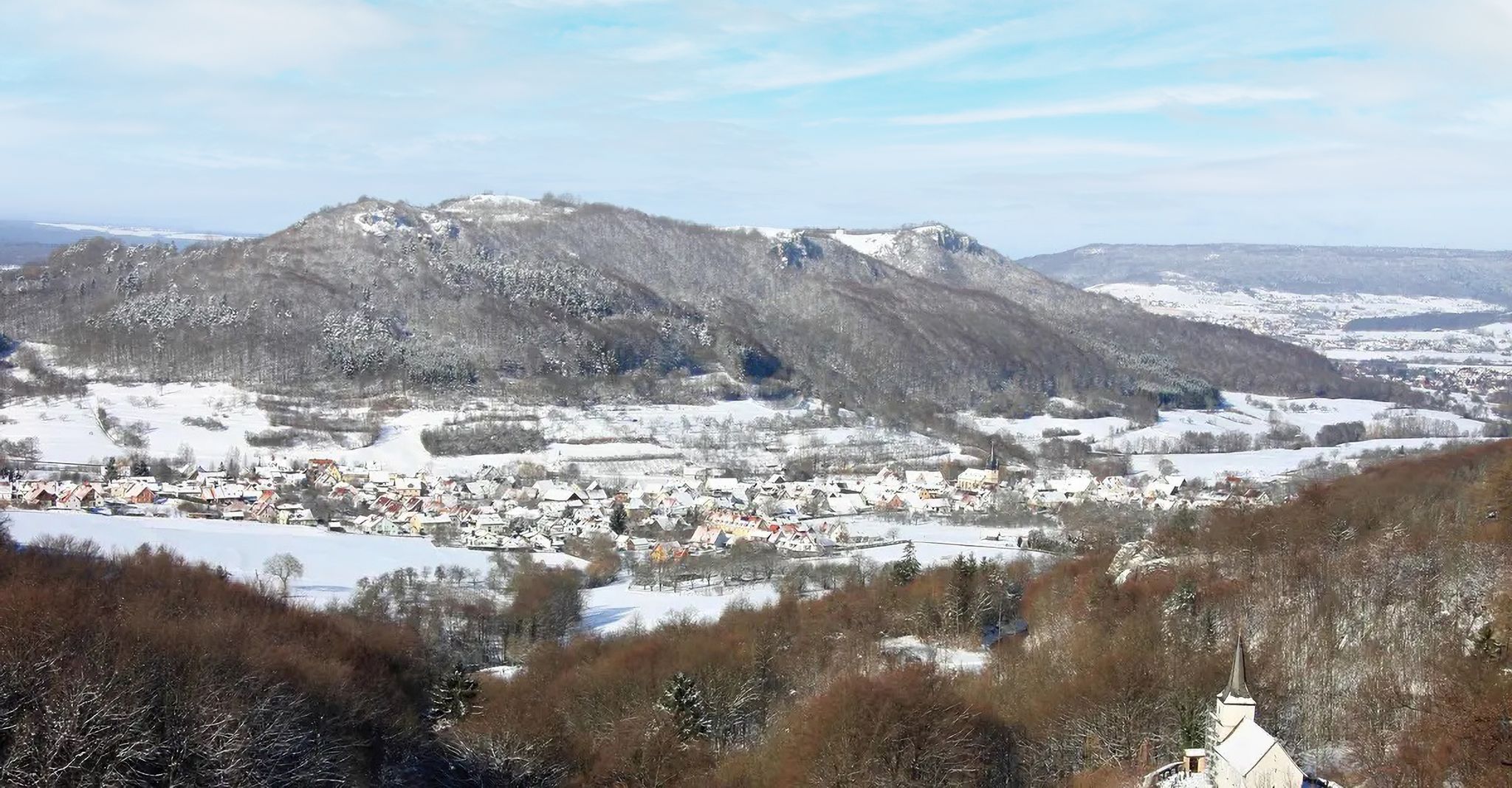
Winter won't stop us – VGN tips for exploring Germany’s Franconia in the cold
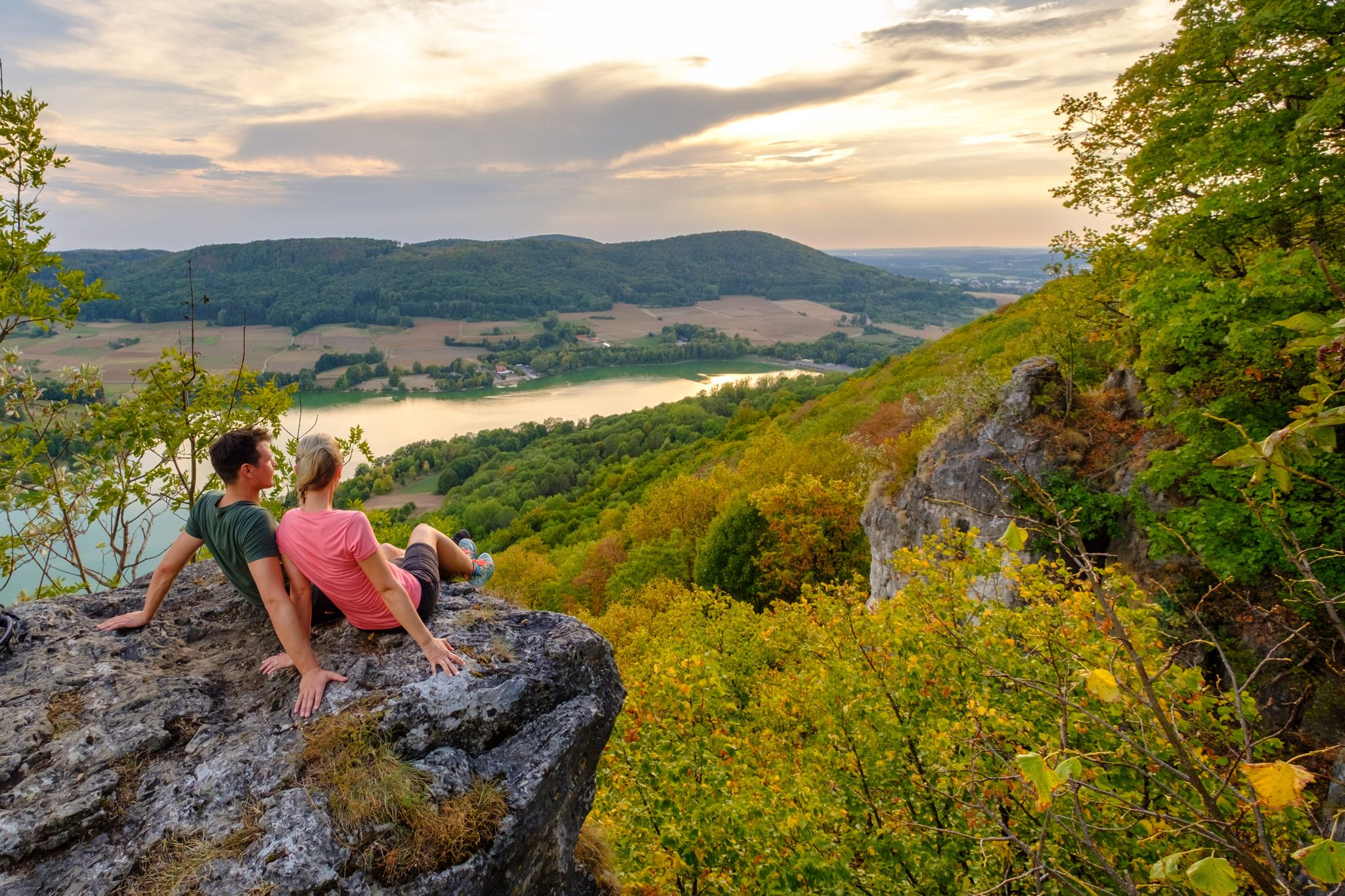
Hiking in the Nürnberger Land
Hiking around Postbauer-Heng
Cycling around Postbauer-Heng
Road Cycling Routes around Postbauer-Heng
MTB Trails around Postbauer-Heng
Running Trails around Postbauer-Heng

Gravel biking around Postbauer-Heng


Tips from the Community

Devil's Gorge currently closed until further notice due to wind damage
8
0

The sandstone cave in the Schwarzachklamm got its name from the Swedish king Gustav Adolf, who is said to have attended a sermon given by the Nuremberg pastor Cornelius Mareius there in 1632 after a battle victory in the Thirty Years' War. It is the largest of the erosive washes in the Schwarzach Gorge. https://urlaub.nuernberger-land.de/detail/id=6220ae58f24f424775ea02b6
13
0

The waterfall now consists of a small trickle in summer, at most to wash your hands.
11
0
Visiting the large rock cellar is really fun. Already at the entrance you feel a coolness. A flashlight is a must, just to get around the wet, greasy spots on the floor.
10
1
In fact, everything has already been said here. The hiking trail between the Schwarzach and Karlshöhle is unparalleled. But not on the weekend.
16
2
The cave together with the Schwarzach is a highlight in the area. Avoid walking on Sundays and public holidays. It starts with the parking lot.
21
1

The Karlshöhle with its small spring outlet is one of the two largest caves here in the Schwarzachklamm.
12
0
The small river Schwarzach has cut deep into the Burgsandstein between the Schwarzenbruck district of Gsteinach and the bridge canal of the Ludwig-Danube-Main Canal. The middle castle sandstone was formed about 215 million years ago during the Mesozoic (Triassic). This type of rock is widespread in western and southern Middle Franconia[6]. Hard and resistant rock like the Burgsandstein narrows a valley to a gorge. The erosive power of the river could only cut into the rock along fissures and faults. The hard sandstone types form the steep gorge walls. Less hard rock layers such as clay layers and weak zones led to the riparian areas being undermined, especially during high water. This resulted in scours, overhanging roofs and surf caves. The two largest caves of this type are the Karl's Cave and the Gustav Adolf Cave. Source: Wikipedia
13
0
Frequently Asked Questions
What are some notable caves in the immediate Postbauer-Heng area?
The local area features the Karl's Cave and Gustav Adolf Cave, both located in the Schwarzach Gorge and formed by the erosive action of the Schwarzach river. Another historical site is the Löwengrube rock cellar, which was once a quarry and later a beer cellar. The Bucher Höhle (Silversand Caves) is also a significant local natural landmark.
Are there family-friendly caves to visit near Postbauer-Heng?
Yes, several caves are suitable for families. The Bucher Höhle is particularly engaging for children due to its maze-like structure, perfect for exploration. The Karl's Cave and Gustav Adolf Cave are also categorized as family-friendly highlights within the Schwarzach Gorge.
What is the best time of year to visit the caves around Postbauer-Heng?
The Bucher Höhle is accessible from April to October. Many natural caves in Bavaria close during winter months to protect hibernating bat colonies. Show caves like Teufelshöhle and Binghöhle typically have specific opening hours, often extending through the warmer months. It's best to check individual cave schedules, especially for guided tours.
What are some impressive show caves in the wider Franconian Switzerland region, easily reachable from Postbauer-Heng?
Franconian Switzerland, a renowned karst landscape, offers several spectacular show caves. The Teufelshöhle (Devil's Cave) in Pottenstein is Germany's largest and most beautiful show cave, famous for its extensive stalactite formations. The Binghöhle near Streitberg is known for its diverse formations, including translucent sinter plumes and unique eccentriques. The König-Otto-Tropfsteinhöhle in Velburg also boasts exquisite dripstone formations.
Are dogs allowed in the caves around Postbauer-Heng?
Dog policies vary significantly between natural caves and managed show caves. For natural sites like the Bucher Höhle, specific rules regarding dogs might be posted locally. For show caves such as Teufelshöhle or König-Otto-Tropfsteinhöhle, it's generally advisable to check their official visitor information directly, as many show caves do not permit dogs inside for safety and preservation reasons.
What kind of historical significance do the caves in this region hold?
The caves in the region often have rich histories. The Bucher Höhle, for instance, was historically used for mining fine quartz sand between World War I and World War II and served as a shelter during the latter. The Löwengrube rock cellar near Altdorf was a quarry before becoming a beer cellar. The Gustav Adolf Cave is named after Swedish King Gustav Adolf II, who reportedly visited during the Thirty Years' War.
What natural features can I expect to see in the caves near Postbauer-Heng?
The caves showcase diverse geological formations. The Bucher Höhle features a maze-like system of chambers. Show caves like Teufelshöhle and König-Otto-Tropfsteinhöhle are famous for their stunning stalactites, stalagmites, and sinter pools. The Binghöhle is noted for its unique sinter plumes and eccentriques. The Riesenburg Collapse Cave is remarkable for its natural rock arch, forming an amphitheater.
Are there hiking trails that lead to or pass by these caves?
Yes, many caves are integrated into hiking routes. For example, the Karl's Cave and Gustav Adolf Cave are highlights along trails in the Schwarzach Gorge. You can find various hiking routes around Postbauer-Heng, including those that visit natural landmarks like the Kaltenbach Spring and Cave. For more options, explore the Hiking around Postbauer-Heng guide.
What other outdoor activities can I do near the caves around Postbauer-Heng?
Beyond cave exploration, the region offers a variety of outdoor activities. You can find numerous running trails, such as the 'Rooty Singletrack Trail loop' or the 'Kago Castle – Rooty Singletrack Trail loop'. Cycling is also popular, with routes like the 'Rothsee – Rothsee South Shore loop'. For more details, check the Running Trails around Postbauer-Heng and Cycling around Postbauer-Heng guides.
What should I wear when visiting caves in the Postbauer-Heng region?
Even in summer, cave interiors maintain a cool, constant temperature, so bringing a light jacket or sweater is advisable. For natural caves or those with uneven terrain, sturdy, waterproof footwear is recommended, as paths can be muddy or slippery. Some gorges, like the Teufelskirche, specifically advise waterproof footwear and good sure-footedness.
Are there any caves near Postbauer-Heng that are particularly challenging or require special equipment?
While many caves are accessible to general visitors, some areas or specific caves might present challenges. For instance, the Teufelskirche (Devil’s Church) — Waterfall and Cave involves navigating a gorge with wooden bridges and stone blocks, where mud can be an issue, requiring good sure-footedness and waterproof footwear. For unguided natural caves, a flashlight is often recommended, as noted for the Löwengrube rock cellar.
How can I reach the caves around Postbauer-Heng using public transport?
Public transport options to specific natural caves can be limited. For the Bucher Höhle, you would typically need to reach Postbauer-Heng by bus or train and then potentially walk or use local transport to get closer. For show caves in Franconian Switzerland, major cities like Nuremberg offer better connections, from which you might take regional buses or trains to towns like Pottenstein or Streitberg. Planning your route in advance using local transport schedules is recommended.
Most popular routes around Postbauer-Heng
Most popular attractions around Postbauer-Heng

Get inspired with the komoot mobile app


Explore more
Extend your search for the best caves by checking out these guides of the top ones around Postbauer-Heng:
