Top 20 Castles around Ursensollen
Best castles around Ursensollen offer insights into the region's historical architecture and strategic past. This municipality in Bavaria, Germany, features several historical structures with castle origins, ranging from well-preserved residences to archaeological sites. The landscape provides a backdrop for exploring medieval residential buildings and significant fortifications. Visitors can discover structures that reflect centuries of architectural evolution and defensive strategies.
Best castles around Ursensollen
- The most popular castles is Poppberg Castle Ruins, a castle that is a well-preserved ruin with…
Last updated: August 16, 2026
Kastl Monastery Castle
Highlight • Castle
Translated by Google •
Tip by

Poppberg Castle Ruins
Highlight • Castle
Translated by Google •
Tip by

Sign up now to discover places like this
Get recommendations on the best single tracks, peaks, & plenty of other exciting outdoor places.
Sign up for free
Schweppermannsburg castle ruins, Pfaffenhofen
Highlight • Castle
Translated by Google •
Tip by

Rossstein Castle Ruins
Highlight • Castle
Roßstein is located near Schmidmühlen and Hohenburg in the middle of the lonely Taubenbacher Forest.
Chunrad Oerelheimer named himself after the castle for the first time in 1331, …
Translated by Google •
Tip by

Sulzbach-Rosenberg Castle
Highlight • Castle
The Sulzbacher castle was from the 8th to the 12th century an important center of power on the Nordgau and is one of the earliest medieval facilities in Bavaria.
Translated by Google •
Tip by
Sign up for free to discover even more castles around Ursensollen.
Sign up for free
Already have an account?
Start today with a free account
Your next adventure awaits.
Login or Signup
Popular around Ursensollen

11 Days on the Erzweg Quality Hiking Trail
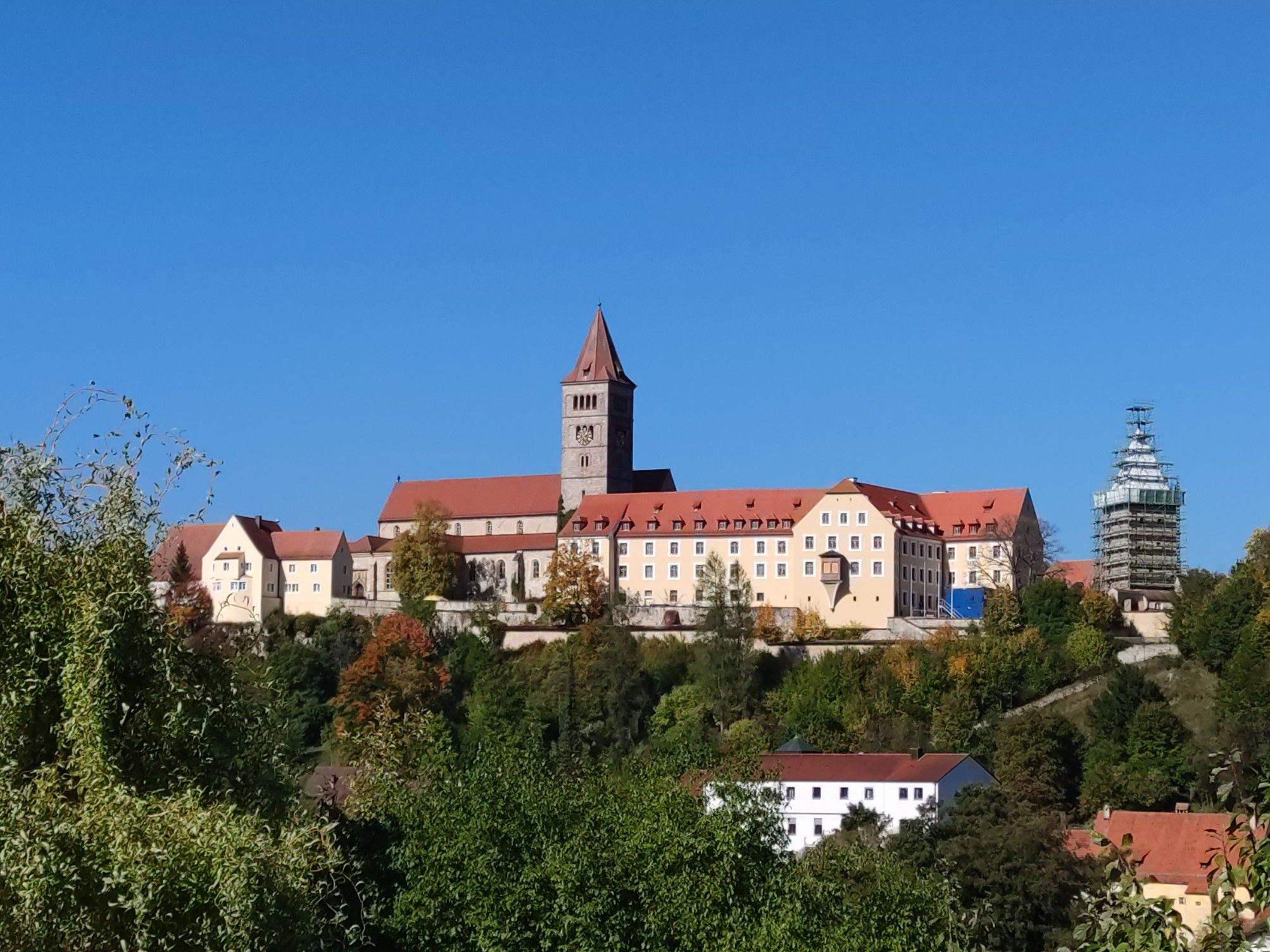
Auf dem Erzweg im Naturpark Hirschwald
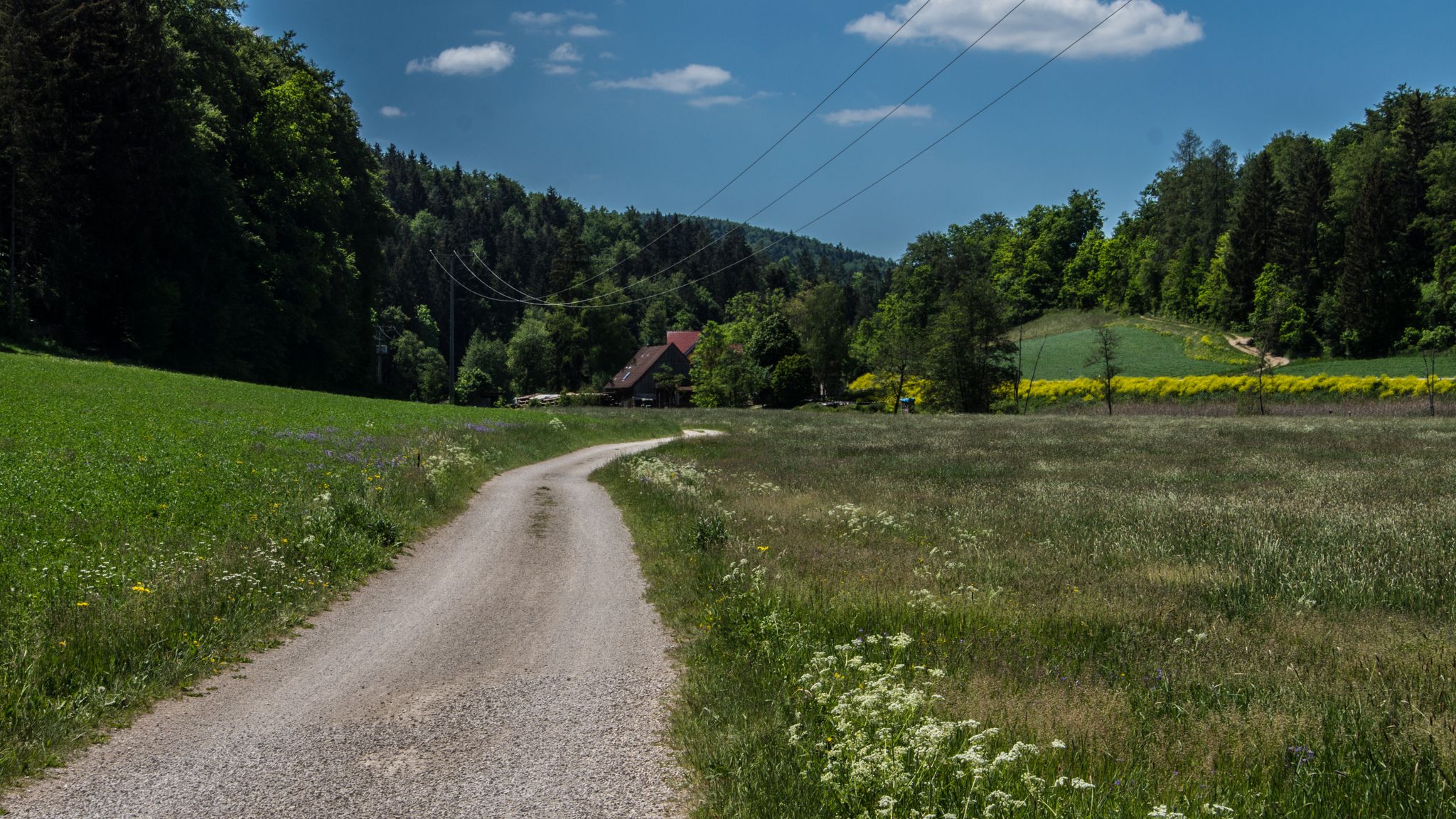
Radfahren im Naturpark Hirschwald
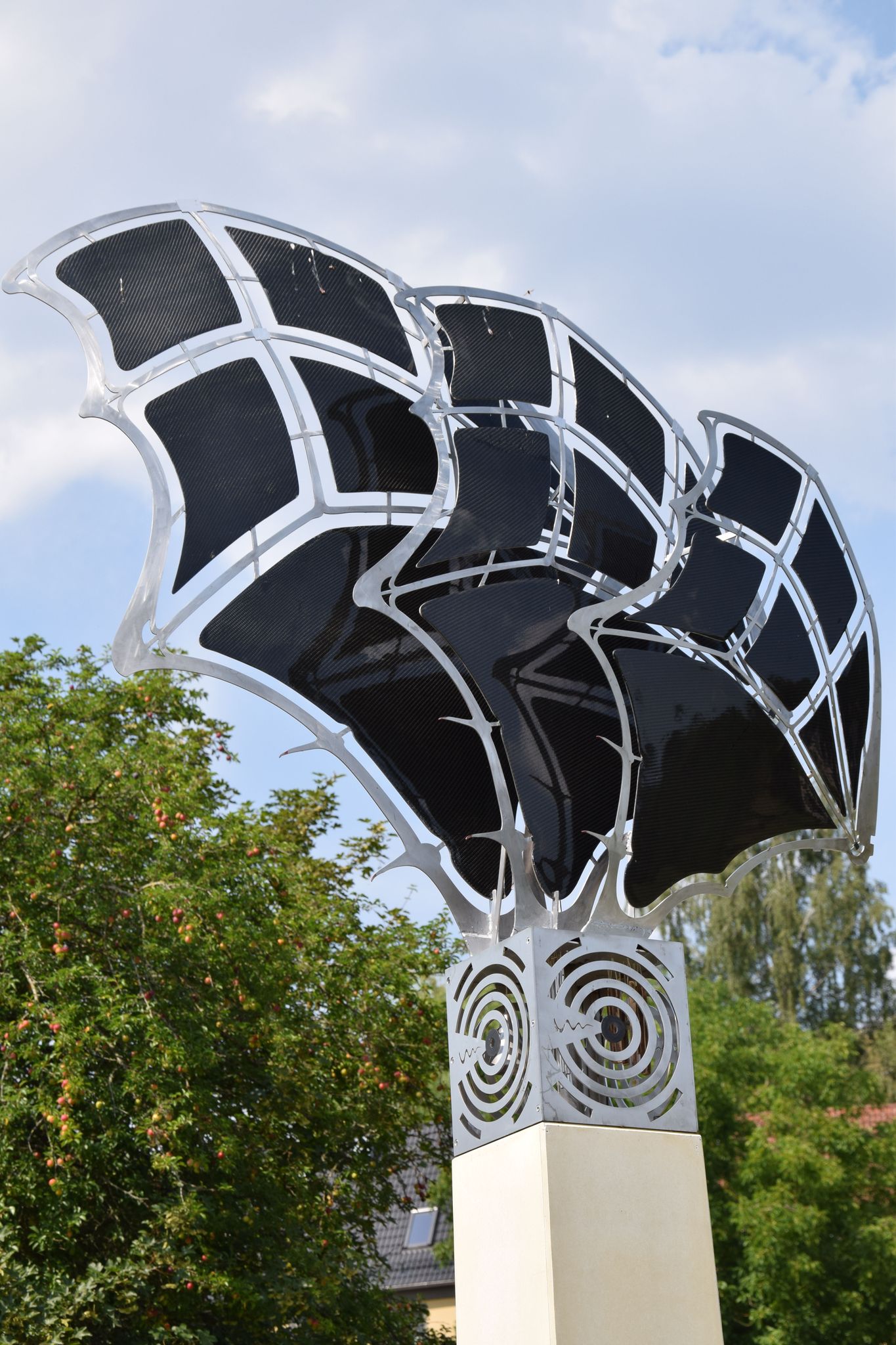
Kunstwandern im Naturpark Hirschwald
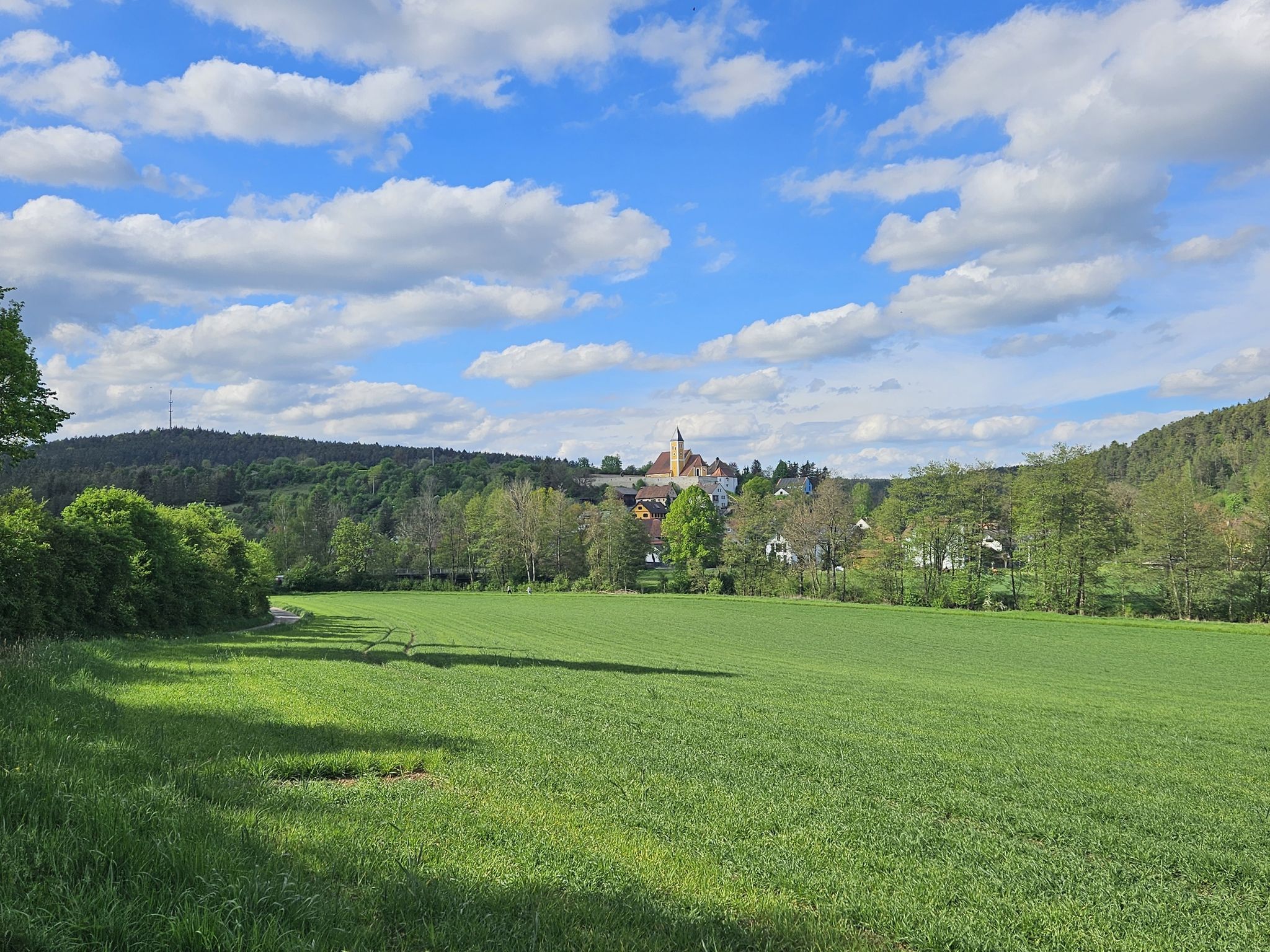
Wandern im Naturpark Hirschwald
Cycling around Ursensollen
Hiking around Ursensollen

Gravel biking around Ursensollen
MTB Trails around Ursensollen
Running Trails around Ursensollen
Other adventures around Ursensollen


Tips from the Community

An old hilltop castle, long used as a monastery by various religious orders. Today it houses the police academy. It lies on a dolomite spur above the valley. This is also where the "Hochholz Trail" begins, which is not to be missed.
0
0

The Kastl castle complex has towered over the Lauterach Valley since the 10th century. In 1098, it was decided to convert the castle into a monastery. Description: It was founded in 1103, and the choir and St. Egidius Chapel were consecrated in 1129. Construction of the monastery church was completed at the end of the 12th century. Through constant renovations and expansions, the church acquired its present appearance. In 1782, it became the property of the Knights of Malta. The basilica has been used as a parish church since 1808. A late Gothic main portal, a four-bay barrel vault, the alternating support of columns and pillars in the nave, and the Gothic stone tomb in the vestibule, which was once the tomb of the deceased Princess Anna, make the church a true gem. Princess Anna was the daughter of King Ludwig the Bavarian and died in 1319. The mummy of the one-and-a-half-year-old "Kastl Child" was preserved until the end of 2013 and can be viewed again. The antechamber also houses the sarcophagus of General Schweppermann. [ Source: https://www.ostbayern-tourismus.de/attraktionen/klosterburg-kastl-fd22a56fae ]
1
0

Very beautiful monastery castle currently serves as a police training center
0
0

Poppberg Castle Ruins It is difficult to determine from the sources when the castle was built. It is particularly unclear whether the mentioned castles and lords of the "Puchberg," "Puckberg," or "Pocksberg" are identical with the Poppbergs. A coat of arms of the "Pocksberg" appears in the Kastl monastery church in the row of founders' coats of arms on the south side of the nave. It can be assumed that the castle was founded to control the "high road" from Prague to Nuremberg, perhaps even under the Counts of Sulzbach, who ruled until 1188. In any case, the village of Poppberg is mentioned as belonging to the Fürnried parish as early as 1139. However, the castle's existing buildings show no signs of such an early foundation; they are more consistent with the period after 1300, when tower-like residential buildings became fashionable. The first truly confirmed reference to the castle appears in 1373, when the so-called New Bohemian Lands of Emperor Charles IV passed into the hands of the Bavarian duke. Poppberg was part of this Bohemian territory on Upper Palatinate soil, founded by Charles in 1353, but dissolved after his death. The Bavarian dukes pawned the castle to their Palatinate relatives in 1395, but redeemed the pledge in 1451. What seems odd is that two years later the castle is described as "deserted and desolate," meaning it was already abandoned. In 1505, after the Landshut War of Succession, Poppberg passed to the Duchy of Palatinate-Sulzbach, and in 1791 to Bavaria, but remained abandoned and fell into disrepair until the present day. The entrance to the castle is protected by a narrow tower on a pointed rock formation that forms the highest point of the castle. The upper part of the tower is occupied by a recently built, concreted shelter, which served as an air observation post during World War II. A circular wall adjoins the rock formation, forming a clearly visible edge of the terrain and extending extensively around the entire area. Traces of soil near the entrance suggest several utility buildings. The most impressive part of Poppberg is the residential building, a typical late medieval mixture of residential tower and palace dating from after 1300. The lower floor of the building probably served as a pantry and kitchen. The second floor is much more residential, with larger windows and two large entrances leading to the former battlements on either side. A third floor is suspected. Source: www.burgenseite.de
5
0

Great monastery castle with an amazing view - be sure to take the small juniper hiking trail!
0
0

The Schweppermannsburg (also called Pfaffenhofen Castle) is a castle ruin in Pfaffenhofen, a district of the market town of Kastl (Lauterachtal) in the Upper Palatinate district of Amberg-Sulzbach in Bavaria. The complex is listed as an archaeological monument under the file number D-3-6635-0121 in the Bavaria Atlas as "archaeological findings in the area of the castle ruin "Schweppermannsburg" in Pfaffenhofen, hilltop settlements from the late Hallstatt/early La Tène period and the early Middle Ages". It is also listed as a listed building monument in Pfaffenhofen under the file number D-3-71-132-63. The outer bailey of the spur castle is freely accessible at all times, the main castle with the keep is not. The construction time of the complex is undated. Excavations in 2004 showed extensive building work in the 13th century and a few ceramic finds from the castle area indicate settlement activity as early as the 9th/10th - 11th/12th centuries. Pfaffenhofen was part of the original equipment of the Kastl monastery and has a settlement continuity that probably goes back to the 8th/9th century. Pfaffenhofen Castle was first mentioned in a document in the House Contract of Pavia in 1329, in which half of the complex went to the Duke of Bavaria, Ludwig the Bavarian. From 1335 to 1352, Hartung the Schweppermann, a son of Seyfried Schweppermann, can be proven to have been (partially) the owner of the castle. At the end of the 14th century, Ulrich the Sweppermann finally appears as the lord of the castle. The Schweppermann family subsequently gave the castle its name. In the 17th century, the complex was destroyed by Swedish troops during the Thirty Years' War and then hastily rebuilt. The castle complex fell into disrepair in the early 19th century and was only included in a renovation plan towards the end of the 20th century. Since October 24, 2007, the castle has been owned by the chairman of the Amberg section of the German Alpine Association, who purchased it from the Free State of Bavaria Source: Wikipedia
2
0
Kastl Abbey Castle is the largely preserved hilltop castle and later Kastl Monastery, located on a long dolomite peak above the Lauterach Valley, high above Kastl in the Amberg-Sulzbach district of Bavaria. It is listed as an architectural monument under the file number D-3-71-132-21. "Archaeological findings from the Middle Ages and the early modern period in the area of the former Benedictine Abbey of Kastl" are also listed as an archaeological monument under the file number D-3-6636-0070. The castle complex was probably founded in the Carolingian period. In 954, Margrave Luitpold of Austria is said to have received Kastl Castle as a fief. In the same year, Luitpold owned the entire Heubischgau region, including Kastl, Habsberg, Illschwang, and Sulzbach. In 1098, the castle had three owners: Count Berengar of Sulzbach, Frederick I of Habsberg-Kastl with his son Count Otto of Habsberg-Kastl, and Luitgard of Zähringen, wife of Margrave Diepold II of Vohburg. Between 1098 and 1102, the owners agreed to convert the castle into a Benedictine monastery.[1] On May 12, 1102, Pope Paschal II confirmed the founding of the monastery. Source: Wikipedia
3
0

Nice little castle ruins and easy to get to;
2
0
Frequently Asked Questions
What types of historical structures can I expect to see around Ursensollen?
The Ursensollen region offers a diverse range of historical structures. You can explore medieval residential castles like Heimhof Castle, significant castle ruins such as Poppberg Castle Ruins and Hohenburg Castle Ruins, and even a transformed castle site like Schloss Ursensollen, which is now part of the St. Vitus church. Additionally, you can find fortified gate systems like Ziegeltor in Amberg.
Are there any well-preserved medieval castles in the Ursensollen area?
While many castles in the region are ruins or have been significantly altered, Heimhof Castle stands out as a well-preserved example of a medieval residential castle. Built in the 14th century, its exterior, with corner towers and a four-story palas, offers a compelling glimpse into the region's architectural past. Although privately owned and not accessible inside, its imposing structure can be admired from nearby valley hiking paths.
Which castles offer good viewpoints or scenic surroundings?
Poppberg Castle Ruins, located on the highest elevation in the Franconian Alb, provides a magical feel and scenic views. Hohenburg Castle Ruins also offers expansive views of the surrounding area. For a different perspective, the valley hiking paths around Heimhof Castle provide excellent views of its facades and the terrain.
Can I visit Schloss Ursensollen, and what remains of the original castle?
Schloss Ursensollen, while historically significant, no longer exists in its original form as a traditional castle. Its site is recognized as an archaeological monument. The castle chapel was expanded into the St. Vitus parish church, and the original castle structure is largely gone. Visitors interested in local history and the evolution of religious structures might find the St. Vitus church, which incorporates elements of the former castle chapel, of interest.
Are there hiking opportunities near the castles around Ursensollen?
Yes, the region offers several hiking opportunities. For instance, valley hiking paths provide excellent views of Heimhof Castle. You can find various hiking routes around Ursensollen, including easy to moderate trails like the "Hoibrücke Viaduct – View of Hoibrücke Viaduct loop from Ursensollen" or the "Old Agricultural Machines – Fehlner Chapel on the Watch loop from Heinzhof." For more options, explore the Hiking around Ursensollen guide.
What is the history behind <a href="https://www.komoot.com/highlight/2859897" target="_blank" rel="noopener">Schweppermannsburg castle ruins, Pfaffenhofen</a>?
Schweppermannsburg castle ruins has a rich history, with origins possibly dating before 1220. It is famously associated with Seyfried Schweppermann, a field captain of Emperor Ludwig the Bavarian in the 14th century. The castle was destroyed in the Thirty Years' War in 1633 and later partially demolished. Today, the outer bailey is freely accessible, and the site is administered by the German Alpine Club, serving as a youth and hiking base.
Are there any family-friendly castle sites or activities in the area?
Many of the castle sites, particularly those with accessible exteriors or ruins, can be family-friendly for exploration. Kastl Monastery Castle and Ziegeltor, Amberg are both listed as family-friendly. Exploring the grounds of ruins like Poppberg Castle Ruins can also be an engaging activity for families.
What is the significance of <a href="https://www.komoot.com/highlight/739506" target="_blank" rel="noopener">Kastl Monastery Castle</a>?
Kastl Monastery Castle is a largely preserved hilltop castle that was converted into a Benedictine monastery between 1098 and 1102. It's considered an architectural and archaeological monument, showcasing centuries of evolution from a castle complex, possibly founded in the Carolingian period, to a significant religious site. The monastery castle has undergone recent renovations.
Can I combine a castle visit with cycling activities?
Absolutely! The Ursensollen region offers numerous cycling routes that pass by or near historical sites. For example, the "View of Klosterburg Kastl – View of Klosterburg Kastl loop from Burg Heimhof" is a challenging cycling route. You can find more options, including road cycling and touring bicycle routes, in the Cycling around Ursensollen and Road Cycling Routes around Ursensollen guides.
What is the best season to visit the castles around Ursensollen?
The best time to visit the castles around Ursensollen generally depends on your preferred outdoor activities. Spring and autumn offer pleasant temperatures for hiking and cycling, with beautiful foliage or blooming landscapes. Summer provides longer daylight hours for exploration. Even in winter, some exteriors and ruins can be admired, though access to certain areas or trails might be limited by weather conditions.
Is there parking available at the castles?
Parking availability varies by site. For locations like Heimhof Castle, you would typically park in nearby villages or designated areas for valley hiking paths. For castle ruins that are often accessed via hiking trails, parking might be available at trailheads in the closest market towns. It's advisable to check local signage or specific highlight details for parking information before your visit.
What makes <a href="https://www.komoot.com/highlight/573898" target="_blank" rel="noopener">Hohenburg Castle Ruins</a> historically important?
Hohenburg Castle Ruins is one of the oldest castle foundations in the Upper Palatinate, likely dating back to around 1050. It played a crucial role in protecting an important medieval trade route. Although located within the US military training area Hohenfels, it can be reached via a path starting directly behind the fire station in the Hohenburg market, offering a glimpse into the region's early defensive strategies.
Most popular routes around Ursensollen
Most popular attractions around Ursensollen

Get inspired with the komoot mobile app


Explore more
Looking for the best castles somewhere else? Discover other guides around Ursensollen:
