Top 12 Castles around Puschendorf
Castles around Puschendorf offer a glimpse into the region's rich history, even though Puschendorf itself does not host castles directly. The surrounding area features several historical castles with distinct characteristics and visitor experiences. These sites provide a tangible link to medieval and later historical periods. Visitors can explore various architectural styles and learn about past eras.
Best castles around Puschendorf
- The most popular castles is Cadolzburg Castle, a castle that features a 1,500 m² exhibition on medieval life and…
Last updated: July 1, 2026
Cadolzburg Castle
Highlight • Castle
Translated by Google •
Tip by

Cadolzburg Castle
Highlight • Castle
Translated by Google •
Tip by

Sign up now to discover places like this
Get recommendations on the best single tracks, peaks, & plenty of other exciting outdoor places.
Sign up for free
Burgfarrnbach Palace
Highlight • Castle
Translated by Google •
Tip by

Altschauerberg Ruins
Highlight • Historical Site
Translated by Google •
Tip by

New Castle Brunn
Highlight • Castle
Translated by Google •
Tip by

Sign up for free to discover even more castles around Puschendorf.
Sign up for free
Already have an account?
Start today with a free account
Your next adventure awaits.
Login or Signup
Tips from the Community

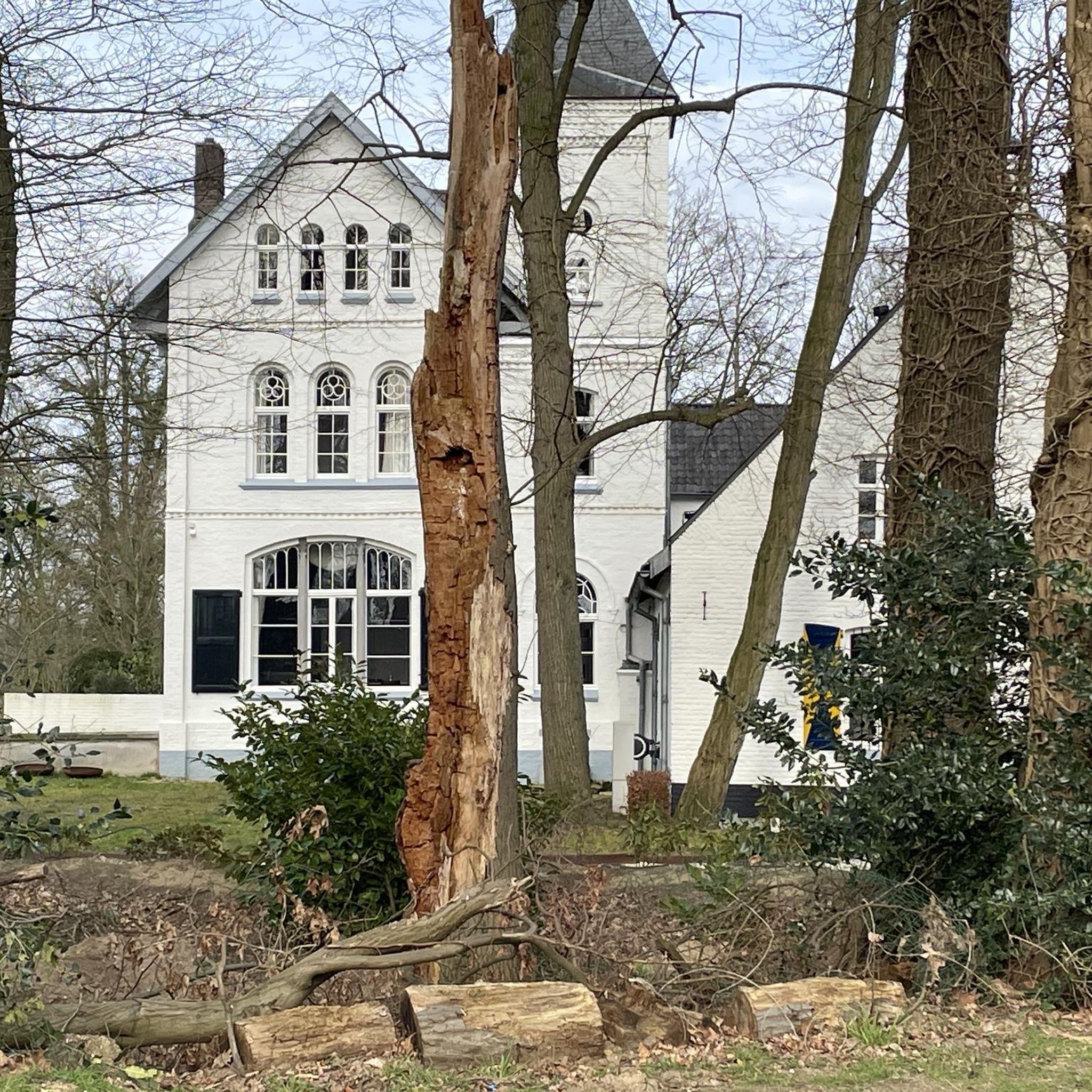
The exterior is currently being renovated. It's not really worth stopping by at the moment.
0
0

The New Palace next to the Old Palace was built by Count Christian Karl von Pückler-Limburg from 1753 onwards.
0
0
The place was first mentioned in 1154/57 as "Brunnen" (Brunn) in a document in which the Heilsbronn Monastery exchanged goods in this and other places for goods in other places. In 1311, the monastery sold its goods to Wolfram von Urach. From 1400 to 1458, the castle was owned by the Lords of Seckendorff, then by the Lords of Lüchau. Brunn Castle was burned down in 1409 (and again in 1501). The core of what is now known as the Old Castle dates from 1525 (the castle was damaged in the Peasants' War) and 1553 (also damaged in the Second Margrave War).
0
0

Six-axis, two-story, single-wing building with a mansard roof and a three-story corner projection with grooved pilasters. The palace was originally planned as an eleven-axis structure.
0
0

Massive structure, presumably the sight alone was intended to demotivate the attacker.
2
0

A beautiful town with the castle as its highlight. The castle is open in the summer from Tuesday to Sunday from 9 a.m. to 6 p.m. The forecourt and the castle garden are freely accessible. There is an admission fee for the castle itself and the exhibitions. As of 2025, the fee is €7 per person. But it's definitely worth it.
7
0
Cadolzburg Castle is an impressive medieval fortress perched on a prominent rocky outcrop above the town of the same name in Bavaria. Its history dates back to the 12th century, and for a long time it was an important base for the burgraves of Nuremberg, later known as the Hohenzollerns. The castle served not only as a defensive structure but also as an administrative center and temporary residence. Today, the castle houses a modern interactive museum called "HerrschaftsZeiten!" (HerrschaftsZeiten!), which vividly conveys the history of the Hohenzollerns in Franconia and Brandenburg.
9
0

The place was first mentioned in a document in 1157, when the bailiff of Kadolzburg, a "Helmericus de Kadoldesburc", agreed to an exchange of goods between the diocese of Würzburg and the Heilsbronn monastery. The place name can be explained as Kadolds Burg (Castle of Kadold).
2
0
Frequently Asked Questions
What makes Cadolzburg Castle a significant historical site?
Cadolzburg Castle, with origins dating back to at least 1157, was a primary seat of government for the Hohenzollern family. It played a crucial role in conflicts with Nuremberg during the 14th and 15th centuries, offering a direct link to the late medieval period and this powerful dynasty.
What kind of exhibition can I find at Cadolzburg Castle?
Cadolzburg Castle hosts a 1,500 m² exhibition titled "A castle and its lords. The Cadolzburg experience." This interactive exhibit allows visitors to see, hear, smell, and feel what medieval life was like 500 years ago, including the chance to try on a knight's armor. It covers daily life, politics, warfare, and entertainment of the era.
What is the current function of Burgfarrnbach Palace?
Burgfarrnbach Palace, owned by the city of Fürth, has been renovated to house the city archive and a scientific library containing over 35,000 volumes. It also serves as a popular venue for various events, including wedding celebrations. Guided tours can be arranged through Fürth Tourist Info.
Are there any castle ruins to explore near Puschendorf?
Yes, the Altschauerberg Ruins are a notable historical site near Puschendorf. Built in the 14th century as an official castle for the burgraves of Nuremberg, only a few wall remains are preserved today. It's a great spot for those interested in ancient remnants and offers beautiful trails around the site.
Are the castles around Puschendorf family-friendly?
Many castles in the area are family-friendly. For example, Cadolzburg Castle offers an interactive exhibition where children can engage with medieval history, even trying on knight's armor. Burgfarrnbach Palace also welcomes families for visits and events.
Can I bring my dog to the castles near Puschendorf?
While specific indoor policies vary, outdoor areas and surrounding trails are often dog-friendly. For instance, the Altschauerberg Ruins are noted as dog-friendly, making it a good option for exploring with your canine companion.
What outdoor activities can I do near the castles around Puschendorf?
The region around Puschendorf offers various outdoor activities. You can find numerous running, hiking, and mountain biking trails. For example, near Cadolzburg Castle, you can access the Hohenzollern cycle and hiking trail. Explore more options on the Running Trails around Puschendorf, Hiking around Puschendorf, and MTB Trails around Puschendorf guides.
Are there hiking trails near these castles?
Yes, several castles are situated near hiking trails. The Altschauerberg Ruins are along the Aurach-Weg and Rangau-Querweg long-distance hiking trails. Cadolzburg Castle is also a stop on the Hohenzollern hiking trail. You can find more detailed routes in the Hiking around Puschendorf guide.
How can I reach Cadolzburg Castle by public transport or car?
Cadolzburg Castle is accessible by both car and public transport. It is a stop on the Hohenzollern cycle and hiking trail, suggesting good connectivity. For drivers, parking is available, and some visitor tips mention bicycle parking with charging stations.
What amenities are available at or near Cadolzburg Castle?
At Cadolzburg Castle, visitors can enjoy free Wi-Fi in much of the main castle and bailey. During warmer months, the "Vesperhäusla" kiosk in the schoolhouse garden offers drinks and small meals. The museum is heated for year-round comfort.
What is the best time of year to visit the castles around Puschendorf?
The castles around Puschendorf can be visited year-round. The museum at Cadolzburg Castle is heated, ensuring comfort even in colder months. Warmer seasons are ideal for enjoying the outdoor areas, gardens, and nearby hiking trails.
What do visitors particularly enjoy about the castles around Puschendorf?
Visitors appreciate the rich history and interactive experiences offered by the castles. Many highlight the well-made exhibition at Cadolzburg Castle, with its interactive elements like trying on knight's armor. The historical significance and the opportunity to explore ancient ruins like Altschauerberg Ruins are also highly valued.
Most popular routes around Puschendorf
Most popular attractions around Puschendorf

Get inspired with the komoot mobile app


Explore more
Looking for the best castles somewhere else? Discover other guides around Puschendorf:
