Top 20 Castles around Röthenbach an der Pegnitz
Best castles around Röthenbach an der Pegnitz offer a journey through historical architecture in the Nürnberger Land region. The area features a mix of well-preserved Renaissance noble residences, historic manor houses, and imposing fortresses. Situated along the Pegnitz river, the landscape provides a scenic backdrop for exploring these historical landmarks. Visitors can discover centuries of architectural evolution and significant historical sites.
Best castles around Röthenbach an der Pegnitz
- The most popular castles is Rothenberg Fortress, a historical site and…
Last updated: October 10, 2026
View of Wenzel Castle (Lauf Castle)
Highlight • Castle
Translated by Google •
Tip by

Rothenberg Fortress
Highlight • Historical Site
Guided tours are only available during the summer …
Translated by Google •
Tip by

Sign up now to discover places like this
Get recommendations on the best single tracks, peaks, & plenty of other exciting outdoor places.
Ruins of Oberbürg Castle
Highlight • Castle
Translated by Google •
Tip by

Zeltnerschloss and Zeltner Pond
Highlight • Castle
Translated by Google •
Tip by

Hersbruck Castle
Highlight • Castle
Translated by Google •
Tip by
Sign up for free to discover even more castles around Röthenbach an der Pegnitz.
Already have an account?
Start today with a free account
Your next adventure awaits.
Popular around Röthenbach an der Pegnitz
Hike the Dune Path in Central Germany – From sand dunes to forests
33 lakes for sunny weekends
Beautiful swimming lakes in Bavaria
The most beautiful swimming lakes around Nuremberg
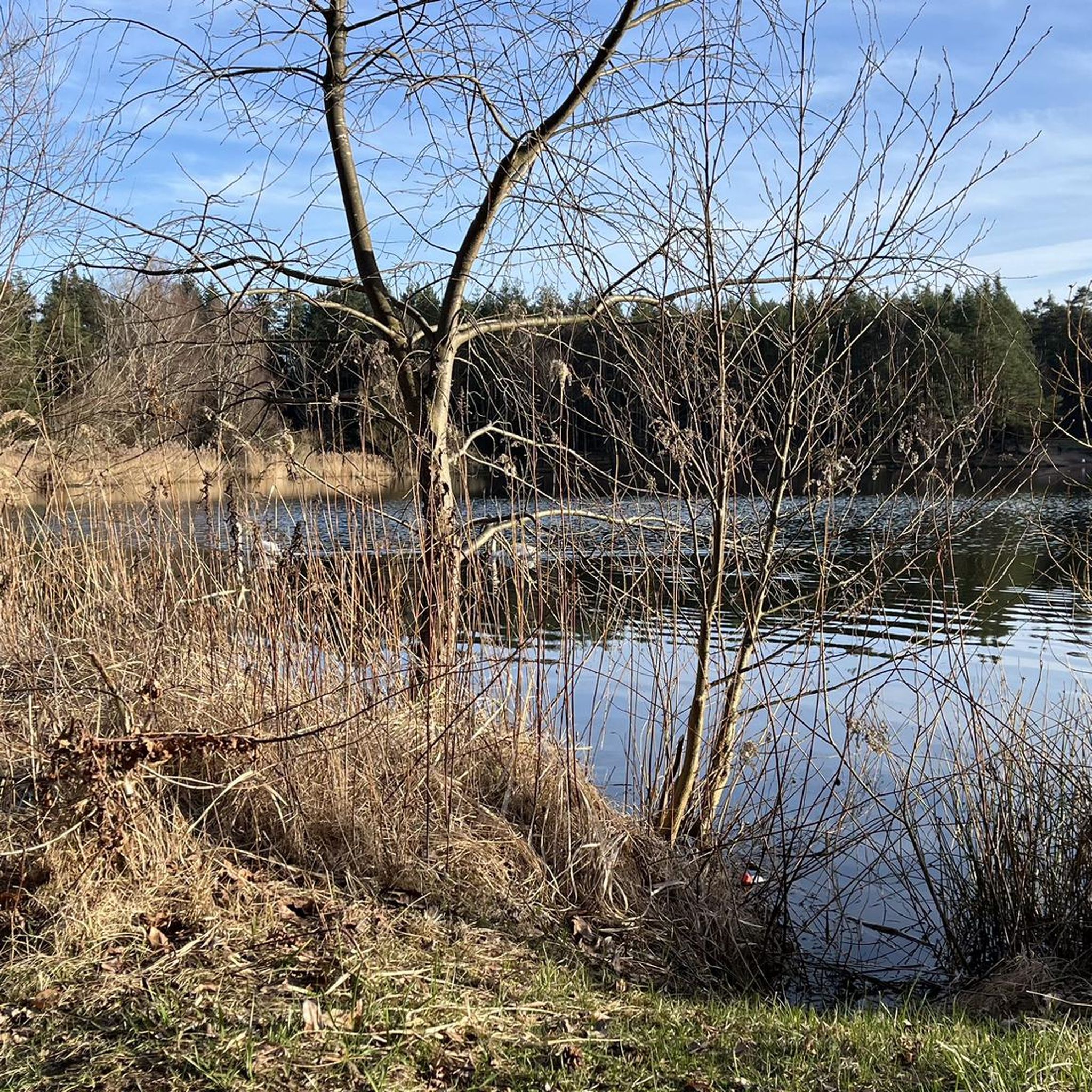
Hiking around Röthenbach an der Pegnitz
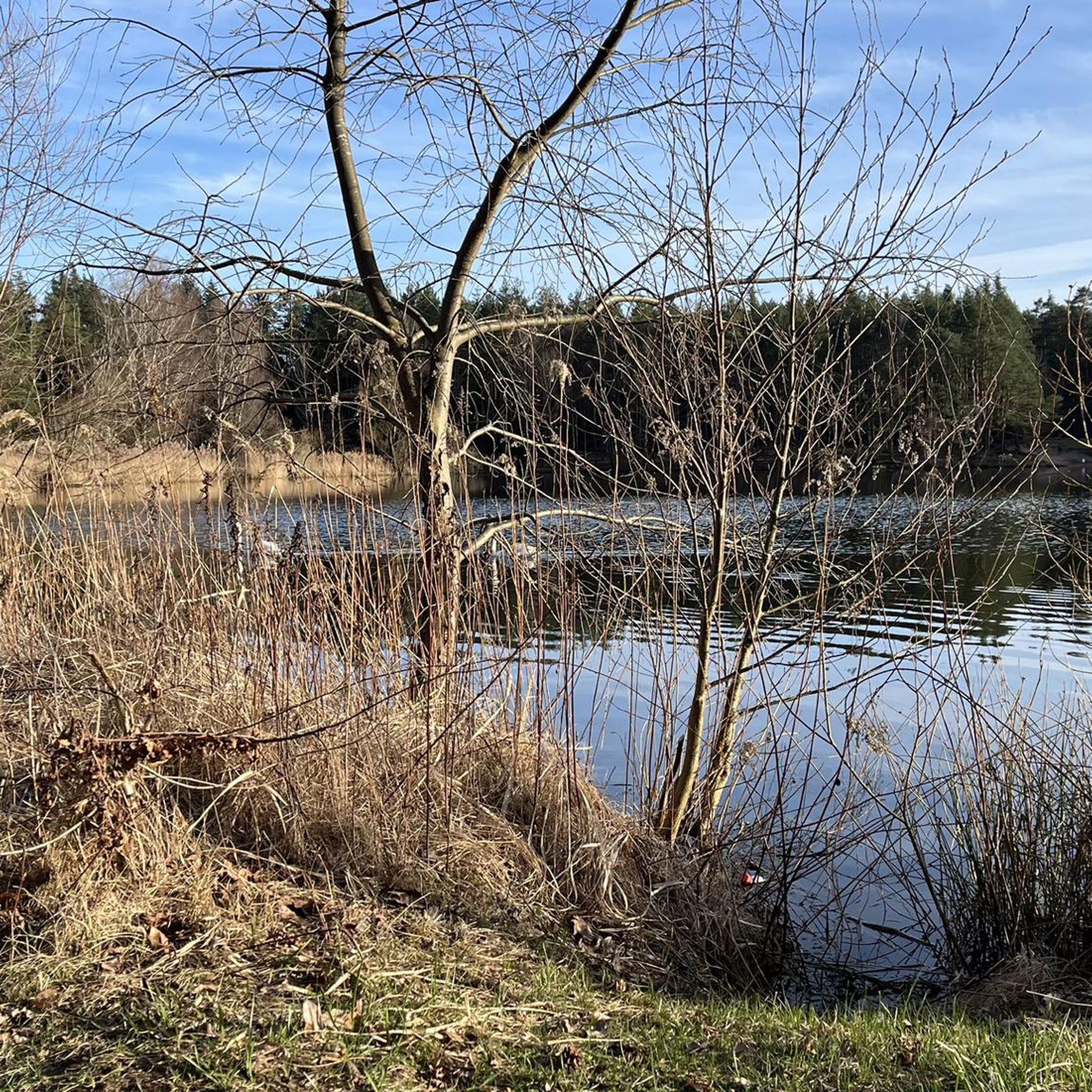
Cycling around Röthenbach an der Pegnitz
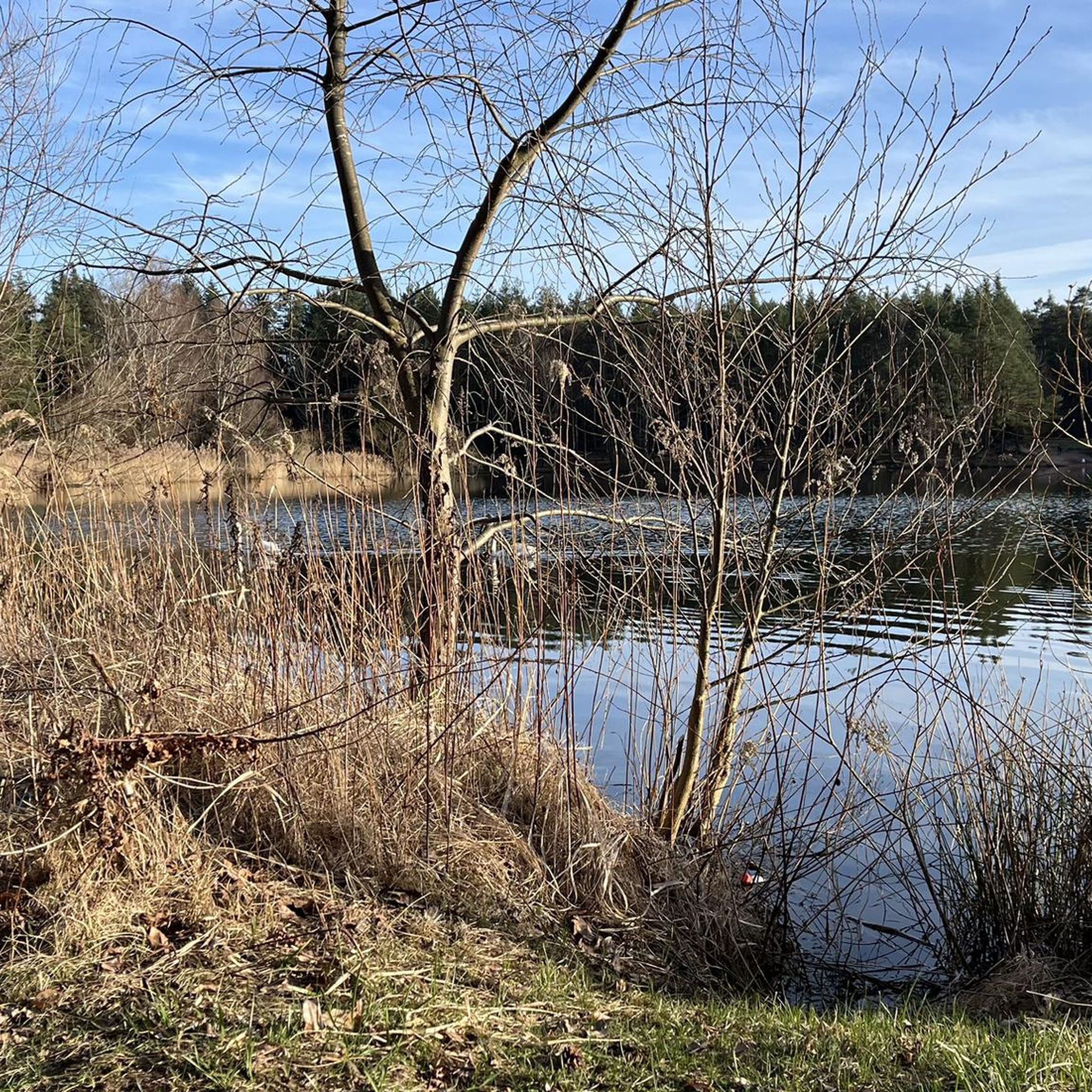
Road Cycling Routes around Röthenbach an der Pegnitz
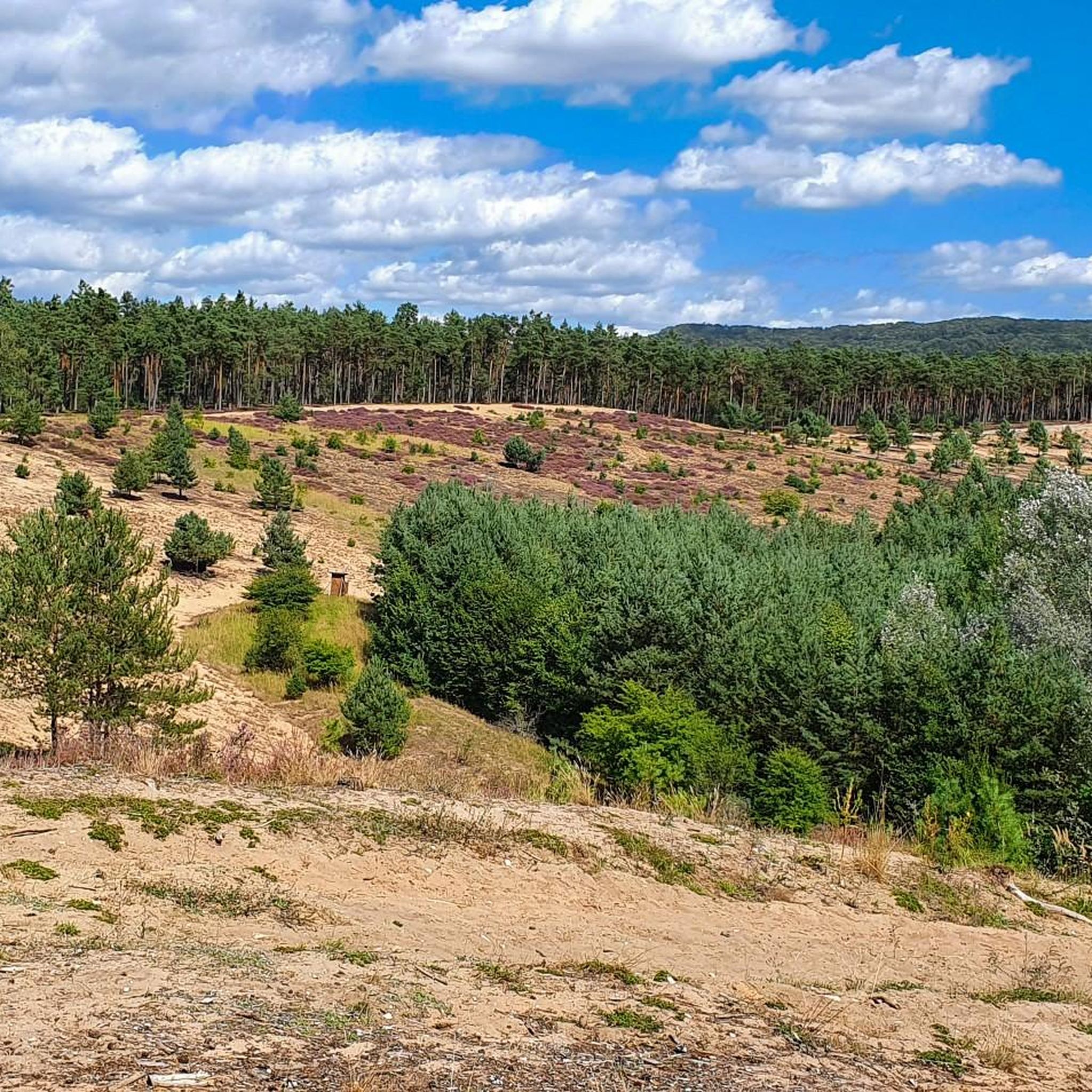
MTB Trails around Röthenbach an der Pegnitz
Running Trails around Röthenbach an der Pegnitz
Gravel biking around Röthenbach an der Pegnitz
Other adventures around Röthenbach an der Pegnitz


Tips from the Community

Very well-maintained property from the outside. From the inside, you don't have to like buildings for this purpose.🤔
9
0
The castle was built between 1356 and 1360 by Emperor Charles IV. It was strategically located on the "Golden Road", the important trade route between Nuremberg and Prague. Charles IV used it as a stopover castle and residence to consolidate his claims to power in the region. Today, it houses an external campus of the Nuremberg Academy of Fine Arts.
9
0

A very charming medieval complex. Today it houses the district court. A landmark of Hersbruck worth seeing!
3
1

From the Pegnitz Bridge there is a wonderful view of the Laufer Wenzelsburg Castle.
4
0

With military character: The Zeltner Castle to protect the hammer mill and the city The first mention of the Zeltner Castle can be found as early as 1336: Konrad Groß acquired the hammer mill, the Gleißhammer mill, which was probably to be protected from raids or attacks by today's Zeltner Castle. The property at that time therefore served more of a military purpose. The city of Nuremberg recognized the strategically favorable location of the castle in front of the city walls and claimed the building in 1370.
1
0

This castle is definitely worth a visit if you get the chance.
6
1

It is assumed that a monastery courtyard was built on the site of an old castle. A fortified "tower and seat" is known, about whose construction period nothing is known. As builders, only the monastery vogts are likely candidates: the Counts of Sulzbach in the 11th or early 12th century, the Staufers in the late 12th or early 13th century. After 1504, the Nuremberg lords ordered the demolition. The stones of the tower were used to line the moat. Today, the castle houses the Hersbruck District Court. This is a court of ordinary jurisdiction and one of 73 district courts in Bavaria. The Nuremberg-Fürth Regional Court is subordinate to this, both of which in turn belong to the district of the Nuremberg Higher Regional Court. Source: Wikipedia
5
1

The complex belongs to the city of Nuremberg and houses clubs and a cultural shop in the outbuildings. There are rental apartments in the castle building itself. The small but nice Christmas market on the first weekend of Advent in the castle courtyard is highly recommended!
2
0
Frequently Asked Questions
What are some historically significant castles to visit near Röthenbach an der Pegnitz?
The region offers several historically significant sites. Schloss Haimendorf is a remarkably well-preserved Renaissance noble residence, the ancestral seat of the Fürer family since 1476. The Herrensitz Röthenbach an der Pegnitz I, also known as the 'Yellow Castle,' dates back to 1434 and showcases centuries of architectural evolution. Further afield, Festung Rothenberg is an imposing 18th-century fortress built on the site of an earlier 13th-century castle, offering extensive grounds and a small museum.
Which castles offer panoramic views of the surrounding landscape?
Rothenberg Fortress is an excellent choice for panoramic views. Its strategic location and extensive grounds provide stunning vistas of the Nürnberger Land region. The fortress itself is a highlight, featuring casemates, guard rooms, and bastions.
Are there any castles that are particularly family-friendly?
Yes, several castles are suitable for families. The View of Wenzel Castle (Lauf Castle), located on an island in the Pegnitz, is a charming medieval site with a unique coat of arms hall and a drawbridge that children often enjoy. The Ruins of Oberbürg Castle also offer an interesting historical exploration for families, with information about its past on site. Additionally, Zeltnerschloss and Zeltner Pond provides a pleasant setting with a castle and nearby lake.
What is the best time of year to visit the castles around Röthenbach an der Pegnitz?
The spring and summer months (May to October) are generally ideal for visiting, as the weather is pleasant for exploring outdoor castle grounds and enjoying the surrounding nature. However, be aware that the underground casemates at Festung Rothenberg are closed from November to April to protect bat populations, so plan accordingly if you wish to explore those specific areas.
Can I find hiking trails near the castles?
Absolutely! The region around Röthenbach an der Pegnitz is excellent for hiking. For example, there's a moderate 11.4 km hike called 'Spratzelbrunnen Spring – View of Haimendorf Castle loop from Röthenbach-Seespitze' that offers views of Schloss Haimendorf. You can find more hiking options and detailed routes in the Hiking around Röthenbach an der Pegnitz guide.
Are there any castles with unique architectural features?
Yes, Wenzel Castle (Lauf Castle) is notable for its location on a small island in the Pegnitz and its unique coat of arms hall. Schloss Haimendorf stands out as a significant and well-preserved three-story Renaissance noble residence with distinctive corner towers. Festung Rothenberg is a prime example of an 18th-century 'bastionary' fortress constructed in the French style, featuring impressive casemates and thick outer walls.
What kind of outdoor activities can I do near these historical sites?
Beyond exploring the castles, the area offers a variety of outdoor activities. You can enjoy hiking through scenic landscapes, gravel biking, or road cycling along the Pegnitz river. Many routes pass by or offer views of historical landmarks and natural features like lakes and forests.
Are there any dining options or cafes near the castles?
Yes, for a historical dining experience, consider Hallerschlösschen Nuschelberg. This former castle, built in 1534, now operates as a highly recommended restaurant offering delicious Franconian food. It's a great spot for a meal or a coffee break while exploring the region.
What happened to the Ruins of Oberbürg Castle?
The Ruins of Oberbürg Castle were once considered one of Nuremberg's most magnificent mansions. Unfortunately, it was destroyed in an air raid in 1943. Today, visitors can explore the ruins and learn about its history from construction to destruction, as documented on site.
How far are the main castles from Röthenbach an der Pegnitz?
Schloss Haimendorf is located directly in Haimendorf, a district of Röthenbach an der Pegnitz. The Herrensitz Röthenbach an der Pegnitz I is within Röthenbach itself. Festung Rothenberg is a significant nearby site, located near Schnaittach, which is a short drive from Röthenbach an der Pegnitz. Wenzel Castle is in Lauf an der Pegnitz, also a short distance away.
What makes Schloss Haimendorf unique?
Schloss Haimendorf is unique for its status as one of Franconia's most significant and well-preserved Renaissance noble residences. It has remained the ancestral seat of the Fürer family since 1476, offering a rich narrative of continuous ownership. Its exterior, originally a light red with a white false joint pattern, and largely retained original interior furnishings from its 1562-1566 reconstruction, make it a remarkable historical and architectural landmark.
Are there any castles that are also connected to natural features like lakes?
Yes, Zeltnerschloss and Zeltner Pond offers a picturesque setting where a historical castle is situated alongside a pond. This combination provides a lovely spot for a leisurely visit, blending historical architecture with natural beauty.
What can I expect when visiting Festung Rothenberg?
When visiting Festung Rothenberg, you can explore its extensive grounds, including impressive casemates, guard rooms, and bastions. The fortress offers panoramic views of the surrounding landscape. Guided tours are available during the summer months, providing insights into its complex history and well-preserved structures. There is also a small fortress museum on site. Remember that the underground casemates are closed from November to April to protect bat populations.
Most popular routes around Röthenbach an der Pegnitz
Most popular attractions around Röthenbach an der Pegnitz

Get inspired with the komoot mobile app


Explore more
Looking for the best castles somewhere else? Discover other guides around Röthenbach an der Pegnitz:
