Top 20 Castles around Altenthann
Best castles around Altenthann are found in the Regensburg district of Bavaria, an area known for its historical sites and diverse landscape. The municipality includes Schloss Altenthann, a historical building now functioning as a rectory, which showcases centuries of architectural changes. The surrounding region features a variety of castle ruins and historical structures, offering insights into medieval history. These landmarks are often accessible via local hiking and cycling routes, providing points of interest for outdoor activities.
Best castles around Altenthann
…Last updated: June 22, 2026
Ruins of Donaustauf Castle
Highlight • Castle
Translated by Google •
Tip by

Brennberg Castle
Highlight • Castle
You should climb the steps to the watch tower, from there you have a magnificent view of Brennberg and the surrounding area
Translated by Google •
Tip by

Sign up now to discover places like this
Get recommendations on the best single tracks, peaks, & plenty of other exciting outdoor places.
Sign up for free
Lobenstein Castle Ruins
Highlight • Castle
Translated by Google •
Tip by

Heilsberg Castle Ruins
Highlight • Castle
Translated by Google •
Tip by
Sengersberg Castle Ruins
Highlight • Castle
Translated by Google •
Tip by

Sign up for free to discover even more castles around Altenthann.
Sign up for free
Already have an account?
Start today with a free account
Your next adventure awaits.
Login or Signup
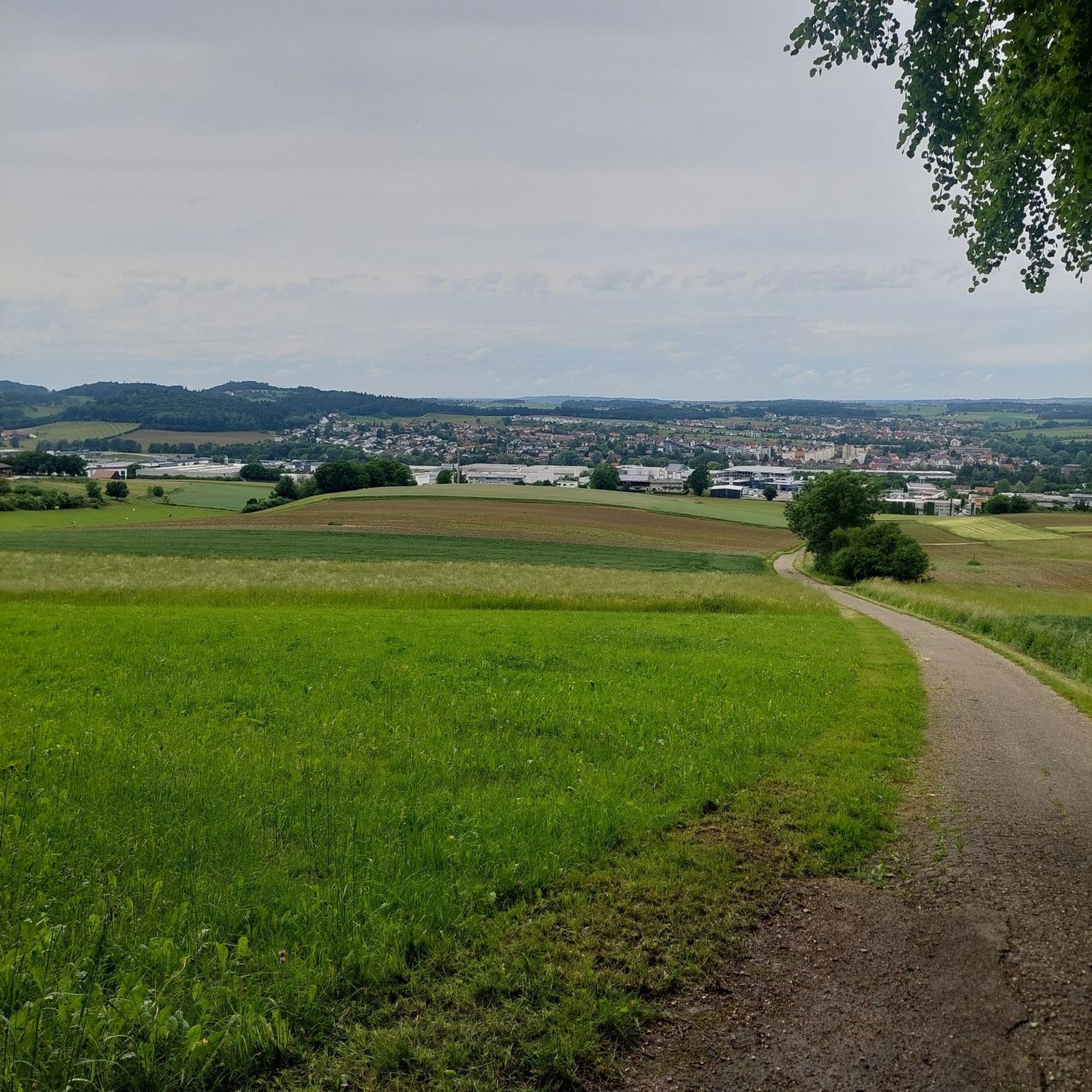
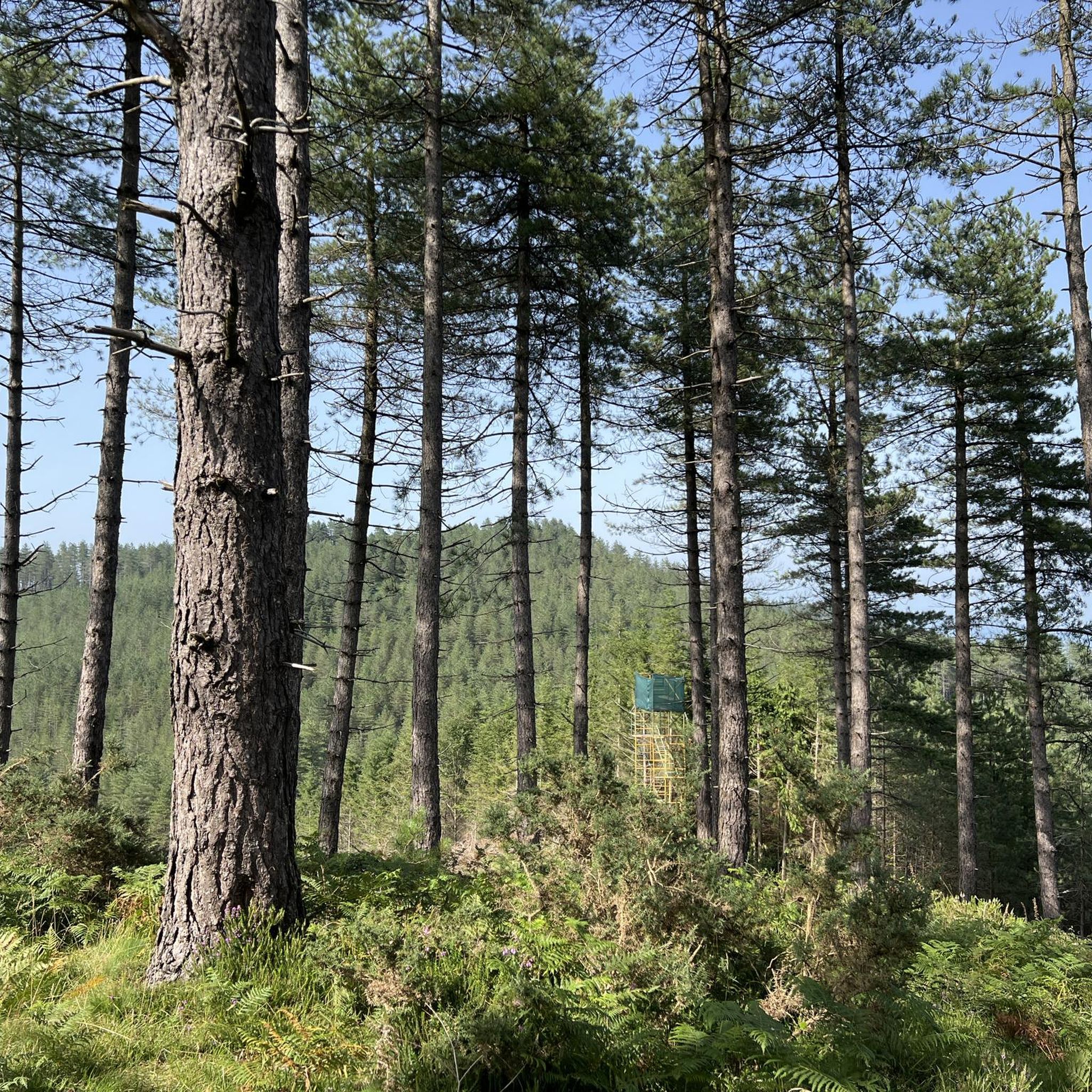
Tips from the Community

Great place, in some places you can still see castle walls.
0
0


Few remains of the ruins, but very beautiful and photogenic.
0
0

Super beautiful, but also very strenuous uphill
0
0

Beautiful place with a summit cross, the climb is not entirely without danger, there is a fall protection secured with a chain. The ruins are very overgrown and can hardly be really seen anymore.
0
1

Lobenstein Castle Ruins Around 1150, Othmar and Rizman von Lobeneck appear in local documents as ministerials of the Margrave of Cham. It is uncertain whether the nobility was referring to the later Lobenstein Castle. We are on safe ground in 1340, when Eberhard von Hof buys an existing "purkstal near Zelle" from Eiban von Peilstein and receives permission from Emperor Ludwig the Bavarian to build there in return for the right to open it. From 1342, Eberhard calls himself Hofer von Lobenstein. He manages a Hofmark in Zell for Bavaria and appoints judges there. After the castle is destroyed by the Hussites at the beginning of the 15th century, the Hofers run into financial difficulties and become robber barons. In 1443, Duke Albrecht III of Bavaria occupied the castle because Degenhard Hofer had killed some of his subjects. Hans Hofer's part of the castle was taken away from him by Count Palatine Otto II in 1468 for similar crimes. From 1489, Dietrich Hofer was a member of the Löwler Knights' League, which opposed the Bavarian Duke. He conquered the castle and only returned it to Dietrich's son Wolf in 1507. In 1530, Lobenstein became part of the Palatinate, but after the damage it was probably never properly inhabited again. The Hofers remained the owners because nobody wanted to buy the ruins. The last Hofer to live in Lobenstein was Hans Georg, who had to leave his domain in 1629 because of his Protestant faith. The Bavarian-occupied Lobenstein Castle was probably finally destroyed by the Swedes in 1633. It has remained a ruin ever since. All that is left of Lobenstein Castle today is the residential tower, which seems to literally grow out of the stone of the granite rock tower. The slightly raised entrance was protected by a round wall tower on the southeast corner. Instead of simple beamed ceilings, barrel vaults were built on Lobenstein with plaster that is still clearly visible today. The residential tower has 3 floors and is 18 m high with a wall thickness of 2.5 m. The walls are built from rough rubble stone and the corners are made of ashlars. In the lower regions between these rocks, remains of walls can still be found that stand out clearly from the rest and could have come from the previous castle. In the basement there are a few narrow light slits, while the larger windows on the upper floors have comfortable seating niches. On the northwest corner of the second floor, the consoles of a toilet bay can still be seen. Source: Excerpts from www.burgenseite.de
3
0
Heilsberg Castle Ruins In the last third of the 12th century, Ulrich and Wernhardus from Heilsberg appeared in documents for the first time. Since Ulrich's successor Ekbert, they were also vassals of Eggmühl and fiefs of the Bavarian duke. They were thus in the middle of the power struggle between the Wittelsbach dukes and the Regensburg bishops. In a contract, Duke Ludwig of Kelheim had to give up a castle that was already under construction near Heilsberg, which the Heilsbergers were obviously supposed to receive as a fief. Over the course of the 13th century, Ekbert and his son Ulrich repeatedly tried to use their bailiwick rights to alienate property from the bishop. The bishop accused them of forcing their subjects to perform unjust feudal labor in order to illegally expand their castle. In addition, the Heilsbergers had bloody feuds with the Paulsdorfers and with Konrad von Hohenfels. In the first third of the 14th century, the male line of Heilsberg died out, followed by a series of owners, including the powerful Upper Palatinate knightly family of Notthafft. It was not until around 1500 that the Wittelsbachs were finally able to take over the Heilsberg domain, and in 1505 it was assigned to the Palatinate-Neuburg line. The castle was probably already abandoned in the 16th century, and on Apian's map of 1568 it is already marked as a ruin. A local support group has recently been working to save the ruins. The most striking remains of the castle are the keep, which dates from around 1200 and has a side length of 7.5 meters with 2.5 m thick walls. This is evidenced by its masonry, which consists of smooth blocks and humped blocks with 5 to 10 centimetre wide edges; the ring wall fragment with the archway is so deep in the ground that it is almost impossible to date it. Among the later extensions to the castle that are known to have been made, there is also a new gate in 1498. In 1474, a new bridge and a new gate were built. In 1498, the castle was repaired after a fire, and work on the bower, the new parlor and the stables is known to have been carried out. Recently, the keep has been secured and renovated at great expense, and the buried interior of the tower has also been uncovered. The extremely deep, almost circumferential moat separates the castle grounds from the Heilsberg plateau on two sides. Source: Extracts from www.burgenseite.de / www./burgen/detail/burgruine-heilsberg/178
4
0

Somehow a mystical-looking place
0
0
Frequently Asked Questions
What is the current status of Schloss Altenthann?
Schloss Altenthann, located in the municipality of Altenthann, now functions as the local rectory (Pfarrhof). It is recognized as a listed building and holds significant historical value, having been rebuilt after a fire in 1782. While not a traditional castle open for extensive tours, its architectural features and historical evolution make it a point of interest for those appreciating local history. You can find more historical details on Wikipedia.
Are there any family-friendly castle ruins to visit near Altenthann?
Yes, several castle ruins in the area are suitable for families. Lobenstein Castle Ruins and Brennberg Castle are both noted as family-friendly. Visitors also mention that Ruins of Donaustauf Castle is great for kids and dogs, offering many nooks and crannies to explore.
Which castles offer the best views of the surrounding area?
For panoramic views, the Ruins of Donaustauf Castle provides incredible vistas over the Danube. Lobenstein Castle Ruins features a lookout tower at 564 meters, offering a beautiful vantage point. At Brennberg Castle, climbing the watch tower gives you a magnificent view of Brennberg and the surrounding area.
What kind of outdoor activities can I do near the castles around Altenthann?
The region around Altenthann is excellent for various outdoor activities. You can find numerous road cycling routes, such as the 'Walderbach Abbey – Reichenbach Monastery on the Regen loop'. For general cycling, explore routes like the 'Radlbahnhof Hauzendorf – St. Wolfgang Chapel loop'. Gravel biking is also popular, with routes like 'Otterbach Stream – View of the Walhalla loop'. For more details on these and other routes, visit the cycling guides around Altenthann.
Are there challenging hikes to castle ruins in the Altenthann area?
Yes, if you're looking for a more challenging experience, the Sengersberg Castle Ruins offer a demanding ascent. The path to the summit cross requires good surefootedness and grip, with stable chains provided to assist. While only a few walls remain, the hike itself is recommended for those seeking a physical challenge.
What historical insights can I gain from visiting the castle ruins?
The castle ruins around Altenthann offer a glimpse into medieval history. For instance, Heilsberg Castle Ruins, though only a few remains, tells a story of power struggles between Wittelsbach dukes and Regensburg bishops, with its keep dating back to around 1200. Brennberg Castle's origins trace back to the early 11th century, showcasing its past as a Ganerbeburg.
Is it possible to visit the castle ruins freely, or are there specific opening hours?
Many of the castle ruins in the Altenthann area are freely accessible. For example, Lobenstein Castle Ruins and Brennberg Castle can be visited at any time, allowing for flexible exploration.
What do visitors enjoy most about the castle ruins in this region?
Visitors particularly appreciate the historical atmosphere and the scenic views. Many enjoy exploring the well-preserved parts of ruins like Donaustauf Castle, noting its powerful castle gates and the opportunity to discover many nooks and crannies. The sense of history and the beautiful vantage points are frequently highlighted.
Are there any natural monuments or unique natural features near the castles?
Yes, Lobenstein Castle Ruins is also categorized as a natural monument, indicating its integration with the surrounding natural landscape. The area generally offers diverse landscapes that complement the historical sites, providing a blend of cultural and natural exploration.
What is the best time to visit the castles around Altenthann for hiking?
While specific seasonal advice isn't provided, the region's diverse landscape and outdoor activities suggest that spring and autumn offer pleasant temperatures for hiking and exploring the ruins. Summer can also be enjoyable, especially for early morning or late afternoon visits to avoid the midday heat.
Are there any efforts to preserve or restore the castle ruins?
Yes, there are preservation efforts for some sites. For instance, a local support group has been working to save the Heilsberg Castle Ruins. The keep has been secured and renovated at great expense, with the buried interior of the tower also being uncovered, demonstrating a commitment to maintaining these historical landmarks.
Can I reach the castle ruins by car or public transport?
Some ruins, like the Ruins of Donaustauf Castle, are accessible by car, bike, or on foot without major problems. The ascent from the center of Donaustauf takes you up stairs to the castle. For other, more remote ruins, reaching them might involve a hike or bike ride after parking nearby.
Most popular routes around Altenthann
Most popular attractions around Altenthann

Get inspired with the komoot mobile app


Explore more
Looking for the best castles somewhere else? Discover other guides around Altenthann:
