Attractions and Places To See around Forheim - Top 20
Best attractions and places to see around Forheim include a blend of historical landmarks, cultural sites, and natural features. Forheim, often considered the "Gateway to Franconian Switzerland," offers a well-preserved old town and scenic surrounding landscapes. Visitors can explore its history and diverse natural attractions. The region provides opportunities for both cultural exploration and outdoor activities.
Best attractions and places to see around Forheim
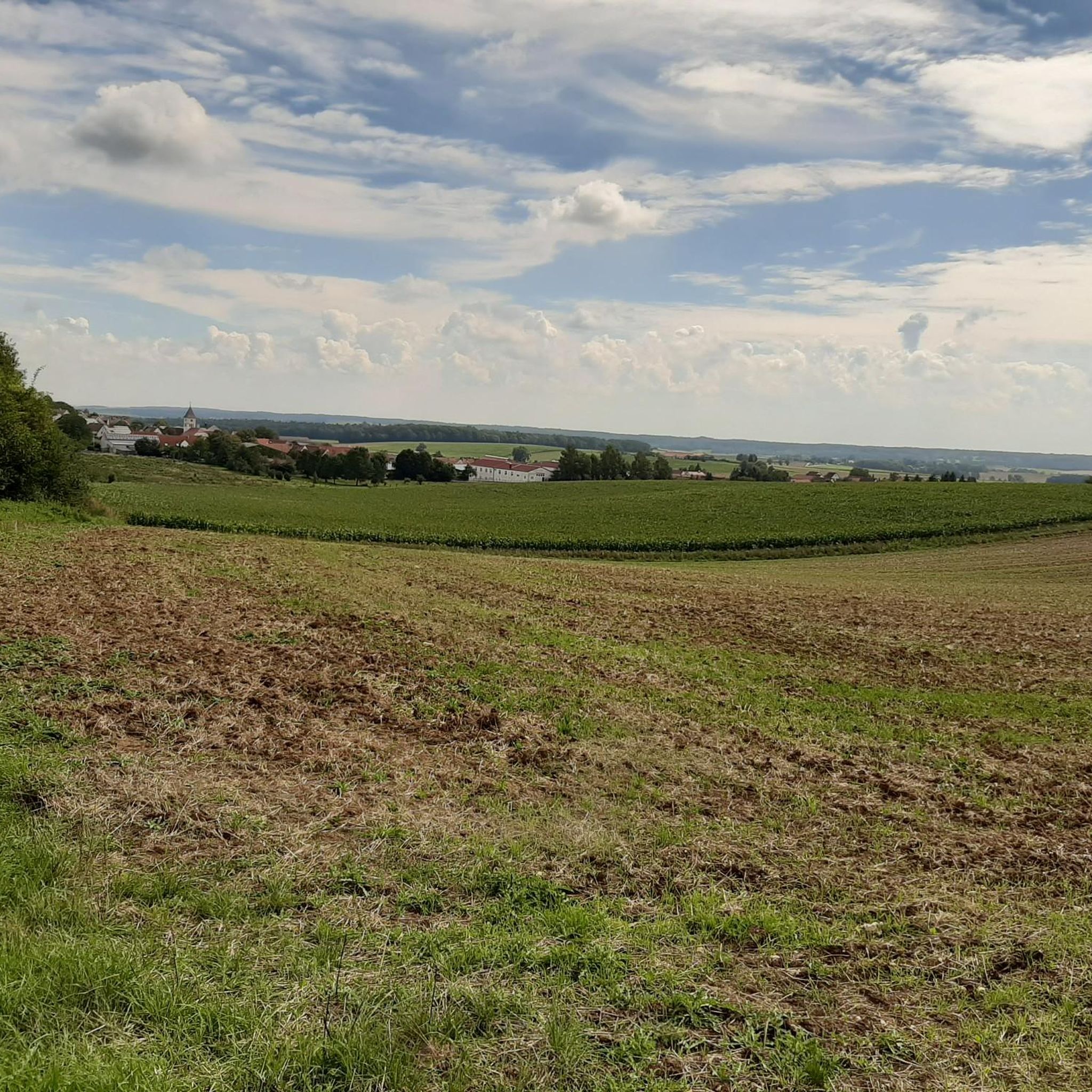
- The most popular attractions is Western shore of the Härtsfeldsee, a lake that offers an…
Last updated: August 16, 2026
Daniel Tower (St. George's Church), Nördlingen
Highlight • Religious Site
Translated by Google •
Tip by

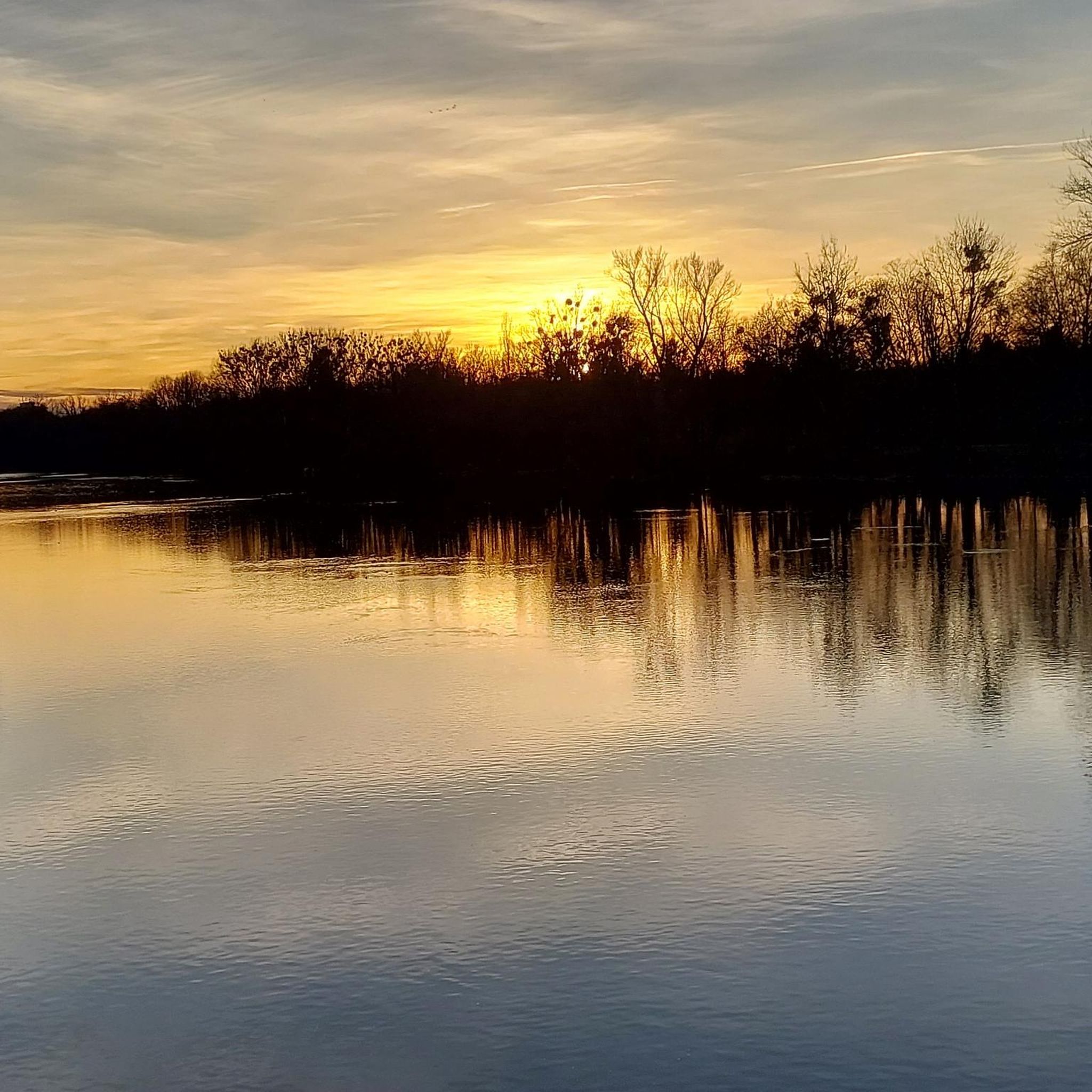
Western shore of the Härtsfeldsee
Highlight • Lake
Translated by Google •
Tip by

Sign up now to discover places like this
Get recommendations on the best single tracks, peaks, & plenty of other exciting outdoor places.
Sign up for free
Nördlingen Old Town
Highlight • Historical Site
Translated by Google •
Tip by

Quarry terraces in the Egau Valley
Highlight • Natural Monument
Translated by Google •
Tip by

Nördlingen City Wall
Highlight • Monument
Translated by Google •
Tip by

Sign up for free to discover even more attractions around Forheim.
Sign up for free
Already have an account?
Start today with a free account
Your next adventure awaits.
Login or Signup
Tips from the Community

The "Daniel" church tower of St. George's Church in Nördlingen is the town's most visible landmark and a masterpiece of late Gothic architecture. At 90 meters high, the tower rises above the town's rooftops and offers a spectacular panoramic view of the Nördlinger Ries region – on a clear day, up to 99 church towers can be seen. Construction began in 1454 and was completed in 1490 with a temporary roof. After a lightning strike in 1537, the tower received its characteristic Italian dome. Originally known as the "Wendelstein," it was renamed "Daniel" in the 19th century – an allusion to the biblical figure Daniel, who was elevated to the rank of prince. The Daniel tower is particularly vividly brought to life by a centuries-old tradition: Every evening between 10 p.m. and midnight, the watchman calls out "So G'sell, so!" from the tower room. – a greeting that dates back to a legend from 1440 in which a runaway sow helped uncover a treason and save the city from an attack. Those who climb the more than 350 steps to the viewing platform will be rewarded not only with an impressive panorama but also with a sense of the history and soul of this unique city.
9
1
Nördlingen's city wall is a true gem of medieval architecture and a highlight for visitors of all ages. It is the only completely preserved and fully accessible city wall in Germany. With a length of approximately 2.6 to 2.7 kilometers, it encloses the entire old town and features a covered walkway that is accessible throughout. The wall originally dates back to 1327, when Emperor Ludwig the Bavarian ordered its construction for the city's defense. Over the centuries, it has been expanded and reinforced several times, including with five city gates, twelve towers, bastions, and oven towers for close-quarters defense.
10
0

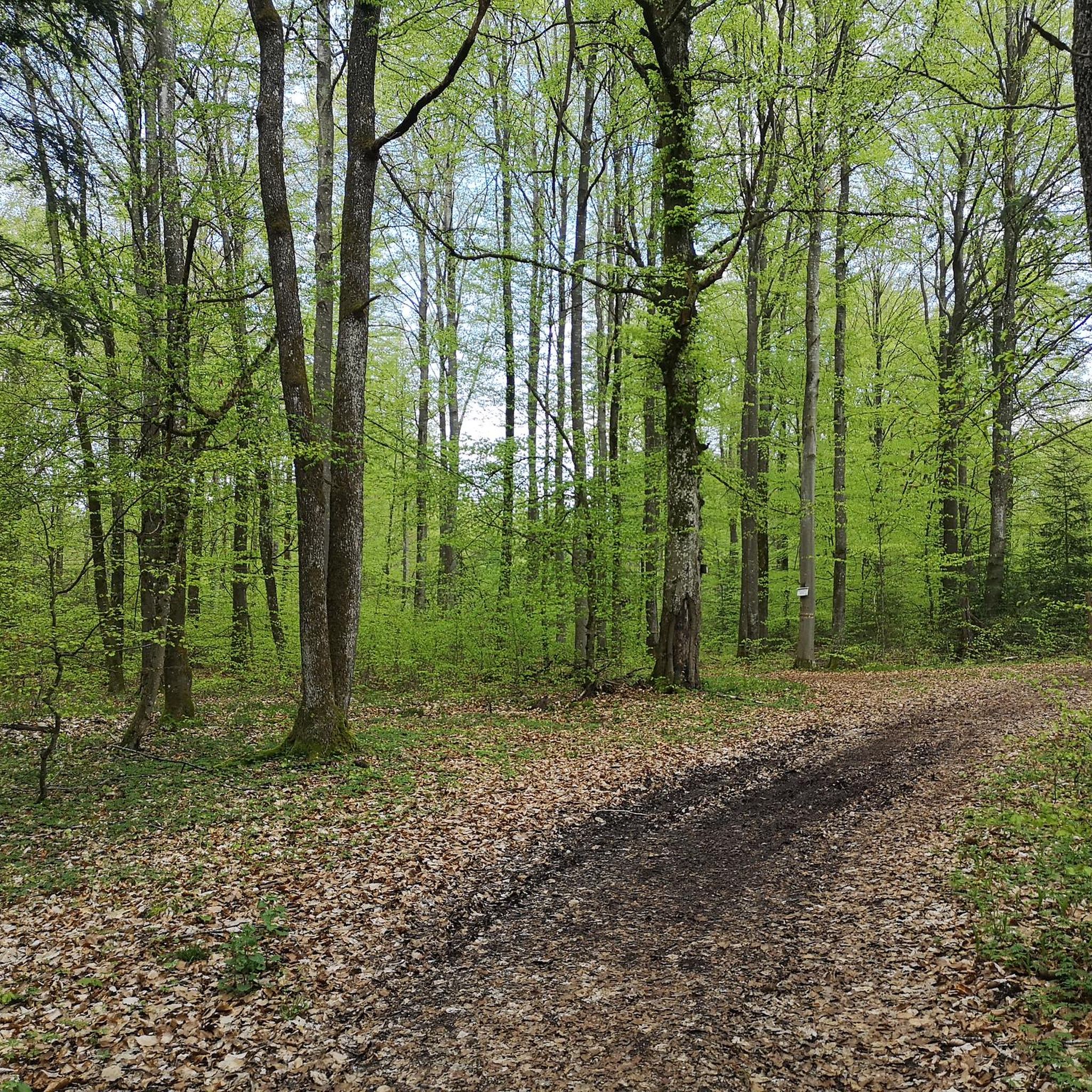
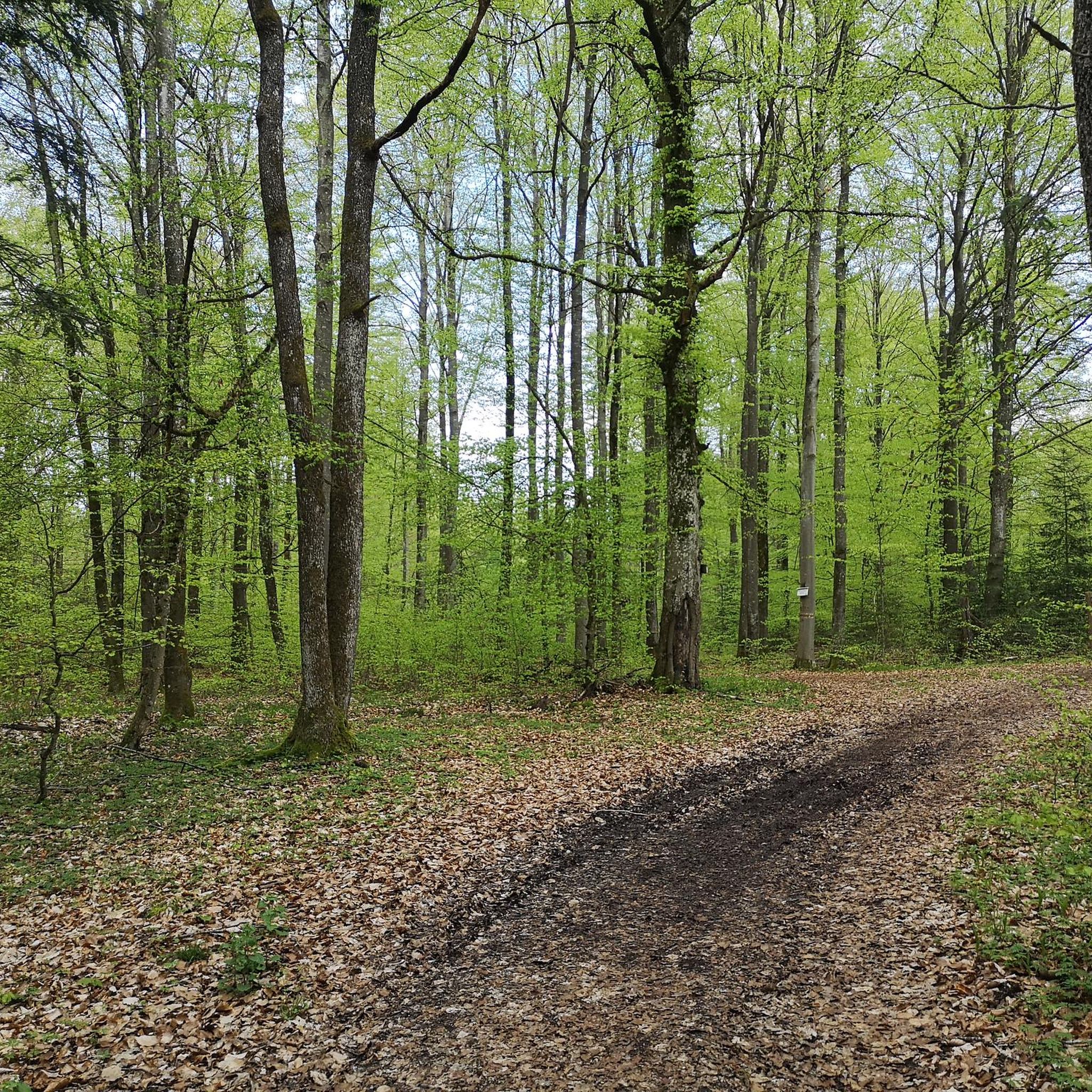
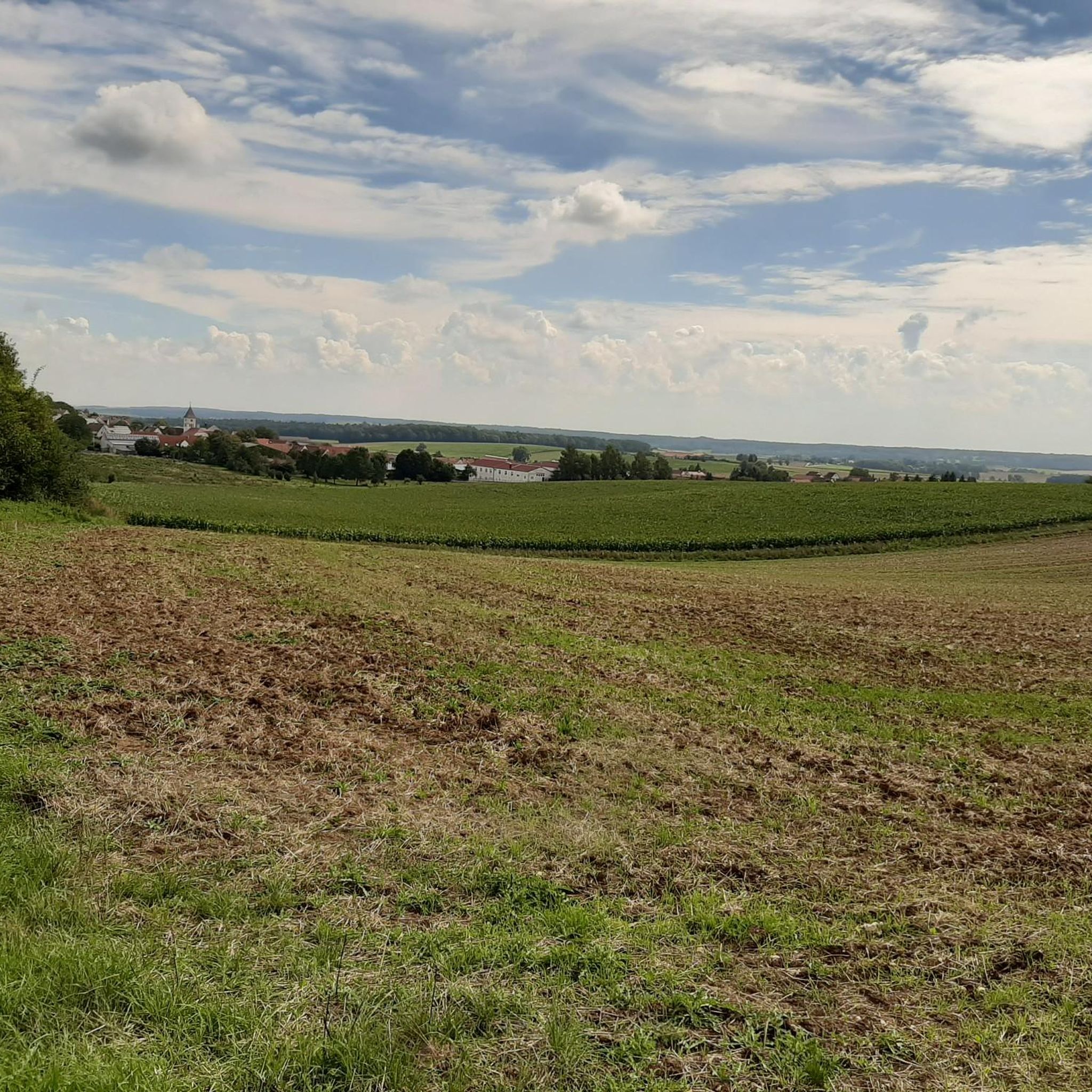
A beautiful cycle path leads past the rock terraces
1
0

Geologically interesting, otherwise rather unspectacular
2
0

Partly open, partly with battlements, the high wall offers beautiful insights into the city centre
7
0

The massive church of St. George was built like a cathedral for the old city republic of Nördlingen in just under 80 years - extremely impressive! It is the largest building in the world made of suevite. The furnishings with altars and works of art are also very worth seeing.
13
0
The view over Nördlingen and the Ries is overwhelmingly beautiful! If you dare, you should tackle the 350 steps.
12
1

The construction of the city wall began in 1327 on the orders of Ludwig the Bavarian. It replaced the old defensive wall, the course of which can still be seen today along the old town streets Drehergasse, Bei den Kornschrannen, Vordere Gerbergasse, Herrengasse and Neubaugasse. Between 1536 and 1613, four gates and two towers were completely rebuilt. In addition, seven oven towers, three strong bulwarks and two bastions were built during this period. During the Thirty Years' War in 1634, Nördlingen's city fortifications withstood a siege by imperial troops in the run-up to the Battle of Nördlingen. From 1803 onwards, the people of Nördlingen began to demolish parts of the now superfluous city wall. In 1826, King Ludwig I of Bavaria placed the wall under his protection and prohibited its further demolition. The city moat, which was partially filled with water in the Middle Ages, has been preserved around the wall. The Burgerweiher pond (currently used as an ice rink) was used to control the water supply in the water-filled section. A former drainage tunnel can be seen from the battlement on the retaining wall opposite the moat. Parts of the former city moat are now parks.
9
0
Frequently Asked Questions
What historical sites can I explore in Forchheim?
Forchheim offers a rich history to explore. You can visit the Pfalzmuseum Forchheim (Kaiserpfalz / Imperial Palace), a 14th-century prince-bishop's castle housing several museums and notable Gothic murals. Other significant historical sites include St. Martin's Church, the Renaissance-era Rathaus, and remnants of the city's fortifications like the Nuremberg Gate and the Saltorturm. Don't miss the picturesque 'Klein Venedig' along the Wiesent River, featuring historic houses and St. Katharina's Hospital.
Where can I experience Forchheim's medieval charm?
To experience Forchheim's medieval charm, wander through its Old Town with cobblestone streets and numerous half-timbered houses. The Pfalzmuseum Forchheim, a former Imperial Palace, also provides a deep dive into the region's medieval past. You can also explore sections of the city's defensive structures, including 16th-century bastions and parts of the city wall.
What natural attractions are there to visit around Forchheim?
Forchheim, as the 'Gateway to Franconian Switzerland,' offers diverse natural attractions. You can relax in the City Park Forchheim, stroll along the Wiesent and Regnitz Rivers, or explore the unique Kellerwald, a forest area with traditional beer cellars. Further afield, the Walberla (Ehrenbürg) offers panoramic views, and the Oswald Cave provides an opportunity to explore a karst cave.
Are there family-friendly attractions in Forchheim?
Yes, there are several family-friendly attractions. The Western shore of the Härtsfeldsee is an idyllic spot with a kiosk and a playground. The City Park Forchheim provides a relaxing green space for all ages. Additionally, the Kellerwald is a great place for families to enjoy local food and drinks in a unique setting. The Alte Bastei and Open-Air Stage (Nördlingen) also hosts various events suitable for families.
Where can I find unique local experiences in Forchheim?
For a unique local experience, visit the Kellerwald (Cellar Forest). This picturesque area is home to 23 traditional beer cellars where you can enjoy Franconian beers and local dishes, especially during the annual Annafest beer festival in late July. Another unique sight is Kammerers Mühle, also known as the 'Schiefes Haus' (Leaning House), a 17th-century mill visibly leaning towards the Wiesent River.
What outdoor activities are available near Forchheim's attractions?
Near Forchheim's attractions, you can find various outdoor activities. The Wiesent and Regnitz Rivers offer opportunities for water sports like canoeing or stand-up paddling. For hiking, you can explore trails in Franconian Switzerland or climb the Walberla for panoramic views. For more structured routes, check out the hiking routes around Forheim, MTB trails, or gravel biking routes.
Are there hiking opportunities around Forchheim?
Yes, Forchheim is an excellent starting point for hiking, especially as the 'Gateway to Franconian Switzerland.' You can find numerous trails ranging from easy to moderate. Popular spots include the Walberla, offering scenic hikes and views, and the area around the Ruins of Neideck Castle. For specific routes, explore the hiking guide for Forheim, which includes routes like the moderate 'Ruins of Niederhaus Castle loop from Christgarten'.
Where can I find scenic viewpoints near Forchheim?
For scenic viewpoints, consider climbing the Daniel Tower (St. George's Church), Nördlingen, which offers panoramic views from its top. The Walberla (Ehrenbürg), just outside Forchheim, also provides sweeping panoramic views of the natural landscape. Additionally, the Ruins of Neideck Castle in Franconian Switzerland offer stunning views of the Wiesenttal from its main tower.
Can I find dog-friendly places to visit in Forchheim?
Yes, several places around Forchheim are dog-friendly. The Western shore of the Härtsfeldsee is noted as a dog-friendly spot where you can enjoy a break. Many of the natural areas, such as the City Park Forchheim and trails in Franconian Switzerland, are also suitable for walks with dogs, though it's always good to check local regulations for specific areas.
What are some architectural highlights in Forchheim?
Forchheim boasts several architectural highlights. The Rathaus is a beautiful Renaissance-era half-timbered building. The Pfalzmuseum Forchheim (Kaiserpfalz) is a significant 14th-century castle with impressive Gothic murals. Don't miss St. Martin's Church, a prominent Gothic-style church, and the unique Kammerers Mühle, also known as the 'Leaning House,' a 17th-century mill with visibly tilted proportions.
When is the best time to visit Forchheim's attractions?
Forchheim's attractions can be enjoyed throughout the year, but the best time often depends on your interests. Spring and autumn offer pleasant weather for exploring the Old Town and hiking in Franconian Switzerland. Summer is ideal for enjoying the Kellerwald, especially during the Annafest beer festival in late July, and for water activities on the Wiesent and Regnitz Rivers. The historical sites are accessible year-round.
Are there any unique natural formations to see?
Yes, the region features unique natural formations. The Kellerwald is a distinctive forest area with beer cellars built into the hills. The Oswald Cave, located east of Muggendorf, is a fascinating karst passage cave that visitors can explore. Additionally, the Quarry terraces in the Egau Valley present interesting stone formations.
Most popular routes around Forheim
Most popular attractions around Forheim

Get inspired with the komoot mobile app


Explore more
Still not found the Highlight you’re looking for? See guides of the top attractions in other regions:
