Top 20 Castles around Schwarzhofen
Best castles around Schwarzhofen are situated in the Upper Palatinate region, known for its historic towns and varied landscapes. While Schwarzhofen features a Gothic town hall and a historic monastery, the surrounding area offers several intriguing castle ruins. These sites provide historical significance, architectural remnants, and panoramic views. The region is suitable for exploring historical structures within natural settings.
Best castles around Schwarzhofen
- The most popular castles is Schwarzenburg Castle Ruins, a castle that offers well-preserved remnants atop the…
Last updated: October 11, 2026
Schwarzenburg Castle Ruins
Highlight • Castle
Translated by Google •
Tip by

Count Palatine Castle Complex Neunburg vorm Wald
Highlight • Castle
Translated by Google •
Tip by

Sign up now to discover places like this
Get recommendations on the best single tracks, peaks, & plenty of other exciting outdoor places.
Murach Castle
Highlight • Castle
Translated by Google •
Tip by
Zangenstein Castle Ruins and Chapel
Highlight • Castle
Along the "Bavarian-Bohemian Friendship Cycle Path", which runs on the former railway line from Wölsendorf to Schönsee, there is only one place to stop during …
Translated by Google •
Tip by

Thanstein Castle Ruins
Highlight • Castle
Translated by Google •
Tip by
Sign up for free to discover even more castles around Schwarzhofen.
Already have an account?
Start today with a free account
Your next adventure awaits.
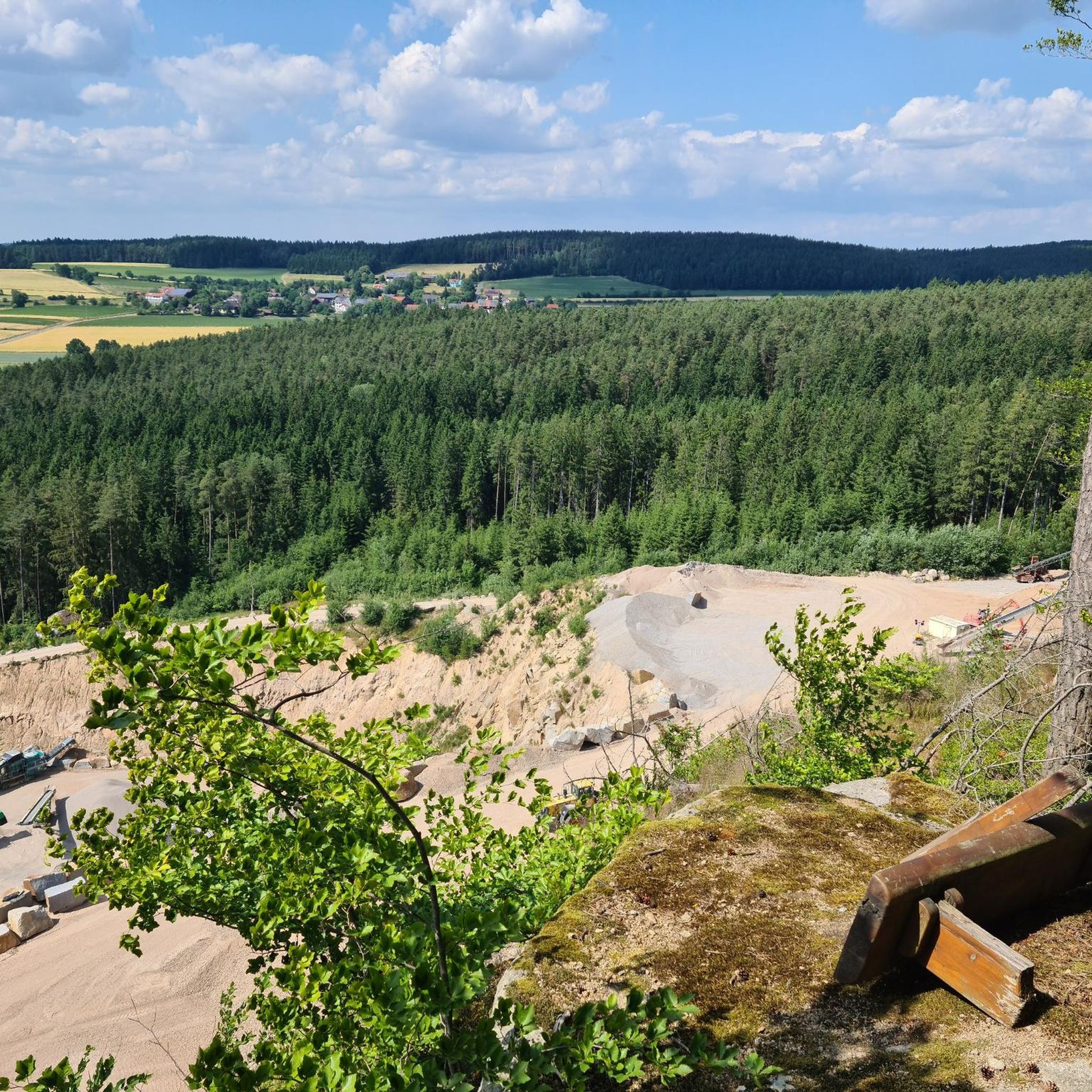
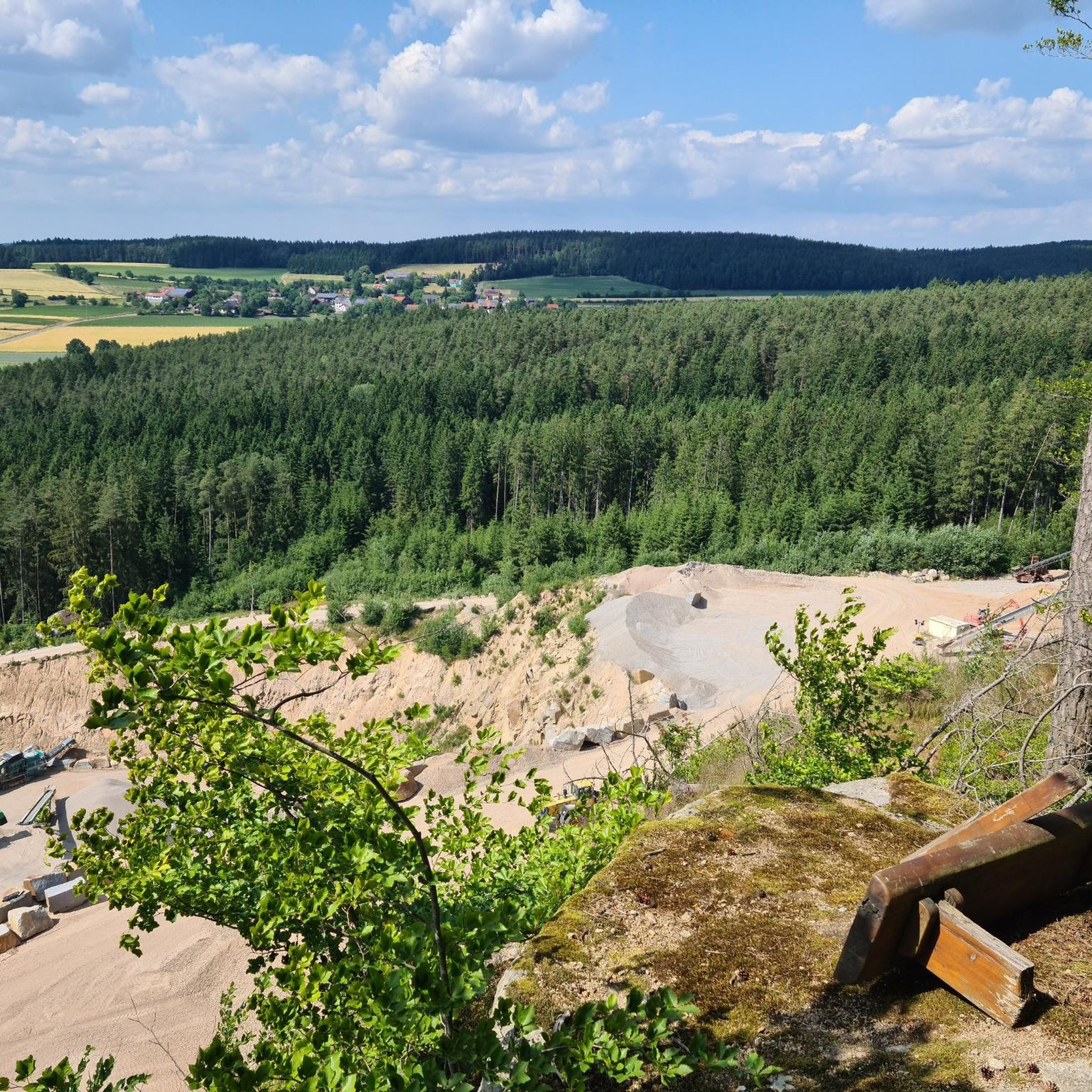

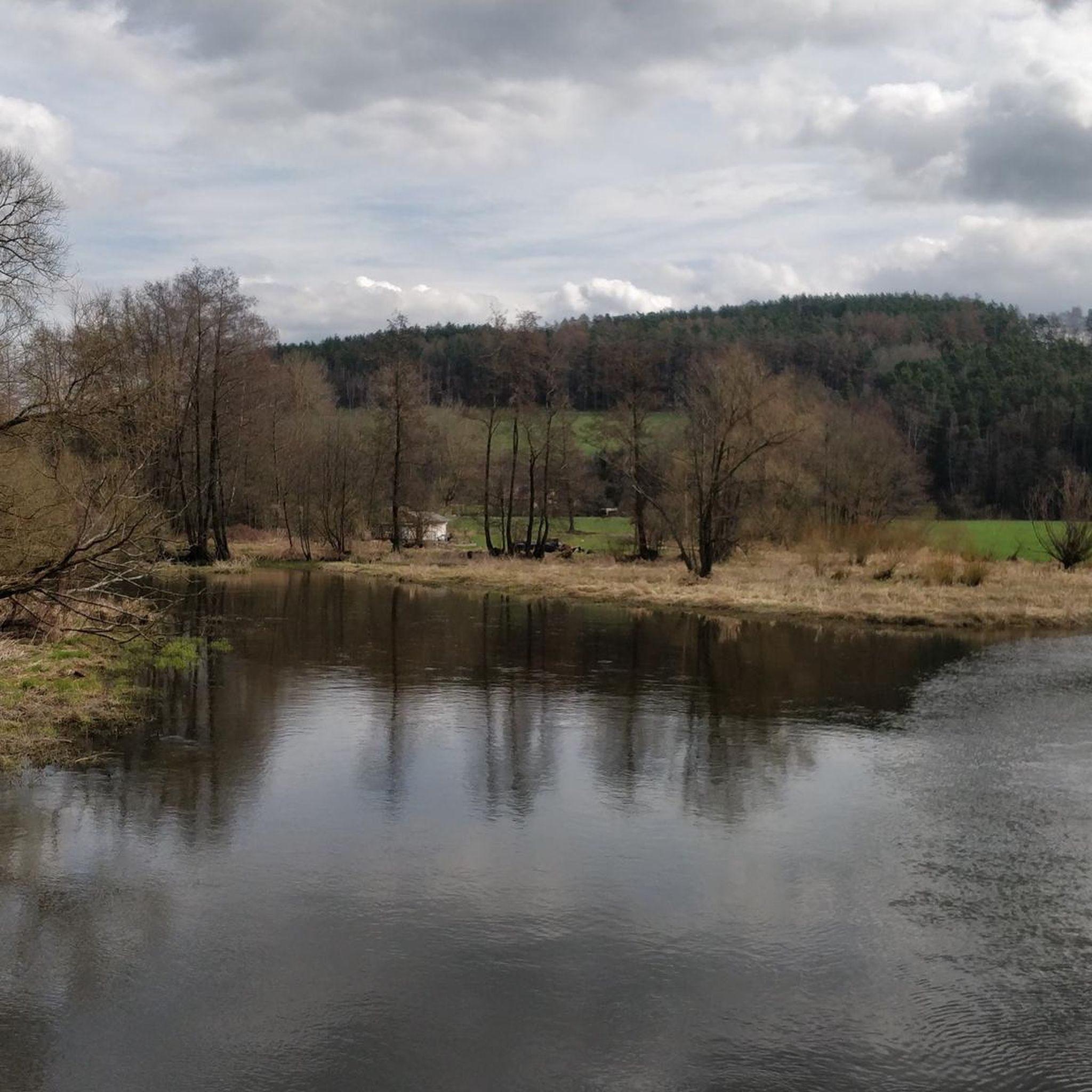
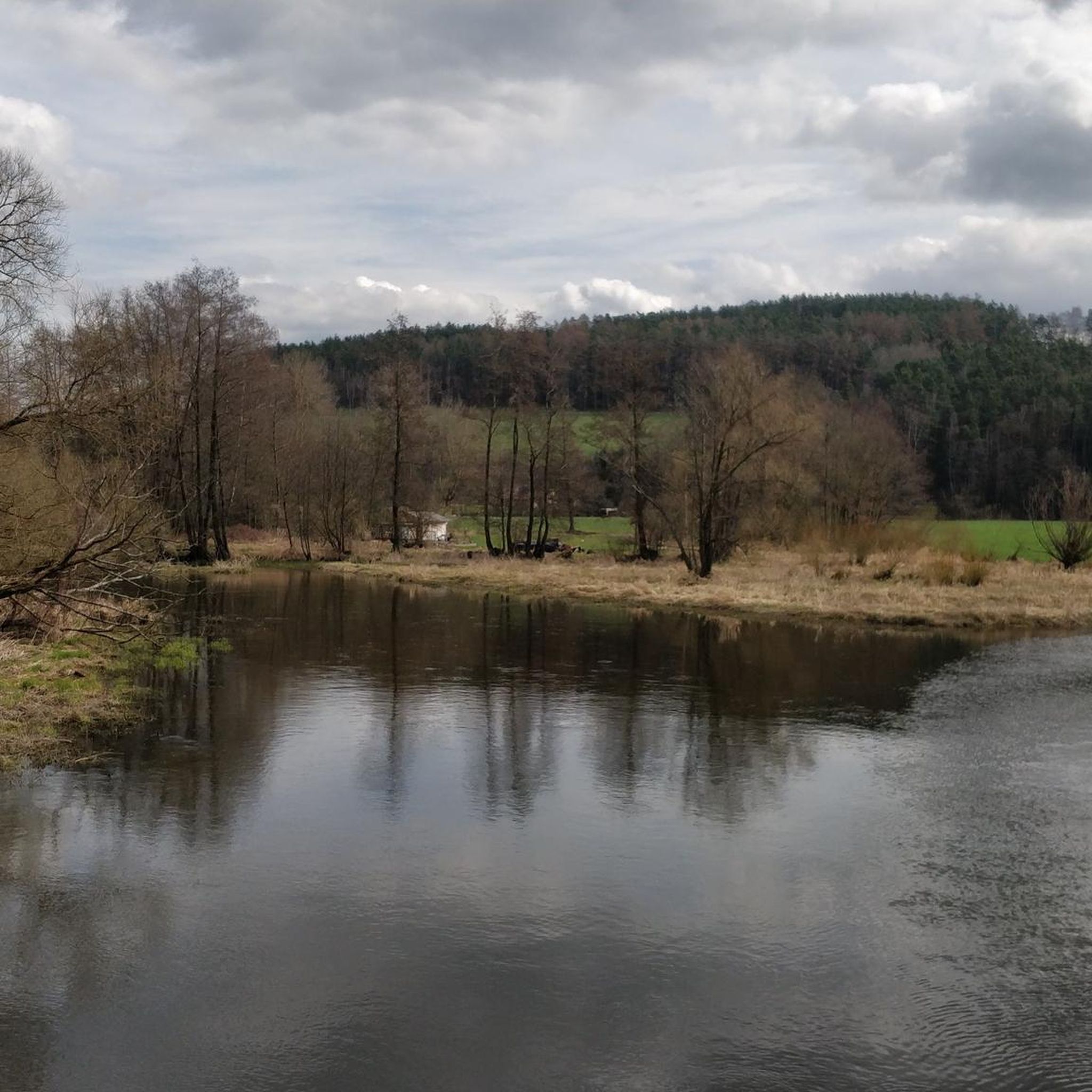
Tips from the Community

Castle ruins Haus Murach "Gerunc de Mourach" appears for the first time in a document in 1110. At that time he accompanied his feudal lord, the powerful Count Berengar II of Sulzbach, on the Italian campaign of Berengar's protégé, King Henry V. After the male line of the Sulzbach family died out, the Counts of Ortenburg inherited part of their dominion with the main towns of Warberg (Burgstall near Neunburg) and Murach in 1188. Later, the Ortenburgers even called themselves Counts of Murach. The ministerial family with the leading name Gerunc remained present in Obermurach. From 1268 to 1272, Obermurach was sold to the Upper Bavarian Duke Ludwig in a series of contracts. The castle was continually expanded and became famous for its stability; the Hussites besieged it in 1428 and 1433, but were unable to take it. During the course of the 14th century, the Murachers spread out to several castles in the Upper Palatinate region, for example to Thanstein or to Flügelsberg in the Altmühl valley. In 1489, Albrecht von Murach was a member of the Löwler uprising against the Bavarian duke. Obermurach survived these turbulences and even the Thirty Years' War relatively unscathed, but this can be explained by the fact that it had lost its military importance by then. In 1805, Obermurach, which was still well preserved at the time, was partially demolished and the stones used to build houses in the village. It was only secured from 1842 by the Oberviechtach district court; today it belongs to the Free State of Bavaria. You enter the extensive outer bailey through a simple gate, which is surrounded by a still well-preserved, high ring wall. It was mainly used for utility and residential buildings. The older inner bailey, which is located a little higher up, is on the east side of the complex. A 2 m thick shield wall shields it from the attack side in the south. The main castle is dominated by the 20 m high, square keep and a large tower-like residential building. The keep, with an entrance at a height of 8.5 m, was built in the lower part from large, regular granite blocks and probably dates from the 13th century. The castle chapel was probably located to the southwest of the keep, and the remains of a semicircular wall tower can be seen to the west. Source: Extracts from www.burgenseite.de
3
0

Worthwhile old town with many sights. Beautiful city park for strolling and relaxing.
0
0
Thanstein Castle Ruins Uto von Thanstein, a ministerial of the Count of Sulzbach, is mentioned for the first time in a document in 1218, and the Murachers are also named as co-owners. The last representative of the Thansteiners, Alto, becomes abbot of the St. Emmeram monastery in Regensburg in 1358. In Thanstein, a branch of the Zenger family takes over rule from 1353 onwards, and calls itself von Thanstein from then on. In 1390, Thanstein is captured by the Leuchtenbergers during a feud, but not destroyed. In 1425, it survives a looting by the Hussites. In 1530, the Saxon knight Georg von Ebenleben marries the last Zenger, Margarethe. When he takes over rule, he also orders the introduction of the Protestant faith in Thanstein. In the Thirty Years' War, his descendants were expropriated by Elector Maximilian of Bavaria because they fought on the side of the Swedes, but in the Peace of Westphalia it was agreed that the property would be returned. After that, the owners changed hands constantly. The castle burned down almost completely in 1811, but the rule did not end until 1848. The keep was restored in 1887. Extensive security measures and excavations have been carried out since 2011. The core of the complex is a rectangular fort on a granite hilltop, which is relatively rare in the Upper Palatinate. After the latest renovation work, the history of the complex had to be rewritten and the floor plan redrawn. Parts of the walls and the foundation of the keep were dated to around 1200 - in line with the first mention of the castle nobility. Uto was therefore not, as is often said, lord of the nearby Altenthanstein castle near Dautersdorf, but was already at home in what is now Thanstein. The entrance area is dominated by the round keep made of ashlars and rubble stones, which is still 17 m high today. It was added to the complex later and dates from around 1300. The tower has a wall thickness of 2.5 m and an entrance at a height of 5 m. The floors were once separated by wooden ceilings, and the wall recedes slightly at each step. A deep moat, spanned by a stone bridge, separates the inner castle from the large outer castle area. The entrance is a gate system that provides access to the moat, which also forms the driveway to the outer castle. At the top, houses and utility buildings are grouped around a square, some of which incorporate older wall remains. Source: Excerpts from www.burgenseite.de
4
0

Good panoramic view, very nice!
2
0

Beautiful old town
1
0


Only a ruin remains of the once impressive Murach Castle, first mentioned in documents in 1110. The keep, built around 1250, is the best preserved part of the complex to date. On the 20-meter-high tower there is a viewing platform from which you can enjoy a wonderful panoramic view of the surrounding area. The former castle is one of the largest and most impressive castles along the Bohemian border. !Attention! The key to the keep must be picked up in advance from the castle warden, Obermurach 58, Tel. 09671/91234.
4
1

Traditional village inn in Zangenstein Along the "Bavarian-Bohemian Friendship Cycle Path", which runs on the former railway line from Wölsendorf to Schönsee, there is only one place to stop during the weekday to Obervietach in the village inn Kellermann in the middle of Zangenstein. Since there are no signs along the cycle path, cyclists who do not know the restaurant pass the mostly open "refreshment station" unsuspectingly. Hence my tip: Simply cycle a few meters from the cycle path to the center of Zangenstein. Mondays are always closed, but guests are welcome on all other days of the week between 10am and 6pm. Edeltraud, a passionate landlady, provides her guests, who prefer to sit under the awning around the large table in the courtyard, with snacks and drinks. Franz, the landlord, is very knowledgeable about bikes and can help if someone has a problem with their bike. God preserve us beautiful village inns like that of the Edeltraud and Franz Stockerl families.
4
0
Frequently Asked Questions
What kind of castles can I expect to find around Schwarzhofen?
The region around Schwarzhofen is primarily known for its intriguing castle ruins and historical castle complexes. While Schwarzhofen itself features a Gothic town hall and a historic monastery, the surrounding Upper Palatinate offers sites like the Schwarzenburg Castle Ruins and Zangenstein Castle Ruins and Chapel, which provide historical significance, architectural remnants, and scenic views.
Which castles offer the best panoramic views?
For impressive panoramic views, the Schwarzenburg Castle Ruins are highly recommended. Perched atop the 706-meter high Schwarzwihrberg, its renovated keep provides a unique viewing platform. Another excellent spot is Murach Castle, where the 20-meter high keep also offers impressive views of the Upper Palatinate Forest.
Are there any castles with facilities like cafes or restaurants nearby?
Yes, the Schwarzenburg Castle Ruins feature a cozy mountain lodge in its upper courtyard, which is open on Wednesdays, Sundays, and public holidays. Additionally, the Thanstein Castle Ruins have a rustic Burgschänke directly at the castle tower. Near Zangenstein Castle Ruins, you'll find a traditional village inn in Zangenstein.
Can I visit castles that played a role in historical events like the Thirty Years' War?
Absolutely. The Schwarzenburg Castle Ruins are a prime example, as the castle was destroyed during the Thirty Years' War. Despite this, it offers well-preserved remnants and a renovated keep, maintained by an active association.
Are there family-friendly castle sites in the region?
Many of the castle sites are suitable for families. The Schwarzenburg Castle Ruins are considered family-friendly, offering an outdoor excursion with facilities. The Count Palatine Castle Complex Neunburg vorm Wald also offers a charming old town and a wide range of sporting and cultural activities suitable for families.
What outdoor activities can I combine with a castle visit?
The region offers various outdoor activities. Near the Zangenstein Castle Ruins, the "Bavarian-Bohemian Friendship Cycle Path" makes it an ideal stop for cyclists. The area around Count Palatine Castle Complex Neunburg vorm Wald is surrounded by a lake and forest landscape, perfect for cycling, golf, and horse riding. You can also find numerous hiking trails and road cycling routes throughout the Schwarzhofen area.
Are there specific hiking trails that lead to castle ruins?
Yes, many castle ruins are integrated into hiking routes. For instance, the Schwarzenburg Castle Ruins are an excellent destination for hikers seeking impressive vistas. You can explore various hiking trails around Schwarzhofen that often pass by or lead to these historical sites.
What is the best time of year to visit the castles around Schwarzhofen?
The castles and their surrounding areas are generally enjoyable throughout the year. The Schwarzenburg Castle Ruins, for example, can be visited all year round, with its mountain lodge and beer garden open from April to October. Summer months also bring cultural events like the “Vom Hussenkrieg” festival at Neunburg vorm Wald.
Are there any castles that are particularly well-preserved or have unique features?
The Schwarzenburg Castle Ruins are notable for their well-preserved remnants and a renovated keep that serves as a viewing platform. The Zangenstein Castle Ruins feature a well-preserved Baroque chapel, rebuilt around 1686, which is accessible by appointment. Thanstein Castle Ruins also boast a renovated keep.
How accessible are the castle ruins, and is parking available?
Accessibility varies by site. Many castle ruins, like Schwarzenburg Castle Ruins, are actively maintained by associations to ensure visitor access. While specific parking details for each ruin are best checked locally, most popular sites have designated parking areas nearby, often requiring a short walk to the ruins themselves. For Murach Castle, you need to contact the castle warden for key access.
Can I bring my dog to the castle sites or nearby trails?
While specific rules for each castle site regarding dogs should be verified on-site, the surrounding natural areas and many hiking trails around Schwarzhofen are generally dog-friendly, making it possible to enjoy the outdoors with your pet near these historical locations.
What cultural events or activities are associated with the castle complexes?
The Count Palatine Castle Complex Neunburg vorm Wald is a hub for cultural events. In the summer, it hosts the “Vom Hussenkrieg” festival, and various year-round events take place at the Schwarzachtalhalle, offering a rich cultural program alongside the historical ambiance. Murach Castle also hosts the Hausern Castle Festival every year on the first Sunday in August.
Most popular routes around Schwarzhofen
Most popular attractions around Schwarzhofen

Get inspired with the komoot mobile app


Explore more
Looking for the best castles somewhere else? Discover other guides around Schwarzhofen:
