Attractions and Places To See around Laberweinting - Top 20
Best attractions and places to see around Laberweinting include a blend of natural beauty and historical landmarks. Located in the Straubing-Bogen district of Bavaria, Germany, the municipality is characterized by the Große Laaber and Kleine Laber rivers, contributing to a scenic natural environment. The region offers opportunities for exploring traditional Bavarian culture and outdoor activities such as hiking and cycling.
Best attractions and places to see around Laberweinting
- The most popular attractions is St. Wolfgang's oak, a natural monument…
Last updated: August 16, 2026
St. Wolfgang's oak
Highlight • Natural Monument
Translated by Google •
Tip by

Dreifaltigkeitsberg Pilgrimage Church and Beer Garden
Highlight • Religious Site
Translated by Google •
Tip by

Sign up now to discover places like this
Get recommendations on the best single tracks, peaks, & plenty of other exciting outdoor places.
Sign up for free
Neufahrn Castle Hotel
Highlight • Castle
Translated by Google •
Tip by

Tunzenberg Castle
Highlight • Castle
Translated by Google •
Tip by

Alteglofsheim Castle
Highlight • Castle
Translated by Google •
Tip by

Sign up for free to discover even more attractions around Laberweinting.
Sign up for free
Already have an account?
Start today with a free account
Your next adventure awaits.
Login or Signup
Tips from the Community

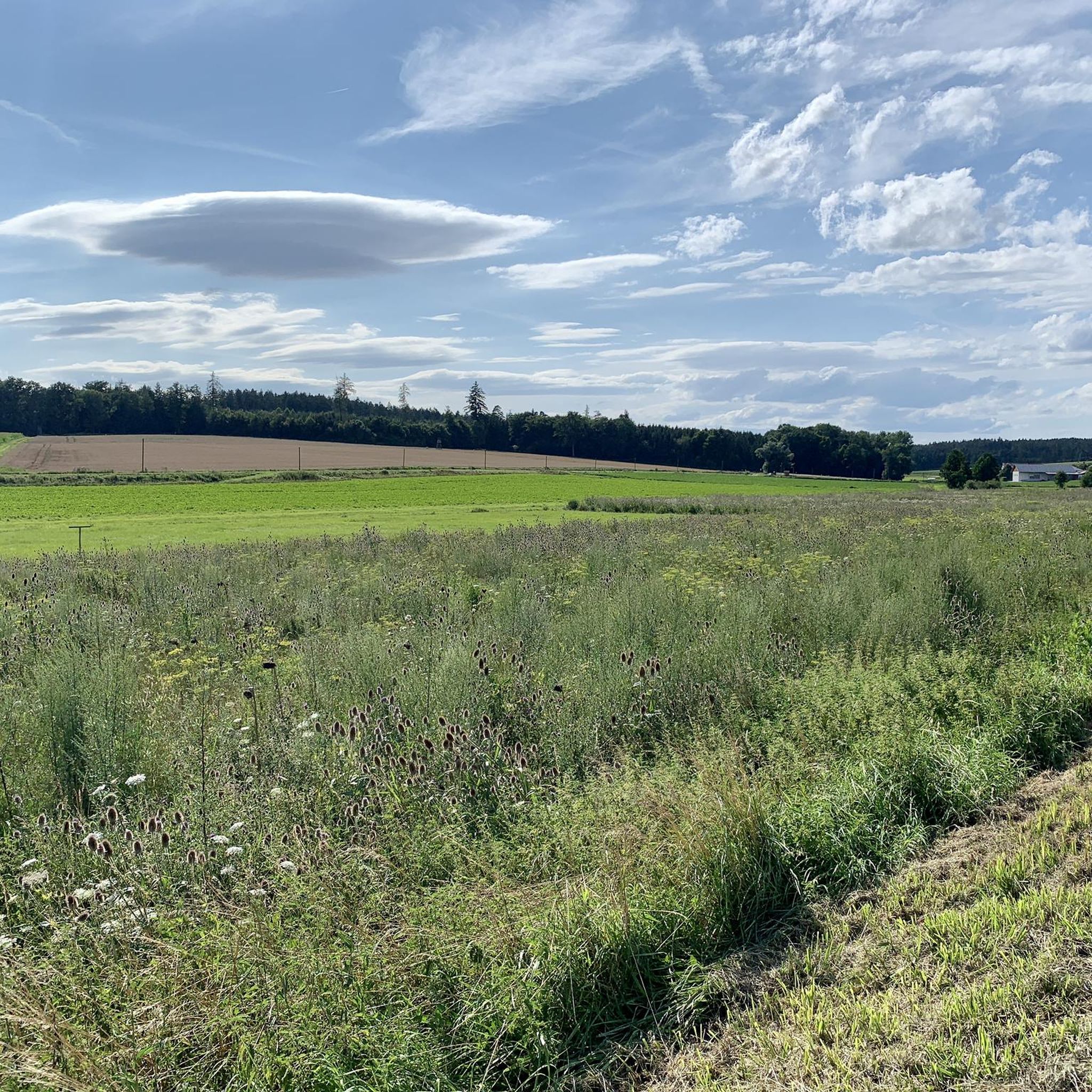
The church was uninteresting for us, but the inn with its beer garden was great. Freshly cooked, appropriate portions that taste very good and are reasonably priced.
0
0

Very nice beer garden in the inn next door :-)
0
0

Tunzenberg Castle has had a new owner for over a year, who is investing heavily in the restoration and restoration of the entire property, including the castle park, etc. The beer garden and restaurant are worth a visit. The old brewery is also being gradually renovated.
0
0

In addition to the hotel, there is also a restaurant with a garden. Events are held regularly (e.g., garden days, medieval festivals). The castle is also popular for weddings and family celebrations.
0
0

Beautifully designed castle park in Eglofsheim
1
0

In summer there is a great little beer garden under chestnut trees. An eBike charging station (4x Schuko) is also located outside in summer.
0
0

Nice place, would love to come back.
0
0

Alteglofsheim Castle The name comes from the Eglofsheim family. Since the 10th century there has been a moated castle here with an associated manor. The castle was rebuilt and expanded several times over the centuries. From 1480 to 1573 the Barons of Parsberg owned the castle and manor. In 1659 Johann Georg Baron von Königsfeld bought the Alteglofsheim estate. In 1685 he became an Imperial Count. In his will in 1694 he left the estate to his grandson Hans Georg Graf von Königsfeld. He was the Minister of State and Conference of Elector Karl Albrecht and First Minister during his time as Emperor. From 1728 to 1734 he had the castle significantly expanded and refurbished. His successor Count Christian Johann August von Königsfeld, Elector's ambassador in Vienna, added the north wing of the castle with the magnificent dining room in 1780. In 1810 the Königsfelder family died out. The Barons of Cetto followed as owners, and in 1835 Prince Maximilian Karl von Thurn und Taxis acquired the castle. The Princes of Thurn und Taxis sold it to a priest in 1939, and it later went to his housekeeper. The war and post-war period led to the castle being used for other purposes, and it fell into increasing disrepair. In 1973 the Free State of Bavaria acquired it and made it available to the University of Regensburg in 1980. In 1989 the castle was designated as the location for the third Bavarian Music Academy. Construction work began in 1992. The Music Academy began operations here in June 1999. After extensive renovations and refurbishments the castle was handed over to its new purpose in September 2000. The late Gothic core of the complex with the 35-meter-high keep in the west dates from the beginning of the 14th century. It towers over the high gable of a building with two round flanking towers from the early 17th century. Around 1680, a wing with a two-aisled chapel in the basement was leaning against it in the south. Around 1730, it was extended to the west after the south-north wing had been started at a right angle to it. Elaborate ceiling frescoes by the Asam brothers and elegant stucco ceilings created by Johann Baptist Zimmermann adorn the castle. Tours of the castle are only possible for groups by prior arrangement. Source: Excerpts from www.wikipedia.de
2
0
Frequently Asked Questions
What are some unique natural attractions around Laberweinting?
One of the most remarkable natural attractions is St. Wolfgang's oak, a natural monument over 1,000 years old and one of the largest oaks in Bavaria, offering shady seating areas. The region is also characterized by the scenic Große Laaber and Kleine Laber rivers, which provide a beautiful backdrop for outdoor activities.
Are there any historical castles to visit near Laberweinting?
Yes, the area boasts several historical castles. You can visit Tunzenberg Castle, which also features a pleasant beer garden and restaurant. Other notable castles include Neufahrn Castle Hotel, offering catering and overnight stays, and Alteglofsheim Castle, which houses a Music Academy and has publicly accessible gardens. Schloss Grafentraubach (built 1507) and Eggmühl Castle are also significant regional landmarks.
What cultural or religious sites can I explore in the Laberweinting area?
The region is rich in cultural and religious sites. The Dreifaltigkeitsberg Pilgrimage Church is a popular destination, featuring a church, tavern, and a beer garden with views. Other historical churches include the Pilgrimage Church in Obergraßlfing, the Church of Saint Martin (built 1679/1681), and the Church of Saint Nicholas (built 1869) within Laberweinting itself. The Mallersdorf-Pfaffenberg Monastery is also a significant attraction in the wider region.
What kind of hiking opportunities are available around Laberweinting?
Laberweinting offers diverse hiking opportunities. You can explore trails like the Celtic Rampart Trail near Sallach, which leads through the Kleine Laber valley and features ancient Celtic enclosures. For more options, check out the various routes in our Hiking around Laberweinting guide, which includes easy routes like the 'Crucifix at the Forest Edge – Mallersdorf Abbey loop' and moderate ones such as the 'Bergmaier Grotto – Rattenbrunn Spring loop'.
Can I go cycling in the Laberweinting region?
Absolutely! The region is excellent for cycling. You can enjoy tours along the Danube Cycle Path or explore longer routes through the Hallertau Hop Region, the world's largest contiguous hop-growing area. Our Cycling around Laberweinting guide features routes like the 'Straubing City Tower – Straubing Market Square loop' and the 'Hofmark Beer Garden 1 – Eiscafe 2000 loop'.
Are there any easy walking trails suitable for a relaxed outing?
Yes, there are several easy walking trails perfect for a relaxed outing. For instance, the 'Rest area with crucifix loop from Laberweinting' is an easy 5.5 km route. You can find more easy options, including the 'Crucifix at the Forest Edge – Mallersdorf Abbey loop', in our comprehensive Hiking around Laberweinting guide.
Are there family-friendly attractions around Laberweinting?
Many attractions in the Laberweinting area are suitable for families. St. Wolfgang's oak offers a natural wonder with shaded seating. Castles like Neufahrn Castle Hotel and Tunzenberg Castle often have grounds or beer gardens that are enjoyable for all ages. The Dreifaltigkeitsberg Pilgrimage Church also has a beer garden with views, making it a pleasant stop for families.
When is the best time to visit Laberweinting for outdoor activities?
The Laberweinting region is suitable for outdoor activities throughout much of the year. Spring and autumn offer pleasant temperatures for hiking and cycling. In winter, nearby Geißkopf provides opportunities for skiing. The area's natural beauty, with its rivers and forests, can be enjoyed in various seasons.
Where can I find local food and drink options near attractions?
Several attractions offer local food and drink. The Dreifaltigkeitsberg Pilgrimage Church features a beer garden with a view. Tunzenberg Castle has a very good restaurant and a beautiful beer garden. Additionally, Neufahrn Castle Hotel offers catering and the option to book a knight's meal.
Are there any unique local events or festivals in Laberweinting or nearby?
While Laberweinting hosts smaller events like a wine festival, the region is known for larger cultural gatherings. The Gäubodenvolksfest in Straubing is one of Bavaria's largest folk festivals, attracting many visitors annually. These events offer a great way to experience traditional Bavarian culture.
What are some options for running trails around Laberweinting?
For runners, Laberweinting offers several trails. You can find various loops starting directly from Laberweinting, Eitting, or Grafentraubach, with distances ranging from 6.5 km to over 10 km, generally rated as moderate difficulty. The 'Mallersdorf Monastery loop from Hart' is a more challenging option at over 18 km. Explore more in our Running Trails around Laberweinting guide.
Are there any viewpoints offering scenic vistas in the area?
Yes, several locations provide scenic views. The Dreifaltigkeitsberg Pilgrimage Church and Beer Garden is known for its elevated position offering views over the Isartal. Additionally, natural monuments like St. Wolfgang's oak are often situated in picturesque settings, providing a pleasant outlook on the surrounding landscape.
Most popular routes around Laberweinting
Most popular attractions around Laberweinting

Get inspired with the komoot mobile app


Explore more
Still not found the Highlight you’re looking for? See guides of the top attractions in other regions:
