The best cycling routes in Plaza De La Revolución
3.4
(5)
50
riders
14
rides
Touring cycling in Plaza De La Revolución offers a unique blend of urban exploration and connections to Havana's diverse landscapes. The area is characterized by its expansive open spaces and strategic avenues, providing relatively flat routes for cyclists. While primarily an urban, monumental space, it serves as a gateway to greener areas like Bosque de La Habana and coastal routes along the Malecón. This allows for rides that combine historical landmarks with natural tranquility.
Best touring cycling routes in Plaza…
Last updated: July 2, 2026
3.0
(1)
11
riders
57.1km
03:18
220m
220m
Moderate bike ride. Good fitness required. Mostly paved surfaces. Suitable for all skill levels.
7
riders
35.3km
02:00
80m
80m
Moderate bike ride. Good fitness required. Mostly paved surfaces. Suitable for all skill levels.

Sign up for free
8
riders
Moderate bike ride. Good fitness required. Mostly paved surfaces. Suitable for all skill levels.
6
riders
Moderate bike ride. Good fitness required. Mostly paved surfaces. Suitable for all skill levels.
1.0
(1)
2
riders
14.2km
00:53
90m
90m
Easy bike ride. Great for any fitness level. Mostly paved surfaces. Suitable for all skill levels.
5.0
(1)
2
riders
22.3km
01:20
140m
140m
Easy bike ride. Great for any fitness level. Mostly paved surfaces. Suitable for all skill levels.
5.0
(1)
2
riders
Moderate bike ride. Good fitness required. Mostly paved surfaces. Suitable for all skill levels.
Get access to more routes and recommendations from other explorers.
Sign up for free
Already have an account?
Our route recommendations are based on thousands of hikes, rides, and runs completed by other people on komoot.
Start today with a free account
Your next adventure awaits.
Login or Signup
Popular around Plaza De La Revolución
Tips from the Community

The Monument to Antonio Maceo in Havana, inaugurated in 1916, is an imposing bronze equestrian statue by the Italian sculptor Domenico Boni. Located in the seafront area, it is precisely in Parque Antonio Maceo (Centro Habana), between Avenida Malecón and the Hermanos Ameijeiras Hospital. The sculpture depicts General Maceo (known as the "Bronze Titan") on a galloping horse with a machete in hand, proudly looking towards the city. The granite and bronze base is richly decorated with allegorical scenes recalling the history of the Cuban War of Independence, including the Protest of Baraguá. The site is about a 15-20 minute walk from the heart of Habana Vieja (like Plaza de la Catedral) and is a highly appreciated spot for both its historical value and its sea view.
0
0

The Christ the Redeemer statue in Havana (Spanish: El Cristo de La Habana) is a 20-meter-high sculpture on a hill in the Casablanca district.
1
0
The Christ the Redeemer of Havana, also known as Cristo de la Habana, is a large white Carrara marble sculpture of Christ standing on a hill near Havana, Cuba, overlooking the city's bay. Created in 1958 by Cuban artist Jilma Madera, the statue is considered the largest statue of Christ in the world created by a woman.
1
0


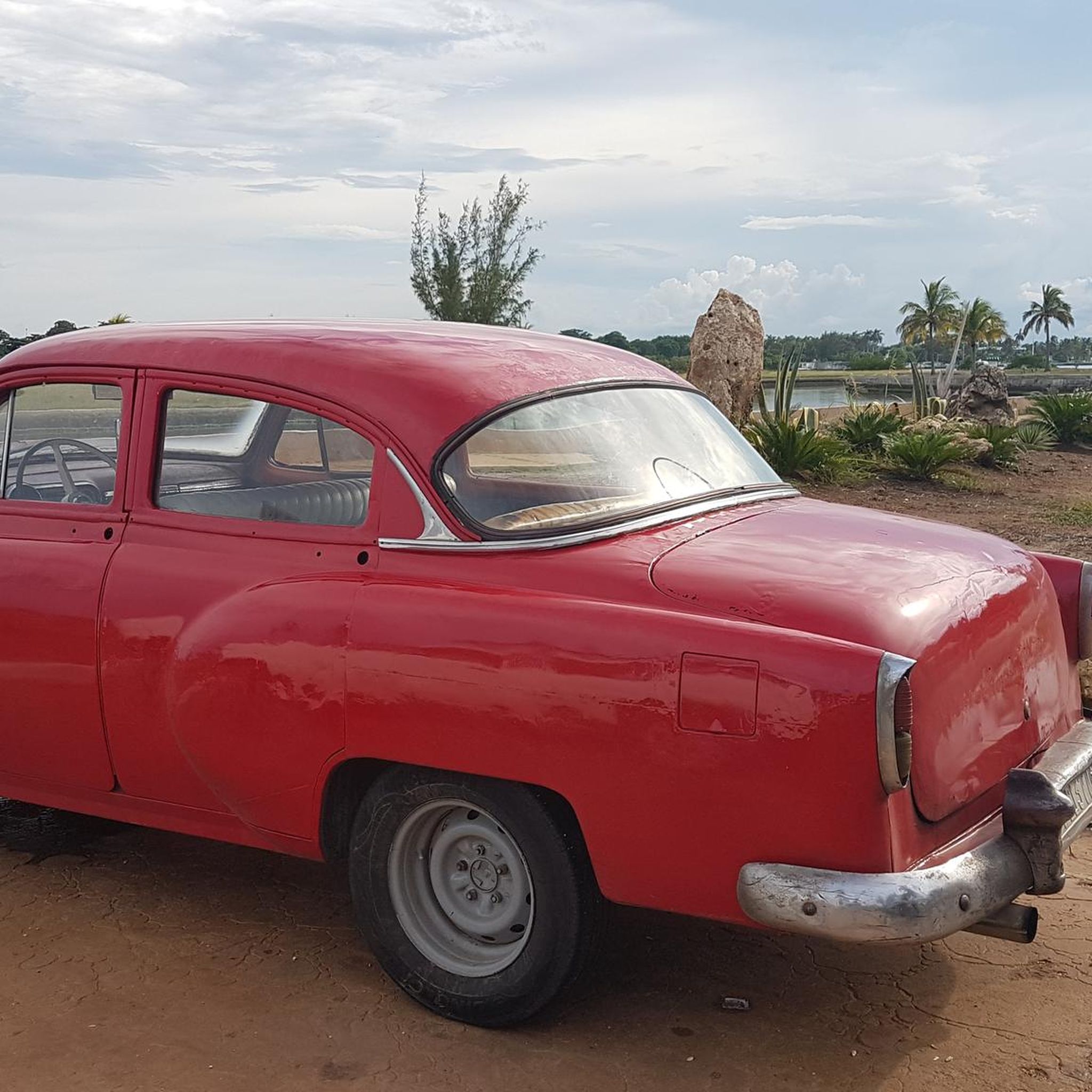
A ride in a vintage car from the 1950s is something you shouldn't miss.
0
0

The church and convent of San Francisco de Asís was built between 1580 and 1591 in the historic center of Havana by commission from the Franciscan friars and rebuilt in the Baroque style between 1719 and 1738. The three-aisled church is shaped like a Latin cross. From the 42-meter-high, three-tiered bell tower, there are magnificent views of the surrounding area. Inside, the church contains several paintings by unknown artists, and the crypt contains mausoleums of famous citizens. The former sacred building is now used as a concert hall for choral and chamber music and houses a museum of religious art. Along with Havana's historic center, the church is a UNESCO World Heritage Site.
1
0


The statue "El Cristo de La Habana" stands on a hill on the west side of the harbor entrance of Havana. The monument, created in Italy by the Cuban sculptor Jilma Madera, was erected and presented to the public in 1958. The monument, made of white Carrara marble, consists of 67 individual parts and is about 20 meters high including the base. Due to its exceptional artistic value, the Christ statue was declared a national monument.
0
0
Frequently Asked Questions
How many touring cycling routes are available in Plaza De La Revolución?
There are 15 touring cycling routes in Plaza De La Revolución. These routes offer a mix of urban exploration and connections to Havana's diverse landscapes.
What are the difficulty levels of the touring cycling routes in Plaza De La Revolución?
The touring cycling routes in Plaza De La Revolución are generally easy to moderate. You'll find 7 easy routes and 8 moderate options, making the area accessible for various skill levels. There are no difficult routes listed.
Are there any family-friendly cycling routes in Plaza De La Revolución?
Yes, with 7 easy routes available, Plaza De La Revolución offers several family-friendly options. These routes typically feature relatively flat terrain, making them suitable for cyclists of all ages. For example, the Presa La Coca – Colon Cemetery loop from Havana is an easy route that could be suitable for families.
What kind of terrain can I expect when cycling in Plaza De La Revolución?
Plaza De La Revolución is characterized by its expansive open spaces and strategic avenues, providing relatively flat routes. While primarily an urban, monumental space, routes often connect to greener areas like Bosque de La Habana and coastal stretches along the Malecón, offering a varied experience from cityscapes to natural tranquility.
What landmarks and attractions can I see along the cycling routes?
Many routes pass by significant historical and cultural landmarks. You can explore sites such as the iconic José Martí Memorial, the historic Colon Cemetery, and the famous murals of Che Guevara and Camilo Cienfuegos on government buildings. The Antonio Maceo Monument – Colon Cemetery loop from Universidad de La Habana is one route that leads through central Havana, offering many points of interest.
Are there any circular touring cycling routes in the area?
Yes, many of the touring cycling routes in Plaza De La Revolución are designed as loops, allowing you to start and end at the same point. Examples include the Baracoa Bridge – Colón Cemetery loop from 19 de Noviembre (Tulipán) and The Miramar Natural Pool – Karl Marx Theatre loop from Miramar.
What do other cyclists say about touring cycling in Plaza De La Revolución?
The touring cycling routes in Plaza De La Revolución are highly rated by the komoot community, with an average score of 3.5 stars from 4 reviews. Cyclists often appreciate the unique blend of urban exploration, historical sites, and the ability to connect to greener areas and coastal views within a single ride.
What is the best time of year to go touring cycling in Plaza De La Revolución?
Havana generally experiences a tropical climate. The cooler, drier season from November to April is often considered ideal for cycling, offering more comfortable temperatures and less humidity compared to the hotter, wetter summer months. This allows for a more enjoyable experience exploring the city and its surroundings.
Are there any routes that offer scenic viewpoints?
While the Plaza itself is a monumental space, the José Martí Memorial offers an observation deck with panoramic views of Havana, which can be a rewarding stop during a cycling tour. Additionally, routes that extend to the Malecón provide scenic ocean views along the coast.
Can I find longer touring cycling routes for a more extensive ride?
Absolutely. For those looking for a longer ride, the Baracoa Bridge – Colón Cemetery loop from 19 de Noviembre (Tulipán) is a moderate 35.5-mile (57.1 km) route that connects significant historical sites and offers varied urban scenery over several hours.
Are there any natural features or green spaces accessible by bike?
Yes, while the Plaza is urban, its strategic location allows access to natural areas. Cycling tours often incorporate the Plaza while also venturing into areas like the Bosque de La Habana (Havana Forest), a natural park area along the Almendares River, offering a tropical green forest experience. The José Martí Memorial itself also includes gardens at its base.
Is public transport available to reach the cycling routes in Plaza De La Revolución?
Plaza De La Revolución is a central and well-connected area in Havana. While specific public transport options for cyclists with bikes can vary, the area is generally accessible by various forms of local transportation, making it feasible to reach starting points for your cycling adventures.
Most popular attractions in Plaza De La Revolución

Get inspired with the komoot mobile app


Explore more
Browse the best Cycling routes in other regions.
