Top 5 Castles around Villenbach
Best castles around Villenbach offer a journey through regional history, set within a landscape that includes the nearby Donau river and the natural areas of the Augsburg-Westliche Wälder Nature Park. The region features a mix of historical architecture and archaeological sites. These landmarks provide insight into centuries of local heritage and European events. The area's geography contributes to the varied settings of these historical structures.
Best castles around Villenbach
- The most popular castles is Höchstädt Castle, a castle that…
Last updated: July 1, 2026
Höchstädt Castle
Highlight • Castle
Translated by Google •
Tip by

Snow castle rampart
Highlight (Segment) • Historical Site
Translated by Google •
Tip by

Sign up now to discover places like this
Get recommendations on the best single tracks, peaks, & plenty of other exciting outdoor places.
Sign up for free
Laugna Castle
Highlight • Castle
On the archway of the foundation's forest office in Laugna …
Translated by Google •
Tip by

Richen Castle Chapel
Highlight • Religious Site
Translated by Google •
Tip by

Marientor of the Castle
Highlight • Castle
Translated by Google •
Tip by

Sign up for free to discover even more castles around Villenbach.
Sign up for free
Already have an account?
Start today with a free account
Your next adventure awaits.
Login or Signup
Tips from the Community

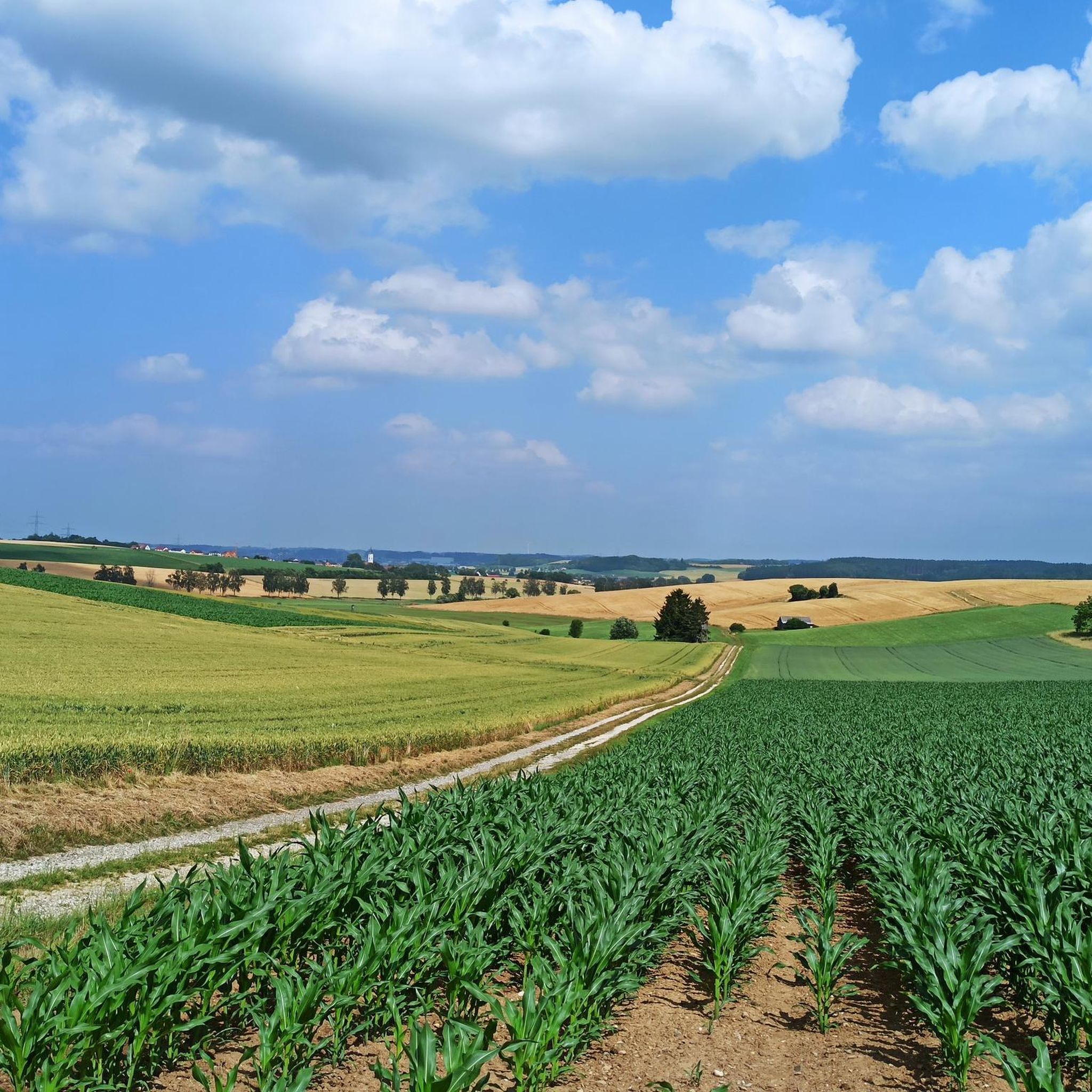
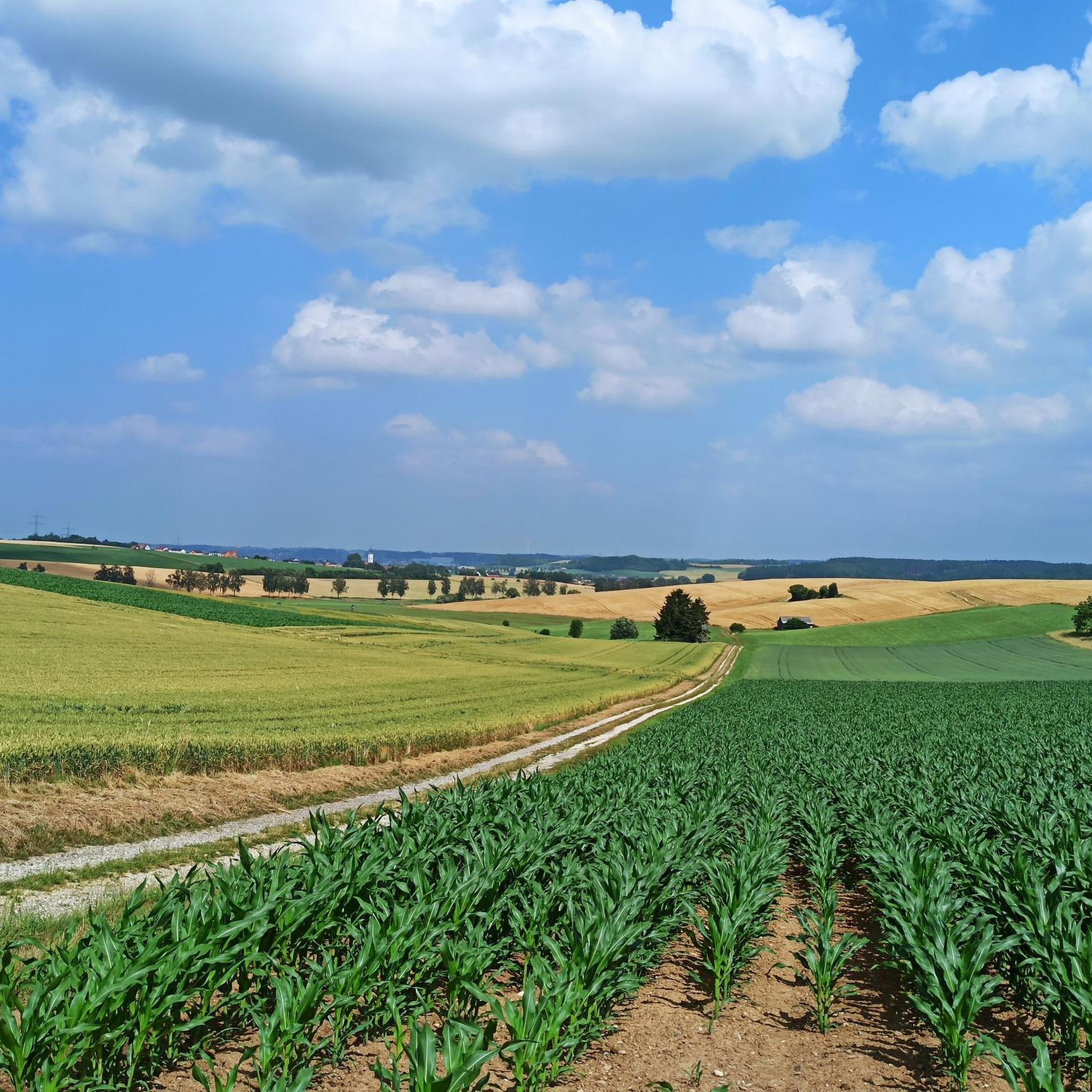
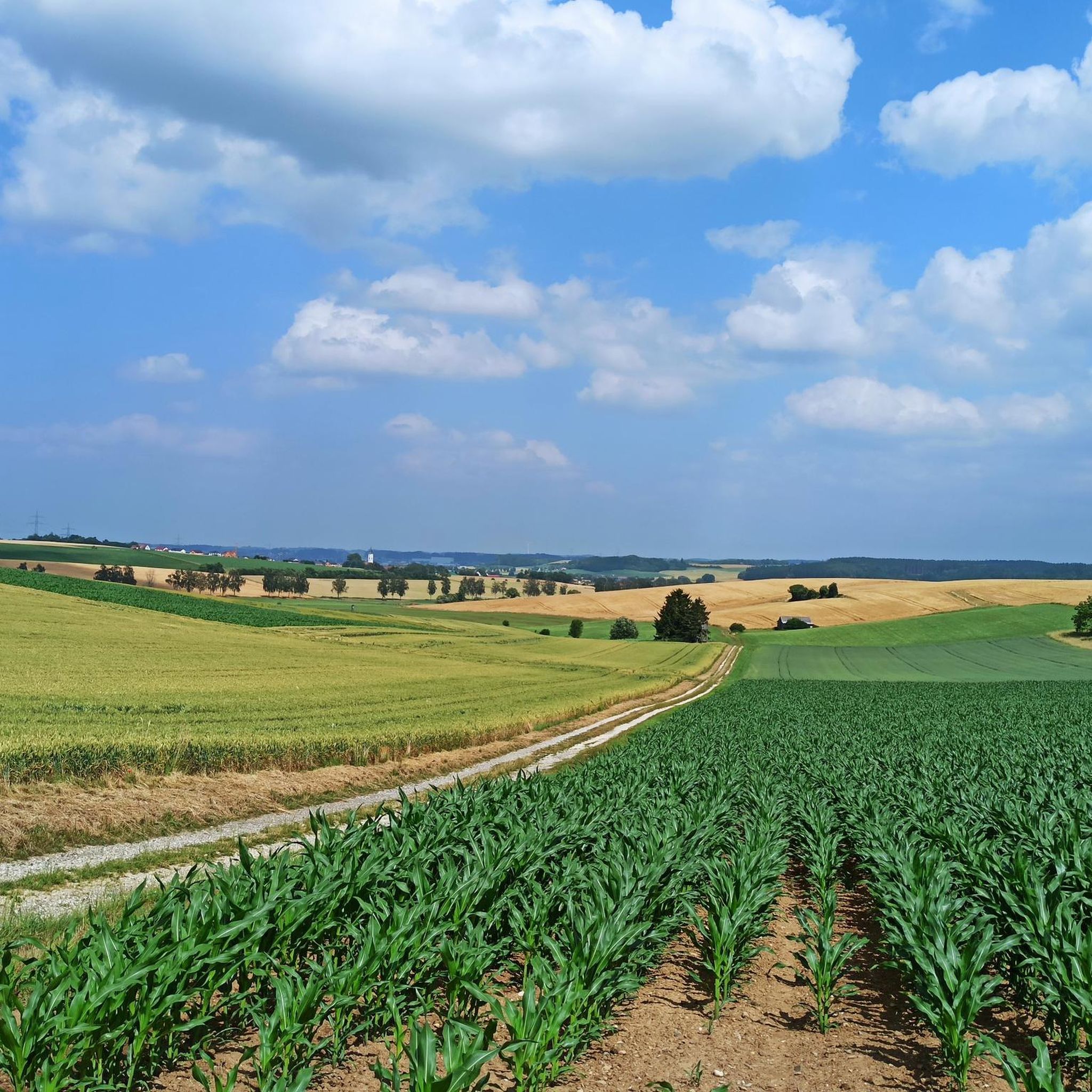
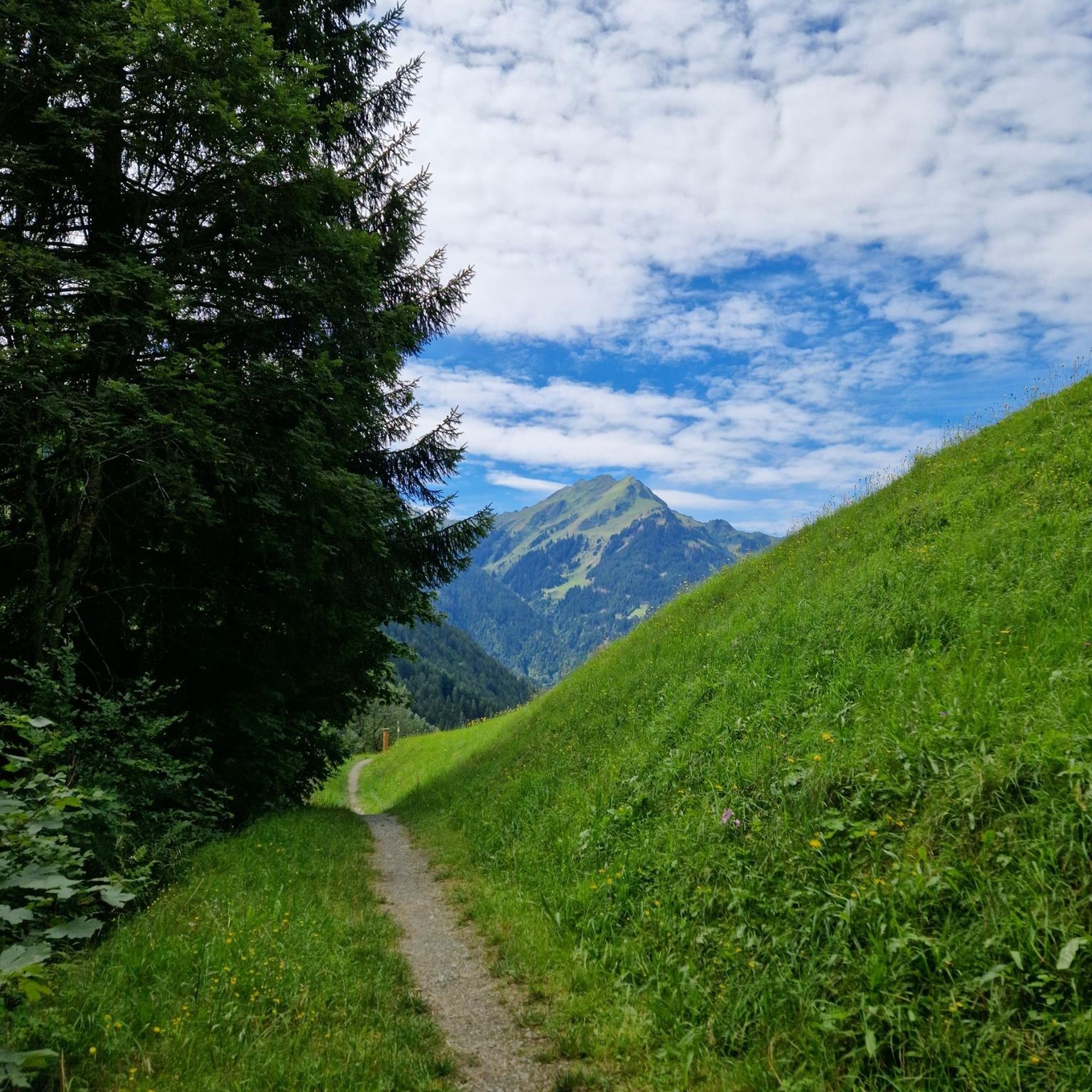
The Schneeburg near Welden (District of Augsburg, Bavaria) is an early medieval ring rampart that served as a refuge castle in the 9th to 10th centuries to defend against Hungarian invasions. The site is located about 1.5 km south of Welden on a spur above the Laugnatal valley. It was an important defensive structure that functioned as a protective castle for the population and a troop assembly point. The fortification consisted of wood-earth constructions and ramparts, with the eastern side showing typical steps for defense against Magyar horsemen. Today, the earthworks and ditches are preserved as an archaeological monument, with the Ludwig-Ganghofer-Rundwanderweg circular hiking trail leading through the area.
0
0

The ringfort of Schneeburg is not the remains of a castle, but rather an archaeological monument that only reveals itself upon closer inspection. There were never any towers or stone walls here – the fortification consisted of earthworks, wooden palisades, and timber structures. Today, primarily ditches, ramparts, and the shape of the site are visible in the landscape. Historians assume that the oldest traces of Schneeburg date back to the Bronze Age. In the Middle Ages, it offered the local population protection from Hungarian invasions.
1
0

After a staircase, access to the castle
0
0

Beautifully hidden. Ideal place for a break
0
0

Two-story gable-roof building with octagonal corner tower with onion dome, built in 1613, altered in 1730; associated garden; 18th-century walling
1
0

The gate, with its two turrets and a very high-quality Madonna statue, was the original castle entrance. The Madonna, a beautiful Ulm Gothic piece, was donated by Prince-Bishop Christoph von Stadion.
1
0

Around 1590/95, the Augsburg patrician Albrecht von Stetten had a so-called manor house built. The castle, which still exists in its basic structure today, was probably built in 1613 when the Fuggers bought the Bocksberg estate at the beginning of the 17th century. As the stucco ceilings in the hallway on the upper floor prove, the building was designed around 1830 according to the taste of the time. From 1811 to 2005, the castle housed the Princely and Countal Fugger Foundation Forestry Office and was the exclusive center of the extensive Fugger forestry districts. The Fugger coat of arms embedded in the front of the corner tower is reminiscent of the history of the Laugna Forestry Office. Source: https://de.wikipedia.org/wiki/Schloss_Laugna
2
0
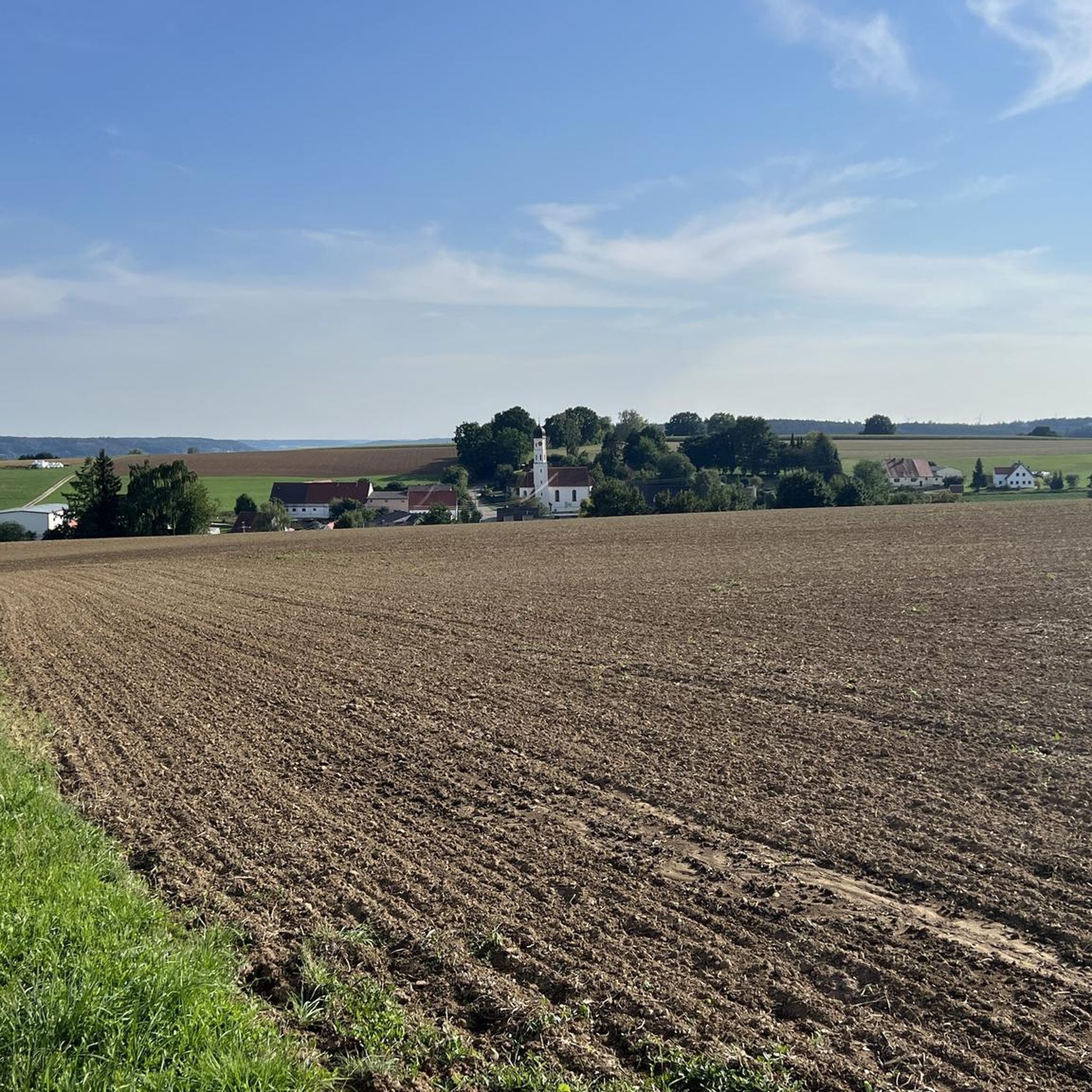
Laugna Castle is located in Laugna in the Dillingen district. The two-wing complex with an octagonal corner tower is located in the middle of the town and is surrounded by a small park and partly by an impressive castle wall. Source: https://de.wikipedia.org/wiki/Schloss_Laugna
2
0
Frequently Asked Questions
What types of castles can I explore around Villenbach?
The region around Villenbach offers a diverse range of historical structures, from magnificent Renaissance palaces like Höchstädt Castle to Staufer-era castles such as Dillingen Castle, and ancient archaeological monuments like the Snow castle rampart. This variety allows visitors to explore different periods of history and architectural styles.
What is special about Höchstädt Castle?
Höchstädt Castle is a magnificent Renaissance palace built between 1589 and 1603. It is considered one of the most outstanding monuments of the former Principality of Pfalz-Neuburg. The castle houses several exciting exhibitions, including a permanent one on the Battle of Höchstädt (1704), and features significant vault paintings in its palace chapel. It has retained much of its original late Renaissance character due to its subsequent use.
Can I visit Dillingen Castle?
Dillingen Castle currently serves as the seat of the tax office, so the interior is not generally open for public visits. However, its courtyard and garden are often used for public events, such as open-air concerts, offering a chance to experience the castle's exterior and grounds.
What is the Snow castle rampart?
The Snow castle rampart is an archaeological monument, not a traditional stone castle. It consists of earthworks, wooden palisades, and timber structures, with ditches and ramparts still visible today. Historians believe its oldest traces date back to the Bronze Age, and it served as a refuge during Hungarian invasions in the Middle Ages.
Are there family-friendly castles to visit near Villenbach?
Yes, Höchstädt Castle is particularly family-friendly. It offers numerous hands-on stations within its exhibitions, making history engaging for both children and adults. Its architectural grandeur and historical significance provide a compelling destination for all ages.
How can I get to Höchstädt Castle?
Höchstädt Castle is located in Höchstädt an der Donau. While specific public transport routes from Villenbach vary, Höchstädt is accessible by regional train and bus services. Parking is generally available near the castle for those traveling by car.
What outdoor activities are available near the castles around Villenbach?
The area around Villenbach and its castles offers various outdoor activities. You can find numerous routes for cycling and running. For example, there are several running loops around Villenbach and Zusamzell, and cycling routes like the 'City of Dillingen – Dillingen town gate loop'. You can explore these and more on the Running Trails around Villenbach and Cycling around Villenbach guides.
When is the best time to visit the castles around Villenbach?
The best time to visit the castles around Villenbach is generally from April to October. During these months, the weather is pleasant for exploring the castle grounds and nearby outdoor activities. Höchstädt Castle, for instance, is open from April to October, Tuesday to Sunday.
What remains of Richen Castle?
Of the original Richen Castle, only the Richen Castle Chapel remains today. The castle itself was canceled in 1779. The chapel is a beautifully hidden historical site, often appreciated as a peaceful spot for a break.
Are there any castles with unique architectural features?
Yes, Höchstädt Castle is a prime example with its late Renaissance architecture, featuring a mighty four-wing complex and incorporating a Gothic tower from a preceding castle. Laugna Castle also stands out with its two-wing complex and an octagonal corner tower, surrounded by a small park and an impressive castle wall.
What historical periods do the castles around Villenbach represent?
The castles around Villenbach span several significant historical periods. You can find structures with parts dating back to the Staufer period, such as Dillingen Castle. The region also features Renaissance palaces like Höchstädt Castle, built in the late 16th and early 17th centuries, and ancient archaeological sites like the Snow castle rampart, with traces from the Bronze Age and medieval fortifications.
What do visitors enjoy most about the castles around Villenbach?
Visitors appreciate the journey through regional history offered by the castles, from the architectural grandeur of Renaissance palaces to the insights into ancient archaeological sites. The well-preserved character of places like Höchstädt Castle and the historical significance of the region's landmarks are frequently highlighted. The komoot community has shown strong engagement, with over 600 upvotes and more than 300 photos shared across these sites.
Most popular routes around Villenbach
Most popular attractions around Villenbach

Get inspired with the komoot mobile app


Explore more
Looking for the best castles somewhere else? Discover other guides around Villenbach:
