Attractions and Places To See around Rödental - Top 20
Best attractions and places to see around Rödental, a town in the district of Coburg, Bavaria, include a mix of historical landmarks, natural beauty, and cultural sites. The region offers opportunities for outdoor activities such as hiking and cycling. Visitors can explore well-preserved historical structures and scenic landscapes.
Best attractions and places to see around Rödental
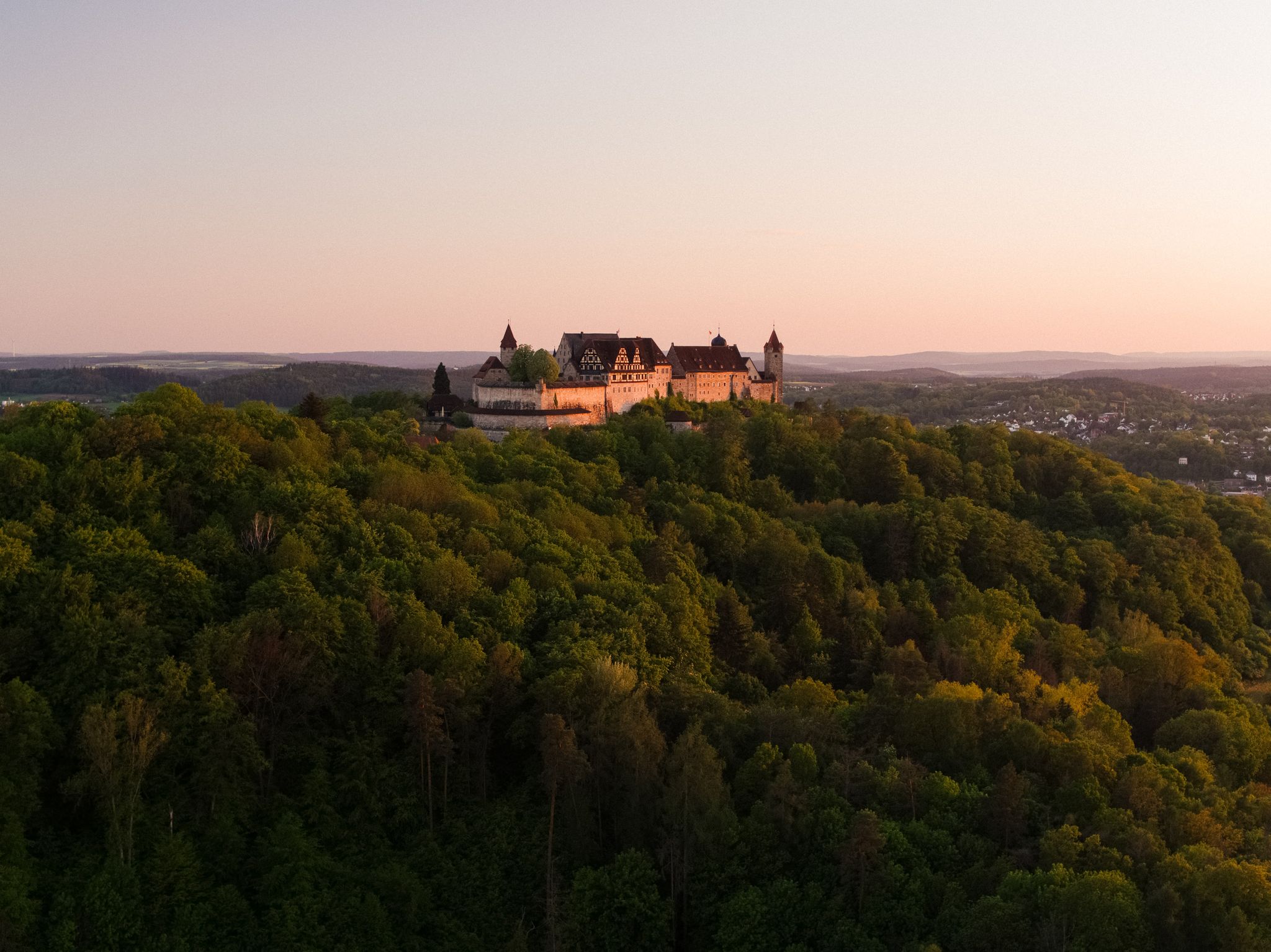
- The most popular attractions is Coburg Fortress, a castle that has never been taken by force of arms. The art collection inside the…
Last updated: August 30, 2026
Coburg Fortress
Highlight • Castle
Translated by Google •
Tip by

Blessberg Observation Tower
Highlight • Viewpoint
Translated by Google •
Tip by

Sign up now to discover places like this
Get recommendations on the best single tracks, peaks, & plenty of other exciting outdoor places.
Sign up for free
Coburg Market Square
Highlight • Historical Site
Translated by Google •
Tip by

Ehrenburg Palace
Highlight • Castle
Translated by Google •
Tip by

Hofgarten Coburg
Highlight • Forest
Showing Translation
Tip by

Sign up for free to discover even more attractions around Rödental.
Sign up for free
Already have an account?
Start today with a free account
Your next adventure awaits.
Login or Signup
Other adventures around Rödental

Tips from the Community

In 1543, Duke Johann Ernst of Saxony decided to move his court from the Veste Coburg down into the city and chose the site of the dissolved Franciscan monastery, along which the city wall ran to the east. The monastery was in the area of the former middle courtyard. Recent research attributes the architectural design to the Saxon architect Nikolaus Gromann.[1] The building shows clear stylistic parallels with the work of Gromann, who may also have been close to the building project in organizational terms as the appointed court architect of Johann Ernst's half-brother, Elector Johann Friedrich. The complex was built until around 1547 under the construction management of Caspar Vischer. A complex was created around two square courtyards, which could be entered from the south via Steingasse.[2] The buildings of the first courtyard with the stair tower, the corner bay window and the dormer windows from this period are still preserved.[3] Between the courtyards was the three-storey princely building, which was accessed via another large stair tower on the north side and had a large hall and a dining room. The palace chapel and other living quarters were located around the second courtyard on the east side, the kitchen on an irregular floor plan to the north and other subordinate rooms to the west. This complex can still be seen with various subordinate extensions on Bieler's floor plan from 1679. It is unclear whether the third courtyard with the stables had already begun in 1543. Only paid craftsmen were employed for the construction and not, as was usual at the time, serf laborers. This special feature is said to have been the reason for the visit of Emperor Charles V in 1547. Charles is said to have given the newly occupied complex the name Ehrenburg on this occasion. The new city palace was inhabited as the residence of a ruling duke until the death of Johann Ernst in 1553 and was then only used extensively.
8
2

Magnificent palace, formerly the residence of the Coburg dukes, with art by Dutch and Flemish masters.
17
2
Beautiful and quiet Christmas market in the heart of Coburg. No crowds and pushing like on other markets. Quite vividly and comfortably in the dark also Ramon table.
21
2
Collections of decorative and fine art in the former palace of the Saxon electors with a glass museum.
16
0

The weekly market in Coburg takes place on the market square every Wednesday and Saturday, always in the morning until around 1:00 p.m. Cut flowers as well as garden and balcony plants are offered at various stands throughout the year. Depending on the season, there are strawberries, asparagus, pumpkins or cherries that compete with the fruit and vegetables that are available all year round at the stalls. The weekly market is a colourful, fragrant trading place for bread and sausage products, cheese, eggs and fresh meat. Almost all the goods on offer come from the region. All of Coburg meets here to get hold of the loveliest tulips, to buy groceries or simply to have a chat. Every Saturday there is also a farmer's market in Steinweg, where local direct producers sell their products from the region.
15
2
The Coburger Hofgarten is an extensive landscape park that stretches in Coburg between the Schlossplatz and the Veste.
9
1

If you would like to receive comprehensive information, follow this link: https://de.m.wikipedia.org/wiki/Schloss_Ehrenburg
16
3
The market square was laid out in the early 15th century and was paved only a few decades later. Seven lanes lead from the market square to the old town. The monument to Prince Albert of Saxe-Coburg and Gotha has been enthroned in the middle since 1865. To the north is the town hall in the style of the German late Renaissance with gables decorated with figures and Coburg oriels, opposite is the Renaissance town hall. A colorful weekly market takes place here twice a week, where the people of Coburg buy vegetables, meat and flowers. At night, the square impresses with a sophisticated lighting concept. In 2018, the specialist magazine "GEO" voted it the most beautiful market place in Bavaria. Source: https://www.coburg.de/coburg-erleben/sehenswuerdigungen/marktplatz/marktplatz.php
26
2
Frequently Asked Questions
What historical sites can I explore around Rödental?
Rödental and its surroundings are rich in history. You can visit the impressive Coburg Fortress, a castle that was never taken by force, housing significant art collections. Another notable site is Ehrenburg Palace, a 16th-century city residence in Coburg. Within Rödental itself, explore the former ducal country house of Schloss Rosenau, the birthplace of Prince Albert, or the well-preserved 900-year-old Mönchröden Monastery with its Gothic structures.
Where can I enjoy nature and outdoor activities near Rödental?
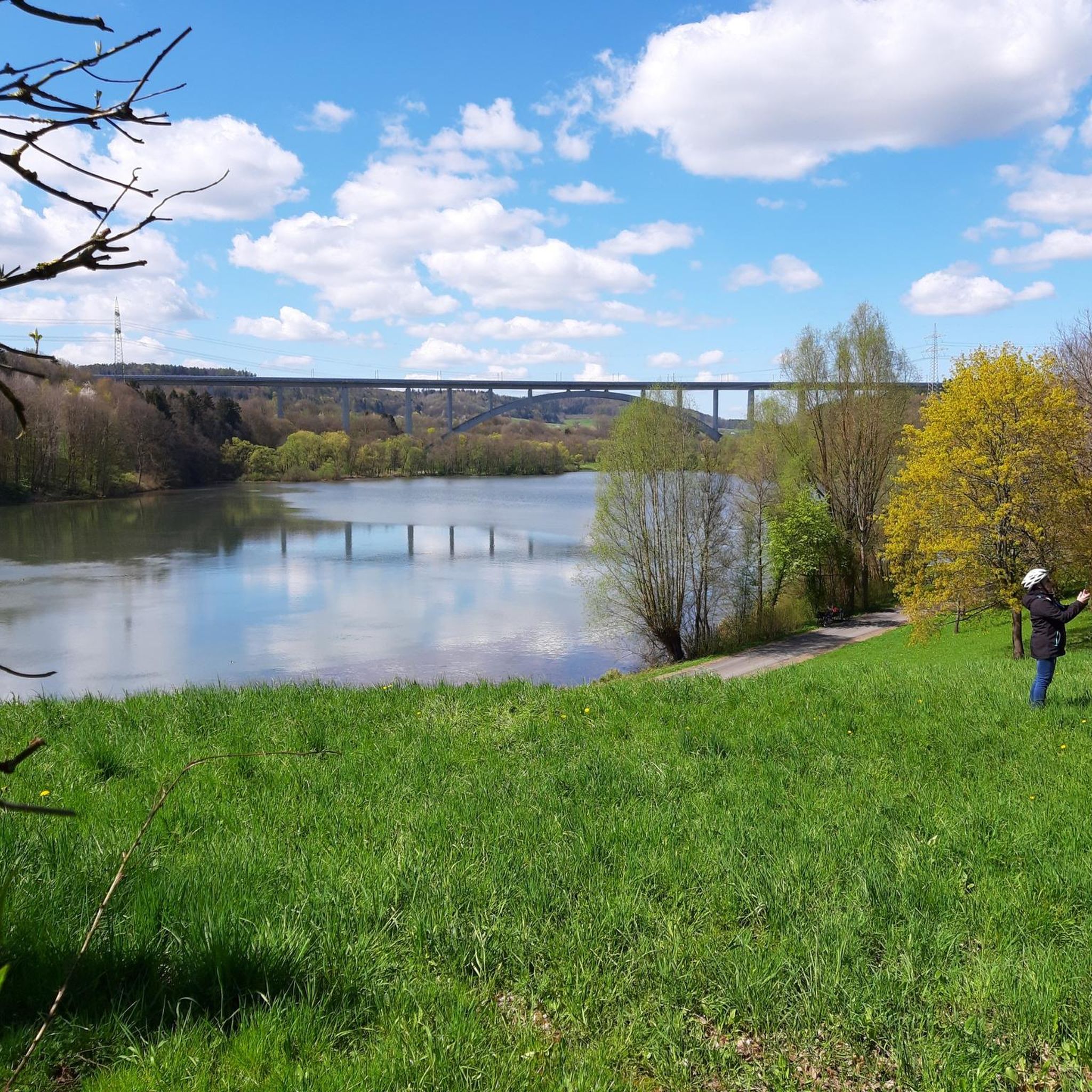
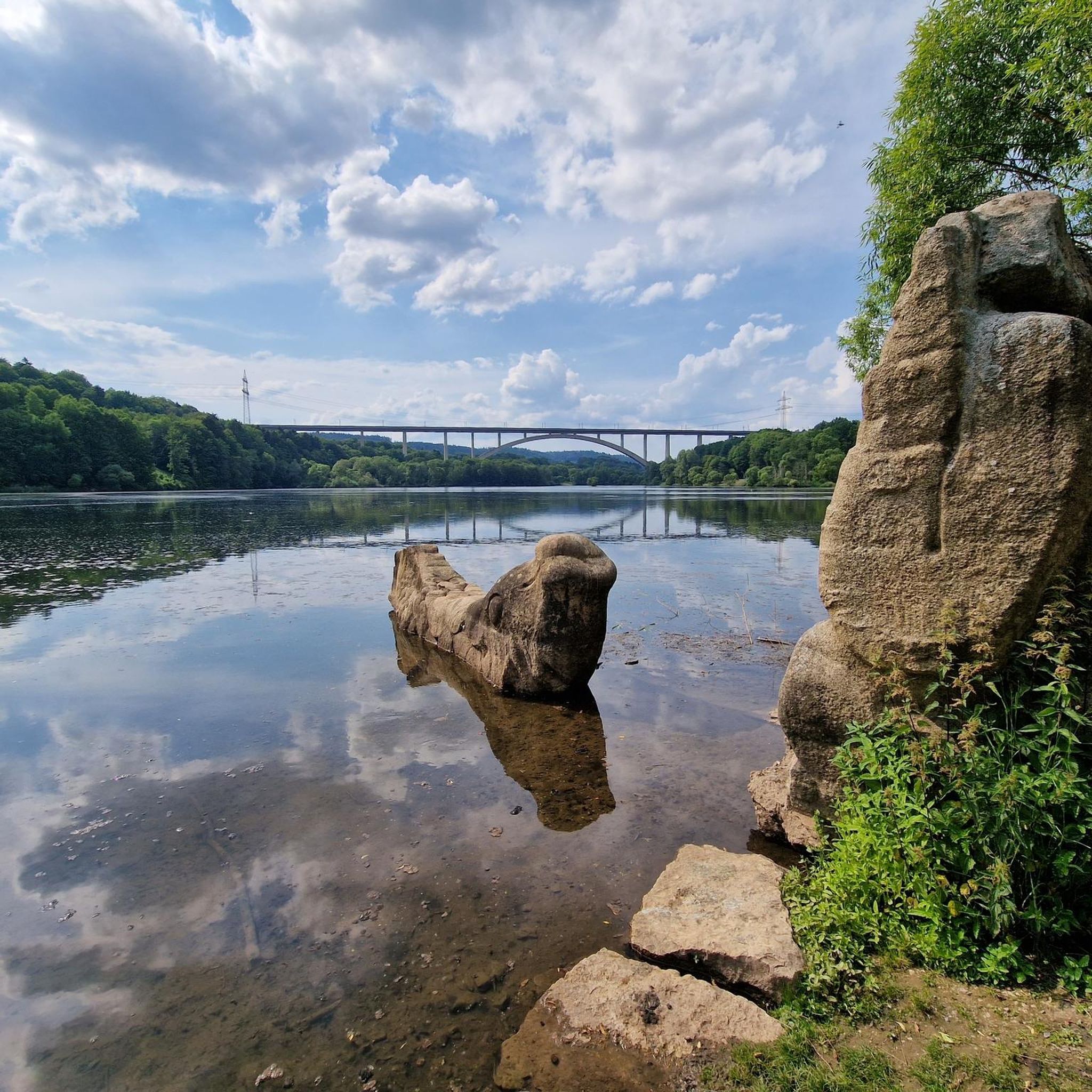
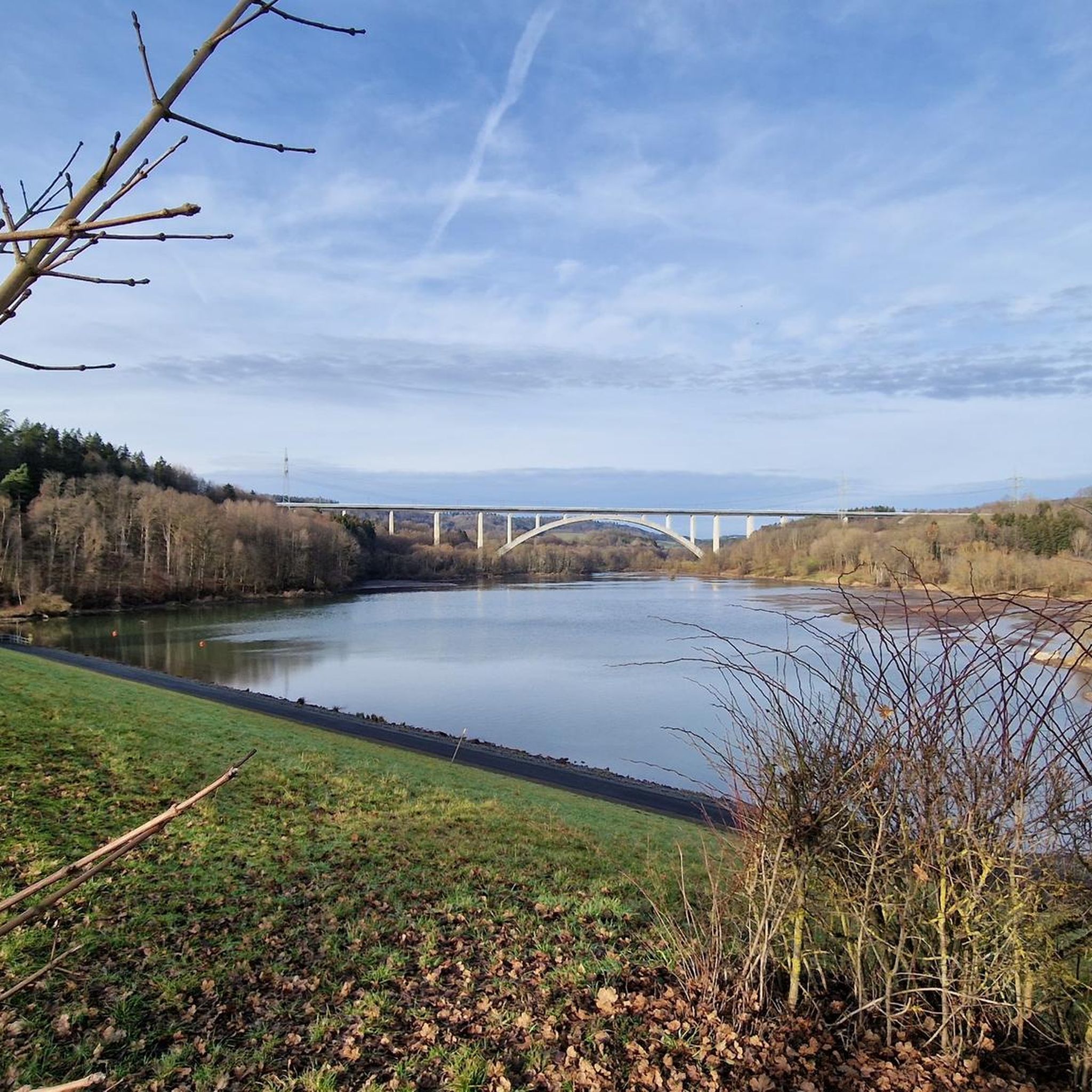
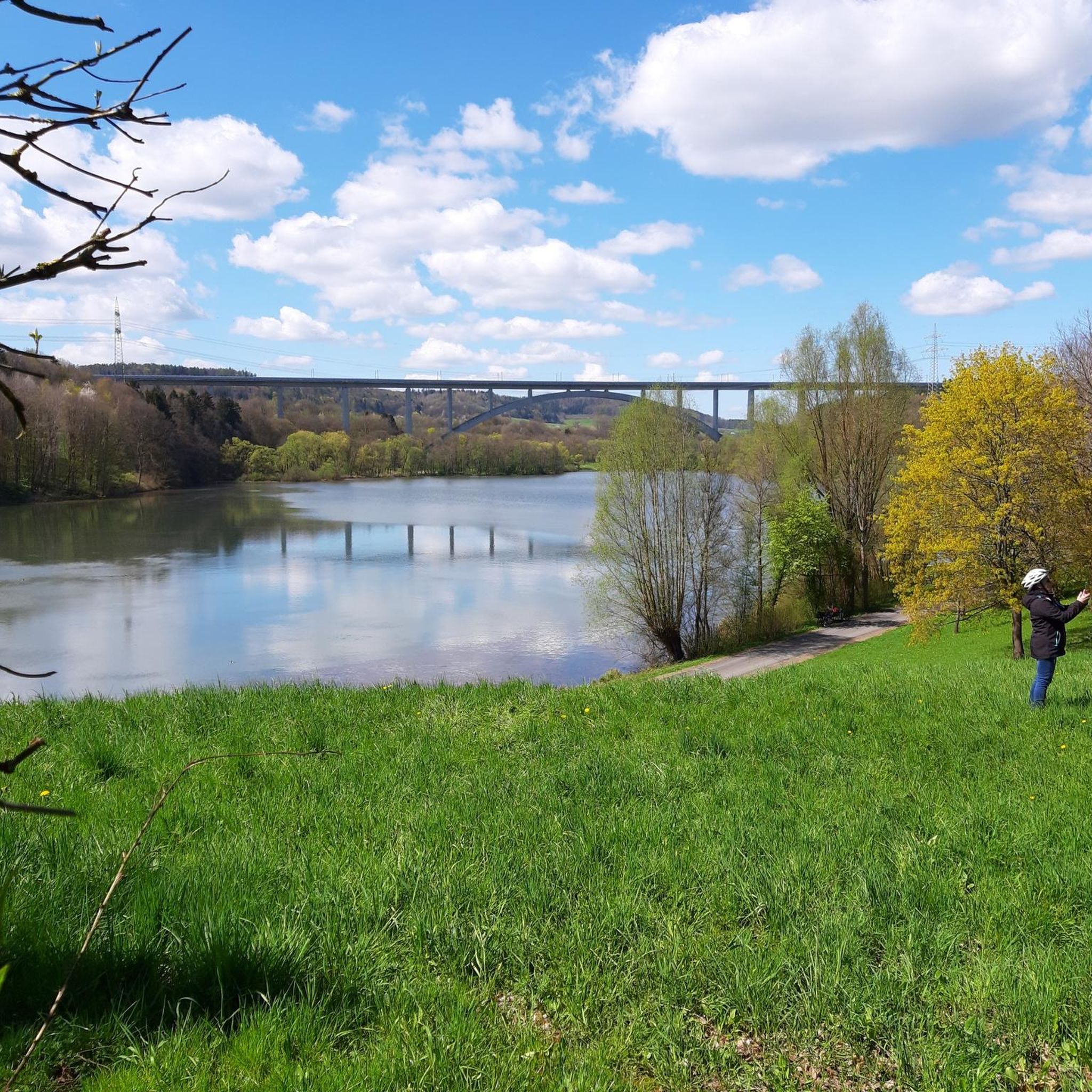
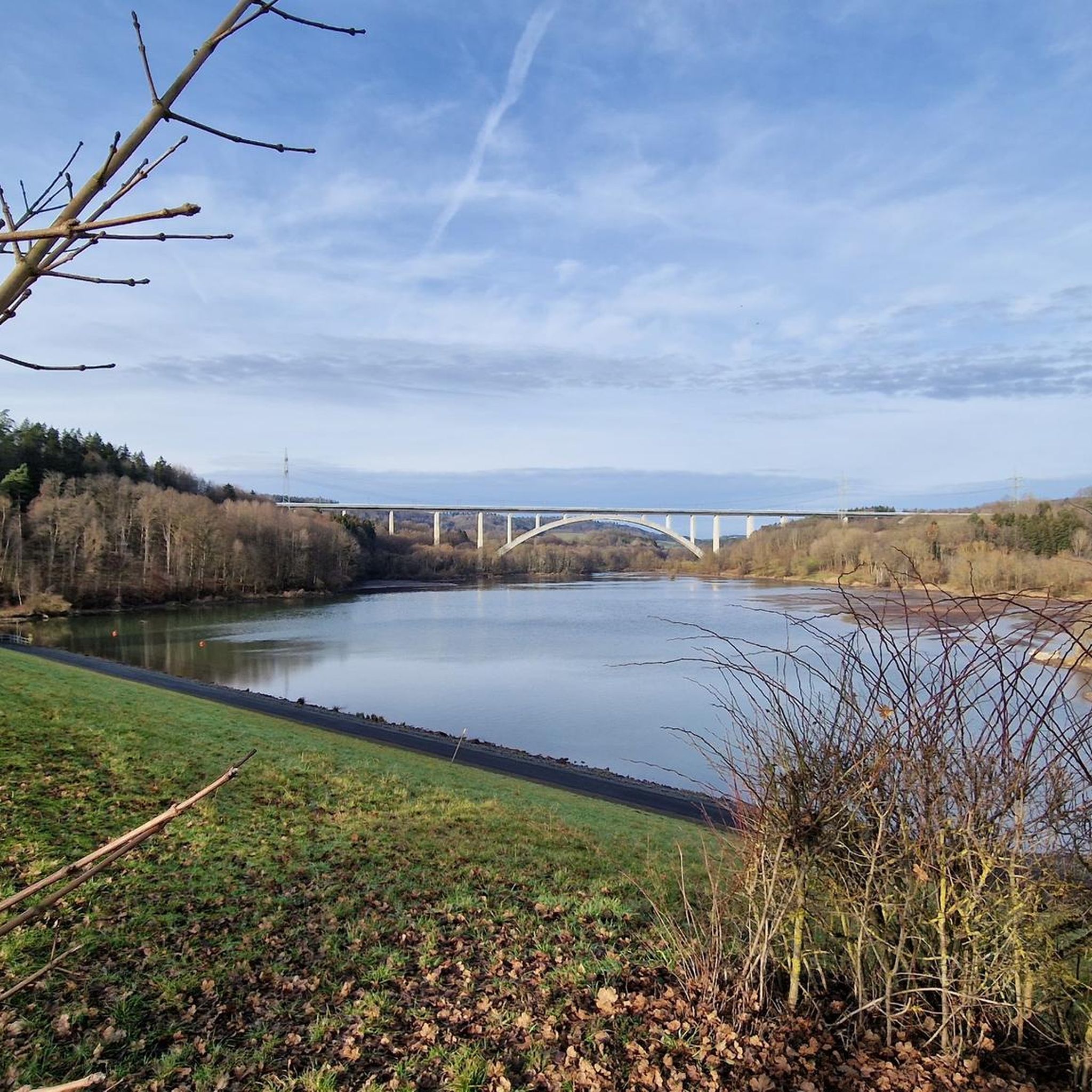
The Rödental area offers diverse natural beauty. The Schlosspark Rosenau is an English landscape garden perfect for leisurely strolls. You can also visit the Froschgrundsee, a picturesque lake ideal for walks. For more adventurous outings, the Einberger Schweiz forest area is known for its distinctive rock formations and gorges, providing excellent opportunities for hiking.
Are there good hiking trails around Rödental?
Yes, Rödental is an excellent starting point for hiking. You can find various routes catering to different interests, including trails along the River Itz and a nature trail around Lauterburg. For specific routes, check out the Hiking around Rödental guide, which includes trails like the easy '🌈 Rosenau Castle Park – 🦢 Rosenau Swan Lake loop from Rödental'.
What cycling opportunities are available in the Rödental area?
Rödental offers a variety of cycling routes. You can explore the region on gravel bikes or mountain bikes. The Gravel biking around Rödental guide features routes like the 'ICE Froschgrundsee Viaduct – Rosenau Palace Park loop'. For mountain biking, the MTB Trails around Rödental guide includes options such as the 'Domäne Oeslau and Beer Garden – Old Mill in Oberwohlsbach loop'.
Are there family-friendly attractions in Rödental?
Many attractions in the Rödental area are suitable for families. The Coburg Market Square and Coburg Castle Square are great for a stroll and often host events. The Schlosspark Rosenau, with its English landscape garden, is also a pleasant spot for families. Additionally, the Einberger Schweiz offers family-friendly hiking tours.
Where can I find the best views around Rödental?
For breathtaking panoramic views, head to the Blessberg Observation Tower. From here, you can see across the Thuringian Forest, Franconia, and the Fichtelgebirge. After the ascent, a hiking hostel is available for a break.
What cultural institutions are there in Rödental?
Rödental is home to the European Museum for Modern Glass, located within the park of Schloss Rosenau. This museum showcases the evolution of studio glass from the 1960s to the present day across 1260 square meters of exhibition space.
Are there any wheelchair-accessible attractions in the Rödental area?
The Coburg Market Square is noted as being wheelchair accessible, making it a good option for visitors with mobility needs. It's a popular meeting place and venue for various events.
What is the Ruine Lauterburg and can I visit it?
The Ruine Lauterburg is a castle ruin located on the edge of the Oberwohlsbach district, first mentioned in 1156. Although largely destroyed, parts of its barrel vault in the cellar remain. The local heritage association has made the ruins accessible to visitors, and it is now used for events.
What is special about the Dreifaltigkeitskirche in Weißenbrunn vorm Wald?
The Dreifaltigkeitskirche (Trinity Church) in Weißenbrunn vorm Wald, dating back to around 1200, features an impressive Gothic choir vault with 15th-century frescoes. These frescoes were rediscovered and restored in 1946, and the church also houses a baptismal font from 1598, making it a significant historical and artistic site.
What do visitors enjoy most about the attractions around Rödental?
Visitors appreciate the rich history and cultural heritage, particularly the well-preserved castles like Coburg Fortress and Ehrenburg Palace. The scenic viewpoints, such as the Blessberg Observation Tower, are also highly valued for their unique perspectives. The area's blend of historical landmarks and natural beauty, offering opportunities for both exploration and outdoor activities, is a major draw.
Most popular routes around Rödental
Most popular attractions around Rödental

Get inspired with the komoot mobile app


Explore more
Still not found the Highlight you’re looking for? See guides of the top attractions in other regions:
