The best road cycling routes around Guldental
4.6
(916)
12,523
riders
446
rides
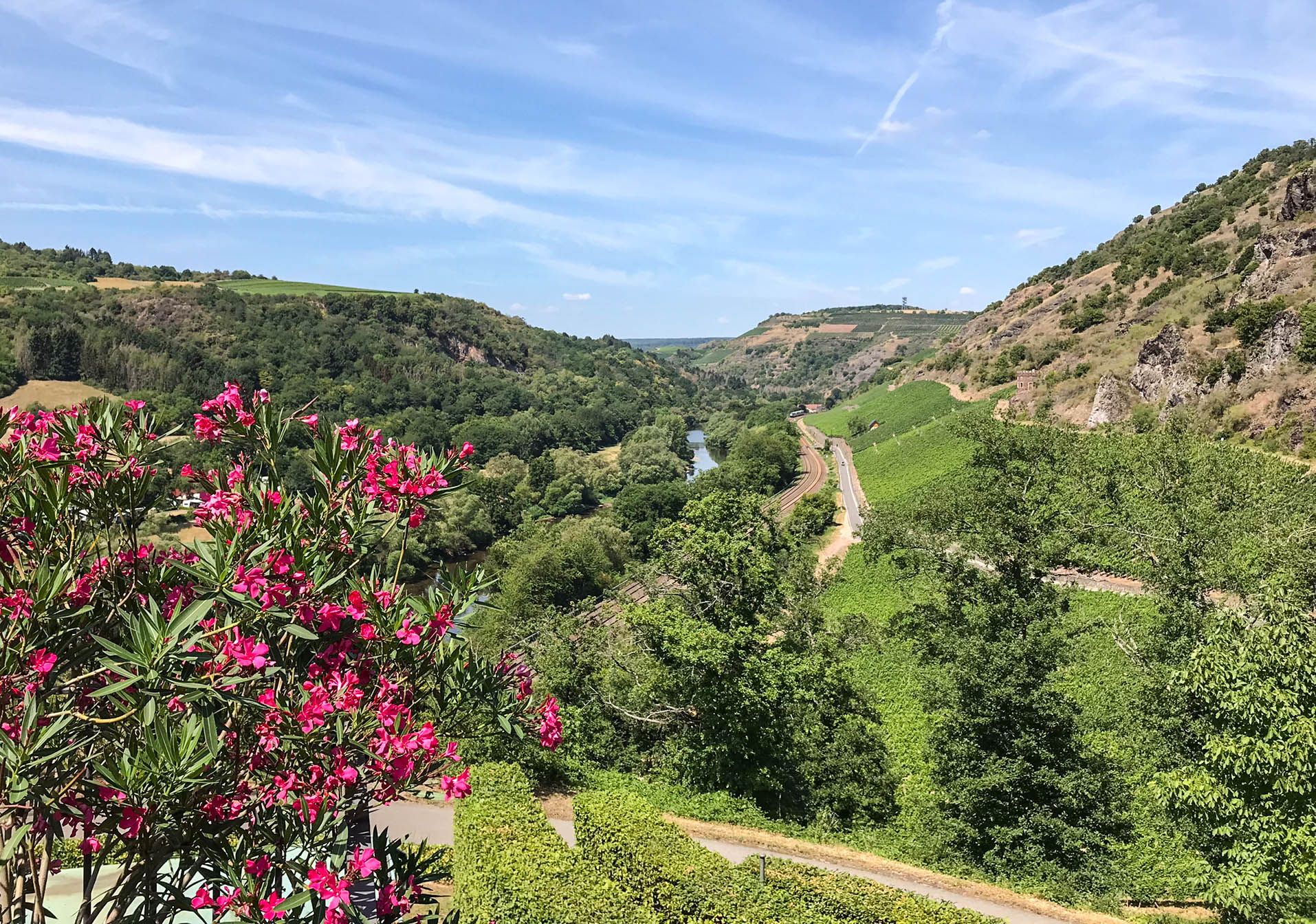
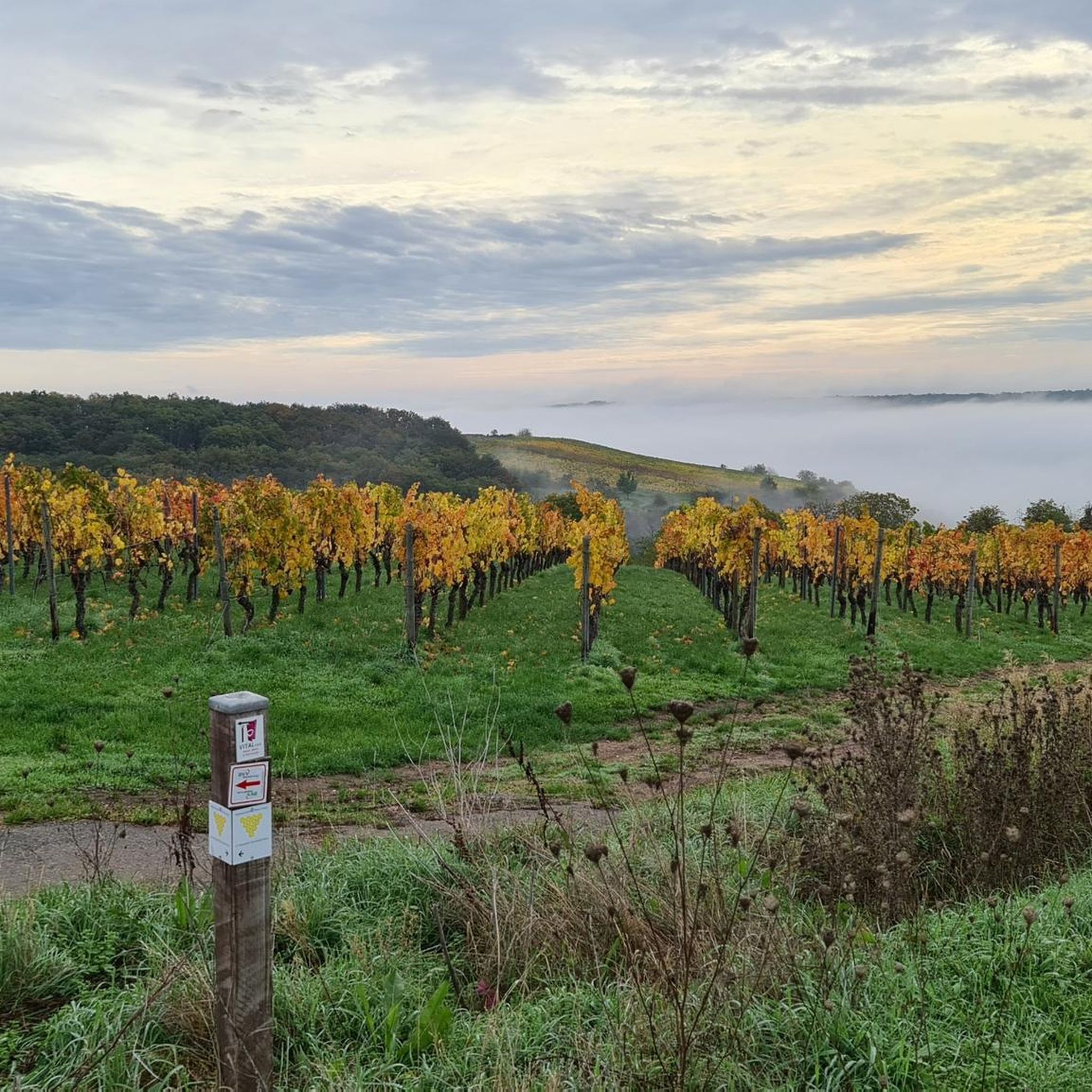
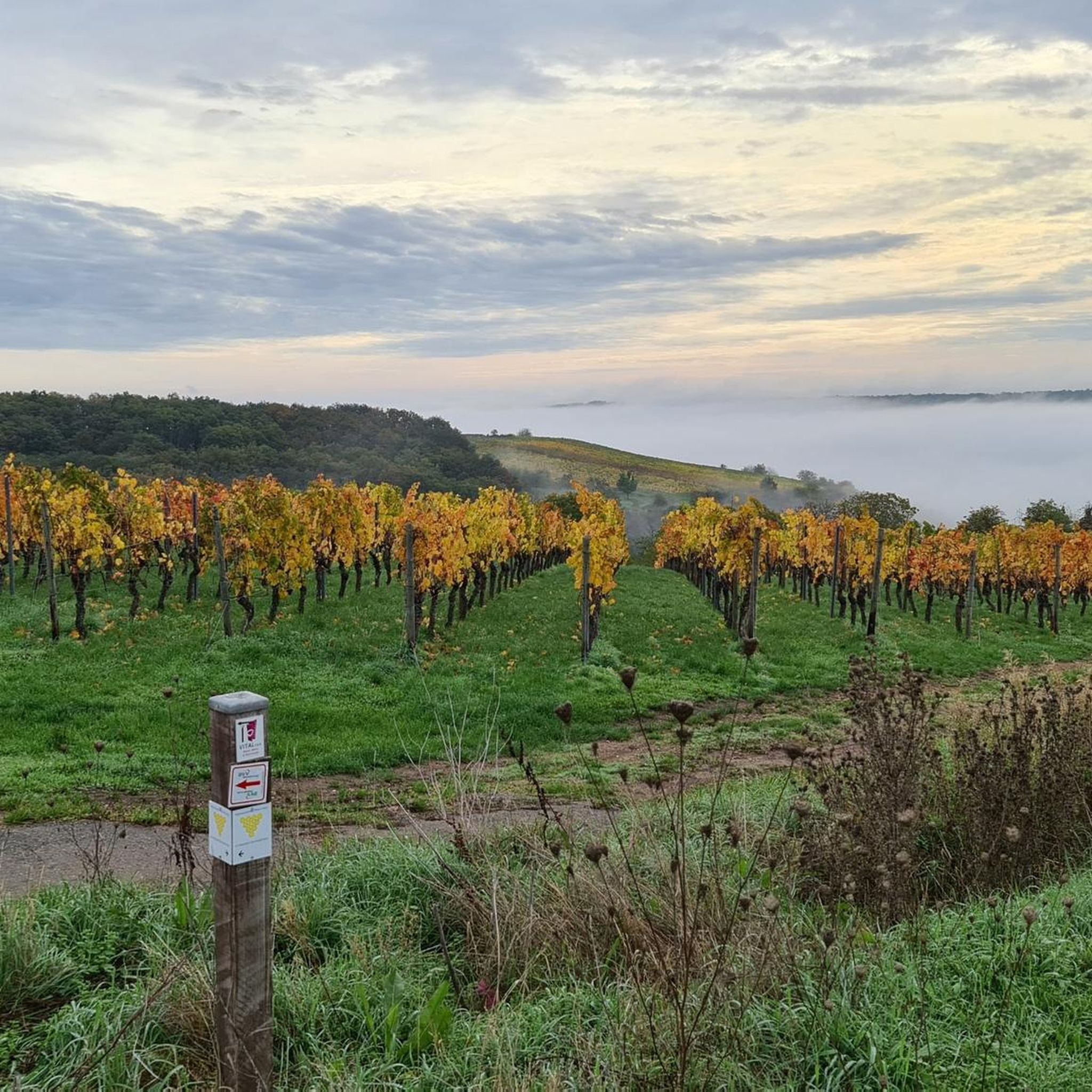
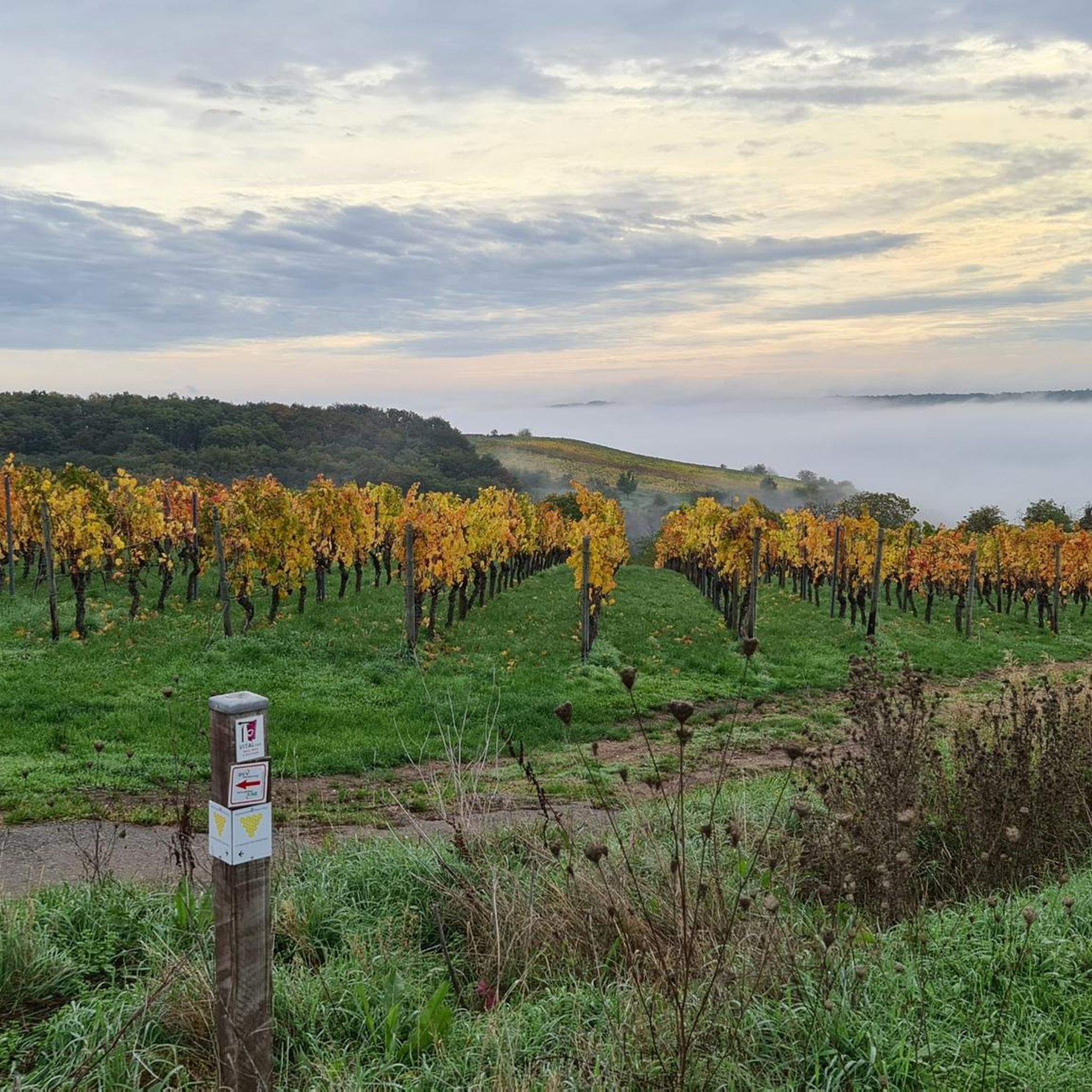
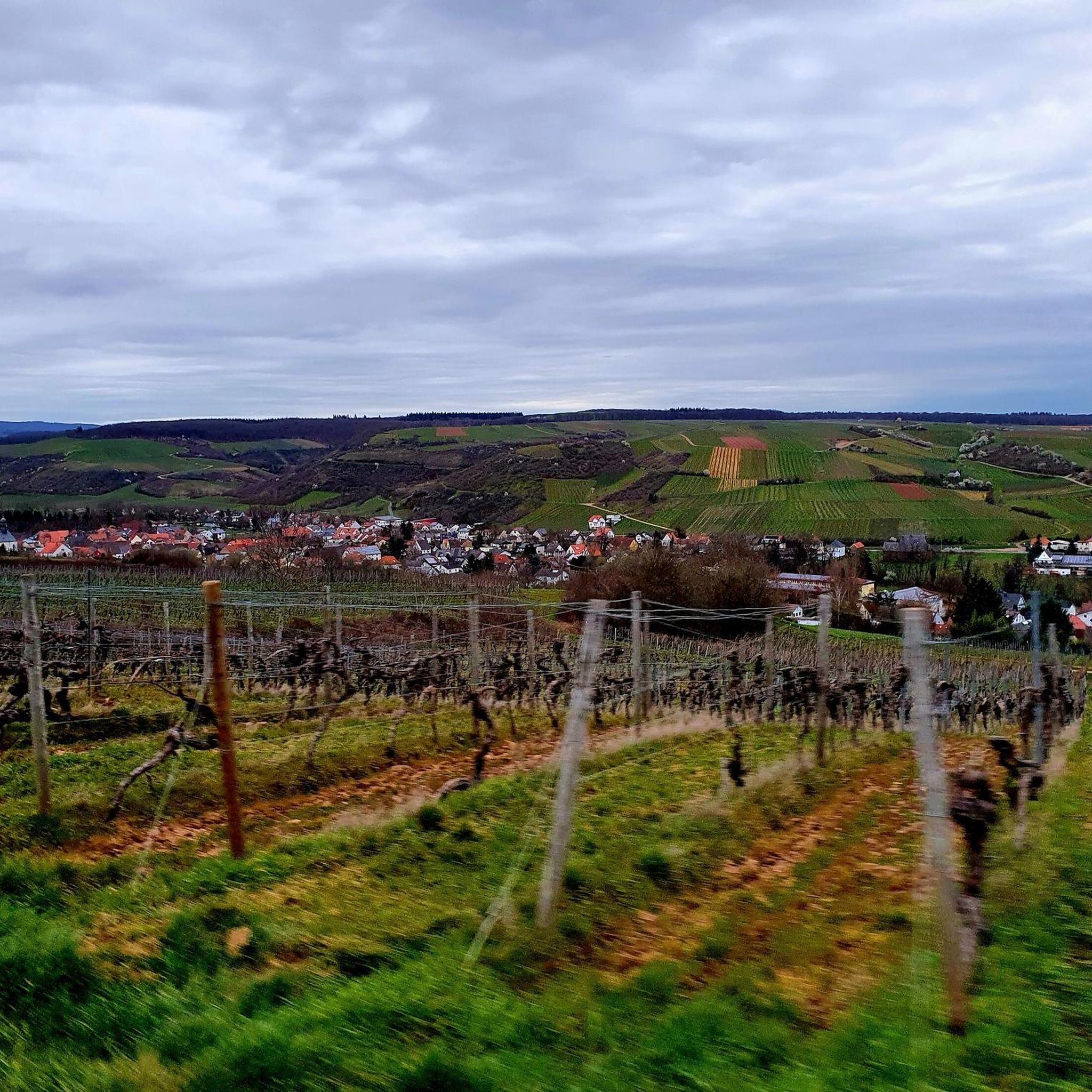
Road cycling routes around Guldental are characterized by hilly terrain and diverse landscapes, providing conditions for both challenging climbs and scenic rides. The region features well-maintained, quiet roads and dedicated asphalt cycle paths, ensuring a smooth experience. Cyclists can explore romantic valleys, dense forests, and expansive vineyards of the Nahe wine-growing region. The Nahe River also plays a significant role, with cycle paths accompanying it through charming villages.
Best road cycling routes around Guldental
- The most popular road cycling route…
Last updated: October 18, 2026
3.8
(5)
22
riders
Moderate road ride. Good fitness required. Mostly well-paved surfaces and easy to ride.
5.0
(1)
21
riders
Moderate road ride. Good fitness required. Mostly well-paved surfaces and easy to ride.

3.9
(7)
24
riders
21.1km
01:02
160m
160m
Moderate road ride. Great for any fitness level. Some segments of this route may be unpaved and difficult to ride.
12
riders
Moderate road ride. Good fitness required. Mostly well-paved surfaces and easy to ride.
5.0
(19)
19
riders
Moderate road ride. Good fitness required. Mostly well-paved surfaces and easy to ride.
Get access to more routes and recommendations from other explorers.
Already have an account?
Our route recommendations are based on thousands of hikes, rides, and runs completed by other people on komoot.
Start today with a free account
Your next adventure awaits.
Other adventures around Guldental

Tips from the Community

Beautiful farm shop with a large selection.
0
0

Cool made, something different
0
0
Very beautiful old half-timbered houses
0
0

Beautiful, inexpensive campsite and nice restaurant
0
0

One of the oldest medieval stone bridges in Germany. The short stop is worthwhile for anyone who wants to discover a piece of history on their bike tour.
3
0

The new Drusus Bridge, still visible today, was built 100 years later under Archbishop Willigis (975-1011). This bridge was destroyed by the French in 1689. It was rebuilt by 1772. In March 1945, a special command blew up the bridge arch in front of the advancing troops of the Allies. Today, the 1000-year-old Drusus Bridge, in new splendor, once again shapes the cityscape of Bingen.
1
0
The Drusus Bridge owes its name to the Roman general Drusus, who is said to have built the first wooden bridge over the Nahe. It probably originated in the decade before Christ's birth, but was probably in a different location. At that time, Drusus fortified the left bank of the Rhine border of the Roman Empire by building fortifications and may have had a convenient path built across the Nahe. The wooden bridge was destroyed in 70 AD. The current stone bridge is a construction from the 11th century.
2
0
Frequently Asked Questions
How many road cycling routes are available around Guldental?
Guldental offers a wide selection of road cycling routes, with over 470 tours available on komoot. These routes cater to various fitness levels, from moderate rides to more demanding tours with significant elevation gains.
What kind of terrain can I expect when road cycling around Guldental?
The region around Guldental is characterized by its hilly terrain and diverse landscapes. You'll find quiet, well-maintained roads and dedicated asphalt cycle paths, leading through romantic valleys, dense forests, and expansive vineyards of the Nahe wine-growing region. Expect a mix of challenging climbs and enjoyable scenic rides.
Are there road cycling routes suitable for beginners or less experienced cyclists?
Yes, Guldental offers routes suitable for various fitness levels. There are 59 easy road cycling routes available, providing a gentler introduction to the region's beautiful landscapes. For example, the Kaffee Mühle Sponheim loop from Hargesheim is a moderate 12.9-mile route that leads through vineyard landscapes.
What natural features or landmarks can I see along the road cycling routes?
Many routes offer stunning natural beauty. You can cycle through the picturesque Nahe wine-growing region, alongside the Nahe River, and through the varied landscapes of the Hunsrück. Notable viewpoints include the Niederwald monument and the View of Rheinstein Castle and the Rhine from the Kleine Bastei.
Are there any historical sites or castles to explore while cycling?
Absolutely. Road cycling routes in the Guldental area frequently lead past striking knight's castles and historic villages. A popular route, the Aumühle Campsite – Stromburg Castle in Stromberg loop from Hargesheim, passes directly by Stromburg Castle. You might also encounter the Rossel Ruins.
When is the best time of year to go road cycling in Guldental?
The region is enjoyable for road cycling throughout the warmer months. Spring and autumn offer pleasant temperatures and beautiful scenery, especially during the grape harvest in the Nahe wine-growing region. Summer is also great, but be prepared for potentially warmer weather, particularly in the valleys.
Are there routes with particularly scenic views or through vineyards?
Yes, the region is renowned for its scenic beauty. You'll find numerous routes that traverse expansive vineyards, particularly in the Nahe wine-growing region. The Amalienhöhe Old Mine – Wald-Erbach Scenic Road loop from Windesheim offers particularly scenic views along the Wald-Erbach Scenic Road and through varied terrain.
Is parking available for road cyclists in Guldental?
Yes, parking is generally available in and around Guldental, especially in the starting points of many routes or in nearby villages. It's advisable to check specific route descriptions for recommended parking locations.
How accessible are the road cycling routes by public transport?
The Guldental area, being part of the Naheland and Hunsrück regions, has public transport connections to larger towns. While some routes might be directly accessible, it's often easier to reach starting points by car. For specific routes, checking local bus or train schedules to nearby villages is recommended.
Are there places to stop for refreshments or a break along the routes?
Yes, the region's wine culture means you'll often find opportunities to stop at local wineries or breweries for refreshments. Many routes also pass through charming villages with cafes and restaurants. For example, the Gicht Bridge Gräfenbacher Hütte – St. Leonard's Chapel loop from Hargesheim offers a chance to explore the local area.
What do other road cyclists say about the routes around Guldental?
The road cycling routes around Guldental are highly rated by the komoot community, with an average score of 4.6 stars from over 660 reviews. Cyclists often praise the diverse terrain, the quiet, well-maintained roads, and the beautiful combination of vineyards, forests, and historical sites.
Most popular routes around Guldental
Most popular attractions around Guldental

Get inspired with the komoot mobile app


Explore more
Browse the best Road cycling routes in other regions.
