Attractions and Places To See in Tlaxcala - Top 4
Best attractions and places to see in Tlaxcala include ancient archaeological sites, colonial landmarks, and diverse natural landscapes. This Mexican state is known for its rich history and significant natural features, such as the prominent La Malinche volcano. Visitors can explore pre-Hispanic sites with well-preserved murals and enjoy outdoor activities in national parks. Tlaxcala offers a blend of cultural heritage and natural beauty for exploration.
Best attractions and places to see in Tlaxcala
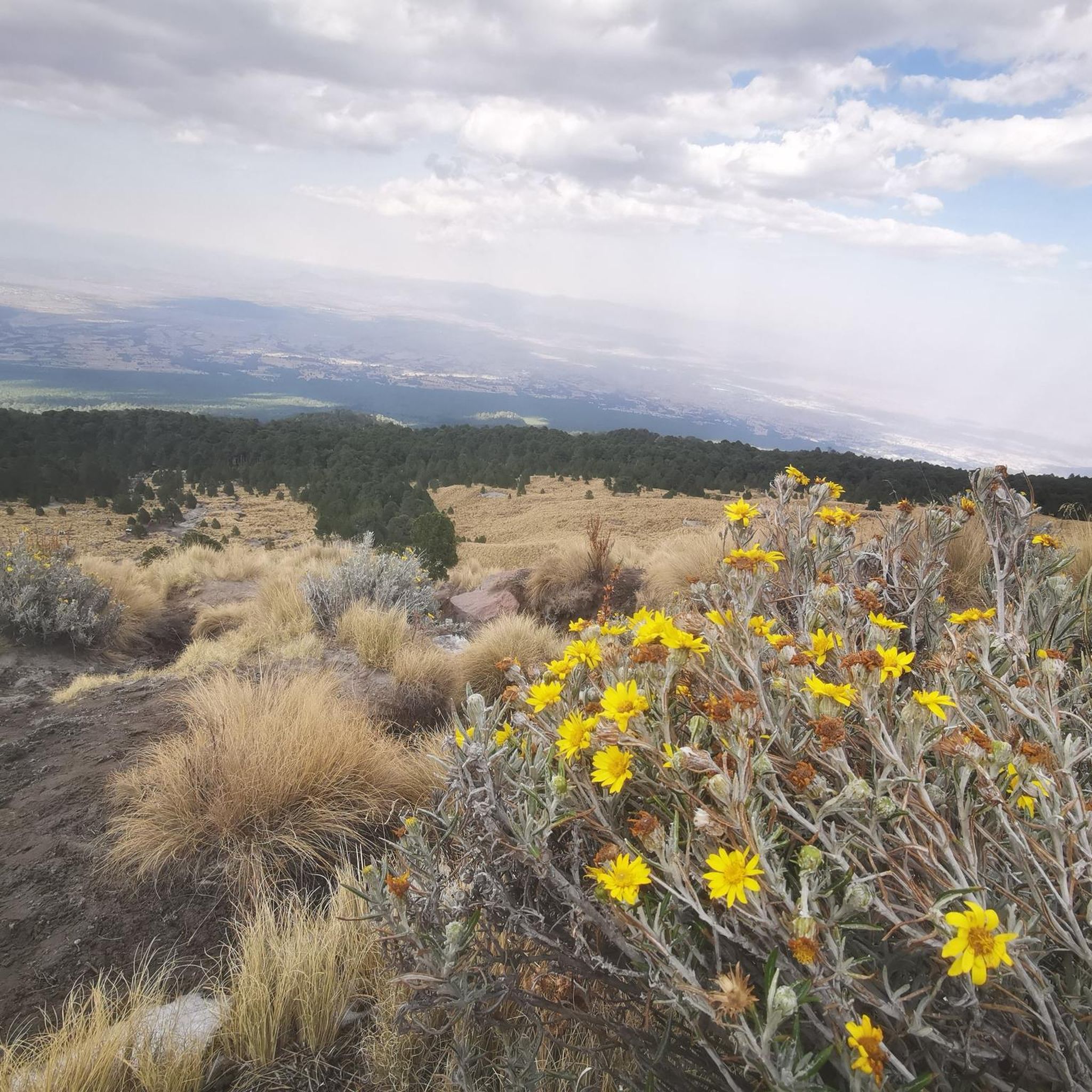
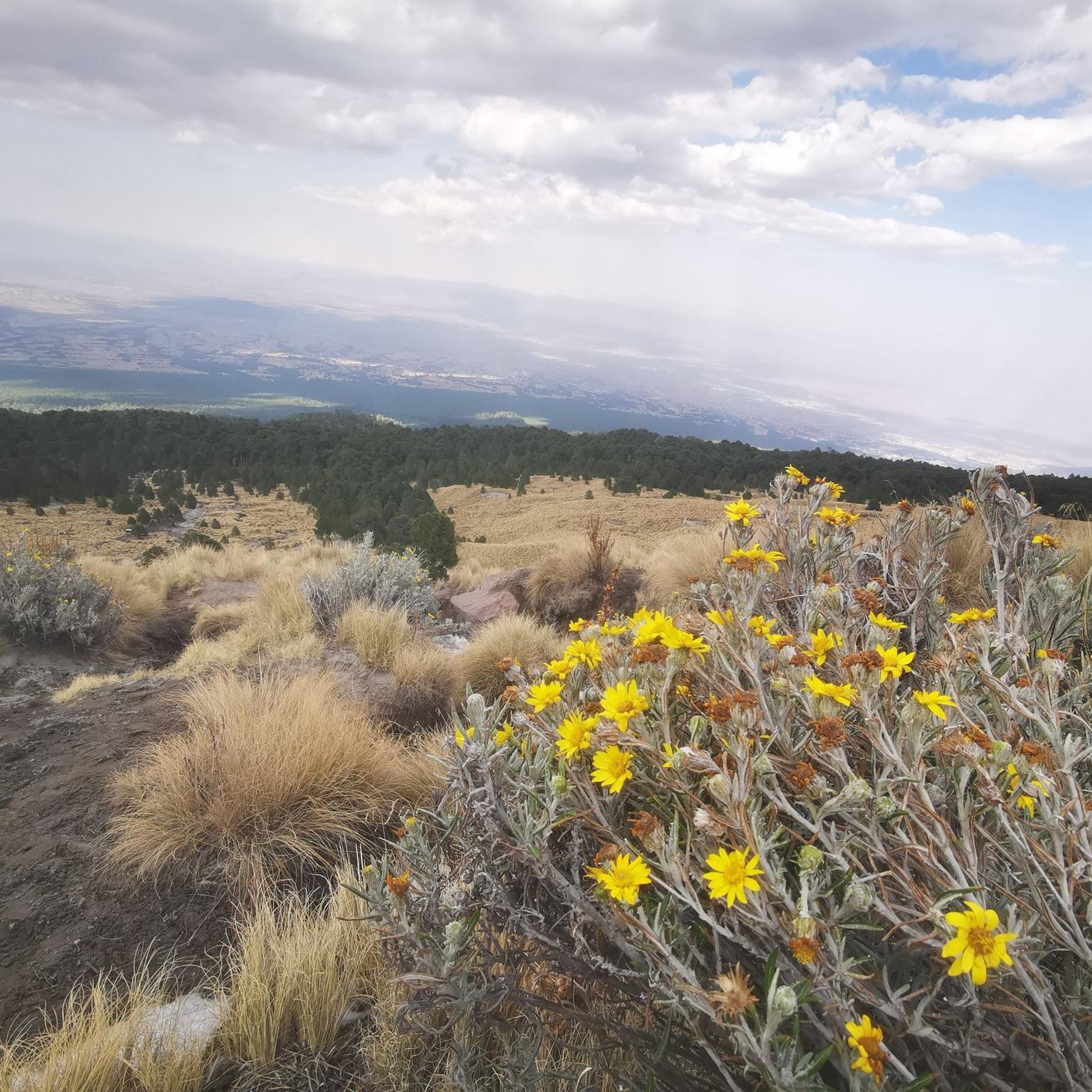
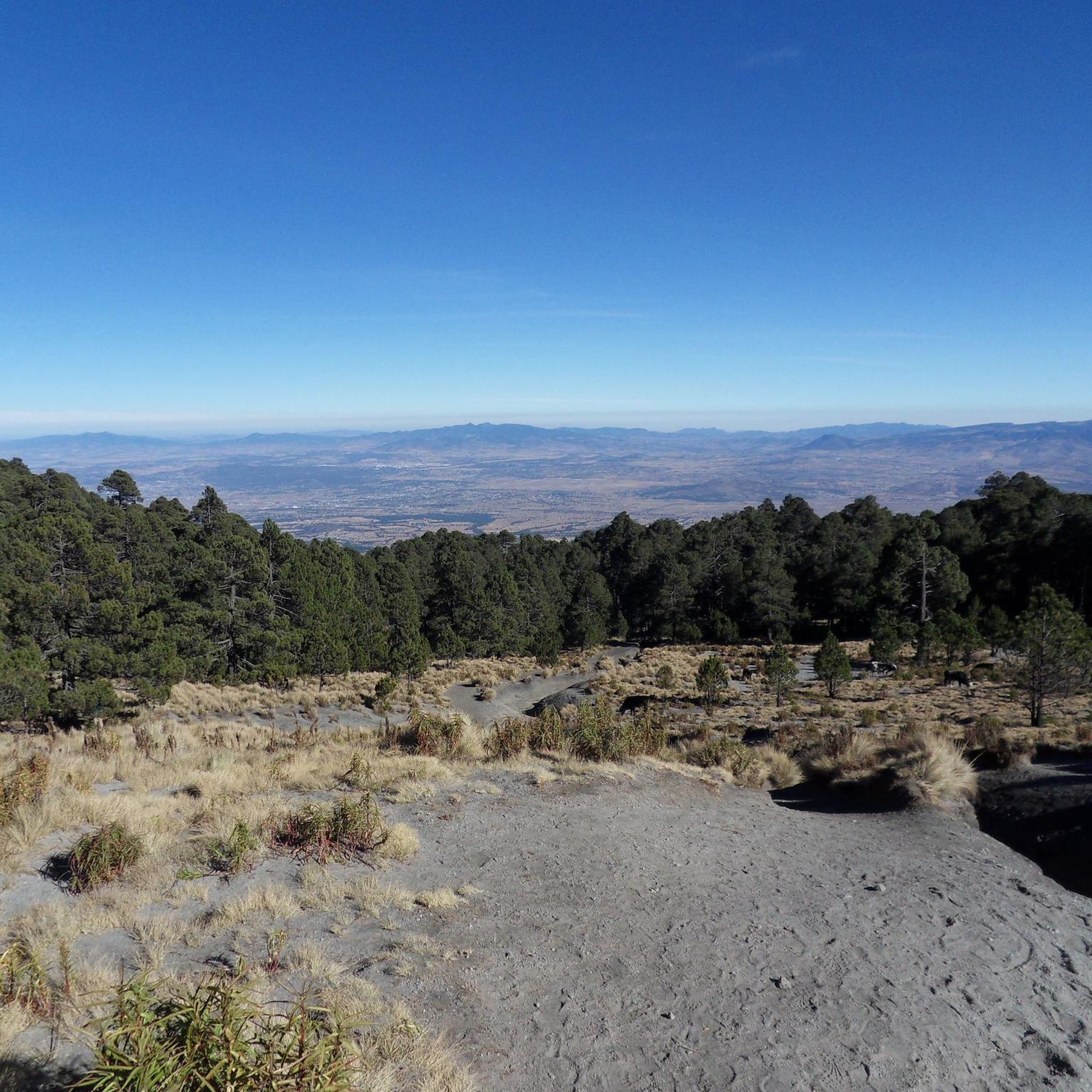
- The most popular attractions is La Malinche Summit, a volcano and natural monument. Rising over 4,400 meters, it is the highest peak in Tlaxcala and a favored destination for mountaineering and hiking.
- Another must-see spot is Motivational Signs for Cyclists, an other man-made feature along a cycle way. These yellow wooden signs, placed by local mountain bikers, offer motivational phrases to encourage cyclists on their ascent.
- Visitors also love IMSS La Malintzi Vacation Center, a facilities hub located within La Malinche National Park. It provides cabins and recreational facilities, serving as a base for exploring the volcano.
- Tlaxcala is known for its archaeological sites, historic colonial buildings, and natural parks. These attractions offer a variety of experiences, from cultural exploration to outdoor adventures.
- The attractions in Tlaxcala are appreciated by the komoot community, with 20 upvotes and 32 photos shared across 5 highlights.
Last updated: October 7, 2026
La Malinche Summit
Highlight • Summit
Tip by

IMSS La Malintzi Vacation Center
Highlight • Rest Area
The volcano's slope is gentle, and its vicinity to Mexico City makes it a popular weekend destination. A paved road reaches the top of the volcano. The "Centro Vacacional IMSS La Malintzi" on the volcano has 40 cabins, a camping area and some recreational facilities. It is a fine place to stay for your trip up Malinche.
Tip by
Sign up now to discover places like this
Get recommendations on the best single tracks, peaks, & plenty of other exciting outdoor places.
IMSS Vacation Center
Highlight (Segment) • Rest Area
Translated by Google •
Tip by

Motivational Signs for Cyclists
Highlight • Structure
Translated by Google •
Tip by

High Mountains
Highlight • Viewpoint
Tip by

Start today with a free account
Your next adventure awaits.
Tips from the Community

Leaving San Jacinto, the route is all uphill. After that, there's a road coming from San Pablo del Monte that's all asphalt, with beautiful curves, scenery, and more, but it's still uphill. Bring water, snacks, toilet paper, fruit, a watch, and a fully charged cell phone, even if you lose signal. It's important to leave at a reasonable hour to return at a reasonable hour. The route is safe, although I've heard that bicycles have been stolen on the dirt road near San Cosme. Don't go alone; go in a group. If you do go alone, go on a Sunday; there are many people cycling uphill. It's important to bring tools, patches, glue, wrenches, and anything else you might need. It's much better to have too much than too little. I came across two people with flat tires, so bring tools. And that's it! ENJOY the ride!
0
0

Dawn is a great time to start, bring H2O and food, there are sections with loose gravel and sand, proceed with caution descending.
0
0

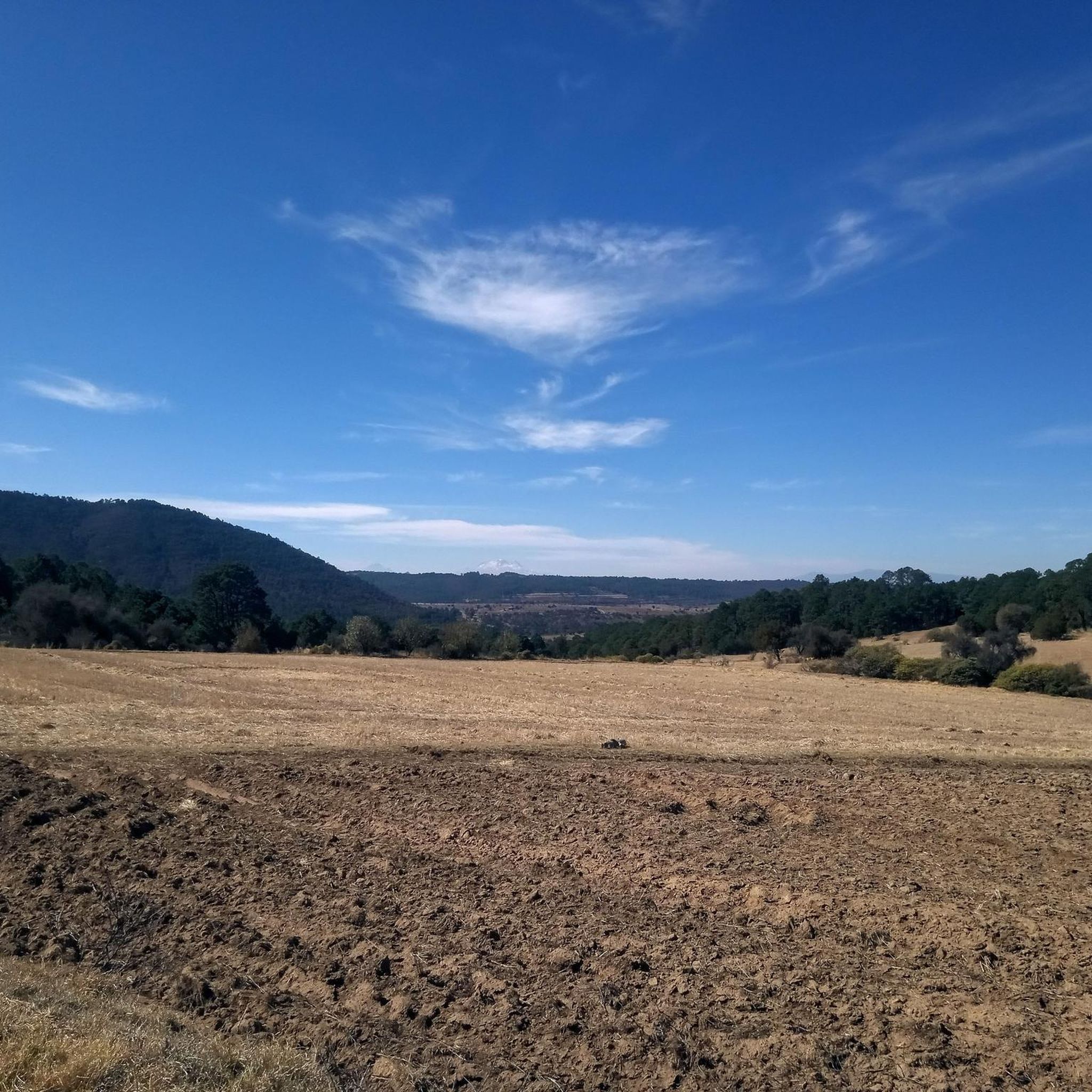
They start at km 16. A local group of mountain bikers has placed yellow wooden signs, with different motivational phrases and that with a great sense of humor encourage you to go up the road. Undoubtedly a plus that adds a lot of value and support when climbing.
0
0

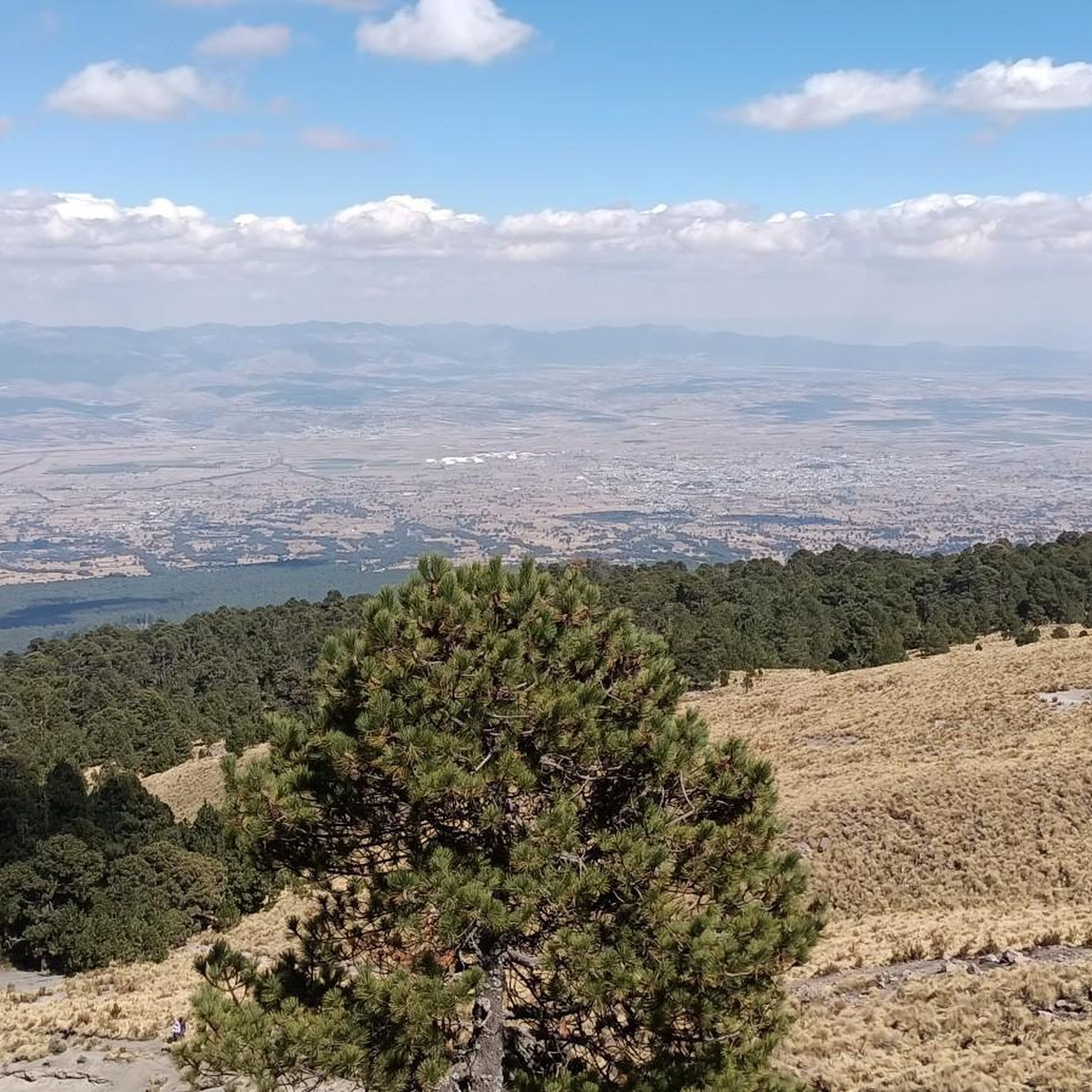
The La Malinche—Matlalcueitl volcano, part of the Trans-Mexican Volcanic Belt, is within the park. The volcano has an elevation of 4,462 metres (14,639 ft) above sea level. It is frequently used by mountaineers for training and altitude acclimatization before climbing the higher volcanos in the region. The volcano's slope is gentle, and its vicinity to Mexico City makes it a popular weekend destination. A paved road reaches the top of the volcano. The "Centro Vacacional IMSS La Malintzi" on the volcano has 40 cabins, a camping area and some recreational facilities. It is a fine place to stay for your trip up Malinche.
5
0
This is around a six hour hike starting from the IMSS campsite/cabin area which has 40 cabins and other recreation facilities including restaurants. You hike up through the woods onto the mountain proper before you have a bit of a scree slope ascent with some scrambling to the summit. For route details and a gpx file click here: https://www.komoot.com/tour/293980904
7
0
La Malinche, also known as Matlalcueye or Malintzin, is an active volcano (dormant for the last 3,100 years) located in the states of Tlaxcala and Puebla in Mexico. Officially, its summit reaches 4,461 metres (14,636 ft) above sea level, though it is generally considered to be closer to 4,440 metres (14,567 ft), using GPS measurements. It is the highest peak in Tlaxcala, the fifth-highest in Puebla, the sixth-highest in Mexico, the 23rd-highest in North America, and the 252nd-highest in the world. The summit is 22.4 kilometres (13.9 mi) from Tlaxcala, 28.3 kilometres (17.6 mi) from Puebla, and 118 kilometres (73 mi) from Mexico City. The climate is cold near the summit and mild on the lower slopes.
7
0

Option 1: Take the truck on 19.058096, -98.194606 Canoa direction, is desk in huge canoe on the windshield. The first leaves at 6:10. Get off at the last stop and from there go up to the chapel. Three trails climb up, choose the steepest one to climb faster. The last stretch to the top is a bit technical. Round trip are 25k and 1950 D + . Option 2: from the IMSS resort. The truck leaves very early from Canoa or goes to Apizaco and from there trucks leave. It is the easiest option because you climb up to more than 3000, the road is quiet until the sand and from there some rock up. Round trip are 12k and 1400m D +
1
0
Frequently Asked Questions
What historical and archaeological sites can I explore in Tlaxcala?
Tlaxcala is rich in history. You can visit the Cacaxtla Archaeological Site, known for its vivid pre-Hispanic murals depicting Maya warriors. Nearby, the Xochitécatl Archaeological Zone features a distinctive circular pyramid. The Former Franciscan Monastery of Our Lady of the Assumption, now the Regional Museum of Tlaxcala, is one of the earliest monasteries in the Americas. Don't miss the monumental mural "History of Tlaxcala and its Contributions to Mexicanity" in the Government Palace.
Are there any unique natural attractions or outdoor experiences in Tlaxcala?
Yes, Tlaxcala offers several unique natural attractions. The La Malinche Summit, within La Malinche National Park, is a favored destination for mountaineering and hiking, rising over 4,400 meters. For a magical experience, visit the Nanacamilpa Firefly Sanctuary from late June to early August to witness thousands of fireflies. You can also explore the unique 'miniature desert' of Cuapiaxtla with its dunes and cacti, or the picturesque Atlihuetzia Waterfall.
What are the best times to visit Tlaxcala for specific attractions?
The best time to visit depends on your interests. For the magical display at the Nanacamilpa Firefly Sanctuary, plan your trip between the last week of June and the first week of August. For hiking and mountaineering at La Malinche Summit, the dry season (roughly November to May) offers clearer skies and more stable weather conditions, though it can be cold near the summit.
Are there family-friendly attractions in Tlaxcala?
Absolutely. The IMSS La Malintzi Vacation Center, located within La Malinche National Park, offers cabins and recreational facilities, making it a great base for families to explore the volcano. The Nanacamilpa Firefly Sanctuary also provides a captivating experience for all ages, though specific guidelines must be followed to protect the fireflies.
What kind of outdoor activities and routes are available near Tlaxcala's attractions?
Near Tlaxcala's attractions, you can find a variety of outdoor activities. For mountain biking, explore routes like the 'Cerro Blanco – Cerro Ostol loop' or 'Barranca Huehuetitla – Cerro Blanco loop'. Cyclists can enjoy routes such as the 'Tizicuilco – Valquirico loop'. If you prefer hiking, there are easy trails like the 'Hiking loop from Restaurant Julio César'. You can find more details on these activities and routes in the dedicated guides for MTB Trails in Tlaxcala, Cycling in Tlaxcala, and Easy hikes in Tlaxcala.
What are some notable cultural landmarks in Tlaxcala City?
In Tlaxcala City, the Basilica of Our Lady of Ocotlan is a magnificent example of Baroque architecture, known for its ornate white stucco work. The Plaza de la Constitución serves as the main square, surrounded by colonial buildings. The Xicotencatl Theater showcases neoclassical architecture, and the Art Museum of Tlaxcala, housed in an elegant colonial building, features an impressive art collection, including early works by Frida Kahlo.
Where can I find unique viewpoints in Tlaxcala?
For stunning views, the La Malinche Summit offers panoramic vistas. The Xochitécatl Archaeological Zone also provides clear views of the Popocatépetl and Pico de Orizaba volcanoes on clear days. Additionally, the High Mountains highlight is noted as a viewpoint, especially beautiful at dawn.
What is Val'Quirico and why should I visit it?
Val'Quirico is a charming village in Tlaxcala distinguished by its European-inspired architecture, particularly drawing from Spanish and Italian aesthetics. It's an ideal spot for leisurely walks along its cobblestone streets, admiring old-world houses and vibrant murals, offering a unique atmosphere distinct from other parts of Tlaxcala.
Are there any specific tips for hiking La Malinche?
When hiking La Malinche Summit, it's recommended to start early, bring plenty of water and food. Be aware that there are sections with loose gravel and sand, so proceed with caution, especially when descending. The hike from the IMSS campsite/cabin area typically takes around six hours, involving a scree slope ascent with some scrambling to the summit. The climate near the summit is cold.
What do visitors enjoy most about the cycling routes in Tlaxcala?
Cyclists particularly enjoy the unique motivational signs found along some routes, such as those near the Motivational Signs for Cyclists highlight. These yellow wooden signs, placed by local mountain bikers, offer humorous and encouraging phrases that add significant value and support during ascents. The routes often feature beautiful curves and scenery, especially on paved sections.
What is the Atempan Aqueduct?
The Atempan Aqueduct is a significant 19th-century construction made of Xalnene stone. It serves as an iconic symbol of Tlaxcala and offers scenic views complemented by the surrounding mountain range, showcasing historical engineering and natural beauty.

Get inspired with the komoot mobile app


Explore more
Still not found the Highlight you’re looking for? See guides of the top attractions in other regions:
