Attractions and Places To See in San Marcos - Top 6
Attractions and places to see in San Marcos are primarily centered around its mountainous and volcanic landscape, located in Guatemala near the border with Mexico. The region is home to the highest peaks in Central America, offering challenging hikes and significant natural monuments. Visitors can explore high-altitude summits and trails that provide extensive views of the surrounding volcanic terrain. This area is characterized by its demanding outdoor activities and unique geographical features.
Best attractions and places to see in San…
Last updated: October 18, 2026
Volcán Tajumulco Summit
Highlight • Summit
Tip by

Volcán Tacaná Summit
Highlight • Summit
Tip by
Sign up now to discover places like this
Get recommendations on the best single tracks, peaks, & plenty of other exciting outdoor places.
Ascent to Tajumulco Base Camp
Highlight (Segment) • Trail
Tip by
Casa Yolanda, Tacaná Volcano
Highlight • Mountain Hut
Tip by
Tacaná Summit Camp and Border Marker
Highlight • Summit
Tip by
Plan de las Ardillas Rest Stop
Highlight • Mountain Hut
Tip by
Start today with a free account
Your next adventure awaits.
Popular around San Marcos
Tips from the Community

The perfect place to spend the night, eat well, and continue the ascent to the Tacaná volcano. Yolanda and Doroteo have an excellent place, comfortable and safe rooms, and great hospitality.
0
0

If you go on an assault, don't carry too much food or drink, unless you camp, but if not, it will only weigh you down.
0
0

The summit camp of a sorts just below the summit of Tacana. A mixture of sticks and a black plastic bag mini village. A nice place to relax after a long hike though and the people were great. It is also smack on the border between Mexico and Guatemala with even a border marker.
2
0
A couple of huts that sell some supplies and refreshments on the way up to Volcan Tacana. Nice place for a break.
3
0
Great location and a beautiful place to spend the night on the mountain.
4
0

On the slopes of the Tacaná volcano, the best place to make a stop and appreciate nature, climate and the best attention that makes you feel at home
1
0
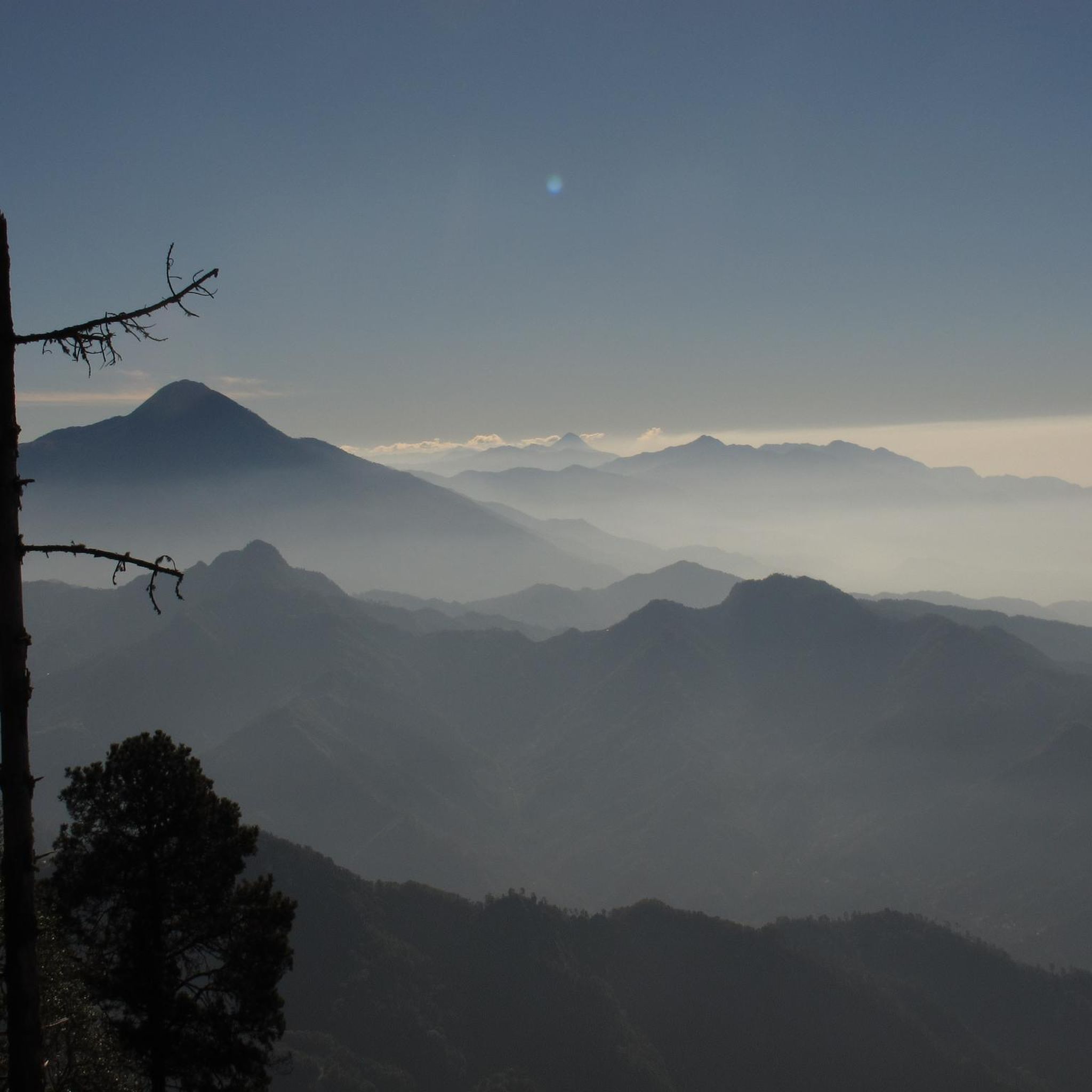
Volcan Tacaná is the second highest peak in Central America at 4,066 metres (13,323ft), located in the Sierra Madre de Chiapas of northern Guatemala and southern Mexico.[1] It is also known in Mexico as Volcán Tacina. From the summit you can see all the highest volcanoes in Guatemala and many others in Mexico. It is also is possible to see the Pacific Ocean. Tacana is considered to be an active volcano, and has a crater on of Mexican side, with some fumes. It was last active between January 1986 and February 1988. The volcano can be climbed from either Guatemala or Mexico. The Guatemala side of the volcano is a shorter climb, but the trailhead is harder to reach and is a very long bus ride into a very remote part of the country. The Mexican side of Tacana is much easier to get to as its near some larger towns, but it is a longer hike from that side and usually takes two days, sometimes more. For route details and many more photographs click here: https://www.komoot.com/tour/292704968
5
0
A great two day hike to climb a World UN Country High Point at 4,219m with a high camp at around 4,000m before seeing a gorgeous sunrise from the summit.
3
0
Frequently Asked Questions
What kind of attractions can I expect in San Marcos, Guatemala?
San Marcos, Guatemala, is primarily known for its mountainous and volcanic landscape, offering challenging hikes and significant natural monuments. Visitors can explore high-altitude summits and trails that provide extensive views of the surrounding volcanic terrain. The region is ideal for those interested in demanding outdoor exploration and natural landmarks.
What are the highest peaks I can visit in San Marcos?
The region is home to some of Central America's highest peaks. You can visit Volcán Tajumulco Summit, which is the highest point in Guatemala at 4,219m. Another prominent peak is Volcán Tacaná Summit, the second highest in Central America at 4,066 meters.
How challenging are the hikes in San Marcos's volcanic region?
The hikes in San Marcos are generally considered challenging due to the high altitudes and rugged terrain. For example, the ascent to Volcán Tajumulco Summit is typically a two-day hike with an overnight camp. Similarly, climbing Volcán Tacaná Summit also involves significant elevation gain and can take two days from the Mexican side, or a shorter but harder-to-reach climb from the Guatemalan side.
Can I hike Volcán Tajumulco, and what does it involve?
Yes, you can hike Volcán Tajumulco Summit. It's a popular two-day hike to the peak, often including an overnight camp at around 4,000m. Many visitors aim for a gorgeous summit sunrise. It's considered a rewarding way to reach a 4,000m peak and a UN World Country High Point.
What can I expect when climbing Volcán Tacaná?
Climbing Volcán Tacaná Summit offers views of the volcanic line of Guatemala and the Pacific Ocean. It is an active volcano, and from the summit, you can see all the highest volcanoes in Guatemala and many in Mexico. There's also a summit camp and border marker (Tacaná Summit Camp and Border Marker) located right on the border between Mexico and Guatemala.
Are there base camps or rest stops available on the volcanic trails?
Yes, for Volcán Tajumulco, there is an Ascent to Tajumulco Base Camp, typically at around 4,000m, which is part of the two-day hike. On the slopes of Volcán Tacaná, you can find Casa Yolanda, a great place to spend the night, and Plan de las Ardillas Rest Stop, offering facilities and a place to relax.
What is the best time of year to visit San Marcos for hiking these volcanoes?
While specific seasonal data isn't provided, high-altitude volcanic regions like San Marcos typically offer the best hiking conditions during the dry season, which in Guatemala generally runs from November to April. This period usually provides clearer skies and less rainfall, making summit views more likely and trails less muddy.
What outdoor activities can I do near these attractions?
The primary outdoor activity near these attractions is hiking. You can find various routes, including challenging ones like the "Volcán Tajumulco Summit loop from Restaurant Door tha Volcano" and the "Volcán Tacaná Summit – Plan de las Ardillas Rest Stop loop from Ascenso Volcán Tacaná." For more hiking options, you can explore the Hiking in San Marcos guide.
Are there any easy hiking trails in San Marcos?
While many trails in this volcanic region are challenging, there are some shorter options. For example, a "Volcán Tajumulco Summit loop from Sierra Madre de Chiapas" is listed as an easy difficulty route, covering 2.39 km. However, most routes associated with the major summits are moderate to difficult. For a comprehensive list of trails, refer to the Hiking in San Marcos guide.
What do visitors enjoy most about the San Marcos attractions?
Visitors particularly enjoy the stunning views from the summits, especially during sunrise, and the unique experience of reaching a 4,000m peak. The sense of accomplishment from completing challenging hikes and the opportunity to witness the vast volcanic landscape are highly appreciated. The friendly atmosphere at mountain huts and camps also adds to the positive experience.
Are the attractions in San Marcos suitable for families or pets?
Given the challenging nature of the high-altitude volcanic hikes, these attractions are generally more suitable for experienced hikers and those accustomed to strenuous activity. While specific family or pet-friendly designations are not provided, the demanding terrain and multi-day treks might not be ideal for young children or pets unless they are very accustomed to such conditions.
What should I wear or bring for hiking in San Marcos's volcanic region?
For high-altitude volcanic hikes, it's crucial to be prepared for varying weather conditions. Essential gear includes layers of clothing to adapt to temperature changes, sturdy hiking boots, rain gear, sun protection (hat, sunscreen), sufficient water, high-energy snacks, and navigation tools. If planning an overnight stay, camping equipment will also be necessary.
Most popular routes in San Marcos

Get inspired with the komoot mobile app


Explore more
Still not found the Highlight you’re looking for? See guides of the top attractions in other regions:
