Attractions and Places To See in Petén - Top 20
Best attractions and places to see in Petén include ancient Mayan cities, dense rainforests, and significant natural features. Petén, the largest department in northern Guatemala, is recognized for its extensive Maya Biosphere Reserve. The region offers a combination of historical sites and diverse wildlife habitats. It is a destination for exploring ancient civilizations and natural landscapes.
Best attractions and places to see in Petén
- The most popular attractions is Temple IV (Tikal), a historical site that offers views of…
Last updated: October 18, 2026
Temple IV (Tikal)
Highlight • Historical Site
Translated by Google •
Tip by

Tikal Ruins 🏰
Highlight (Segment) • Historical Site
Tip by

Sign up now to discover places like this
Get recommendations on the best single tracks, peaks, & plenty of other exciting outdoor places.
Tikal Mayan Ruins
Highlight (Segment) • Historical Site
An impressive complex that is really worth a visit and offers beautiful photo opportunities.
Translated by Google •
Tip by

Mundo Perdido Complex
Highlight • Historical Site
Translated by Google •
Tip by

Talud-Tablero Temple (Mundo Perdido, Tikal)
Highlight • Historical Site
Translated by Google •
Tip by
Colorful Streets of Flores
Highlight • Settlement
Translated by Google •
Tip by

Twin Pyramid Complex, Yaxhá
Highlight • Historical Site
The imposing complex and city was built in the immediate vicinity of the Laguna Yaxhá. After Tikal and El Mirador, …
Translated by Google •
Tip by
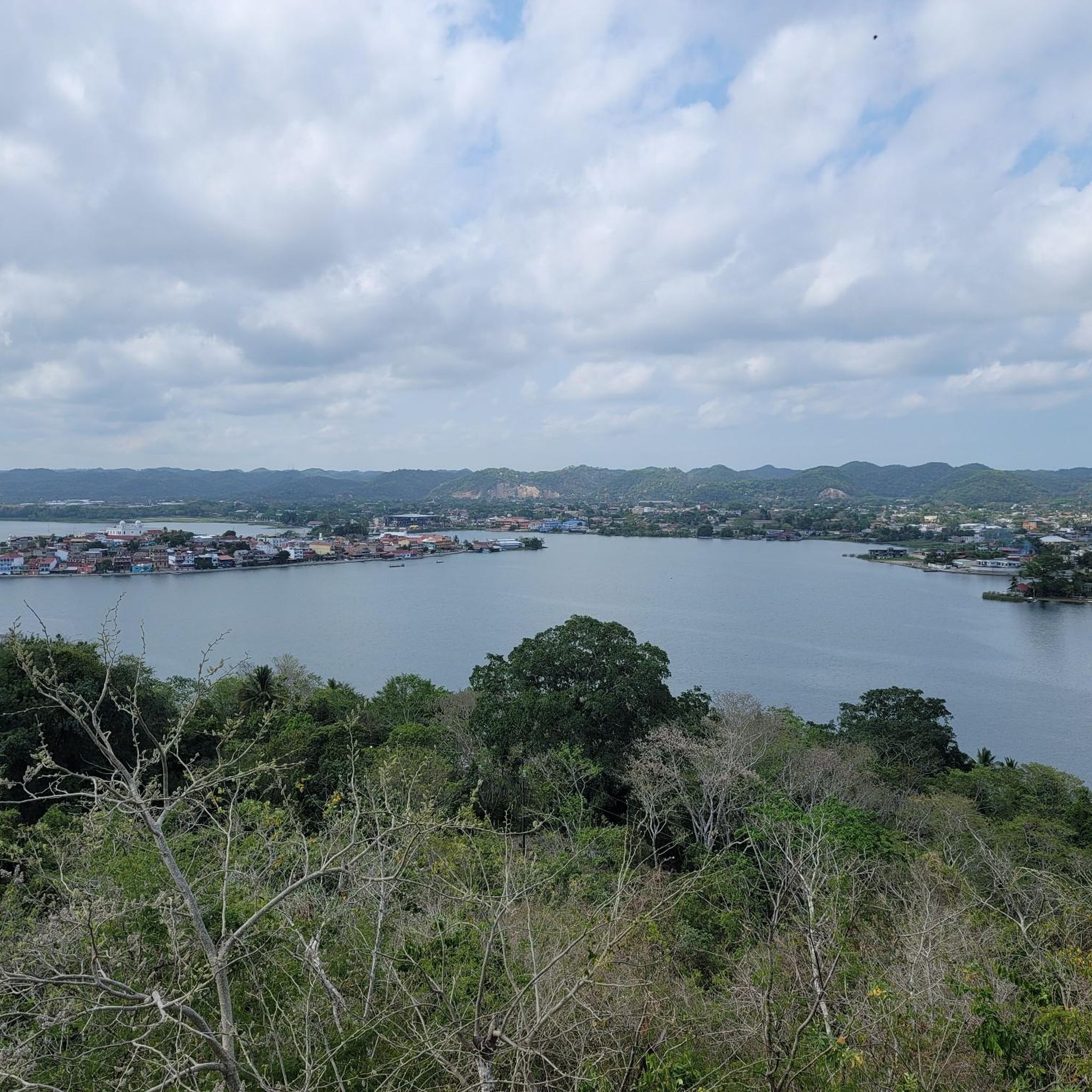
View of Lake Petén Itzá from Cerro Cahuí Biotope
Highlight • Viewpoint
Translated by Google •
Tip by
Temple I (Temple of the Great Jaguar)
Highlight • Historical Site
Translated by Google •
Tip by

White-Nosed Coati
Highlight • Natural
Translated by Google •
Tip by

Sign up for free to discover even more attractions in Petén.
Already have an account?

Tips from the Community

The temple complex can be seen in the film "Star Wars: Episode IV – A New Hope" for the planet Yavin IV. This was the location of the rebel base when they took off to attack the Death Star.
1
0

Anyone interested in Mayan history should visit Tikal
1
0

Temple IV is the highest in Tikal with a height of 70 meters. The view of the surrounding temples rising out of the rainforest is fabulous and involuntarily reminds one of the adventures of Indiana Jones and Lara Croft.😅
2
0
The Temple of the Jaguar is clearly visible from the "Mundo Perdido" viewing platforms and from Temple IV.
2
0
Tikal Temple IV is a Mesoamerican pyramid in the ruins of the ancient Maya city of Tikal in present-day Guatemala. It was one of the tallest and most voluminous buildings in the Maya world. The pyramid was built around 741 AD.... Temple IV is the second tallest surviving pre-Columbian structure in the New World, just after the Great Pyramid of Toniná in Chiapas, Mexico, although the Pyramid of the Sun at Teotihuacan may have once been taller. The pyramid was built to mark the reign of the 27th king of the Tikal dynasty, Yik'in Chan K'awiil, although it may have been built after his death as his funerary temple. Archaeologists believe that Yik'in Chan K'awiil's tomb lies undiscovered somewhere beneath the temple. The summit shrine faces east toward the town center, with Temple III directly in front of it and Temple I and Temple II visible behind it. Source: Wikipedia
2
0
These animals are particularly found here in the covered rest area, where they meticulously search the ground for food. It is amusing to watch them. But please don't feed them! The white-nosed coati (Nasua narica) is a species of predator in the family of small bears (Procyonidae) and one of three species of coatis. The animals are distributed from the south of the United States through Mexico and Central America to northern Colombia. Source: Wikipedia
2
0
The name of the temple describes its architectural form, which is based on the architectural style in Teotihuacán and thus shows the close trade connection between Tikal and Teotihuacán.
2
0
Since 2023, Temple No. 216 (Templo de las manos rojas - Temple of the Red Hands) has had a wraparound wooden observation deck offering a magnificent view of the lagoon and from which the sunset can be admired.
3
0
Frequently Asked Questions
What ancient Mayan ruins can I explore in Petén?
Petén is rich in ancient Mayan history. Beyond the well-known Tikal National Park, you can visit Yaxhá, Guatemala's third-largest archaeological site, known for its peaceful atmosphere and unique twin-pyramid complexes. Other significant sites include Uaxactún, famous for its astronomical observatory, and Ceibal, which boasts some of the earliest Mayan ceremonial structures and detailed stelae.
What natural attractions can I explore in Petén?
Petén offers diverse natural beauty. You can enjoy the sparkling expanse of Lake Petén Itzá, which surrounds the island city of Flores. The region is also home to the vast Maya Biosphere Reserve, a biodiversity hotspot. For a more structured nature experience, consider Biotopo Cerro Cahuí near El Remate, offering hiking and wildlife spotting, or Ixpanpajul Natural Park, which features canopy bridges, zip lines, and night safaris.
Are there family-friendly attractions in Petén?
Yes, Petén offers several family-friendly options. The Colorful Streets of Flores provide a charming environment for strolls, with cafes and lake views. The Cathedral of Our Lady of Remedies and Saint Paul Itzá is also noted as family-friendly. Additionally, Ixpanpajul Natural Park offers activities like zip-lining and horseback riding that can be enjoyed by families.
When is the best time to visit Petén?
The dry season, typically from November to May, is generally considered the best time to visit Petén. During these months, the weather is more predictable, making it ideal for exploring archaeological sites like Tikal and enjoying outdoor activities without the heavy rains of the wet season.
How long should I plan for a visit to Tikal National Park?
To fully experience Tikal National Park and explore its numerous pyramids and temples, it's recommended to plan for 5 to 7 hours. If you wish to see all the major structures, be prepared for at least 10 km of walking. Many visitors also opt for sunrise or sunset tours to experience the park's unique atmosphere.
What outdoor activities can I do near Petén's attractions?
Petén offers various outdoor activities, especially hiking. You can find easy to moderate trails around the region. For example, there are easy hikes like the Mundo Perdido Complex – Great Plaza of Tikal loop or the El Chechenal Beach – Tayasal Archaeological Site loop from Flores. For more options, explore the Hiking in Petén guide.
Are there running trails in Petén?
Yes, Petén has several running trails. You can find moderate routes such as the Running loop from San Ignacio & Santa Elena or the Tayasal Archaeological Site loop from Flores. For more challenging options, there's a difficult Playa Chechenal loop from Flores. Discover more running routes in the Running Trails in Petén guide.
What is the difference between visiting Tikal and Yaxhá?
While both are impressive Mayan sites, Tikal is the most famous and extensively restored, offering monumental architecture like Temple IV and Temple I, often with more visitors. Yaxhá, on the other hand, provides a more peaceful and introspective experience, situated between two lakes, making it popular for birdwatching and a deeper connection with nature and history away from larger crowds.
What can I expect to see at the Mundo Perdido Complex in Tikal?
The Mundo Perdido Complex within Tikal National Park is one of the oldest sections of the city. It features a large pyramid and several smaller structures, including the Talud-Tablero Temple. It offers a glimpse into the early architectural styles of Tikal and provides excellent viewpoints, including views of Temple I.
How can I get to Tikal National Park from Flores?
Tikal National Park is easily accessible from Flores. Many tour operators in Flores offer organized transportation, typically mini-vans, for both sunrise, daytime, and sunset tours. Public transport options are also available, though less direct. The journey usually takes about 1.5 to 2 hours.
Are there any hidden gem ruins in Petén?
For adventurous travelers seeking less-visited sites, El Mirador is a 2,500-year-old city deep within the jungle, accessible via a challenging 5-day trek or helicopter. Nakúm is another late Classic ceremonial center situated deep in the forest, connected to Yaxhá by jungle trails, offering a more remote archaeological experience.
What wildlife can I expect to see in Petén?
Petén's dense rainforests and the Maya Biosphere Reserve are teeming with wildlife. Visitors often spot spider monkeys, howler monkeys, and a variety of birds including toucans, parrots, and the ocellated turkey. Elusive jaguars and ocelots also inhabit the region, though they are harder to spot. The lakes are home to various fish and crocodiles.
Most popular attractions in Petén

Get inspired with the komoot mobile app


Didn’t find what you were looking for?
Are you keen on exploring more awesome places nearby? Browse our guides:
Explore more
Still not found the Highlight you’re looking for? See guides of the top attractions in other regions:
