Attractions and Places To See in Santiago De Cuba - Top 14
Best attractions and places to see in Santiago De Cuba include a mix of historical landmarks, cultural sites, and natural features. The region is known for its rich history, vibrant culture, and diverse landscapes, ranging from urban centers to mountain peaks and coastal areas. Visitors can explore colonial architecture, revolutionary sites, and significant natural features like the Sierra Maestra mountains and the Caribbean coast. Santiago De Cuba offers a variety of experiences for those interested in history, culture, and outdoor…
Last updated: October 20, 2026
Parque Céspedes
Highlight • Settlement
Translated by Google •
Tip by

Emilio Bacardí Moreau Municipal Museum
Highlight • Historical Site
Translated by Google •
Tip by
Sign up now to discover places like this
Get recommendations on the best single tracks, peaks, & plenty of other exciting outdoor places.
Castillo de San Pedro de la Roca
Highlight • Castle
Translated by Google •
Tip by
Casa de Diego Velázquez
Highlight • Historical Site
Translated by Google •
Tip by
Casa de la Trova
Highlight • Pub
Translated by Google •
Tip by
Trío Matamoros Restaurant
Highlight • Restaurant
The restaurant is named after one of the most famous Cuban music groups "Trío Matamoros" from the 30s.
Further information on wiki:
de.wikipedia.org/wiki/Tr%C3%ADo_Matamoros
Translated by Google •
Tip by
Santa Ifigenia Cemetery
Highlight • Historical Site
Translated by Google •
Tip by
Antonio Maceo Monument Complex
Highlight • Monument
Translated by Google •
Tip by
Parque Nacional Turquino Entrance
Highlight • Rest Area
Translated by Google •
Tip by
Site of the Combate del Uvero
Highlight • Historical Site
Translated by Google •
Tip by
Sign up for free to discover even more attractions in Santiago De Cuba.
Already have an account?
Start today with a free account
Your next adventure awaits.
Popular around Santiago De Cuba
Tips from the Community

La Casa de la Trova is one of the most important and fascinating cultural institutions in Cuba, created to preserve, promote and celebrate trova, a traditional Cuban musical genre based on poetic lyrics and guitars, a fundamental root of son and bolero. Although almost every city or main center on the island has its own state-run "Casa de la Trova", the most famous, historic and iconic venue by far is the Casa de la Trova "Pepe Sánchez" in Santiago de Cuba.
0
0
The Emilio Bacardí Moreau Municipal Museum (also known as the Provincial Museum) is located in Santiago de Cuba and is the oldest museum in all of Cuba, founded in 1899. The building stands out for its imposing eclectic facade with neoclassical influences reminiscent of a Greek temple, dominated by large Corinthian columns. It was established by the famous rum magnate, writer, and patriot Emilio Bacardí Moreau, who, along with his wife Elvira Cape, amassed a bizarre and very rich collection during his travels around the world.
0
0
The expression "Casa di Diego Velázquez" can refer to two main historical buildings linked to eponymous figures: the Casa de Diego Velázquez in Santiago de Cuba, ancient residence of the conquistador and first governor of the island, or the Casa natale de Diego Velázquez in Seville, home of the famous Spanish Baroque painter.
0
0
Parque Céspedes is the main square and the historical heart of Santiago de Cuba. Originally founded in 1515 as Plaza de Armas, it is today one of the most vibrant, cultural, and historically rich places on the entire island. In the center of the square stands a majestic bronze bust dedicated to Carlos Manuel de Céspedes, the revolutionary leader considered the "Father of the Fatherland" of Cuba for initiating the independence struggles in 1868.
0
0
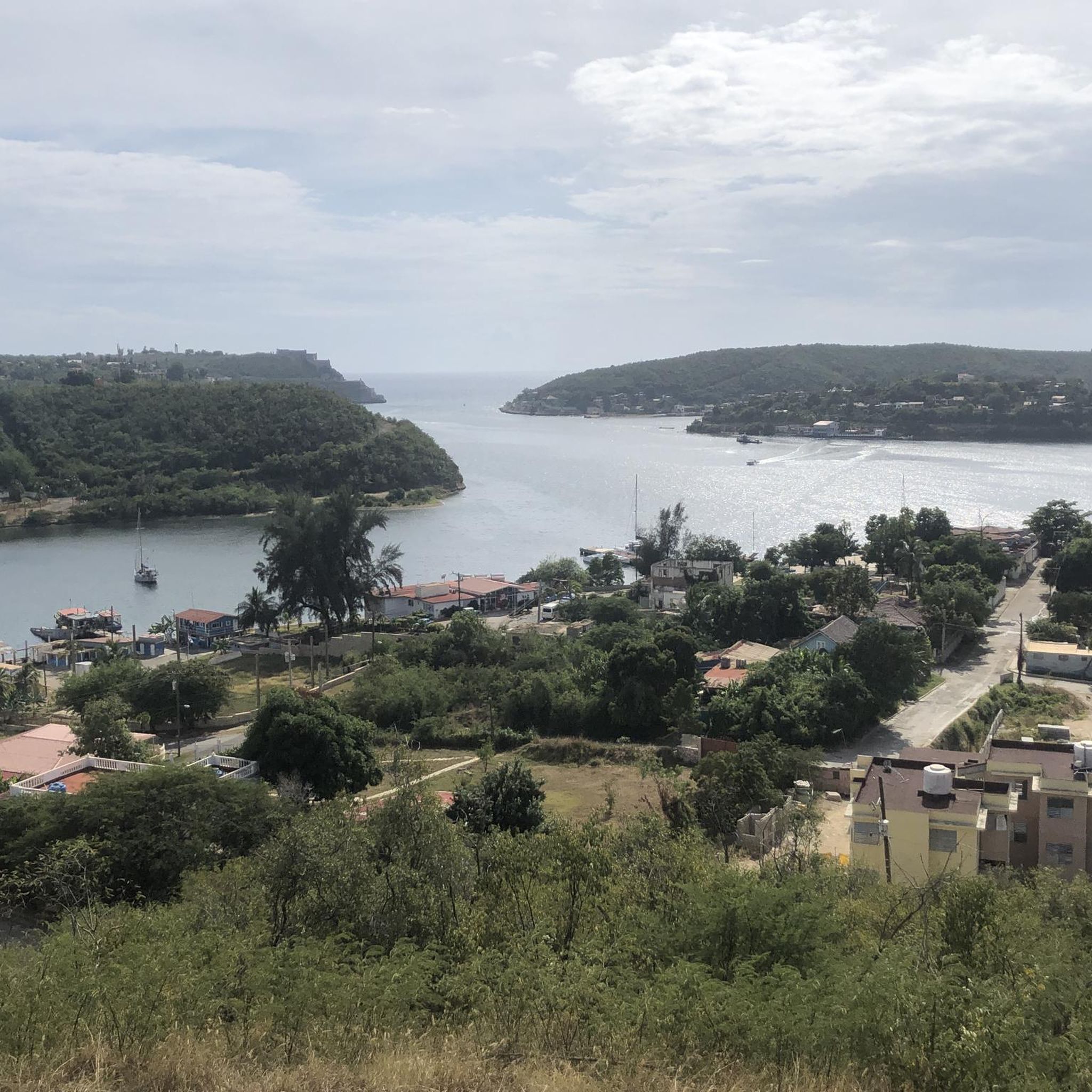
The Castillo de San Pedro de la Roca (also known as Castillo del Morro) is a monumental 17th-century military fortress located in Santiago de Cuba. Perched on a rocky promontory about 10 kilometers from the city center, it strategically dominates the entrance to the bay to protect the port from historical incursions by pirates, corsairs, and rival colonial powers. Declared a UNESCO World Heritage Site in 1997, it is officially recognized as the most complete and best-preserved example of Hispano-American military architecture in the world.
0
0

The main square and urban center of Santiago de Cuba.
2
0
A very well preserved complex with a wonderful view. https://www.weltkulturerbe.com/mittelamerika/kuba/castillo-de-san-pedro-de-la-roca.html https://de.wikipedia.org/wiki/Castillo_de_San_Pedro_de_la_Roca
2
0

Cemetery where the intellectual and great human José Martí is buried and where the remains of the dictator Fidel Castro Ruz also rest
1
0
Frequently Asked Questions
What historical sites should I visit in Santiago de Cuba?
Santiago de Cuba is rich in history. You can explore the UNESCO World Heritage site, Castillo de San Pedro de la Roca, an impressive 17th-century fortress offering stunning views. Another significant site is the Santa Ifigenia Cemetery, the final resting place for national heroes like José Martí and Fidel Castro. Don't miss the Casa de Diego Velázquez, considered the oldest house in Cuba, now a museum showcasing colonial life.
Where can I experience Santiago de Cuba's vibrant culture and music?
For an authentic cultural experience, head to Casa de la Trova, a famous music hall that has hosted legendary Cuban musicians. Calle Heredia is also known for its lively Cuban nightlife, featuring music, dancing, and local artisans. The Emilio Bacardí Moreau Municipal Museum offers a broad collection of Cuban art and historical artifacts.
Are there any natural attractions or outdoor activities near Santiago de Cuba?
Yes, the region offers diverse natural beauty. You can visit Pico Turquino Summit in the Sierra Maestra mountain range, Cuba's highest peak, for incredible landscapes. Gran Piedra, a large volcanic rock and UNESCO Biosphere Reserve, is surrounded by lush forests and caves. Baconao National Park provides diverse attractions, including Baconao Lagoon with wildlife and beaches like Playa Baconao. Siboney Beach, just 19 km east, offers a relaxing coastal experience.
What are some family-friendly attractions in Santiago de Cuba?
Many sites in Santiago de Cuba are suitable for families. Parque Céspedes is a lively central square where families can relax and enjoy the atmosphere. The Cathedral of Our Lady of the Assumption is also a family-friendly historical site. For outdoor fun, Baconao National Park offers diverse attractions including a lagoon with wildlife and beaches.
Can I find good viewpoints in Santiago de Cuba?
Absolutely. The Castillo de San Pedro de la Roca offers stunning views of the Caribbean Sea and Santiago de Cuba Bay. Balcón de Velázquez is another historical spot known for its beautiful panoramic views of the city. Additionally, the Museum of the Clandestine Struggle provides tremendous views of Santiago and the bay from its balcony.
What is the best way to experience the history of the Cuban Revolution in Santiago de Cuba?
To delve into the history of the Cuban Revolution, visit the Moncada Barracks (Cuartel Moncada), the site of Fidel Castro's 1953 attack, which now houses a museum. The Museum of the Clandestine Struggle, located in a colonial house, focuses on the resistance movement's activities. The Granjita Siboney Museum is also a key site related to the assault on the Moncada Headquarters.
Are there opportunities for hiking near Santiago de Cuba?
Yes, the region offers excellent hiking opportunities, especially in the Sierra Maestra mountains. You can find routes like the challenging Pico Turquino loop from Estacion Biológica Las Cuevas del Turquino, or easier options like the Viewpoint - Alto de Naranjo – Fidel's House loop. For more details on hiking trails, you can explore the Hiking in Santiago De Cuba guide.
What unique cultural experiences can I find in Santiago de Cuba?
Beyond music and history, you can visit El Cobre, home to the Basílica Santuario Nacional de Nuestra Señora de la Caridad del Cobre, an important pilgrimage site blending religious culture with traditions of former Cuban slaves. The Casa del Caribe is a cultural hub hosting events like the annual International Pepe Sanchez Trova Festival and the Festival del Caribe.
Is there a place to learn about Cuban rum in Santiago de Cuba?
Yes, the Rum Museum (Museo del Ron) is dedicated to the history and production process of Cuban rum. It offers insights into this significant aspect of Cuban culture and economy.
What are some popular cycling routes around Santiago de Cuba?
For cyclists, there are several popular routes. You could try the Casa de la Trova – Parque Céspedes loop from Santiago de Cuba, or the Parque Céspedes – Casa de la Trova loop from Castillo de San Pedro de la Roca (El Morro). These routes offer a mix of urban exploration and scenic views. More cycling options can be found in the Cycling in Santiago De Cuba guide.
What do visitors enjoy most about Santiago de Cuba's central square?
Visitors particularly enjoy Parque Céspedes for its lively atmosphere, especially in the evening. It's a great spot to sit, people-watch, and often find Wi-Fi access. The park is surrounded by significant buildings, including the cathedral and the historic Casa de Diego Velázquez, making it a central hub for exploration.
Are there any museums dedicated to specific aspects of Santiago de Cuba's culture?
Yes, in addition to the Emilio Bacardí Moreau Municipal Museum, you can visit the Carnival Museum (El Carnaval Museum), which is dedicated to Santiago de Cuba's famous festivities. This museum provides insight into the vibrant traditions and history of the city's carnival celebrations.
Most popular routes in Santiago De Cuba

Get inspired with the komoot mobile app


Didn’t find what you were looking for?
Are you keen on exploring more awesome places nearby? Browse our guides:
Explore more
Still not found the Highlight you’re looking for? See guides of the top attractions in other regions:
