The best cycling routes around Grünhainichen
4.6
(247)
820
riders
61
rides
Touring cycling routes around Grünhainichen are situated within the Flöha Valley region, characterized by a mix of river valleys, forested hills, and open landscapes. The area features varied terrain, including moderate climbs and descents, with elevations reaching over 600 meters on some routes. Reservoirs and historical landmarks like Augustusburg Castle are integrated into the cycling network.
Best touring cycling routes around Grünhainichen
- The most popular touring cycling route is View of Augustusburg Castle – Flöha Valley loop from Grünhainichen-Borstendorf,…
Last updated: June 26, 2026
4.8
(36)
117
riders
Moderate bike ride. Good fitness required. Mostly paved surfaces. Suitable for all skill levels.
4.6
(34)
80
riders
20.6km
01:26
300m
310m
Moderate bike ride. Good fitness required. Mostly paved surfaces. Suitable for all skill levels.

Sign up for free
4.4
(21)
61
riders
Hard bike ride. Very good fitness required. Mostly paved surfaces. Suitable for all skill levels.
4.6
(9)
43
riders
Hard bike ride. Very good fitness required. Mostly paved surfaces. Suitable for all skill levels.
5.0
(9)
37
riders
46.4km
03:12
650m
650m
Hard bike ride. Very good fitness required. Mostly paved surfaces. Suitable for all skill levels.
Get access to more routes and recommendations from other explorers.
Sign up for free
Already have an account?
Our route recommendations are based on thousands of hikes, rides, and runs completed by other people on komoot.
Start today with a free account
Your next adventure awaits.
Login or Signup

Tips from the Community

Thank you for the construction and maintenance
0
0

More information about the history can be found here: https://baumwolle-floeha.de/geschichte/
1
1

An impressive building complex. The name "Alte Baumwoll" (Old Cotton Mill) is symbolic of one of Saxony's oldest spinning mills, which operated continuously for such a long period. The mill thus holds special significance for the town and the region. "Alte Baumwoll" was not only a major economic force, but its distinctive industrial architecture continues to shape Flöha's cityscape. The entire site, including the park and the "Immenhof" villa, is now a listed historical monument. https://baumwolle-floeha.de/geschichte/
2
0
Beautiful bridge near the confluence of the Flöha and Zschopau rivers
1
1

Here you can go hiking and cycling
0
0
It's been beautifully restored; here you can shop, stroll, and much more ;-)
1
1

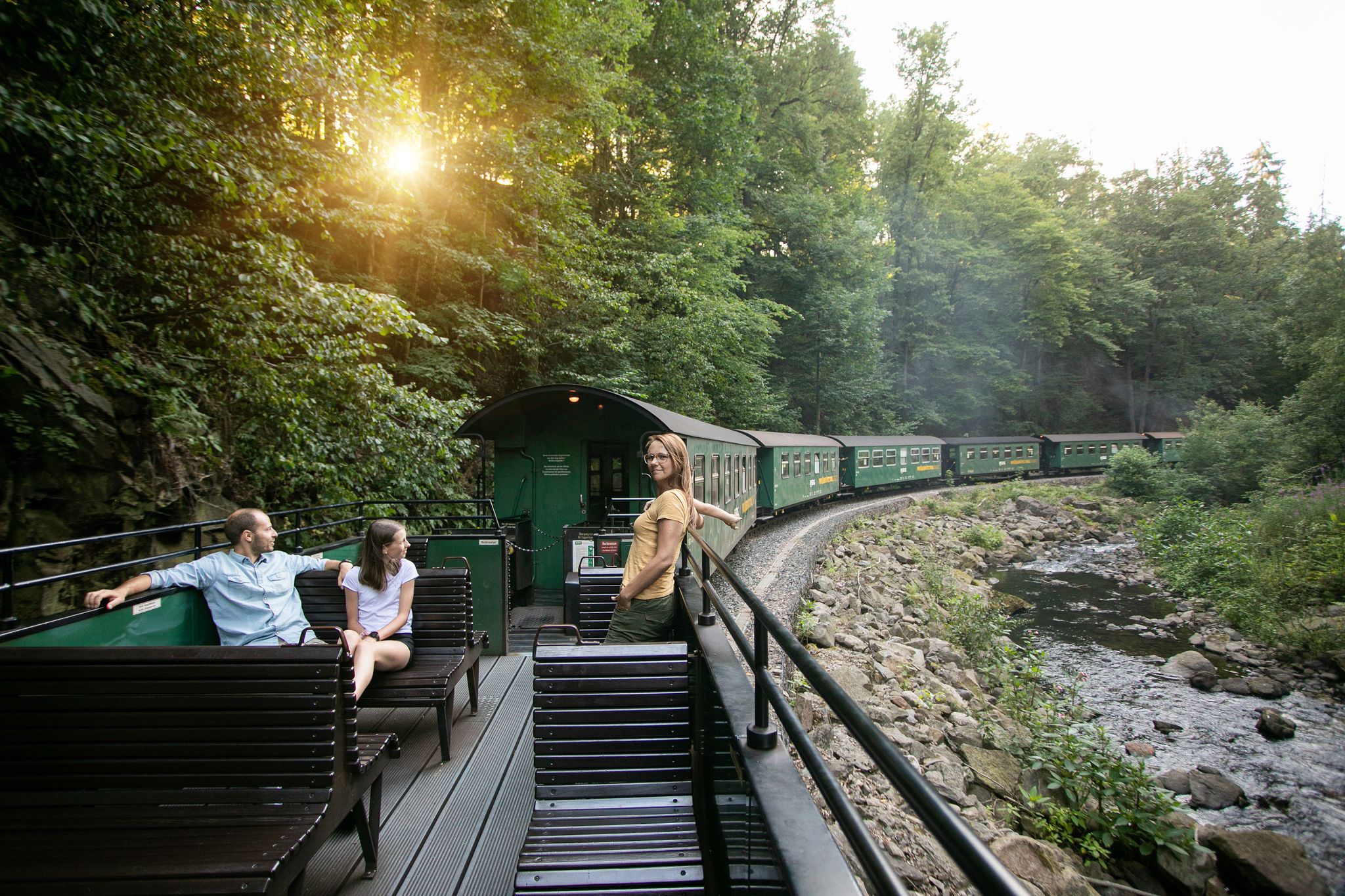
I would rather call it a mountain railway; you can save yourself the climb to Augustusburg.
13
1
Frequently Asked Questions
What is the general difficulty level of touring cycling routes around Grünhainichen?
The touring cycling routes around Grünhainichen offer a varied experience. There are 3 easy routes, 18 moderate routes, and 39 difficult routes. The terrain includes river valleys, forested hills, and open landscapes, with some routes featuring significant elevation gains of over 600 meters.
What are the typical distances and durations for touring cycling routes here?
Touring cycling routes in Grünhainichen vary in length and duration. For example, the View of Augustusburg Castle – Flöha Valley loop from Grünhainichen-Borstendorf is 24.7 miles (39.7 km) and takes about 2 hours 55 minutes. A more challenging option like the Neunzehnhain I Reservoir – Schwarze Sau Fountain loop from Floßmühle covers 28.8 miles (46.4 km) and typically takes around 3 hours 10 minutes.
Where can I park my car when starting a touring cycling route in Grünhainichen?
While specific parking locations are not detailed for every route, many routes start from towns or villages like Grünhainichen-Borstendorf or Waldkirchen (Erzgeb.). Look for designated parking areas within these communities, often near public facilities or trailheads, which are generally available for cyclists.
Is Grünhainichen accessible by public transport for cyclists?
Grünhainichen and its surrounding areas are generally accessible by regional public transport, including buses and trains. Cyclists should check local transport schedules and policies regarding bicycle carriage, especially for longer journeys or during peak times, to plan their trip effectively.
Are there family-friendly touring cycling routes suitable for children in Grünhainichen?
Yes, there are easier routes suitable for families. The Flöhatal Cycle Path – Mühlgraben Path loop from Grünhainichen-Borstendorf is an easy 9.6 miles (15.5 km) route with minimal elevation gain, making it a good option for families or beginners looking for a relaxed ride.
Which touring cycling routes are suitable for beginners?
Beginners can enjoy the easier routes available, such as the Flöhatal Cycle Path – Mühlgraben Path loop from Grünhainichen-Borstendorf. This route is 9.6 miles (15.5 km) long with only 125 meters of elevation gain, offering a gentle introduction to touring cycling in the region.
Are there challenging touring cycling routes for experienced cyclists?
Experienced cyclists will find plenty of challenging routes. For instance, the Augustusburg Castle – Alte Baumwolle Flöha loop from Waldkirchen(Erzgeb.) is a difficult 21.6 miles (34.9 km) path featuring significant elevation gain, reaching over 600 meters. Another demanding option is the Willischtalweg – Affenstein (viewpoint) loop from Waldkirchen (Erzgeb), which also includes substantial climbs.
What is the best time of year for touring cycling in Grünhainichen?
The spring, summer, and early autumn months (April to October) generally offer the most pleasant conditions for touring cycling in Grünhainichen. During these seasons, the weather is typically mild, and the natural landscapes of the Flöha Valley and surrounding forests are at their most vibrant.
Can I go touring cycling in Grünhainichen during winter?
While some routes might be accessible, touring cycling in Grünhainichen during winter can be challenging due to snow, ice, and colder temperatures. Many trails may not be regularly cleared, and conditions can be unpredictable. It's advisable to check local weather forecasts and trail conditions before planning a winter ride.
Are there circular touring cycling routes available in Grünhainichen?
Yes, many of the touring cycling routes around Grünhainichen are designed as loops, allowing you to start and end at the same point. Examples include the popular View of Augustusburg Castle – Flöha Valley loop from Grünhainichen-Borstendorf and the Neunzehnhain I Reservoir – Schwarze Sau Fountain loop from Floßmühle.
What historical landmarks or scenic spots can I explore along the touring cycling routes?
The routes often pass by significant landmarks and natural beauty spots. You can enjoy views of Augustusburg Castle, explore the Flöha Valley, or cycle near the Neunzehnhain I Reservoir. Other nearby attractions include Scharfenstein Castle and various viewpoints like Weber-Hans rock.
What do other touring cyclists enjoy the most about touring cycling in Grünhainichen?
The area is highly rated by the komoot community, with an average score of 4.6 stars from over 170 reviews. Reviewers often praise the diverse landscapes, including river valleys and forested hills, as well as the integration of historical landmarks like Augustusburg Castle into the cycling network.
How many touring cycling routes are there in Grünhainichen?
There are over 60 touring cycling routes available around Grünhainichen, offering a wide range of options for different skill levels and preferences.
Most popular routes around Grünhainichen
Most popular attractions around Grünhainichen

Get inspired with the komoot mobile app


Explore more
Browse the best Cycling routes in other regions.
