The best cycling routes around Großsolt
4.6
(87)
437
riders
104
rides
Touring cycling routes around Großsolt traverse the Schleswig-Flensburg region of Germany, characterized by a landscape shaped by the last ice age. The area features a mix of coastal areas and inland moraines, including moorland, heath, and meadows. Terrain is generally flat to gently hilly, offering varied environments for cyclists. Two prominent fjords, the Flensburg Fjord and the Schlei Fjord, provide extensive coastal cycling opportunities.
Best touring cycling routes around Großsolt
- The most popular touring cycling route is Old Stone Arch…
Last updated: April 30, 2026
4.8
(4)
14
riders
Easy bike ride. Great for any fitness level. Mostly paved surfaces. Suitable for all skill levels.
4.8
(5)
15
riders
22.2km
01:30
90m
90m
Easy bike ride. Great for any fitness level. Mostly paved surfaces. Suitable for all skill levels.

Sign up for free
5.0
(1)
13
riders
46.0km
02:43
240m
240m
Moderate bike ride. Good fitness required. Mostly paved surfaces. Suitable for all skill levels.
4.5
(2)
11
riders
22.6km
01:21
110m
110m
Easy bike ride. Great for any fitness level. Mostly paved surfaces. Suitable for all skill levels.
4.9
(7)
11
riders
22.1km
01:18
70m
70m
Easy bike ride. Great for any fitness level. Mostly paved surfaces. Suitable for all skill levels.
Get access to more routes and recommendations from other explorers.
Sign up for free
Already have an account?
Our route recommendations are based on thousands of hikes, rides, and runs completed by other people on komoot.
Start today with a free account
Your next adventure awaits.
Login or Signup



Tips from the Community

Beautiful old pharmacy.
1
0
Nice village church, next to it an old pharmacy.
1
0
Unfortunately, card payment is not possible, so no ice cream.
0
0

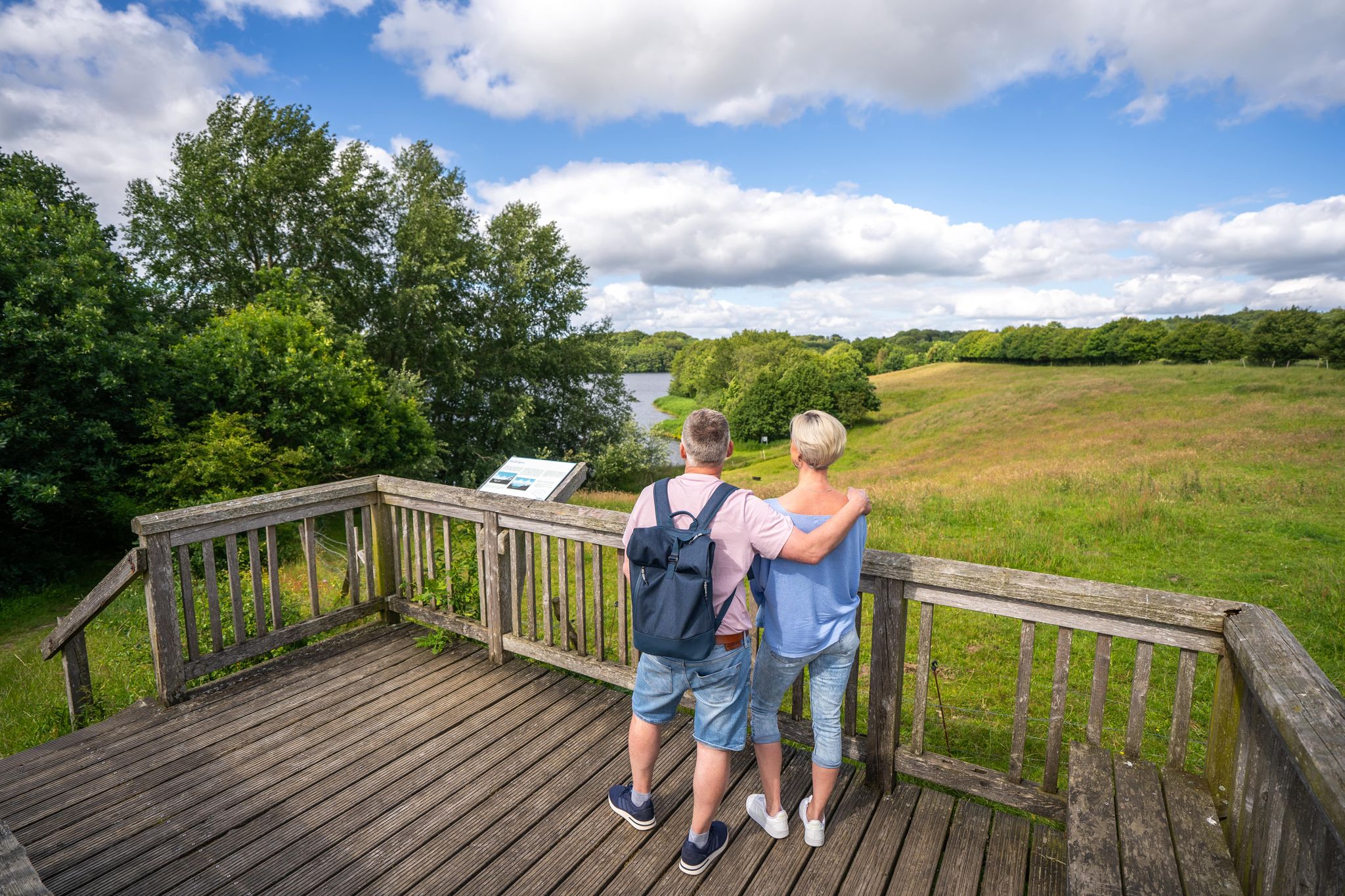
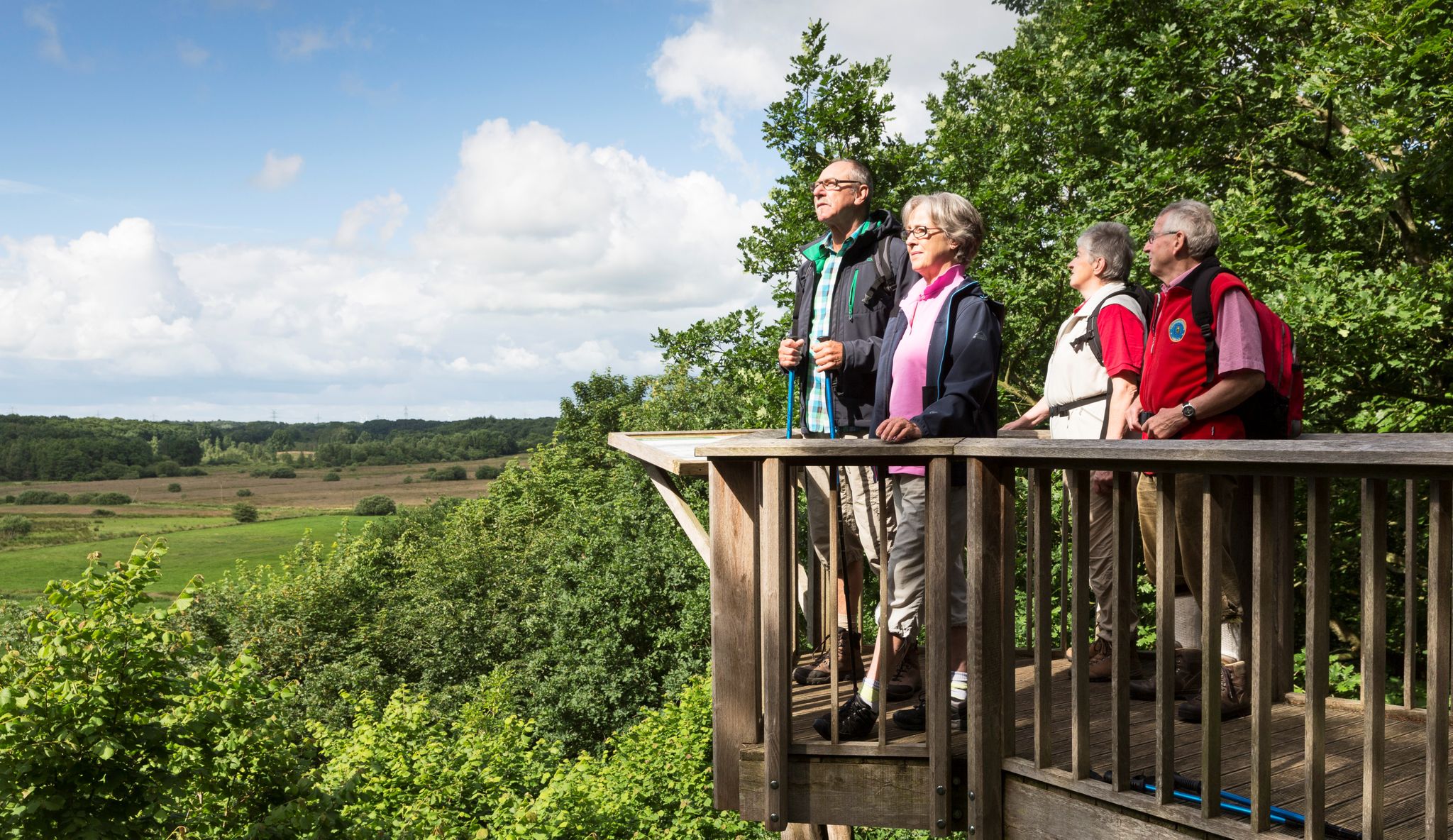
A stable viewing platform above the lake... just a few meters from the water... the short detour is worthwhile and offers a magnificent view across the lake.
2
0

The Holnis peninsula in northeastern Schleswig-Holstein, northeast of Glücksburg and located in the Flensburg Fjord, is a diverse nature reserve of great ecological importance. Since April 30, 1993, an approximately 360-hectare section – under protection number 155 – has been protected. The landscape is characterized by impressive diversity: secluded cliffs, former coastal lakes (Großes Noor and Kleines Noor), salt marshes, spit ridges, beach ridges, and reed beds characterize the area. Some of these landscape forms were created by embankments and rewetting, such as the Kleines Noor, which has been reconnected to the fjord via a dike cut in 2002 and has developed into a valuable brackish water biotope. The peninsula is of national ornithological importance: Around 65 breeding bird species use the salt marshes and shore areas as their habitat, including shelducks, oystercatchers, lapwings, ringed plover, and terns. Numerous duck species and waders rest here in winter. In addition, the small nature station (NABU hut) not only provides information but also imparts ecosystem knowledge to visitors through weekly bird counts. The vegetation is equally fascinating: salt marsh species such as samphire, sea aster, sea plantain, and common centaury dominate the landscape, complemented by typical plants such as broad-leaved marsh orchid, marsh sow thistle, and curly dock. The cliffs are home to a colony of sand martins. The area is part of the FFH (Farmland Conservation Area) "Coastal Areas of the Flensburg Fjord from Flensburg to Geltinger Birk" and is also an EU bird sanctuary. It has been managed by NABU Schleswig-Holstein since 1993, implementing conservation measures and maintenance programs (e.g., grazing with Scottish Highland cattle), and operating a visitor information center. For those seeking recreation, Holnis offers walks along designated hiking trails—such as the approximately 5.2 km long "Noor Circular Trail"—from vantage points and information stations, where flora and fauna can be experienced in a gentle and informative manner.
2
0

Holnis is a great place with a beautiful beach in the middle of nature, there are also many options for eating and doing something 👍
2
0

The Großsolt Church is a Romanesque fieldstone church, built at the end of the 12th century as a single-nave fieldstone building with a box chancel. At that time, the church and village lay directly on the Treßsee. Neither the exact year of construction nor the saint it was originally dedicated to is known. In the late Gothic period, the chancel was vaulted. The chancel arch was given a Gothic pointed arch. At about the same time, the vestibule in front of the south portal, the so-called armory, was added. The striking, tall fieldstone tower was only built in 1920. Previously, the church had a wooden bell tower leaning against the nave. The oldest piece of equipment, like that of many churches in Angeln, is a granite font dating from around the time of its construction. However, the Großsolt church is not an imported baptismal font, but the work of a local stonemason. The cupola features relief figures of Peter, Paul, and the symbols of the Evangelists. Its base is an inverted cube capital with corner heads and legendary figures (a dragon). The triumphal cross in the chancel arch dates from the end of the 15th century. The Renaissance-style pulpit, created in 1614, is the work of an unknown woodcarver associated with the workshop of Heinrich Ringerink. The gallery pulpit, with herm pilasters, corresponds to the so-called Angler type. The reliefs depict scenes from the history of salvation (Annunciation, Birth of Jesus, Crucifixion, Resurrection, Ascension), explained by Latin texts. The Baroque altarpiece, with its rich acanthus carvings, came to the church around 1700. The altarpiece from 1920 depicts the Raising of Lazarus. H. Bruhn painted it in 1920 based on a model by Rubens. The votive ship "Urania" was donated in 1719 by the Detleffsen family of sailors. The original is now housed in the Flensburg Maritime Museum. The organ was donated by a farmer from the village of Kollerup, which belongs to the parish. https://de.wikipedia.org/wiki/Kirche_Gro%C3%9Fsolt
2
0
Frörup has an old water-powered mill, driven by the Treene River and used for grinding grain. It was probably established in the 13th century. Later, the mill belonged to the Cistercian monastery of Rüde. The abbot there ceded the mill to the King of Denmark in 1543. Today, the mill is privately owned, and the waterwheel is used only for generating electricity. Unfortunately, visits are not possible. https://de.wikipedia.org/wiki/Fr%C3%B6rup
2
1
Frequently Asked Questions
What is the general terrain like for touring cycling around Großsolt?
The landscape around Großsolt, located in the Schleswig-Flensburg region, is generally flat to gently hilly. It's characterized by a diverse mix of coastal areas and inland moraines, including moorland, heath, and meadows. You'll find varied environments, from tranquil natural settings to scenic routes along the Flensburg Fjord and Schlei Fjord.
How many touring cycling routes are available in Großsolt?
There are over 100 touring cycling routes around Großsolt. The komoot community has explored 103 routes in total, offering a wide range of options for different preferences.
What are the difficulty levels of touring cycling routes in Großsolt?
The routes cater to various fitness levels. You'll find 68 easy routes, 24 moderate routes, and 11 more challenging routes. This means there are plenty of options whether you're looking for a relaxed ride or a more demanding tour.
Are there any circular touring cycling routes in Großsolt?
Yes, many of the touring cycling routes around Großsolt are designed as loops, allowing you to start and end in the same location. For example, you could try the View of the Treßsee – Arnkiel Park Long Barrow loop from Großsolt, which is an easy 14-mile (22.6 km) ride.
Can I find routes that offer scenic water views?
Absolutely. The region is known for its proximity to the Flensburg Fjord and the Schlei Fjord, providing extensive coastal cycling opportunities. The Holnis Beach – Holnis Peninsula loop from Großsolt is a moderate 28.5-mile (45.9 km) trail that leads through coastal areas and offers beautiful water views.
Are there routes that pass by historical landmarks or points of interest?
Yes, several routes incorporate historical sites. The St. Laurentius Church Satrup – St Mary's Church, Havetoft loop from Großsolt is an easy 20.5-mile (33.0 km) path connecting historical churches. In Großsolt itself, the historic Romanesque fieldstone Großsolt Church, consecrated in 1199, is a notable landmark.
What natural features or landmarks can I see along the touring cycling routes?
The routes often pass by diverse natural features. You can explore areas like Schmidt's meadow pond or the tranquil Sankelmarker Lake. The region's landscape, shaped by the last ice age, includes moorland, heath, and meadows, offering a variety of scenic backdrops.
Are there family-friendly touring cycling routes in Großsolt?
Given the generally flat to gently hilly terrain and the abundance of easy routes (68 out of 103), Großsolt is well-suited for family cycling. Routes like the View of the Treßsee – View of Frörup Watermill loop from Großsolt offer pleasant, manageable distances for families.
Are dog-friendly cycling routes available in Großsolt?
While specific 'dog-friendly' routes aren't explicitly designated, many of the touring cycling paths in the natural areas around Großsolt are suitable for cycling with a well-behaved dog on a leash, especially the quieter, less trafficked routes. Always ensure your dog is comfortable with the distance and terrain, and carry enough water for both of you.
What do other touring cyclists enjoy the most about touring cycling in Großsolt?
The area is highly rated by the komoot community, with an average score of 4.7 stars from over 80 reviews. Cyclists often praise the varied natural landscapes, the gently rolling hills that offer engaging rides without excessive climbs, and the scenic water views along the fjords.
Are there any routes that offer views of the historic Treßsee lake?
Yes, you can find routes that provide views of the Treßsee. The View of the Treßsee – Arnkiel Park Long Barrow loop from Großsolt is an excellent option for experiencing this historical natural feature.
What is the best time of year to cycle near Großsolt?
The region's diverse landscapes are enjoyable throughout the warmer months. Spring and autumn offer pleasant temperatures and beautiful scenery, while summer provides longer daylight hours. Always check local weather conditions before heading out, as coastal areas can be subject to changing winds.
Most popular attractions around Großsolt

Get inspired with the komoot mobile app


Explore more
Browse the best Cycling routes in other regions.
