Top 20 Castles around Strehla
Castles around Strehla are situated in the North Saxon Elbe landscape, often on elevations overlooking the Elbe River. This region features historical sites, including castles that played a strategic role in protecting Elbe river crossings. The architecture found here ranges from Late Gothic to Renaissance styles, set within natural landscapes. The area offers a blend of cultural heritage and scenic views.
Best castles around Strehla
- The most popular castles is Lampertswalde Manor and Moated Castle, a castle that features…
Last updated: June 23, 2026
Tiefenau Castle Baroque Garden and Fountain
Highlight • Castle
Is privately owned and has been restored for years, unfortunately no access.
Behind the castle is a beautiful rose garden and adjoining the fish ponds, pure nature.
Translated by Google •
Tip by

Strehla Castle
Highlight • Castle
Translated by Google •
Tip by

Sign up now to discover places like this
Get recommendations on the best single tracks, peaks, & plenty of other exciting outdoor places.
Sign up for free
Lampertswalde Manor and Moated Castle
Highlight • Castle
17th century (gardener's house), end of 17th century (tenant house),
18th century, 19th century, 20th century,
1788 (gardener's house), 1912 (gatehouse)
Architectural style
Baroque, historicism, art nouveau
Client …
Translated by Google •
Tip by

Martinskirchen Palace
Highlight • Castle
Exhibition Enchanting World of Dolls on loan, hundreds of lifelike dolls in umpteen rooms, an eye-catcher!
Many thanks to Mrs. Mägel for the interesting tour!
Translated by Google •
Tip by

Glaubitz Manor
Highlight • Historical Site
Translated by Google •
Tip by

Sign up for free to discover even more castles around Strehla.
Sign up for free
Already have an account?
Start today with a free account
Your next adventure awaits.
Login or Signup
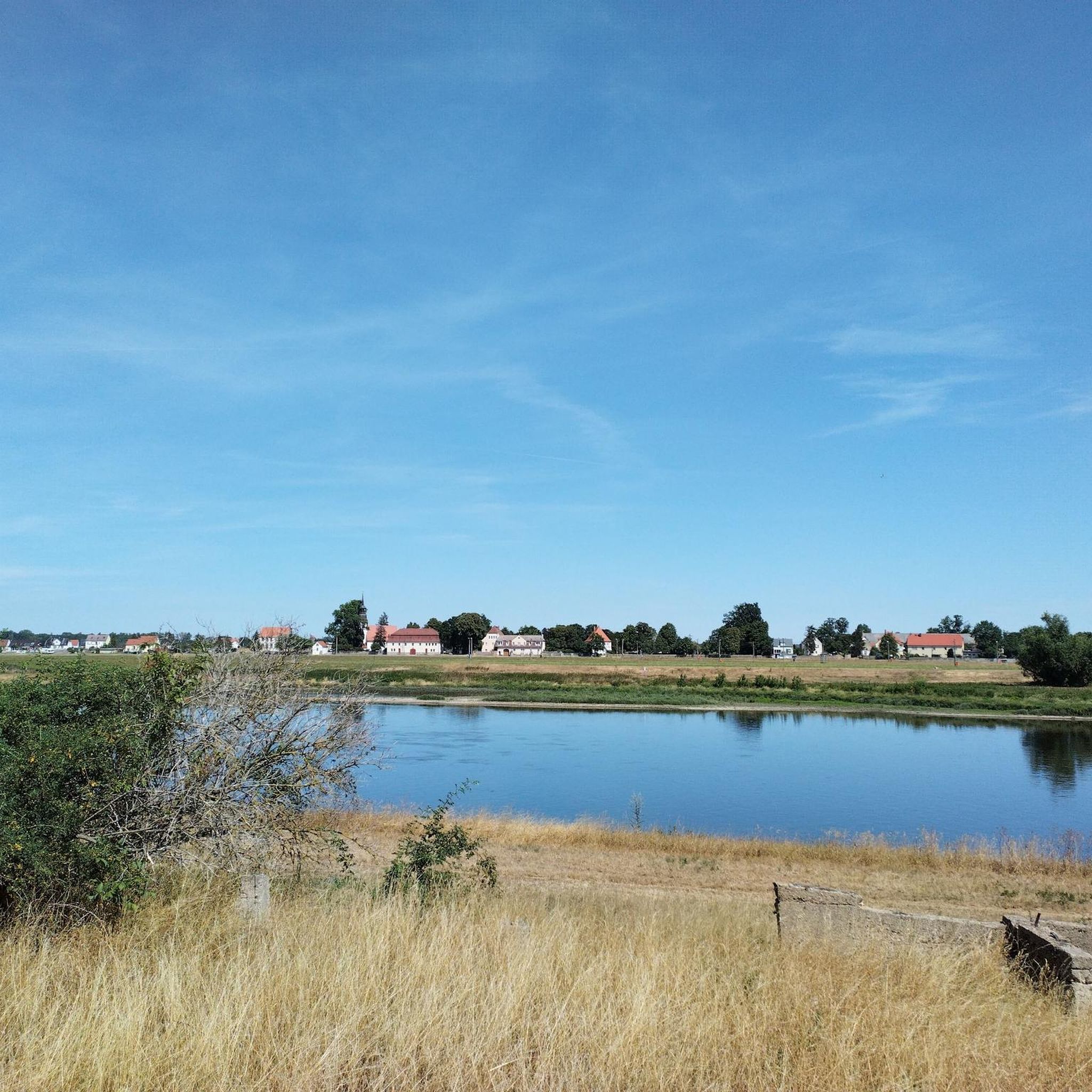

Tips from the Community

Glaubitz Castle and Manor. Information: Originally a moated castle built in the 13th century. Its current appearance dates from 1907 to 1909, following renovations by Theodor Bienert, owner of the Bienert Mill in Dresden, who had purchased it in 1896. Today: Operated and managed by Volkssolidarität Kreisverband Riesa-Großenhain e. V. (Glaubitz Castle Residence, located in the former castle).
1
0

The oldest part of the building, the Knights' Hall between the two mighty towers, which has been preserved as a ruin, dates from 1335. The lower parts date from the 13th to 14th centuries, the late Gothic cell vaults in the upper floors date from around 1530, the gable tops and roof turrets were added towards the end of the 16th century. In the 15th to 16th centuries the castle was rebuilt as a palace and the north wing was rebuilt in 1890 after a fire. The gatehouse to the front courtyard was built around 1560 and decorated with dormer windows and gables. The palace forms a closed square with late Gothic and Renaissance architectural forms, the wing on the Elbe side, built around 1530 for Otto Pflugk, has a late Gothic brick gable with tracery pattern, the stair towers in the courtyard have Renaissance gables. The cell-vaulted "drinking room" in the southwest tower was decorated with rich paintings in 1532, which are attributed to the circle around Lucas Cranach. The castle is surrounded by a spacious English landscape park with some old trees, which stretches down the mountainside to the Elbe. (https://de.wikipedia.org/wiki/Schloss_Strehla)
4
0

Three-wing complex from 1751-1756 built on behalf of Count Wilhelm v. Brühl by F. A. Krubsacius
2
0

Churches are always worth a visit. They give hikers a place to relax and rest.
0
0

From April 2024, the castle cafe will be open every Sunday from 2 p.m. to 5 p.m. Hiking tour around the Tiefenauer ponds, about 6 km, highly recommended for beginners. It's a good walk, you can watch swans, everything is very natural and not crowded. Picnic at the rose garden. The route was easy for my 13-year-old mixed breed dog to manage. Afterwards, coffee in the castle, unfortunately the cake was already gone by about 3:30 p.m. But alternatively we went to the ice cream parlor in Gröditz. Sweet ending!
0
0

The manor house dates back to the 18th century and was a nursing home for a long time.
0
1

Castle park is currently closed due to renovation
0
0

Great little inviting castle in the middle of town. With a beautiful tree in front of it.
1
0
Frequently Asked Questions
Are there family-friendly castles to visit around Strehla?
Yes, several castles around Strehla are suitable for families. Lampertswalde Manor and Moated Castle offers open grounds and a park for strolling, and hosts cultural events in summer. Tiefenau Castle Baroque Garden and Fountain features a beautiful rose garden and fish ponds, providing a pleasant natural setting. Martinskirchen Palace also has a restored marble hall and an exhibition of dolls that can be interesting for children.
What kind of historical architecture can I expect to see at the castles near Strehla?
The castles around Strehla showcase a rich blend of architectural styles, primarily Late Gothic and Renaissance. Strehla Castle, for instance, features Late Gothic brick gables and Renaissance stair towers, along with a unique cell-vaulted 'drinking room' from 1532. Martinskirchen Palace is a notable example of Baroque architecture from the mid-18th century.
Can I visit Strehla Castle, and what makes it unique?
Strehla Castle is a historically significant site, one of the earliest documented castles in the March of Meissen. While it is privately owned and used for residential purposes, its impressive exterior, blending Late Gothic and Renaissance styles, is visible. It's particularly known for its unique 'Trinkstübchen' (drinking room) with rich coloring attributed to the circle around Lucas Cranach. The castle also offers beautiful views over the Elbe River from its elevated position.
Are there any castles with gardens or natural surroundings to explore?
Absolutely. Tiefenau Castle Baroque Garden and Fountain is renowned for its beautiful rose garden and adjoining fish ponds, offering a serene natural environment. Lampertswalde Manor and Moated Castle also features open grounds and a park that are accessible to the public for strolling.
What outdoor activities can I do near the castles around Strehla?
The region around Strehla offers various outdoor activities. You can find numerous running trails, such as the 'Elberadweg in Riesa' loop, which is a great cycle path. For cycling enthusiasts, there are routes like the 'View of the Elbe' loop or longer tours to 'Hartenfels Castle'. Gravel biking options are also available, including routes along the Floßkanal Path. You can explore more routes in the Running Trails around Strehla, Cycling around Strehla, and Gravel biking around Strehla guides.
Are there any moated castles in the Strehla area?
Yes, Strehla is known for its moated castles. Lampertswalde Manor and Moated Castle is a prime example, featuring a preserved medieval moated castle on its grounds. Glaubitz Manor also originated from a moated castle in the 13th century, though its current appearance is from later renovations.
Where can I find a café or refreshments near the castles?
At Lampertswalde Manor and Moated Castle, you can take a break in the café located within the park. For other castles, you might find options in the nearby towns or villages, such as Strehla town center.
What is the history behind Strehla Castle?
Strehla Castle has a deep history, with evidence of a Slavic ruler's seat before 900 AD. It was rebuilt as a castle in the 15th century after being burned down in 1002. It played a strategic role in protecting an Elbe river crossing and remained in the possession of the Pflugk family for nearly 600 years until 1945. Its architectural forms primarily date from the Late Gothic and Renaissance periods.
Are there any castles that host cultural events?
Lampertswalde Manor and Moated Castle is known to offer cultural events during the summer months. Martinskirchen Palace, after its restoration, is also used for small concerts and can be visited for guided tours by appointment.
What are some unique features of Martinskirchen Palace?
Martinskirchen Palace, built in the Baroque style between 1751-1756, features a beautifully restored marble hall that can be used for events. It also hosts an 'Enchanting World of Dolls' exhibition, showcasing hundreds of lifelike dolls across numerous rooms, making it a unique attraction.
Is it possible to take a guided tour of any of the castles?
Yes, guided tours of Martinskirchen Palace can be arranged by appointment. For other privately owned castles like Strehla Castle or Tiefenau Castle, access is generally limited as they are residential or under construction, but their exteriors and grounds (where accessible) can be appreciated.
What should I know about visiting Glaubitz Manor?
Glaubitz Manor originated from a 13th-century moated castle. Its current appearance dates from renovations between 1907 and 1909. Today, the property is operated as a residence by Volkssolidarität Kreisverband Riesa-Großenhain e.V. It is not possible to visit the manor house's interior, but you can view it from the outside.
Most popular routes around Strehla
Most popular attractions around Strehla

Get inspired with the komoot mobile app


Explore more
Looking for the best castles somewhere else? Discover other guides around Strehla:
