Top 8 Castles around Trellech United
Castles around Trellech United provide a rich historical experience, with several impressive fortifications located in its immediate vicinity. The area's strategic location in the Wye Valley has led to the construction of various strongholds over centuries. From early Norman earthworks to grand medieval fortresses and unique 18th-century follies, the region offers diverse historical sites. These landmarks are set within a landscape that reflects centuries of Welsh and English history.
Best castles around Trellech United
- The most popular castles is Chepstow…
Last updated: July 3, 2026
Chepstow Castle
Highlight • Viewpoint
Tip by

St Briavels Castle
Highlight • Castle
Tip by

Sign up now to discover places like this
Get recommendations on the best single tracks, peaks, & plenty of other exciting outdoor places.
Sign up for free
Monmouth Town Centre
Highlight • Settlement
Tip by

Clytha Castle
Highlight • Castle
Tip by
Old Wye Bridge
Highlight • Castle
Tip by

Sign up for free to discover even more castles around Trellech United.
Sign up for free
Already have an account?
Start today with a free account
Your next adventure awaits.
Login or Signup
Popular around Trellech United
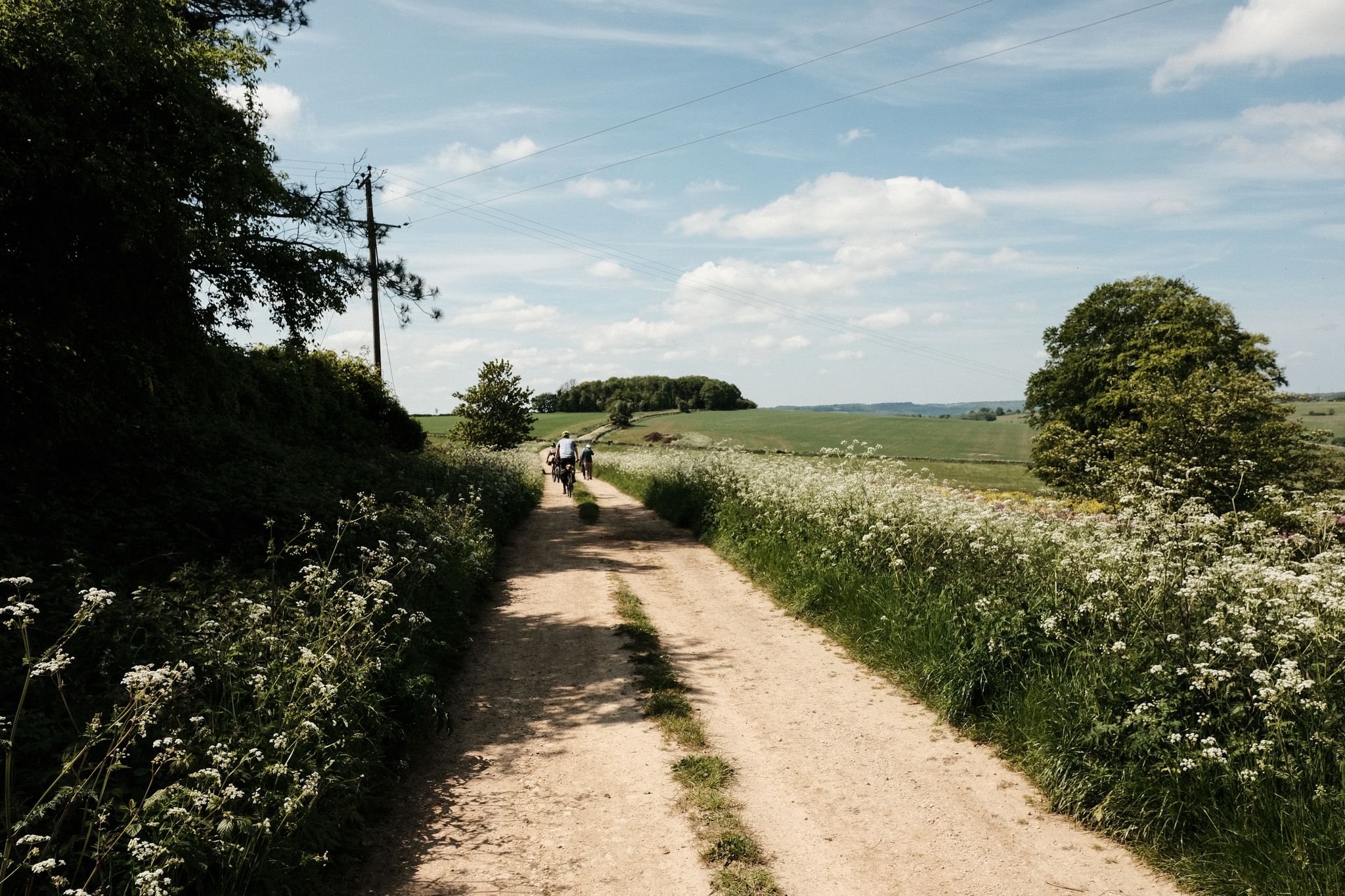
Middle Earth Loop — bikepacking the Wye, Malverns and Cotswolds
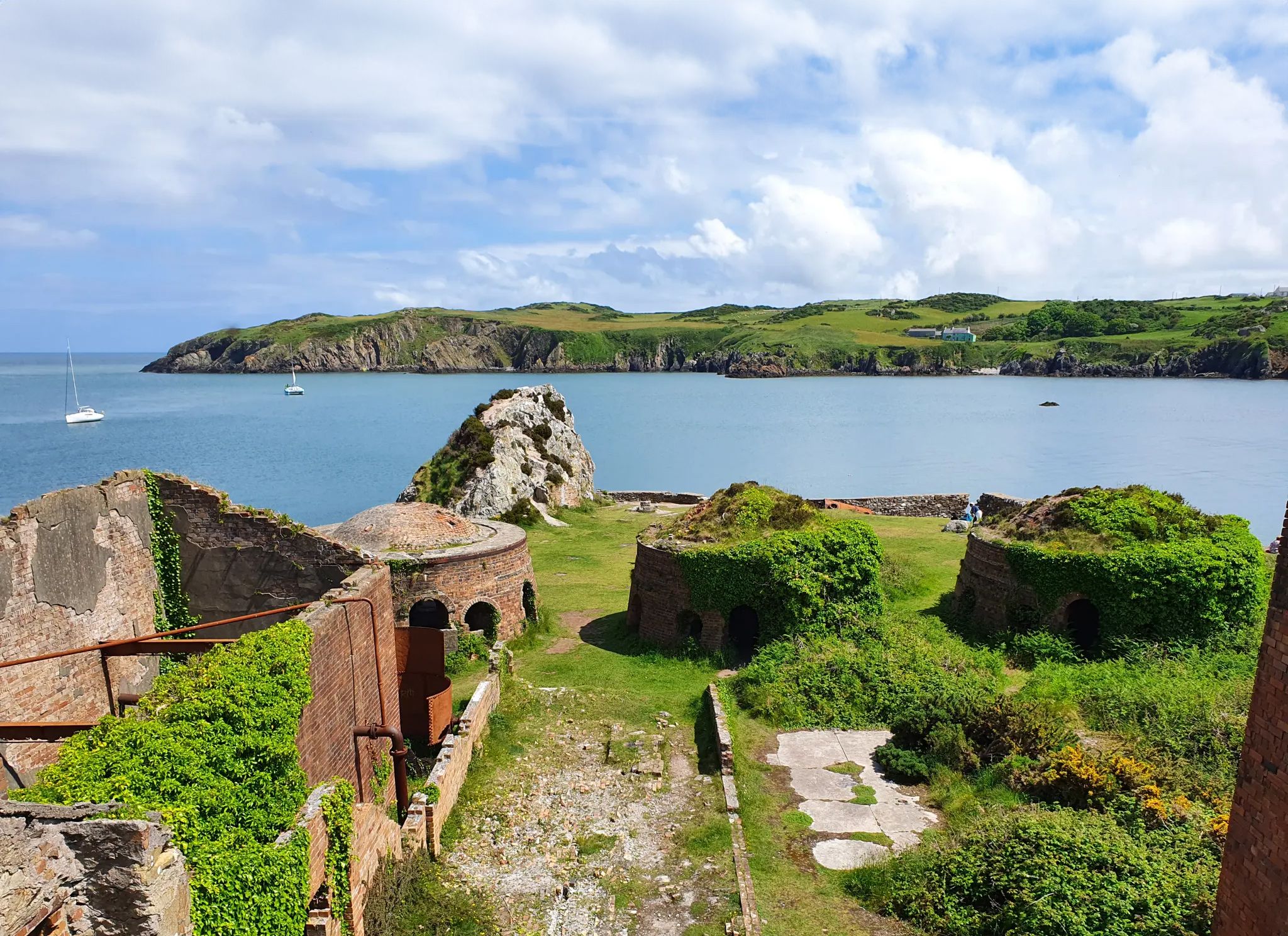
O Fon i Fynwy — Exploring Wales on foot from top to bottom
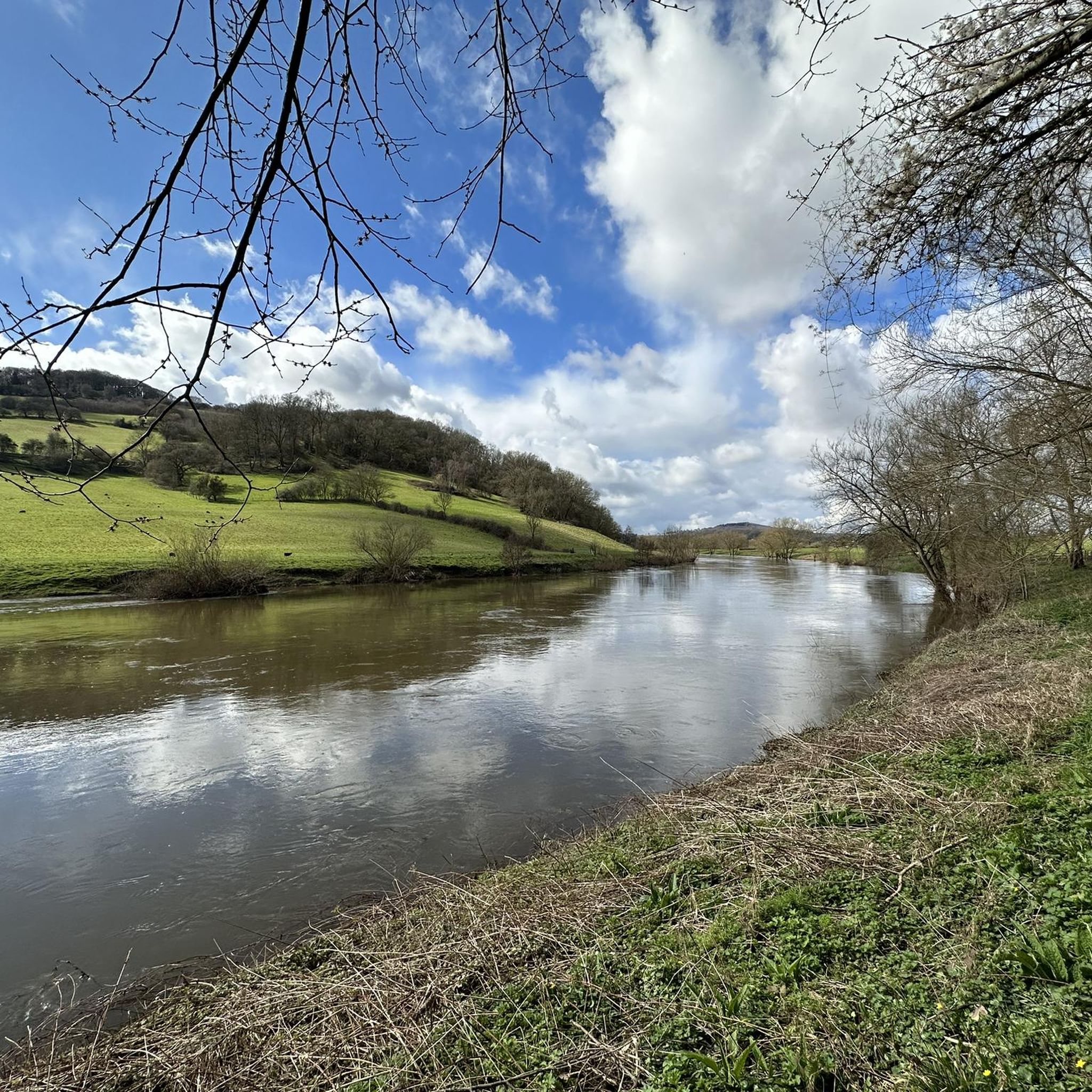
Hiking around Trellech United
MTB Trails around Trellech United
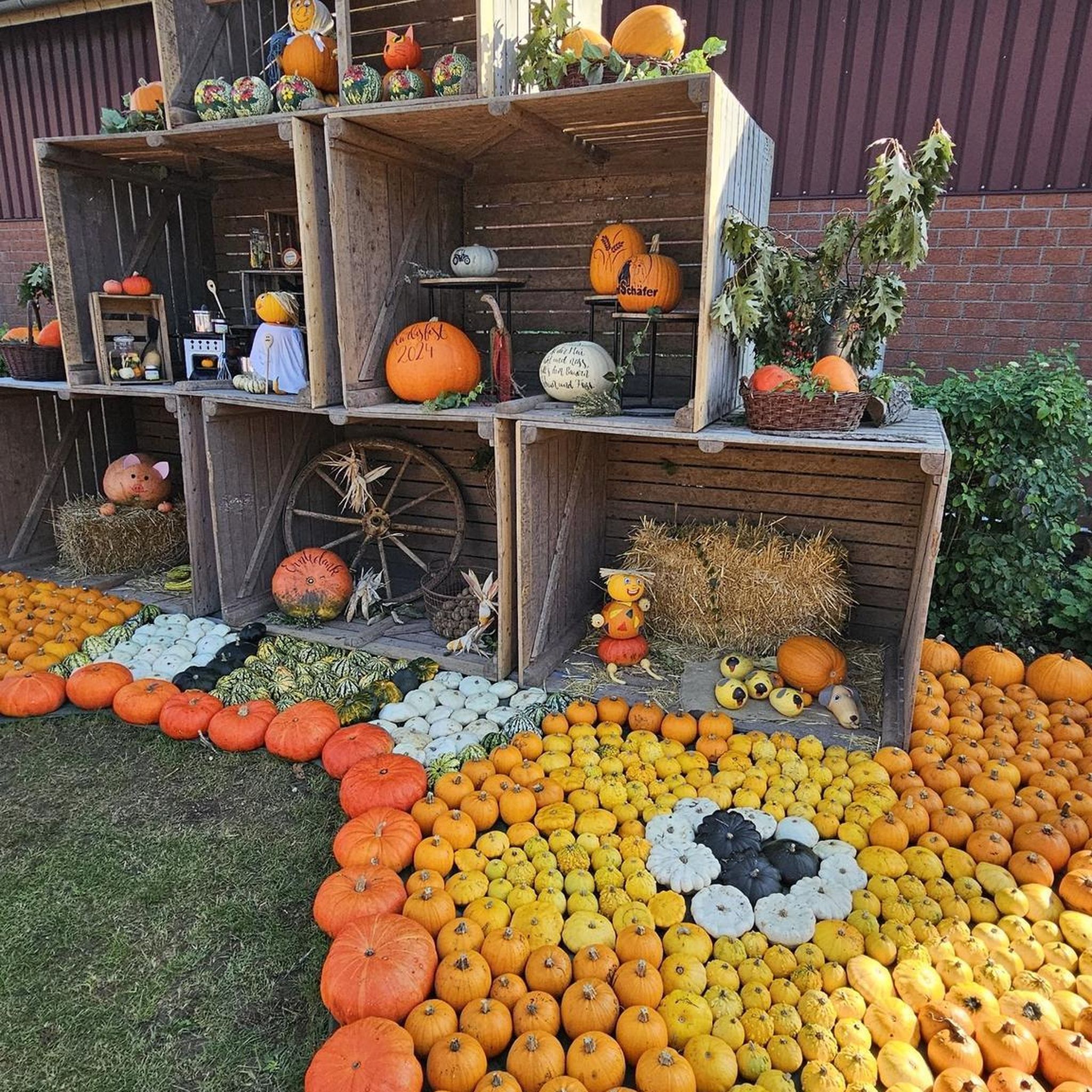
Gravel biking around Trellech United
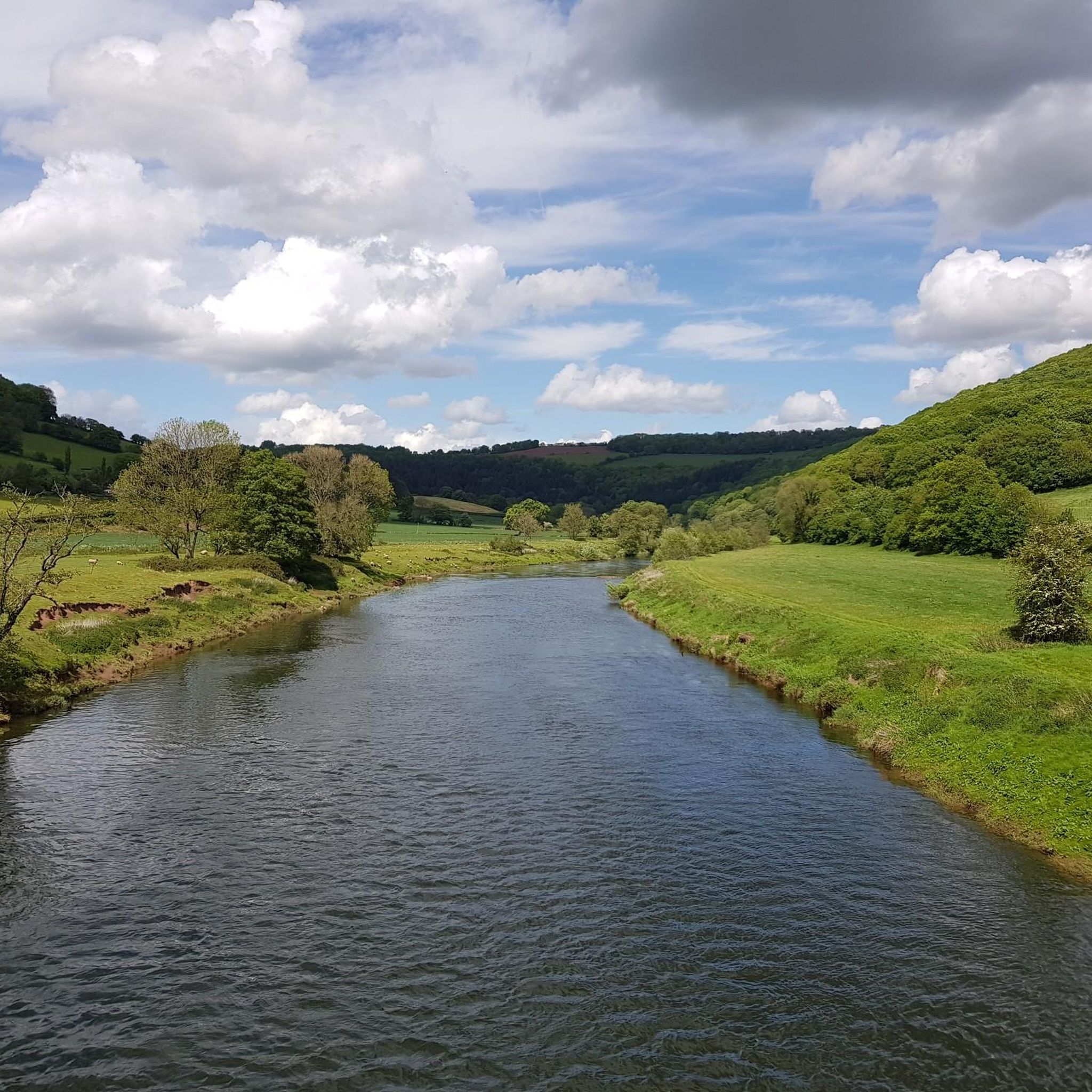
Running Trails around Trellech United
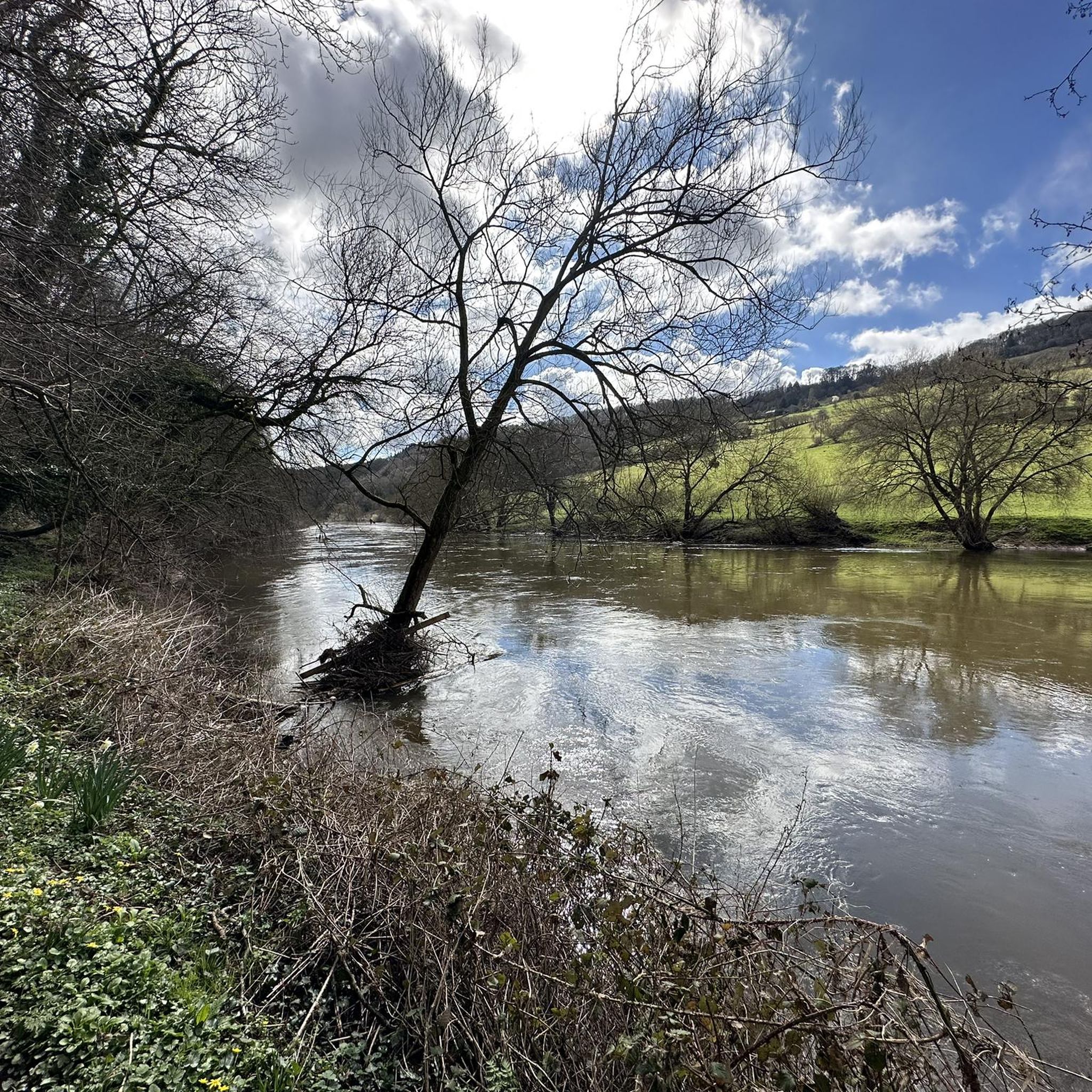
Cycling around Trellech United
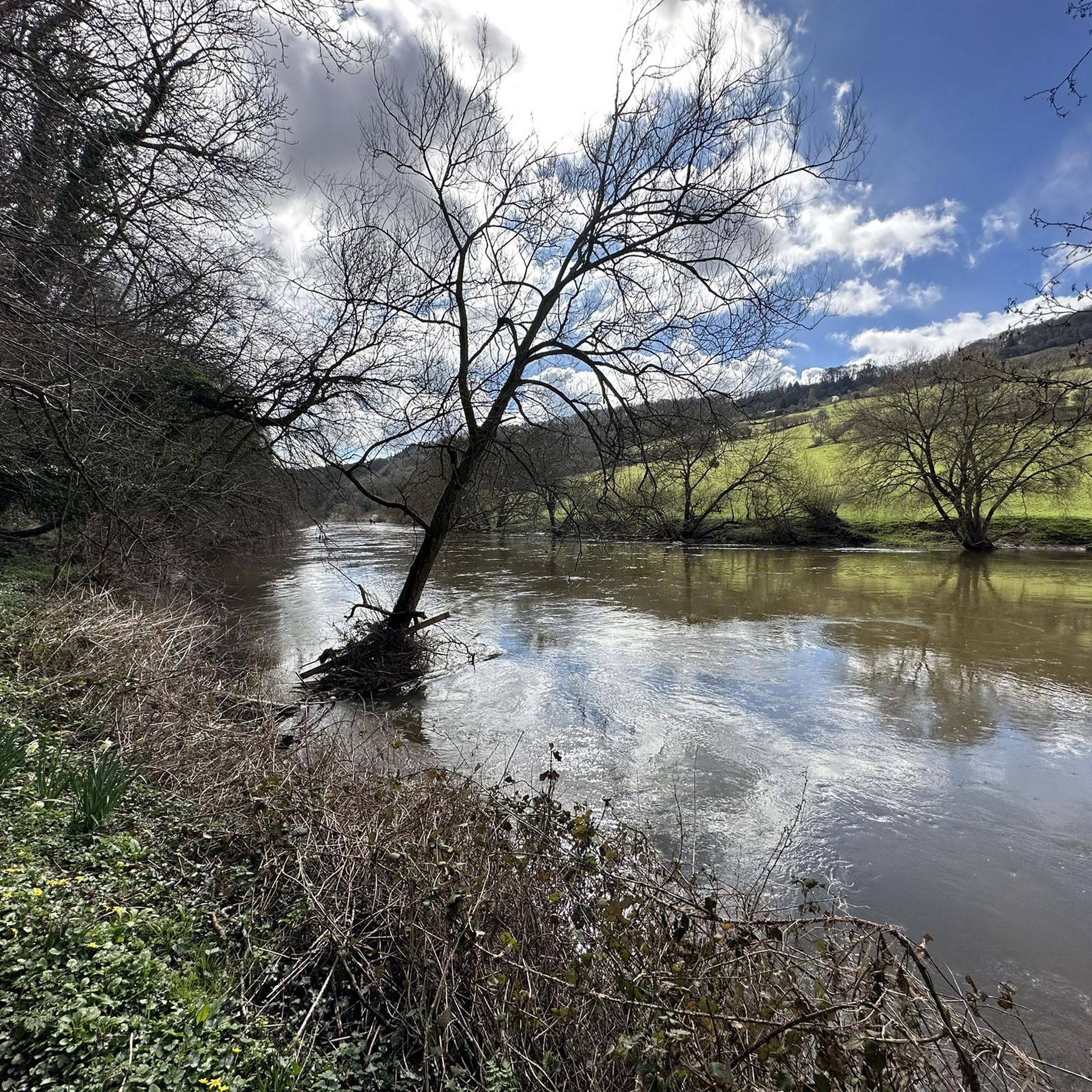
Road Cycling Routes around Trellech United


Tips from the Community

Monmouth is a charming historic market town that sits right on the confluence of Rivers Wye and Monnow. It's noted for its 13th-century gated bridge and being the birthplace of Henry V. The River Wye separates the town of Monmouth to the east from Wyesham to the west and provides a scenic wonderland for many river activities. I have finished many a DOE gold award canoe trip at this point.
0
0

Grade 1 listed bridge constructed in 1816. Great views of Chepstow Castle.
0
0

The 300-year old Shire Hall, on Agincourt Square in the centre of Monmouth, has outside a large sculpture of King Henry V (also called Henry of Monmouth) and a statue of the aviation pioneer Charles Rolls who lived near Monmouth. Rolls also co-founded the Rolls-Royce car manufacturing firm.
0
0

Clytha Castle (Welsh: Castell Cleidda) is a folly near Clytha between Llanarth and Raglan in Monmouthshire, south east Wales. Dating from 1790, the castle was built by William Jones, owner of the Clytha Park estate as a memorial to his wife, Elizabeth, who died in 1787. The castle is an example of the Gothic Revival and comprises three towers, of which two are habitable, and linking, castellated curtain walls. Long attributed to John Nash, recent research has confirmed that the architect was John Davenport of Shrewsbury. The folly has views towards the Sugar Loaf and Skirrid mountains on the easternmost edge of the Brecon Beacons National Park. Described by the architectural historian John Newman as one of the two "outstanding examples of late eighteenth century fanciful Gothic in the county", Clytha Castle is a Grade I listed building.
1
0

A fine example of Gothic Revival architecture, Clytha Castle is one of Wales' outstanding 18th-century follies. It forms a part of the Clytha Estate, a tranquil landscaped park containing a Grade I-listed house, as well as the castle. The folly was built in 1790 by William Jones as a memorial to his late wife Elizabeth. It stands proud on Clytha Hill to the backdrop of a grove of chestnut trees.
1
0

A beautiful spot with great view of the river and the castle.
0
0
Nestled in the lower reaches of the scenic Wye Valley is the historic county town of Monmouthshire. It is a popular choice as a base for exploring all the superb landscape has to offer. Notable landmarks in the town include its medieval stone gated bridge, the last of its kind left in Britain, and Monmouth Castle, the birthplace of King Henry V in 1386.
0
0

I love this old bridge from England to Wales or Wales to England. Great views of Chepstow Castle.
0
0
Frequently Asked Questions
What types of castles can I explore around Trellech United?
The area offers a diverse range of historical sites. You can find the archaeological remains of a Norman motte and bailey castle at Tump Terret, grand medieval fortresses like Chepstow Castle and St Briavels Castle, and even unique 18th-century follies such as Clytha Castle. This variety provides a journey through centuries of architectural and historical development.
Which castles are particularly interesting for history buffs?
For those deeply interested in history, Chepstow Castle is a must-see, being one of the earliest Norman strongholds in Wales. Monmouth Castle, though largely in ruins, is historically significant as the birthplace of King Henry V. St Briavels Castle, with its Edwardian gatehouse and past as a royal administrative center and crossbow manufacturing hub, also offers a rich historical narrative.
Are there family-friendly castles to visit in the area?
Yes, several castles are suitable for families. Chepstow Castle and St Briavels Castle are both listed as family-friendly highlights, offering engaging historical experiences for all ages. Exploring their grounds and learning about their past can be an exciting outing for children and adults alike.
What outdoor activities can I do near these castles?
The region around Trellech United and its castles is excellent for outdoor activities. You can find numerous hiking and cycling routes. For example, there are many easy hikes, road cycling routes, and MTB trails that pass by or offer views of these historic sites, especially in the scenic Wye Valley.
Are there hiking trails near Chepstow Castle?
Yes, Chepstow Castle is situated in the Wye Valley, an area rich with walking opportunities. While specific trails directly from the castle aren't detailed here, you can find many hiking routes in the broader Trellech United area that offer stunning views and incorporate the natural beauty surrounding the castle.
What is the best time of year to visit the castles around Trellech United?
Visiting in spring or autumn is often recommended. Spring offers pleasant weather and blooming landscapes, while autumn provides beautiful foliage, especially in the Wye Valley. These seasons generally avoid the peak summer crowds and the colder, potentially wetter winter months, making for a more comfortable exploration of the outdoor castle ruins and grounds.
Are there any scenic viewpoints near the castles?
Absolutely. Chepstow Castle itself offers stunning views from its position on a limestone cliff above the River Wye. Additionally, The Kymin Roundhouse and view over Monmouth provides breathtaking panoramic views over the Wye Valley and the town of Monmouth, which is home to Monmouth Castle.
How long should I plan for a visit to these castles?
The duration of your visit depends on the castle. For larger, well-preserved sites like Chepstow Castle or St Briavels Castle, you might want to allocate 2-3 hours to explore thoroughly. For ruins like Monmouth Castle or the folly of Clytha Castle, an hour or less might suffice. If you plan to visit multiple sites, consider a full day or even a weekend.
Are there less crowded castles to visit near Trellech United?
While Chepstow Castle is very popular, smaller sites like the Tump Terret Castle Mound offer a more secluded historical experience. Clytha Castle, as an 18th-century folly, also tends to be less crowded than the major medieval fortresses, providing a tranquil setting.
What are the parking options for visiting these castles?
Parking availability varies by castle. Major attractions like Chepstow Castle and St Briavels Castle typically have dedicated parking facilities nearby, often for a fee. For castles located within towns, such as Monmouth Castle, public car parks in the town center would be the primary option. For smaller sites like Tump Terret or Clytha Castle, roadside parking or small, informal areas might be available.
Can I find cafes or pubs near the castles?
Yes, you can find amenities near many of the castles. Monmouth, for instance, is a historic town with various cafes, pubs, and accommodation options close to Monmouth Castle. Chepstow, being a larger town, also offers a good selection of places to eat and drink near Chepstow Castle. Smaller villages like St Briavels will also have local pubs and cafes.
What makes Raglan Castle a notable visit, even if not directly in Trellech United?
Raglan Castle is a prominent nearby attraction known for its grand and imposing structure. It represents one of the last true castles built in Wales in the late medieval period. Its impressive gatehouse, hexagonal keep, and extensive ruins offer a comprehensive look at medieval fortification and aristocratic living, making it a significant site for those exploring the region's history.
Most popular routes around Trellech United
Most popular attractions around Trellech United

Get inspired with the komoot mobile app


Explore more
Looking for the best castles somewhere else? Discover other guides around Trellech United:
