Top 5 Castles around Rudbaxton
Best castles around Rudbaxton include significant historical sites primarily characterized by earthwork remains, offering a glimpse into early defensive architecture. Situated in Pembrokeshire, Wales, the area features Iron Age hillforts and Norman mottes. These sites provide insights into the region's strategic importance and historical layers, from ancient settlements to the Norman conquest. Visitors can explore these locations to understand the evolution of defensive structures within a natural landscape.
Best castles around Rudbaxton
- The most popular castles is Roch Castle,…
Last updated: August 27, 2026
Haverfordwest Castle
Highlight • Historical Site
Tip by

Llawhaden Castle
Highlight • Historical Site
Tip by
Sign up now to discover places like this
Get recommendations on the best single tracks, peaks, & plenty of other exciting outdoor places.
Sign up for free
Wiston Castle Ruins
Highlight • Viewpoint
Tip by
Roch Castle
Highlight • Historical Site
Tip by
Picton Castle & Gardens
Highlight • Castle
Also a nice little zoo, with a really good bird of prey flying display.
Tip by

Start today with a free account
Your next adventure awaits.
Login or Signup
Tips from the Community


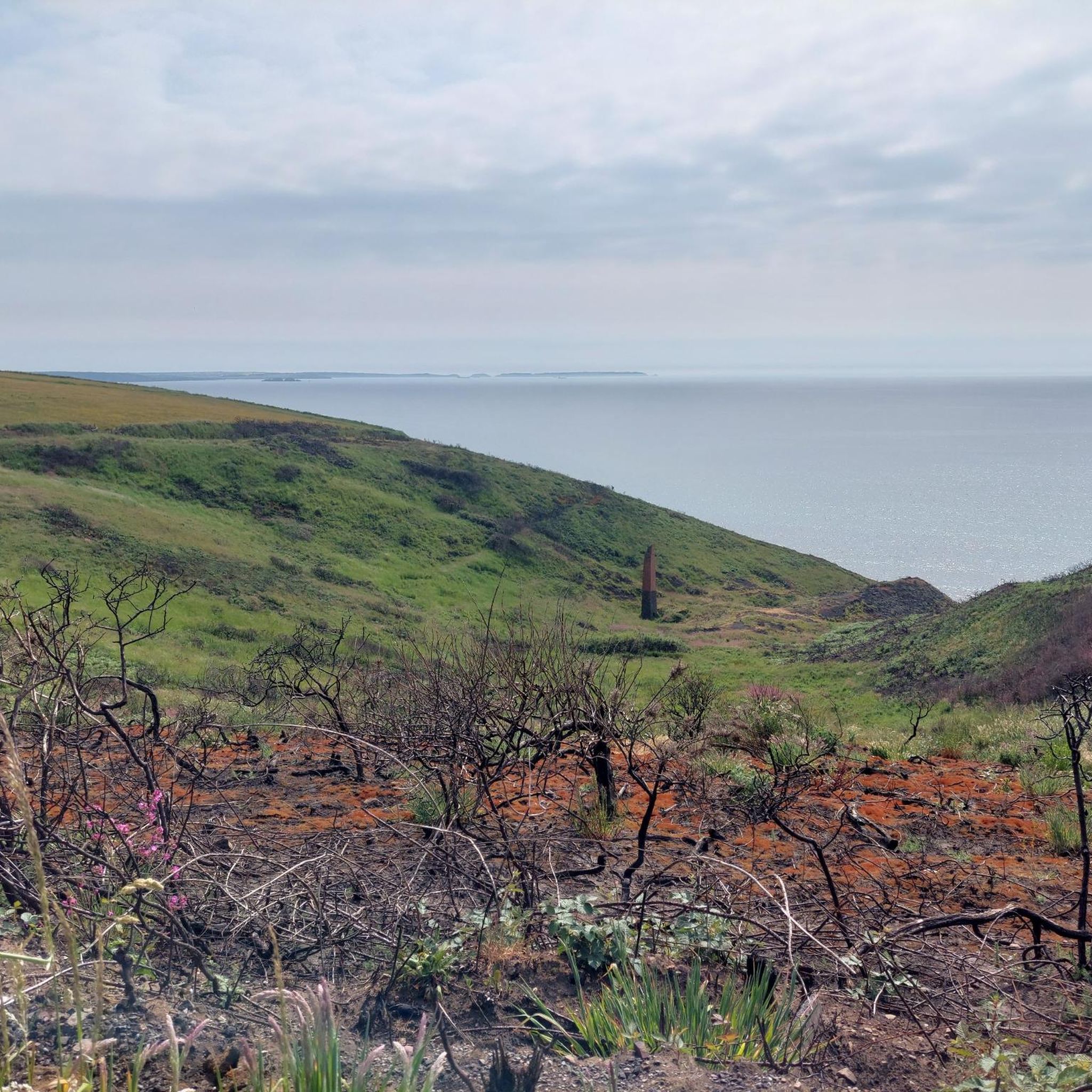
Roch Castle is now a luxury hotel, but back in the 12th century it was somewhat less accommodating. Built as one of the outer defences of the Landsker, separating Norman-held areas to the South from the Welsh held area to the North. It has a commanding position meaning that it can see, and be seen for miles around.
0
0

probably go down to lysyfran reservoir and check that out as well, then up to maenchlochog from there miss seies of long hills to new moat onwards
0
0

Lovely away of gardens with beautiful collection of flowers, plants and spaces. Also a nice little zoo, with a really good bird of prey flying display.
0
0
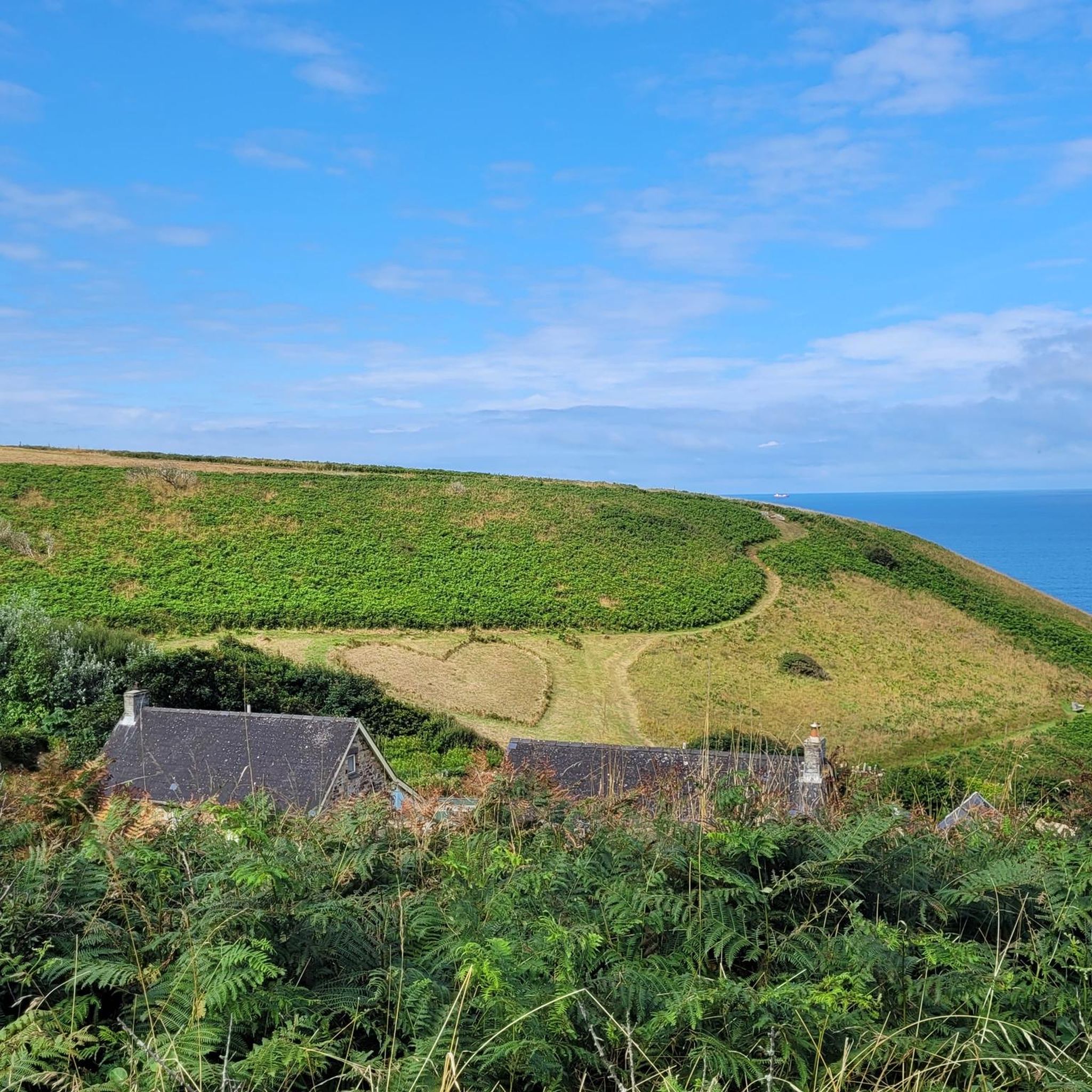
Llawhaden is a little known castle-cum-mansion that is sure to stay in your memory. Most impressive of all is the front of the gatehouse, added in the later 14th century, still standing to its full height. Cycling isn't permitted on the access road to the castle, so you will need to park & lock-up your bike at the car park and walk the final few hundred metres to the castle itself.
1
0
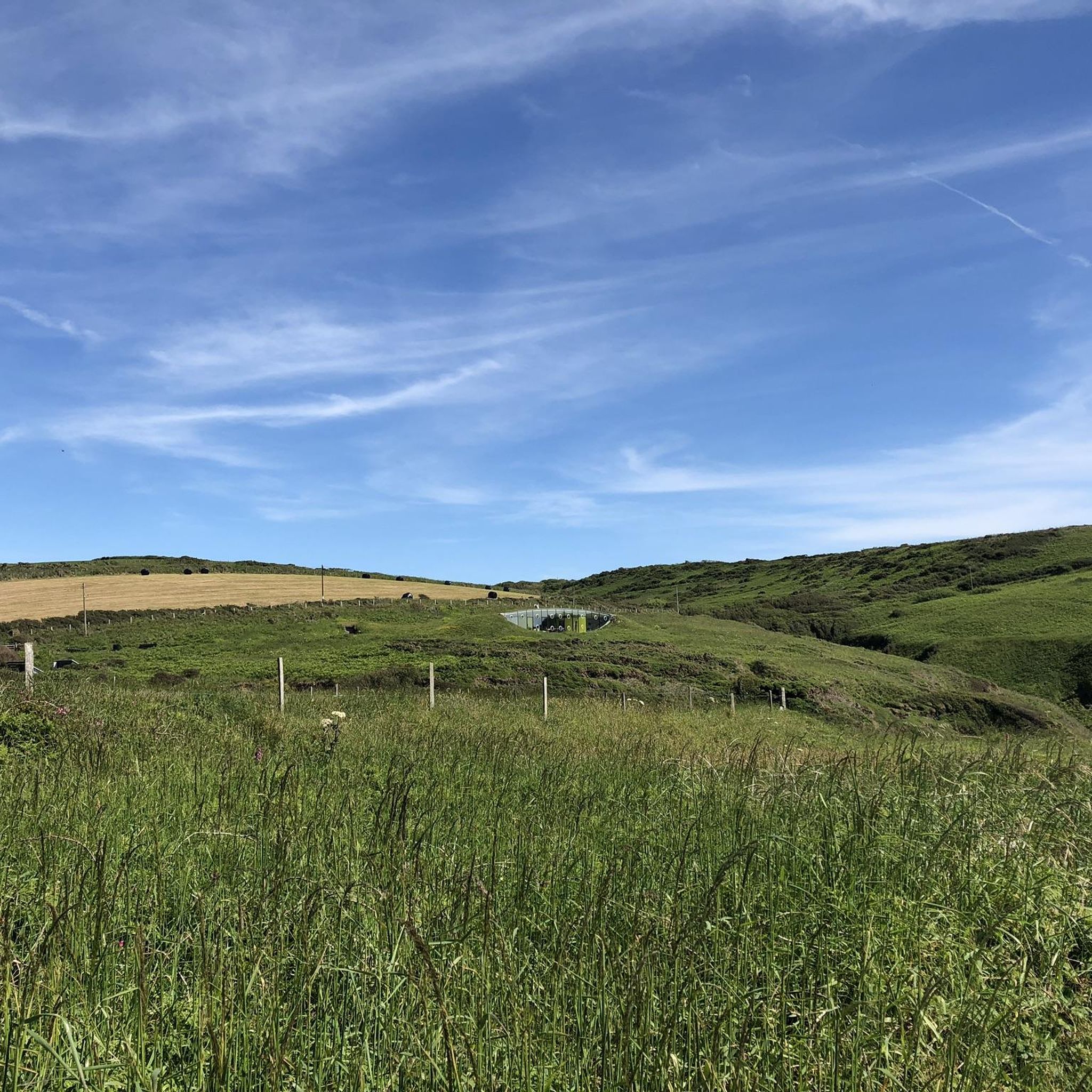
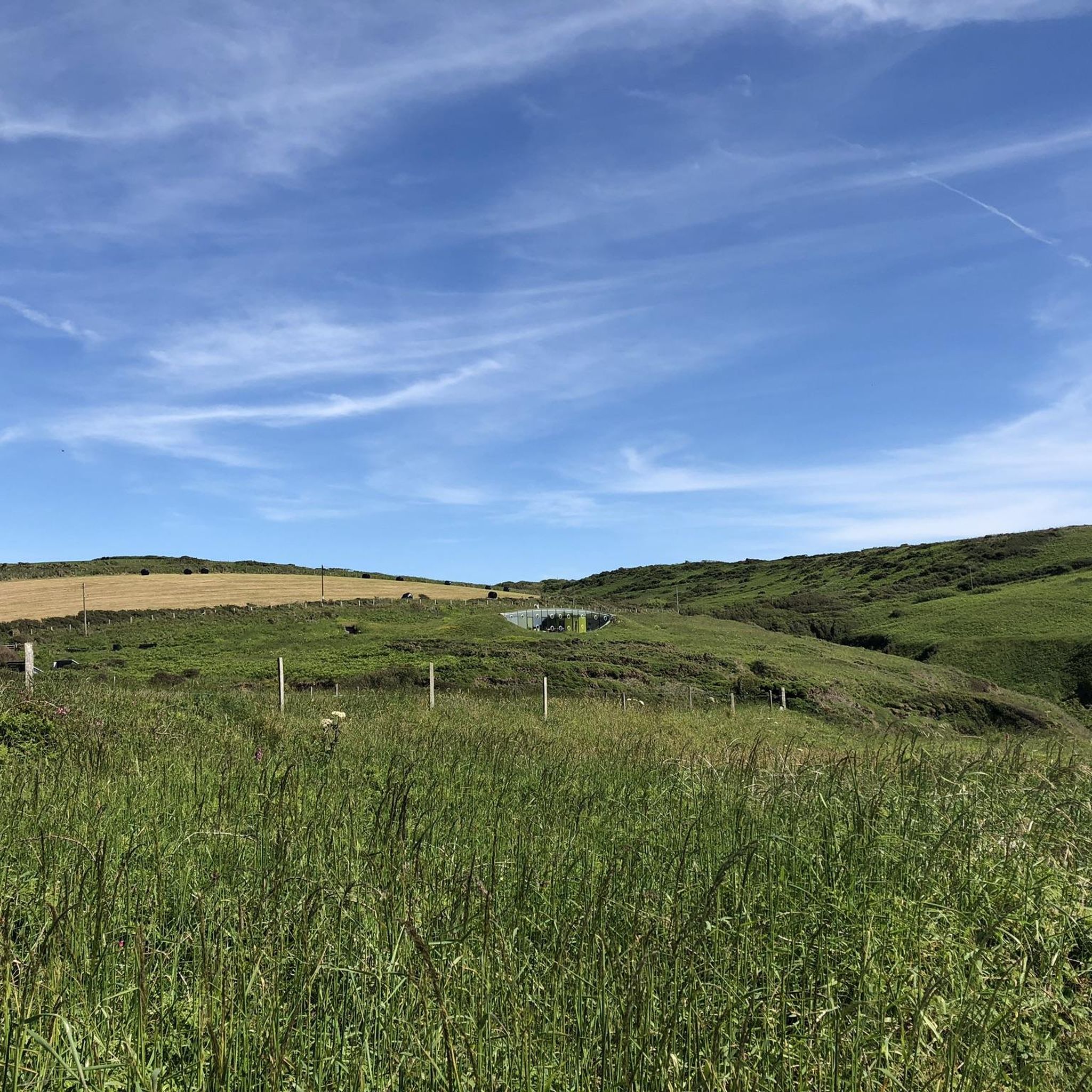
Wiston Castle is recognised as one of the best-preserved motte-and-bailey castles in Wales. It's thought that Wiston Castle was probably originally built by an early Flemish settler with the unusual and very cool name of Wizo. There are no visitor facilities here. Steps lead up to the stone shell keep (approx 4m high), with great views of the Preselis to the North.
1
0
Although it’s impressive from the riverside, very little of the castle remains other than the outside wall. Several towers on the south east and south west corners are still standing but there’s no access to the ramparts. The town museum can also be found in a building inside the outer keep of the Castle. Entry is £2, Open Monday to Saturday, 10 a.m. to 4 p.m.
1
0
The town museum can also be found in a building inside the outer keep of the Castle. Entry is £2, Open Monday to Saturday, 10 a.m. to 4 p.m.
1
0
Frequently Asked Questions
What types of historical sites can I expect to see around Rudbaxton?
Around Rudbaxton, you'll primarily find earthwork castles, which include Iron Age hillforts and Norman mottes. These sites, such as Rudbaxton Rath and Rudbaxton Motte, offer insights into early defensive strategies and the region's historical layers, rather than traditional stone castles. They provide a unique glimpse into ancient settlements and the Norman conquest.
Are there well-preserved stone castles near Rudbaxton?
While Rudbaxton itself is known for its earthwork remains, there are more traditional stone castles nearby. For example, Roch Castle is a historical site built as an outer defense of the Landsker, offering a commanding position. Another notable site is Haverfordwest Castle, though little of its original structure remains beyond the outer wall.
What is Rudbaxton Rath and why is it significant?
Rudbaxton Rath, also known as Symon's Castle, is one of Pembrokeshire's most impressive hillforts. It originated as an Iron Age hillfort and was later refortified as an Anglo-Norman earthwork castle. Its significance lies in showcasing both Iron Age and Norman defensive strategies, with visible earthworks and the historical presence of St Leonard's Chapel and a holy well. You can learn more about its history on Wikipedia.
What can I expect to see at Rudbaxton Motte?
Rudbaxton Motte consists of the slight remains of a circular motte, approximately 10 feet high, located within the farmyard of Great Rudbaxton farm. It represents a typical early Norman earthwork castle, crucial for establishing control in newly conquered territories during the 12th century. While not visually imposing, it offers historical context to the area, especially alongside the nearby St Michael's Church.
Are there family-friendly castles or attractions near Rudbaxton?
Yes, Picton Castle & Gardens is a highly recommended family-friendly attraction. It features beautiful gardens with a diverse collection of flowers and plants, and also offers a bird of prey flying display, making it an engaging visit for all ages.
What outdoor activities can I do near these castles?
The area around Rudbaxton offers various outdoor activities. You can find numerous hiking trails, such as the Boulston trail or the Little Treffgarne Woods loop. For cycling enthusiasts, there are MTB trails like the Llys-y-Frân Reservoir Cycle Trail, and road cycling routes including a 'Four Castles loop' from Haverfordwest. You can explore more options in the Hiking around Rudbaxton, MTB Trails around Rudbaxton, and Road Cycling Routes around Rudbaxton guides.
Are there hiking trails specifically around Rudbaxton Rath?
Yes, Rudbaxton Rath is accessible for exploration. While specific named trails directly on the Rath are not detailed, the site's earthworks are open for visitors to walk and imagine its historical layers. The surrounding area also offers various walking routes, and you can find more details on local hiking in the Hiking around Rudbaxton guide.
What is the best time to visit the castles and historical sites around Rudbaxton?
The best time to visit the castles and historical sites around Rudbaxton, especially for walking and outdoor activities, is generally during the spring and summer months (April to September). The weather is typically milder and drier, making it more pleasant for exploring earthworks and gardens. However, these sites can be visited year-round, with autumn offering beautiful foliage and winter providing a quieter, more atmospheric experience.
Is there parking available near Rudbaxton Rath?
While specific parking facilities directly at Rudbaxton Rath are not detailed, visitors typically find parking in nearby villages or designated areas for accessing historical sites and walking trails in the Pembrokeshire countryside. It is advisable to check local signage or community information for the most convenient parking options when planning your visit.
What natural features can I find near Rudbaxton's castles?
Rudbaxton Rath is situated on a hill overlooking the steep-sided valley of Carlett Brook, offering a natural setting for exploration. The broader Pembrokeshire area is renowned for its natural beauty, including the Pembrokeshire Coast National Park. While Rudbaxton's castles are primarily earthworks, they are nestled within a landscape that provides opportunities to enjoy the Welsh countryside.
Are there cafes, pubs, or accommodation options near Rudbaxton's historical sites?
Rudbaxton itself is a small village, so options directly adjacent to the earthwork castles may be limited. However, the nearby town of Haverfordwest, a short drive away, offers a wider selection of cafes, pubs, and accommodation. It serves as a convenient base for exploring the historical sites and natural beauty of the surrounding Pembrokeshire region.
What do visitors enjoy most about the castles and historical sites in this area?
Visitors appreciate the historical depth and unique nature of the sites. For instance, Haverfordwest Castle is valued for its museum within the outer keep, offering insights into local history. Picton Castle & Gardens is loved for its beautiful gardens and engaging bird of prey displays. The earthwork castles like Rudbaxton Rath are valued for their glimpse into ancient defensive strategies and the evolution of architecture.
Most popular attractions around Rudbaxton

Get inspired with the komoot mobile app


Explore more
Looking for the best castles somewhere else? Discover other guides around Rudbaxton:
