The best walks and hikes around Peterston-Super-Ely
4.6
(610)
8,440
hikers
370
hikes
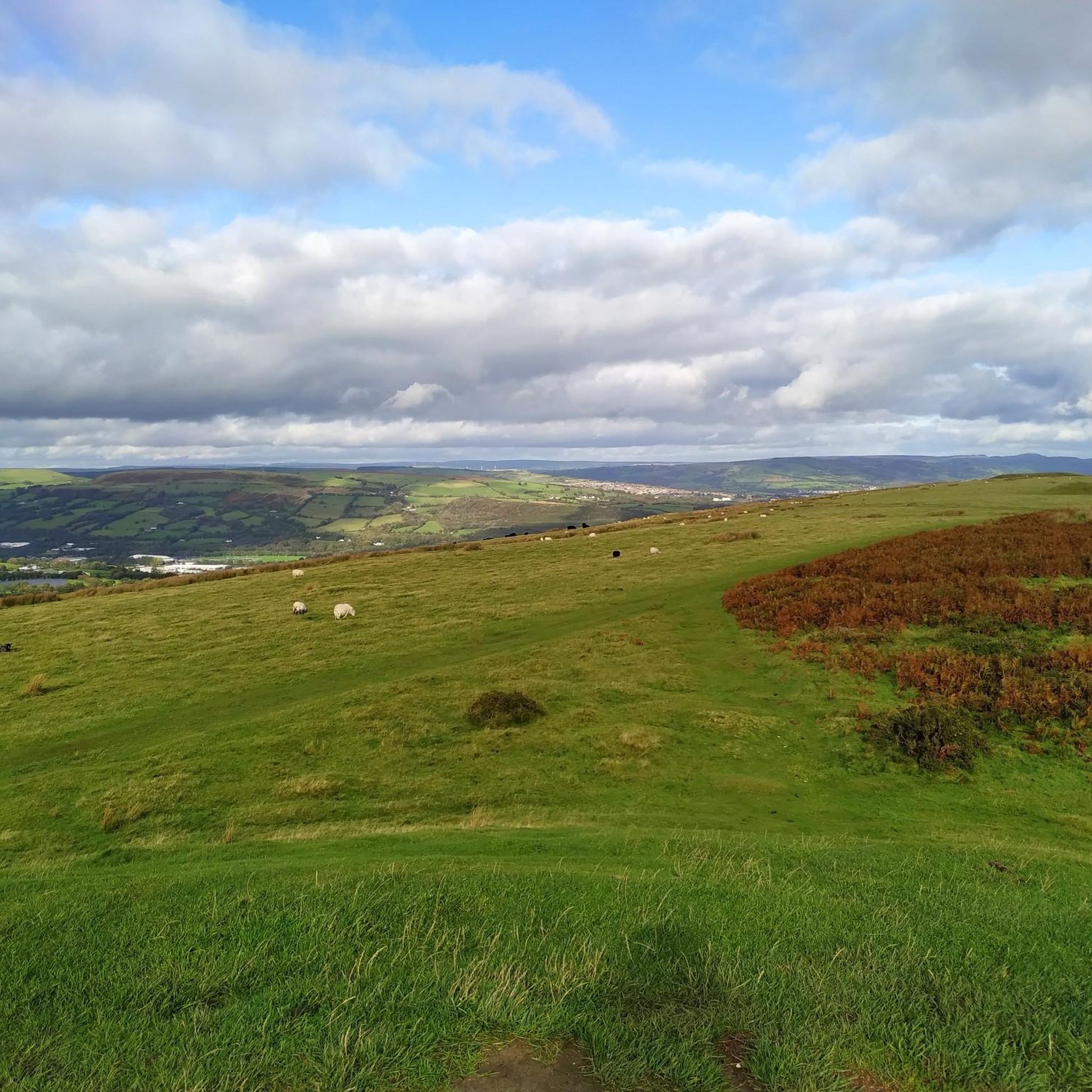
Hikes around Peterston-Super-Ely explore the Vale of Glamorgan, a landscape characterized by lush fields, gentle hills, and the meandering River Ely. The terrain consists mainly of riverside paths, farm tracks, and ascents to low ridges. Many routes incorporate historical sites, including Neolithic burial chambers and the grounds of the St Fagans National Museum of History.
Best hiking trails around Peterston-Super-Ely
- The most popular hiking route is the St Fagans National History Museum loop, a 2.5 mile (4.0 km) trail that takes about 1 hour to complete. This is an easy walk with minimal elevation, circling the grounds of the open-air museum.
- Another top favourite among local hiking enthusiasts is the Tinkinswood Burial Chamber – St Lythans Burial Chamber loop from St. Nicholas, a moderate 6.6 mile (10.6 km) path. The route connects two significant Neolithic sites through fields and along country lanes.
- Local hiking enthusiasts also love the Garth Summit – Carved Tree Face loop from Pentyrch, a 4.2 mile (6.8 km) trail leading through woodland, often completed in about 2 hours.
- Hiking around Peterston-Super-Ely is defined by riverside walks along the River Ely, footpaths through open fields, and routes connecting ancient historical landmarks. The network of trails offers options for different ability levels, from easy family-friendly hikes to more moderate countryside explorations.
- The routes in Peterston-Super-Ely are highly rated by the komoot community with an average score of 4.5 stars from over 500 reviews. More than 7,900 hikers have used komoot to explore Peterston-Super-Ely's varied terrain.
Last updated: June 21, 2026
4.8
(9)
51
hikers
Moderate hike. Good fitness required. Easily-accessible paths. Suitable for all skill levels.
3.0
(1)
11
hikers
6.94km
01:48
40m
40m
Easy hike. Great for any fitness level. Easily-accessible paths. Suitable for all skill levels.

Sign up for free
6
hikers
13.1km
03:34
180m
180m
Moderate hike. Good fitness required. Easily-accessible paths. Suitable for all skill levels.
2
hikers
6.62km
01:47
90m
80m
Easy hike. Great for any fitness level. Easily-accessible paths. Suitable for all skill levels.
3.0
(1)
6
hikers
11.9km
03:09
120m
120m
Moderate hike. Good fitness required. Easily-accessible paths. Suitable for all skill levels.
Get access to more routes and recommendations from other explorers.
Sign up for free
Already have an account?
Our route recommendations are based on thousands of hikes, rides, and runs completed by other people on komoot.
Start today with a free account
Your next adventure awaits.
Login or Signup
Tips from the Community

Ugly but kinda impressive grave - looks like concrete built... This Neolithic (New Stone Age) tomb is topped with one of largest capstones in Britain. Measuring a massive 24ft/7m by 15ft/4.5m and weighing around 40 tons (as much as an articulated lorry). Experts reckon that at least 200 individuals would have been required to hoist it into place. Excavations have uncovered the remains of over 50 people, along with broken pottery and flint tools. https://www.visitwales.com/de/attraction/historic-site/tinkinswood-burial-chamber-cadw-1843268
0
0

Tinkers Burial Chamber, also known as Tinkers Grave, is located in the Vale of Glamorgan, Wales. It is a notable prehistoric burial site characterized by its megalithic structure. Here are some key points about this site: Key Features: Historical Context: Tinkers Burial Chamber dates back to the Neolithic period, approximately 4,000 to 5,000 years ago. It is considered a burial tomb used by ancient communities. Structure: The chamber consists of a series of large stones arranged in a particular configuration, often covered by a mound of earth. This type of burial site is referred to as a dolmen or cromlech. Folklore and Local Legends: The site is steeped in local folklore. It is often associated with stories of itinerant workers or "tinkers," who were believed to be metalworkers or travelers. The site is sometimes considered to have supernatural associations. Archaeological Importance: Tinkers Burial Chamber is significant for understanding prehistoric burial practices and the social structures of ancient communities in this region. Archaeological studies have provided insights into the rituals and beliefs of the time. Location and Accessibility: The burial chamber is located in a scenic area of the Vale of Glamorgan, which is known for its natural beauty and historical sites. It is accessible to the public, making it a popular spot for visitors interested in history and archaeology. Easy to access with laybys to park in near by and easy to access via walking paths.
0
0
The St Lythans burial chamber (Welsh: Siambr Gladdu Llwyneliddon) is a single stone megalithic dolmen, built around 4,000 BC as part of a chambered long barrow, during the mid Neolithic period, in what is now known as the Vale of Glamorgan. It lies about half a mile (1 km) to the west of the hamlet of St Lythans, near Dyffryn Gardens. The site is on pasture land, but pedestrian access is allowed and is free. https://en.wikipedia.org/wiki/St_Lythans_burial_chamber
0
0

Tinkinswood Burial Chamber is a Neolithic tomb topped with one of the largest capstones in Britain. Measuring 24 feet (7 m) by 15 feet (4.5 m) and weighing as much as an articulated lorry, experts think it would have taken at least 200 people to hoist the massive stone into place.
0
0

St Fagans is an affluent village situated to the west of Cardiff in South Wales. The village is home to St Fagans National Museum of History, Wales' most popular heritage attraction that beautifully showcases the history of Welsh life. Whilst in St Fagans, a visit to the museum is a must. There are endless fascinating places to discover inside the grounds, including an old sweet shop, a chapel, a Workmen's Institute, a set of traditional cottages laid out in their original style, and a late 16th-century manor house and gardens. It is free to enter the grounds, and you can check out the opening times here https://museum.wales/stfagans/visit/
2
0
Ugly but kinda impressive grave - looks like concrete built... This Neolithic (New Stone Age) tomb is topped with one of largest capstones in Britain. Measuring a massive 24ft/7m by 15ft/4.5m and weighing around 40 tons (as much as an articulated lorry), how on earth did the builders get it up there? Experts reckon that at least 200 individuals would have been required to hoist it into place. Excavations have uncovered the remains of over 50 people, along with broken pottery and flint tools. https://www.visitwales.com/de/attraction/historic-site/tinkinswood-burial-chamber-cadw-1843268
0
0

Tinkinswood Burial Chamber is a Neolithic tomb topped with one of the largest capstones in Britain. Measuring 24 feet (7 m) by 15 feet (4.5 m) and weighing as much as an articulated lorry, experts think it would have taken at least 200 people to hoist the massive stone into place. Excavations have uncovered the remains of more than 50 people, plus pottery pieces and flint tools. According to legend, anyone who spends the night here on the evenings before May Day, St John’s Day or Midwinter Day will die, go mad or become a poet.
3
0
St Lythans Burial Chamber is a Neolithic tomb located in a field on the outskirts of Cardiff. It was originally covered by an earthen mound some 90 feet (27 m) in length. These days, only traces of this exterior remain, leaving its huge internal stones exposed. The chamber has never been excavated, so its contents remain a mystery.
3
0
Frequently Asked Questions
Are there many circular walks available around Peterston-Super-Ely?
Yes, the area is well-suited for circular hikes. Many trails are designed as loops that start and end in the village or nearby parking spots, allowing you to explore the River Ely, surrounding fields, and historical sites without retracing your steps. The Valeways' 'Ridge & Valley Walk' is a well-known example, consisting of two connecting loops.
What are the trails like for dog walking?
Dogs are welcome on most public footpaths, but be prepared for varied conditions. You'll encounter stiles, some of which may be difficult for larger dogs to cross. Trails can be very muddy, especially in the river's flood plain and areas used by livestock, such as the Lanlay Meadows. It's recommended to keep dogs on a lead, particularly near farm animals.
Can I find any family-friendly hikes in the area?
Absolutely. There are several easy, shorter walks perfect for a family outing. A great option is the St Fagans National History Museum loop, which is a gentle 4 km walk around the grounds of the popular open-air museum.
Are there any walks that feature historical sites?
Yes, the region is rich with history. You can explore routes that take you to ancient Neolithic sites. For a walk focused on this, consider the Tinkinswood Burial Chamber – St Lythans Burial Chamber loop from St. Nicholas, which connects two significant prehistoric monuments.
What are the parking options for starting a hike?
Parking is generally available in the villages, such as Peterston-Super-Ely itself, or at specific attractions like St Fagans Museum. For some popular trailheads, like those for Caerau Hillfort, you may need to find on-street parking in residential areas, so please park considerately.
Are there any good riverside walks?
The River Ely is a central feature of the landscape, and many trails follow its meandering path. These walks are typically flat and offer a peaceful experience with opportunities for wildlife spotting. You can find several routes that include a footbridge crossing over the river for a varied walk.
What kind of difficulty should I expect from the trails?
The area offers a good mix of difficulties. You'll find over 200 easy routes, which are mostly flat walks along the river or through fields. There are also over 130 moderate trails that involve more distance and gentle ascents onto the ridges for rewarding views. There are very few technically difficult hikes.
Are there any routes with good views?
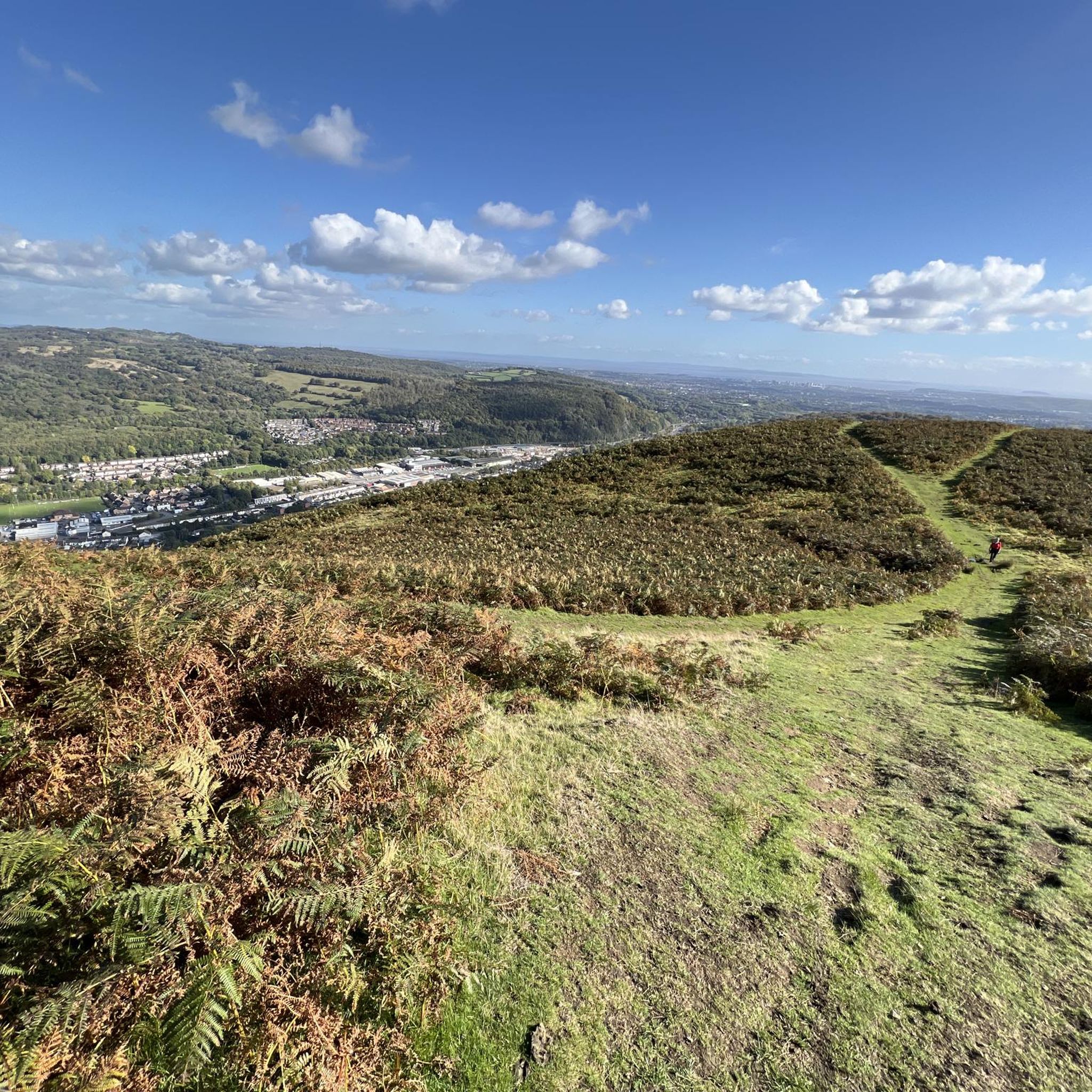
For panoramic views, you'll want to take a trail that climbs one of the local ridges. From these higher points, you can see across the Vale of Glamorgan towards landmarks like Garth Mountain. The Garth Summit – Carved Tree Face loop from Pentyrch is a great choice for its rewarding vistas.
What do other hikers say about the trails near Peterston-Super-Ely?
The trails are highly regarded by the komoot community. Reviewers often praise the combination of serene riverside paths, the rich local history, and the beautiful views from the ridges. The mix of easy and moderate routes makes it an accessible and enjoyable area for many hikers.
Can I get to the trailheads using public transport?
Peterston-Super-Ely is a village, so public transport options may be limited compared to a city. Bus services connect the village to Cardiff and other towns in the Vale of Glamorgan, but they may not be frequent. It's best to check local bus schedules in advance to plan your journey.
What is the terrain like? Should I wear hiking boots?
The terrain is varied, consisting of riverside paths, woodland tracks, and open farm fields. Many paths, especially in the Ely floodplain and at Lanlay Meadows, can be very muddy and wet, particularly after rain.
Sturdy, waterproof hiking boots are strongly recommended to handle the mud and uneven ground comfortably.
Are there any pub walks in the area?
Many circular routes start or finish in Peterston-Super-Ely or other nearby villages, which have traditional pubs. While there are no specific 'pub walk' routes listed, it's easy to plan your hike to end near a pub for refreshments. Always check the pub's opening times before you set off.
Most popular routes around Peterston-Super-Ely
Most popular attractions around Peterston-Super-Ely

Get inspired with the komoot mobile app


Explore more
Browse the best Hikes in other regions.
