Attractions and Places To See around Llangynog - Top 16
Best attractions and places to see around Llangynog include a blend of historical sites and natural features. Llangynog is a village situated at the confluence of the Rivers Eirth and Tanat, at the foot of the Berwyn Mountain range in Powys, Wales. The area has a history as a mining and quarrying center, with visible remains of lead mines and quarries. It offers a setting for outdoor activities, including walking and mountain biking.
Best attractions and places to see around…
Last updated: June 20, 2026
Laugharne Castle
Highlight • Historical Site
Today, the castle is open from April until October, and you can find out more to plan your visit here: cadw.gov.wales/visit/places-to-visit/laugharne-castle
Tip by

Dylan Thomas Boathouse
Highlight • Viewpoint
Tip by
Sign up now to discover places like this
Get recommendations on the best single tracks, peaks, & plenty of other exciting outdoor places.
Sign up for free
Kidwelly Castle
Highlight • Historical Site
Tip by

Llansteffan Castle Ruins
Highlight • Castle
Tip by

Pendine Sands
Highlight • Viewpoint
Tip by
Sign up for free to discover even more attractions around Llangynog.
Sign up for free
Already have an account?
Start today with a free account
Your next adventure awaits.
Login or Signup
Tips from the Community

A visit to the ruins currently costs £6.50. Beautiful views over the bay from the tower.
0
0


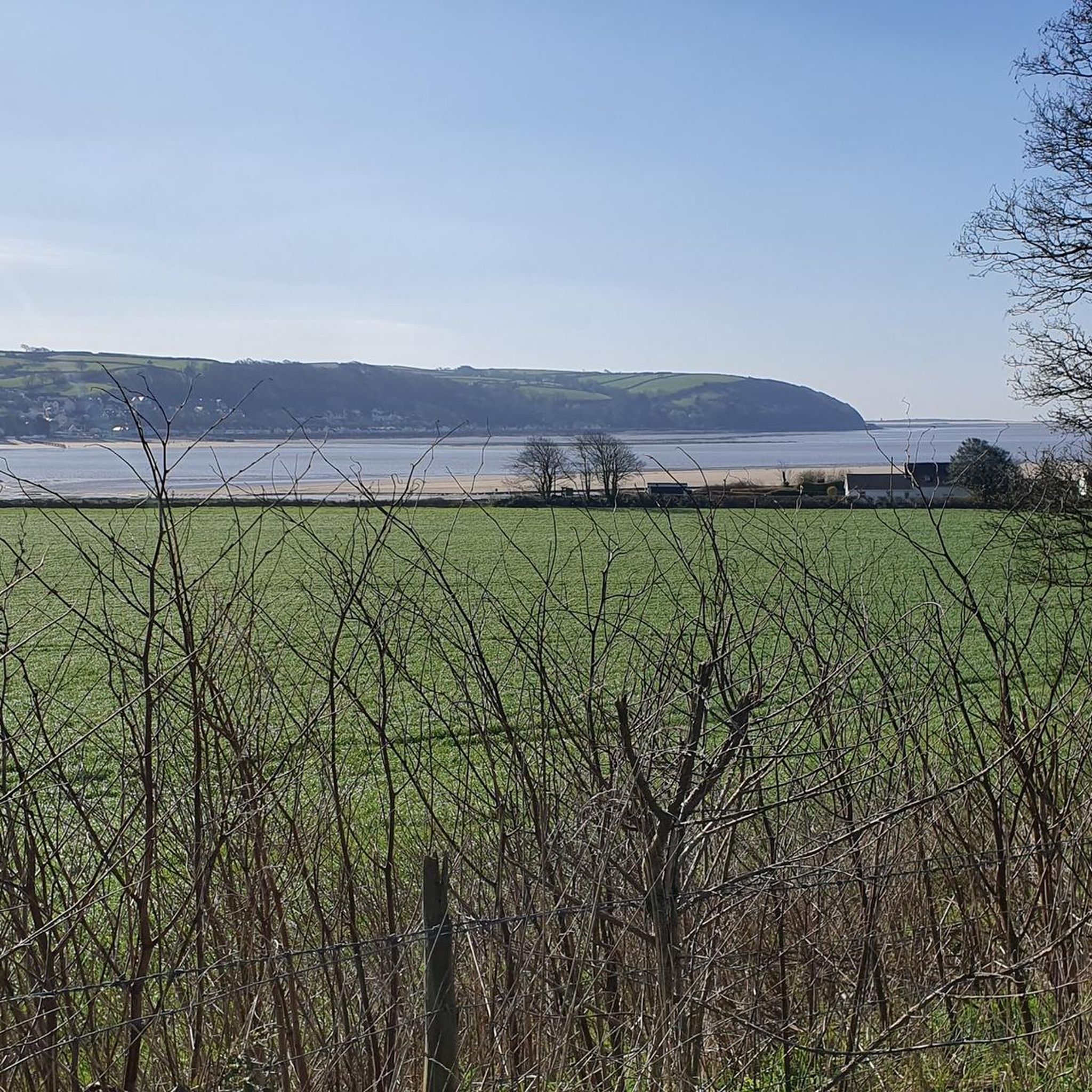
Ruins of a castle a short walk from Llansteffan beach. Apparently “The castle was built by the Normans after 1100” it is privately owned but under a deed of guardianship. Worth the walk up the hill to it!
0
0

Worth leaving Sustrans Route 4 to take a look at the castle. Only a short diversion
0
0

The footpath beyond the boathouse was closed in Nov 23 due to being unsafe and was still closed in January 2024 when I visited.
1
0

The memorial at the Castle celebrates Gwenllian, one of Wales's greatest heroines. In 1136 she led a Welsh army against Marcher lord Maurice de Londres. The battle took place nearby and despite her bravery Gwenllian was captured and beheaded. Gwenllian was a princess by birth and marriage. Her husband, Gruffudd ap Rhys, was prince of Deheubarth; her father, Gruffudd ap Cynan, Prince of Gwynedd. King Henry I died in 1135. With no heir, England was left in turmoil. Sensing the chance to win back lands, the Welsh launched a campaign against Anglo Norman rule. Gruffudd travelled to Gwynedd to gather support. With her husband away, Gwenllian led her doomed army against a Norman counter attack. Gwenllian and Gruffudd's greatest legacy was their youngest son, The Lord Rhys, who rose to become the most important Welsh ruler of the time.
1
0

Laugharne Castle dates to 1116. It was later rebuild as a Norman stronghold and has seen many revisions since. Today, the castle is open from April until October, and you can find out more to plan your visit here: cadw.gov.wales/visit/places-to-visit/laugharne-castle
2
0
Frequently Asked Questions
What historical sites can I explore around Llangynog?
Llangynog and its surroundings are rich in history. You can visit Laugharne Castle, a historical site dating back to 1116 that was later rebuilt as a Norman stronghold. Another significant historical site is the Dylan Thomas Boathouse, where the famous poet lived. Further afield, explore the ruins of Llansteffan Castle, built by the Normans after 1100, or the impressive Kidwelly Castle, which has a memorial to Gwenllian, a Welsh heroine. The village itself has St. Cynog's Church and St. Melangell's Church, both with long histories, and the Iron Age hillfort of Craig Rhiwarth overlooking Llangynog.
Are there any natural features or viewpoints worth visiting near Llangynog?
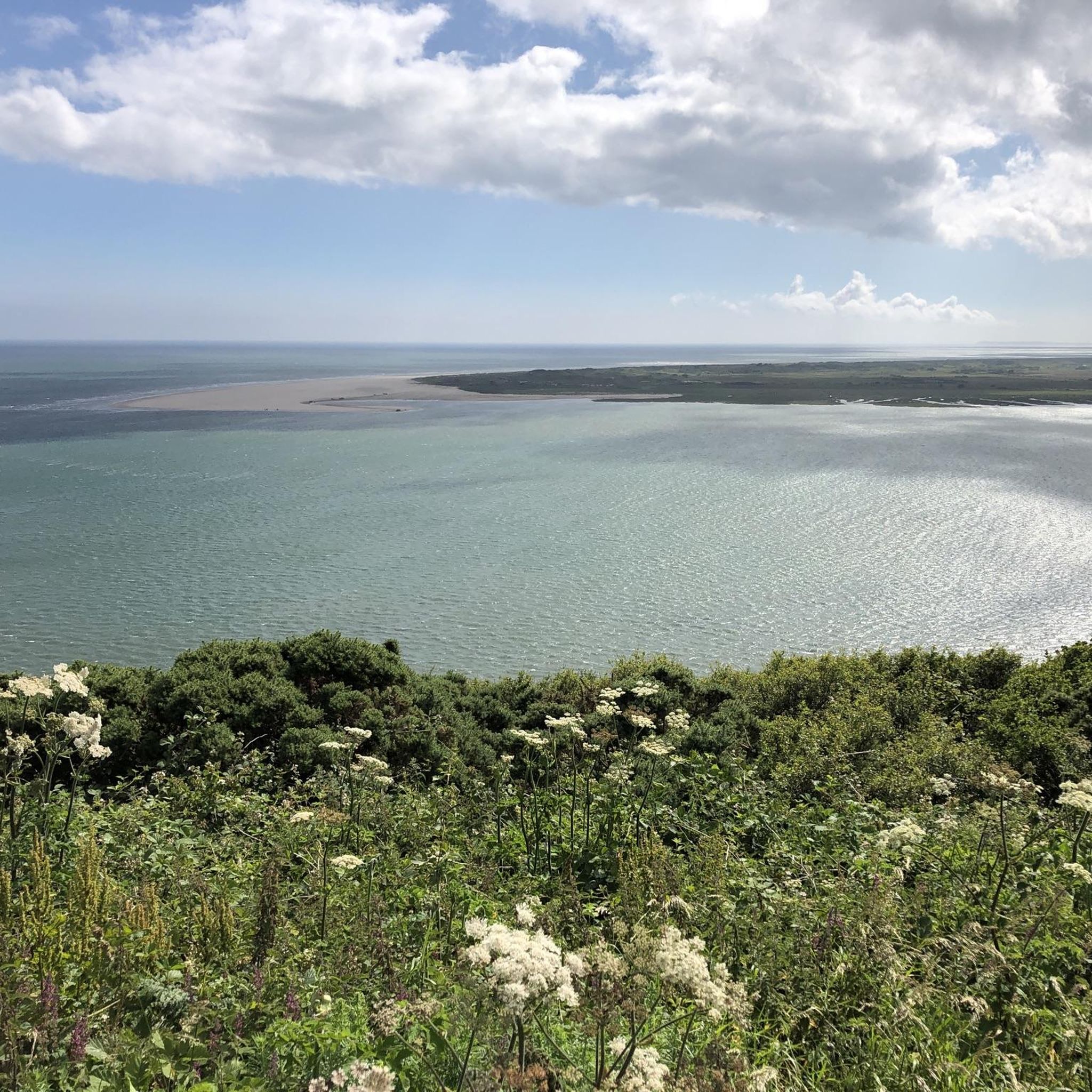
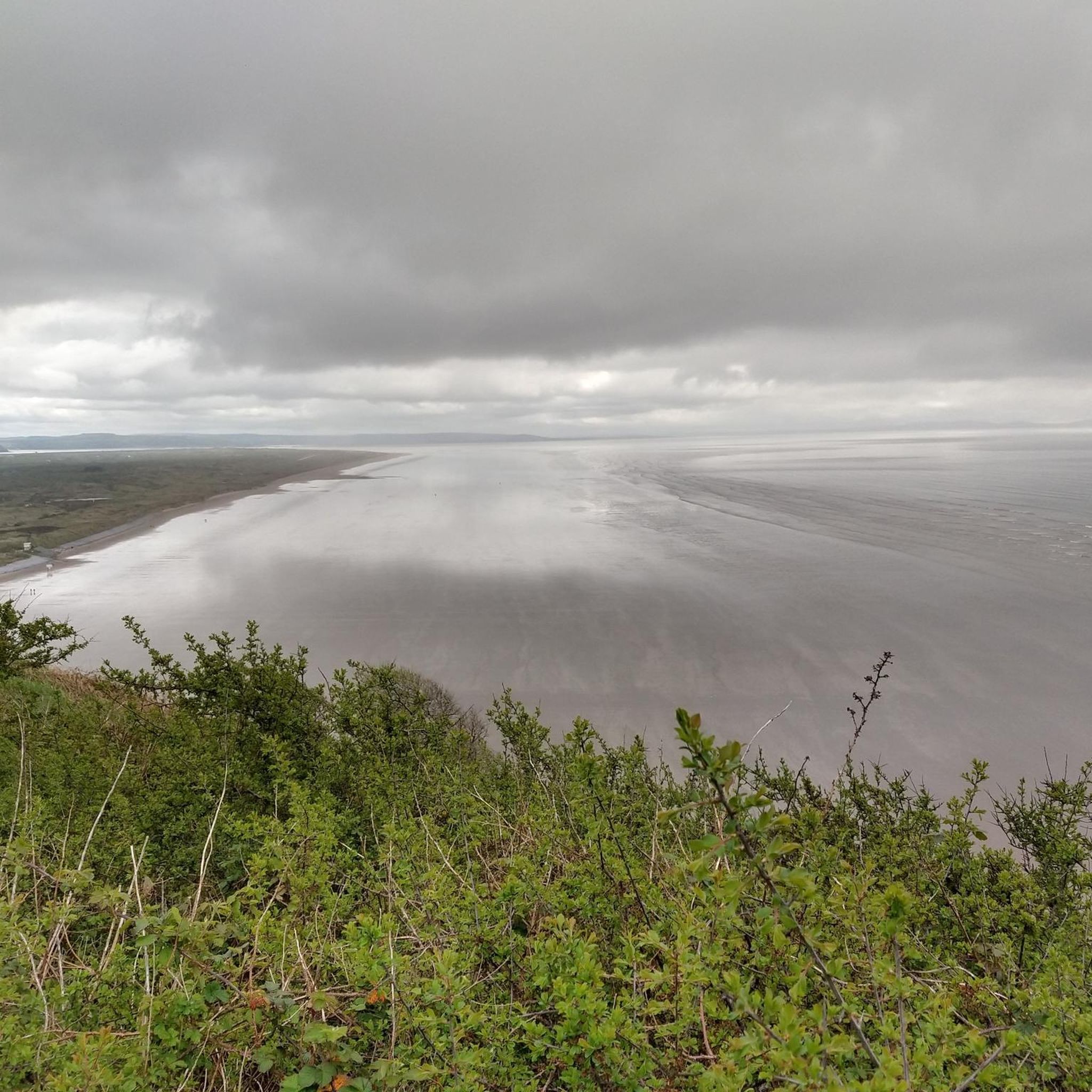
Absolutely. The most spectacular natural feature is Pistyll Rhaeadr, often cited as Britain's highest single-drop waterfall, located in the Berwyn Mountains. The Berwyn Mountain Range itself offers stunning views and is a popular base for walkers. You can also visit Pendine Sands, a long strip of sand known for its history of land speed records. The Dylan Thomas Boathouse also offers wonderful views of the Taf estuary.
What outdoor activities can I do around Llangynog?
Llangynog is an excellent base for outdoor activities. The Berwyn Mountain Range is popular for walking and mountain biking. The Pistyll Rhaeadr waterfall area is great for walks. For cyclists, there are numerous routes, including road cycling and touring bicycle options. You can find detailed routes in the Road Cycling Routes around Llangynog and Cycling around Llangynog guides. Runners can explore trails listed in the Running Trails around Llangynog guide. The Revolution Mountain Bike Park offers dedicated trails for mountain biking enthusiasts.
Are there family-friendly attractions in the Llangynog area?
Yes, several attractions are suitable for families. Laugharne Castle and Kidwelly Castle are both listed as family-friendly historical sites. Pendine Sands offers a beautiful beach experience for all ages. Additionally, the Bala Lake Railway provides a scenic journey alongside Wales' largest natural lake, which is also great for boating and other water activities.
Where can I go for a scenic walk or hike near Llangynog?
The area around Llangynog is ideal for scenic walks. The Berwyn Mountains offer numerous opportunities for hikers, with notable peaks like Cadair Bronwen and Moel Sych providing impressive views. A popular destination for a walk is the spectacular Pistyll Rhaeadr waterfall. The Tanat Valley, where Llangynog is situated, also features beautiful landscapes with oak woodlands and gentle slopes.
What is the best time of year to visit Llangynog for outdoor activities?
The Llangynog area is popular for outdoor activities such as walking, cycling, and exploring the unspoiled mountain landscape throughout much of the year. Spring is particularly beautiful, bringing snowdrops, wood anemones, and bluebell woods. Summer offers pleasant weather for hiking and cycling. While specific seasonal considerations for winter hiking are not detailed, the area's natural beauty can be enjoyed in various seasons.
Are there any places for wild swimming or water activities?
Yes, Bala Lake (Llyn Tegid), Wales' largest natural lake, is ideal for wild swimming, sailing, canoeing, and trout fishing. Lake Vyrnwy, a large reservoir in the Berwyn mountain range, also offers boating and various adventure activities.
What cultural sites are there in Llangynog?
Llangynog has a rich cultural heritage. You can visit St. Cynog's Church, which has roots dating back to around 434 AD, and St. Melangell's Church, a historic pilgrimage church known for its medieval shrine. The Llangynog Memorial Hall, built in 1937, continues to host frequent cultural events.
Can I find cafes or places to eat near the attractions?
Yes, there are some options. The Dylan Thomas Boathouse has an outside tearoom. Additionally, the Pistyll Rhaeadr waterfall has facilities including a tea room nearby.
What is the significance of Llangynog's mining history?
Llangynog has a significant history as a mining and quarrying center. Lead was first discovered in 1692, and the village's lead mines were among the most productive in Britain in the early 18th century. Old mine shafts and spoil heaps are still visible on Cyrniau, with some now incorporated into the Revolution Bike Park trails. The area also has a history of slate and stone quarrying.
Are there any mountain biking opportunities in the area?
Yes, the Revolution Mountain Bike Park in Llangynog offers a variety of trails, from fast and flowy to rocky and technical, set within 120 acres of private woodland. The Berwyn Mountain Range is also a popular base for mountain bikers.
Most popular routes around Llangynog
Most popular attractions around Llangynog

Get inspired with the komoot mobile app


Explore more
Still not found the Highlight you’re looking for? See guides of the top attractions in other regions:
