Attractions and Places To See around Llangrannog - Top 18
Attractions and places to see around Llangrannog include a blend of natural beauty, historical landmarks, and cultural points of interest. This picturesque coastal village in Ceredigion, Wales, is known for its sandy beaches and distinctive rock formations. The area features ancient geological heritage and is situated directly on the Wales Coast Path, offering scenic walks.
Best attractions and places to see around Llangrannog
- The most popular attractions is Llangrannog Beach, a beach that is a popular sandy bay with lifeguards during summer months. It is suitable for swimming and surfing, and features a cafe.
- Another must-see spot is New Quay Harbour, a settlement with shops, cafes, and a small beach. This location is known for potential dolphin and porpoise sightings from its pier.
- Visitors also love Statue of St Carannog, a viewpoint and man-made monument. This bronze statue of Saint Crannog is positioned on the headland overlooking Llangrannog beach, offering views of the area.
- Llangrannog is known for its beaches, historical sites, and viewpoints. The area offers a variety of attractions to see and explore, from coastal features to cultural landmarks.
- The attractions around Llangrannog are appreciated by the komoot community, with 27 upvotes and 9 photos shared across the highlights.
Last updated: July 2, 2026
Statue of St Carannog
Highlight • Viewpoint
The sculpture highlights his identity as a wandering missionary, depicted in humble attire and bearing the tools of his trade.
From here you'll also get a fantastic view over Llangrannog beach.
Tip by

Llangrannog Beach
Highlight • Beach
Dogs are banned to the west of the stream from May to September.
Tip by

Sign up now to discover places like this
Get recommendations on the best single tracks, peaks, & plenty of other exciting outdoor places.
Sign up for free
Castell Bach Cove and Hillfort
Highlight • Beach
The beach has an enclosed feel to the rear are high grassy cliffs, while the seaward side is dominated by a rocky knoll, which never quite becomes an island. There are some striking folded strata to be seen on this rock.
Tip by

New Quay Old Coastguard Lookout
Highlight • Viewpoint
Tip by

Cwmtydu Beach
Highlight • Viewpoint
Tip by
Sign up for free to discover even more attractions around Llangrannog.
Sign up for free
Already have an account?
Start today with a free account
Your next adventure awaits.
Login or Signup
Tips from the Community


Welsh abbot and monastery founder, also called Carantac. He founded a church in Llangrannog, Wales, spent time in Ireland, and after returning to Wales, founded a monastery at Cernach. He is associated with Crantock in Cornwall and Carhampton in Somerset, England. He is also venerated in Brittany, France. He is sometimes identified with a Welsh prince, Carantac, a helper of St. Patrick.
0
0

Cwmtydu Beach is located to the south-west of New Quay. It is a charming and peaceful spot with stunning views. There’s also a lovely coffee shop nearby and plenty of parking.
1
0

Built as a lookout in case of military invasion, this lookout, perched high on the cliffs at Newquay, would later be used by the coastguard keeping an eye out for smuggling.
0
0
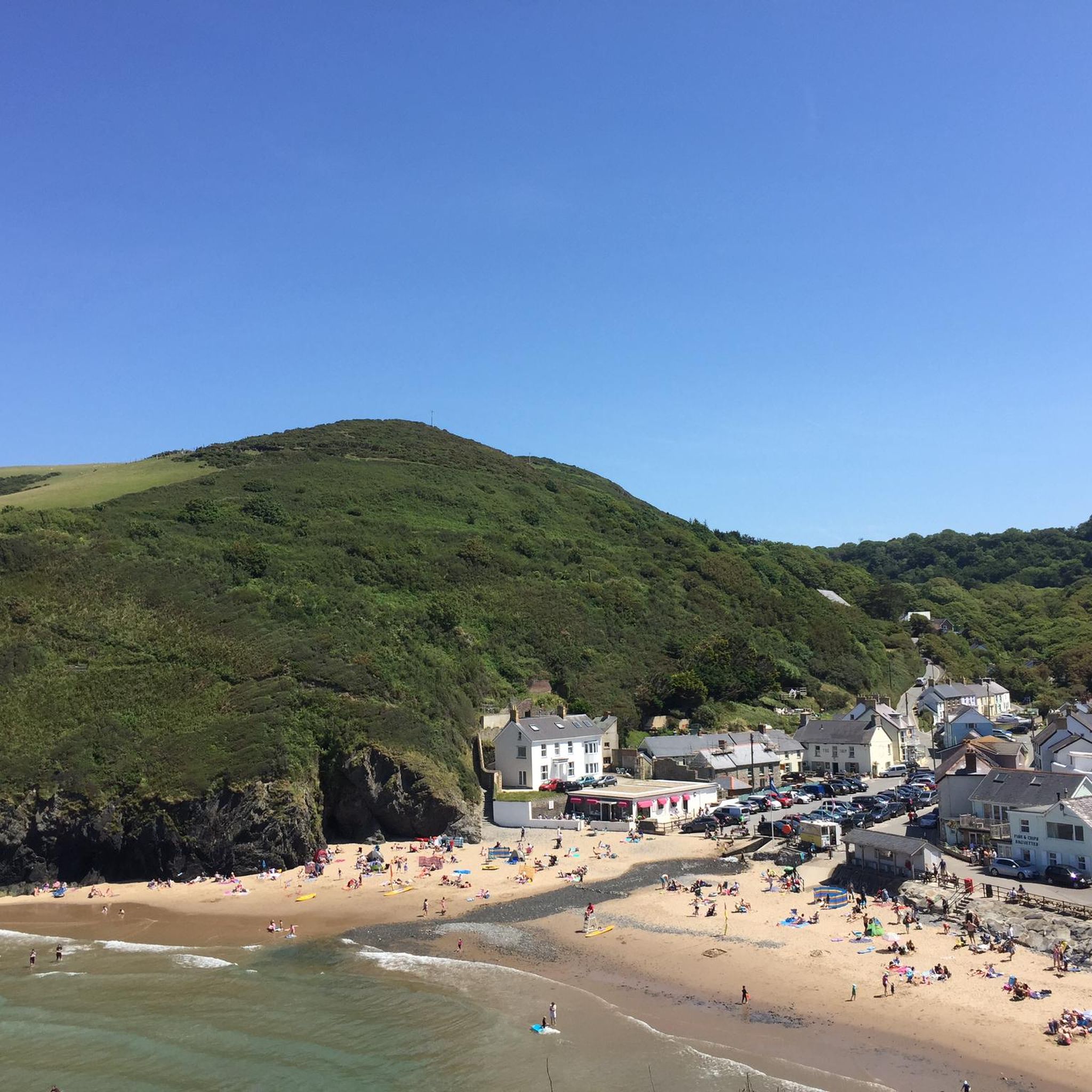
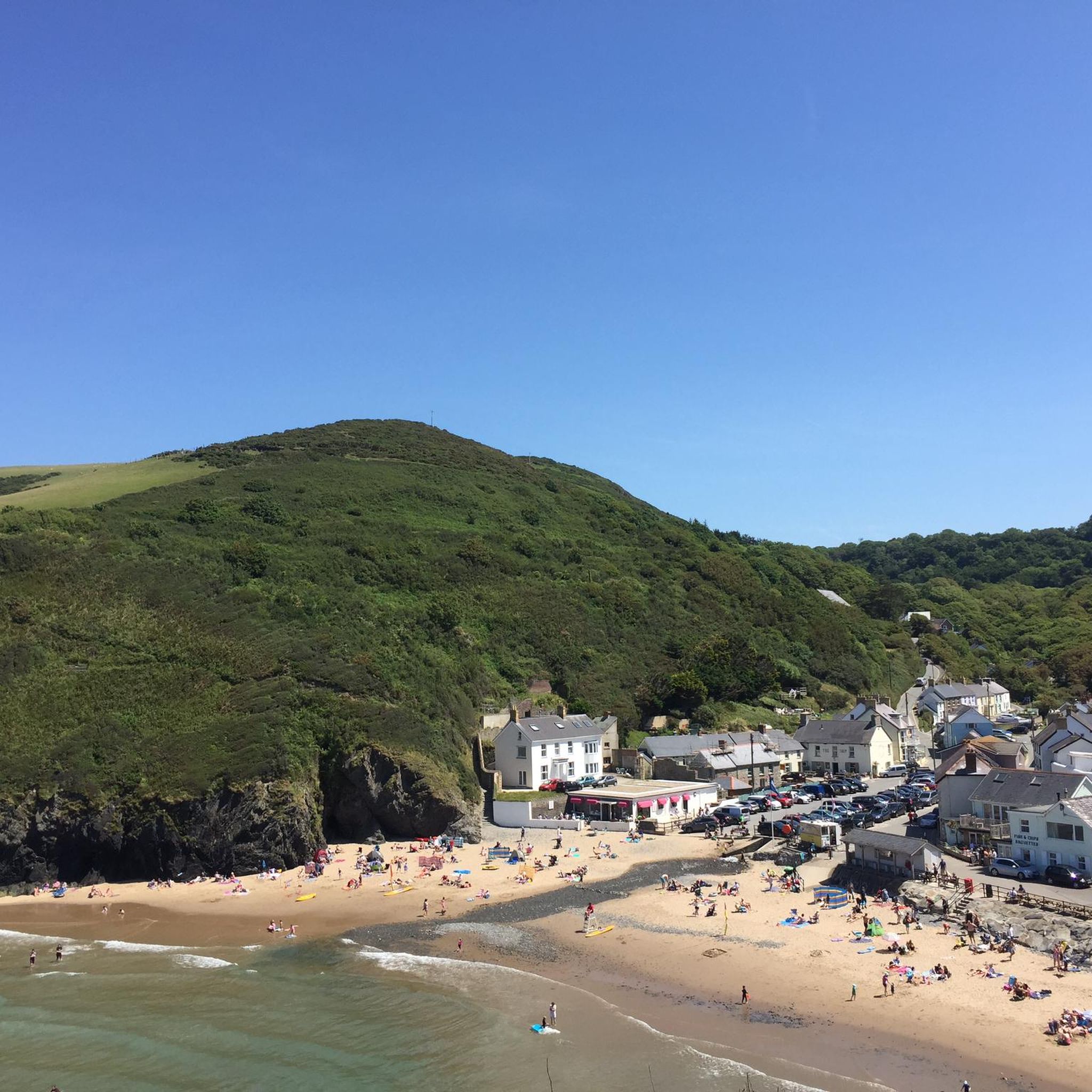
Llangrannog beach is a popular sandy bay with lifeguards in the summer months. It's a great place for swimming and surfing. Dogs are banned to the west of the stream from May to September.
2
0

This bronze statue of Saint Crannog, positioned on the headland overlooking the beach, was crafted by the internationally renowned sculptor Sebastien Boyesen, a resident of Llangrannog. The sculpture highlights his identity as a wandering missionary, depicted in humble attire and bearing the tools of his trade. From here you'll also get a fantastic view over Llangrannog beach.
1
0
Cwmtydu is an attractive, quiet beach that was once a harbour used as a traditional smugglers' hideaway.
1
0

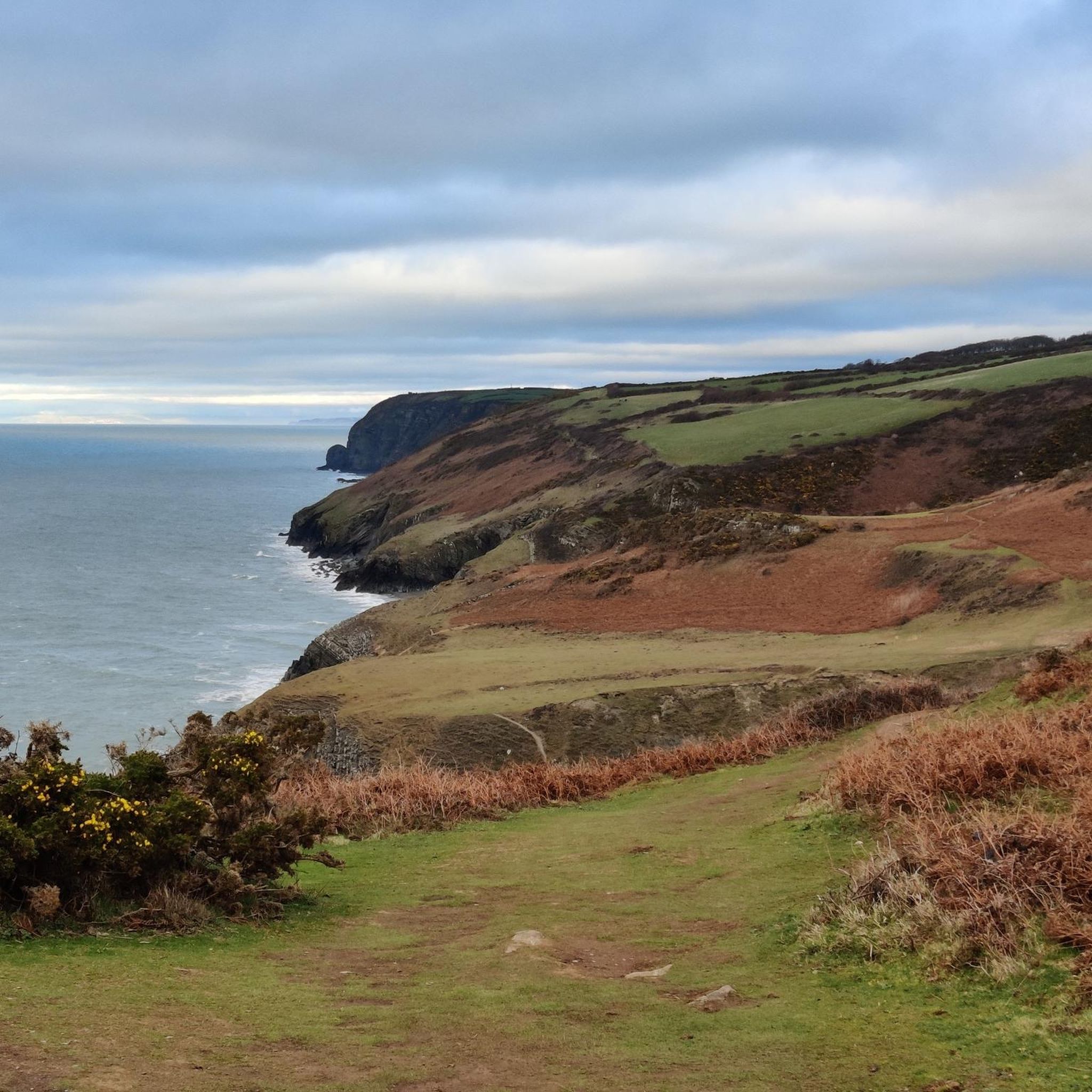
Castell Bach, (“Little Castle”) is an interesting little cove with a Celtic iron age hillfort which sits on the plateau overlooking the cove. Although there is little to see of the “castle” today it is still a great spot to take in the scenery. The beach has an enclosed feel to the rear are high grassy cliffs, while the seaward side is dominated by a rocky knoll, which never quite becomes an island. There are some striking folded strata to be seen on this rock.
1
0
Frequently Asked Questions
What natural features can I explore around Llangrannog?
Llangrannog is rich in natural beauty. You can visit Llangrannog Beach, known for its sandy shores and the distinctive rock formation Carreg Bica, which separates it from Cilborth Beach. The area also features the River Hawen, which flows across the beach, and the Y Gerwn Waterfall further inland. For stunning views and potential dolphin sightings, explore Ynys Lochtyn, a rocky peninsula that becomes an island at high tide.
Are there any historical sites or landmarks to visit in Llangrannog?
Yes, Llangrannog has several historical points of interest. You can see the Statue of St Carannog, a bronze sculpture overlooking the beach. The village is also home to St Carannog Church, which stands on the site of a 6th-century church and houses Norman treasures. Additionally, you can find the ancient St Mary's Well (Ffynnon Fair), the remains of a Celtic Iron Age hillfort at Castell Bach Cove and Hillfort, and a preserved 1887 Lime Kiln.
What activities are available for families in Llangrannog?
Llangrannog offers several family-friendly options. Llangrannog Beach is popular for swimming and surfing, with lifeguards during summer. Nearby New Quay Harbour provides a charming settlement with shops, cafes, and a small beach, often with dolphin and porpoise sightings from its pier. The Urdd Gobaith Cymru Centre, a significant cultural site, offers modern facilities like a swimming pool, gokart track, ski slope, and an adventure zone with a zipwire, climbing, and abseiling, catering to children and young people.
Where can I go for a walk or hike near Llangrannog?
Llangrannog is situated directly on the spectacular Wales Coast Path, offering challenging and scenic walks with stunning views. You can explore routes connecting to other beaches like Cwmtydu Beach. For more detailed hiking options, including routes like the 'View from Pen Y Badell – Hufen La Café loop', you can find various trails in the Hiking around Llangrannog guide.
Are there opportunities for cycling around Llangrannog?
Yes, the area around Llangrannog offers several cycling routes. You can find various options, from moderate to difficult, including routes like the 'Llangrannog Beach – Statue of St Carannog loop'. For a comprehensive list of cycling trails and their details, refer to the Cycling around Llangrannog guide.
What are the best places for dolphin and seal spotting?
The clear waters around Llangrannog and nearby New Quay are excellent for dolphin and seal spotting. You can often see dolphins or porpoises from the pier at New Quay Harbour. Various boat trips are also available from New Quay and Gwbert in Cardigan to increase your chances of sightings.
Are there any pubs or cafes in Llangrannog?
Yes, Llangrannog has several welcoming establishments. The village boasts pubs like The Pentre Arms and The Ship Inn, which serve food and occasionally host live music. For lighter fare, you can visit cafes such as the Patio Café and The Beach Hut, with the latter being conveniently located right on Llangrannog Beach.
What is Carreg Bica?
Carreg Bica is a prominent rock formation that separates Llangrannog Beach from Cilborth Beach. It's a local landmark, geologically an Ordovician rock stack weathered by the sea. Legend attributes it to the tooth of a giant named Bica.
Can I go running near the attractions in Llangrannog?
Absolutely. The coastal paths and surrounding areas provide excellent opportunities for running. You can find various routes, including challenging loops like the 'Statue of St Carannog – Cwmtydu Beach loop'. For detailed running trails and their difficulty levels, check out the Running Trails around Llangrannog guide.
What makes Llangrannog geologically interesting?
Llangrannog sits on a boundary of very old Silurian and Ordovician rock formations, which are recognized internationally by geologists. This geological heritage is visible in features like Carreg Bica and the striking folded strata found at places like Castell Bach Cove and Hillfort.
What is the Wales Coast Path like around Llangrannog?
The Wales Coast Path around Llangrannog offers spectacular and often challenging walks. It provides stunning views in both directions, connecting the village to other beautiful beaches like Cwmtydu Beach and Penbryn. Be prepared for varied terrain and elevation changes, typical of coastal routes.
Are dogs allowed on Llangrannog Beach?
Dogs are generally allowed on parts of Llangrannog Beach. However, there is a seasonal ban to the west of the stream from May to September. It's always best to check local signage for the most current restrictions.

Get inspired with the komoot mobile app


Explore more
Still not found the Highlight you’re looking for? See guides of the top attractions in other regions:
