The best running trails around St. Asaph
4.5
(12)
2,463
runners
12
runs
Jogging around St. Asaph offers access to diverse landscapes within the Vale of Clwyd, characterized by verdant countryside and the flowing River Elwy. The region provides a mix of flat riverside paths, open green spaces like St Asaph Common, and proximity to the Clwydian Range, an Area of Outstanding Natural Beauty. This varied terrain allows for a range of running experiences, from gentle routes along riverbanks to more challenging trails with elevated views.
Best jogging routes around St. Asaph
- The most popular jogging route is Rhuddlan Nature Reserve loop from St Asaph, an 8.9 miles (14.3 km) trail that takes 1 hour 29 minutes to complete. This moderate route explores the natural surroundings of the Rhuddlan Nature Reserve.
- Another top favourite among local runners is Rhuddlan Nature Reserve – Rhuddlan Castle loop from St Asaph, a moderate 6.1 miles (9.8 km) path. This route combines natural landscapes with historical landmarks, including Rhuddlan Castle.
- Local runners also love the Running loop from St Asaph, a 4.2 miles (6.8 km) trail leading through the local countryside, often completed in about 42 minutes.
- Jogging around St. Asaph is defined by riverside paths along the River Elwy, open commons, and views towards the Clwydian Range. The network offers options for different ability levels, from easy loops to more challenging runs.
- The routes in St. Asaph are highly rated by the komoot community with an average score of 4.3 stars from more than 10 reviews. More than 2,300 runners have used komoot to explore St. Asaph's varied terrain.
Last updated: August 20, 2026
18
runners
14.3km
01:28
50m
50m
Moderate run. Good fitness required. Mostly paved surfaces. Suitable for all skill levels.
26
runners
9.94km
01:02
40m
40m
Moderate run. Good fitness required. Mostly paved surfaces. Suitable for all skill levels.

Sign up for free
5.0
(1)
14
runners
6.76km
00:42
40m
40m
Moderate run. Good fitness required. Mostly paved surfaces. Suitable for all skill levels.
13
runners
13.6km
01:25
70m
70m
Moderate run. Good fitness required. Mostly paved surfaces. Suitable for all skill levels.
10
runners
13.2km
01:23
90m
90m
Moderate run. Good fitness required. Mostly paved surfaces. Suitable for all skill levels.
Get access to more routes and recommendations from other explorers.
Sign up for free
Already have an account?
Our route recommendations are based on thousands of hikes, rides, and runs completed by other people on komoot.
Start today with a free account
Your next adventure awaits.
Login or Signup
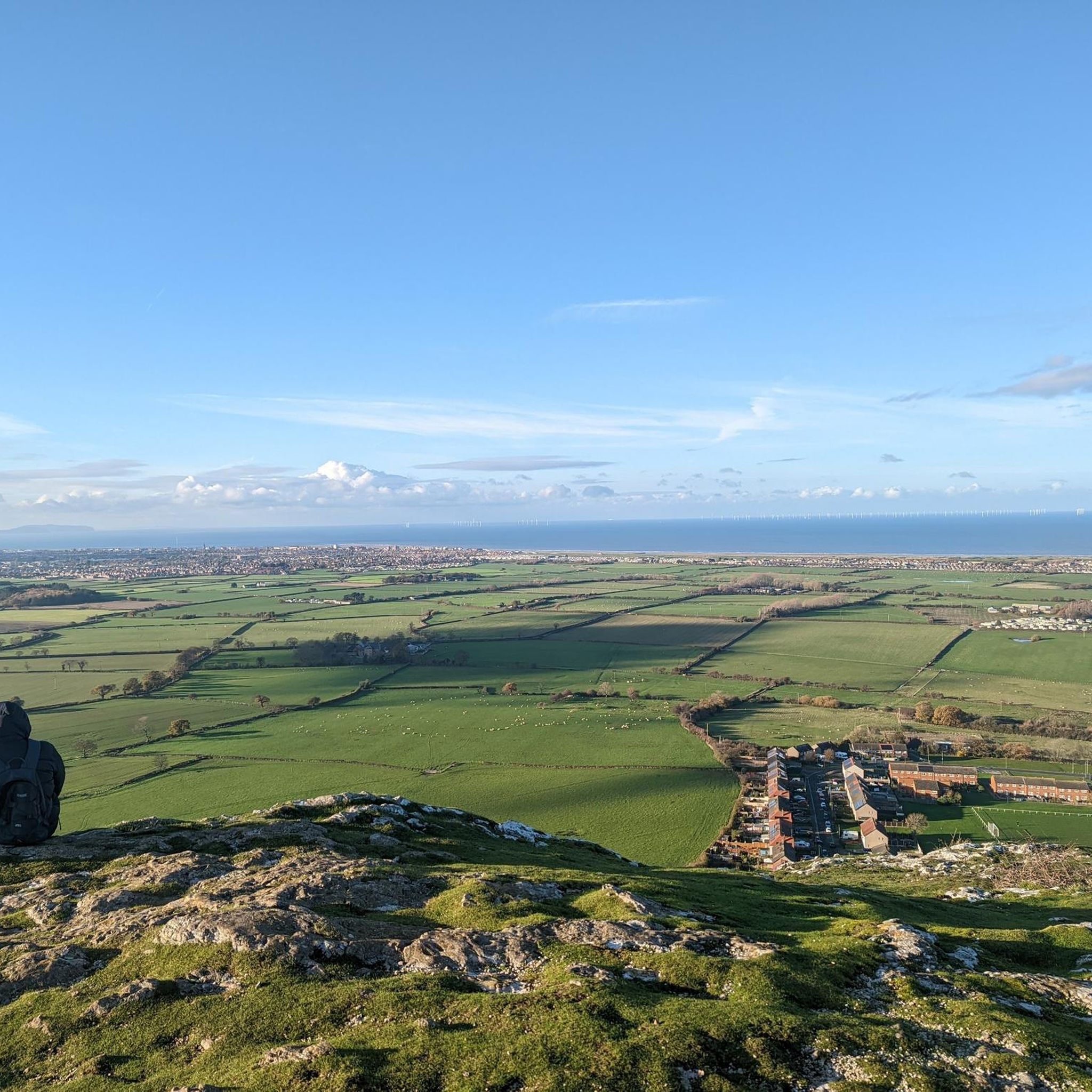
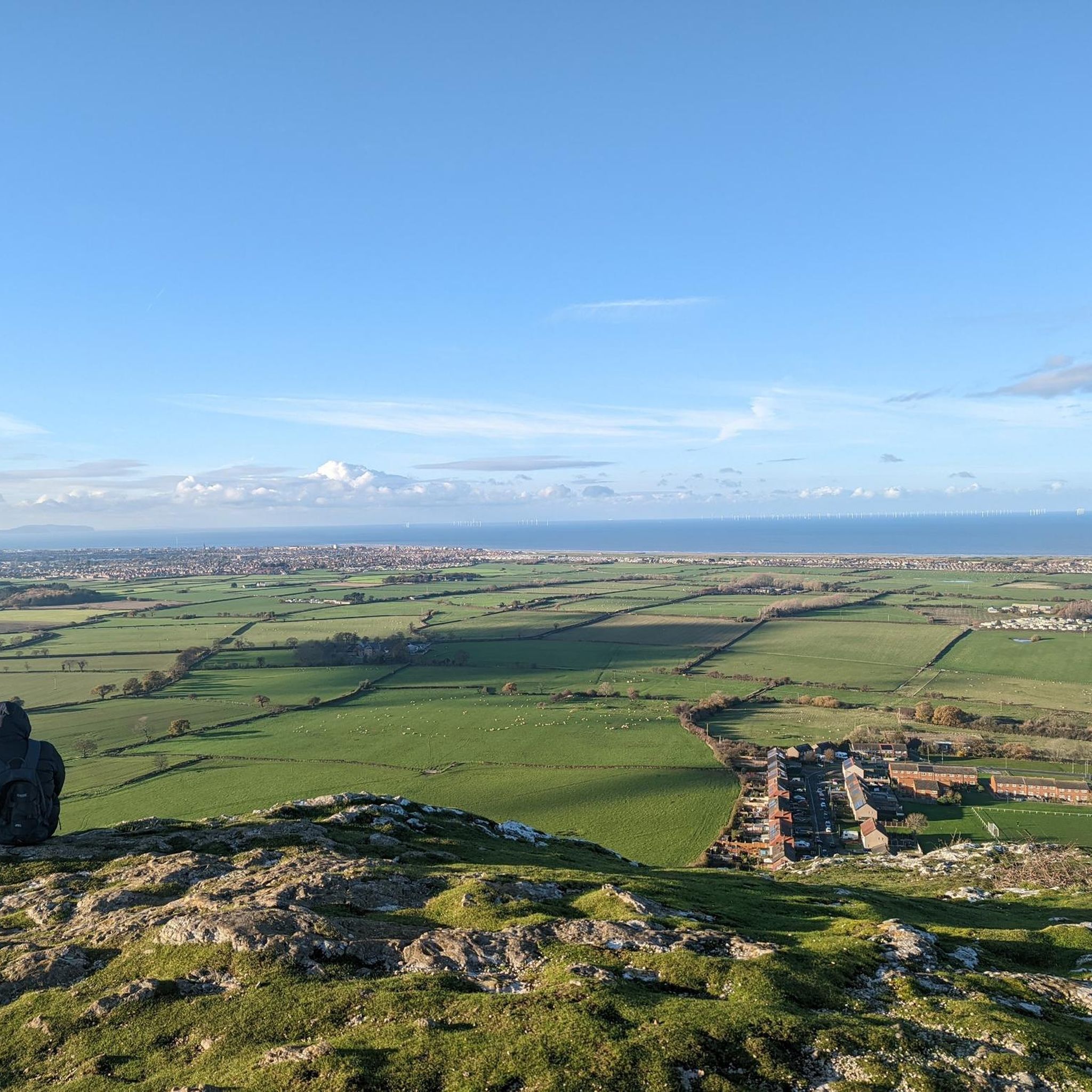
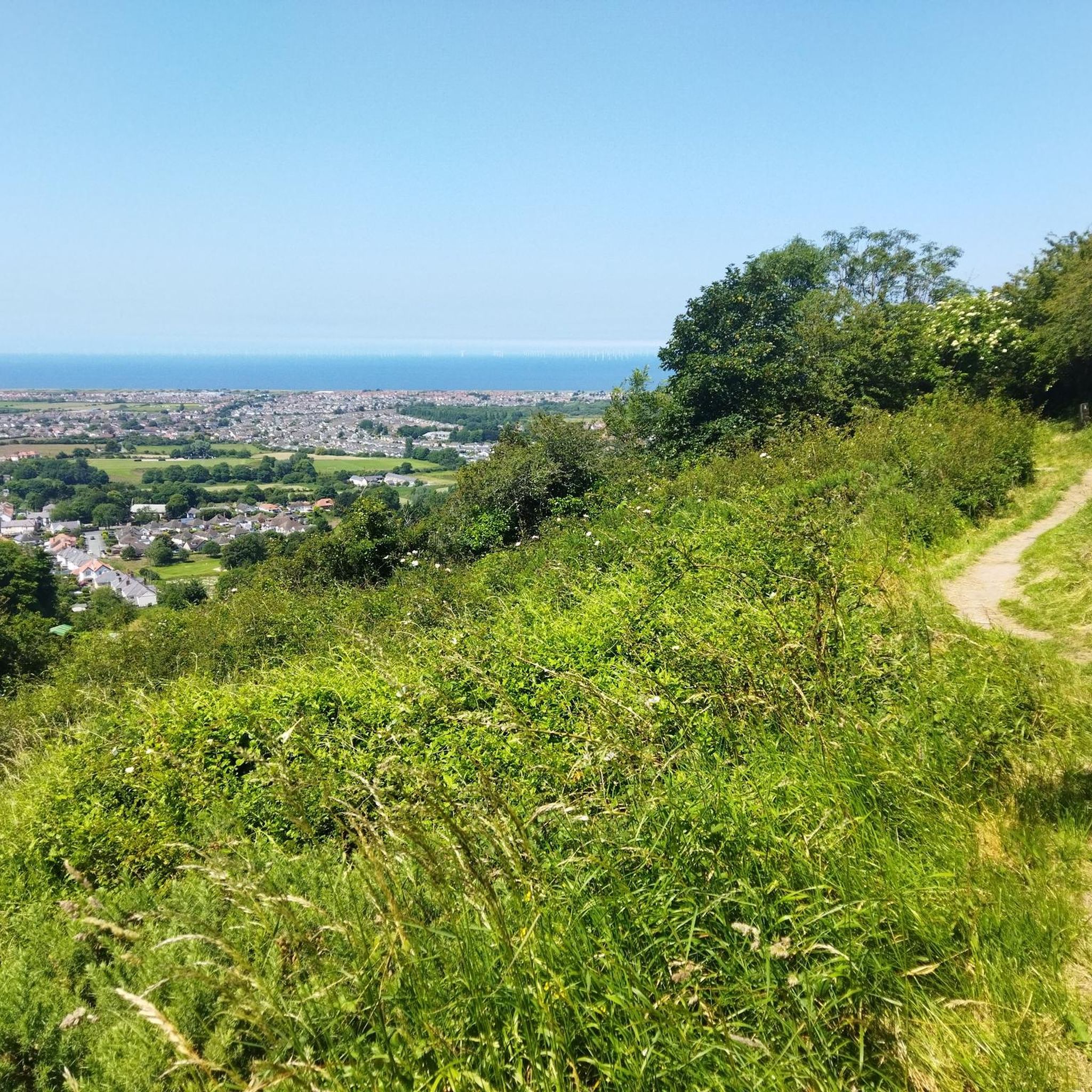
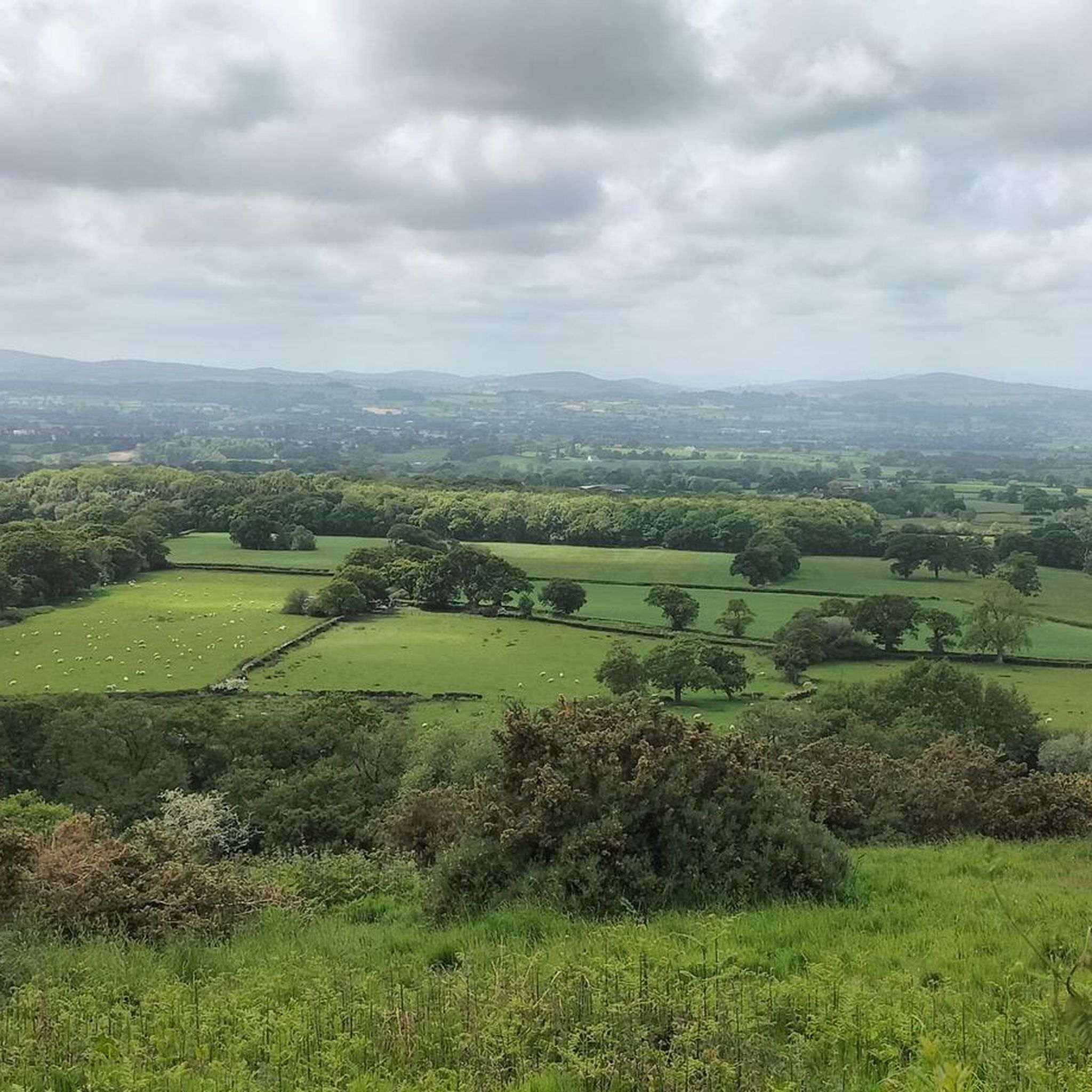
Tips from the Community

The Cathedral Church of Saints Asaph and Cyndeyrn, commonly called St Asaph Cathedral, is a cathedral in St Asaph, Denbighshire, north Wales. It is the episcopal seat of the Bishop of St Asaph. The cathedral dates back 1,400 years, while the current building dates from the 13th century.
2
0
The story of Rhuddlan goes back much further than the fortress built by Edward I. Prior to the Norman occupation of lower Gwynedd, Rhuddlan was at the heart of a Welsh cantref. From here the Lords of Rhuddlan commanded the Perfeddwlad (lands of north-east Wales) on behalf of Gruffydd ap Llywelyn (1007 – 5 August 1063), the last ruler of all Wales. The town itself, however, began as a Saxon "burgh" founded by Edward the Elder.
4
0
Rhuddlan Castle is a castle located in Rhuddlan, Denbighshire, Wales. It was erected by Edward I in 1277, following the First Welsh War. Much of the work was overseen by master mason James of Saint George
4
0
Rhuddlan Nature Reserve is fully accessible for all. The site has been transformed into an ideal location for wildlife to thrive and a recreational area for local people and visitors. The short route takes you around ponds, where birds nest every year and meadows, which have been recently improved in partnership with the local community and schools.
3
0
St Margaret's Church, Bodelwyddan, nicknamed the Marble Church, is a Decorated Gothic Style parish church in the lower Vale of Clwyd in Denbighshire, Wales and is visible for many miles because its spire rises to 202 feet. It lies just off the A55 trunk road.
4
0
Awesome feat of engineering still towers above the River Clwyd King Edward I liked his castles to be on the coast. It was safer that way. If his ruthless campaign to subdue the Welsh ran into trouble, supplies could still get through by sea. At Rhuddlan, several miles inland, the plan was to use a river instead. Just one problem – the meandering Clwyd wasn’t quite in the right place. So Edward conscripted hundreds of ditch-diggers to deepen and divert its course. More than seven centuries later Rhuddlan still looks like a castle that was worth moving a river for. Begun in 1277 it was the first of the revolutionary concentric, or ‘walls within walls’, castles designed by master architect James of St George.
5
0
Most impressive was the inner diamond-shaped stronghold with its twin-towered gatehouses. This sat inside a ring of lower turreted walls. Further beyond was a deep dry moat linked to the River Clwyd. This bristling statement of Edwardian intent guarded a new town surrounded by ditched defences. You can still clearly make out the medieval grid layout of the streets in modern-day Rhuddlan.
5
0
King Edward I liked his castles to be on the coast. It was safer that way. If his ruthless campaign to subdue the Welsh ran into trouble, supplies could still get through by sea. At Rhuddlan, several miles inland, the plan was to use a river instead. Just one problem – the meandering Clwyd wasn’t quite in the right place. So Edward conscripted hundreds of ditch-diggers to deepen and divert its course. More than seven centuries later Rhuddlan still looks like a castle that was worth moving a river for. Begun in 1277 it was the first of the revolutionary concentric, or ‘walls within walls’, castles designed by master architect James of St George.
5
0
Frequently Asked Questions
How many running routes are available around St. Asaph?
There are over 10 dedicated running routes around St. Asaph, offering a variety of experiences for different fitness levels. The komoot community has explored these trails more than 2,300 times.
What types of terrain can I expect on the jogging trails in St. Asaph?
St. Asaph offers a diverse range of terrain. You'll find peaceful riverside paths along the River Elwy, open green spaces like St Asaph Common, and trails with views towards the Clwydian Range. This mix allows for everything from flat, easy runs to more challenging, elevated routes.
Are there any easy running routes suitable for beginners or a relaxed jog?
Yes, there are easy running options. For instance, the Running loop from St Asaph is an easy 4.5 km (2.8 miles) trail that takes about 30 minutes to complete, perfect for a gentle run through the local countryside.
Can I find longer or more challenging running trails in the St. Asaph area?
Absolutely. For a longer, moderate challenge, consider the Rhuddlan Nature Reserve loop from St Asaph, which spans 14.3 km (8.9 miles) and takes around 1 hour 30 minutes. There are also more difficult routes available for advanced runners, especially those heading towards the Clwydian Range.
What historical landmarks or points of interest can I see while running in St. Asaph?
Many routes combine natural beauty with historical sights. For example, the Rhuddlan Nature Reserve – Rhuddlan Castle loop from St Asaph allows you to pass by the historic Rhuddlan Castle. You can also run past the 13th-century St. Asaph Cathedral, adding a cultural element to your exercise.
Are there any running routes that offer scenic views?
Many routes in St. Asaph offer picturesque scenery. The trails along the River Elwy provide continuous riverside views, and routes near St Asaph Common offer expansive vistas over the Vale of Clwyd. For panoramic views, consider trails that venture closer to the Clwydian Range and Dee Valley Area of Outstanding Natural Beauty.
What do other runners say about the trails in St. Asaph?
The running routes in St. Asaph are highly rated by the komoot community, with an average score of 4.3 stars from more than 10 reviews. Runners often praise the diverse landscapes, from tranquil riverside paths to open commons, and the well-maintained trails that cater to various fitness levels.
Are there any circular running routes around St. Asaph?
Yes, many of the running routes around St. Asaph are designed as loops, making them convenient for starting and finishing at the same point. A popular option is the Running loop from St Asaph, a 6.8 km (4.2 miles) trail that explores the local countryside.
Can I find running routes that are suitable for families?
The easier, flatter routes along the River Elwy or around St Asaph Common are generally suitable for families looking for a gentle jog or walk. These paths often have fewer elevation changes and provide a pleasant environment for all ages.
Are there any specific nature reserves or natural areas to explore while running?
Yes, the Rhuddlan Nature Reserve loop from St Asaph is an excellent choice for exploring natural surroundings. This area is known for its diverse wildlife and offers a peaceful setting for your run.
What is the best time of year to go running in St. Asaph?
St. Asaph offers enjoyable running conditions throughout much of the year. Spring and autumn provide pleasant temperatures and beautiful scenery with changing foliage. Summer is also great, especially for riverside routes, while winter runs can be invigorating, though some trails might be muddier after rain.
Most popular routes around St. Asaph
Most popular attractions around St. Asaph

Get inspired with the komoot mobile app


Explore more
Browse the best Running Trails & Routes in other regions.
