Attractions and Places To See around Henllan - Top 20
Best attractions and places to see around Henllan, a village in Denbighshire, Wales, offers a blend of historical landmarks and natural beauty. The area is characterized by a limestone spur, the Afon Meirchion valley, and surrounding farmland and woodlands. Its name, derived from Old Welsh, suggests a rich past with ancient settlements and historical sites. Visitors can explore a variety of landscapes and historical points of interest.
Best attractions and places to see around Henllan
- The most popular attractions is Cairn Ben Lloyd Singletrack, a cycle way that winds through Gors Maen Llwyd nature reserve. This undulating trail features on marked cycle routes and offers fine views.
- Another must-see spot is Penycloddiau Summit, a viewpoint and historical site. This summit was once an extensive hill fort with remains dating back around 4,000 years, providing views of the surrounding countryside.
- Visitors also love Llyn Brenig — East Shore Gravel Track, a trail flanking the eastern shore of Llyn Brenig. This track allows exploration of the reservoir's inlets and opportunities to observe wildlife.
- Henllan is known for historical sites, natural viewpoints, and cycling trails. The region offers a variety of attractions to see and explore, from ancient hill forts to scenic reservoir tracks.
- The attractions around Henllan are appreciated by the komoot community, with 25 upvotes and 27 photos shared by visitors.
Last updated: July 3, 2026
Rhuddlan Castle
Highlight • Historical Site
At Rhuddlan, several miles inland, the plan was to use a river instead. Just one problem – the meandering Clwyd wasn’t quite in the right place. So Edward conscripted hundreds of ditch-diggers to deepen and divert its course.
More than seven centuries later Rhuddlan still looks like a castle that was worth moving a river for. Begun in 1277 it was the first of the revolutionary concentric, or ‘walls within walls’, castles designed by master architect James of St George.
Tip by

Cairn Ben Lloyd Singletrack
Highlight (Segment) • Cycleway
Look into the distance when you rejoin the road heading west to east and you may be able to see the ridge of the Clwydian Range and the sea beyond.
Tip by

Sign up now to discover places like this
Get recommendations on the best single tracks, peaks, & plenty of other exciting outdoor places.
Sign up for free
Denbigh Castle and Town Walls
Highlight • Historical Site
Tip by
Penycloddiau Summit
Highlight • Viewpoint
The summit is on the route of both the Offa's Dyke Path and the Clwydian Way long-distance trails and provides glorious views of the surrounding countryside. On a clear day, you can make out the distant mountains of Snowdonia in the west.
Tip by

Llyn Brenig — East Shore Gravel Track
Highlight (Segment) • Trail
It's a little rough in places so best on a gravel bike, sturdy hybrid or mountain bike rather than a pure road bike.
Enjoy the views as you meander around the little inlets and see what wildlife you can see across the water.
Tip by
Sign up for free to discover even more attractions around Henllan.
Sign up for free
Already have an account?
Start today with a free account
Your next adventure awaits.
Login or Signup
Tips from the Community

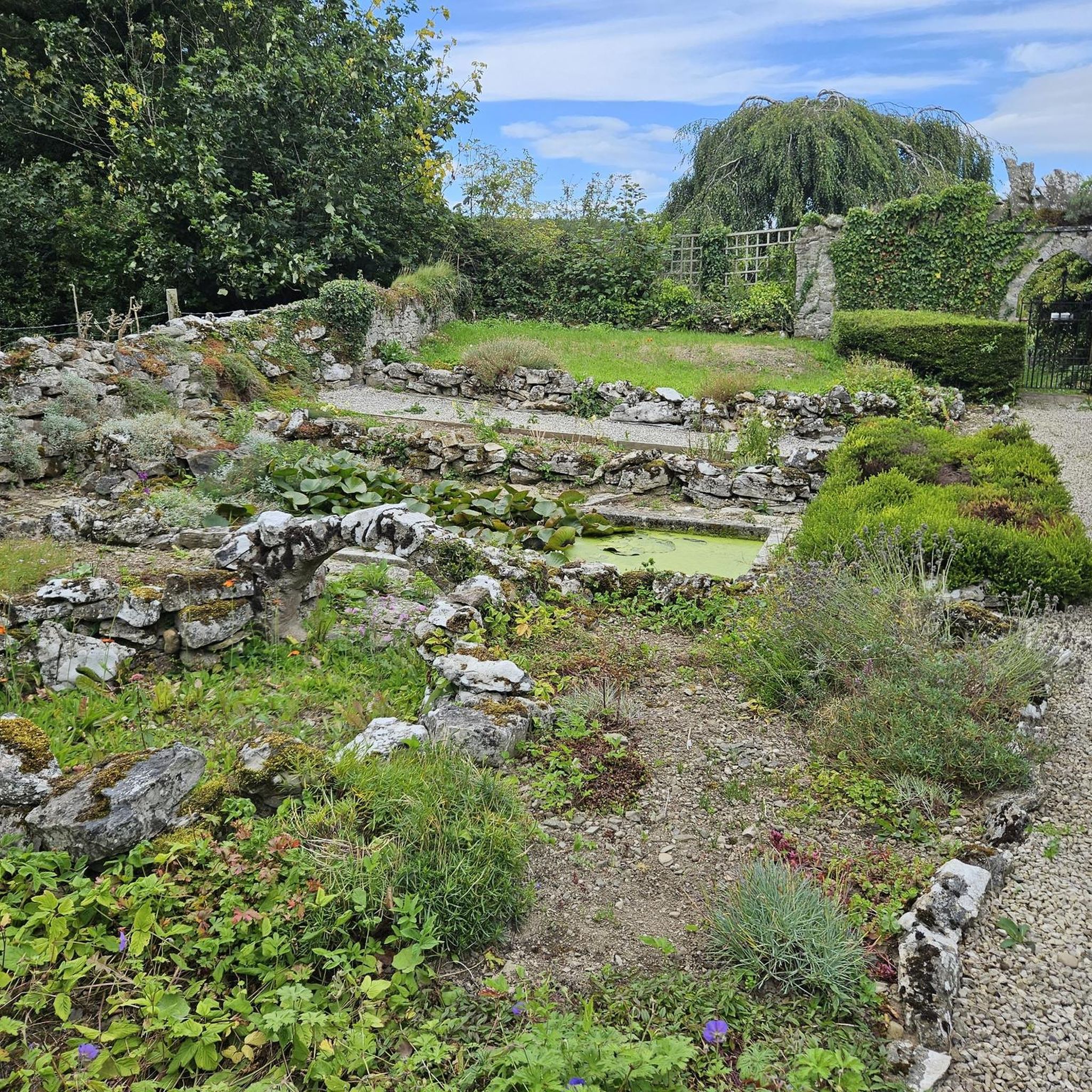
A lovely market town with pubs and shops and bakeries. Hilly routes into town but a number of good places for a stop mid ride.
0
0

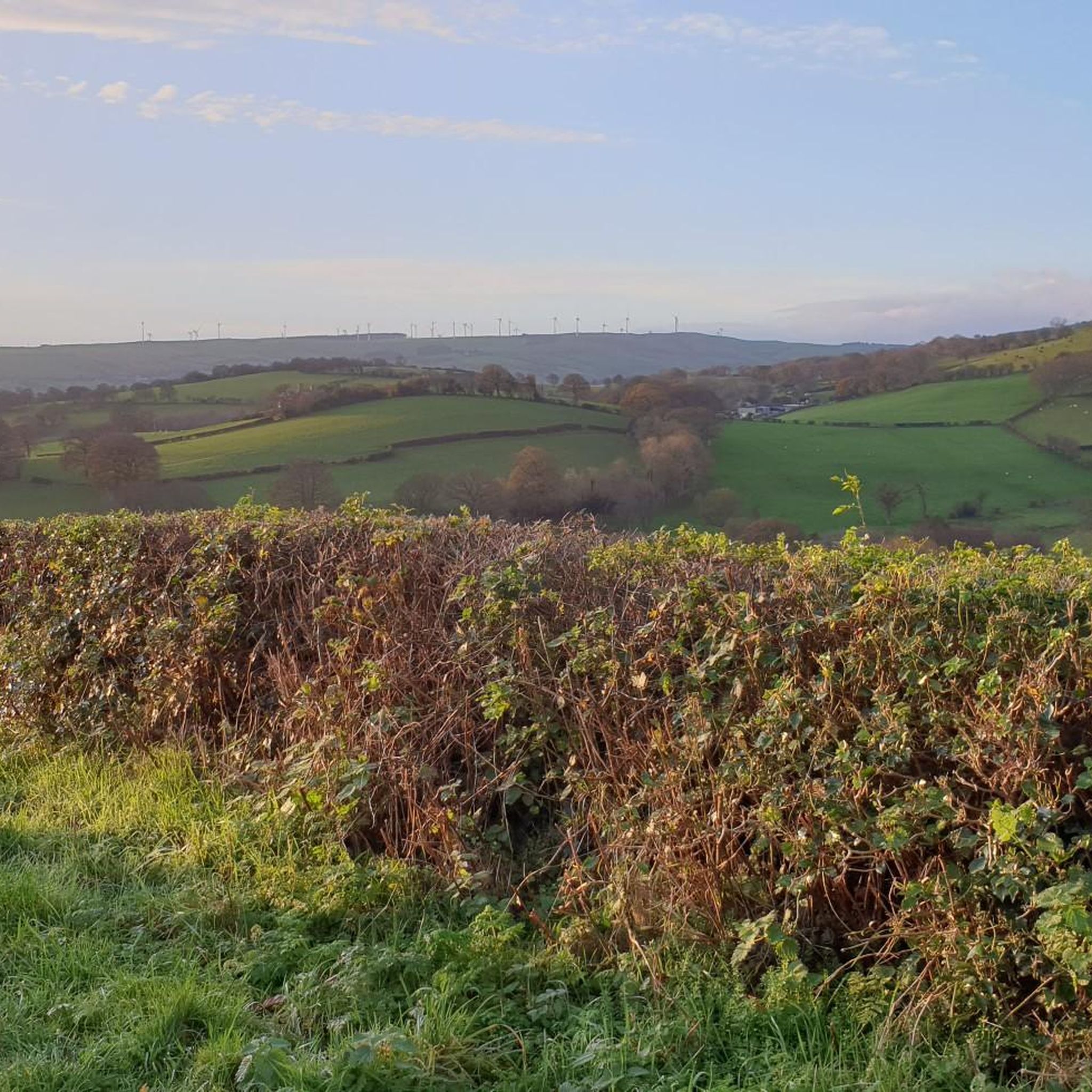
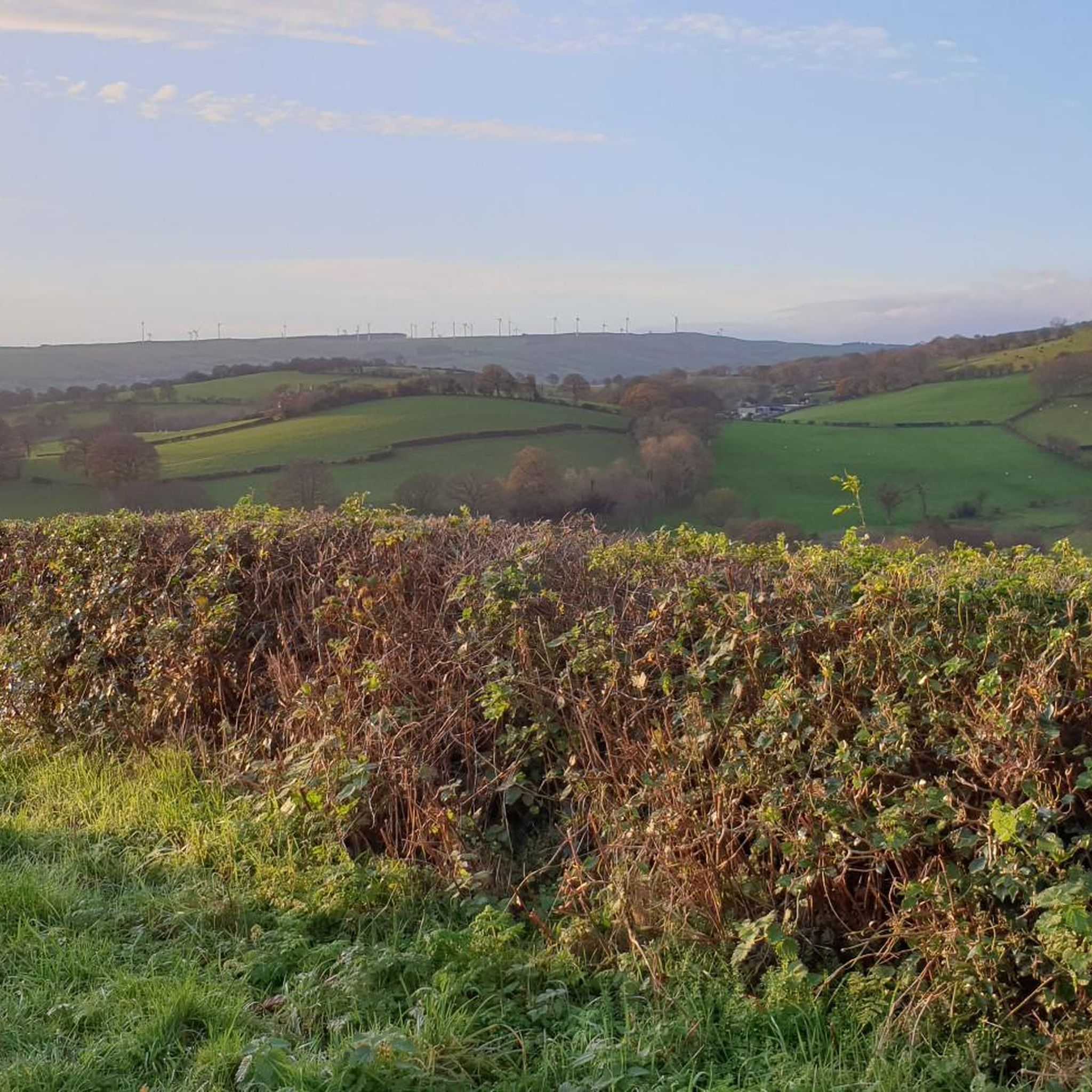
This beautiful place is perfect for an afternoon out.(mind the sun though) Views of Welsh farmland are all around including some enchanting woodlands! My dog loves it up here, not many people so nice and calm.
0
0

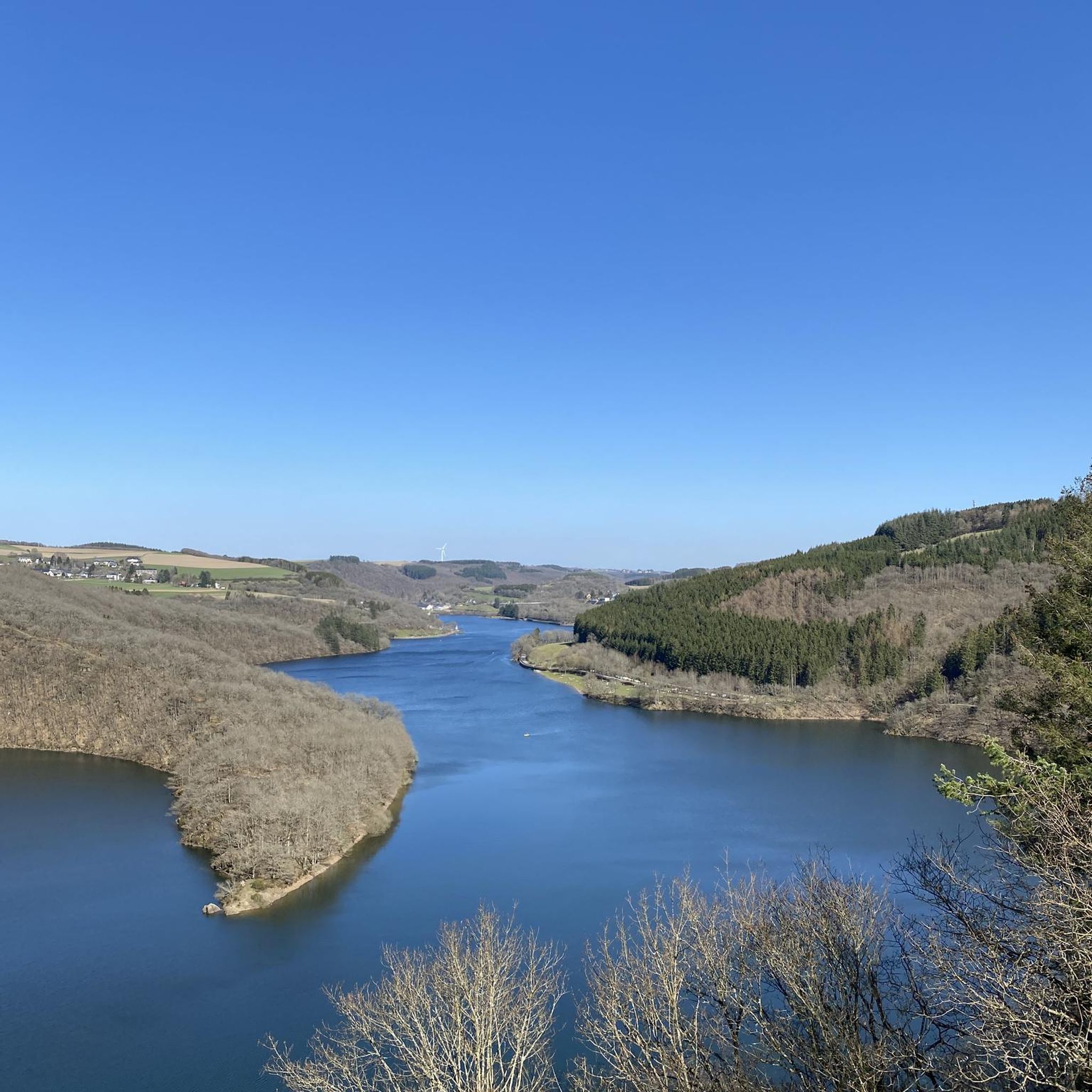
Llyn Brenig is a reservoir located on Denbigh Moors in North Wales. The artificial lake, which was constructed between 1973 and 1976, was created by building an embankment dam across the Afon Brenig valley. It lies at 1,200 ft (370 m) above sea level on the border between the counties of Conwy and Denbighshire. It is used to manage the flow in the River Dee as part of the River Dee regulation system.
1
0
The castle passed between various owners in the first half of the 14th century, before coming under the control of the Mortimer family. Meanwhile, the walled town had proved impractical to live in, and a newer, much larger, settlement developed outside the defences. In 1400, the walled town was raided during the Glyndŵr Rising, although the castle itself remained secure throughout the rebellion. During the Wars of the Roses, Denbigh was attacked by Lancastrian forces; the walled town was attacked and burnt. In the aftermath, the old town was largely abandoned by its inhabitants, the walled area becoming an extension of the castle's defences.
3
0
Denbigh Castle and town walls (/ˈdɛnbi/ DEN-bee; Welsh: Castell Dinbych a waliau tref [ˌkastɛɬ ˈdɪnbɨχ]) were built to control the lordship of Denbigh after the Conquest of Wales by Edward I of England in 1282. The lands were granted to Henry de Lacy, Earl of Lincoln, who began to build a new walled town, colonised by immigrants from England, protected by a substantial castle and surrounded by deer parks for hunting. The work had not been completed by 1294, when the Welsh temporarily seized the castle during the Madog ap Llywelyn revolt. The defences continued to be improved, although the castle was not completely finished by the time of Henry's death in 1311.
3
0
The story of Rhuddlan goes back much further than the fortress built by Edward I. Prior to the Norman occupation of lower Gwynedd, Rhuddlan was at the heart of a Welsh cantref. From here the Lords of Rhuddlan commanded the Perfeddwlad (lands of north-east Wales) on behalf of Gruffydd ap Llywelyn (1007 – 5 August 1063), the last ruler of all Wales. The town itself, however, began as a Saxon "burgh" founded by Edward the Elder.
4
0
Rhuddlan Castle is a castle located in Rhuddlan, Denbighshire, Wales. It was erected by Edward I in 1277, following the First Welsh War. Much of the work was overseen by master mason James of Saint George
4
0
Awesome feat of engineering still towers above the River Clwyd King Edward I liked his castles to be on the coast. It was safer that way. If his ruthless campaign to subdue the Welsh ran into trouble, supplies could still get through by sea. At Rhuddlan, several miles inland, the plan was to use a river instead. Just one problem – the meandering Clwyd wasn’t quite in the right place. So Edward conscripted hundreds of ditch-diggers to deepen and divert its course. More than seven centuries later Rhuddlan still looks like a castle that was worth moving a river for. Begun in 1277 it was the first of the revolutionary concentric, or ‘walls within walls’, castles designed by master architect James of St George.
5
0
Frequently Asked Questions
What historical sites can I explore around Henllan?
The area around Henllan is rich in history. You can visit the distinctive Denbigh Castle and Town Walls, a major landmark built by Edward I. Further afield, Rhuddlan Castle is another impressive Edwardian fortress. Within Henllan itself, Saint Sadwrn's Church features an unusual detached tower, and the village is home to several historic houses and Bronze Age barrows.
Are there any unique natural features to see near Henllan?
Yes, Henllan is situated on a limestone spur, with the Afon Meirchion (River Meirchion) cutting a deep valley to its west. The surrounding landscape offers views of Welsh farmland and enchanting woodlands. A significant natural attraction in the wider region is Llyn Brenig, a large reservoir on the Denbigh Moors, offering scenic views and opportunities to explore its shores.
What kind of outdoor activities, like hiking or cycling, are available in the Henllan area?
The Henllan area is excellent for outdoor activities. For cycling, you can explore trails like the Cairn Ben Lloyd Singletrack through Gors Maen Llwyd nature reserve or the Llyn Brenig — East Shore Gravel Track. For hiking, there are numerous routes, including easy hikes and more moderate trails. You can find more details on various routes in the Hiking around Henllan and Cycling around Henllan guides.
Are there family-friendly attractions around Henllan?
Yes, several attractions are suitable for families. Exploring the historic Rhuddlan Castle or Denbigh Castle and Town Walls can be an engaging experience for all ages. Additionally, many of the easy walking trails around Henllan, such as those listed in the Easy hikes around Henllan guide, are suitable for families.
Where can I find easy walking trails near Henllan?
For easy walks, you can find several options around Henllan. Examples include the 'Moel y Gaer Hillfort loop from Bodfari' (6.37 km) or a 'Hiking loop from Bodfari' (4.32 km). These and other accessible routes are detailed in the Easy hikes around Henllan guide.
Can I spot wildlife near Henllan?
Yes, the natural areas around Henllan, particularly near Llyn Brenig and within the Gors Maen Llwyd nature reserve, offer opportunities for wildlife spotting. As you explore trails like the Llyn Brenig — East Shore Gravel Track, keep an eye out for various species that inhabit the reservoir and surrounding woodlands.
What is the best time of year to visit Henllan for outdoor activities?
The best time to visit Henllan for outdoor activities is generally during the spring, summer, and early autumn months (April to October) when the weather is milder and more conducive for hiking, cycling, and exploring historical sites. The views of the Welsh farmland and woodlands are particularly enchanting during these seasons.
Are there any ancient or archaeological sites in the Henllan area?
Beyond the medieval castles, Henllan has a deep history. The village name itself, derived from Old Welsh, means 'old church-enclosure.' You can find Bronze Age barrows at Plas Meifod and Plas Heaton, and the Penycloddiau Summit was once an extensive hill fort with remains dating back around 4,000 years.
What are some notable local establishments, like pubs, in Henllan?
Henllan is home to The Llindir Inn, which is reputed to be one of the oldest pubs in Wales. This 13th-century, partially-thatched building offers a glimpse into local history and is even known for a ghost story involving a 'woman in white.'
What do visitors generally appreciate about the attractions around Henllan?
Visitors to the attractions around Henllan frequently appreciate the blend of historical significance and natural beauty. The area's ancient hill forts, scenic reservoir tracks, and cycling trails are highly rated, with many enjoying the glorious views of the surrounding countryside and the peaceful, less populated walks. The komoot community has shared 27 photos and given 25 upvotes to the attractions, highlighting their appeal.
Is there a place to enjoy scenic views around Henllan?
Absolutely. The Penycloddiau Summit, one of the principal summits of the Clwydian Range, offers glorious views of the surrounding countryside, including the distant mountains of Snowdonia on a clear day. The trails around Llyn Brenig also provide beautiful vistas across the water and the Denbigh Moors.
Are there any specific tips for cycling the trails around Llyn Brenig?
When cycling the Llyn Brenig — East Shore Gravel Track, be aware that it can be a little rough in places, making it best suited for a gravel bike, sturdy hybrid, or mountain bike rather than a pure road bike. The Cairn Ben Lloyd Singletrack, also near Llyn Brenig, is a pleasant singletrack, but be mindful of occasional water bars or loose sections after rain, and remember that walkers also use this track.
How can I learn more about the history of Henllan village itself?
To delve deeper into Henllan's history, you can explore Saint Sadwrn's Church and its detached tower, which hints at the village's ancient origins. The presence of Bronze Age barrows and the holy well of Ffynnon Sadwrn also point to a long history of human settlement and religious importance. The Llindir Inn, a 13th-century pub, also offers a tangible link to the village's past.
Most popular attractions around Henllan

Get inspired with the komoot mobile app


Explore more
Still not found the Highlight you’re looking for? See guides of the top attractions in other regions:
