Top 20 Castles around Dietenhofen
Castles around Dietenhofen, a market town in Middle Franconia, Bavaria, offer insights into centuries of regional history. The area is characterized by its historical fortified structures, including medieval water castles and later rebuilt palaces. These sites reflect the strategic importance of the region, particularly in safeguarding trade routes.
Best castles around Dietenhofen
- The most popular castles is Cadolzburg Castle, a castle with a well-made exhibition on the history of the House of Hohenzollern. It provides interactive possibilities for visitors. …
Last updated: October 9, 2026
Cadolzburg Castle
Highlight • Castle
Translated by Google •
Tip by

Leonrod Castle Ruins
Highlight • Castle
Translated by Google •
Tip by

Sign up now to discover places like this
Get recommendations on the best single tracks, peaks, & plenty of other exciting outdoor places.
Lichtenau Fortress
Highlight • Castle
Translated by Google •
Tip by

Virnsberg Castle
Highlight • Castle
Translated by Google •
Tip by

Rügland Moated Castle
Highlight • Castle
Information at: ruegland.de/Gemeinde-Ruegland/Geschichte-Sehenswuerdigkeiten/Wasserschloss-Ruegland.html
Translated by Google •
Tip by

Sign up for free to discover even more castles around Dietenhofen.
Already have an account?
Start today with a free account
Your next adventure awaits.
Tips from the Community

Rügland Castle is a two-part moated castle complex in Rügland. It is one of the few moated castles in Middle Franconia and was renovated by 1983. Since 1584, the estate has belonged to the Barons of Crailsheim. The Rügland area was already settled during the Stone Age; the first mention of the place dates back to 1137. At that time, ownership of Rügland was granted to Berta, the widow of Gerunch von Wielandsheim. In 1147, Rügland passed as a fief to the St. Gumbert Abbey in Ansbach. By 1298 at the latest, the Lords of Vestenberg owned Rosenberg Castle and the moated castle in Rügland. In 1437, the Rügland line of Vestenbergs died out, and the castle passed to the Rosenberg branch, although it remained a family seat. The only remaining relic of the castle is a cellar. Source: Wikipedia
1
0

A beautiful town with the castle as its highlight. The castle is open in the summer from Tuesday to Sunday from 9 a.m. to 6 p.m. The forecourt and the castle garden are freely accessible. There is an admission fee for the castle itself and the exhibitions. As of 2025, the fee is €7 per person. But it's definitely worth it.
7
0
Cadolzburg Castle is an impressive medieval fortress perched on a prominent rocky outcrop above the town of the same name in Bavaria. Its history dates back to the 12th century, and for a long time it was an important base for the burgraves of Nuremberg, later known as the Hohenzollerns. The castle served not only as a defensive structure but also as an administrative center and temporary residence. Today, the castle houses a modern interactive museum called "HerrschaftsZeiten!" (HerrschaftsZeiten!), which vividly conveys the history of the Hohenzollerns in Franconia and Brandenburg.
9
0

The castle of the Crailsheim family. Information at: https://www.ruegland.de/Gemeinde-Ruegland/Geschichte-Sehenswuerdigkeiten/Wasserschloss-Ruegland.html
2
0

Unfortunately not open to visitors, but the location allows for good views of the castle and the castle gardens. The castle park is decorated with sandstone figures. These sculptures depict Venus, Cupid, Mars, Zeus, Hercules and Flora
0
0
Rügland Castle is a two-part moated castle complex in Rügland. It is one of the few moated castles in Middle Franconia and was renovated by 1983. Hannibal Friedrich Freiherr von Crailsheim had the "New Castle" built from April 1714, which forms the middle and south wings of the entire complex.
0
0


North wing of the Old Castle from 1611 and New Castle from 1714
1
0
Frequently Asked Questions
What types of castles can I explore around Dietenhofen?
The Dietenhofen area offers a diverse range of historical structures, from medieval water castles and extensive ruins to fortified palaces. You can explore sites like the rebuilt Schloss Dietenhofen, which evolved from a water castle, and the picturesque Leonrod Castle Ruins, a former water castle set on a man-made lake.
Are there any well-preserved castles with museums or exhibitions?
Yes, Cadolzburg Castle is highly recommended. It features a very well-made exhibition on the history of the House of Hohenzollern, offering interactive possibilities for visitors to learn about life 500 years ago. Schloss Dietenhofen also houses a local history museum, providing insights into the town's past.
What are some significant castle ruins in the area?
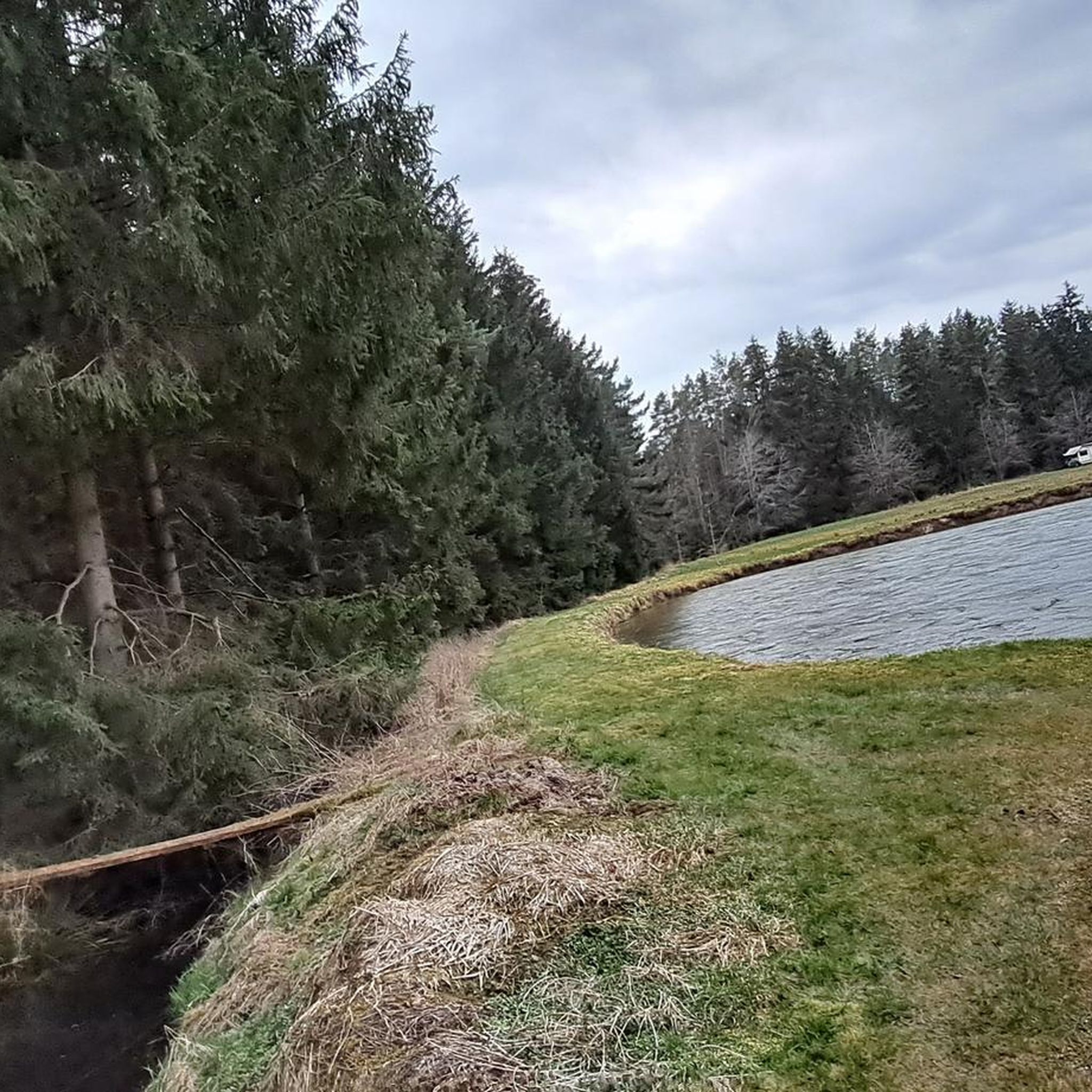
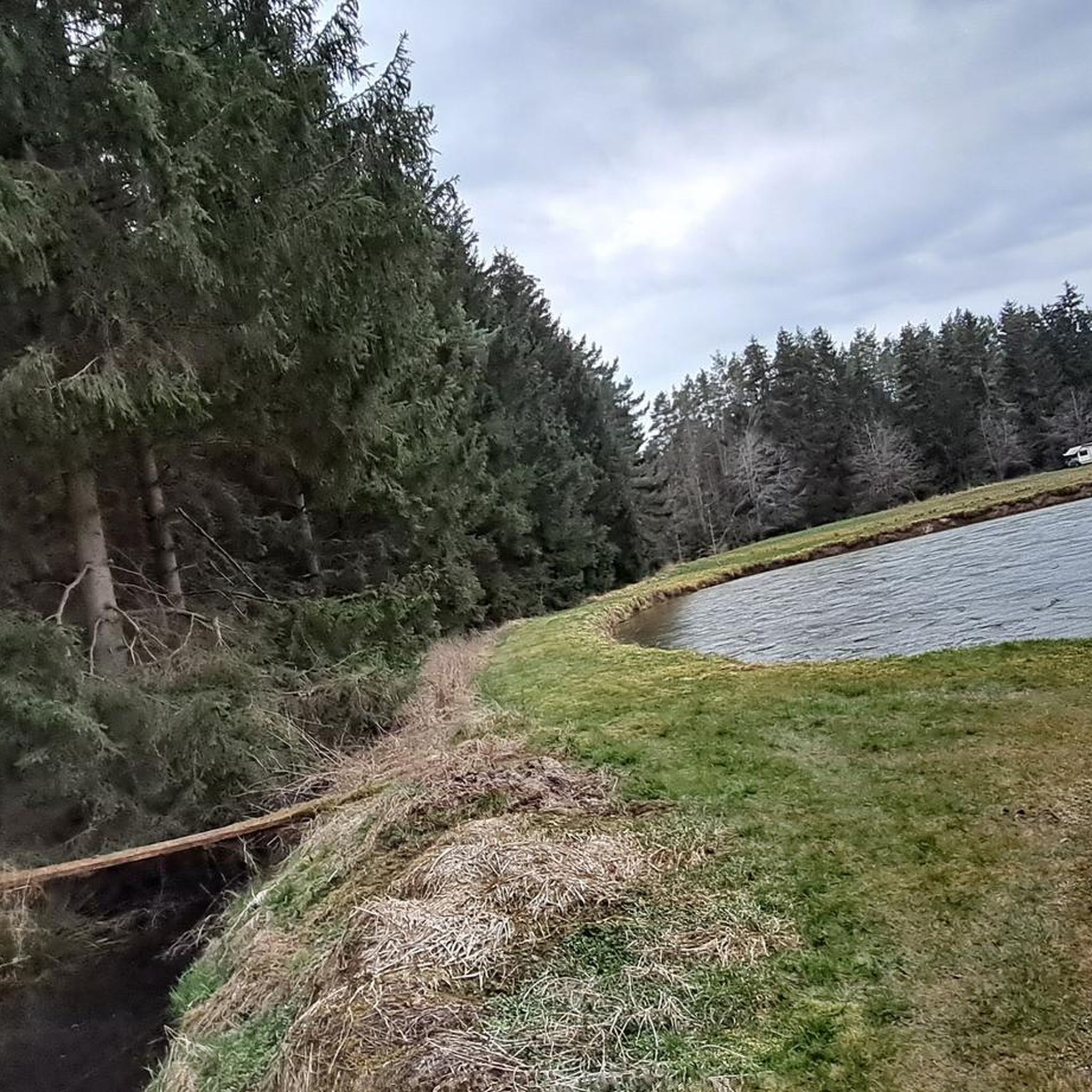
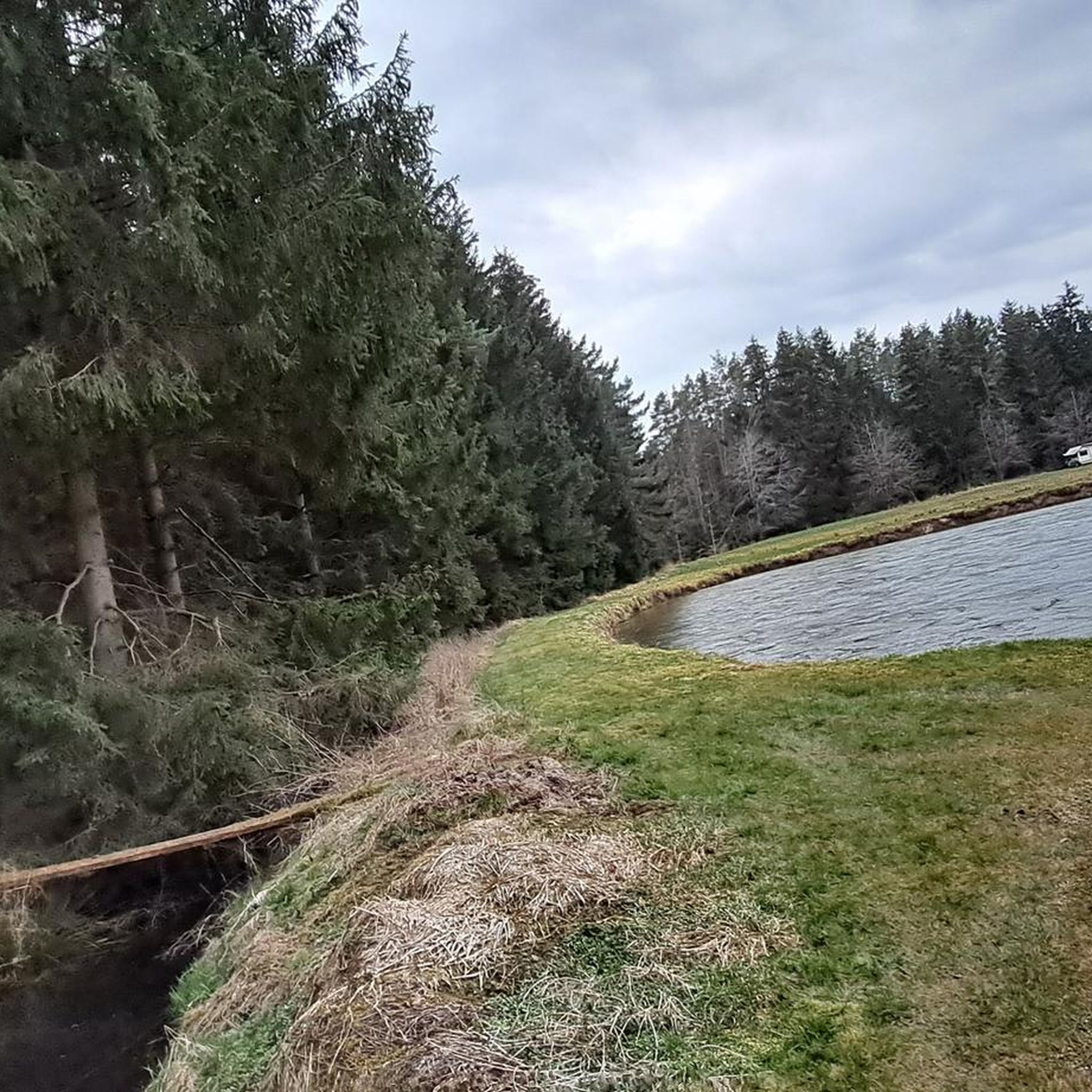
The Leonrod Castle Ruins are a prominent example. This extensive ruined water castle, located in the Bibert valley, features a nearly fully preserved, rectangular bergfried (keep) and significant wall remnants. Its scenic setting on a man-made lake adds to its atmospheric appeal, making it a uniquely beautiful place for those seeking wild romantic tranquility.
Which castles are suitable for families with children?
Cadolzburg Castle is very family-friendly, offering interactive exhibits that engage visitors of all ages. Lichtenau Fortress also welcomes families, with its accessible ramparts providing an interesting outdoor exploration opportunity.
Can I go hiking or cycling near the castles?
Absolutely. The region around Dietenhofen offers various outdoor activities. For instance, a moderate running route called 'Burgweiher Leonrod loop from Dietenhofen' passes by the Leonrod Castle Ruins. You can find more running trails at Running Trails around Dietenhofen. For cyclists, the 'Banderbacher Straße Cycle Path – View of Cadolzburg loop from Dietenhofen' is an easy road cycling route near Cadolzburg Castle. Explore more cycling options at Road Cycling Routes around Dietenhofen.
What is the historical significance of Schloss Dietenhofen?
Schloss Dietenhofen has a rich history dating back to the early 13th century as a water castle. It was largely destroyed in 1523 by the Swabian League and later rebuilt as a two-winged palace. It served as an administrative seat and now houses a local history museum, reflecting centuries of regional history and architectural evolution.
Are there any castles with unique architectural features?
Virnsberg Castle is architecturally unique, consisting of both a medieval hilltop castle and a moated castle. Lichtenau Fortress is another example, showcasing an imposing Renaissance design with mighty ramparts and corner towers that are accessible to visitors.
Can I bring my dog to the castles?
While specific dog policies vary, many outdoor areas around castle ruins like Leonrod Castle Ruins are generally accessible for dogs on a leash. For indoor exhibitions or specific castle grounds, it's always best to check directly with the site beforehand.
What is the best time of year to visit the castles around Dietenhofen?
The spring and autumn months generally offer pleasant weather for exploring the castles and their surrounding landscapes. During these seasons, the natural scenery around sites like Leonrod Castle Ruins is particularly picturesque, and outdoor activities are enjoyable. Some sites, like Lichtenau Fortress, have specific visiting times for their outdoor areas, typically from April to October.
How long should I plan for a visit to a castle?
The duration of your visit depends on the castle. For a site like Cadolzburg Castle with its extensive exhibition, you might want to allocate 2-3 hours. Exploring the outdoor ramparts of Lichtenau Fortress or the ruins of Leonrod Castle might take 1-2 hours, especially if combined with a walk around the grounds.
Are there any castles that are particularly good for photography?
The Leonrod Castle Ruins are highly photogenic, especially with their setting on a man-made lake in the Bibert valley. The extensive ruins and the nearly fully preserved keep offer dramatic backdrops. Lichtenau Fortress, with its imposing Renaissance architecture and mighty ramparts, also provides excellent photographic opportunities.
Most popular routes around Dietenhofen
Most popular attractions around Dietenhofen

Get inspired with the komoot mobile app


Explore more
Looking for the best castles somewhere else? Discover other guides around Dietenhofen:
