Attractions and Places To See around City Of Durham - Top 20
Best attractions and places to see around City Of Durham include a blend of historical landmarks, natural features, and cultural institutions. This region, situated around the River Wear, offers a diverse landscape for exploration. Visitors can discover over 20 unique sites, ranging from ancient castles and cathedrals to expansive gardens and nature preserves. The area's rich history is evident in its UNESCO World Heritage Sites and revitalized industrial areas.
Best attractions and places to see around City Of Durham
- The…
Last updated: October 20, 2026
Durham Cathedral (UNESCO World Heritage Site)
Highlight • Religious Site
Tip by

Durham Castle
Highlight • Castle
Tip by
Sign up now to discover places like this
Get recommendations on the best single tracks, peaks, & plenty of other exciting outdoor places.
Finchale Priory
Highlight • Religious Site
Tip by
The Count's House Folly
Highlight • Structure
Tip by

Durham Cow Statue
Highlight • Historical Site
The legend of the cow, the monks and the wandering milkmaid.
(apparently monks carrying St Cuthbert’s coffin bumped …
Tip by

Sign up for free to discover even more attractions around City Of Durham.
Already have an account?
Start today with a free account
Your next adventure awaits.
Popular around City Of Durham
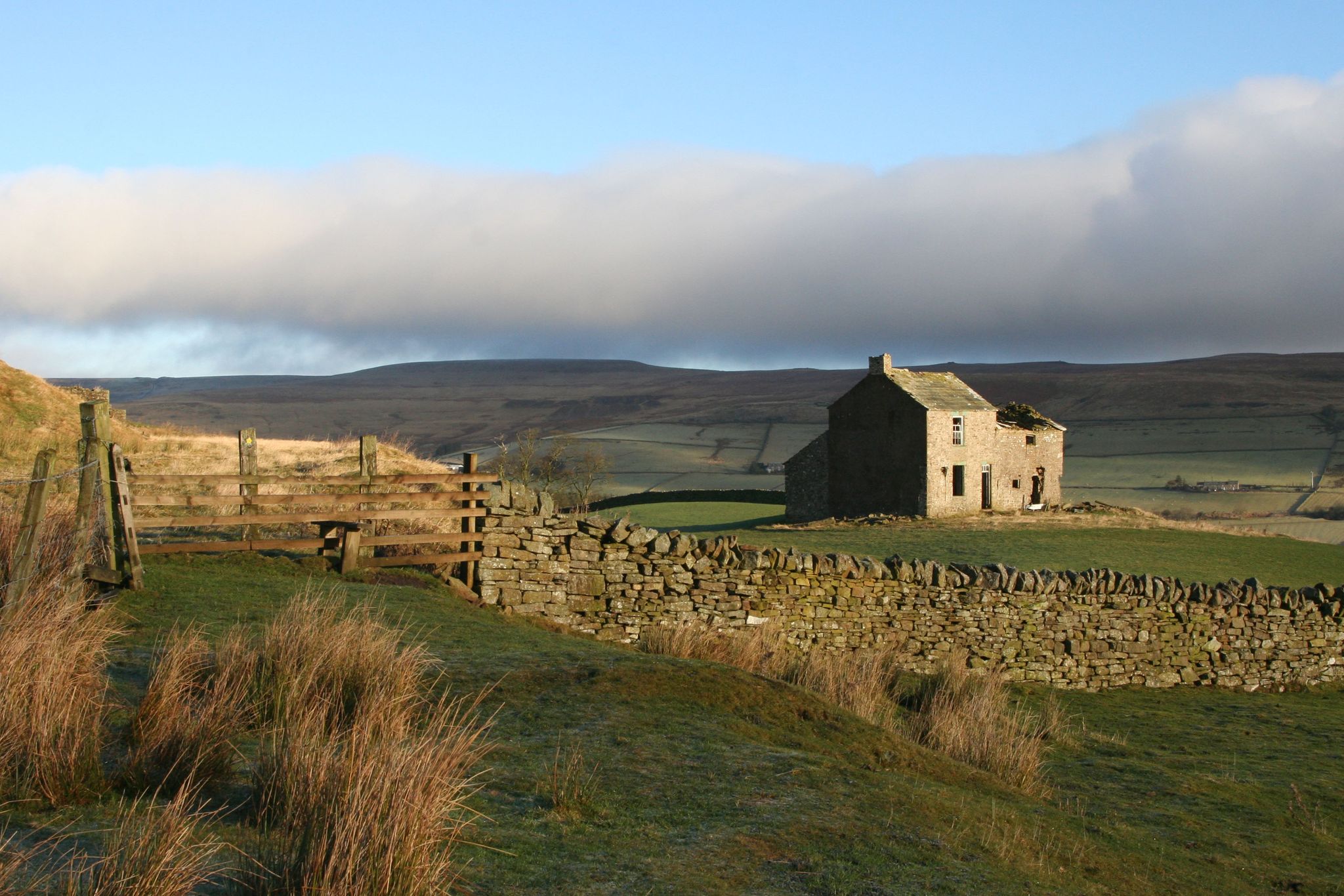
Weardale Way — Hike from the North Sea to the wild Pennines
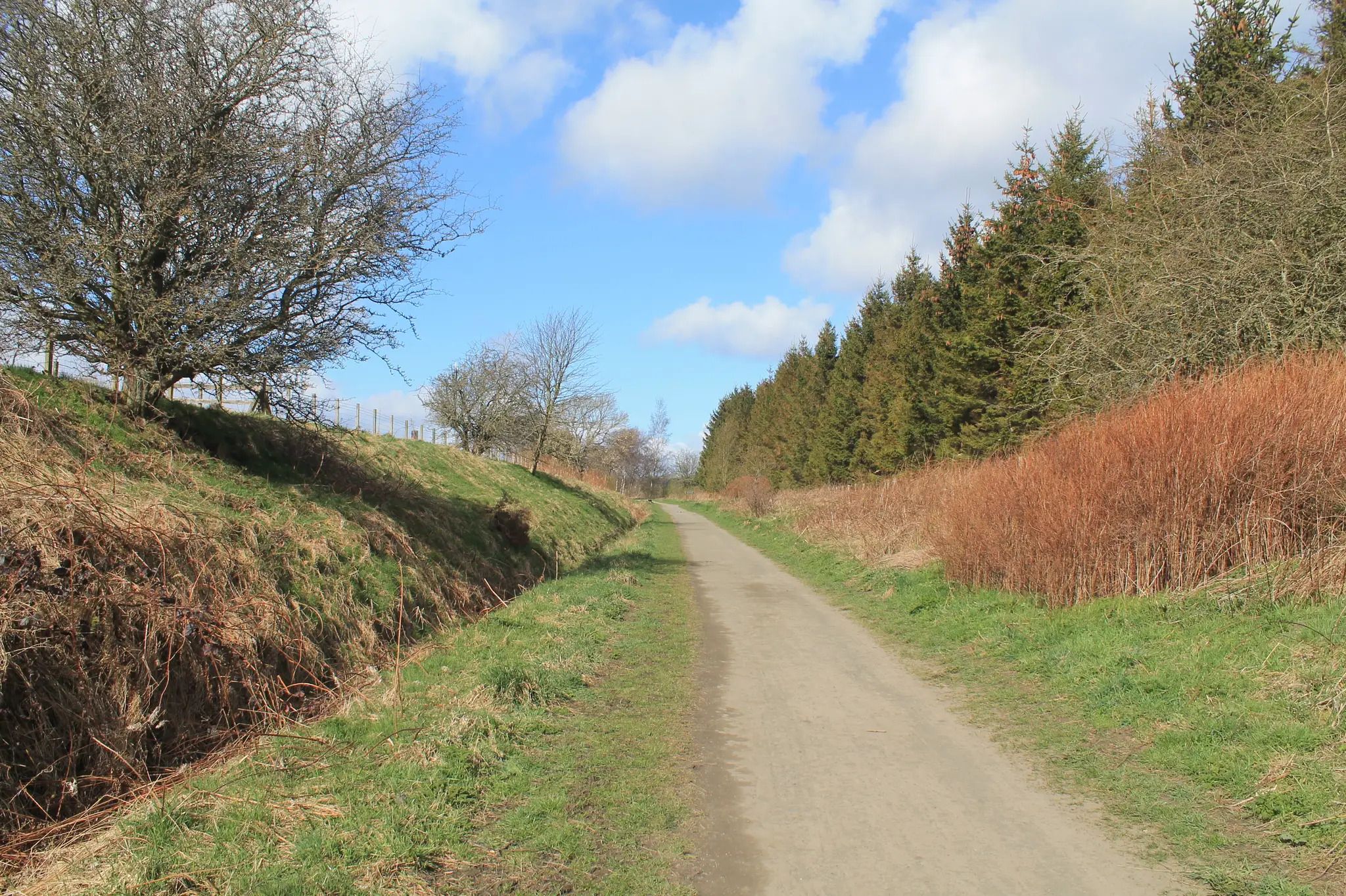
Three Rivers – Spectacular traffic-free riding through the North
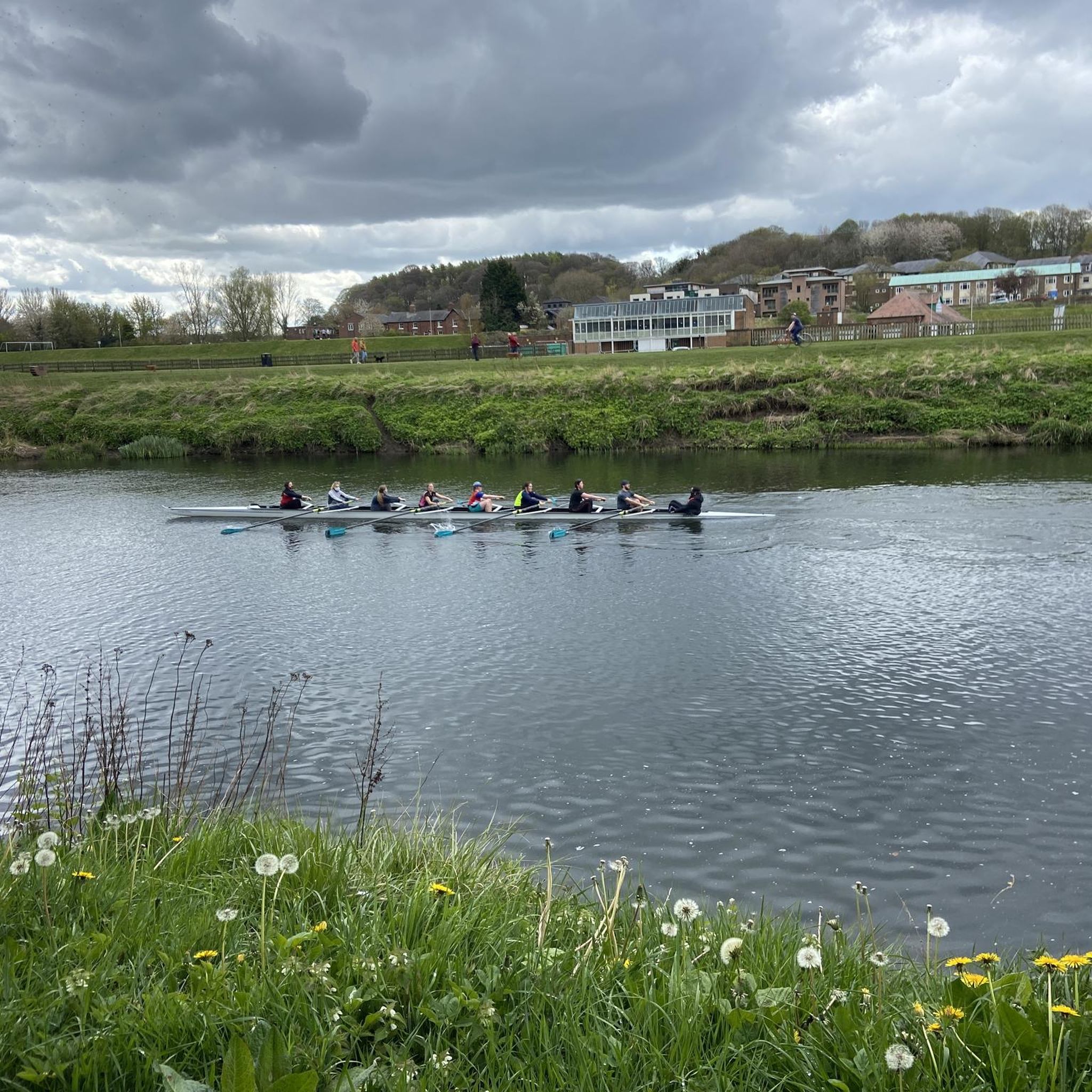
Hiking around City Of Durham
Road Cycling Routes around City Of Durham
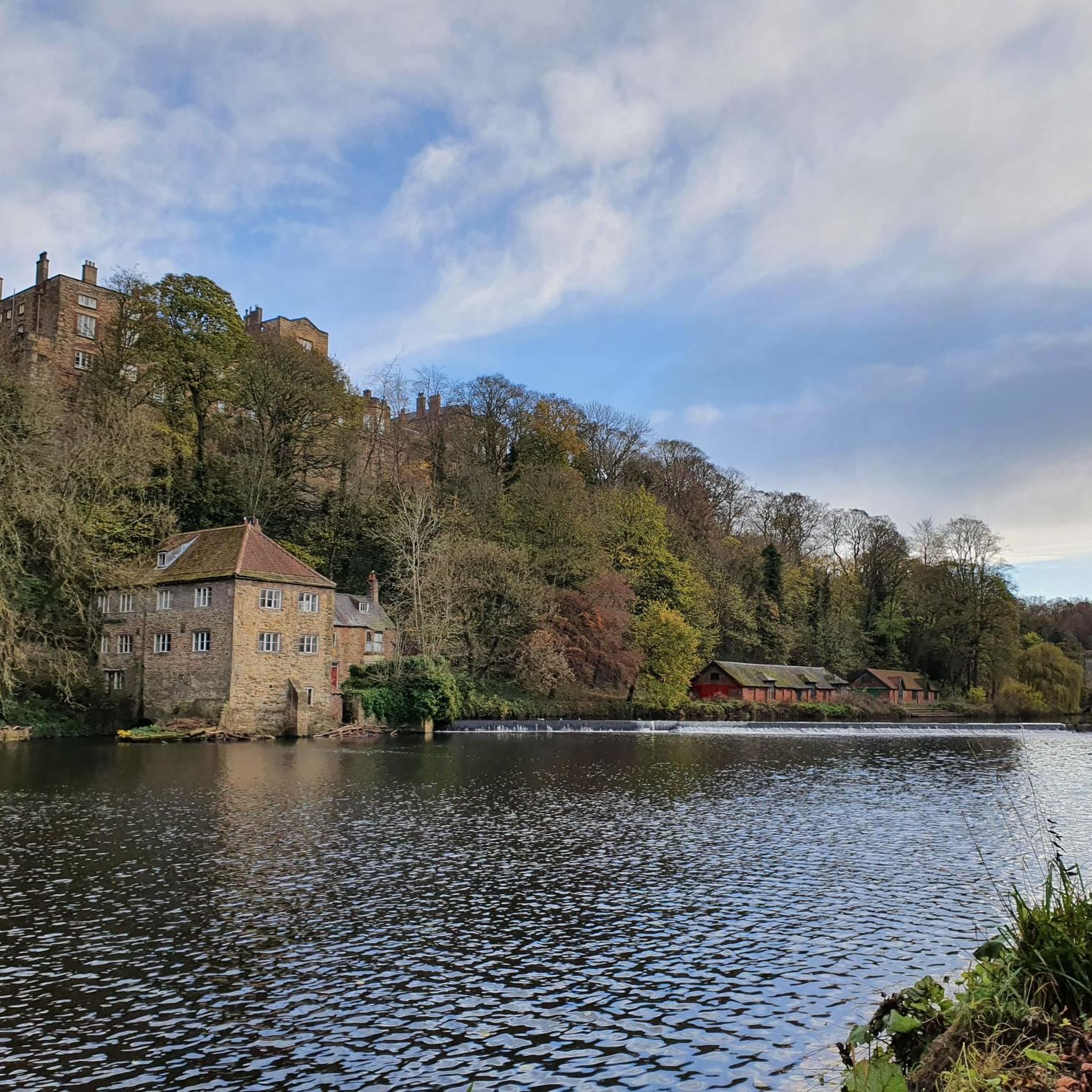
Running Trails around City Of Durham
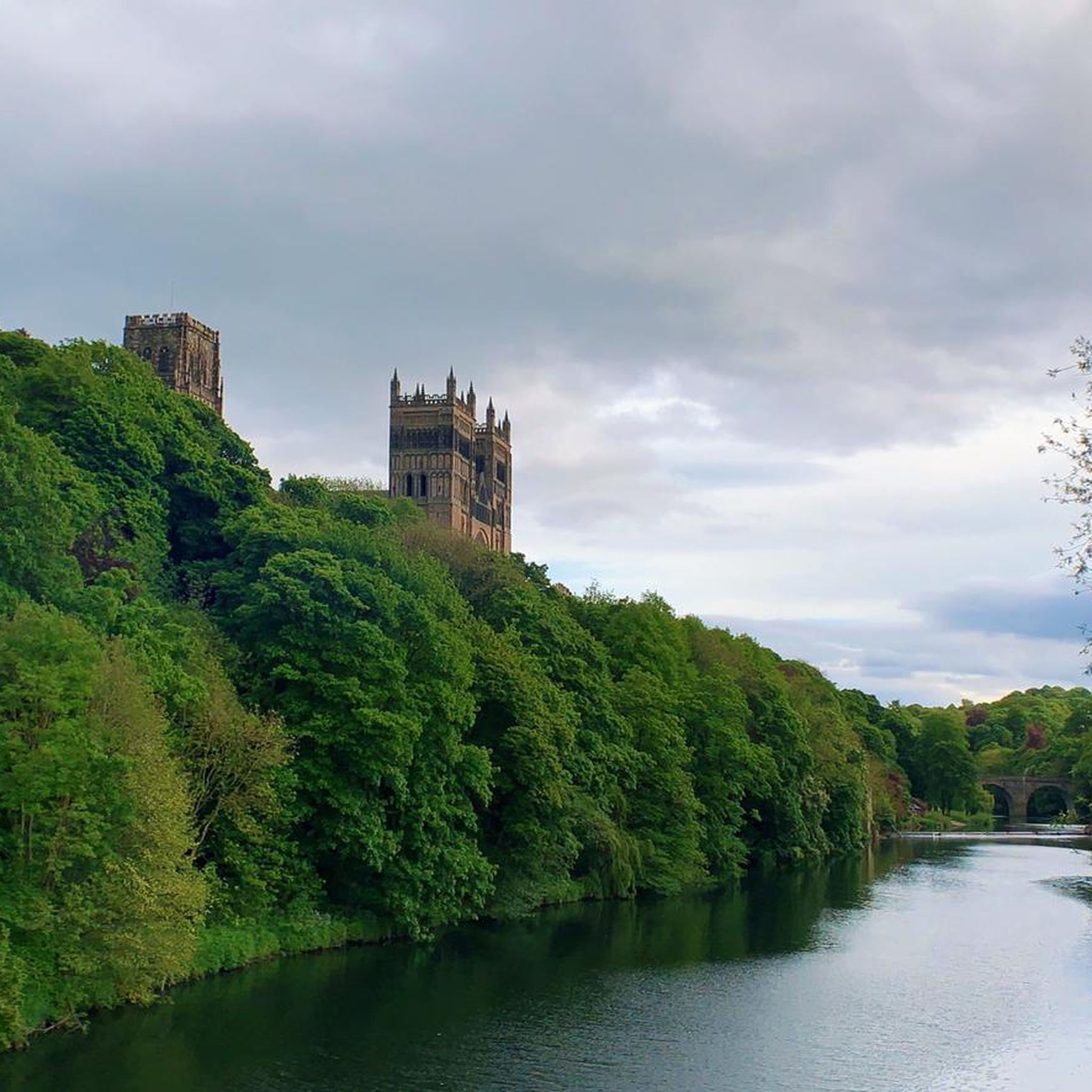
Cycling around City Of Durham

Gravel biking around City Of Durham
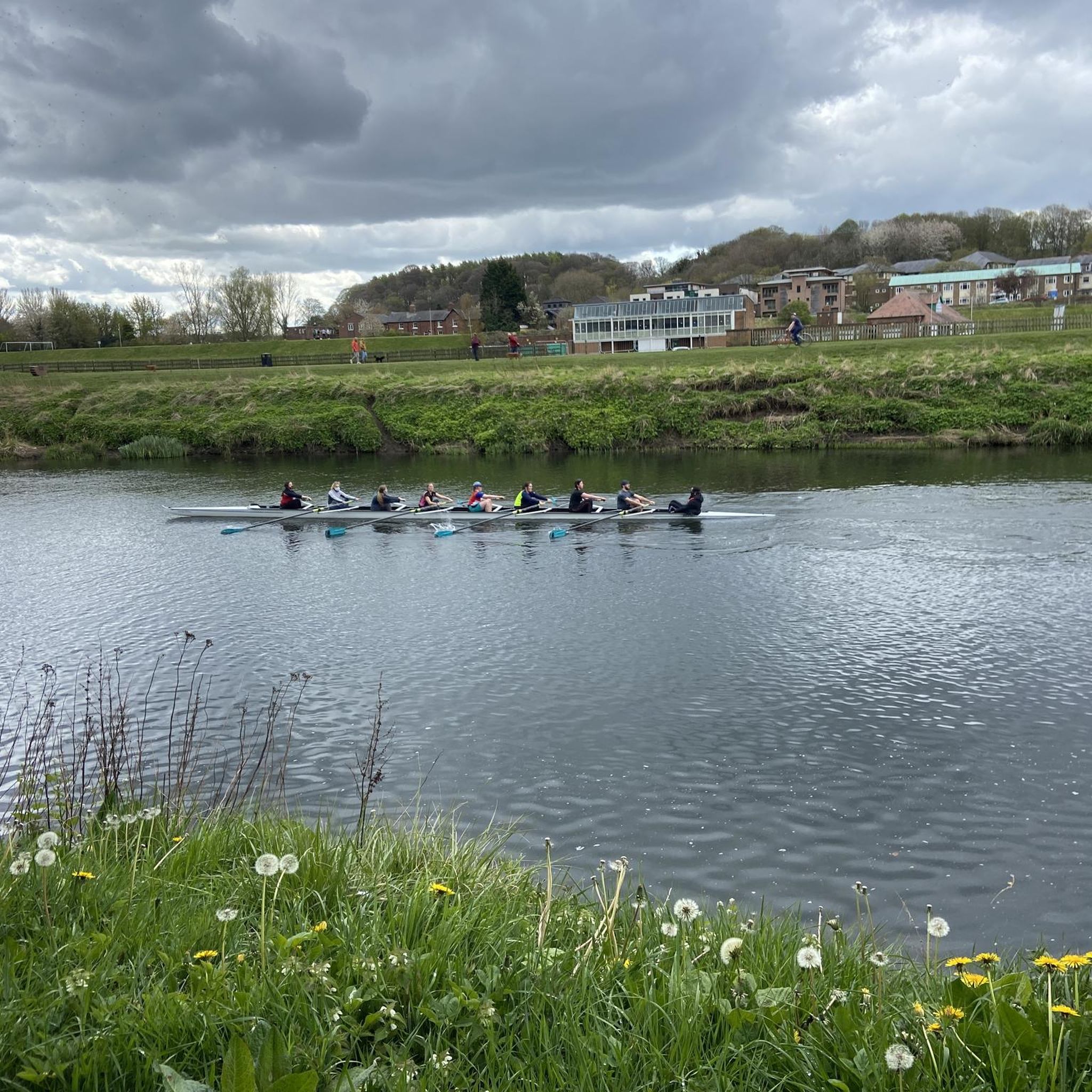
MTB Trails around City Of Durham


Tips from the Community

The cathedral was originally constructed to house the relics of St Cuthbert, a beloved Northumbrian saint. His shrine is a significant pilgrimage destination.
0
0
The Durham Cow statue is situated on the riverside path at The Racecourse, between Baths Bridge and the bandstand.
0
0


nice easy parking, walk accross the bridge over the river and you can either walk left or right giving you two options to walk up or down the river. quite pleasant but can get a bit boggy when it rains so wear the correct footwear. does get busy in the warmer months
3
0

A television series that I can recommend without reservation presents the culture-loving viewer (in German) with remarkable examples of human creativity from many countries around the world. What they all have in common is that they have been given "world heritage" status by UNESCO. One of the contributions documents: "Like a grey rock, Durham Cathedral, located in the north-east of England near the Scottish border, towers over the roofs of the city. Half church and half bastion, this building is an impressive example of early Romanesque church architecture in England. The three-storey Anglo-Norman cathedral with a 2 m thick arcade wall and Norman castle complex, the later seat of the bishops of Durham, was declared a cultural monument." This film can be found in the ARD media library under the following link: https://www.ardmediathek.de/video/schaetze-der-welt/die-kathedrale-von-durham-grossbritannien-folge-138/3sat/Y3JpZDovL3N3ci5kZS83MTY4ODA2
2
1
A life-size bronze cow laying down to rest. The gold-horned beast looks down river towards the Cathedral.
0
0

According to legend, Durham was built on the back of this cow. The legend of the cow, the monks and the wandering milkmaid. (apparently monks carrying St Cuthbert’s coffin bumped into a milkmaid who was out looking for her lost cow. Thinking she was a sign from above, they followed her and built the Cathedral on the ground where she led them). But the little girl on the cow’s back doesn’t care about any of that. She climbs the battered rope of the cow’s spine. Her hands beat sighs from its wan bronze sides. When she can’t go any further, she sticks her head through the cow’s horns and stares at the sky. The cow bears it. (And her feet – when she jumps off – in the sockets of its eyes.) And the rain and the cricket. Its features are drawn into a mask that suggest an ancient tribe. It looks odd sitting out here, but no odder than the bandstand (https://www.durham.gov.uk/media/3804/i-see-public-artwork-County-Durham/pdf/ISeePublicArtworkCountyDurham.pdf?m=636735642250730000)
0
0
Durham Count's House is actually a folly - a building erected for the sole purpose of looking nice in a rural setting and usually made to look like a forgotten piece of history. The Georgians and Victorians were great ones for building follies, and you'll often find miniature mock medieval ruins and classical temples in the grounds of country houses. The Count's House folly was built by the Dean and Chapter of Durham Cathedral in about the 1820s. Of course, I say that follies have no other purpose, but they did sometimes serve as a place to rest, take tea or as a hunting lodge; the Count's House was sometimes used as a summerhouse. (https://explorar.co.uk/durham/history/who-was-durhams-little-count/)
3
0
Frequently Asked Questions
What historical sites can I explore in City Of Durham?
City Of Durham is rich in history. You can visit the iconic Durham Cathedral and Durham Castle, both UNESCO World Heritage Sites. Other notable historical attractions include Finchale Priory, a beautiful ruined priory on the River Wear, and Lumley Castle, a 14th-century building now operating as a hotel.
Are there any UNESCO World Heritage Sites in City Of Durham?
Yes, City Of Durham is home to two significant UNESCO World Heritage Sites: Durham Cathedral and Durham Castle. The Cathedral is a remarkable Romanesque building, and the Castle has been continuously occupied since its construction in 1072.
What kind of outdoor activities can I do near City Of Durham's attractions?
The area around City Of Durham offers various outdoor activities. You can enjoy cycling on routes like the 'Durham to Seaham coastal loop' or the 'View of Lanchester Valley' trail. For hiking, there are easy walks such as the 'Durham Cathedral & Castle loop' or the 'Low Burnhall Riverside Trail'. Running enthusiasts can explore routes like 'Aykley Heads Nature Reserve & the River Wear loop'. Find more details on these activities in the dedicated guides for cycling, easy hikes, and running trails around City Of Durham.
Are there family-friendly attractions in City Of Durham?
Many attractions in City Of Durham are suitable for families. Both Durham Cathedral and Durham Castle are listed as family-friendly, offering historical exploration. The Count's House Folly, a charming summer house, also provides an interesting stop for families.
What are some easy walks or trails near City Of Durham?
For easy walks, consider the 'Durham Cathedral & Castle loop' which is just over 3 km, or the 'The Wicker Miner's Wife – Low Burnhall Riverside Trail loop' at around 6.6 km. Another option is the 'Durham Bandstand – Durham Cow Statue loop' which is about 4.2 km. These routes offer accessible ways to explore the city and its surroundings. You can find more easy hikes in the Easy hikes around City Of Durham guide.
What natural features can I see around City Of Durham?
The City Of Durham is situated around the River Wear, offering scenic riverbanks. You can also visit Finchale Priory, nestled on the wooded banks of the River Wear, which provides a beautiful natural setting alongside historical ruins.
What do visitors enjoy most about City Of Durham's attractions?
Visitors frequently praise the grandeur and historical significance of sites like Durham Cathedral, often noting its impressive Romanesque architecture and the peaceful atmosphere. The continuous occupation and historical depth of Durham Castle also captivate visitors. The beauty of the ruins and riverside setting at Finchale Priory are also highly appreciated.
Are there any unique or 'hidden gem' attractions in City Of Durham?
While not entirely hidden, The Count's House Folly offers a unique glimpse into the past. This former summer house, dating from about 1820, was built as a folly and provides a charming historical point of interest with an interesting backstory about Count Boruwlaski.
Can I find cafes or pubs near the walking trails in City Of Durham?
While specific cafes and pubs directly on every trail are not listed, City Of Durham's compact nature means that many walking routes, especially those within or close to the city center, will have amenities like cafes and pubs easily accessible. After exploring attractions like the Cathedral and Castle, you'll find various options for refreshments nearby.
What is the best time to visit City Of Durham's outdoor attractions?
The best time to visit outdoor attractions in City Of Durham generally depends on your preference for weather and crowd levels. Spring and summer offer milder temperatures and longer daylight hours, ideal for exploring historical sites and enjoying walks along the River Wear. Autumn brings beautiful foliage, while winter can offer a unique, quieter experience, especially around the historic sites.
Is public transport available to reach attractions and outdoor sites in Durham?
Yes, City Of Durham has a well-connected public transport network, including bus services, that can help you reach various attractions and starting points for outdoor activities. The city center is quite walkable, and many key sites are within easy reach of public transport hubs.
Are there any dog-friendly walks near Durham?
While specific dog-friendly designations for every trail are not detailed, many of the outdoor routes around City Of Durham, particularly those along the River Wear and in natural areas, are popular with dog walkers. It's always advisable to check local signage for any restrictions and to keep dogs on a lead where necessary, especially near livestock or in busy areas.
Most popular routes around City Of Durham
Most popular attractions around City Of Durham

Get inspired with the komoot mobile app


Explore more
Still not found the Highlight you’re looking for? See guides of the top attractions in other regions:
