Attractions and Places To See around West Bedlington - Top 20
Best attractions and places to see around West Bedlington include a mix of natural landscapes, historical sites, and coastal points of interest. The area features extensive woodlands, country parks, and former industrial sites repurposed for outdoor recreation. Visitors can explore significant landmarks and enjoy views across the Northumberland countryside. This region offers diverse opportunities for outdoor activities and cultural exploration.
Best attractions and places to see around West Bedlington
- The most popular attractions is Seaton Sluice Harbour, an other…
Last updated: July 3, 2026
Seaton Sluice Harbour
Highlight • Structure
Translated by Google •
Tip by

Seaton Burn Waggonway
Highlight (Segment) • Trail
Translated by Google •
Tip by

Sign up now to discover places like this
Get recommendations on the best single tracks, peaks, & plenty of other exciting outdoor places.
Sign up for free
Cramlington Spoon Sculpture
Highlight • Structure
Created by artist Bob Budd, Bob pointed out that its location is obvious .. "in a field where food is made".
Tip by

Northumberlandia (Lady of the North)
Highlight • Structure
Tip by

Bothal Castle
Highlight • Viewpoint
Tip by

Sign up for free to discover even more attractions around West Bedlington.
Sign up for free
Already have an account?
Start today with a free account
Your next adventure awaits.
Login or Signup

Tips from the Community

Northumberlandia (Lady Of The North) 115.3m P55.3 (378ft) (DoBIH Hill ID: 16083) [JNSA 23759] County of Northumberland Definitive List summit.
0
0

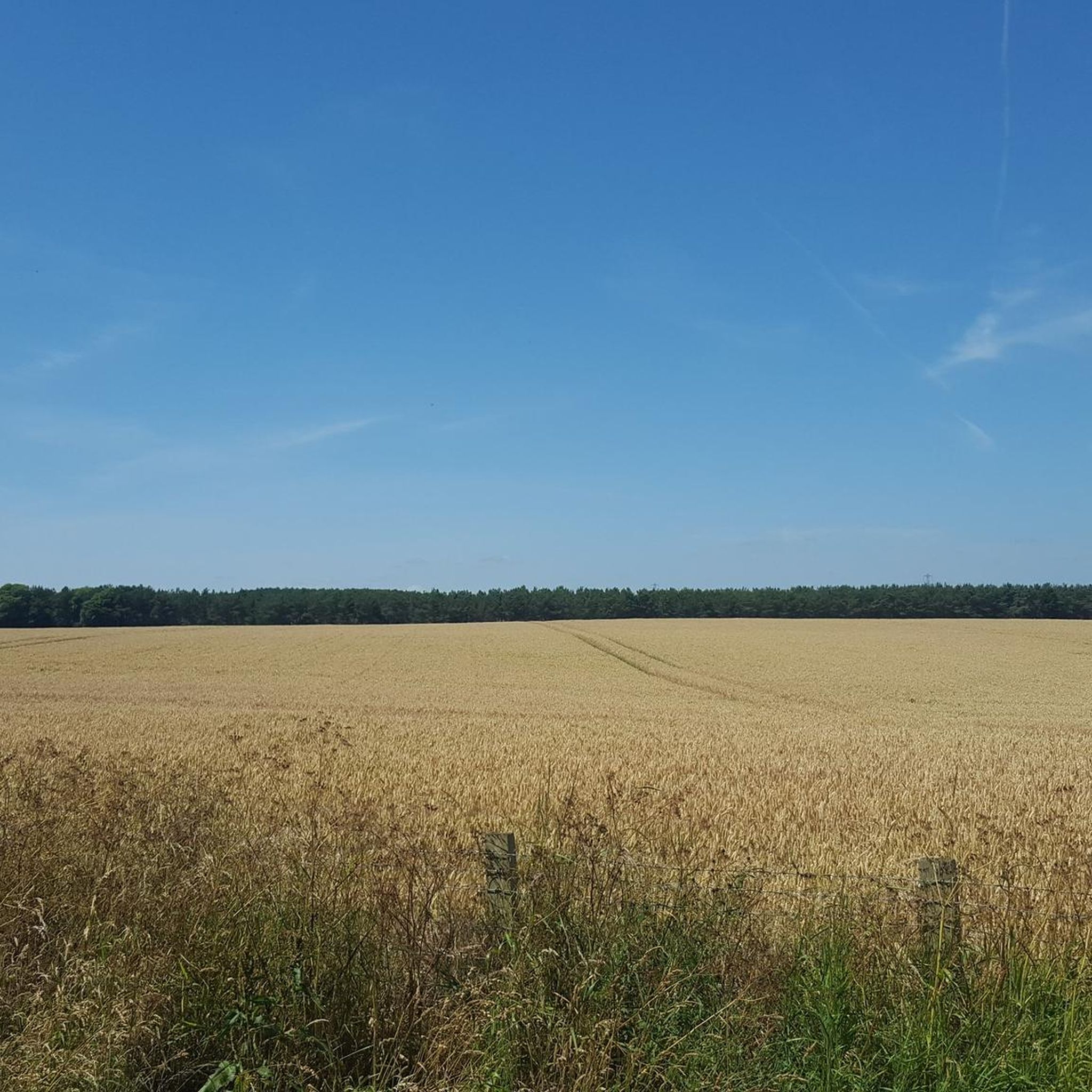
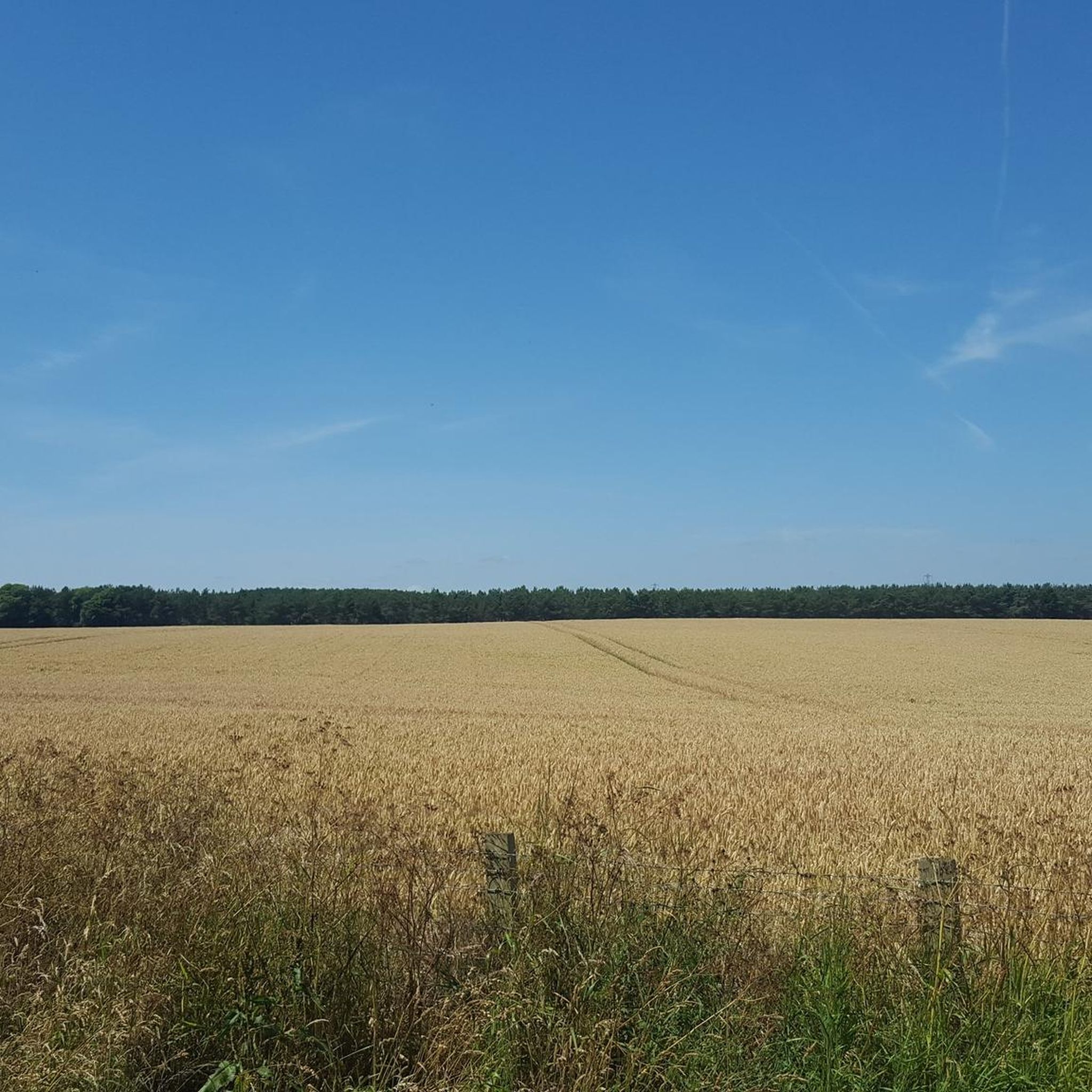
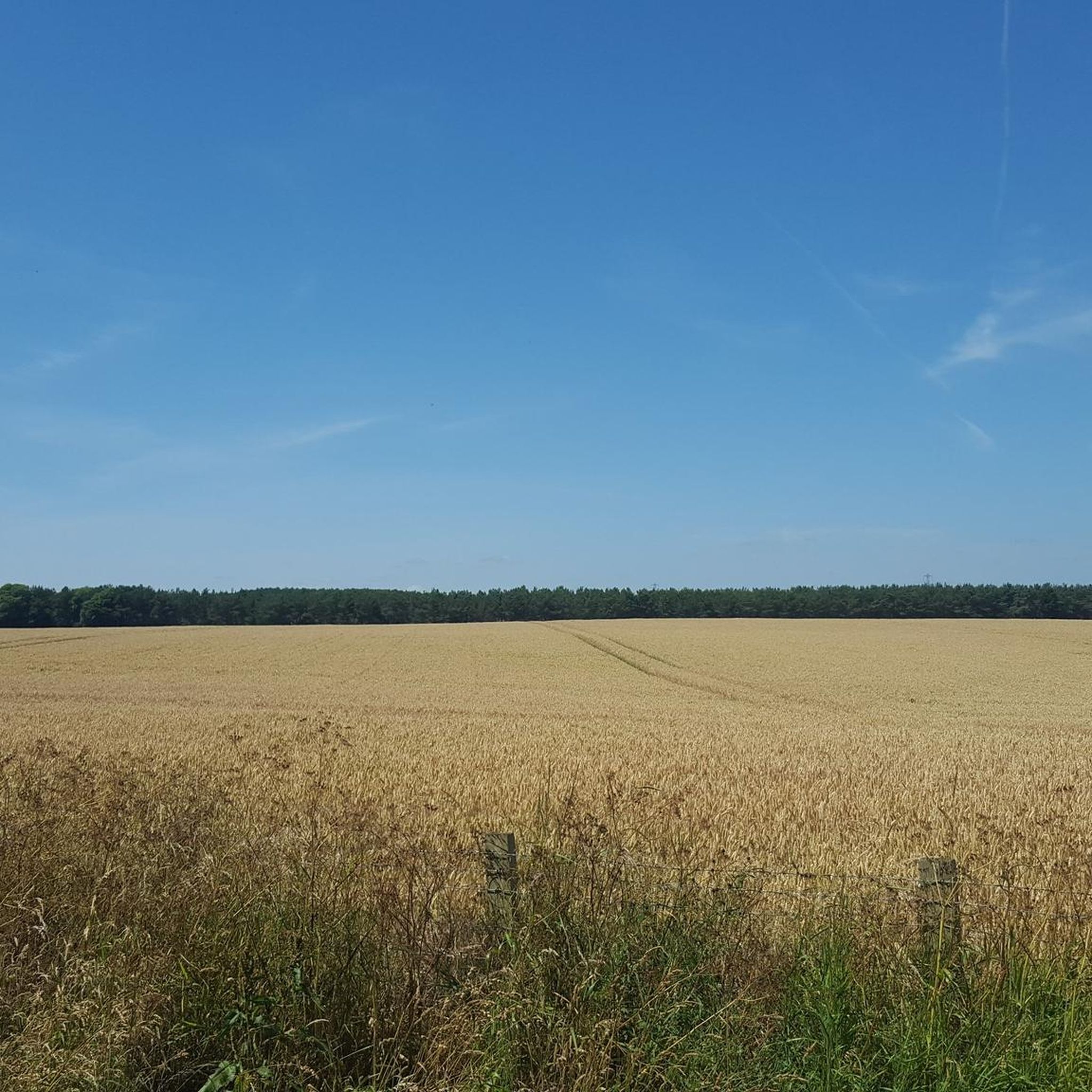
The Giant Spoon. Not what you'd expect to see. Good gravel road heads eastwards
0
0

Cycling guides for the wagonways in North Tyneside can be downloaded from the council's website https://my.northtyneside.gov.uk/category/244/waggonways-routes
1
0


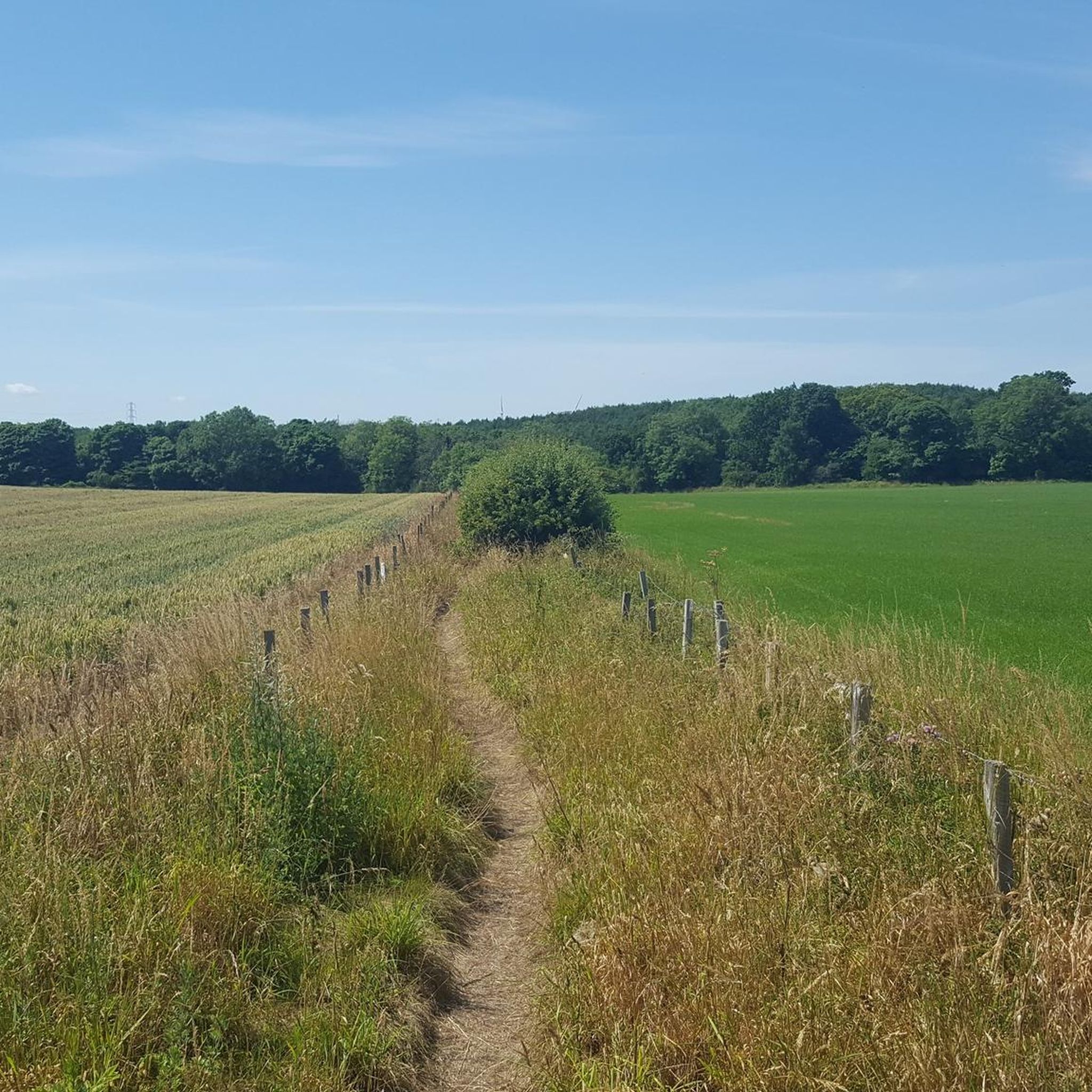
🚂 The Seaton Burn Waggonway, originally known as the Brunton and Shields Railway, was an industrial railway line operated between 1826 and 1920 to transport coal from collieries such as Brunton, Burradon and Seaton Burn to the River Tyne. The line was partly horse-drawn and partly rope-operated with stationary steam engines—an early form of funicular railway1. In 1837 the route was extended to North Shields, and around 1867 it was converted to standard gauge to connect with the wider railway network. Today, the former railway line has been converted into a traffic-free footpath and cycleway, part of the Waggonways network in North Tyneside. The path winds through green corridors and past traces of industrial heritage, and is popular with walkers, cyclists and nature lovers.
10
0

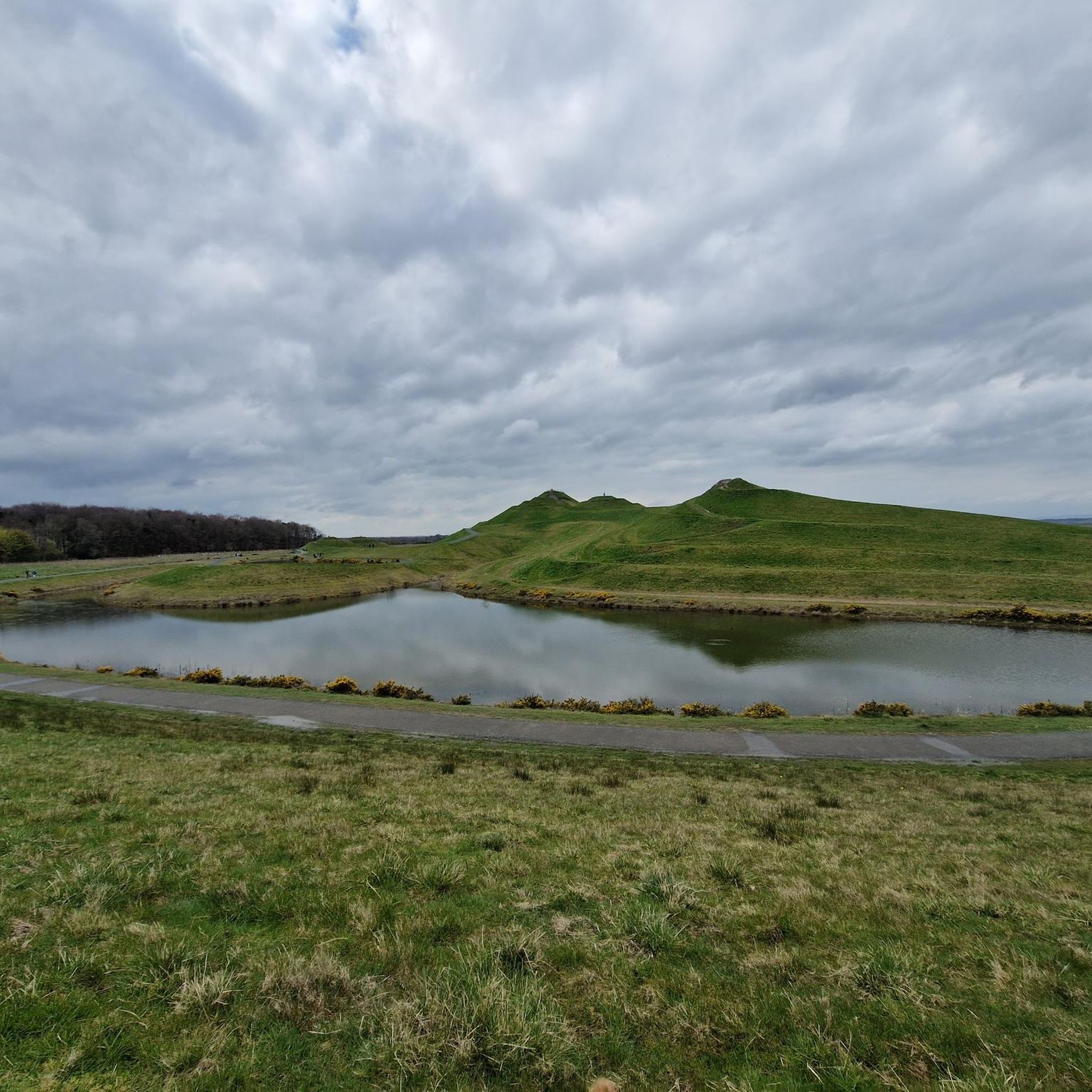
The "Northumberlandia" project owes its origins to open-cast mining: The earth lying above the mineral resources to be mined (e.g., coal seams) – known in technical terms as "overburden" – is typically stored on a so-called "overburden dump." Europe's largest artificial mountain, "Sophienhöhe," was created this way in North Rhine-Westphalia, Germany. As a landscape project, the overburden was used to create a reclining female figure called "Northumberlandia." However, from a ground perspective, little will be visible on site. To experience the outline of the sculpture of the lady, also known as the "Lady of the North," there is a plan sketch on the official website, which I have imported into the komoot image gallery (source: https://www.northumberlandia.com/ ).
0
0


Fantastic views of the Bothal Castle ruin from the village of Bothal (old English for dwelling). Well worth a stop to take in the magnificent castle, though be warned, you're in a bit of a dip, so it's a climb out from both sides.
1
0
Frequently Asked Questions
What natural attractions can I explore near West Bedlington?
West Bedlington is surrounded by several natural areas. You can visit Bedlington Country Park Local Nature Reserve, which offers 57 hectares of woodland and grassland with horse and nature trails, a picnic area, and a children's play area. It's known for its wildlife, including red squirrels and otters. Another option is Plessey Woods Country Park, featuring extensive woodland walks, a visitor's center, and a cafe. Gallagher Park, built on a former pit, provides woodlands, wildflower meadows, and green spaces.
Are there good walking or hiking trails around West Bedlington?
Yes, there are several excellent options for walking and hiking. The Seaton Burn Waggonway is a traffic-free footpath and cycleway, perfect for leisurely strolls through green corridors. Bedlington Country Park offers pleasant nature trails, including areas like Attlee Park and Humford Mill. Gallagher Park also features woodlands and paths. For more structured routes, you can explore various running trails around West Bedlington, many of which are suitable for walking.
What historical sites or landmarks can I visit near West Bedlington?
The area boasts several historical points of interest. In Bedlington's main street, you can see an old market cross obelisk erected in 1782. The Tower and Beeches in West Bedlington is a historic building, once an astronomical observatory. The Seaton Sluice Harbour, originally known as Hartley Haven, has a rich maritime history. Further afield, you can find Bothal Castle, an impressive 12th-century building, though it is a private residence and not accessible to the public, offering great views from the village of Bothal.
What family-friendly activities are available around West Bedlington?
Families have plenty to enjoy. Bedlington Country Park and Plessey Woods Country Park both offer children's play areas and easy walking trails. The Northumberlandia (Lady of the North) is a unique human landform sculpture that children often find fascinating, with paths to explore. The Seaton Burn Waggonway is a safe, traffic-free path suitable for family walks and cycling. The charming Seaton Sluice Harbour is also a pleasant spot for a family outing.
Are there any dog-friendly trails or parks near Bedlington?
Yes, many outdoor areas around West Bedlington are dog-friendly. Bedlington Country Park is a popular choice with its extensive trails and open spaces. The Seaton Burn Waggonway provides a long, traffic-free path ideal for walks with dogs. Gallagher Park also welcomes dogs, offering woodlands and green areas for exploration. Always remember to keep dogs under control and clean up after them.
What outdoor activities can I do near these attractions besides walking?
Beyond walking, the area offers various outdoor pursuits. Gallagher Park features red and black graded mountain bike trails ('Noel and Liam') and a BMX track. For cyclists, there are numerous road cycling routes and gravel biking opportunities, including routes that incorporate the Seaton Burn Waggonway. Golf enthusiasts can visit the Bedlingtonshire 18 Hole Golf Course.
What do visitors enjoy most about the attractions around West Bedlington?
Visitors particularly appreciate the blend of natural beauty and historical significance. The Seaton Sluice Harbour is loved for its charming coastal atmosphere, colorful boats, and relaxing benches, with nearby cafes and pubs. The Northumberlandia (Lady of the North) is praised for its unique artistry and magnificent views across the Northumberland countryside. The Seaton Burn Waggonway is valued as a pleasant, traffic-free path for walking and cycling, winding through green corridors and past industrial heritage.
Are there any unique or 'hidden gem' attractions near West Bedlington?
While not strictly 'hidden,' the Cramlington Spoon Sculpture is a surprising sight in the fields between Cramlington and Seghill. This 15-foot sculpture, created by Bob Budd, symbolizes the link between food-producing fields and our plates and is part of the Cramlington Art Trail. It offers a unique photo opportunity, though paths can be muddy after rain.
What is the best time of year to visit West Bedlington for outdoor activities?
The spring and summer months (April to September) generally offer the most pleasant weather for outdoor activities, with warmer temperatures and longer daylight hours ideal for exploring parks, trails, and coastal areas. Autumn brings beautiful foliage to the woodlands. While winter walks can be picturesque, especially in places like Bedlington Country Park, some paths might be muddy, and facilities might have reduced hours.
Are there cafes or places to eat near the walking routes in West Bedlington?
Yes, you can find places to refresh yourself. The Plessey Woods Country Park has a visitor's center with a cafe. Near Seaton Sluice Harbour, there are numerous pubs and cafes overlooking the harbor where you can rest. Additionally, Bedlington hosts a weekly market on Thursdays, offering various goods, including food options.
Is public transport available to reach attractions around West Bedlington?
While specific public transport routes directly to every attraction may vary, Bedlington itself is served by local bus services. For attractions like the Seaton Burn Waggonway, its nature as a traffic-free footpath and cycleway means it's accessible by walking or cycling from nearby residential areas. For more remote natural parks or landmarks, driving or cycling might be the most convenient options.
What is the significance of the 'waggonways' in the area?
The waggonways, such as the Seaton Burn Waggonway, are significant historical features. They were originally industrial railway lines, like the Brunton and Shields Railway, used to transport coal from collieries to the River Tyne. Today, these former railway lines have been converted into traffic-free footpaths and cycleways, preserving a part of the region's rich mining and industrial heritage while providing green corridors for recreation.
Most popular routes around West Bedlington
Most popular attractions around West Bedlington

Get inspired with the komoot mobile app


Explore more
Still not found the Highlight you’re looking for? See guides of the top attractions in other regions:
