Attractions and Places To See around Tritlington And West Chevington - Top 20
Best attractions and places to see around Tritlington And West Chevington include a blend of historical sites and natural landscapes. This area in Northumberland features significant historical structures like medieval castles and listed buildings, alongside natural features such as coastal areas and nature reserves. The region offers opportunities to explore ancient history and diverse ecosystems, with several notable landmarks within reach.
Best attractions and places to see around Tritlington And West Chevington
- The most popular attractions is Warkworth Castle, a castle that was built in the 12th century and owned by the Percy family. It sits atop a steep hilltop above the River Coquet, offering views of the river and the North Sea.
- Another must-see spot is Warkworth Medieval Bridge, a defensive bridge and gateway over the River Coquet. Built in the 14th century, this well-preserved structure is designated as a Scheduled Monument and is the only surviving fortified bridge in England.
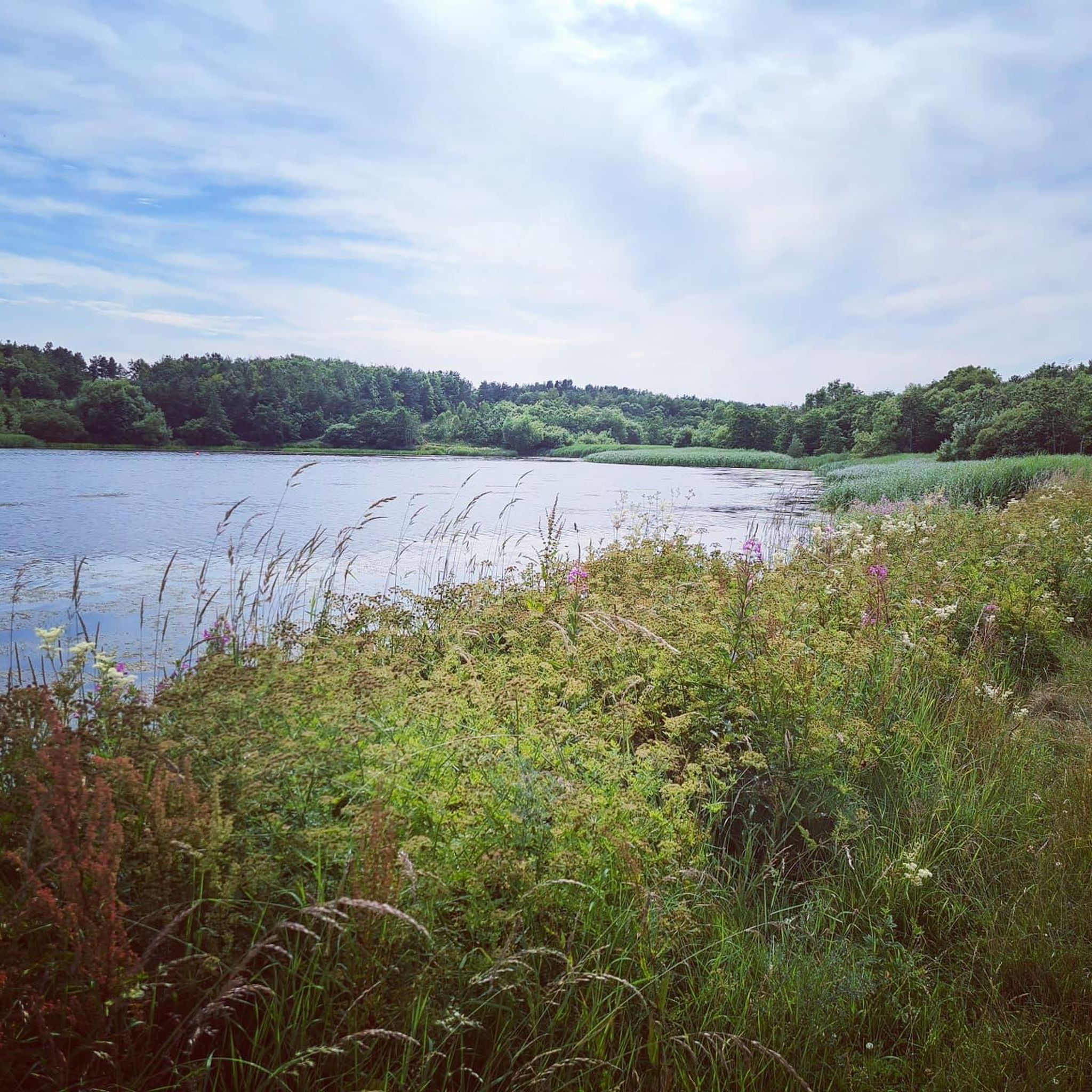
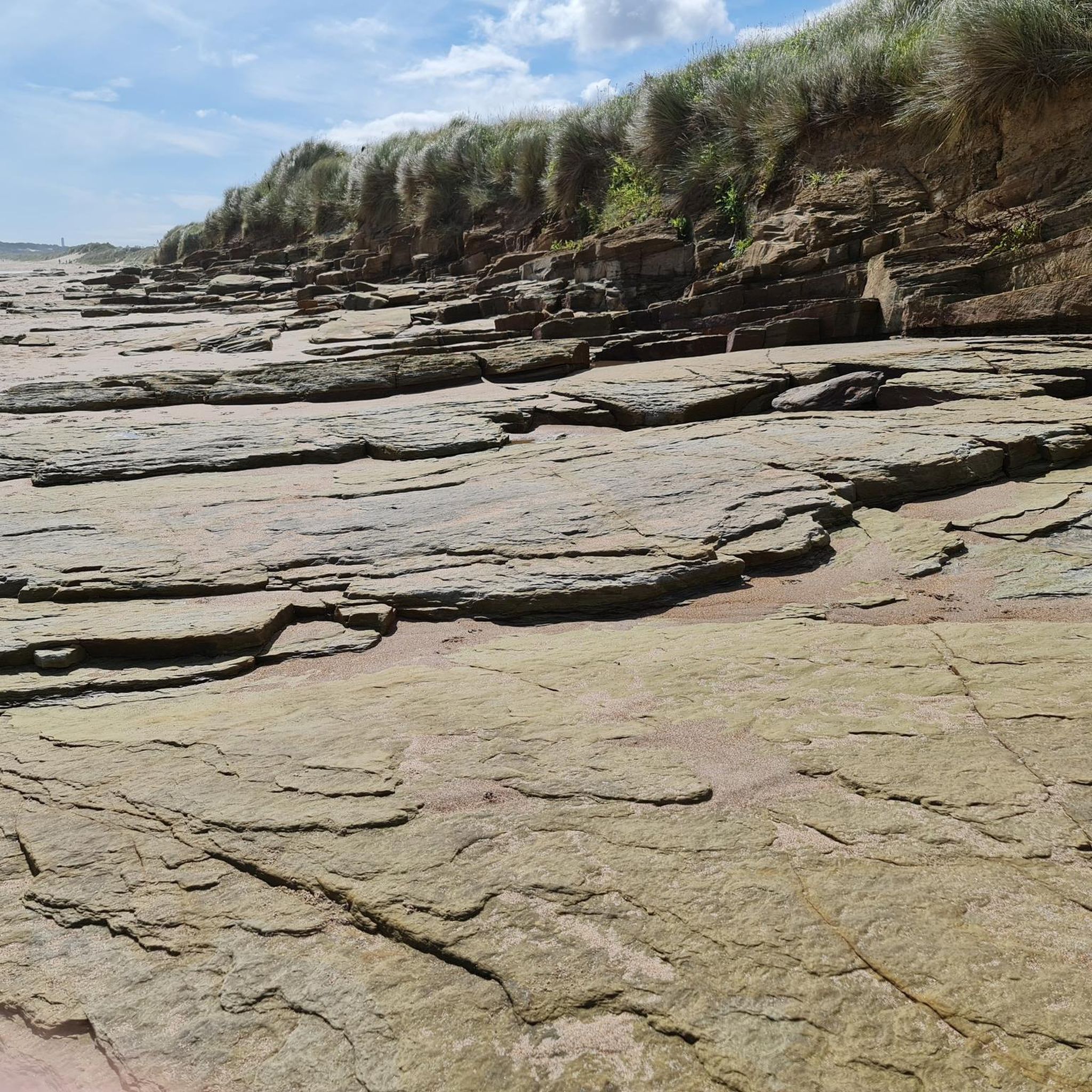
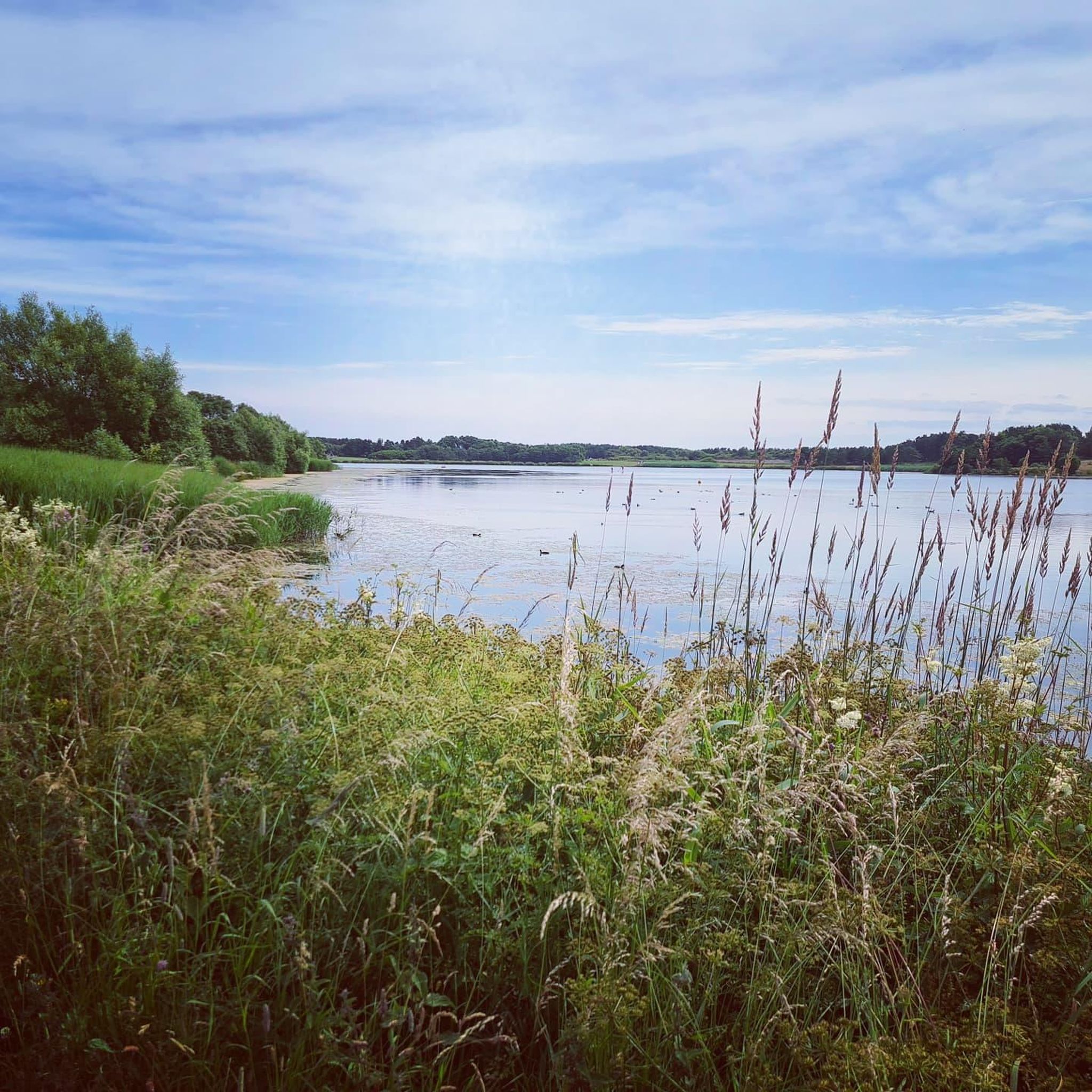
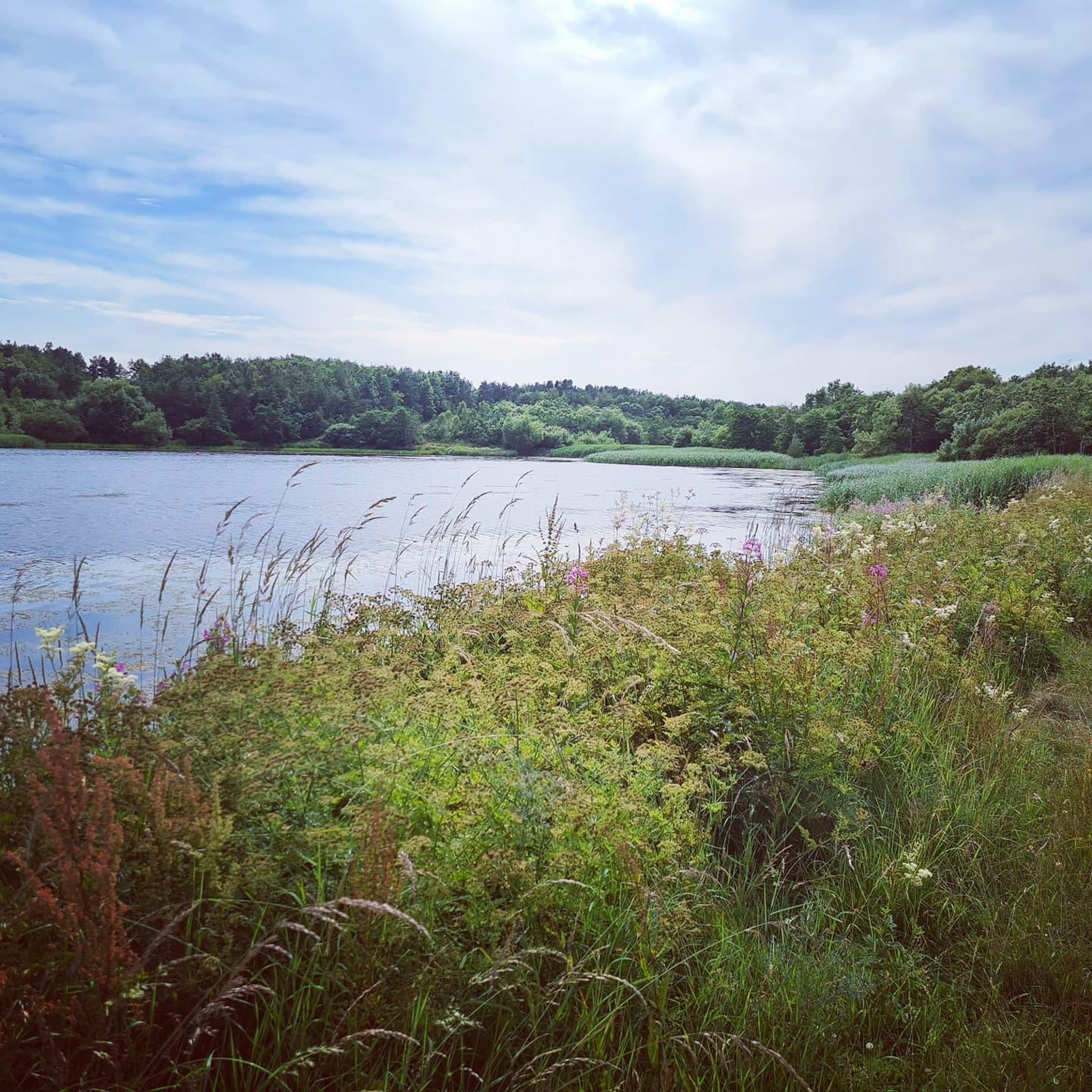
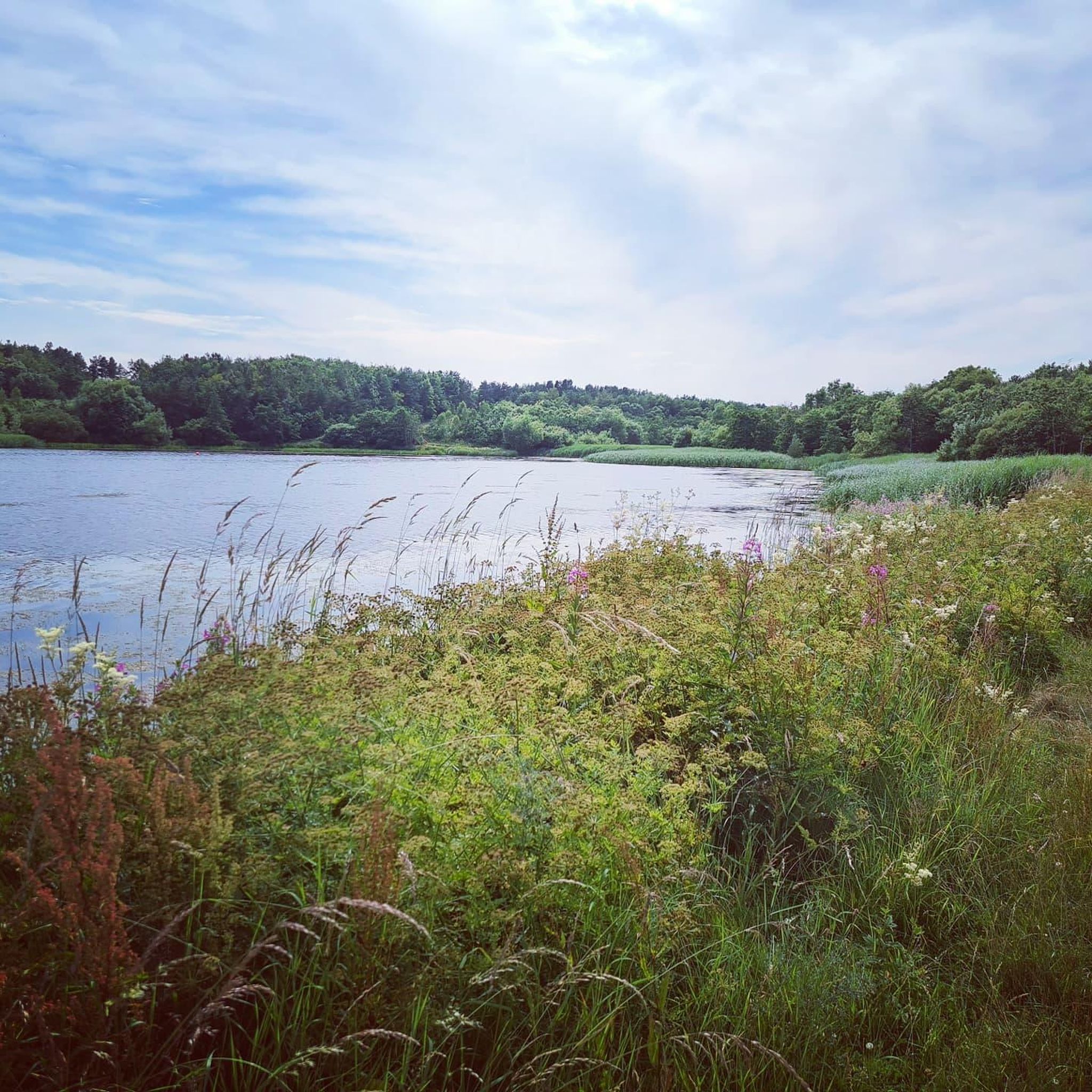
- Visitors also love Druridge Bay Country Park, an area featuring a 7-mile stretch of sandy coastline, lakes, meadows, and woods. This landscape is home to various wildlife and offers opportunities for cycling and water sports.
- Tritlington And West Chevington is known for its historical castles, ancient bridges, and natural coastal parks. The area provides a variety of attractions to see and explore, from medieval architecture to diverse ecosystems.
- The attractions around Tritlington And West Chevington are appreciated by the komoot community, with more than 170 upvotes and 40 photos shared.
Last updated: August 27, 2026
Warkworth Castle
Highlight • Castle
Today, you can visit the castle from 10am to 6pm daily. Tickets for adults cost £7.20. The castle also hosts various events such as medieval myths and legends. You can find more information, here: english-heritage.org.uk/visit/places/warkworth-castle-and-hermitage
Tip by

Druridge Bay Country Park
Highlight • Natural
Tip by
Sign up now to discover places like this
Get recommendations on the best single tracks, peaks, & plenty of other exciting outdoor places.
Sign up for free
Bothal Castle
Highlight • Viewpoint
Tip by

St Mary Magdalene Church
Highlight • Other
The parish church dates back to the late 12th century and was remodeled in the 13th century, likely after the village was burned by King John in 1216. The 14th century saw the addition of transepts. Major restoration and the addition of a south aisle, west tower, clerestory, and porch were carried out by R.J. Johnson of Newcastle in 1874-5.
Exterior:
The church features a mix of medieval squared stone and 19th-century ashlar with red tile roofs. Key elements include a west tower with an octagonal southwest stair turret, a south aisle with stepped angle buttresses and lancet windows, and a projecting southwest porch. The north nave wall has 13th-century masonry and a blocked door. The chancel’s south wall includes a 12th-century priest’s door and lancet windows, while the transepts have trefoiled ogee lights.
Interior:
Inside, the 12th-century south arcade features round moulded arches on round piers with scalloped capitals. The north transept and south transept have foliage-carved capitals and a small piscina, respectively. The chancel arch and tower arch are 19th-century, and the chancel includes triple sedilia and eastern lancets with 12th-century outer shafts. Fittings include a 1622 Revely monument, a Romanesque wall monument, a medieval bell, and various 19th-century items like the font, pulpit, and reredos with figures of Saints Aidan and Cuthbert.
Tip by

The Big Puffin Sculpture, Paddlers Park
Highlight • Monument
Tip by

Sign up for free to discover even more attractions around Tritlington And West Chevington.
Sign up for free
Already have an account?
Start today with a free account
Your next adventure awaits.
Login or Signup
Tips from the Community

English Heritage. On Tuesday, Wednesday and Thursday in the summer the very good café at the Warkworth Cricket Club is open for very good cakes, cheese scones and bacon or sausage baps.
0
0


Fantastic views of the Bothal Castle ruin from the village of Bothal (old English for dwelling). Well worth a stop to take in the magnificent castle, though be warned, you're in a bit of a dip, so it's a climb out from both sides.
1
0

Bothal Castle is an impressive building with a rich history. It was originally built in the12th century, but transformed into its current form in 1343. It's a private residence, and therefore not accessible to the public.
0
0

The 'Great Puffin', wings outstretched prepares for take-off. Inspired by artworks from the early bronze and iron ages that can be found in the area, it looks like it is carved in stone.
0
0

History of the Church: The parish church dates back to the late 12th century and was remodeled in the 13th century, likely after the village was burned by King John in 1216. The 14th century saw the addition of transepts. Major restoration and the addition of a south aisle, west tower, clerestory, and porch were carried out by R.J. Johnson of Newcastle in 1874-5. Exterior: The church features a mix of medieval squared stone and 19th-century ashlar with red tile roofs. Key elements include a west tower with an octagonal southwest stair turret, a south aisle with stepped angle buttresses and lancet windows, and a projecting southwest porch. The north nave wall has 13th-century masonry and a blocked door. The chancel’s south wall includes a 12th-century priest’s door and lancet windows, while the transepts have trefoiled ogee lights. Interior: Inside, the 12th-century south arcade features round moulded arches on round piers with scalloped capitals. The north transept and south transept have foliage-carved capitals and a small piscina, respectively. The chancel arch and tower arch are 19th-century, and the chancel includes triple sedilia and eastern lancets with 12th-century outer shafts. Fittings include a 1622 Revely monument, a Romanesque wall monument, a medieval bell, and various 19th-century items like the font, pulpit, and reredos with figures of Saints Aidan and Cuthbert.
0
0

Warkworth Castle and Hermitage form one of the most unusual pairs of medieval monuments in Britain. The castle was probably laid out in its present form in about 1200 and was the favoured residence of the powerful Percy family from the 14th to the 17th centuries. As the Earls (and later Dukes) of Northumberland, they were among the greatest landowners in northern England. Nearby, on the banks of the river Coquet and accessible only by boat, are the remains of a chapel known as the hermitage, carved directly out of the cliff rock.
0
0
Bothal is a small village in Northumberland, England, known for its historical landmarks and rural charm. The village features Bothal Castle, a well-preserved privately-owned medieval castle from the 14th century. The Church of Saint Andrew, a parish church with Norman architecture dating back to the 12th century, is another notable attraction. Bothal also offers picturesque countryside for outdoor activities such as walking, cycling, and fishing along the River Wansbeck. Visitors can enjoy exploring the village's historical sites and taking in its natural beauty.
0
0
Frequently Asked Questions
What historical sites can I visit around Tritlington and West Chevington?
The area is rich in history. You can explore the impressive Warkworth Castle, a 12th-century fortress with a rich past, or marvel at the unique Warkworth Medieval Bridge, England's only surviving fortified bridge. Additionally, the historic St Mary Magdalene Church in Warkworth, dating back to the late 12th century, offers a glimpse into medieval architecture. While Tritlington Old Hall and Tritlington Hall are significant Grade II listed buildings, they are not generally open to the public.
Are there any natural attractions or nature reserves nearby?
Yes, the region boasts several beautiful natural areas. Druridge Bay Country Park offers a 7-mile stretch of sandy coastline, lakes, meadows, and woods, perfect for wildlife spotting and outdoor activities. West Chevington is home to the largest of Northumberland Wildlife Trust's Druridge Bay reserves, an ambitious rewilding project with diverse habitats. Hauxley Nature Reserve is also nearby, known as one of the best spots for birdwatching in the North East.
What outdoor activities can I do near these attractions?
The area is ideal for various outdoor pursuits. You can enjoy cycling along the coast, with routes like the 'Druridge Bay – Druridge Bay Country Park loop' available. For those who prefer running, there are trails such as the 'Druridge Bay – View of the Lake loop'. Gravel biking is also popular, with routes like the 'Druridge Bay Country Park – Druridge Bay loop'. You can find more details and routes for cycling, gravel biking, and running in the area.
Are there family-friendly attractions around Tritlington and West Chevington?
Absolutely! Many attractions cater to families. Warkworth Castle and Warkworth Medieval Bridge are both listed as family-friendly historical sites. Druridge Bay Country Park offers beaches, lakes, and woods for children to explore, with opportunities for cycling and water sports. For animal lovers, the Northumberland Zoo and Whitehouse Farm Centre are also within reach, providing engaging experiences for all ages.
What are the best places for birdwatching in the area?
Birdwatching enthusiasts will find several excellent spots. Hauxley Nature Reserve is renowned as one of the best wildlife-watching locations in the North East, particularly for its diverse bird life around its lakes and reedbeds. The East Chevington nature reserve, adjacent to Druridge Bay Country Park, is also well-known for birdwatching opportunities.
Can I visit the Warkworth Hermitage?
Yes, the Warkworth Hermitage, a unique chapel carved directly into the cliff rock, is accessible by boat on the River Coquet. It's a fascinating historical site associated with Warkworth Castle and offers a distinctive experience.
Are there any castles other than Warkworth Castle that I can see?
While Warkworth Castle is a major highlight, you can also view Bothal Castle from the village of Bothal. Although it is a private residence and not accessible to the public, it offers impressive views from a distance. Further afield, the significant Alnwick Castle is also a top attraction in the wider Northumberland area.
What do visitors enjoy most about the attractions around Tritlington and West Chevington?
Visitors frequently praise the blend of historical grandeur and natural beauty. For instance, Warkworth Castle is loved for its impressive structure, intact walls, and stunning views of the River Coquet and the North Sea, especially when the mount is covered in daffodils in spring. Druridge Bay Country Park is appreciated for its peaceful, unspoilt beaches and easy gravel cycle paths suitable for all.
Are there any museums or cultural experiences in the vicinity?
Yes, for cultural insights into the region's heritage, you can visit Woodhorn Museum. Additionally, Cragside House, Gardens and Estate, a National Trust property, offers another significant cultural site worth exploring nearby.
What kind of terrain can I expect on walks and trails in the area?
The landscape around Tritlington and West Chevington features rolling agricultural fields and new woodlands. Coastal areas like Druridge Bay Country Park offer sandy beaches and easy gravel paths. Nature reserves often include a mosaic of habitats, from woodlands to ponds and grasslands, providing varied walking surfaces. Generally, you'll find a mix of coastal paths, rural tracks, and trails through natural reserves.
Where can I find beaches near Tritlington and West Chevington?
The area benefits from its proximity to the Northumberland coast, offering access to several beautiful beaches. Druridge Bay Country Park features a 7-mile stretch of pristine sandy coastline. Other popular options include Cresswell Beach, Warkworth Beach, and Alnmouth Beach, all within easy reach.
Most popular routes around Tritlington And West Chevington
Most popular attractions around Tritlington And West Chevington

Get inspired with the komoot mobile app


Explore more
Still not found the Highlight you’re looking for? See guides of the top attractions in other regions:
