Attractions and Places To See around Hepscott - Top 20
Best attractions and places to see around Hepscott include historical landmarks and natural features within a rural setting. This small village in Northumberland, England, is situated on the Sleck Burn and is known for its attractively wooded areas. Hepscott boasts a long history, with archaeological evidence pointing to prehistoric, Romano-British, and medieval habitation. The area offers a blend of historical sites and opportunities for walks amidst its natural landscape.
Best attractions and places to see around Hepscott
- The most popular…
Last updated: May 6, 2026
Seaton Burn Waggonway
Highlight (Segment) • Trail
Translated by Google •
Tip by

Cramlington Spoon Sculpture
Highlight • Structure
Created by artist Bob Budd, Bob pointed out that its location is obvious .. "in a field where food is made".
Tip by

Sign up now to discover places like this
Get recommendations on the best single tracks, peaks, & plenty of other exciting outdoor places.
Sign up for free
Northumberlandia (Lady of the North)
Highlight • Structure
Tip by

Bothal Castle
Highlight • Viewpoint
Tip by

St Mary Magdalene Church
Highlight • Other
The parish church dates back to the late 12th century and was remodeled in the 13th century, likely after the village was burned by King John …
Tip by

Sign up for free to discover even more attractions around Hepscott.
Sign up for free
Already have an account?
Start today with a free account
Your next adventure awaits.
Login or Signup
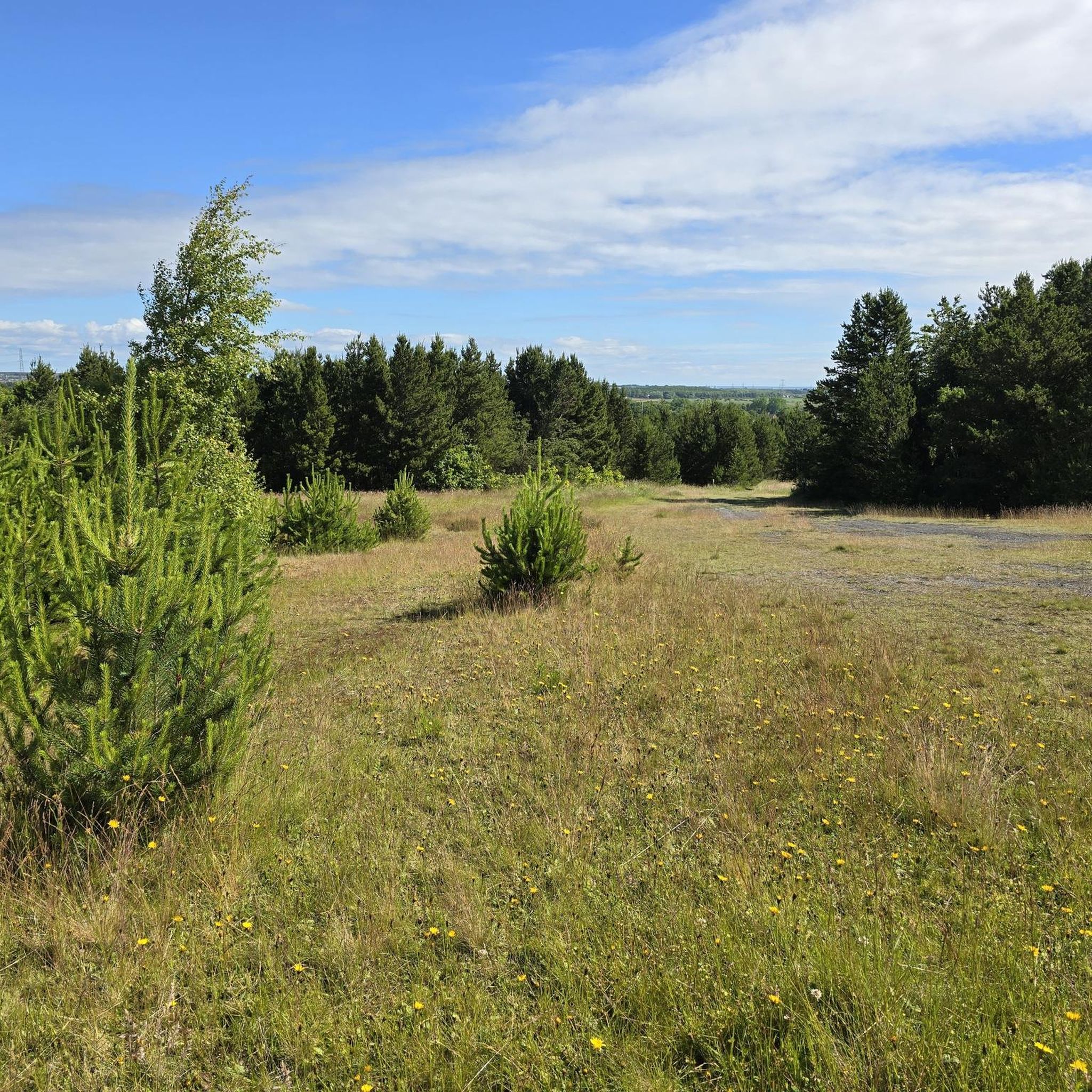

Tips from the Community

Northumberlandia (Lady Of The North) 115.3m P55.3 (378ft) (DoBIH Hill ID: 16083) [JNSA 23759] County of Northumberland Definitive List summit.
0
0

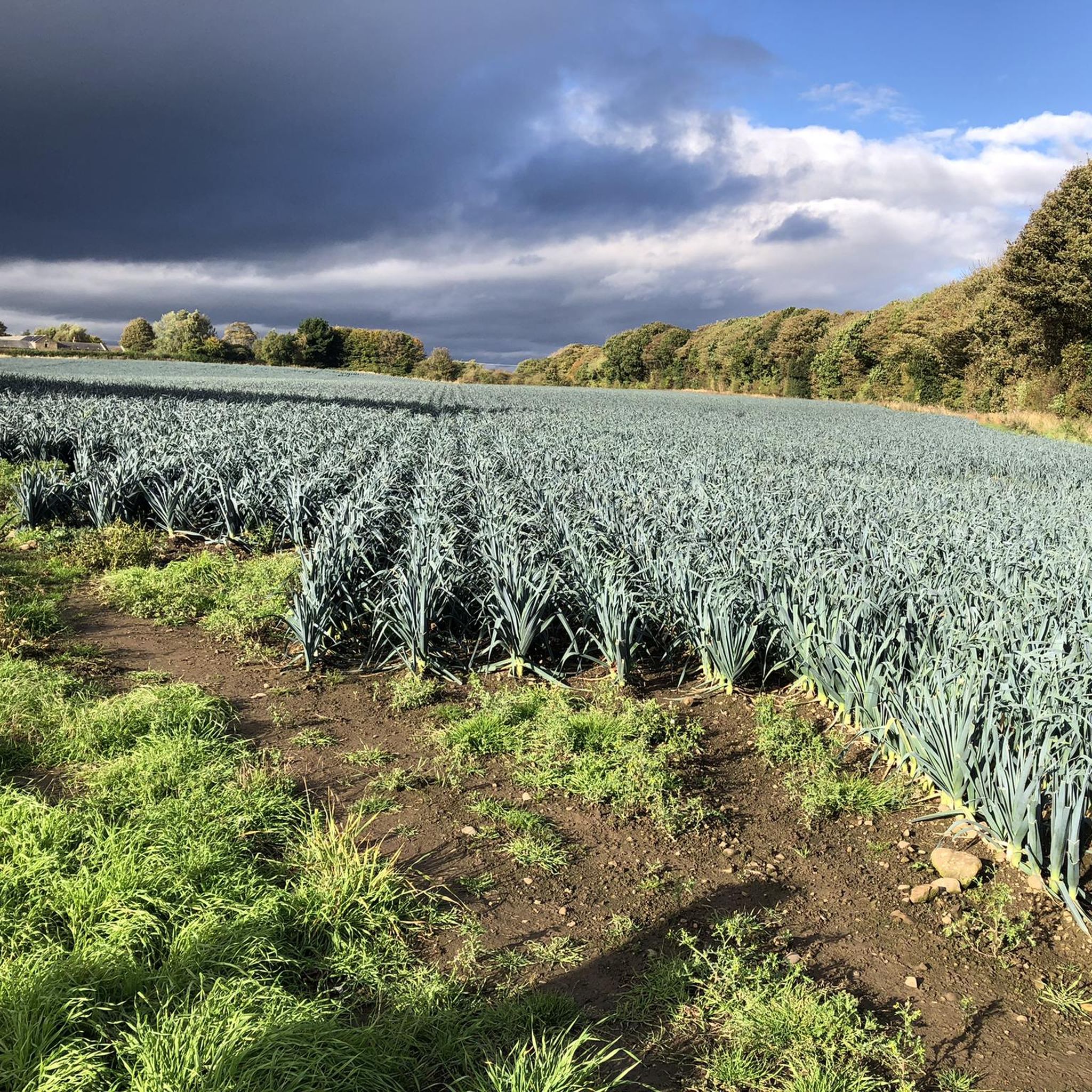
The Giant Spoon. Not what you'd expect to see. Good gravel road heads eastwards
0
0

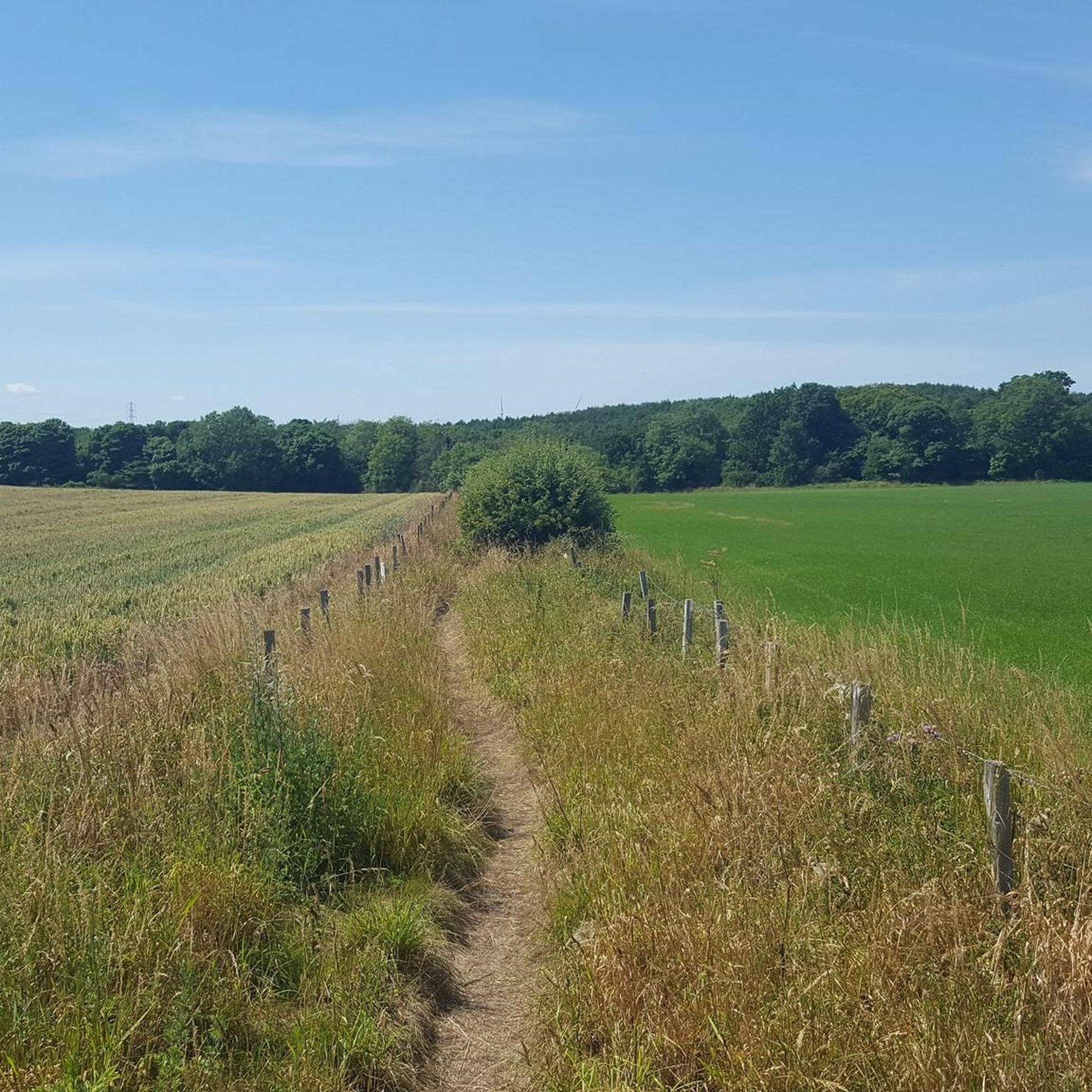
Cycling guides for the wagonways in North Tyneside can be downloaded from the council's website https://my.northtyneside.gov.uk/category/244/waggonways-routes
1
0

🚂 The Seaton Burn Waggonway, originally known as the Brunton and Shields Railway, was an industrial railway line operated between 1826 and 1920 to transport coal from collieries such as Brunton, Burradon and Seaton Burn to the River Tyne. The line was partly horse-drawn and partly rope-operated with stationary steam engines—an early form of funicular railway1. In 1837 the route was extended to North Shields, and around 1867 it was converted to standard gauge to connect with the wider railway network. Today, the former railway line has been converted into a traffic-free footpath and cycleway, part of the Waggonways network in North Tyneside. The path winds through green corridors and past traces of industrial heritage, and is popular with walkers, cyclists and nature lovers.
10
0

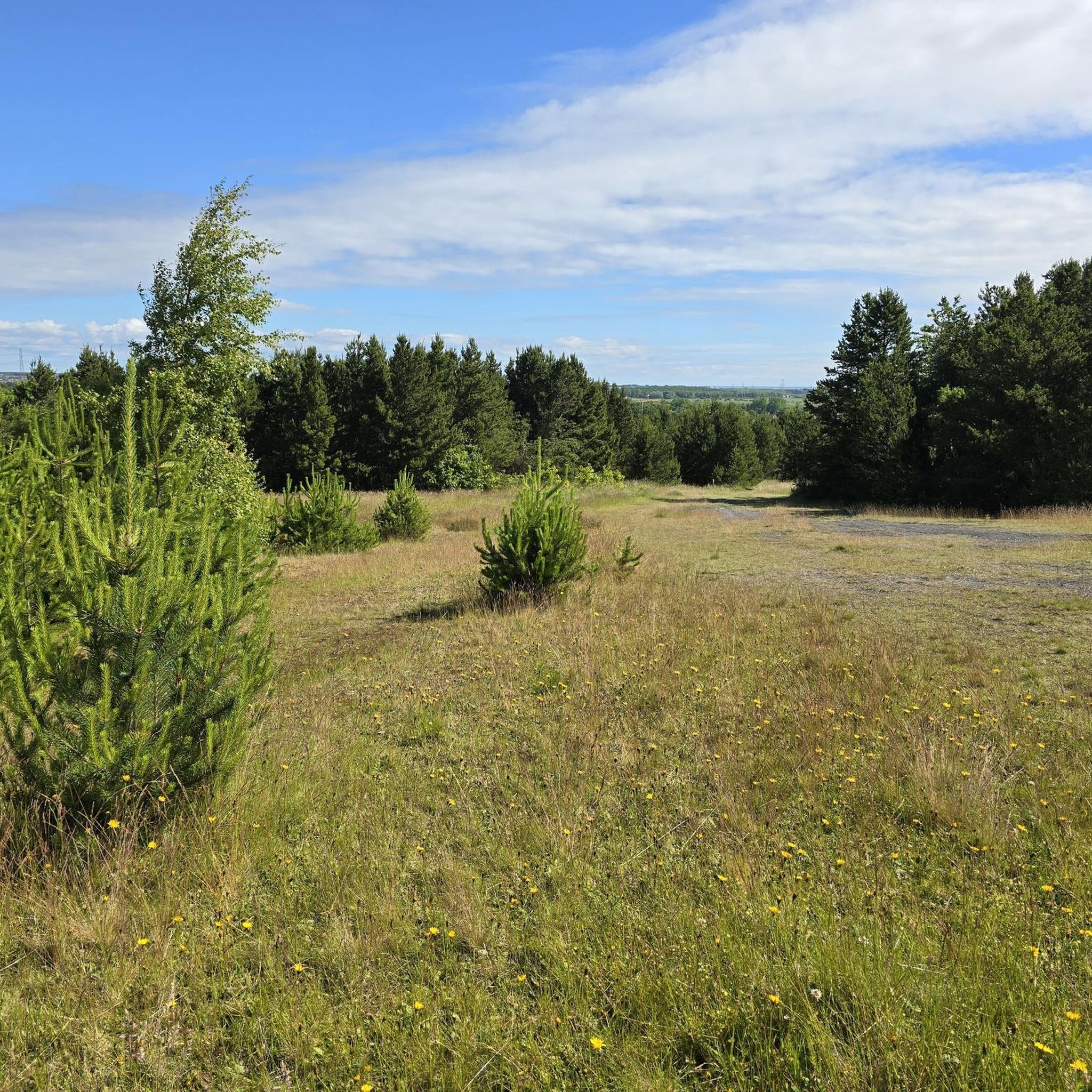
The "Northumberlandia" project owes its origins to open-cast mining: The earth lying above the mineral resources to be mined (e.g., coal seams) – known in technical terms as "overburden" – is typically stored on a so-called "overburden dump." Europe's largest artificial mountain, "Sophienhöhe," was created this way in North Rhine-Westphalia, Germany. As a landscape project, the overburden was used to create a reclining female figure called "Northumberlandia." However, from a ground perspective, little will be visible on site. To experience the outline of the sculpture of the lady, also known as the "Lady of the North," there is a plan sketch on the official website, which I have imported into the komoot image gallery (source: https://www.northumberlandia.com/ ).
0
0


Fantastic views of the Bothal Castle ruin from the village of Bothal (old English for dwelling). Well worth a stop to take in the magnificent castle, though be warned, you're in a bit of a dip, so it's a climb out from both sides.
1
0

A surprising sight in the fields between Cramlington and Seghill. The sculpture, also known as the Cramlington Spoon or the Giant Spoon, is part of the Cramlington Art Trail. The 15-foot (14.5 m) spoon was created by Bob Budd to symbolise the link between food producing fields and our plates.
1
0
Frequently Asked Questions
What historical landmarks can I visit in Hepscott?
Hepscott itself is home to several historical sites, including the medieval pele tower of Hepscott Hall, the late 18th-century Old Blacksmith's Smithy, and the Hepscott War Memorial. You can also see the ancient Old Stone Bridge crossing the Sleck Burn. Nearby, you can find the impressive Bothal Castle, a 12th-century structure offering fantastic views, and the historic St Mary Magdalene Church, dating back to the late 12th century.
Are there family-friendly attractions around Hepscott?
Yes, there are several family-friendly attractions. Northumberlandia (Lady of the North) is a popular choice, featuring the world's largest human landform sculpture that children often enjoy exploring. The Seaton Burn Waggonway offers a traffic-free path suitable for family walks and cycling. Additionally, the unique Cramlington Spoon Sculpture provides a fun and surprising sight for all ages.
Where can I go for a walk or hike near Hepscott?
Hepscott is surrounded by attractively wooded areas and offers pleasant walks along the Sleck Burn. For more structured routes, the Seaton Burn Waggonway provides a traffic-free footpath and cycleway through green corridors. You can also explore various hiking trails in the wider area, with options like the 'Bothal Viaduct – Jubilee Well (1887) loop from Morpeth' or the 'Morpeth Town Centre – Chantry Footbridge (Morpeth) loop from Morpeth'. Find more details on these routes in the Hiking around Hepscott guide.
What natural features can I explore in the Hepscott area?
The village of Hepscott is situated on the Sleck Burn, also known as Hepscott Burn, which adds to its natural charm. You can also find remnants of a historical deer park associated with Hepscott Hall, with parts of its boundary wall still visible. The parish is noted for its attractively wooded areas, providing a serene rural setting for walks and enjoying nature.
Are there any unique art installations or sculptures to see?
Yes, the area features two notable art installations. The Cramlington Spoon Sculpture is a 15-foot spoon that symbolizes the link between food-producing fields and our plates, part of the Cramlington Art Trail. Another impressive piece is Northumberlandia (Lady of the North), the world's largest human landform sculpture, depicting a reclining female figure with magnificent views across the countryside.
What kind of cycling opportunities are available near Hepscott?
Cyclists can enjoy the Seaton Burn Waggonway, a former industrial railway line converted into a traffic-free cycleway, which is also part of the Reivers cycle route. For gravel biking enthusiasts, routes like the 'Waggonway Tracks – Seaton Burn Waggonway loop from Seaton Burn' offer scenic rides. More gravel biking options can be found in the Gravel biking around Hepscott guide.
What is the best time to visit Hepscott for outdoor activities?
The wooded areas and walking trails around Hepscott can be enjoyed throughout the year. Spring and summer offer lush greenery and pleasant temperatures for walks, while autumn brings beautiful foliage. Be aware that some paths, especially those leading to the Cramlington Spoon Sculpture, can get very muddy after rainfall, so appropriate footwear is recommended, particularly in wetter seasons.
Are there any community or cultural events in Hepscott?
The Hepscott Village Hall serves as a vibrant community hub, regularly hosting a variety of cultural activities such as art shows, flower arranging lessons, wine tasting evenings, and poetry recitals. The Hepscott Heritage Group also actively promotes local history through talks and discussions, offering insights into the area's rich past.
Can I find running trails near Hepscott?
Yes, there are several running trails available. Options include the 'Mill Leet – Haw Hill loop from Morpeth' and the 'Clark's Bee Bog loop from Hepscott'. These routes vary in distance and difficulty, providing choices for different fitness levels. You can explore more running trails in the Running Trails around Hepscott guide.
What do visitors enjoy most about the attractions around Hepscott?
Visitors particularly appreciate the blend of historical sites, unique art installations, and scenic trails. The traffic-free nature of the Seaton Burn Waggonway is popular with walkers and cyclists, while the surprising sight of the Cramlington Spoon Sculpture and the magnificent views from Northumberlandia are frequently highlighted. The impressive architecture and rich history of sites like Bothal Castle also receive positive feedback.
Are there any places to enjoy views of the Northumberland countryside?
Absolutely. Northumberlandia (Lady of the North) offers magnificent views across the Northumberland countryside from its elevated position. Additionally, the area around Bothal Castle provides fantastic views of the castle ruins and the surrounding landscape, especially as you approach from the village of Bothal.
Most popular attractions around Hepscott

Get inspired with the komoot mobile app


Explore more
Still not found the Highlight you’re looking for? See guides of the top attractions in other regions:
