The best road cycling routes around Bywell
4.8
(80)
4,586
riders
260
rides
Road cycling routes around Bywell offer varied terrain along the River Tyne and through picturesque valleys in Northumberland. The area features mostly paved surfaces, making it suitable for road cyclists. Routes range from easy loops with minimal elevation gain to more challenging rides with significant climbs. Historical attractions like Bywell Castle and Bywell Hall are often visible from the cycling paths.
Best road cycling routes around Bywell
- The most popular road cycling route is Wylam railway station – View of…
Last updated: June 29, 2026
5.0
(6)
160
riders
47.9km
02:08
350m
350m
Moderate road ride. Good fitness required. Mostly well-paved surfaces and easy to ride.
4.6
(5)
95
riders
29.3km
01:18
180m
180m
Easy road ride. Great for any fitness level. Mostly well-paved surfaces and easy to ride.

Sign up for free
22
riders
Moderate road ride. Good fitness required. Mostly well-paved surfaces and easy to ride.
22
riders
47.2km
02:19
630m
630m
Moderate road ride. Good fitness required. Mostly well-paved surfaces and easy to ride.
5.0
(1)
8
riders
32.4km
01:36
440m
440m
Moderate road ride. Good fitness required. Mostly well-paved surfaces and easy to ride.
Get access to more routes and recommendations from other explorers.
Sign up for free
Already have an account?
Our route recommendations are based on thousands of hikes, rides, and runs completed by other people on komoot.
Start today with a free account
Your next adventure awaits.
Login or Signup

Tips from the Community

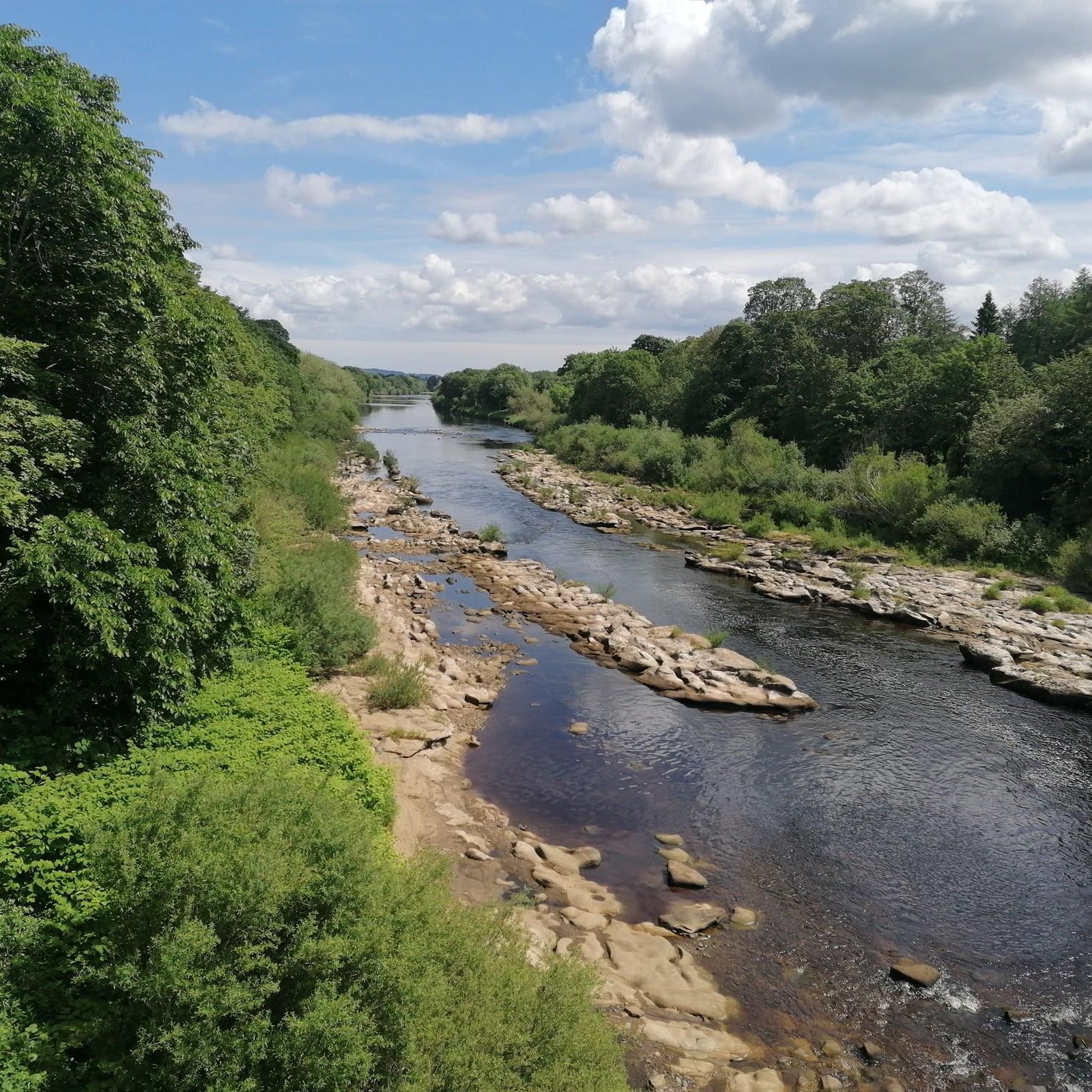
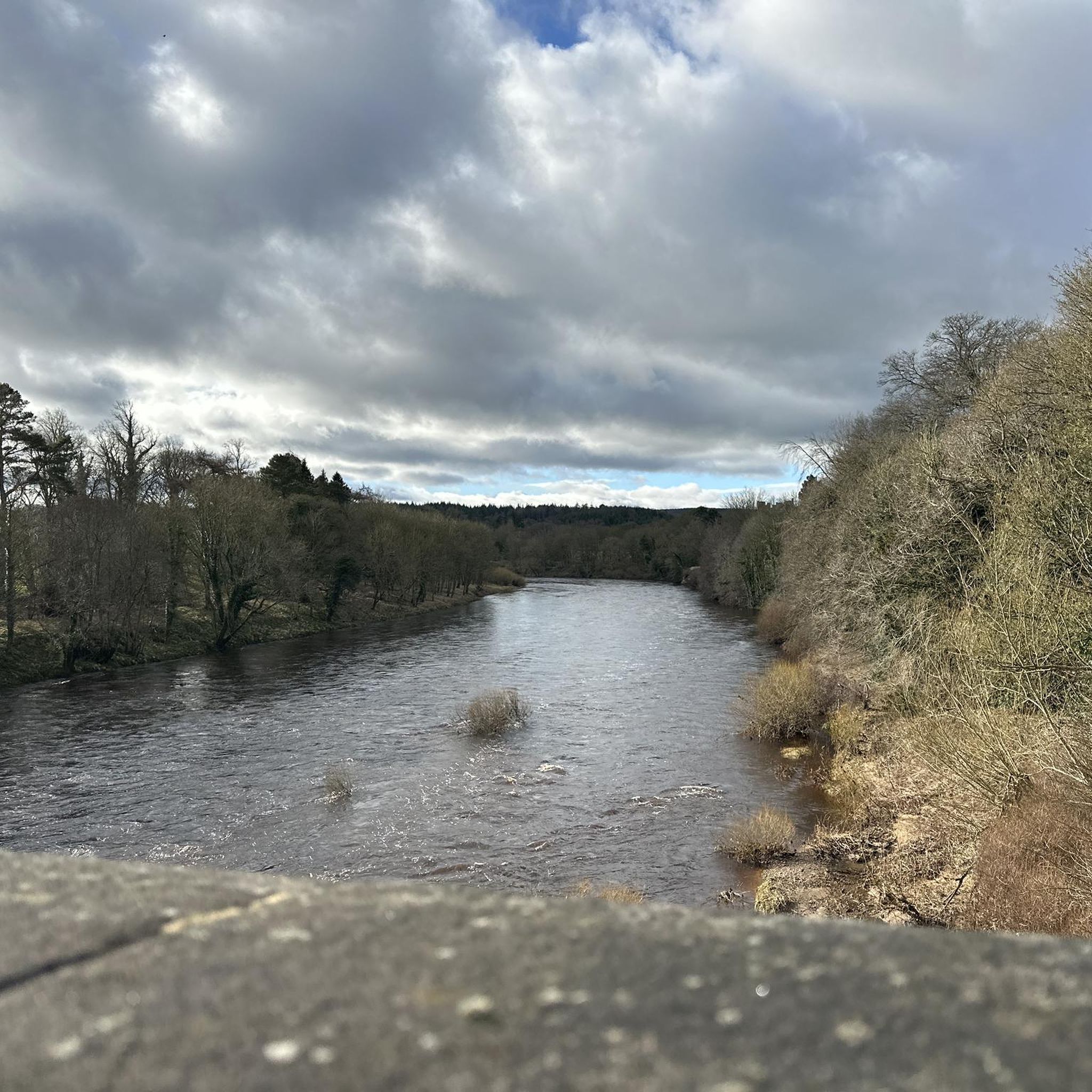
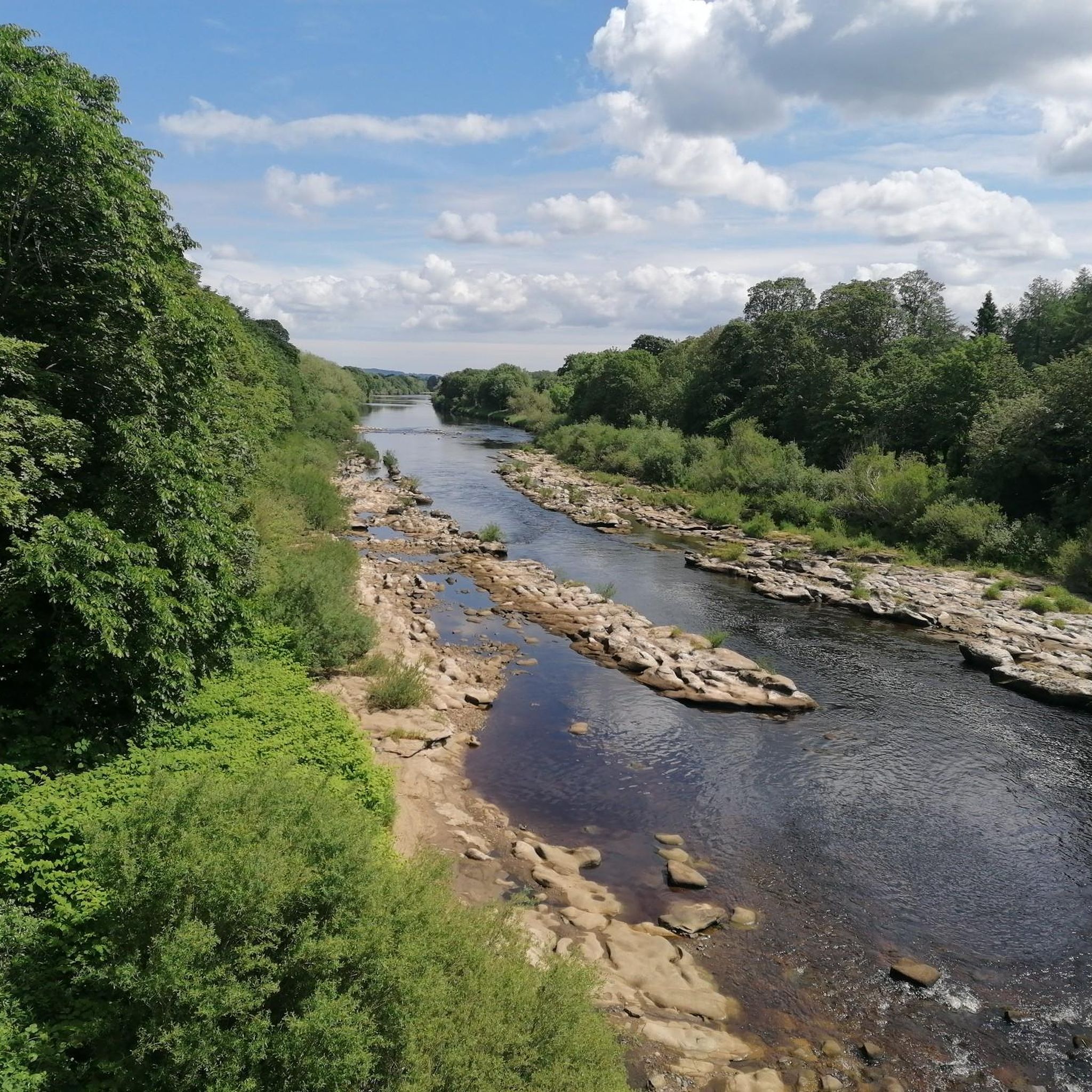
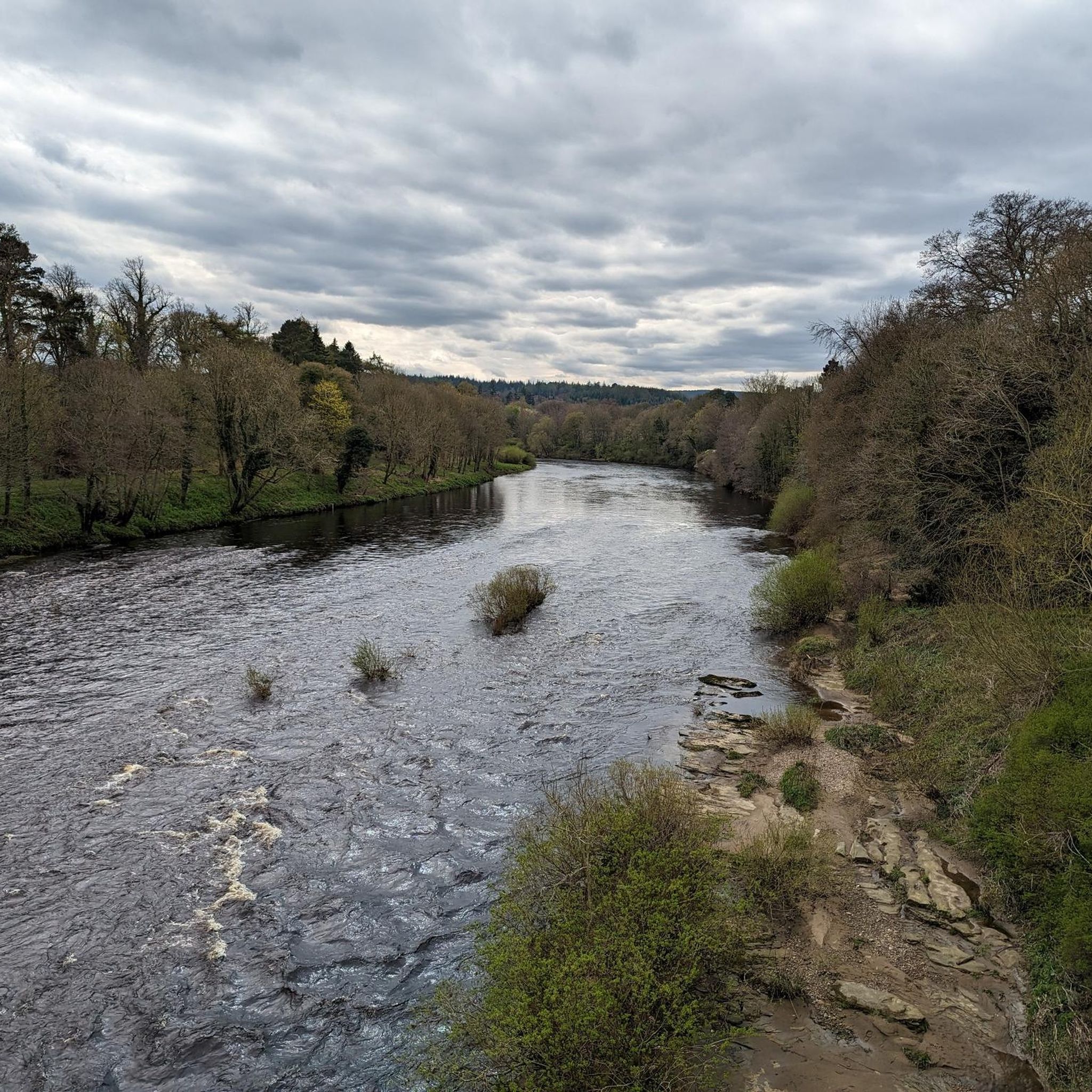
Lovely village and central to a lot of historical road racing/club runs in Northumberland
0
0

St. Andrew’s Church in Corbridge is one of the oldest and most historic churches in Northumberland, with roots dating back to 674 AD, when St. Wilfrid founded a monastery here. Although the original timber-framed building has disappeared, the current church still incorporates Roman stonework from the nearby Corstopitum Fort, including an impressive tower arch dating from around 150 AD. Saxon and Norman elements include a Saxon window, a Norman zigzag doorway, and a 13th-century chancel. Vicar’s Pele Tower: a 14th-century fortified tower house built with Roman stone, once a refuge from Scottish raids. King’s Oven: a communal bread oven dating from 1310, still visible on the site. Memorial Gate: commemorates 108 local men who died in WWI.
4
0
The Beaufront Castle Gatehouse is the gateway to the impressive Beaufront Castle, a Grade I listed manor house in Northumberland, near Hexham. Although the castle itself was built between 1836 and 1841 in the Castellated Gothic Revival style by architect John Dobson, the complex contains older elements such as a clock tower with a bell dating from 1694 and parts of a 17th-century house belonging to the Errington family. The gatehouse is believed to be part of this historic structure and served as both ceremonial and functional access to the estate. It stands on a site where a pele tower—a fortified tower house that was later incorporated into the manor house—was mentioned as early as 1415.
8
0
Hexham Abbey is one of England's oldest and most impressive churches. The abbey was originally founded in 674 AD by St. Wilfrid, using stones from nearby Roman ruins. The oldest part—the Saxon crypt—is still intact and represents a rare remnant of early Christian architecture. Inside, you'll find stained glass, the Roman tombstone of Flavinus, a 1st-century standard-bearer, an impressive Phelps organ from 1974, and a frith stool (Saxon bishop's chair). Admission to the abbey is free, with a small charge for the crypt.
9
0

About the patron saint of this church: Saint Andrew is one of the twelve apostles whom Jesus Christ called to follow him. However, in the biblical accounts, he is often somewhat overshadowed by his far more famous brother, Saint Peter. In the Gospels, we find the calling of the two siblings portrayed in different ways. According to the Gospel of John (John 1:40-42), Andrew is called first (together with another unnamed disciple). Later, he tells his brother that he has found the Messiah. The feast of Saint Andrew in the calendar of saints is November 30th in all major Christian denominations. The X-shaped white "St. Andrew's Cross," on which he was executed, forms the national flag of Scotland against a blue background and has also found its way onto the national flag of the United Kingdom of Great Britain.
4
0

St Andrew's Church stands on the north side of the Market Place in the centre of Corbridge. The main (but not the only) access to the churchyard is through the lych gate built in 1919 to serve as a memorial to those who lost their lives in the First World War, and from there a path leads towards the porch, surprisingly one of the most recent additions to the church, being built the year after the lych gate.
0
0

Hexham is a historic market town known for Hexham Abbey, its medieval architecture, historic buildings and scenic cobbled streets. It's a gateway to the North Pennines and Hadrian’s Wall, making a great starting points for hikes.
1
0
This is a charming village in Northumberland that dates back to 1188. Its name is though to mean 'village at the stony ford' and its picturesque features include a 13th century church and market cross dating back to 1735. There's public green space which makes an ideal spot to stop for lunch on your cycle.
1
0
Frequently Asked Questions
How many road cycling routes are available around Bywell?
There are over 260 road cycling routes around Bywell, offering a wide variety of options for different skill levels and preferences. These routes are highly rated by the komoot community, with an average score of 4.8 stars.
What types of road cycling routes can I find in Bywell?
Bywell offers a diverse range of road cycling routes. You'll find easy loops with minimal elevation gain, moderate rides like the Wylam railway station – View of Hagg Bank Bridge loop from Stocksfield, and more challenging routes with significant climbs, particularly as you venture further into the Northumberland landscape. The area features mostly paved surfaces, ideal for road bikes.
Are there any easy road cycling routes suitable for beginners or families?
Yes, Bywell has over 50 easy road cycling routes. An excellent option for a more relaxed ride is the Beaufront Castle Gatehouse – Devil's Water loop from Riding Mill, which is 18.2 miles (29.3 km) long with gentle gradients, passing historical landmarks.
What historical landmarks or scenic views can I expect to see on a road cycling route around Bywell?
Road cycling routes around Bywell often feature views of historical sites and natural beauty. You might pass Bywell Castle and Bywell Hall, or cycle along the River Tyne. The Wylam railway station – View of Hagg Bank Bridge loop from Stocksfield offers views of the historic Hagg Bank Bridge. Other routes may take you past Beaufront Castle Gatehouse or Hexham Abbey.
Can I find circular road cycling routes in the Bywell area?
Many of the road cycling routes around Bywell are designed as loops, allowing you to start and finish in the same location. For example, the View of Hagg Bank Bridge – Stamfordham Village Green loop from Stocksfield is a popular circular route leading through rural landscapes and past village greens.
What is the best time of year for road cycling in Bywell?
The best time for road cycling in Bywell, and the broader Northumberland region, is typically during the spring, summer, and early autumn months (April to October). During these periods, the weather is generally milder and drier, making for more pleasant riding conditions. Always check local forecasts before heading out.
Are there amenities like cafes or pubs along the road cycling routes?
While Bywell itself is a small village, the surrounding towns and villages like Wylam, Stocksfield, and Riding Mill, which serve as common starting points or pass-throughs for routes, offer amenities such as cafes and pubs. Many routes are designed to pass through or near these spots, providing opportunities for refreshments.
Is it possible to access Hadrian's Wall from Bywell by bike?
Hadrian's Wall, a UNESCO World Heritage site, is within accessible distance from Bywell. Attractions like Corbridge Roman Town, which is just 7.3km from Bywell, offer a significant historical detour. While direct cycling on the Wall path is restricted, you can cycle on nearby roads and dedicated cycle paths to reach various sections and visitor centers.
What are the surface types like on Bywell's road cycling routes?
The road cycling routes around Bywell predominantly feature paved surfaces, making them well-suited for road bikes. You'll be riding on quiet country lanes, B-roads, and sometimes dedicated cycle paths, ensuring a smooth experience for road cyclists.
Are there any challenging road cycling routes for experienced riders?
Yes, for experienced riders seeking a challenge, there are 46 difficult road cycling routes around Bywell. These routes often include significant elevation gains and longer distances. An example of a moderate route with notable climbing is the Blanchland Village – Derwent Reservoir loop from Stocksfield, which features over 630 meters of ascent.
What do other road cyclists say about the routes in Bywell?
The road cycling routes in Bywell are highly regarded by the komoot community, holding an impressive average rating of 4.8 stars from over 70 reviews. Cyclists frequently praise the scenic landscapes, the variety of terrain, and the historical points of interest visible along the routes.
Can I reach Bywell by public transport with my bike?
Bywell is situated in an area with some public transport links. While specific rules for bikes on buses or trains can vary, it's generally advisable to check with local transport providers (e.g., Northern Rail for train services to nearby stations like Wylam or Stocksfield) regarding their bike carriage policies before planning your journey.
Most popular attractions around Bywell

Get inspired with the komoot mobile app


Explore more
Browse the best Road cycling routes in other regions.
