The best road cycling routes around Broomley and Stocksfield
4.8
(91)
4,866
riders
15
rides
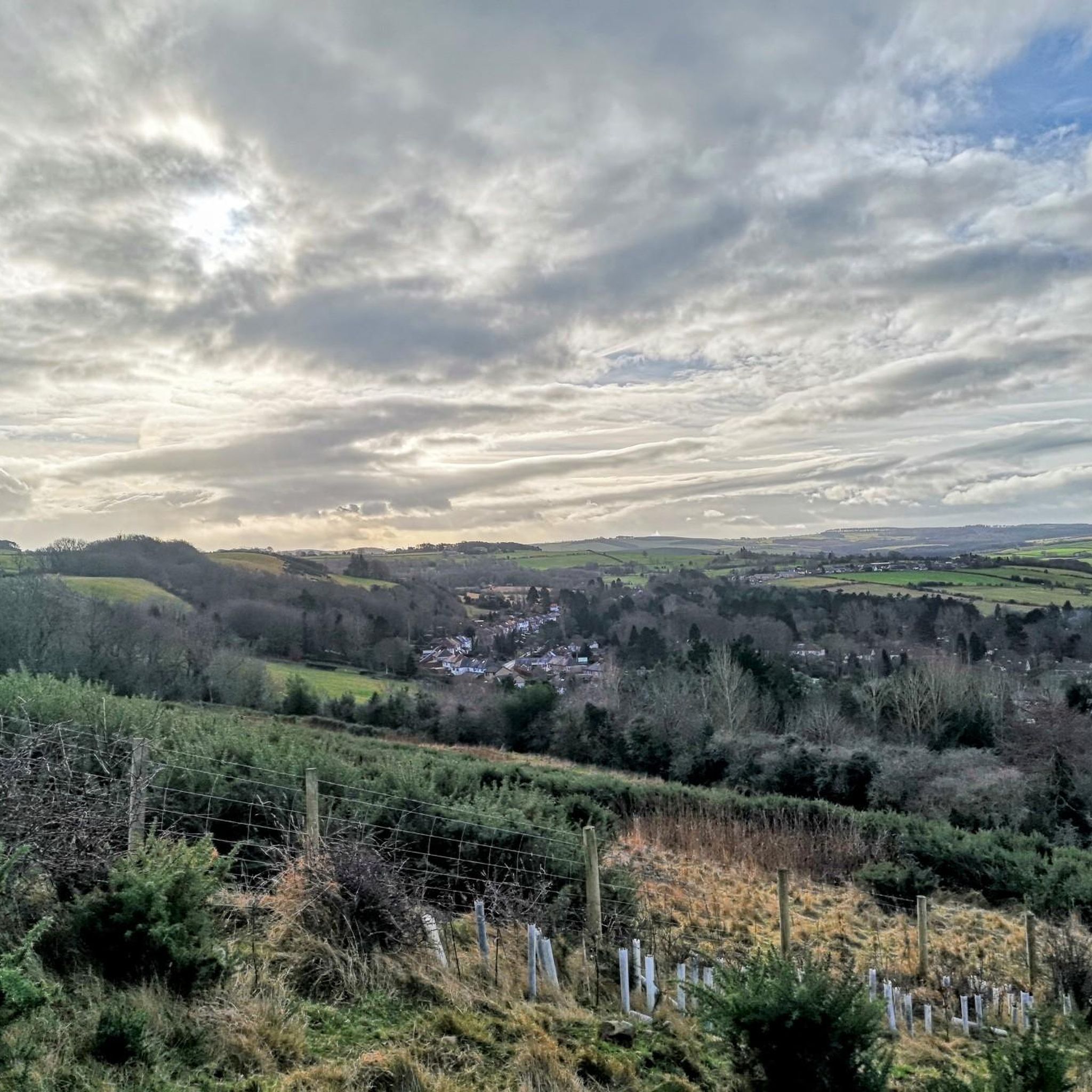
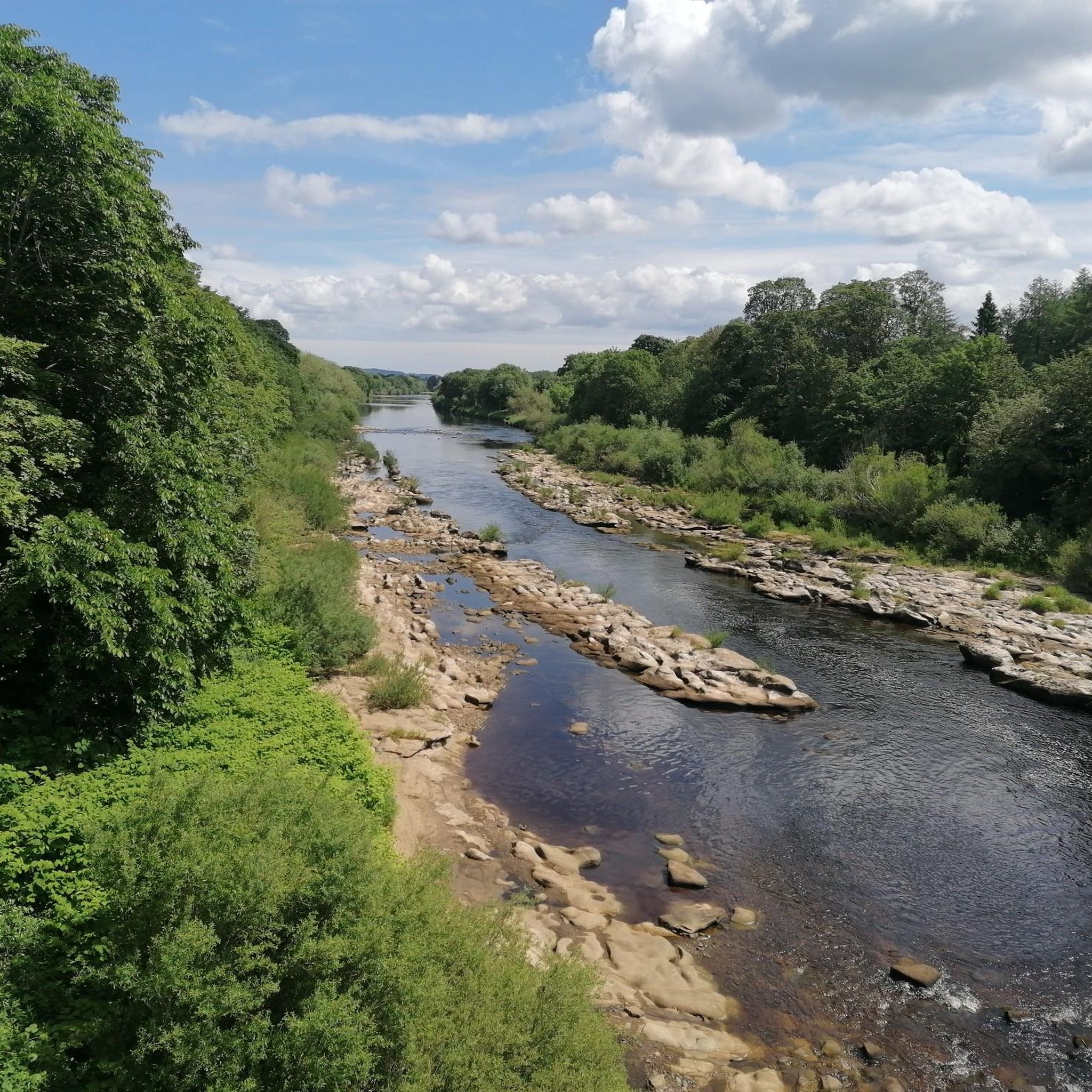
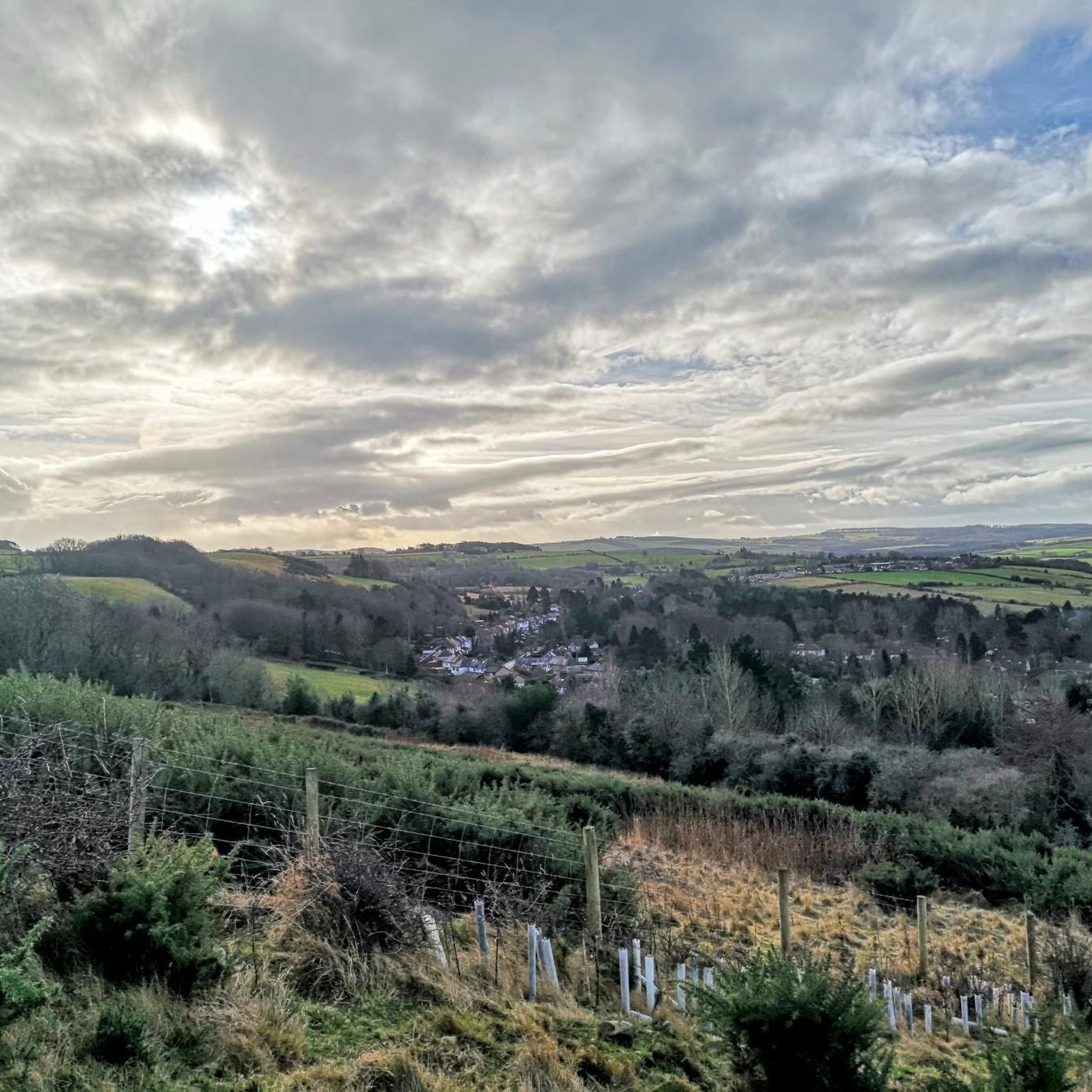
Road cycling routes around Broomley and Stocksfield are set within the diverse landscapes of the Tyne Valley in Northumberland. The region features picturesque rolling hills, ancient woodlands, and paths that follow the River Tyne. Cyclists encounter open grazing fields interspersed with woodland, creating varied terrain. The topography includes the gently rising southern slope of the Tyne Valley, offering expansive views.
Best road cycling routes around Broomley and Stocksfield
- The most popular road cycling route is Wylam railway station – View…
Last updated: July 10, 2026
5.0
(6)
160
riders
47.9km
02:08
350m
350m
Moderate road ride. Good fitness required. Mostly well-paved surfaces and easy to ride.
4.0
(3)
35
riders
Easy road ride. Great for any fitness level. Mostly well-paved surfaces and easy to ride.

Sign up for free
22
riders
Moderate road ride. Good fitness required. Mostly well-paved surfaces and easy to ride.
22
riders
47.2km
02:19
630m
630m
Moderate road ride. Good fitness required. Mostly well-paved surfaces and easy to ride.
6
riders
62.0km
03:08
540m
540m
Moderate road ride. Good fitness required. Mostly well-paved surfaces and easy to ride.
Get access to more routes and recommendations from other explorers.
Sign up for free
Already have an account?
Our route recommendations are based on thousands of hikes, rides, and runs completed by other people on komoot.
Start today with a free account
Your next adventure awaits.
Login or Signup
Tips from the Community

Lovely village and central to a lot of historical road racing/club runs in Northumberland
0
0
Classic Northumberland cycling cafe. Tasty food reasonably priced, top cake
0
0

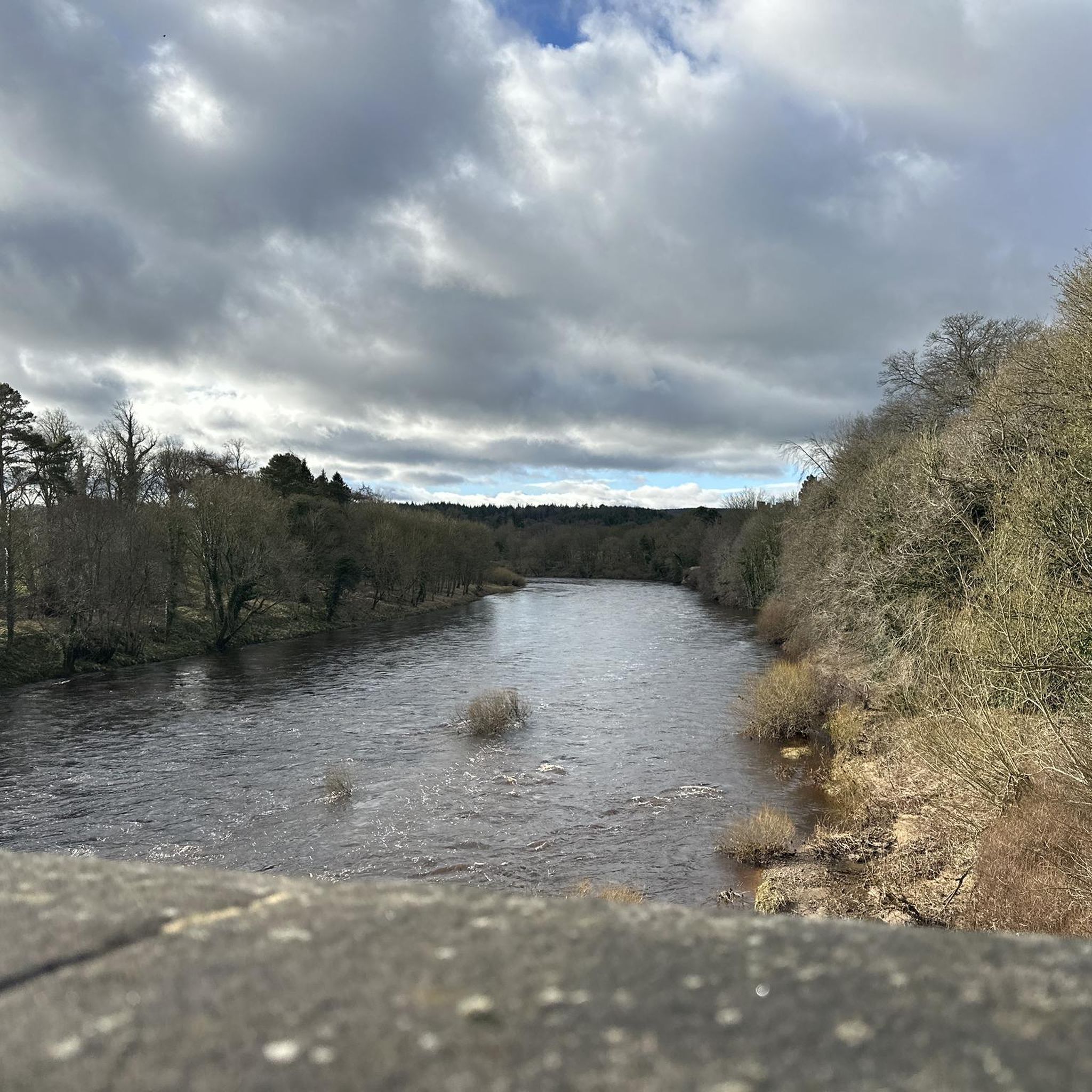
Bywell Bridge is a striking stone arch bridge spanning the River Tyne, connecting the villages of Bywell and Stocksfield since 1838. Built in the classical 19th-century style, the bridge consists of five broad segmental arches of locally quarried sandstone, supported by sturdy piers with buttresses. Originally designed for horse-drawn carriages, the bridge has since been adapted for motorized traffic, yet retains its historic character. The bridge is situated in the picturesque river landscape of the Tyne.
9
0
St. Andrew’s Church in Corbridge is one of the oldest and most historic churches in Northumberland, with roots dating back to 674 AD, when St. Wilfrid founded a monastery here. Although the original timber-framed building has disappeared, the current church still incorporates Roman stonework from the nearby Corstopitum Fort, including an impressive tower arch dating from around 150 AD. Saxon and Norman elements include a Saxon window, a Norman zigzag doorway, and a 13th-century chancel. Vicar’s Pele Tower: a 14th-century fortified tower house built with Roman stone, once a refuge from Scottish raids. King’s Oven: a communal bread oven dating from 1310, still visible on the site. Memorial Gate: commemorates 108 local men who died in WWI.
4
0
Hexham Abbey is one of England's oldest and most impressive churches. The abbey was originally founded in 674 AD by St. Wilfrid, using stones from nearby Roman ruins. The oldest part—the Saxon crypt—is still intact and represents a rare remnant of early Christian architecture. Inside, you'll find stained glass, the Roman tombstone of Flavinus, a 1st-century standard-bearer, an impressive Phelps organ from 1974, and a frith stool (Saxon bishop's chair). Admission to the abbey is free, with a small charge for the crypt.
9
0

About the patron saint of this church: Saint Andrew is one of the twelve apostles whom Jesus Christ called to follow him. However, in the biblical accounts, he is often somewhat overshadowed by his far more famous brother, Saint Peter. In the Gospels, we find the calling of the two siblings portrayed in different ways. According to the Gospel of John (John 1:40-42), Andrew is called first (together with another unnamed disciple). Later, he tells his brother that he has found the Messiah. The feast of Saint Andrew in the calendar of saints is November 30th in all major Christian denominations. The X-shaped white "St. Andrew's Cross," on which he was executed, forms the national flag of Scotland against a blue background and has also found its way onto the national flag of the United Kingdom of Great Britain.
4
0
Great cafe, reasonably priced, don't get there too late though or there'll be nowt left !
0
0

St Andrew's Church stands on the north side of the Market Place in the centre of Corbridge. The main (but not the only) access to the churchyard is through the lych gate built in 1919 to serve as a memorial to those who lost their lives in the First World War, and from there a path leads towards the porch, surprisingly one of the most recent additions to the church, being built the year after the lych gate.
0
0
Frequently Asked Questions
How many road cycling routes are available around Broomley and Stocksfield?
There are 15 road cycling routes available in the Broomley and Stocksfield area, catering to various skill levels. You'll find a mix of easy, moderate, and challenging paths to explore the Tyne Valley's diverse landscapes.
What kind of terrain can I expect on road cycling routes in Broomley and Stocksfield?
The terrain around Broomley and Stocksfield is characterized by picturesque rolling hills, ancient woodlands, and paths that follow the meandering River Tyne. You'll also encounter open grazing fields, creating a varied landscape with some semi-moorland aesthetics and gently rising slopes offering expansive views.
Are there any easy road cycling routes suitable for beginners or families?
Yes, there are 4 easy road cycling routes in the area. One example is the St Andrew's Church, Corbridge – View of New Pitsligo loop from Stocksfield, which is 26.1 km long with a moderate elevation gain, perfect for a relaxed ride through the countryside.
Where can I find longer or more challenging road cycling routes?
For longer or more challenging rides, you can explore routes like the Blanchland Village – Derwent Reservoir loop from Stocksfield, which covers 47.1 km with significant elevation. Another option is the Capheaton Tea Room – View of Hagg Bank Bridge loop from Stocksfield, a 62 km route with varied landscapes.
Are there any scenic viewpoints or natural attractions along the road cycling routes?
Yes, the region offers several scenic viewpoints and natural attractions. You can find highlights such as Gibside Estate, Memorial Tree Garden and The Battlefield, and Red Kite Viewpoint. Many routes also offer expansive views across the Tyne Valley.
What historical landmarks or points of interest can I see while cycling?
Cyclists can encounter historical points of interest such as the Grade II* listed Hagg Bank Bridge (also known as Points Bridge or Half-Moon Bridge) near Wylam. George Stephenson's Birthplace in Wylam is also a notable historic site that can be incorporated into your ride.
Are there any circular road cycling routes in Broomley and Stocksfield?
Many of the road cycling routes in Broomley and Stocksfield are designed as loops, offering circular journeys. For example, the Wylam railway station – View of Hagg Bank Bridge loop from Stocksfield is a popular circular route that showcases views of the Tyne Valley and historic structures.
Are there opportunities for cafe stops along the road cycling routes?
Yes, several routes pass by or lead to local cafes, providing convenient stops for cyclists. The Coffee Tree Café in Riding Mill and the Tyne Riverside Café are popular choices for refreshments during your ride.
What do other road cyclists enjoy most about cycling in Broomley and Stocksfield?
The area is highly rated by the komoot community, with an average score of 4.8 stars from over 30 reviews. Cyclists often praise the varied terrain, the scenic views of the Tyne Valley, and the mix of ancient woodlands and riverside paths.
What is the best season for road biking in Broomley and Stocksfield?
The region is popular for touring cycling, attracting thousands of cyclists throughout the year. While specific seasonal recommendations aren't provided, the diverse landscapes of rolling hills and woodlands are enjoyable in most seasons, with spring and autumn often offering pleasant temperatures and vibrant scenery.
Is there public transport access to road cycling trails in Stocksfield?
Stocksfield is accessible by public transport, including a railway station, which can serve as a convenient starting point for many routes. This allows cyclists to reach the trails without needing a car.
Are there any specific cycling paths or networks in the area?
Cyclists can access National Cycle Network Route 72 from Stocksfield. Additionally, some routes incorporate traffic-free sections like the Waskerley Way, known for its impressive railway structures and varied landscapes.
Most popular routes around Broomley and Stocksfield
Most popular attractions around Broomley and Stocksfield

Get inspired with the komoot mobile app


Explore more
Browse the best Road cycling routes in other regions.
