Attractions and Places To See around Blanchland - Top 20
Best attractions and places to see around Blanchland include a blend of historical landmarks, cultural sites, and natural beauty. This picturesque village, nestled on the border of Northumberland and Durham within the North Pennines Area of Outstanding Natural Beauty, offers a unique character. Its origins as an 18th-century village rebuilt from the ruins of a medieval monastery contribute to its historical significance. The area features fells, vast heather moors, and the River Derwent, providing a diverse landscape for exploration.
Best…
Last updated: July 3, 2026
Waskerley Way
Highlight (Segment) • Cycleway
Tip by

Hexham Abbey
Highlight • Religious Site
Tip by

Sign up now to discover places like this
Get recommendations on the best single tracks, peaks, & plenty of other exciting outdoor places.
Sign up for free
Hexham Abbey and the Abbey Grounds
Highlight • Religious Site
Tip by
Blanchland Moor
Highlight (Segment) • Natural
Tip by

Bolt's Law summit
Highlight • Summit
Tip by

Sign up for free to discover even more attractions around Blanchland.
Sign up for free
Already have an account?
Start today with a free account
Your next adventure awaits.
Login or Signup
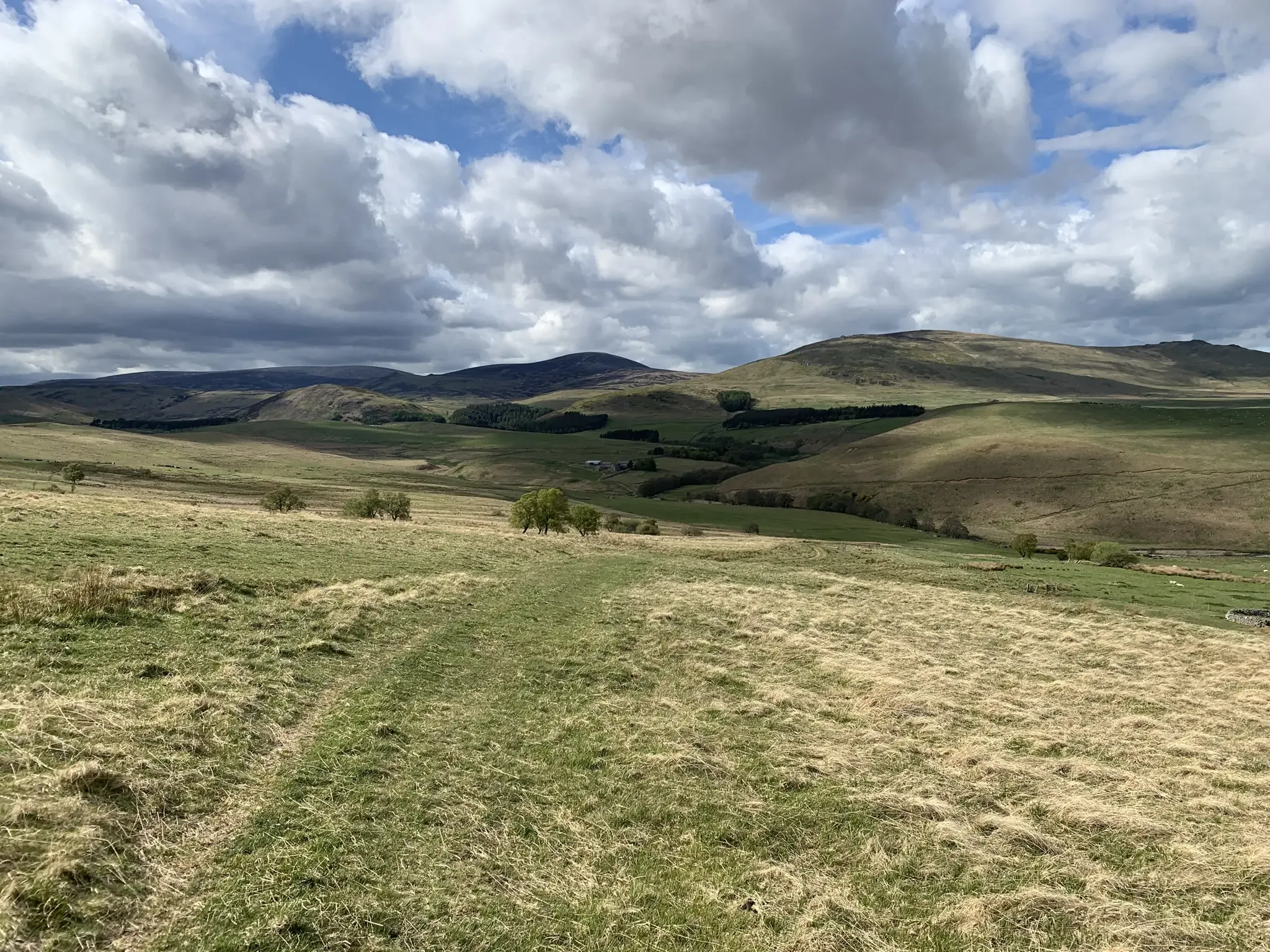
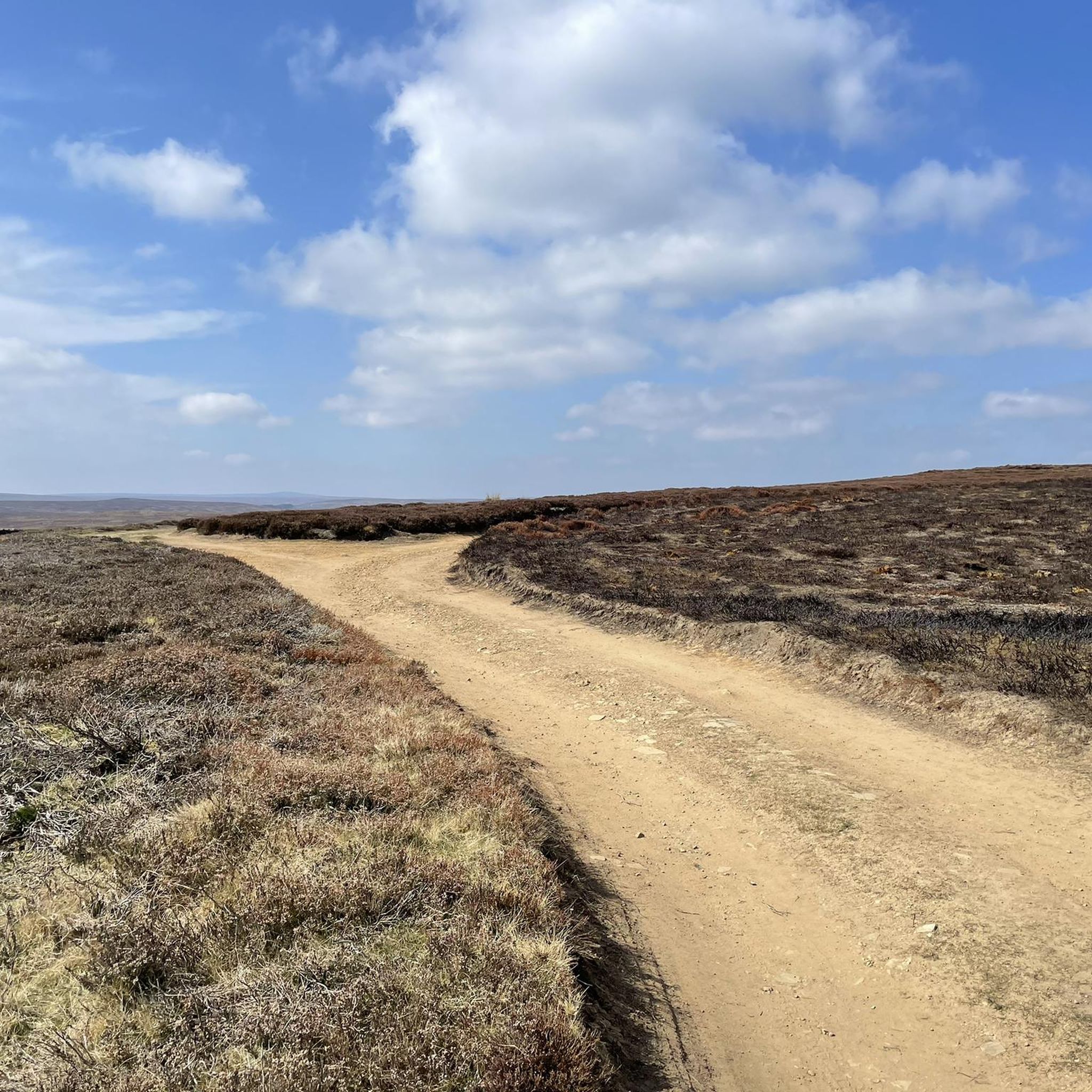
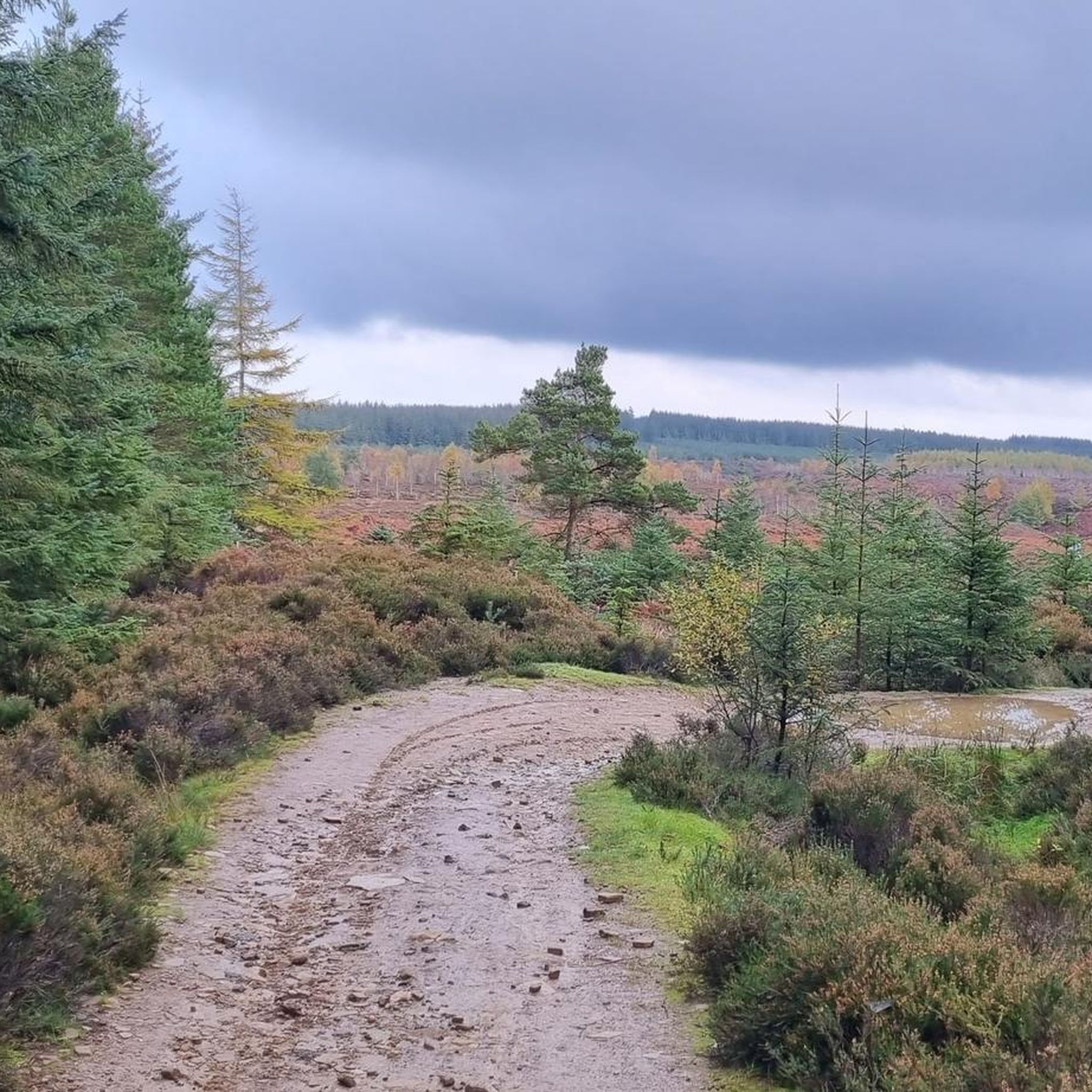
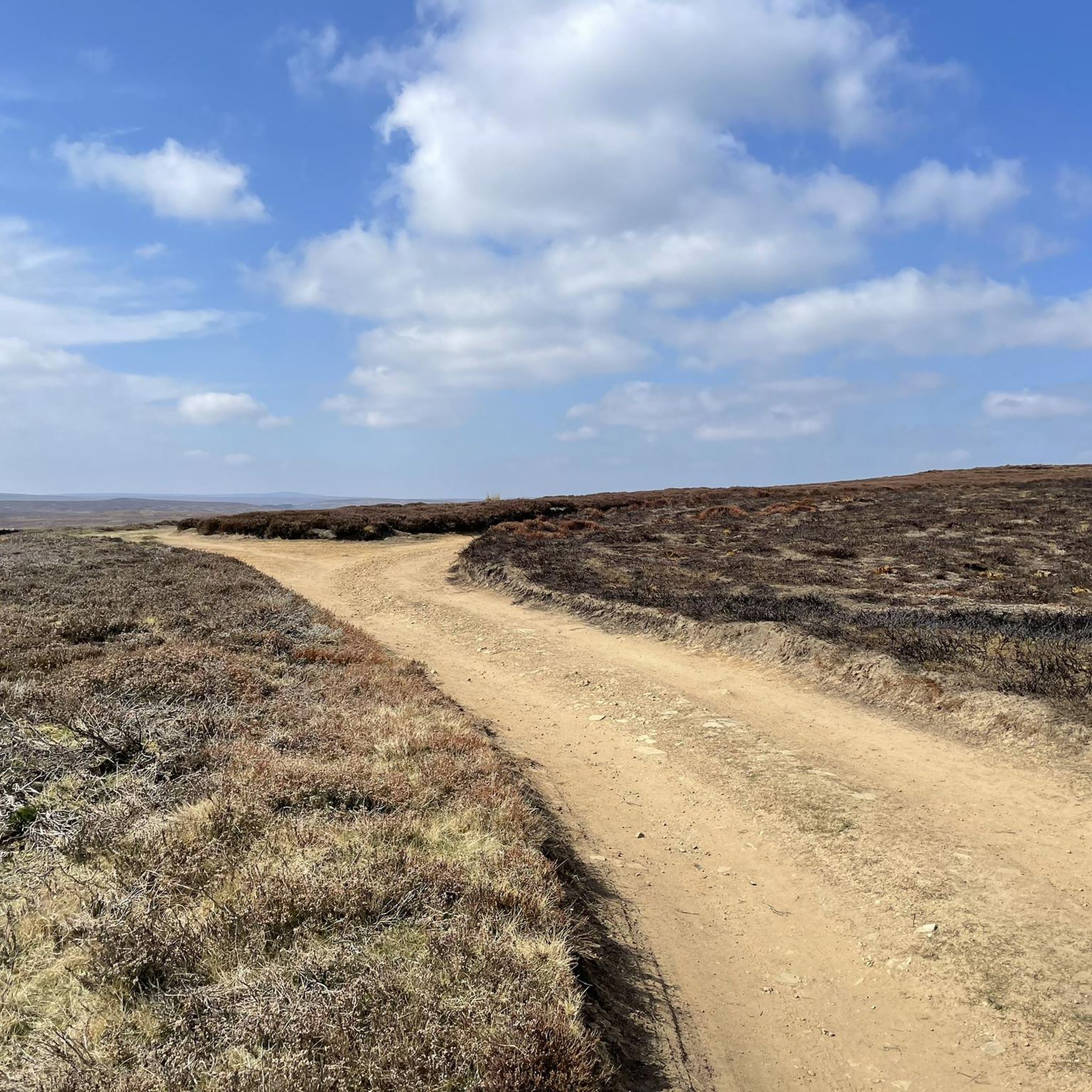
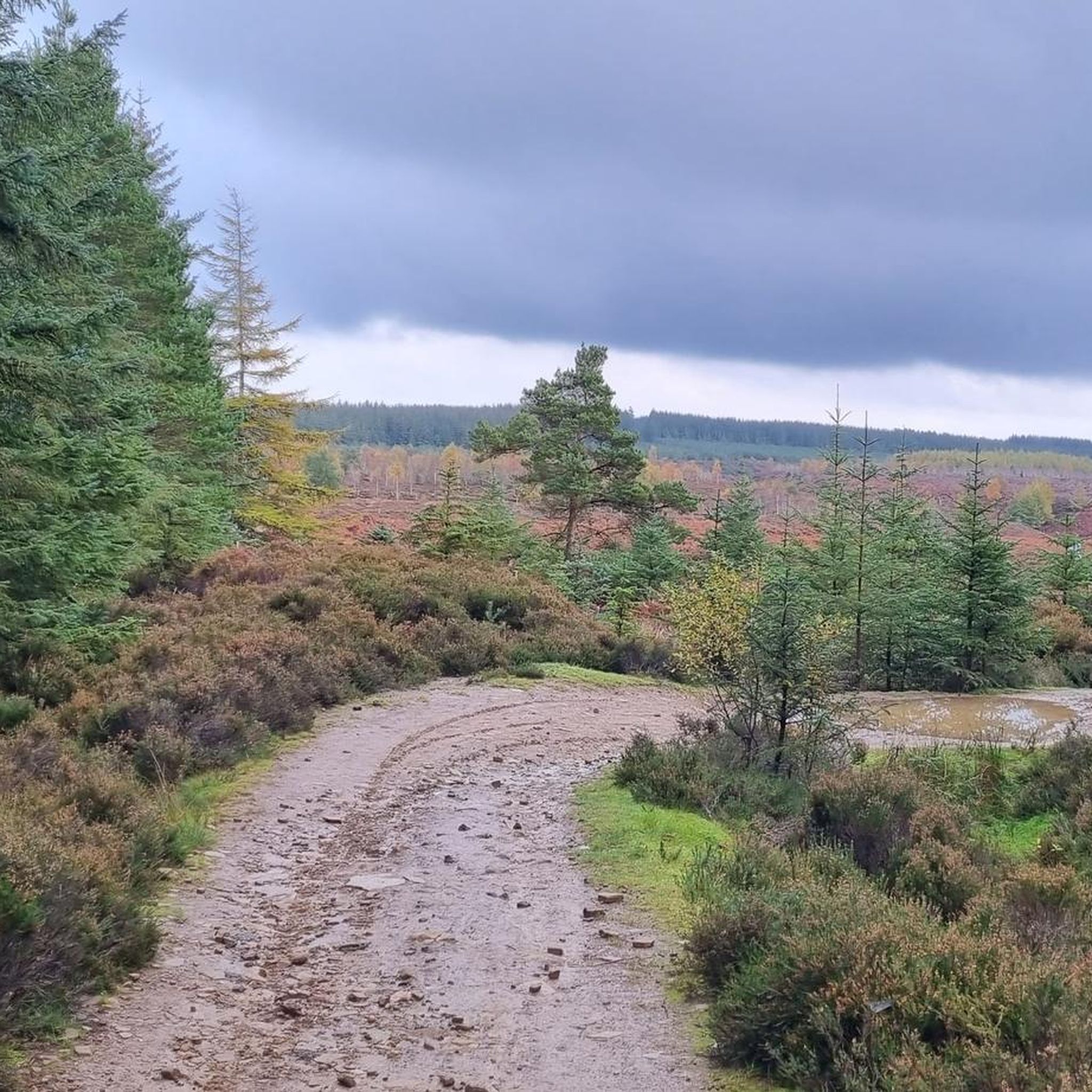
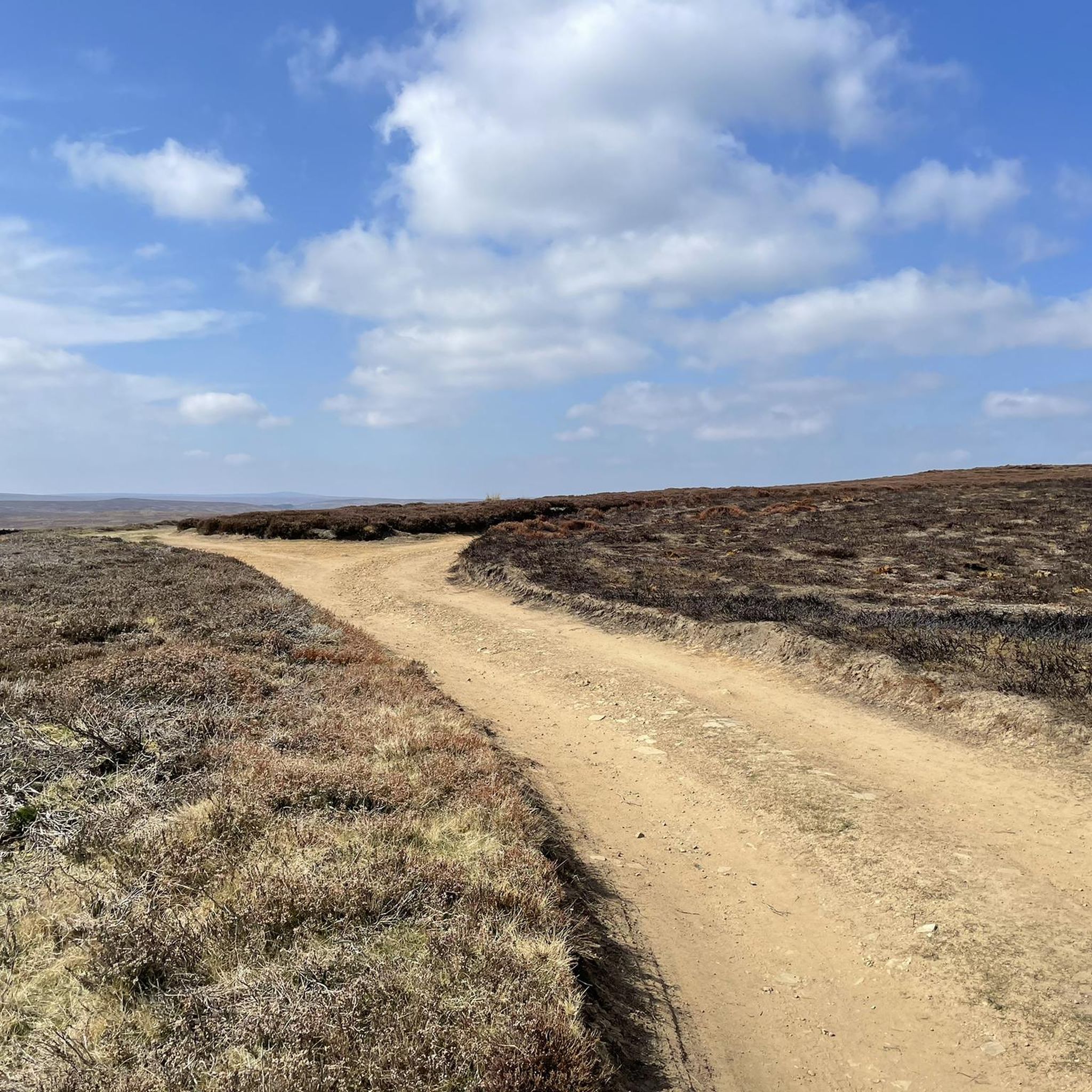

Other adventures around Blanchland

Tips from the Community

Fantastic views across open moorland in ever direction, definitely worth a visit.
0
0
Crossing Blanchland Moor is a great experience if you enjoy wide open landscapes. The scenery is rugged and peaceful with big skies and miles of moorland. A brilliant place to hike and enjoy the quiet of the Northumberland countryside.
0
0

Hexham Abbey is one of England's oldest and most impressive churches. The abbey was originally founded in 674 AD by St. Wilfrid, using stones from nearby Roman ruins. The oldest part—the Saxon crypt—is still intact and represents a rare remnant of early Christian architecture. Inside, you'll find stained glass, the Roman tombstone of Flavinus, a 1st-century standard-bearer, an impressive Phelps organ from 1974, and a frith stool (Saxon bishop's chair). Admission to the abbey is free, with a small charge for the crypt.
9
0

James - sorry - just noticed the question; a number of options - the full route is from Consett - Hownsgill car park (Morrisons - but watch the duration - I think you have 7 hours before fines kick in); you can park at Rowley, Healeyfiled or Waskerley and work your way back to any of those reasonably easily; one thing to watch is that they've not put a sign up to stop you taking the link from the C3C to the bridleway that takes you over Bolt's Law - it was never really public access but cuts out a lot of riding; just bear in mind you might get turned round. Another option is to park up on Meadow's Edge where the bridleways cross the road.
0
0

Went North to South, had a fair old headwind which was tricky. The stones are fairly big in places and some soft loamy sand sections. I rode on 2.1" tyres, could be interesting on narrower gravel bike widths
0
0

About the patron saint of this church: Saint Andrew is one of the twelve apostles whom Jesus Christ called to follow him. However, in the biblical accounts, he is often somewhat overshadowed by his far more famous brother, Saint Peter. In the Gospels, we find the calling of the two siblings portrayed in different ways. According to the Gospel of John (John 1:40-42), Andrew is called first (together with another unnamed disciple). Later, he tells his brother that he has found the Messiah. The feast of Saint Andrew in the calendar of saints is November 30th in all major Christian denominations. The X-shaped white "St. Andrew's Cross," on which he was executed, forms the national flag of Scotland against a blue background and has also found its way onto the national flag of the United Kingdom of Great Britain.
4
0

Hexham is a historic market town known for Hexham Abbey, its medieval architecture, historic buildings and scenic cobbled streets. It's a gateway to the North Pennines and Hadrian’s Wall, making a great starting points for hikes.
1
0

Frequently Asked Questions
What natural features can I explore around Blanchland?
Blanchland is nestled within the North Pennines Area of Outstanding Natural Beauty, offering fells, vast heather moors, and ancient hay meadows. You can experience extensive views across wild moorland from Blanchland Moor. The gentle River Derwent flows through the valley, and the nearby Derwent Reservoir is a popular spot for picturesque views, walking, and fishing, with Pow Hill Country Park and Carrick Nature Reserve on its edges. The area is also recognized as a Dark Sky Area, perfect for stargazing.
What historical sites can I visit in Blanchland and nearby?
In Blanchland itself, you can explore the historic Blanchland Abbey, founded in 1165, with its Abbey Church of St Mary the Virgin still serving as the parish church. The Lord Crewe Arms Hotel, originally the Abbot's Lodge, is a 12th-century building with a rich history. The Abbey Gatehouse, dating to around 1500, also stands opposite the hotel. Further afield, Hexham Abbey and the Abbey Grounds offer a stunning historical site with origins from 674 AD, featuring ancient architecture and beautiful gardens.
Are there good walking and cycling routes near Blanchland?
Yes, the area is popular for walkers and cyclists. The Waskerley Way is a 15.6 km traffic-free path passing through diverse landscapes. You can also explore the Carrier's Way Trail, an ancient route across Burntshieldhaugh Fell. For more options, check out the Running Trails around Blanchland, MTB Trails around Blanchland, and Gravel biking around Blanchland guides.
Are there any easy walks suitable for beginners or families?
Yes, the area offers family-friendly riverside strolls and woodland walks. The Blanchland Geotrail is a 3.5-mile circular walk with spectacular views, suitable for many. The Abbey Grounds in Hexham also provide formal gardens and woodland areas that are pleasant for a gentle walk.
What is the best time to visit Blanchland for outdoor activities?
The North Pennines can be quite exposed, so while beautiful year-round, spring and summer offer milder weather for exploring the fells and moors. However, the landscape is stunning in all seasons, with autumn bringing vibrant colors and winter offering a stark beauty. Be prepared for changeable weather, as it can get wild up on the moors.
Are there family-friendly attractions around Blanchland?
Beyond the general outdoor exploration, Hexham Abbey and the Abbey Grounds are categorized as family-friendly, offering historical interest and pleasant outdoor spaces. The Derwent Reservoir, with Pow Hill Country Park, provides opportunities for countryside walks and enjoying nature with children.
What unique historical facts are associated with Blanchland?
Blanchland is unique as an 18th-century village rebuilt from the ruins of a medieval monastery. The Lord Crewe Arms Hotel, originally the Abbot's Lodge, is one of the country's oldest hostelries and is reputedly haunted by the ghost of Dorothy Forster. The area also has a rich lead mining heritage, with the Sikehead Mine Chimneys on Ramshaw Moors as a reminder of this past.
Where can I find good viewpoints near Blanchland?
For extensive views across wild moorland, head to Blanchland Moor. The North Pennines AONB itself is characterized by fells and offers idyllic views throughout. The Blanchland Geotrail also promises spectacular vistas.
What do visitors enjoy most about the attractions around Blanchland?
Visitors appreciate the blend of historical landmarks, cultural sites, and natural beauty. The traffic-free Waskerley Way is a favorite for its scenic journey through diverse landscapes. The stunning architecture and history of Hexham Abbey and its peaceful grounds are also highly regarded. The wild moorland views from places like Blanchland Moor are often highlighted for their beauty and tranquility.
Are there opportunities for wildlife spotting in the area?
Yes, the diverse landscapes of the North Pennines AONB support various wildlife. Along the Waskerley Way, visitors have spotted slow worms and butterflies. The vast heather moors and ancient hay meadows provide habitats for a range of birds and other small animals, making it a rewarding area for nature observation.
Are there any pubs or cafes in Blanchland for after a walk?
Yes, Blanchland offers options for refreshments. The Lord Crewe Arms Hotel, a historic establishment, provides a welcoming atmosphere. Additionally, The White Monk Tea Room, housed in the former Victorian school, offers home-baking and a cozy spot to relax after exploring the area.
Most popular routes around Blanchland
Most popular attractions around Blanchland

Get inspired with the komoot mobile app


Explore more
Still not found the Highlight you’re looking for? See guides of the top attractions in other regions:
