Top 3 Castles around Bardon Mill
Best castles around Bardon Mill are found in Northumberland, an area rich in historical landscapes near Hadrian's Wall. This region features a mix of Roman forts and medieval defensive structures. Its strategic location, often on dramatic escarpments or overlooking rivers, underscores its historical significance. Visitors can explore various fortified sites that provide insight into Roman military life and medieval architecture.
Best castles around Bardon Mill
- The most popular castles is Roman Vindolanda Fort and Museum, a historical site that is one of Britain's most significant Roman archaeological sites. It features remains of forts, bathhouses, barracks, and a Roman village, along with a museum housing artifacts like the Vindolanda Tablets.
- Another must-see spot is Black Carts Turret (Hadrian's Wall), a historical site and integral part of Hadrian's Wall. This turret offers magnificent views to the north and allows visitors to experience a preserved section of the UNESCO World Heritage Site.
- Visitors also love Ruins of Staward Peel, a historical site positioned atop the River Allen. This early 14th-century tower stands as a Grade II listed ruin within the National Trust property of Allen Banks & Staward Gorge, offering a picturesque ruin in a natural landscape.
- Bardon Mill is known for Roman forts, fortified manors, and peel towers. The area offers a variety of historical fortifications, from extensive Roman military sites to medieval defensive structures.
- The castles around Bardon Mill are appreciated by the komoot community, with 54 upvotes and 113 photos shared across the highlights.
Last updated: October 7, 2026
Milecastle 39 (Castle Nick) on Hadrian's Wall
Highlight • Historical Site
Tip by

Roman Vindolanda Fort and Museum
Highlight • Historical Site
On site, you'll see the remains of forts, bathhouses, barracks, and a Roman village (vicus), replicas of Roman buildings and sections of Hadrian's Wall, and a modern museum with thousands of artifacts: shoes, toys, weapons, jewelry, and more.
🍵 Visitor facilities: Café, shop, guided tours, and listening posts with explanations.
Translated by Google •
Tip by

Sign up now to discover places like this
Get recommendations on the best single tracks, peaks, & plenty of other exciting outdoor places.
Cawfields Milecastle 42, Hadrian's Wall
Highlight • Historical Site
Tip by

Black Carts Turret (Hadrian's Wall)
Highlight • Historical Site
Tip by

Ruins of Staward Peel
Highlight • Gorge
Tip by

Start today with a free account
Your next adventure awaits.
Tips from the Community

The Roman milecastle 39 is known as Castle Nick, because it lies in a niche in the hillside. The site was excavated between 1908 and 1911 and re-excavated between 1982 and 1987. In the south-east corner there was a stone oven and in the south-west corner a rectangular building with a sunken floor, associated with Roman finds. The milecastle appears to have been occupied until the end of the 4th century. In the 18th century, a dairy may have been built in the west corner. (Northumberland National Park)
5
0

Milecastle 39 is a super scenic and impressive place. It is a well-preserved Milecastle on Hadrian’s Wall. It is immediately to the west of the Sycamore Gap and is just one of many outstanding features on this stretch of wall.
0
0
Milecastle 42 is one of those spots on Hadrian’s Wall that feels like you’ve just stumbled on a hidden gem. It’s not huge, but that’s part of the charm – you can properly picture the Roman soldiers posted here, staring out across the wild Northumberland landscape and wondering what on earth they’d signed up for. The views are cracking, the ruins are well-marked, and it gives you that instant connection to history without being swamped by crowds. A quick stop, but a memorable one – exactly what you want on a wall walk.
0
0

🏛️ Vindolanda Fort is one of the most fascinating Roman archaeological sites in Britain. Built around 85 AD and rebuilt nine times, Vindolanda was an important military stronghold before and during the construction of Hadrian's Wall. The highlight of the discovery were the Vindolanda Tablets – wooden tablets containing personal letters, shopping lists, and even birthday party invitations. They are the oldest handwritten documents in Britain. On site, you'll see the remains of forts, bathhouses, barracks, and a Roman village (vicus), replicas of Roman buildings and sections of Hadrian's Wall, and a modern museum with thousands of artifacts: shoes, toys, weapons, jewelry, and more. 🍵 Visitor facilities: Café, shop, guided tours, and listening posts with explanations.
11
0

This tower was positioned at a strategic defensive point atop the River Allen as it passes through Steward Gorge, within the current National Trust property of Allen Banks & Staward Gorge. The origins of this tower date back to the early 14th century, and since then, it has endured over time to its current ruined state, being listed as Grade II.
1
0

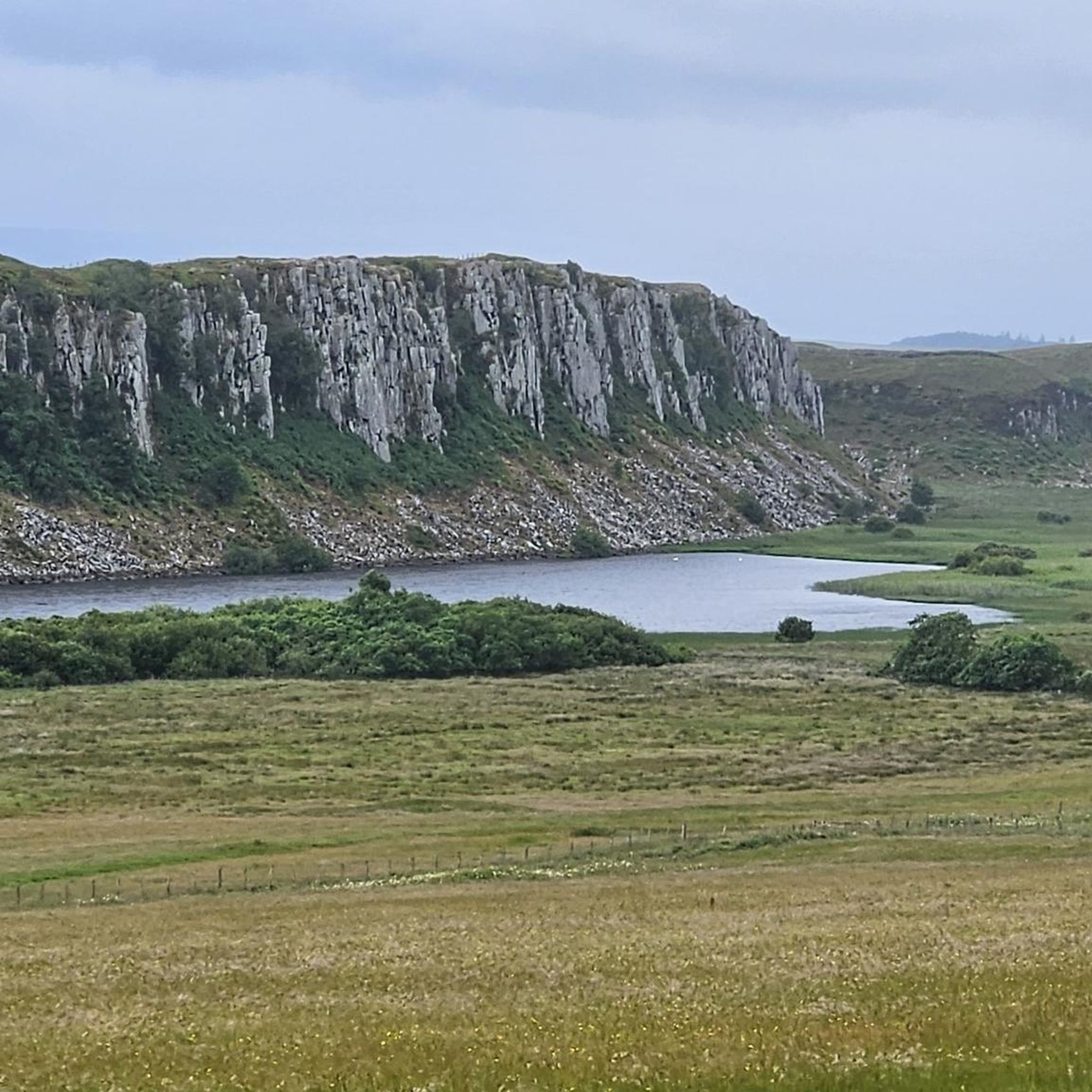
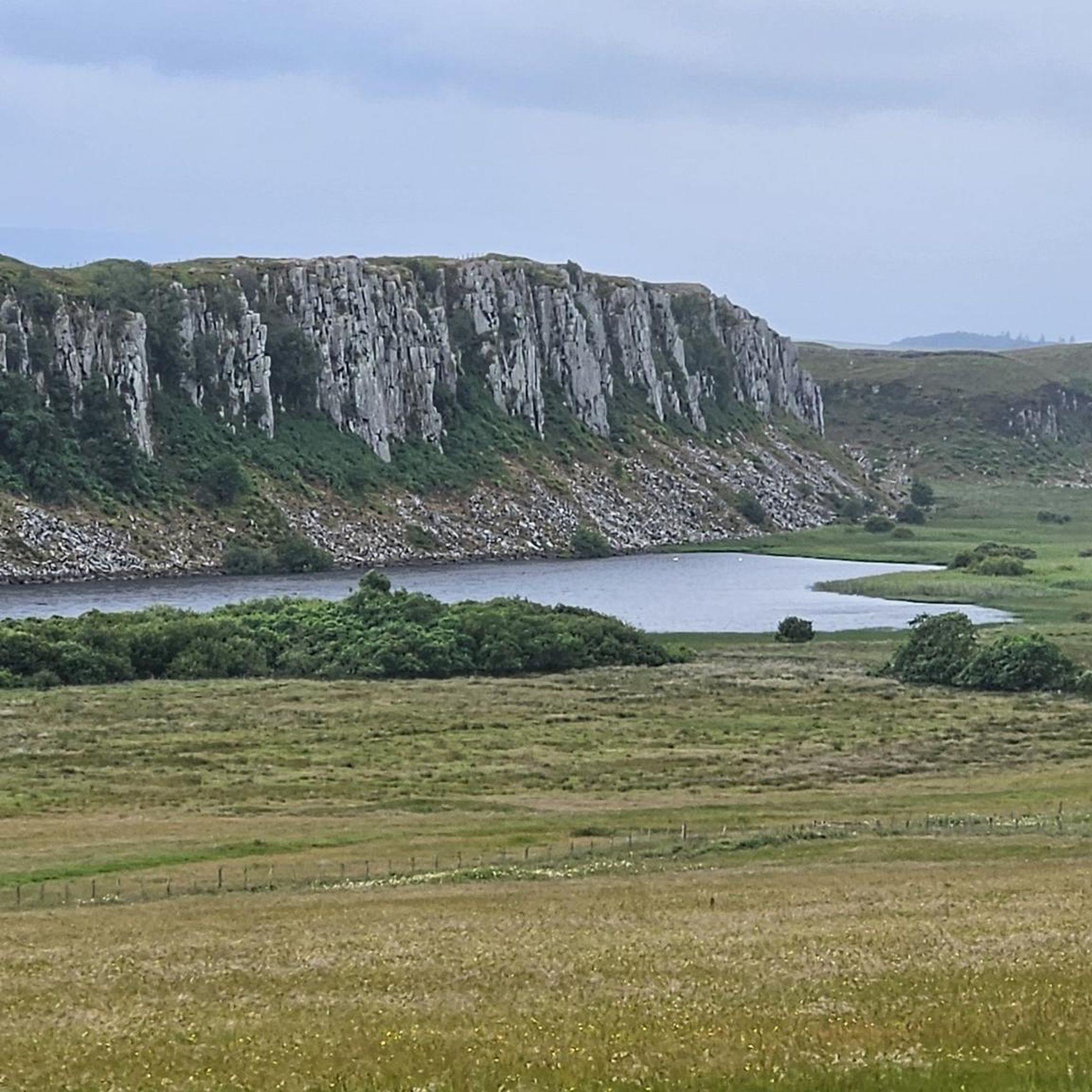
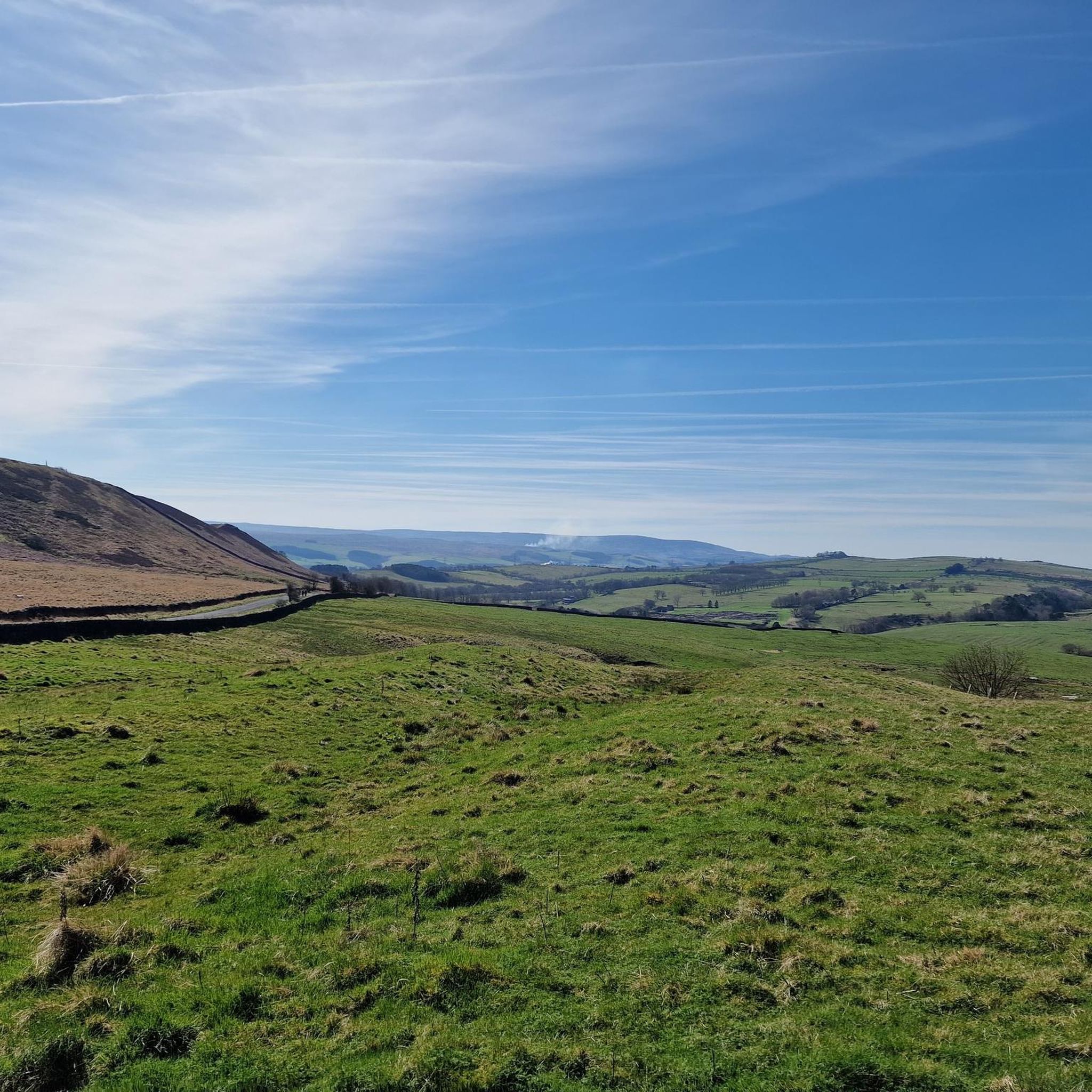
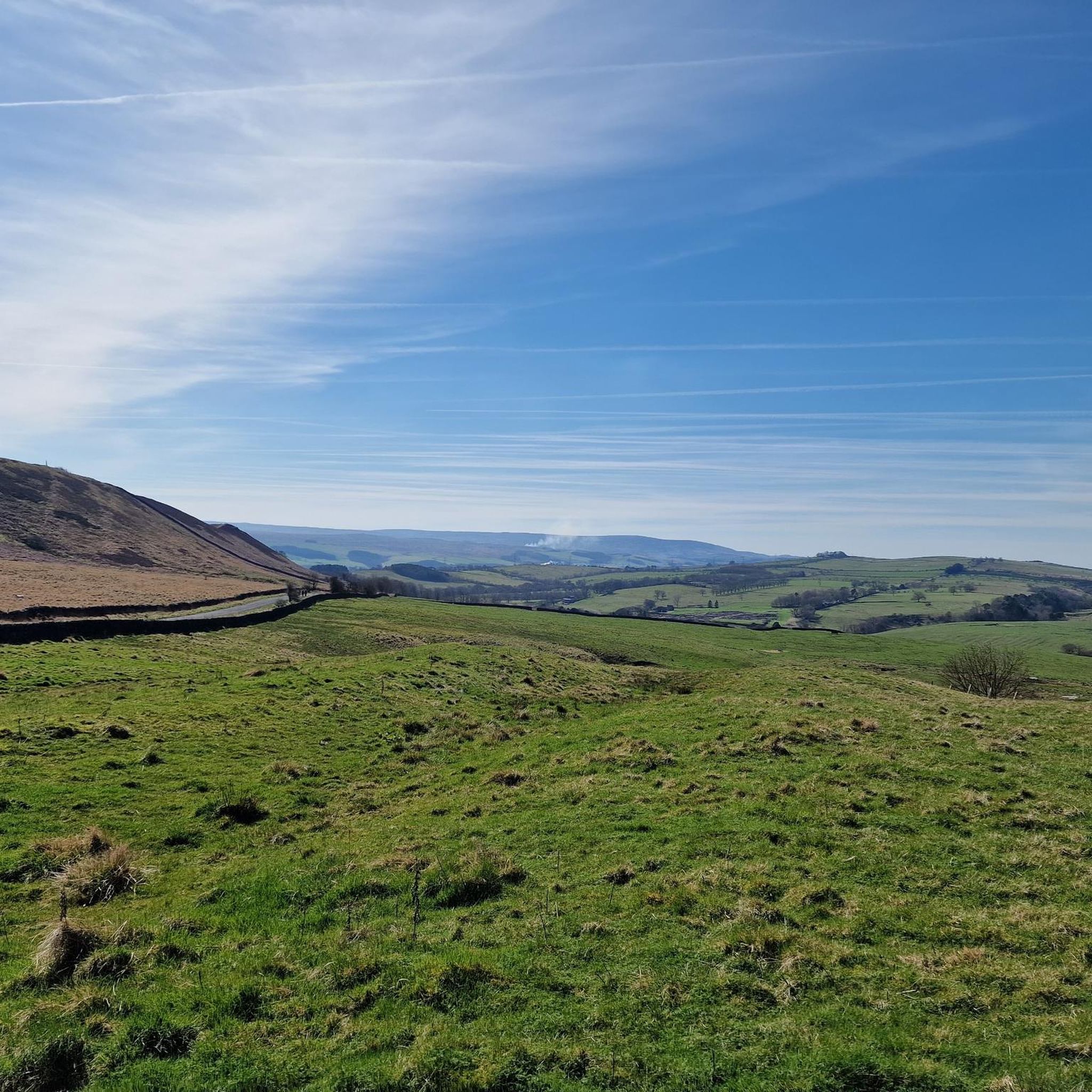
The ruins of Staward Peel, are situated on top of a hill which over looks the River Allen as it flows through Staward Gorge.
0
0

Vindolanda was a Roman fort that was occupied from the late 80s AD to the early 5th century AD. It is one of the best-preserved Roman forts in England, and has been the site of extensive archaeological excavations. The excavations have uncovered a wealth of artifacts, including weapons, armor, tools, and pottery. They have also revealed the remains of the fort's buildings, including the barracks, headquarters, and bathhouse. One of the most significant discoveries at Vindolanda is the Vindolanda tablets. These are a collection of wooden tablets that were written on by the soldiers and civilians who lived at the fort. The tablets contain a wide range of information about everyday life at Vindolanda, including letters, invitations, and shopping lists. The Vindolanda tablets are a unique and valuable source of information about Roman life on Hadrian's Wall. They provide us with a glimpse into the world of the Roman soldiers and civilians who lived and worked at the fort. Vindolanda is a popular tourist destination, and the museum on site houses a collection of artifacts from the fort, including the Vindolanda tablets. The museum also has a number of interactive exhibits that teach visitors about the history of the fort and the life of the Romans on Hadrian's Wall.
0
0

One of the remaining ruins of fortifications on Hadrian's Wall. Managed by English Heritage it's open all year and free entry. Link it up with a walk to or from Chesters Roman Fort to the east.
0
0
Frequently Asked Questions
What types of historical fortifications can I explore around Bardon Mill?
Around Bardon Mill, you can explore a variety of historical fortifications, including significant Roman forts and medieval defensive structures. These range from extensive Roman military sites like Roman Vindolanda Fort and Museum and Housesteads Roman Fort, to medieval peel towers such as the Ruins of Staward Peel, and even parts of Hadrian's Wall like Black Carts Turret.
Are there family-friendly historical sites near Bardon Mill?
Yes, several sites are suitable for families. Roman Vindolanda Fort and Museum is highly recommended, offering interactive exhibits, replicas of Roman buildings, and ongoing archaeological excavations. The Ruins of Staward Peel, set within Allen Banks & Staward Gorge, also provides a picturesque setting for family walks and exploration.
What outdoor activities can I do near these castles?
The area around Bardon Mill offers numerous outdoor activities. You can find excellent running trails, including sections of Hadrian's Wall Path and routes around Vindolanda. There are also various cycling routes and mountain biking trails that pass by or near these historical sites, allowing you to combine history with nature.
Which sites offer the best insight into Roman life on Hadrian's Wall?
For an unparalleled insight into Roman life, visit Roman Vindolanda Fort and Museum. It features remarkably preserved remains of forts, barracks, and an extramural settlement, along with a museum housing the famous Vindolanda Tablets. Housesteads Roman Fort also offers extensive remains of barrack blocks and a hospital, providing a comprehensive view of Roman military life.
Are there any dog-friendly walks near the castles?
Yes, the Ruins of Staward Peel is located within the National Trust property of Allen Banks & Staward Gorge, which is known for its scenic and dog-friendly walking trails. Many sections of Hadrian's Wall Path, which connects several Roman sites, are also suitable for walks with dogs, though specific site access rules may vary.
What are the best places for scenic views near these historical sites?
For spectacular panoramic views, Housesteads Roman Fort is perched high on a dramatic escarpment of Hadrian's Wall. Black Carts Turret (Hadrian's Wall) also offers magnificent views to the north. The Ruins of Staward Peel provides picturesque views overlooking the River Allen and Staward Gorge.
Are there less crowded historical sites to visit around Bardon Mill?
While popular sites like Vindolanda and Housesteads can attract crowds, you might find the Ruins of Staward Peel to be a more tranquil experience, especially if you combine it with a walk through Allen Banks & Staward Gorge. Willimoteswick Manor, though not typically open to the public, is a significant historical point of interest for those seeking a quieter exploration of local history.
What is the historical significance of Willimoteswick Manor?
Willimoteswick Manor was historically an impressive 16th-century fortified courtyard, featuring a hall, a tower, and a gatehouse. Today, the gate tower is the main surviving structure, with parts of its defensive outer wall incorporated into farm buildings. It represents a significant example of a fortified manor house in the region, offering a glimpse into medieval architecture and defensive strategies.
Can I walk directly on Hadrian's Wall near Bardon Mill?
Yes, you can experience walking directly on a preserved section of Hadrian's Wall at sites like Black Carts Turret. This allows you to appreciate the scale and engineering of this UNESCO World Heritage Site firsthand.
What unique archaeological discoveries have been made at these sites?
One of the most significant discoveries was at Roman Vindolanda Fort and Museum, where the Vindolanda Tablets were unearthed. These wooden tablets contain personal letters, shopping lists, and invitations, offering the oldest handwritten documents in Britain and a unique insight into daily life in Roman Britain.
What is the best season to explore the castles and forts around Bardon Mill?
Spring and summer generally offer the most pleasant weather for exploring the outdoor sites and walking trails. However, autumn provides beautiful foliage, and even winter can be atmospheric, though some facilities might have reduced hours. Always check specific site opening times and weather forecasts before your visit.
Are there cafes or pubs near the historical sites for refreshments?
Yes, Roman Vindolanda Fort and Museum has a café and shop on-site. For other locations, you'll find various cafes and pubs in nearby villages and towns like Bardon Mill itself, or along popular walking routes, offering options for refreshments and meals.
Most popular routes around Bardon Mill
Most popular attractions around Bardon Mill

Get inspired with the komoot mobile app


Explore more
Looking for the best castles somewhere else? Discover other guides around Bardon Mill:
