Top 8 Castles around Egglestone Abbey
Best castles around Egglestone Abbey are situated in a region rich with historical sites. Egglestone Abbey itself is a ruined Premonstratensian abbey, established between 1168 and 1198, located in a picturesque setting above the River Tees. Maintained by English Heritage, it offers free admission to explore the remains of its 13th-century church and living quarters. The area provides a historical landscape for exploration, with several notable castles nearby.
Best castles around Egglestone Abbey
- The most popular castles is Bowes Castle…
Last updated: June 20, 2026
Bowes Castle Ruins
Highlight • Historical Site
Tip by

Egglestone Abbey Ruins
Highlight • Religious Site
Tip by
Sign up now to discover places like this
Get recommendations on the best single tracks, peaks, & plenty of other exciting outdoor places.
Sign up for free
Raby Castle
Highlight • Historical Site
Tip by

Deepdale Footbridge and View of Barnard Castle
Highlight • Bridge
Tip by

Ravensworth Castle Ruins
Highlight • Castle
It is now in ruins as in 1935 coal was mined …
Tip by

Sign up for free to discover even more castles around Egglestone Abbey.
Sign up for free
Already have an account?
Start today with a free account
Your next adventure awaits.
Login or Signup
Tips from the Community

These impressive Bowes Castle ruins are free to visit. Although not much of the fort is left standing, you can visit the interior of the castle and imagine yourself back in time. The current castle dates from 1187 but was built on what was once the foundations of a Roman fortification. For more information visit: https://www.english-heritage.org.uk/visit/places/bowes-castle/history/
1
0

Castle Raby was originally built in the 11th century, with some of that architecture still intact. It was modernised in the 14th century and remains one of the most complete castles in the country. The castle and parkland are paid entry, but you can visit the café without paying entry.
0
0

The view of the castle form here is great at any time but if you can get down early in the morning to catch the sunrise it's stunning!
1
0

Ravensworth Castle is a grade II listed building dating from the 14th century but with frequent changes until 1808. It is now in ruins as in 1935 coal was mined directly under the property. The intention was to create a model village from the demolished castle but only three houses were built due to the start of the second world war. Ravensworth Castle featured in the BBC Series, Restoration. Griff Rhys Jones presented the programme in which viewers voted on which neglected ruin should receive a grant from the Heritage Lottery Fund. Sadly it didn't win.
0
0

A lovely stop of to Bowes Castle, this is open and free to the public so no cost to worry about when popping in.
2
0

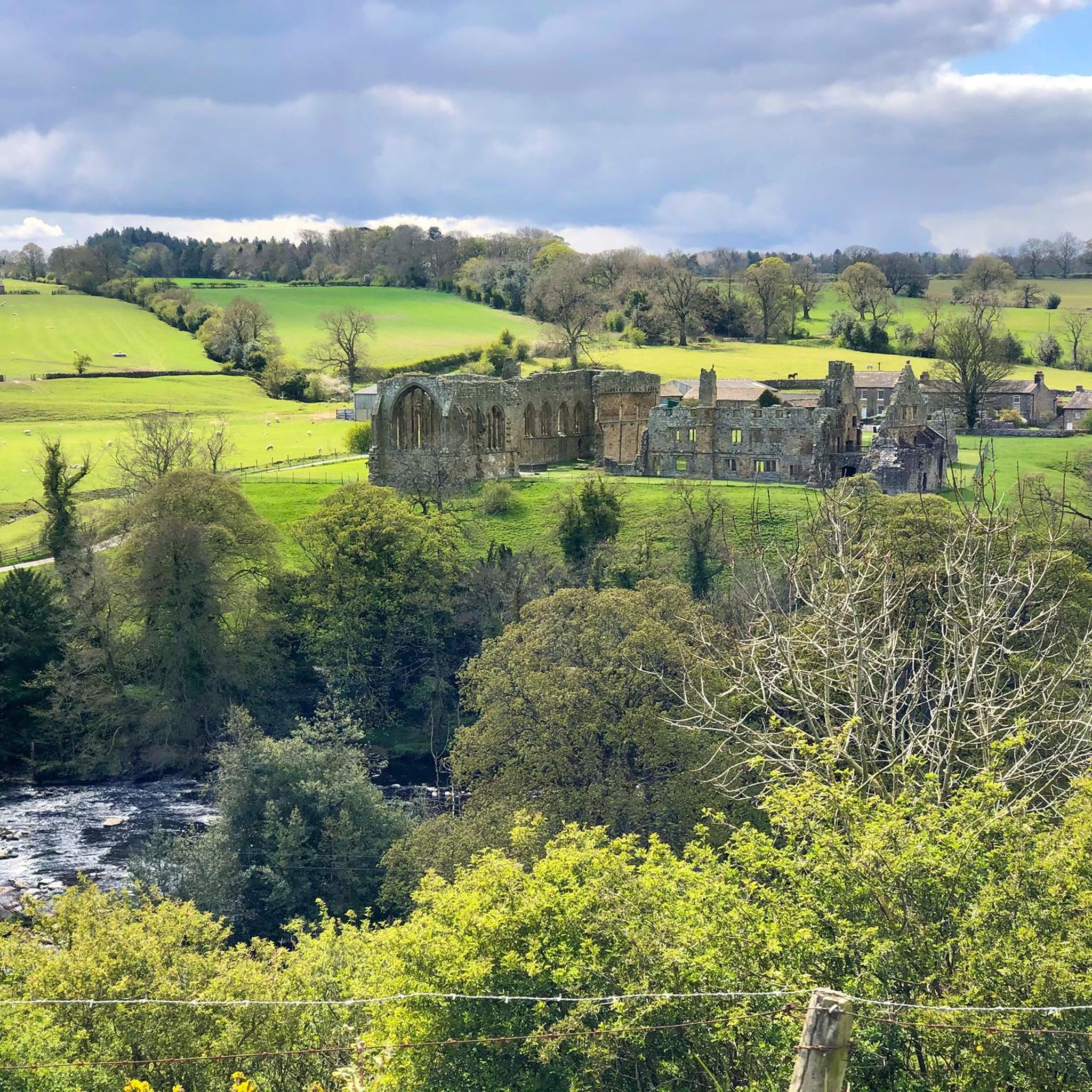
The spectacular ruins of Egglestone Abbey occupy a picturesque spot above the River Tees. The crumbling ruins are all that survives of a small Premonstratensian monastery that was founded in the late 12th century. The site is owned by English Heritage and is free to enter between 10am-6pm. For more information, visit: https://www.english-heritage.org.uk/visit/places/egglestone-abbey/.
2
0

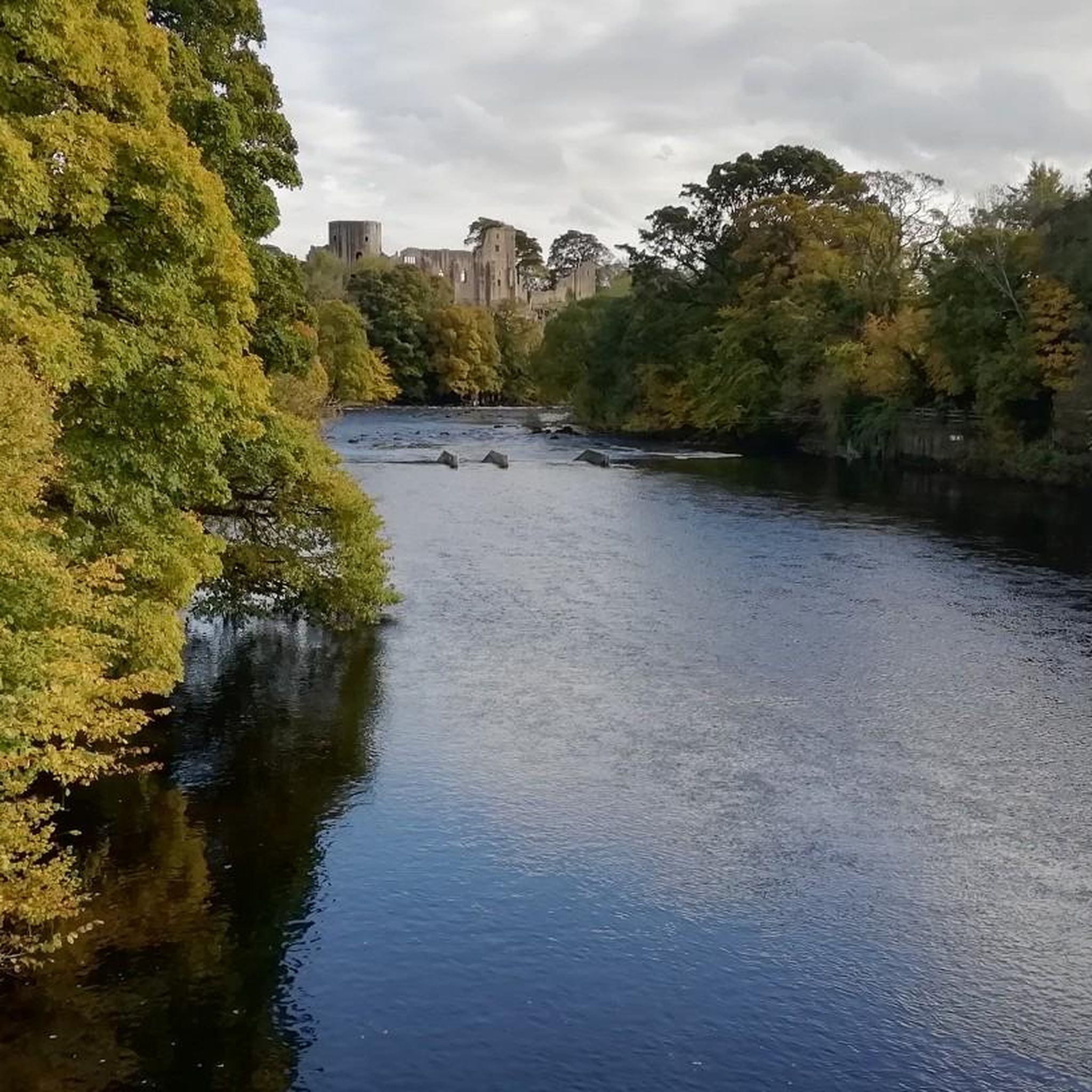
This funny little bridge (with steps that you have to lift your bike up) is a quiet route alternative to the busy, main road that climbs up to the town centre. You also get a great view of the castle.
1
0
The magnificent ruins of Henry II's 12th-century keep are on the site of a Roman fort guarding the approach to strategic Stainmore Pass over the Pennines. The English Heritage-owned castle is free to enter and you can visit any time during ‘reasonable daylight hours’.
2
0
Frequently Asked Questions
What are the most notable castles to visit near Egglestone Abbey?
Beyond Egglestone Abbey itself, which is a significant abbey ruin, you can explore several impressive castles. Bowes Castle Ruins, built on Roman fort foundations, offers a glimpse into 12th-century history and is free to enter. Another must-see is Raby Castle, a well-preserved 14th-century castle with some 11th-century architecture still intact.
Are there any family-friendly castles or historical sites in the area?
Yes, several sites are suitable for families. Bowes Castle Ruins and Egglestone Abbey Ruins are both marked as family-friendly and offer free entry, allowing children to explore historical ruins. Raby Castle also welcomes families, though it has a paid entry.
Can I visit Egglestone Abbey and nearby castles using public transport?
While specific public transport routes directly to all castles can vary, Barnard Castle town is a central hub. From there, you can often find local bus services or consider a walk to Egglestone Abbey Ruins, which is about a 40-minute walk from Barnard Castle, partly along the River Tees. For other castles like Bowes Castle Ruins or Raby Castle, checking local bus timetables or planning for a taxi from Barnard Castle would be advisable.
Are there any free-to-enter castles or historical sites around Egglestone Abbey?
Yes, both Bowes Castle Ruins and Egglestone Abbey Ruins are maintained by English Heritage and offer free admission. You can visit them during reasonable daylight hours to explore their historical significance without an entry fee.
What kind of outdoor activities can I do near these castles?
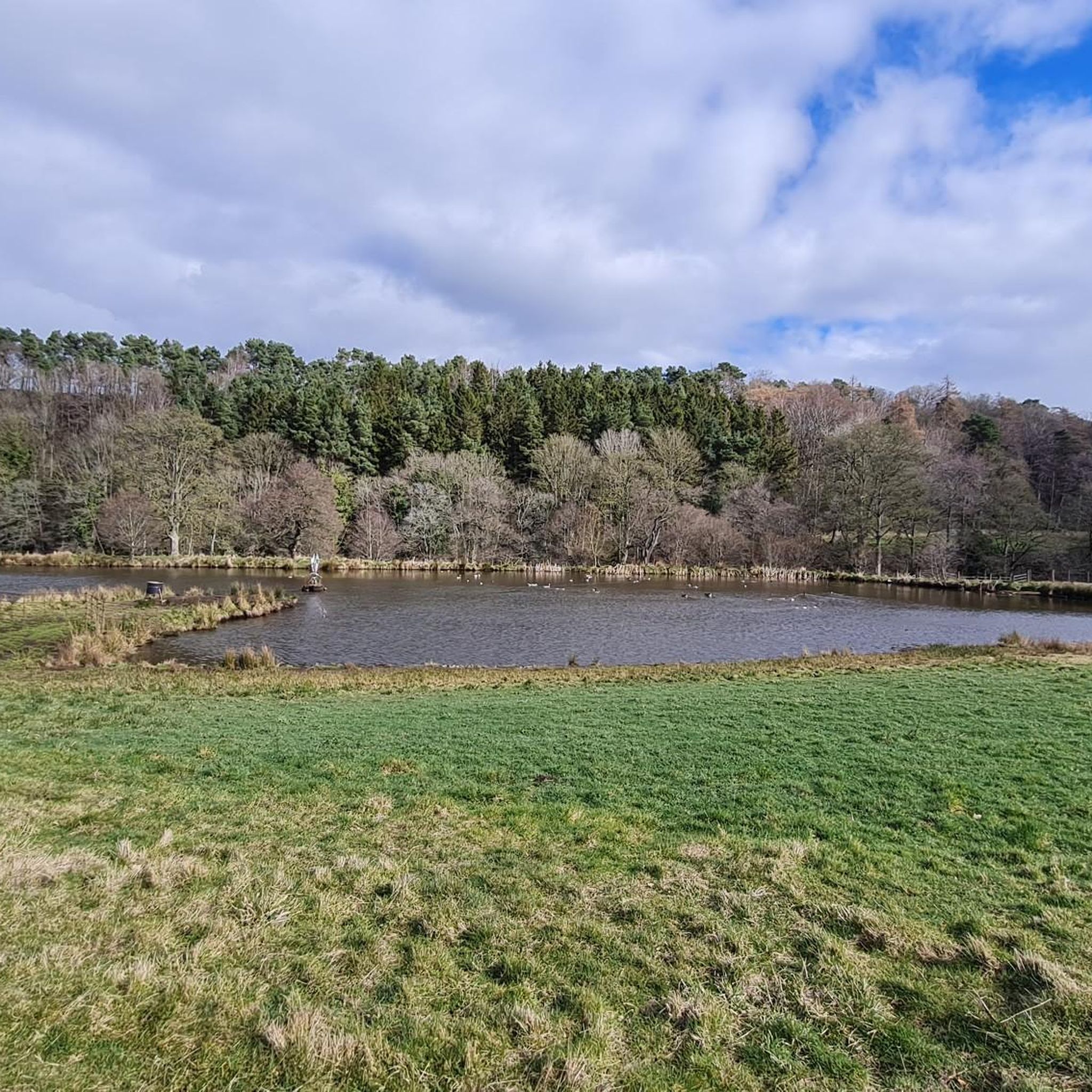
The area around Egglestone Abbey and its castles is excellent for outdoor activities. You can find numerous hiking, running, and mountain biking routes. For example, there's an easy hiking loop that connects Barnard Castle and Egglestone Abbey. Mountain bikers can explore routes like the Bowes Castle Ruins – Tan Hill Inn loop. For runners, there are moderate trails such as the Matthews Meadow Pond loop.
Are there any good viewpoints to see Barnard Castle from a distance?
Yes, Deepdale Footbridge and View of Barnard Castle offers a fantastic perspective of Barnard Castle. It's a quiet route alternative and provides scenic views, especially beautiful during sunrise.
What is the history behind Egglestone Abbey?
Egglestone Abbey is a ruined Premonstratensian abbey, established between 1168 and 1198. It was dissolved in 1540 during the Dissolution of the Monasteries. While not a castle, it's a significant historical site with remains of a 13th-century church and living quarters, offering a peaceful atmosphere above the River Tees.
Are there any dog-friendly attractions among the castles?
Many outdoor historical sites, including the ruins of Bowes Castle and Egglestone Abbey, are generally dog-friendly as they are open-air and maintained by English Heritage. It's always best to keep dogs on a lead and check specific site rules upon arrival. The surrounding walking trails are also great for dogs.
How long should I plan for a visit to Egglestone Abbey and a nearby castle?
To fully explore Egglestone Abbey, you might need 1-2 hours. If you plan to walk to Barnard Castle (about 40 minutes one way) and explore its exterior or the viewpoint from Deepdale Footbridge, allow for a half-day. For a more extensive visit including Raby Castle or Bowes Castle Ruins, a full day or even two days would allow for a more relaxed exploration of the sites and surrounding trails.
What makes Bowes Castle Ruins unique?
Bowes Castle Ruins are unique because the magnificent ruins of Henry II's 12th-century keep are built directly on the foundations of a Roman fort. This highlights its long history as a strategically important site guarding the Stainmore Pass over the Pennines. It's also free to enter and explore.
Are there any lesser-known or 'hidden gem' castles in the vicinity?
While not entirely hidden, Ravensworth Castle Ruins offers a different kind of historical experience. This 14th-century castle, with later modifications, is now in ruins due to coal mining beneath it in the 20th century. It provides a poignant look at a castle's changing fortunes and is less frequented than the larger sites.
What is the best time of year to visit the castles around Egglestone Abbey?
The spring and summer months (April to September) generally offer the most pleasant weather for exploring the outdoor ruins and walking trails. The longer daylight hours allow for more extensive visits. However, autumn brings beautiful foliage, and even winter can be atmospheric, though you should dress warmly and be prepared for potentially muddy conditions on trails.
Most popular attractions around Egglestone Abbey

Get inspired with the komoot mobile app


Explore more
Looking for the best castles somewhere else? Discover other guides around Egglestone Abbey:
