Attractions and Places To See around Brandon And Byshottles - Top 20
Best attractions and places to see around Brandon And Byshottles include a blend of historical sites, natural beauty, and cultural points of interest within County Durham. The area features prominent landmarks such as a UNESCO World Heritage Site, alongside traffic-free cycle paths and river valleys. Its history is deeply rooted in its past as a mining district, which transformed it from an agricultural area. Many attractions are within or immediately adjacent to Brandon And Byshottles, with significant sites also located in the nearby city of Durham.
Best attractions and places to see around Brandon And Byshottles
- The most popular attractions is Durham Cathedral (UNESCO World Heritage Site), a religious building constructed in the Romanesque style between 1093 and 1133. It is known for its architectural influence and as the former home to the shrine of St Cuthbert, forming a designated UNESCO World Heritage Site with Durham Castle.
- Another must-see spot is Waskerley Way, a cycle way that is a 9.7 mile (15.6 km) traffic-free path. This route winds through County Durham's countryside, offering views of railway structures, farmland, woodland, wetland, and moorland.
- Visitors also love Durham Castle, a castle that has been continuously occupied since its construction began in 1072. It was originally built to protect the Bishop of Durham and now forms part of Durham University, also a designated UNESCO World Heritage Site.
- Brandon And Byshottles is known for its historical landmarks, natural features, and cultural sites. Visitors can explore ancient ruins, scenic cycle paths, and significant architectural achievements.
- The attractions around Brandon And Byshottles are appreciated by the komoot community, with more than 120 upvotes and over 130 photos shared by visitors.
Last updated: July 3, 2026
Durham Cathedral (UNESCO World Heritage Site)
Highlight • Religious Site
It was constructed in the Romanesque style between 1093 and 1133 as a monastic cathedral and was home to the shrine of St Cuthbert. It was hugely influential in architectural terms. At the time of its construction, its large scale, stone vaulted ceiling was an impressive and pioneering feat, forming the blueprint for European architecture from that point onwards.
Today, as well as being regarded as one of the world's greatest cathedrals, it is still a functioning establishment, welcoming thousands of services every year. Along with its neighbouring castle, it attracts scores of visitors to the city.
Tip by

Waskerley Way
Highlight (Segment) • Cycleway
Tip by

Sign up now to discover places like this
Get recommendations on the best single tracks, peaks, & plenty of other exciting outdoor places.
Sign up for free
Durham Castle
Highlight • Castle
Tip by
The Count's House Folly
Highlight • Structure
Tip by

Finchale Priory
Highlight • Religious Site
Tip by
Sign up for free to discover even more attractions around Brandon And Byshottles.
Sign up for free
Already have an account?
Start today with a free account
Your next adventure awaits.
Login or Signup
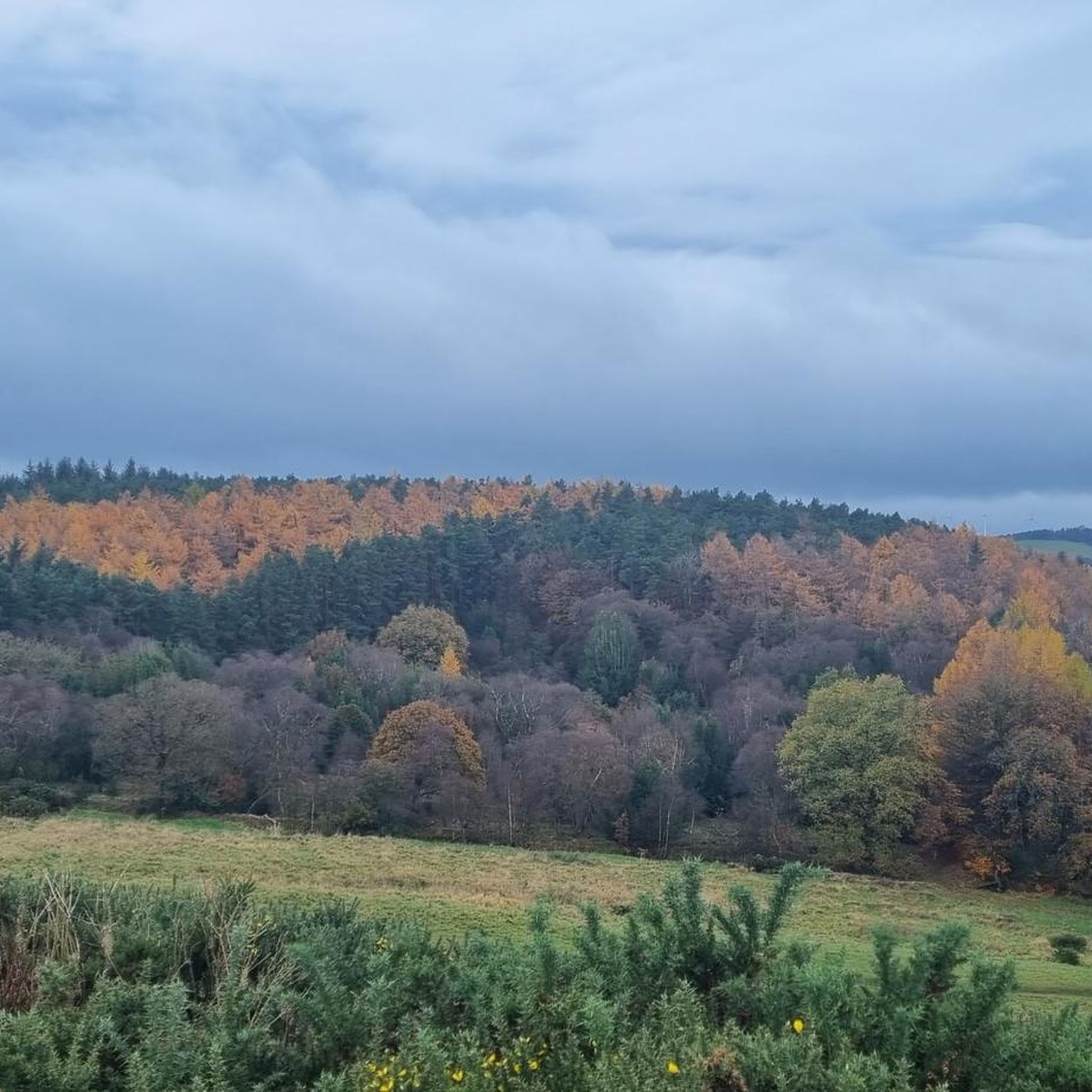
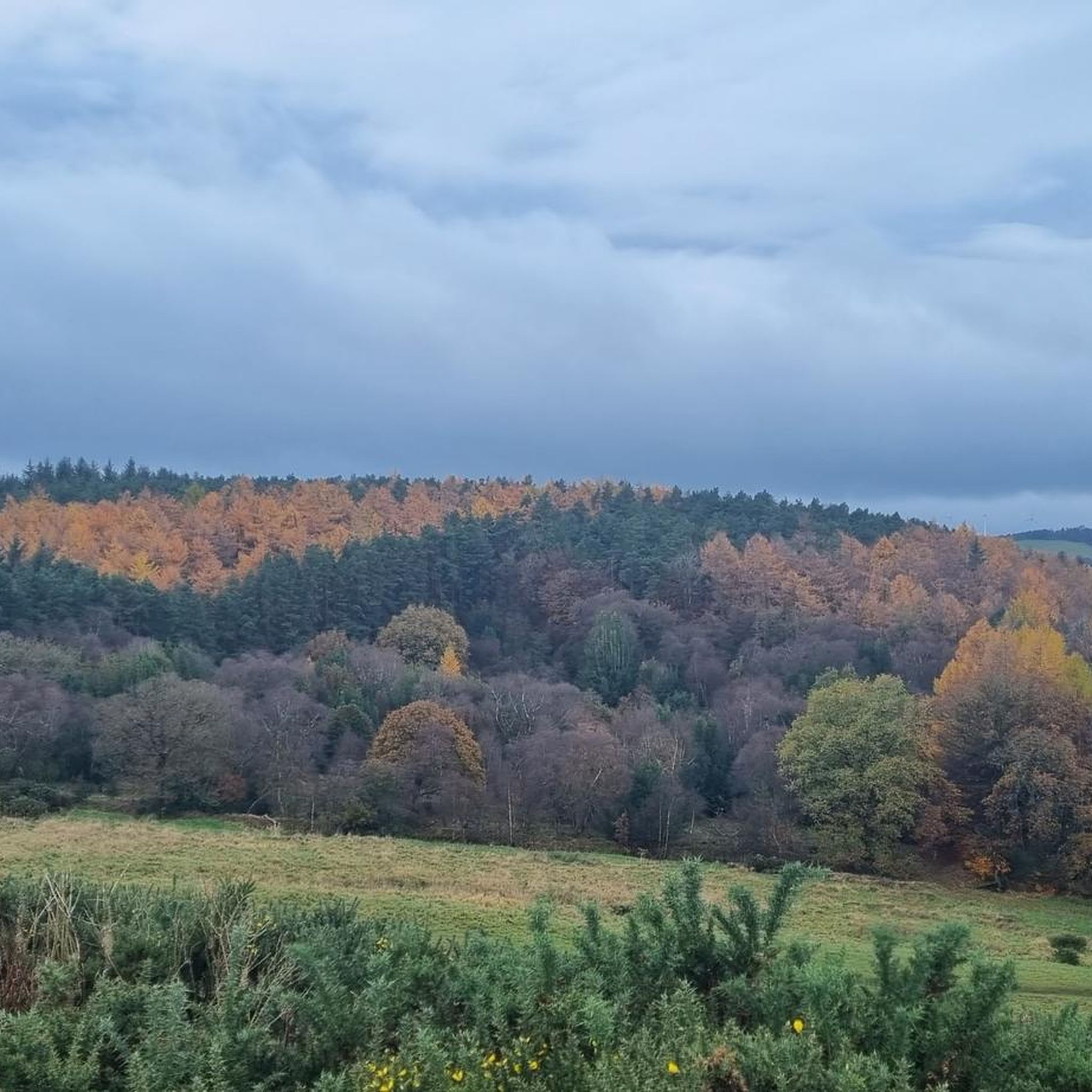
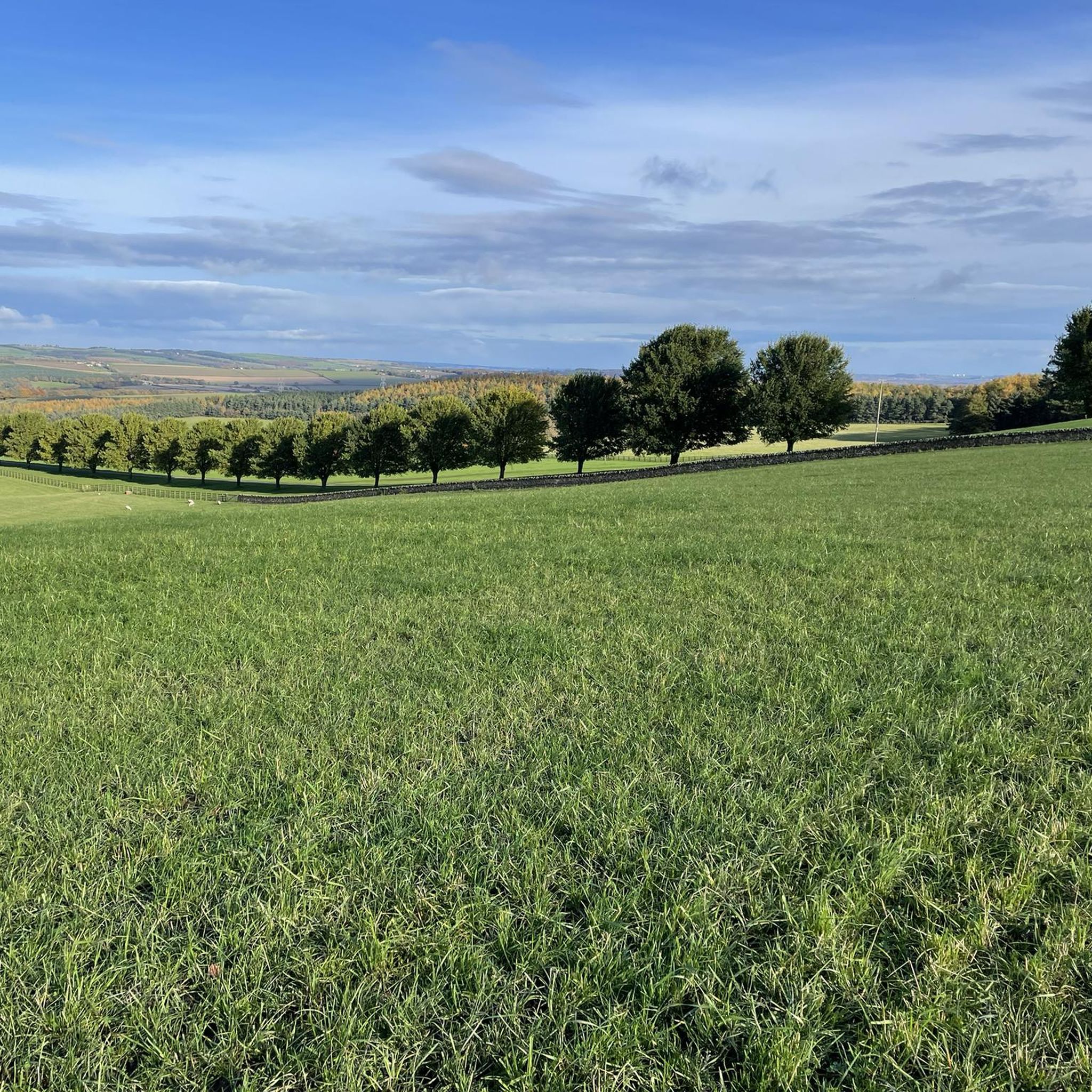
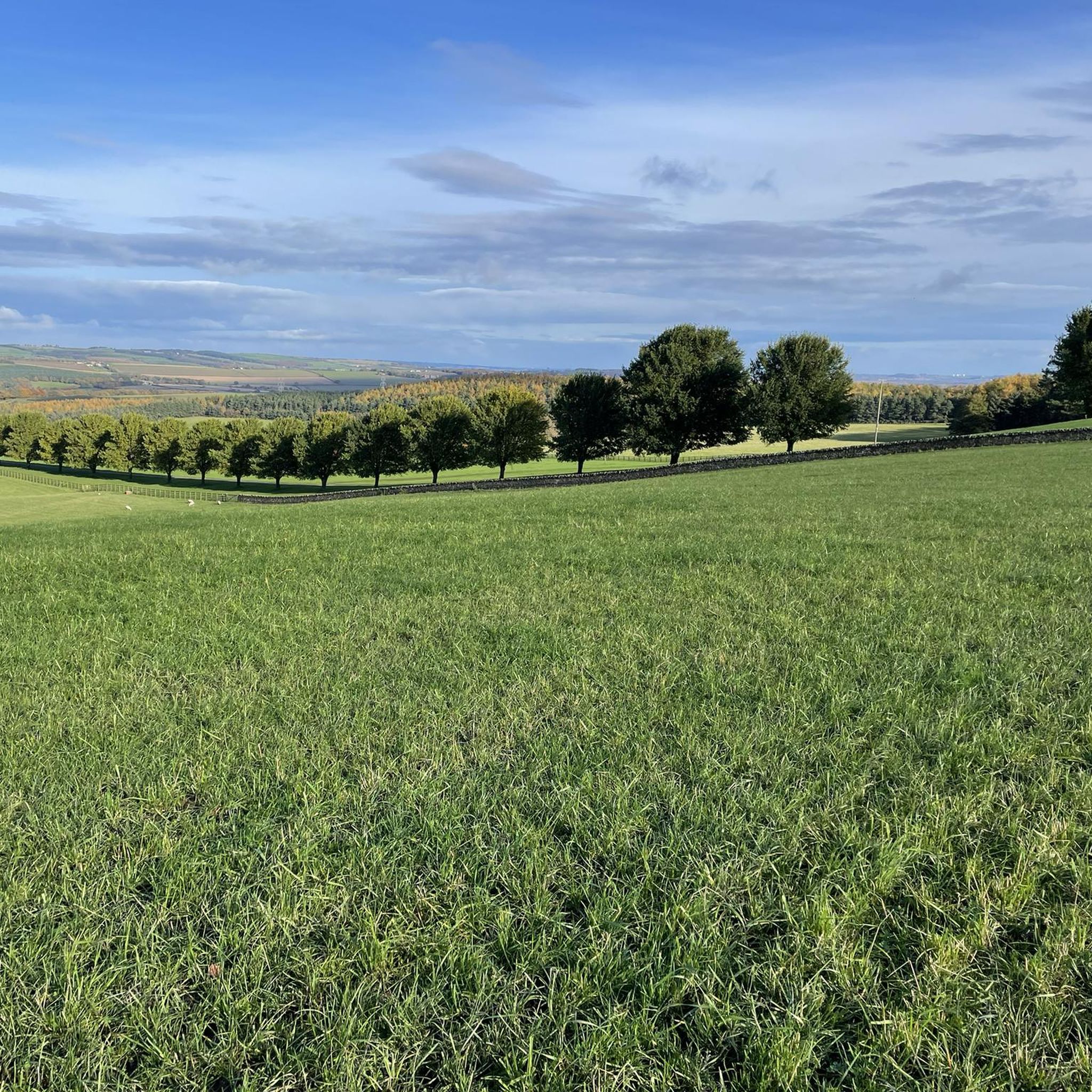

Tips from the Community

The cathedral was originally constructed to house the relics of St Cuthbert, a beloved Northumbrian saint. His shrine is a significant pilgrimage destination.
0
0


nice easy parking, walk accross the bridge over the river and you can either walk left or right giving you two options to walk up or down the river. quite pleasant but can get a bit boggy when it rains so wear the correct footwear. does get busy in the warmer months
3
0

A television series that I can recommend without reservation presents the culture-loving viewer (in German) with remarkable examples of human creativity from many countries around the world. What they all have in common is that they have been given "world heritage" status by UNESCO. One of the contributions documents: "Like a grey rock, Durham Cathedral, located in the north-east of England near the Scottish border, towers over the roofs of the city. Half church and half bastion, this building is an impressive example of early Romanesque church architecture in England. The three-storey Anglo-Norman cathedral with a 2 m thick arcade wall and Norman castle complex, the later seat of the bishops of Durham, was declared a cultural monument." This film can be found in the ARD media library under the following link: https://www.ardmediathek.de/video/schaetze-der-welt/die-kathedrale-von-durham-grossbritannien-folge-138/3sat/Y3JpZDovL3N3ci5kZS83MTY4ODA2
2
1

I drove down this former railway line from the top with the wind at my back. What a great experience and easy way to move quickly through the landscape.
1
0

Durham Count's House is actually a folly - a building erected for the sole purpose of looking nice in a rural setting and usually made to look like a forgotten piece of history. The Georgians and Victorians were great ones for building follies, and you'll often find miniature mock medieval ruins and classical temples in the grounds of country houses. The Count's House folly was built by the Dean and Chapter of Durham Cathedral in about the 1820s. Of course, I say that follies have no other purpose, but they did sometimes serve as a place to rest, take tea or as a hunting lodge; the Count's House was sometimes used as a summerhouse. (https://explorar.co.uk/durham/history/who-was-durhams-little-count/)
3
0
Absolutely huge cathedral. The interior is quite special in its plainness - not even the high ceiling is decorated making the gothic architecture even more impressive. As you cannot walk around it takes a bit of going back and forth to take in this building complex from all perspectives.
13
0
Donated to the university and now used as student residence. Therefore opening times are limited, but one can get a glimpse into the inner yard when asking friendly.
12
0
Frequently Asked Questions
What are the main historical attractions to visit near Brandon And Byshottles?
The area boasts significant historical sites. You can explore the magnificent Durham Cathedral and Durham Castle, both part of a UNESCO World Heritage Site. Additionally, the picturesque ruins of Finchale Priory, nestled by the River Wear, offer a glimpse into medieval monastic life. For a unique historical curiosity, visit The Count's House Folly, a charming former summer house.
Are there any family-friendly attractions around Brandon And Byshottles?
Yes, several attractions are suitable for families. Both Durham Cathedral and Durham Castle are listed as family-friendly and offer engaging historical experiences. For outdoor activities, the traffic-free Waskerley Way is excellent for cycling or walking with children, and The Ponderosa nature reserve provides recreational space.
What natural features or outdoor spaces can I explore in the area?
Nature enthusiasts will enjoy the Waskerley Way, a 9.7-mile traffic-free path winding through diverse countryside, including woodland and moorland. The River Deerness offers a picturesque valley for walks, and the River Wear provides scenic routes. The Ponderosa is also identified as a local nature reserve with grassland for recreation.
What outdoor activities are available near Brandon And Byshottles?
The area is great for various outdoor activities. You can enjoy road cycling on routes like the 'Broompark Picnic Area – River Browney loop' or 'Willington Mining Memorial – Waterhouses Road loop'. Gravel biking is popular with routes such as 'River Deerness – Deerness path loop'. For hikers, there are trails like the 'Sunderland Bridge – Croxdale Hall and Chapel loop' or the 'Deerness Valley Woodland Walk'. You can find more details on these activities and routes in the respective guides: Road Cycling Routes, Gravel Biking, and Hiking around Brandon And Byshottles.
Are there good hiking trails near Brandon And Byshottles?
Yes, there are several hiking trails catering to different difficulty levels. Easy options include the 'Sunderland Bridge – Croxdale Hall and Chapel loop' and the 'Low Burnhall Riverside Trail loop'. For moderate hikes, consider the 'Deerness Valley Woodland Walk' or the 'Croxdale Railway Viaduct loop'. These trails offer a chance to explore the local countryside. More details can be found in the Hiking around Brandon And Byshottles guide.
Where can I learn about the local history and heritage of Brandon And Byshottles?
To delve into the local history, you can visit the Brandon and Byshottles Parish Archive, which focuses on preserving the photographic record and memorabilia related to the area's industrial and social heritage, particularly its mining past. More information can be found on the Brandon and Byshottles Parish Council website.
What is the Waskerley Way and what can I do there?
The Waskerley Way is a 9.7-mile (15.6 km) traffic-free path that runs through County Durham's countryside. It's popular for cyclists, hikers, and horse riders, offering views of impressive railway structures, farmland, woodland, wetland, and moorland. It's a great spot for a leisurely ride or walk in nature.
What makes Durham Cathedral and Castle a UNESCO World Heritage Site?
Durham Cathedral and Durham Castle are recognized for their outstanding universal value. The Cathedral is a spectacular example of Romanesque architecture, built between 1093 and 1133, and was highly influential in European architecture. The Castle, continuously occupied since 1072, was built to protect the Bishop of Durham and now forms part of Durham University. Together, they represent a powerful symbol of the Norman conquest and the Prince-Bishops of Durham.
Are there any hidden gems or less-known historical sites in the area?
While not a 'hidden gem' in the sense of being unknown, Finchale Priory offers a tranquil and historically rich experience away from the busier city center. Its ruins, set on the banks of the River Wear, were once a favored retreat for Durham's monks. The Count's House Folly is also a unique, lesser-known historical structure with an interesting story.
What do visitors enjoy most about the attractions around Brandon And Byshottles?
Visitors frequently praise the architectural grandeur and historical significance of sites like Durham Cathedral, often noting its impressive scale and Romanesque design. The scenic beauty and tranquility of places like Finchale Priory and the expansive views along the Waskerley Way are also highly appreciated. The blend of historical landmarks and natural landscapes provides a diverse and rewarding experience.
Can I find routes suitable for gravel biking near Brandon And Byshottles?
Yes, the area offers several gravel biking routes. Options include the 'River Deerness – Deerness path loop from Butterby Oxbow' (moderate, 45.27 km) and the 'Deerness path – River Deerness loop from Bearpark' (moderate, 35.16 km). These routes allow you to explore the countryside on varied terrain. For a comprehensive list, refer to the Gravel biking around Brandon And Byshottles guide.
Are there any specific viewpoints or scenic spots recommended?
While specific viewpoints are not explicitly listed as highlights, the Waskerley Way offers continuous scenic views of County Durham's countryside, including patchwork farmland, woodland, and moorland. The ruins of Finchale Priory are also situated on the wooded banks of the River Wear, providing a beautiful and historic vista.
Most popular routes around Brandon And Byshottles

Get inspired with the komoot mobile app


Explore more
Still not found the Highlight you’re looking for? See guides of the top attractions in other regions:
