The best running trails around Stanton
3.9
(31)
3,664
runners
224
runs
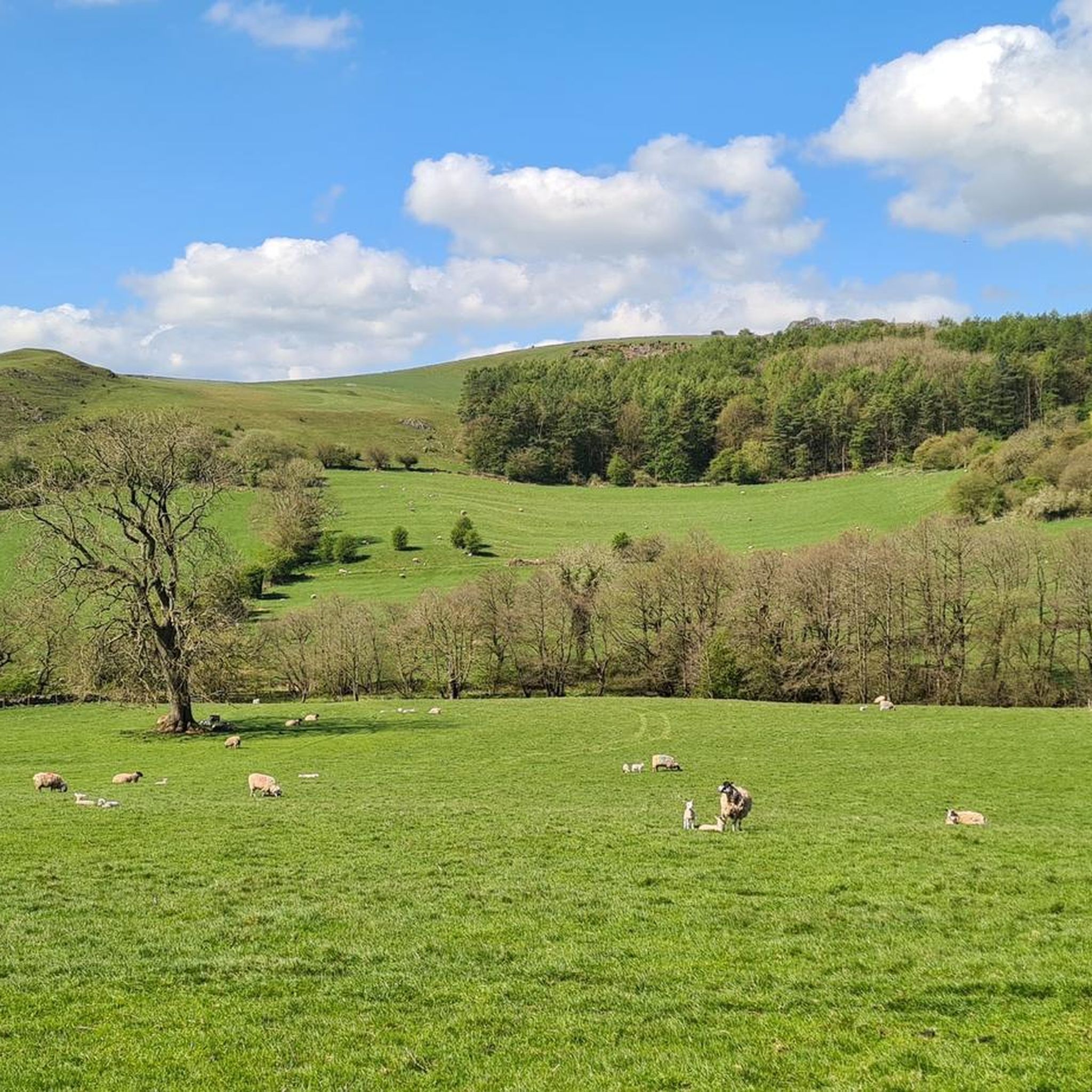
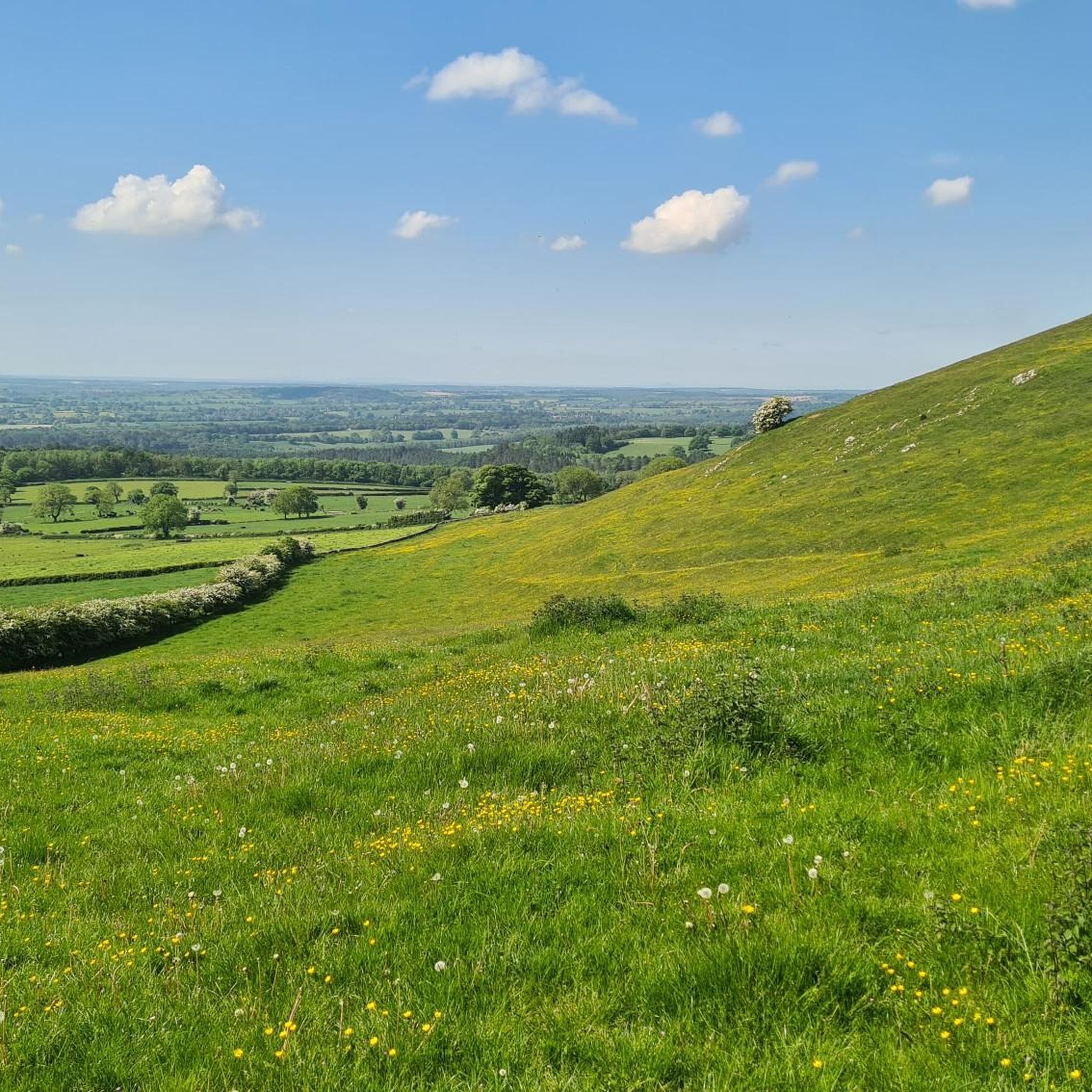
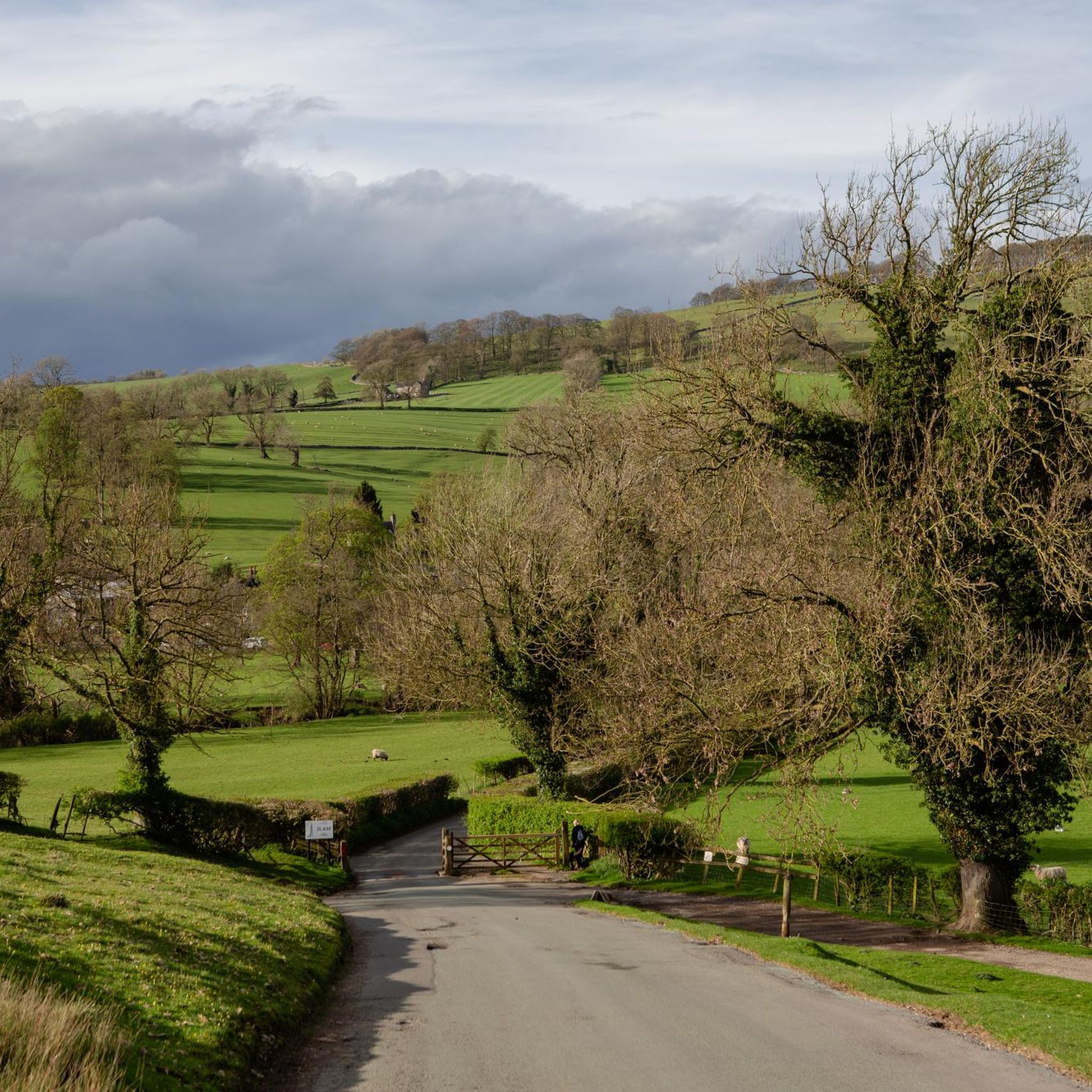
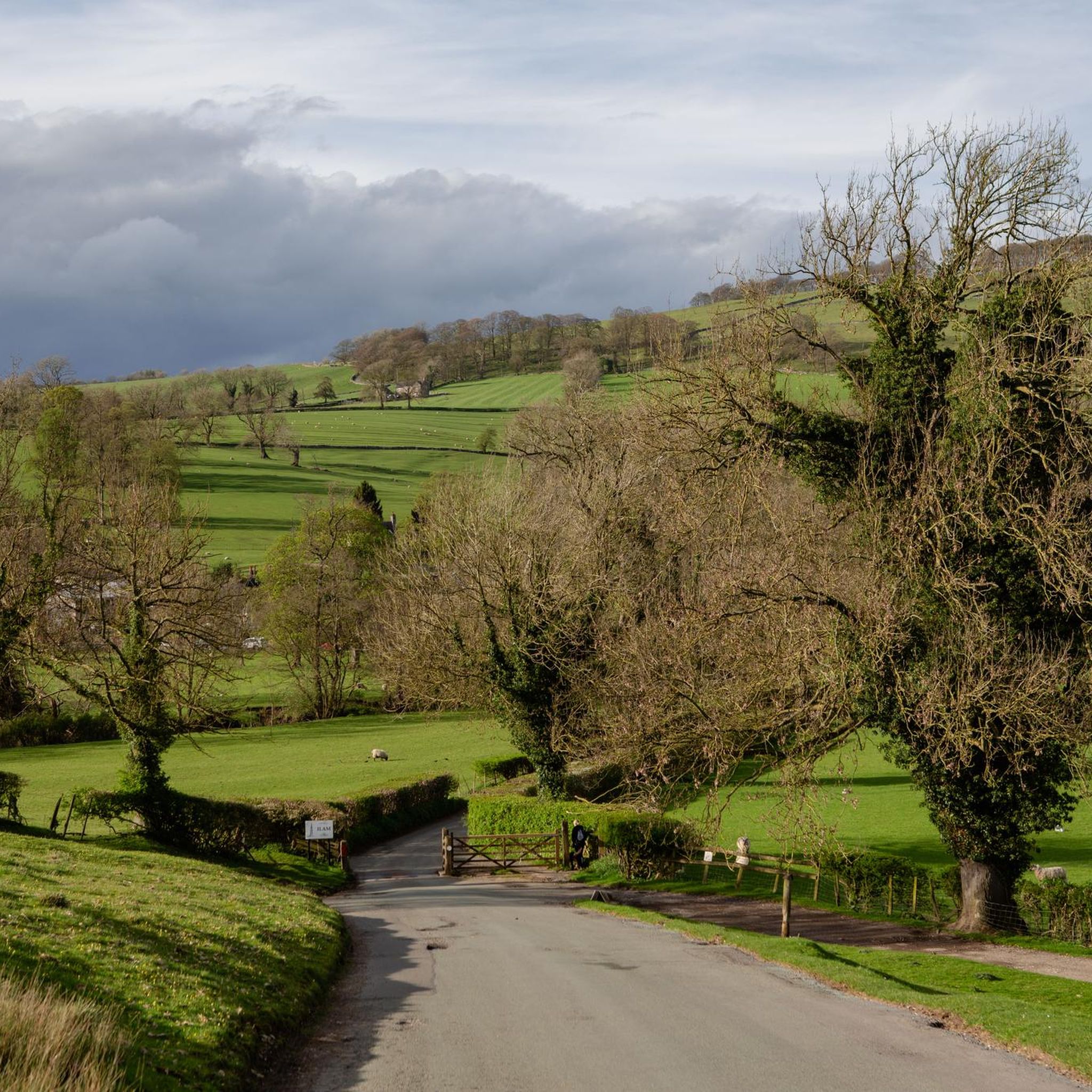
Jogging around Stanton offers a variety of running experiences through rural landscapes. The region features converted railway lines, such as the Ashbourne Tunnel, providing flat and accessible paths. Runners can also explore riverside trails along the River Dove and routes through agricultural land, offering a mix of gentle gradients and open countryside.
Best jogging routes around Stanton
- The most popular jogging route is Ashbourne Tunnel – Ashbourne Tunnel loop from Clifton and Compton CP, a 8.8 miles (14.1 km)…
Last updated: June 26, 2026
14
runners
14.1km
01:30
150m
150m
Moderate run. Good fitness required. Mostly paved surfaces. Suitable for all skill levels.
10
runners
8.05km
00:51
90m
90m
Moderate run. Good fitness required. Mostly paved surfaces. Suitable for all skill levels.

Sign up for free
4
runners
8.54km
00:55
80m
80m
Moderate run. Good fitness required. Mostly paved surfaces. Suitable for all skill levels.
5
runners
Hard run. Very good fitness required. Mostly paved surfaces. Suitable for all skill levels.
4
runners
Easy run. Great for any fitness level. Mostly paved surfaces. Suitable for all skill levels.
Get access to more routes and recommendations from other explorers.
Sign up for free
Already have an account?
Our route recommendations are based on thousands of hikes, rides, and runs completed by other people on komoot.
Start today with a free account
Your next adventure awaits.
Login or Signup
Tips from the Community


Beautiful tunnel which is very photogenic from Ashbourne end
0
0

The Ashbourne Tunnel runs below the town of Ashbourne itself, and serves as the begining – or, alternatively, the ending – of the Tissington Trail: a 13-mile hike, much of which comprises of disused railway lines, connecting the towns of Ashbourne and Parsley Hay. Recently renovated with speakers that transmit authentic steam-powered engine noise, Ashbourne Tunnel is a highly evocative experience that is sure to transport visitors back to the age of industry. Ashbourne was first included in the North Staffordshire Railway line in 1852, as the trade of limestone grew around the town. At the end of the 19th century, this line was taken over by the London & South Western line, who were seeking a line south of Buxton, and connected Ashbourne to the junction at Parsley Hay. This saw the construction of the Ashbourne Tunnel, which was first opened in 1899.
0
0
Okeover Mill is a former water mill. Early C18 with later alterations and additions. Coursed limestone rubble with ashlar quoins and dressings, and red brick additions; clay tile roof; brick ridge stack.
0
0
St John the Baptist's Church is an Anglican church in the village of Mayfield, Staffordshire, England. It is a Grade I listed building. The core is a Norman church; it was extended in the early 14th century, and the tower built in 1515. There was a church in the village in Saxon times; the Domesday book, of 1086, recorded that there was a priest in the village, one of 25 recorded for Staffordshire. A simple rectangular stone building replaced the Saxon church about 1125. The south doorway (inside the later porch), with a well-preserved Norman arch, dates from this time. The nave, of three bays, is mainly Norman.
0
0
Mayfield Yarns is a synthetic yarn manufacturer based in Mayfield, Staffordshire, with over 80 years of experience in the industry. The company is located in the Mayfield Mill, which has a long history of textile production dating back to 1795. In 1795 A cotton mill was built on an industrial site but in 1806 a fire destroyed much of the mill. It was rebuilt with a cast iron framework and brick vaulted ceilings. Brothers Joseph and George Simpson rebuilt and enlarged the mill in 1866. Mr C.H. Cowlishaw, a solicitor from Uttoxeter, purchased the mill in 1932 but sold it again two years later to William Tatton & Co. of Leek, and manufacturing switched to silk. In 1980 Mayfield Yarns began manufacturing and supplying synthetic yarns in the mill.
0
0
One of the grandest churches in Derbyshire, with a slender spire of 212 feet. Referred to in the Doomsday book, the present church building dates from the mid 1200's and contains fine stained glass and monuments. Evidence of a Norman Crypt was found during renovation works in the early 20th Century but the existing church dates from the early 1200s and the 1241 dedicated plaque is believed to be the oldest in Britain. The oldest parts of the present building are the chancel (eastern end of the church containing the altar) and the transepts (the arms of the church), which were built in the first half of the 13th Century. The main part of the nave was added in the mid-thirteen century and was widened in the late 13th Century by the addition of south aisle when a tower was also added; a north aisle was never built, possibly because of the impact of the Black Death. The last major construction was the spire, which was built in the early in the C14th.
0
0
Frequently Asked Questions
How many running routes are available around Stanton?
There are over 200 running routes around Stanton, offering a wide variety of experiences. These include 14 easy routes, 148 moderate routes, and 65 more challenging options, ensuring there's something for every runner.
What kind of terrain can I expect on jogging routes in Stanton?
Jogging routes in Stanton primarily feature rural landscapes, including converted railway lines that offer flat and accessible paths. You'll also find pleasant riverside trails along the River Dove and paths through agricultural land, providing a mix of gentle gradients and open countryside.
Are there routes suitable for beginners or those looking for an easy run?
Yes, Stanton offers 14 easy running routes perfect for beginners or those seeking a relaxed jog. These routes typically have minimal elevation gain and follow well-maintained paths, such as the converted railway lines.
What do other runners say about the trails in Stanton?
The running routes in Stanton are highly rated by the komoot community, with an average score of 4.1 stars from over 30 reviews. More than 3,600 runners have explored Stanton's varied terrain, often praising the scenic riverside paths and the accessible, relatively flat sections of the converted railway lines.
Are there any circular running routes in Stanton?
Yes, many of the routes around Stanton are circular. For example, the Ashbourne Tunnel – Ashbourne Tunnel loop from Clifton and Compton CP is a popular 8.8-mile circular trail, and the River Dove loop from Clifton and Compton CP offers a moderate 3.3-mile circular path.
Can I find routes with interesting natural features or landmarks around Stanton?
Absolutely. While running, you might encounter various natural features and landmarks. The area is close to several lakes, including Shirley Park Woodland and Pond, and you can even find a Waterfall and Stepping Stones on Churnet River Tributary. Additionally, there are fascinating caves nearby, such as Thor's Cave and Reynard’s Cave and Natural Arch, offering unique sights.
Are there any routes that pass by cafes or places to stop for refreshments?
While specific cafes directly on every route aren't detailed, the Denstone Hall Farm Shop & Café – Staffordshire County Boundary loop from Ellastone route name suggests proximity to Denstone Hall Farm Shop & Café, which could be a great spot for refreshments before or after your run.
What is the longest running route available in Stanton?
One of the longer routes available is the Denstone Hall Farm Shop & Café – Staffordshire County Boundary loop from Ellastone, which spans 11.2 miles (18.1 km) and is classified as difficult, offering a more extended challenge for experienced runners.
Are there any routes that follow old railway lines?
Yes, a defining characteristic of running in Stanton is the use of converted railway lines. The most popular route, the Ashbourne Tunnel – Ashbourne Tunnel loop from Clifton and Compton CP, is an 8.8-mile trail that follows a converted railway line, providing a relatively flat and scenic running experience.
Can I find routes with riverside views?
Yes, Stanton offers pleasant riverside running experiences. The River Dove loop from Clifton and Compton CP is a moderate 3.3-mile path that provides beautiful riverside scenery with minimal elevation changes, perfect for a tranquil run.
What is the average difficulty of running routes in Stanton?
The majority of running routes in Stanton are classified as moderate, with 148 out of 227 routes falling into this category. This means most trails offer a good balance of challenge and accessibility, often featuring gentle gradients and varied terrain suitable for regular runners.
Are there any routes that offer views of the Staffordshire County Boundary?
Yes, the Staffordshire County Boundary loop from Ellastone is an 8.5 km (5.3 miles) moderate route that takes you along the county boundary, offering unique regional perspectives during your run.
Most popular attractions around Stanton

Get inspired with the komoot mobile app


Explore more
Browse the best Running Trails & Routes in other regions.
