Attractions and Places To See around Marchington - Top 20
Best attractions and places to see around Marchington include a blend of historical sites, natural landscapes, and community facilities. Located in East Staffordshire, the village is situated near the River Dove and the National Forest, offering varied topography. The area provides access to a range of cultural and outdoor activities within Marchington and its surroundings.
Best attractions and places to see around Marchington
- The most popular attractions is Longford Old Mill, an other man-made structure that is a scenic…
Last updated: July 3, 2026
Croxden Abbey Ruins
Highlight • Religious Site
Tip by

Longford Old Mill
Highlight • Structure
Tip by

Sign up now to discover places like this
Get recommendations on the best single tracks, peaks, & plenty of other exciting outdoor places.
Sign up for free
Blithfield Reservoir Causeway
Highlight • Bridge
The reservoir and surrounding woodland have been designated as a a SSSI due to the important …
Tip by
All Saints' Church, Denstone
Highlight • Religious Site
Tip by

Abbots Bromley Village Centre
Highlight • Settlement
Tip by

Sign up for free to discover even more attractions around Marchington.
Sign up for free
Already have an account?
Start today with a free account
Your next adventure awaits.
Login or Signup
Tips from the Community

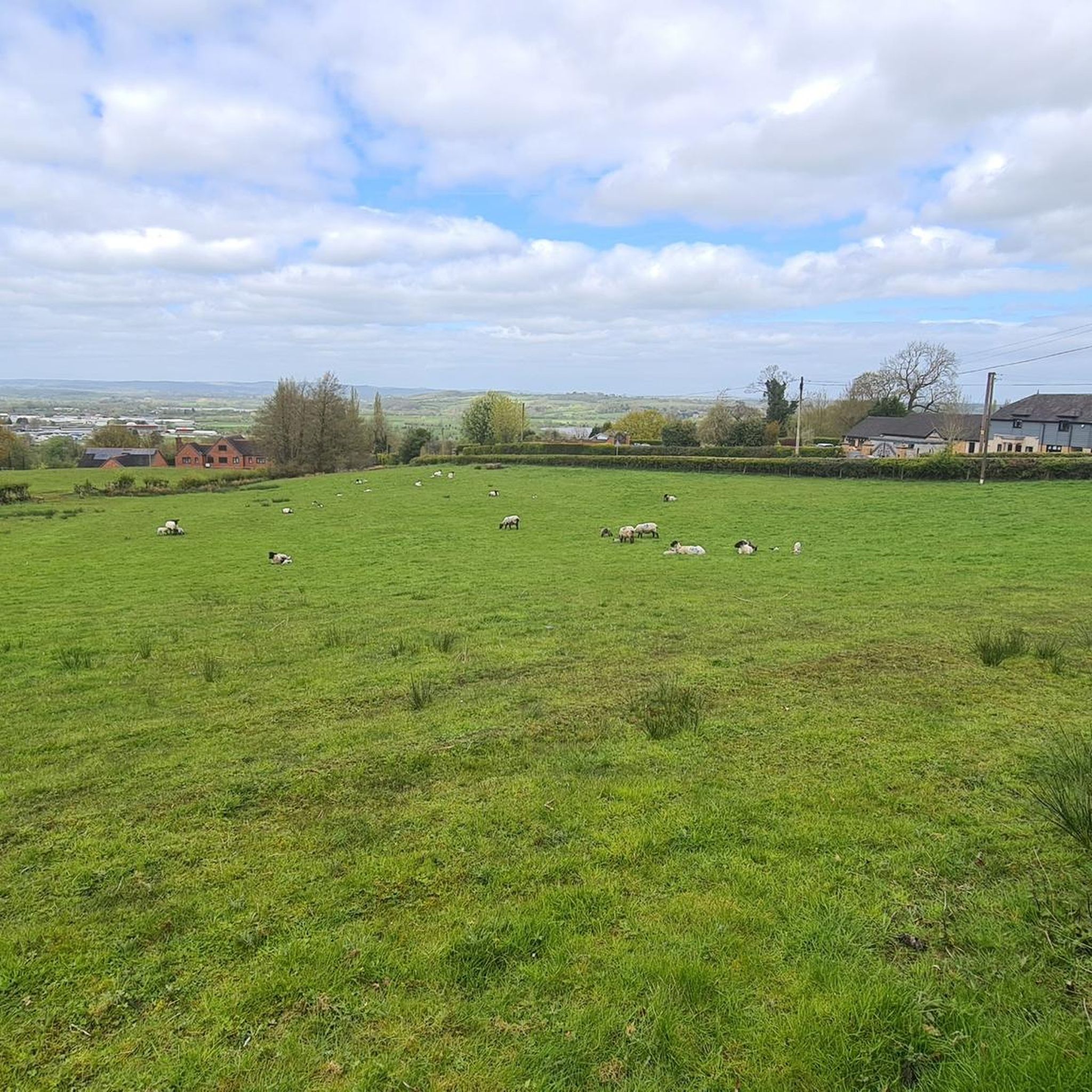
It’s a great ride along country lanes and very little traffic.
0
0

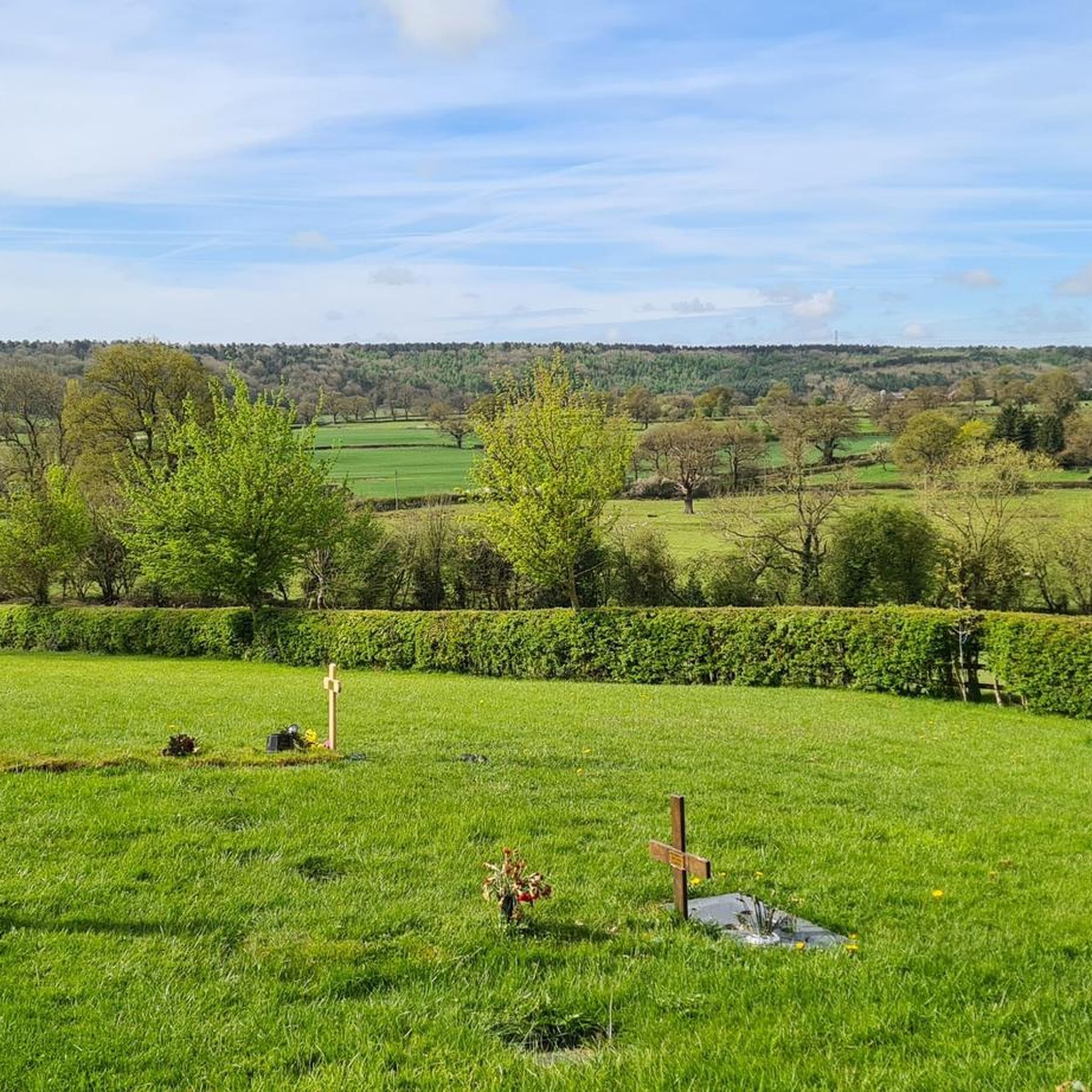
The church was built between 1860 and 1862 to designs of the architect George Edmund Street, funded by Sir Thomas Percival Heywood, 2nd Baronet. At the same time, Street also designed the lychgate, churchyard cross, vicarage and village school.
0
0

Worth a stop and have a wonder around. plenty to see. 10-15 minutes is enough.
0
0

Croxden Abbey, also known as "Abbey of the Vale of St. Mary at Croxden", was a Cistercian abbey. A daughter house of the abbey in Aunay-sur-Odon, Normandy, the abbey was founded by Bertram III de Verdun of Alton Castle, Staffordshire, in the 12th century. The abbey was dissolved in 1538. In 1176, Bertram III de Verdun, the lord of the manor of Croxden, endowed a site for a new abbey near Alton, Staffordshire, to a group of 12 Cistercian monks from Aunay-sur-Odon, Normandy. Bertram founded the abbey, like many noblemen of his time, for the souls of his family. The monks remained at the Alton site until 1179, before moving to land near Croxden, a few miles south. Croxden was relatively prosperous, drawing the majority of its wealth from sheep farming. By 1315, the monks were supplying more wool to the continent than any other religious house in the county, with transactions being recorded with Florentine merchants well into the 1420s.
0
0

This former water mill was built in 1837. It's now a grade 2 listed private residence. It still has the original water wheel which you can see but it no longer works.
0
0
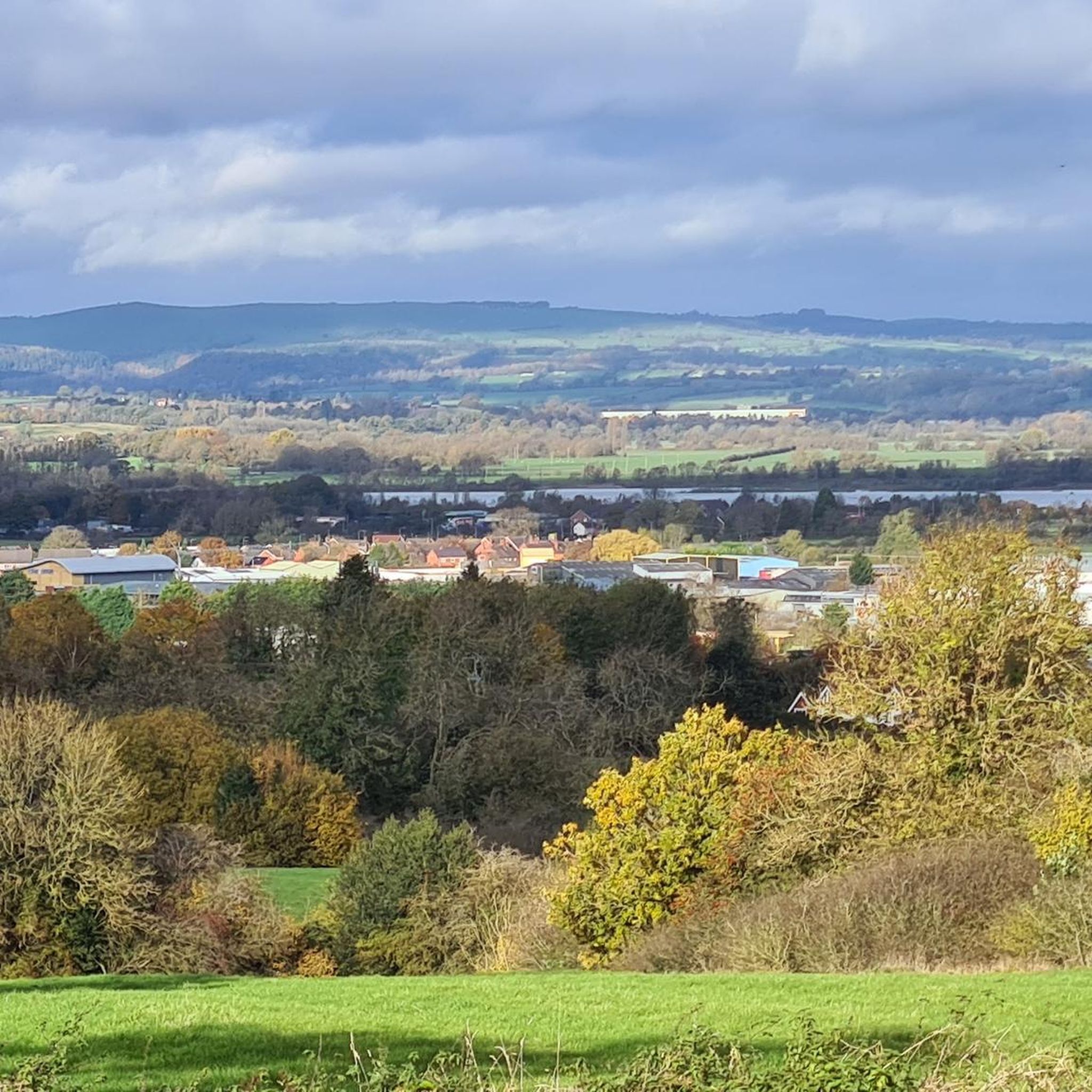
Blithfield reservoir was built in 1953 to supply drinking water to the surrounding area. The reservoir and surrounding woodland have been designated as a a SSSI due to the important bird life in the area. The causeway that crosses the reservoir gives good views across the water so do stop and have a look around.
2
0
Croxden Abbey was built in the 12th centaury as the home of 70 Cistercian monks. It was converted to a farm after the suppression of the monasteries in 1538. Remains of the church, infirmary and abbots house remain. Now managed by English Heritage it's open 10:00 - 17:00 everyday. Entry is free.
0
0
Frequently Asked Questions
What historical sites can I explore around Marchington?
Marchington and its surroundings offer a rich history. You can visit the impressive ruins of Croxden Abbey Ruins, a former Cistercian monastery dating back to the 12th century. Within Marchington itself, explore St Peter's Church, a Grade II listed building from 1742, or see the historic Marchington Hall. Nearby, All Saints' Church, Denstone, is another notable architectural gem, and Abbots Bromley Village Centre boasts an ancient church and historic cottages.
Are there any natural beauty spots or scenic views near Marchington?
Yes, the area is rich in natural beauty. The Blithfield Reservoir Causeway offers excellent views across the water and is a Site of Special Scientific Interest due to its bird life. Marchington is also adjacent to the River Dove, marking the border with Derbyshire, and lies to the north of The National Forest, providing diverse landscapes for exploration. Toot Hill and Hound Hill offer local topographical interest.
What activities are available for families with children in the Marchington area?
Families have several options. The National Forest Adventure Farm, located about 10.4 km away, offers farm animals, go-karts, jumping pillows, and indoor play. For a major theme park experience, Alton Towers is approximately 13.2 km from Marchington. Sudbury Hall and Museum of Childhood, just 1.7 miles away, provides a historical and educational outing. Many of the local highlights, such as Croxden Abbey Ruins and Blithfield Reservoir Causeway, are also considered family-friendly.
What kind of cycling routes can I find around Marchington?
Marchington is a great base for cycling. For general cycling, you can explore routes like the 'Earl's Road Gravel Track – Ramblers Retreat Café loop' or the 'Don Amott Café – Newlands Farm Tearoom loop'. Road cyclists might enjoy the 'Cobwebs Coffee Stop – Longford Old Mill loop' or the 'Bear Café Uttoxeter – Bridge Over the River Blithe loop'. Mountain bikers have options such as the 'Are We There Yet? Trail – Cannock Chase Forest Trailhead loop'. You can find more details on these and other routes in the Cycling around Marchington guide.
Are there any notable churches or religious buildings to visit?
Yes, Marchington has several significant religious sites. St Peter's Church in the village is a Grade II listed building from 1742 with distinctive architecture. In the nearby hamlet of Marchington Woodlands, St. John's Church, opened in 1859, stands prominently on a hilltop. Additionally, the ruins of Croxden Abbey offer a glimpse into a 12th-century Cistercian monastery, and All Saints' Church, Denstone, is celebrated as one of architect George Edmund Street's finest works.
What are some lesser-known or 'hidden gem' attractions in the area?
Beyond the main highlights, consider visiting the Fauld Explosion Crater Memorial, a poignant site marking a massive 1944 munitions facility explosion. While not a 'hidden gem' in the traditional sense, it offers a unique historical perspective. For a picturesque stop, the Longford Old Mill, though now a private residence, is a popular spot for photography and admired by cyclists for its scenic beauty.
What community facilities are available in Marchington village?
Marchington village is home to an active community hub, the Marchington Village Hall, which hosts various shows and events and is wheelchair accessible. For sports enthusiasts, the Marchington Tennis and Bowls Club offers two tennis courts and a crown green bowling green for members.
Can I find places for walking or hiking near Marchington?
The area around Marchington, with its hilly terrain and proximity to the River Dove and The National Forest, offers various walking opportunities. While specific named hiking trails are not detailed in the immediate vicinity, the general landscape around Marchington Woodlands is characterized by hills and forests, providing natural settings for walks. The nearby Abbots Bromley Village Centre also has public footpaths in the surrounding countryside, including three walks at Blithfield Reservoir.
Are there any attractions related to transport or railways nearby?
Yes, the Churnet Valley Railway, located about 12.2 miles from Marchington, offers railway and transport experiences suitable for all ages. This provides a unique opportunity to step back in time and enjoy heritage train rides through scenic landscapes.
What do visitors enjoy most about the attractions around Marchington?
Visitors particularly appreciate the historical significance and scenic beauty of the area. For instance, Croxden Abbey Ruins are valued for their historical depth and free entry. The Longford Old Mill is a popular photo opportunity, especially for cyclists. The Blithfield Reservoir Causeway is praised for its lovely views over the water and its importance for bird life.
Is there public transport available to reach attractions near Marchington?
While Marchington itself is a small village, public transport options to specific attractions can vary. For places like Abbots Bromley Village Centre or the Shugborough Estate, it's advisable to check local bus routes or consider driving, as many attractions in the wider East Staffordshire region are best accessed by car. Parking information for specific sites like Croxden Abbey and Blithfield Reservoir is generally available on their respective websites.
Most popular attractions around Marchington

Get inspired with the komoot mobile app


Explore more
Still not found the Highlight you’re looking for? See guides of the top attractions in other regions:
