Attractions and Places To See around Whitwell-On-The-Hill - Top 20
Best attractions and places to see around Whitwell-On-The-Hill, a village in the Ryedale district of North Yorkshire, England, offers a blend of historical sites and natural beauty. Situated on the edge of the Howardian Hills, an Area of Outstanding Natural Beauty, the area provides opportunities for walking and cycling. Visitors can explore medieval ruins, historic churches, and scenic river valleys. The village itself is characterized by traditional stone cottages and its ancient "white well."
Best attractions and places to see around Whitwell-On-The-Hill
- The most popular attractions is Temple of the Four Winds, a historical site that offers gorgeous views of the hills and was designed by Vanbrugh. It was originally used as a place for refreshments and reading.
- Another must-see spot is New River Bridge, Castle Howard Estate, a bridge that is part of the extensive Castle Howard Estate. It features a grassy track and is located near the Mausoleum and the Temple of Four Winds.
- Visitors also love Kirkham Priory Ruins, incredible ruins of an Augustinian priory founded in 1120. Maintained by English Heritage, it is set in the picturesque Derwent valley.
- Whitwell-On-The-Hill is known for its historical sites, bridges, and natural features. The area offers a variety of attractions to see and explore, from ancient ruins to scenic viewpoints.
- The attractions around Whitwell-On-The-Hill are appreciated by the komoot community, with 59 upvotes and 36 photos shared by visitors.
Last updated: October 18, 2026
New River Bridge, Castle Howard Estate
Highlight • Bridge
Tip by

Kirkham Priory Ruins
Highlight • Historical Site
The site is maintained by English Heritage and you will need to pay to get in, it's definitely worth the entry fee though. An unmissable experience, particularly if you are into history like I am.
Tip by
Sign up now to discover places like this
Get recommendations on the best single tracks, peaks, & plenty of other exciting outdoor places.
Temple of the Four Winds
Highlight • Historical Site
Tip by

Castle Howard Obelisk
Highlight • Monument
Tip by

Stamford Bridge Railway Viaduct
Highlight • Bridge
Once a vital link for the railway connecting York and Market Weighton, this structure stands as the largest remaining remnant of that historic railway line. Today, it has transformed into a tranquil and traffic-free crossing, offering a picturesque vantage point to admire the waterway below.
Tip by

Sign up for free to discover even more attractions around Whitwell-On-The-Hill.
Already have an account?
Start today with a free account
Your next adventure awaits.

Tips from the Community

The oldest surviving cast-iron railway bridge of its kind in Britain, dating back to 1847. - The last train crossed the viaduct on 27 November 1965, after which the line was closed and the structure fell into disuse. By 1991, its condition had deteriorated so badly that East Yorkshire Borough Council planned to demolish it, estimating costs at £60,000. Thanks to local protests and rail heritage campaigners, the demolition was halted. The viaduct was restored and now forms part of the Sustrans National Cycle Network, preserving its legacy for public enjoyment.
0
0
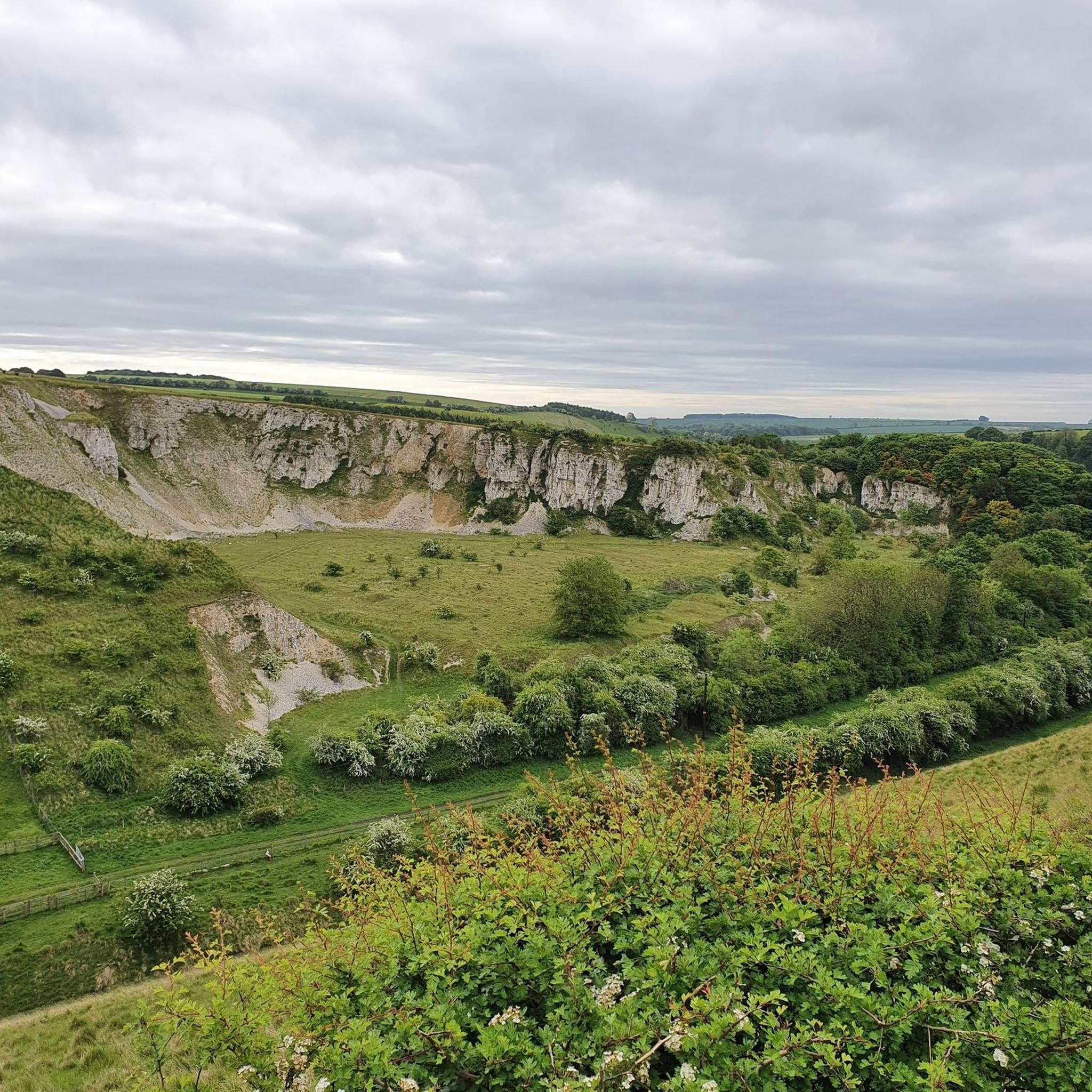
The remains of this Augustinian priory include a gatehouse adorned with the De Roos family heraldry. You can also learn about the priory's role in World War II, including Winston Churchill's secret visit and its use in training and testing for D-Day.
0
0
If you are following the footpaths to the east of the main Castle Howard grounds, you won't be able to get close to this folly (railings prevent access as it is within the Castle Howard grounds), but you will still have great views of it.
0
0
Unmissable and unfortunately not well served by public footpaths or bridleways, however, the main road has sufficiently wide verges to walk safely along. If you are heading north past the Obelisk Ponds, then there is a fantastic track on the east side of the road which is flanked by lime trees forming a wonderful avenue to walk along (see photos).
0
0
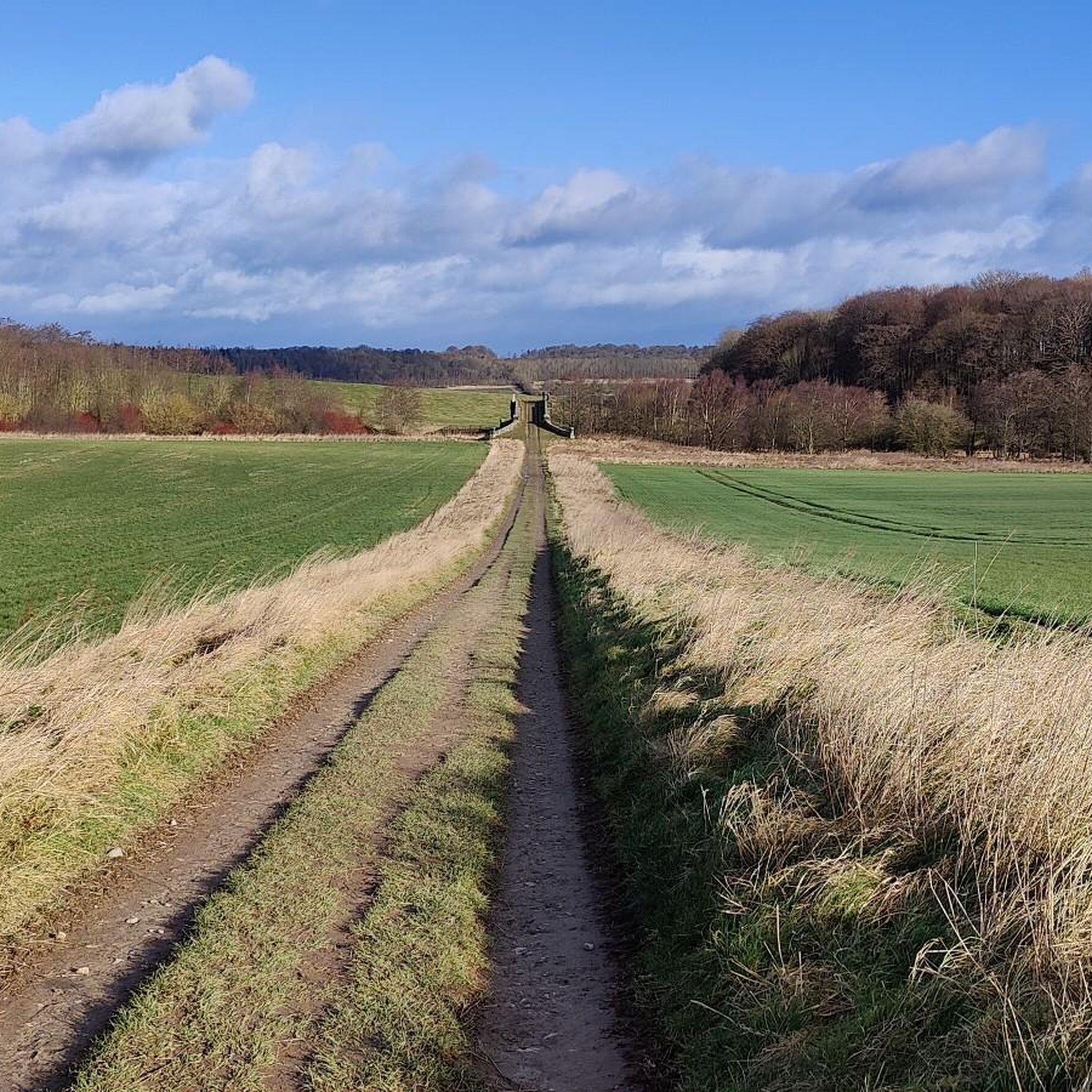
Grassy track over the New River, nice views of the estate and various follies from the bridge. Per historicengland.org: "c1740. By Daniel Garrett for Henry, 4th Earl of Carlisle. Sandstone ashlar. Banded rustication to cutwaters dividing 3 stepped segmental arches each with rusticated voussoirs and a mask keystone to central arch. Niches in tooled architraves with pulvinated friezes and consoles supporting pediments flank the main arch. Brackets support cornice surmounted by low parapet with central balustrade and coping. Ramped approaches have balustrading, rusticated piers to centre, and square-section end piers."
0
0

A nice 4.6 mile stroll with a gentle incline
0
0

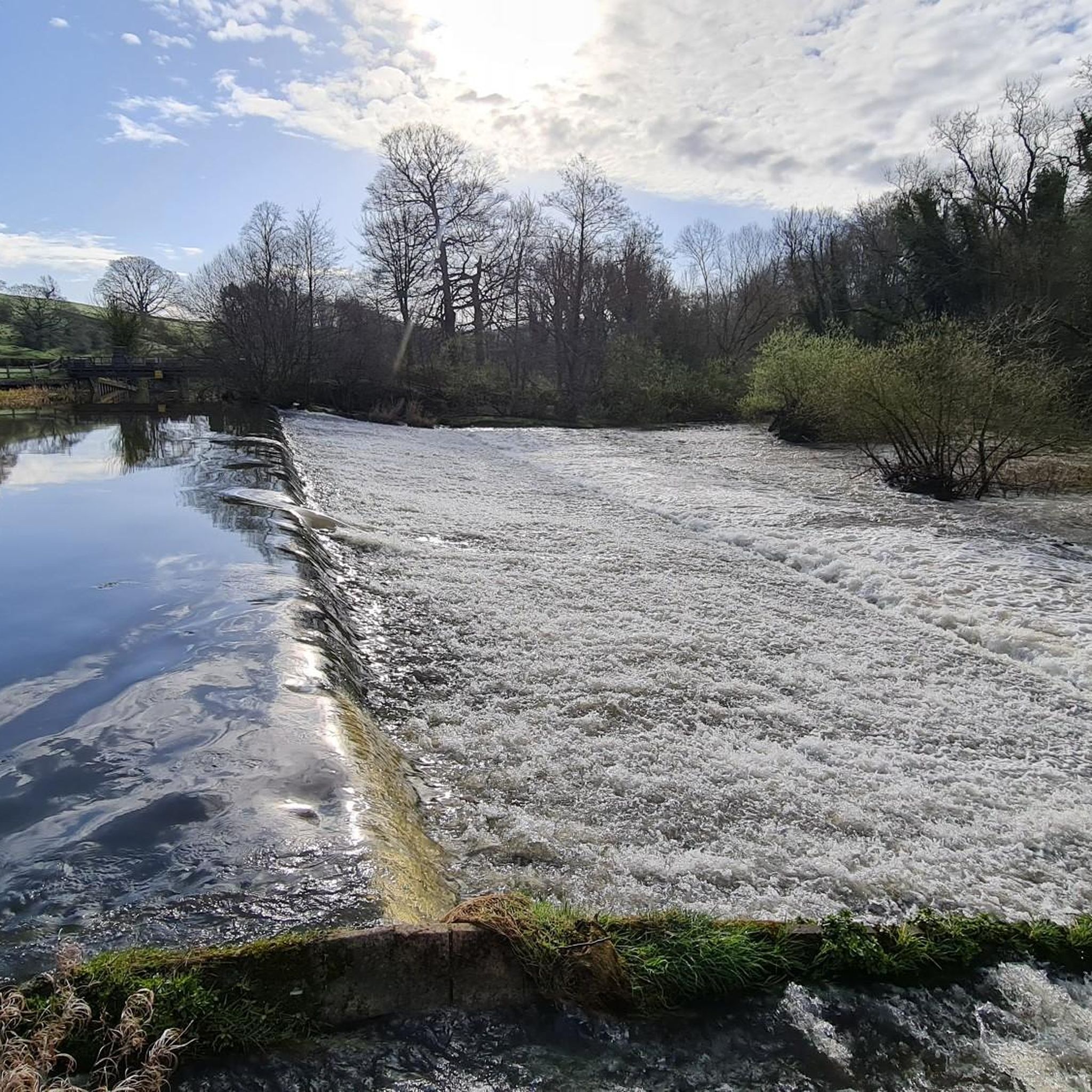
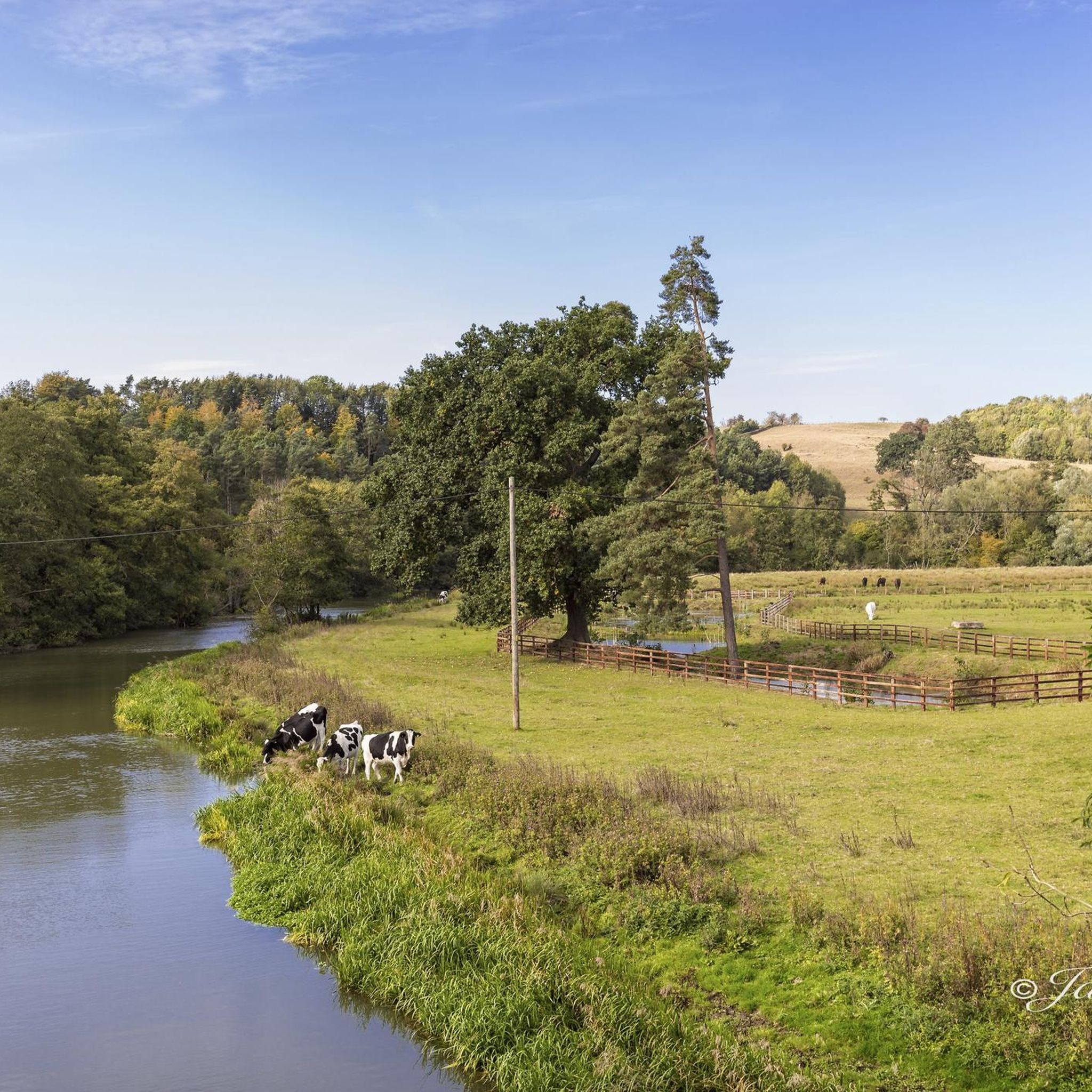
This impressive old railway viaduct that spans over the River Derwent is built from beautiful red brick and consists of 15 arches. Once a vital link for the railway connecting York and Market Weighton, this structure stands as the largest remaining remnant of that historic railway line. Today, it has transformed into a tranquil and traffic-free crossing, offering a picturesque vantage point to admire the waterway below.
1
0

The Temple of the Four Winds was designed by Vanbrugh, although he didn't get to finish it before he died (1726). It was first used as a place to get refreshments and to read. There are gorgeous views of the hills from here as well!
1
0
Frequently Asked Questions
What historical sites can I visit near Whitwell-On-The-Hill?
The area boasts several significant historical sites. You can explore the impressive ruins of Kirkham Priory Ruins, an Augustinian priory founded in 1120, set in the picturesque Derwent valley. Within the village, visit the 12th-century St. John the Evangelist Church and the ancient 'white well' from which the village derives its name. A short drive away, the magnificent Castle Howard estate offers a grand Baroque building and extensive gardens, including the Temple of the Four Winds and New River Bridge. The Stamford Bridge Railway Viaduct is another historical landmark worth seeing.
What natural features and scenic spots are there to explore?
Whitwell-On-The-Hill is situated on the edge of the Howardian Hills, an Area of Outstanding Natural Beauty, offering excellent opportunities for enjoying the countryside. The nearby River Derwent flows through a scenic area with mixed deciduous woodland, particularly beautiful between Howsham and Kirkham. Within the village, you can find the charming Village Green and the Temple of the Four Winds at Castle Howard provides gorgeous views of the surrounding hills. For panoramic vistas, the Whitwell Grange Trig Point is ideal for exploring scenic fields.
Are there family-friendly attractions around Whitwell-On-The-Hill?
Yes, there are several family-friendly options. The Kirkham Priory Ruins are maintained by English Heritage and offer a serene setting for walks and picnics. Castle Howard, with its vast grounds and magnificent architecture, is also a great day out for families. For younger children, Piglets Adventure Farm Park, located about 6.5 miles away, offers a variety of indoor and outdoor activities. The Stamford Bridge Railway Viaduct provides a tranquil, traffic-free crossing with picturesque views, suitable for a family stroll.
What outdoor activities, like walking or cycling, can I do near these attractions?
The Howardian Hills, bordering Whitwell-On-The-Hill, are perfect for walking and cycling. You can find various routes for different skill levels. For cycling, explore options like the 'Castle Howard – Castle Howard Obelisk loop from Coneysthorpe' or 'Lower Helmsley Hill – Sand Hutton Village loop from Whitwell-on-the-Hill' which are available in the Cycling around Whitwell-On-The-Hill guide and Road Cycling Routes around Whitwell-On-The-Hill guide. For easy hikes, consider routes like 'Riders Lane and River Derwent loop from Kirkham Priory' or 'The Pyramid at Castle Howard – Welburn Village Shop & Café loop from Bulmer' found in the Easy hikes around Whitwell-On-The-Hill guide.
What is the best time of year to visit Whitwell-On-The-Hill?
The area offers beauty throughout the year. For enjoying scenic fields, particularly from spots like the Whitwell Grange Trig Point, autumn or winter can be quite picturesque. The extensive gardens of Castle Howard are open from March until November, with the gardens themselves open from 10 am to 5 pm. Generally, spring and summer provide pleasant weather for outdoor activities like walking and cycling in the Howardian Hills and exploring the village's charm.
What is the significance of the 'white well' in the village?
The village's name, 'Whitwell,' directly translates to 'White Well.' This originates from an ancient well set into the churchyard's wall, whose water was once described as being nearly the color of milk. This historic well still exists and is a unique feature contributing to the village's identity.
Are there any charming or historic buildings to see in Whitwell-On-The-Hill itself?
Absolutely. The village is known for its pleasing number of traditional old stone cottages, which contribute significantly to its attractive aesthetic. Among these, you can find the old school house and an old forge, hinting at the village's past. Whitwell Hall, a Grade II listed country house designed in 1831, is also a prominent architectural landmark.
What do visitors enjoy most about the attractions around Whitwell-On-The-Hill?
Visitors particularly appreciate the blend of history and natural beauty. The serene setting of Kirkham Priory Ruins and the historical depth of Castle Howard are highly valued. Many also enjoy the gorgeous views from spots like the Temple of the Four Winds and the tranquil, traffic-free crossing offered by the Stamford Bridge Railway Viaduct. The opportunities for walking and cycling through the beautiful Howardian Hills are also a major draw.
Are there any easy hiking trails suitable for all abilities?
Yes, there are several easy hiking trails available. For example, you can enjoy the 'Riders Lane and River Derwent loop from Kirkham Priory' which is an easy 7.5 km route. Other easy options include 'The Pyramid at Castle Howard – Welburn Village Shop & Café loop from Bulmer' (6.4 km) and 'Welburn Village Shop & Café – Four Faces Folly loop from Bulmer' (4.7 km). More easy routes can be found in the Easy hikes around Whitwell-On-The-Hill guide.
Can I find any hidden gems or lesser-known spots near Whitwell-On-The-Hill?
Beyond the main attractions, the village itself holds charm with its traditional old stone cottages, including the old school house and an old forge. The ancient 'white well' in the churchyard is a unique historical feature. A short distance away, Howsham Mill, situated in the picturesque village of Howsham, offers a blend of history and nature with opportunities for swimming and picnicking, providing a quieter experience.
What is the <a href="https://www.komoot.com/highlight/737089" target="_blank" rel="noopener">Temple of the Four Winds</a> and what can I expect to see there?
The Temple of the Four Winds is a historical site designed by Vanbrugh, located within the Castle Howard estate. It was originally intended as a place for refreshments and reading. Visitors can expect to see a beautiful architectural folly and enjoy gorgeous views of the surrounding hills. It's recommended to walk around the entire building to appreciate all the different perspectives.
Most popular routes around Whitwell-On-The-Hill
Most popular attractions around Whitwell-On-The-Hill

Get inspired with the komoot mobile app


Explore more
Still not found the Highlight you’re looking for? See guides of the top attractions in other regions:
