The best running trails around Lockton
4.4
(26)
1,742
runners
20
runs
Jogging around Lockton provides access to a variety of running routes within the North York Moors National Park and Dalby Forest. The landscape is characterized by open moorland, dense forest tracks, and valleys such as the Hole of Horcum. Runners can expect a mix of moderate and challenging terrain, with some routes featuring significant elevation changes. The area offers diverse natural features suitable for outdoor activity.
Best jogging routes around Lockton
- The most popular jogging route is Hole of Horcum…
Last updated: June 30, 2026
12
runners
11.6km
01:27
220m
220m
Moderate run. Good fitness required. Mostly accessible paths. Some sure footedness required.
1
runners
11.9km
01:24
130m
130m
Moderate run. Good fitness required. Mostly accessible paths. Some sure footedness required.

Sign up for free
36
runners
11.1km
01:23
210m
210m
Hard run. Good fitness required. Sure-footedness, sturdy shoes and alpine experience required.
36
runners
13.6km
01:46
310m
310m
Hard run. Very good fitness required. Sure-footedness, sturdy shoes and alpine experience required.
9
runners
16.0km
01:53
300m
300m
Hard run. Very good fitness required. Mostly paved surfaces. Suitable for all skill levels.
Get access to more routes and recommendations from other explorers.
Sign up for free
Already have an account?
Our route recommendations are based on thousands of hikes, rides, and runs completed by other people on komoot.
Start today with a free account
Your next adventure awaits.
Login or Signup
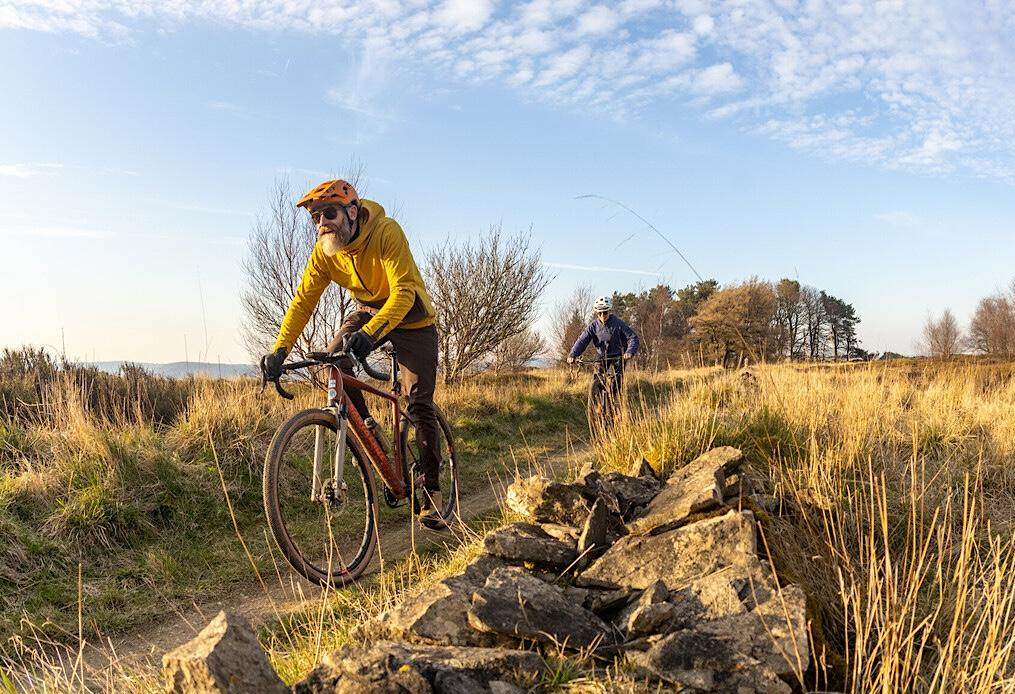
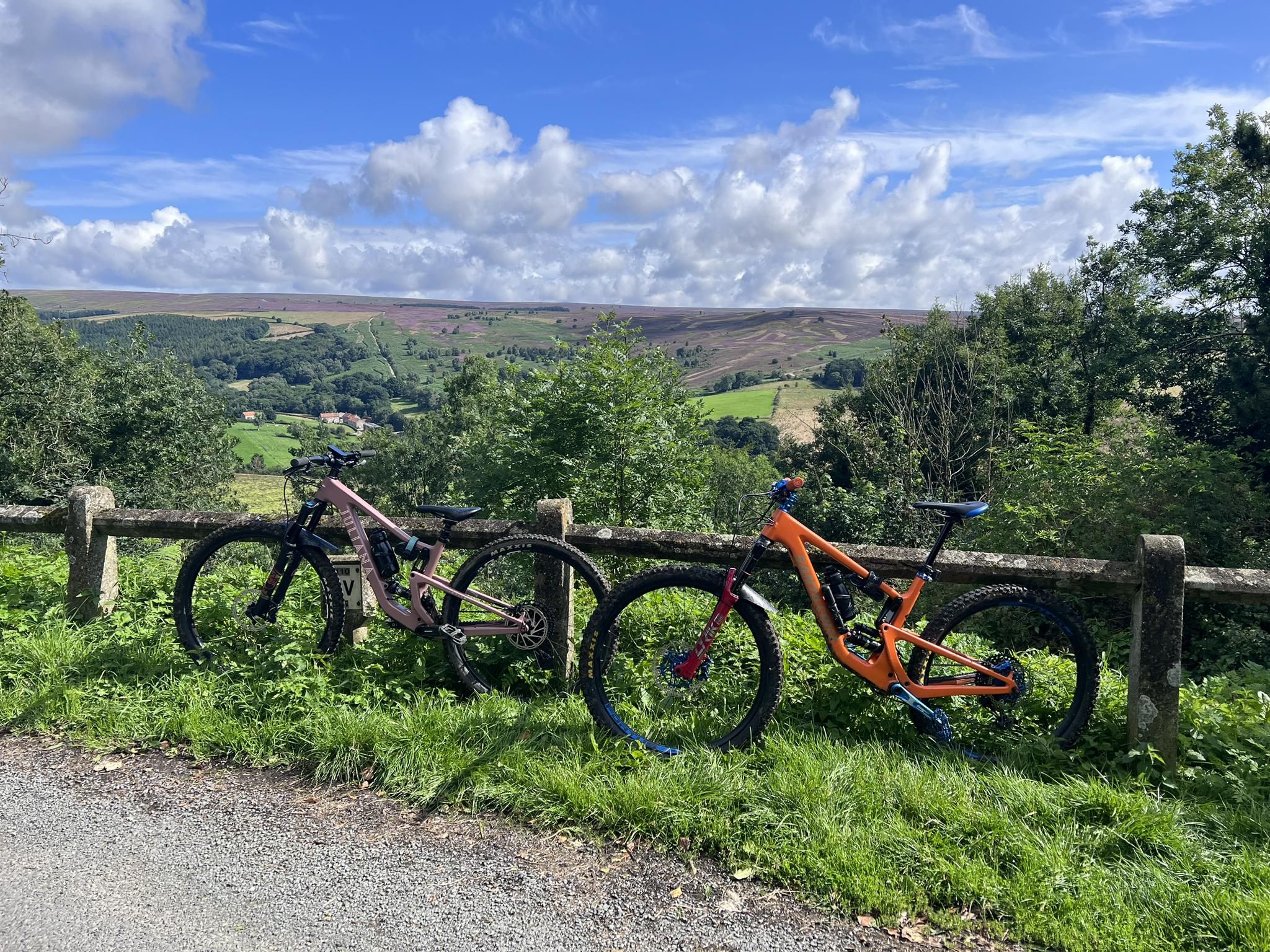
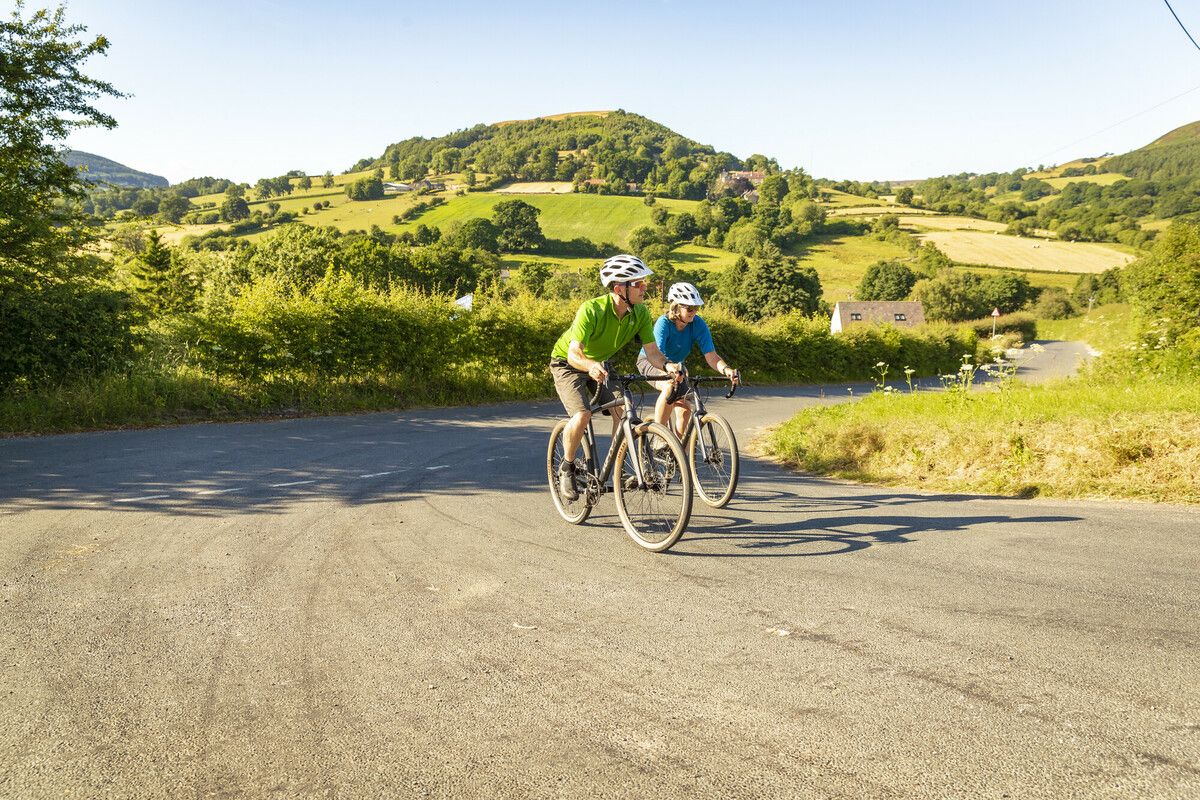
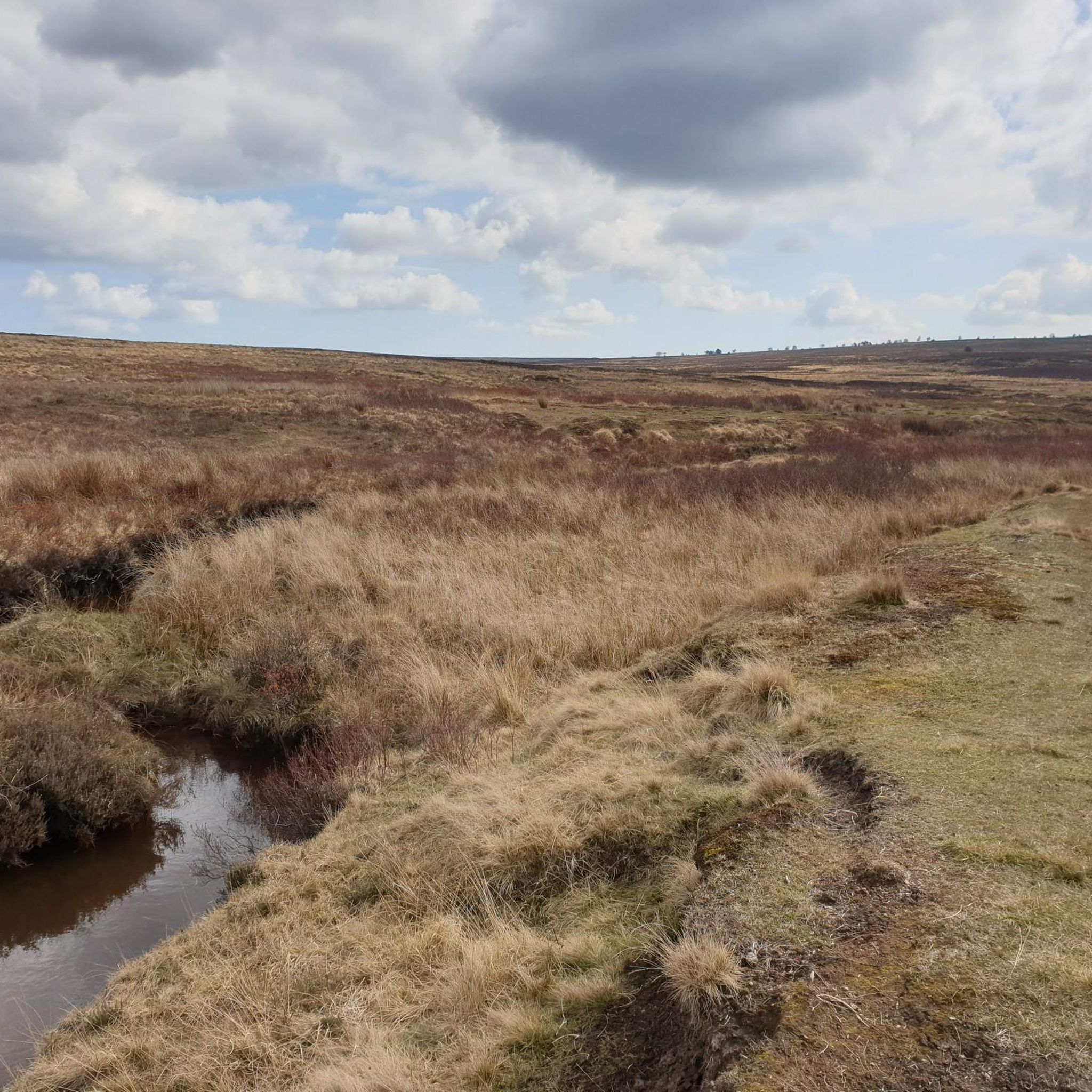
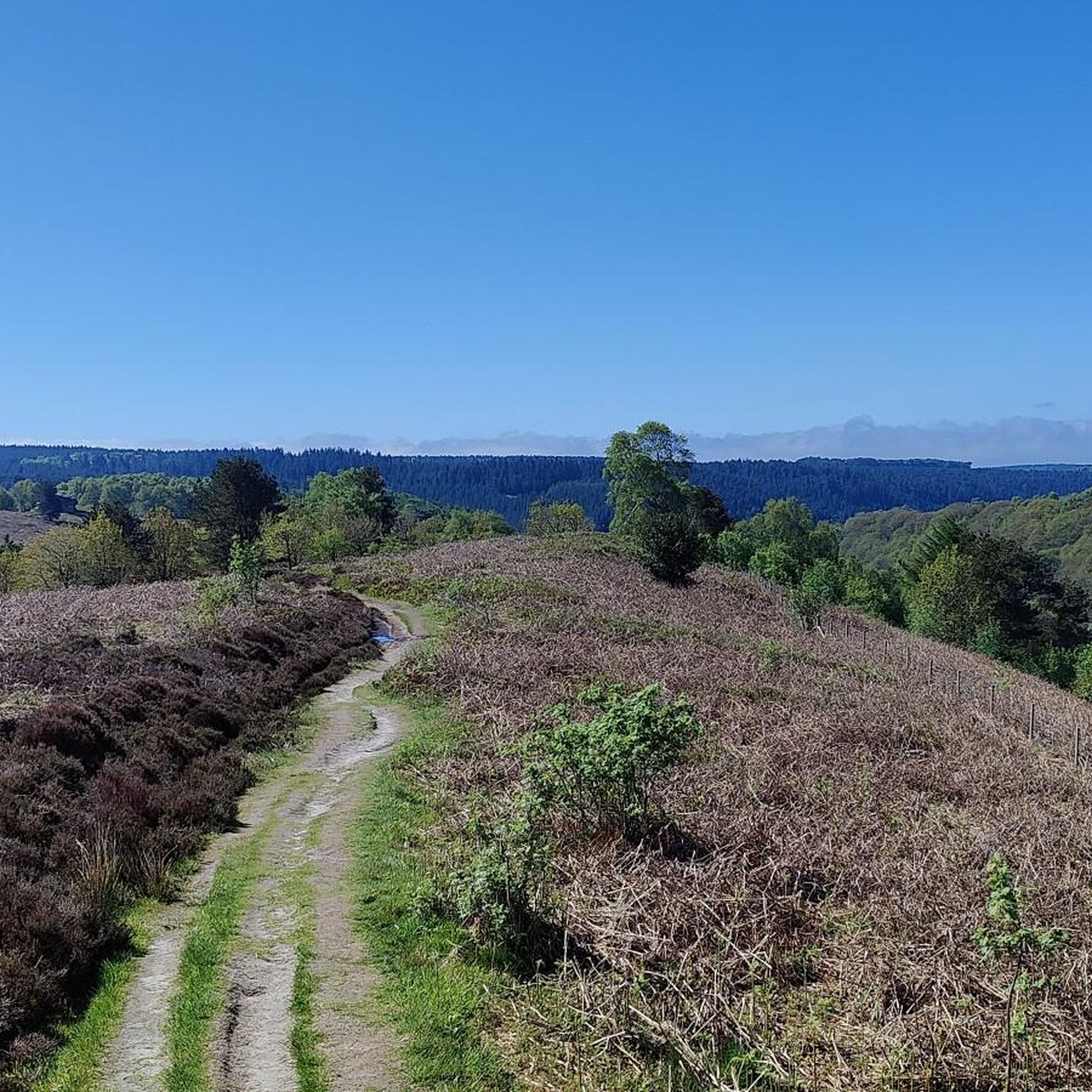
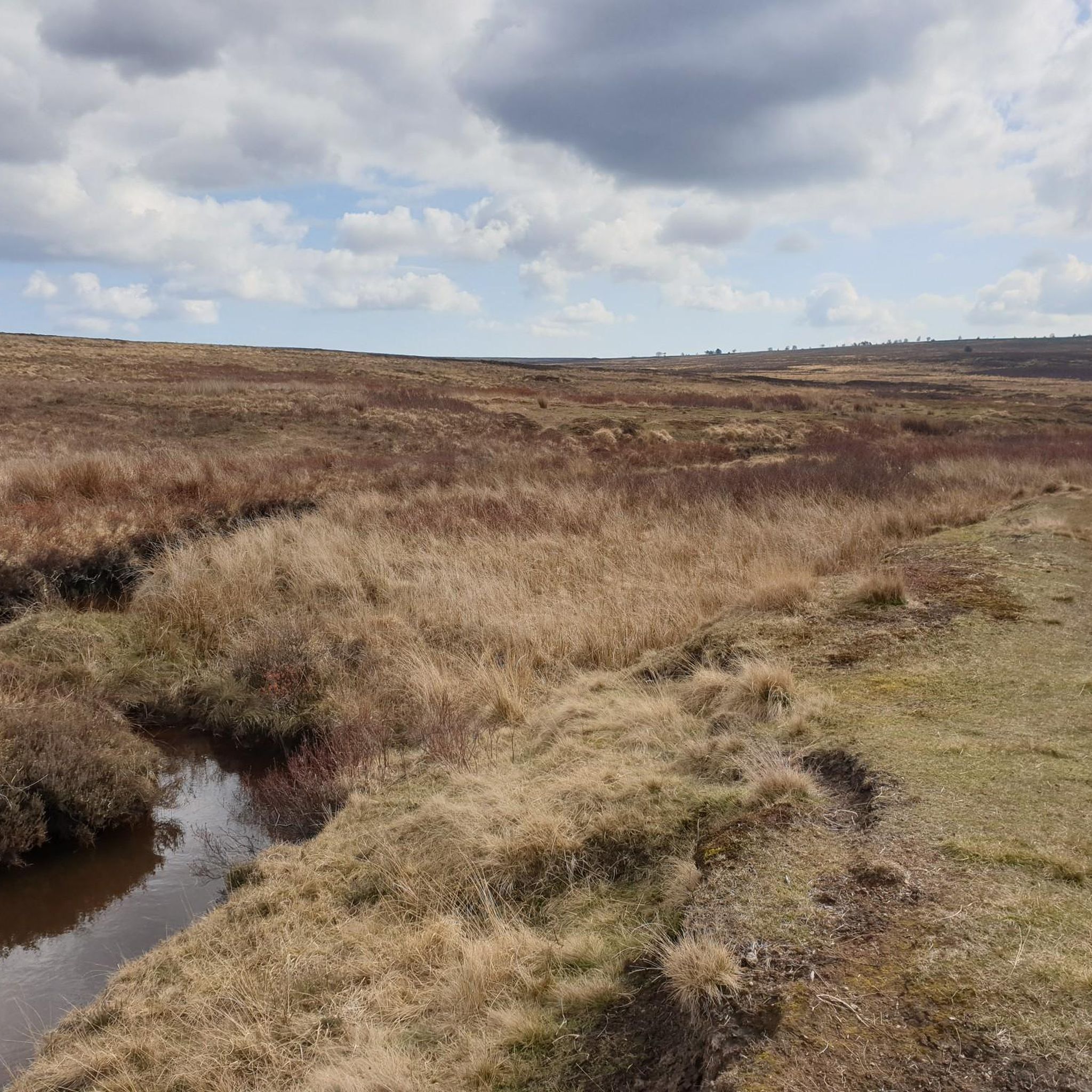
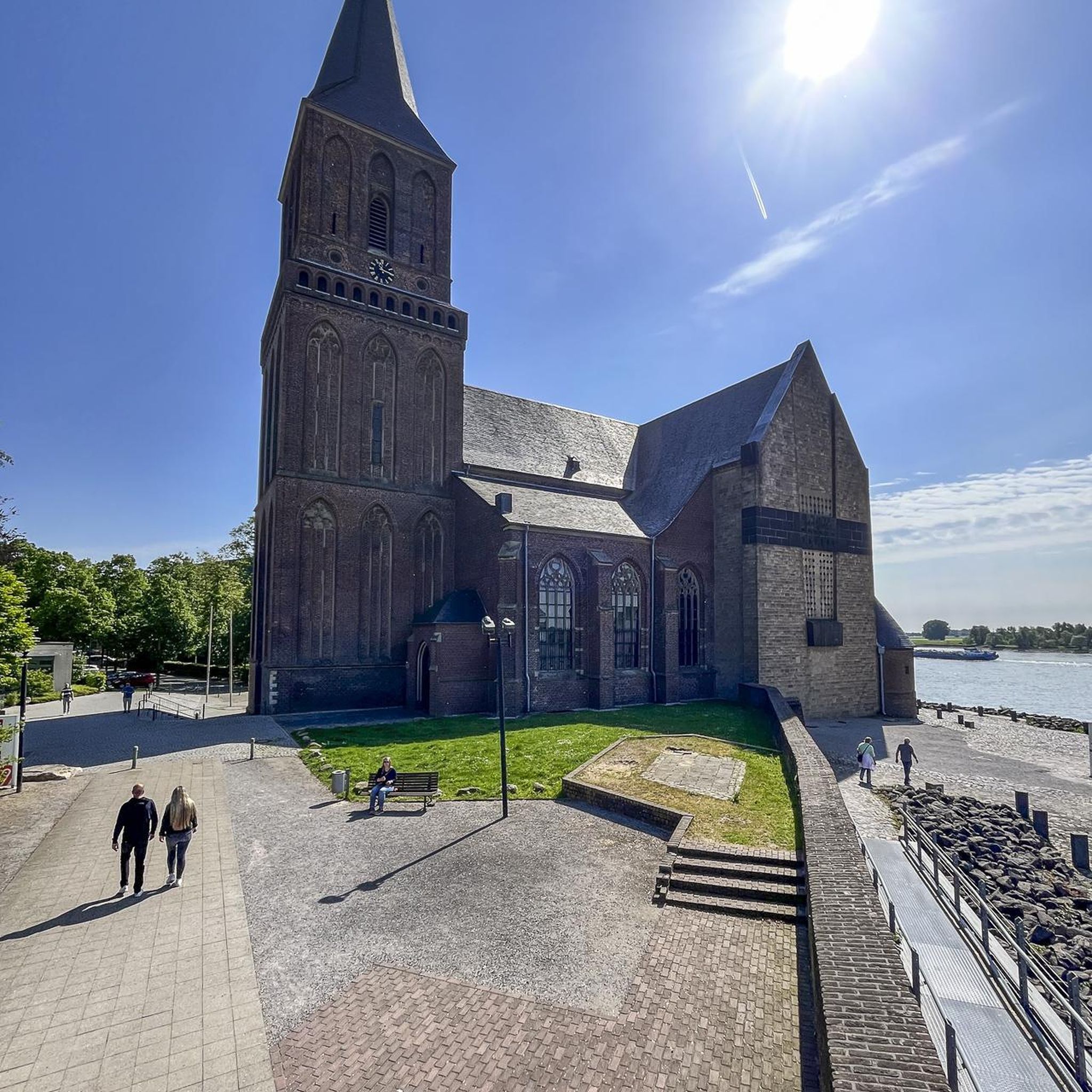
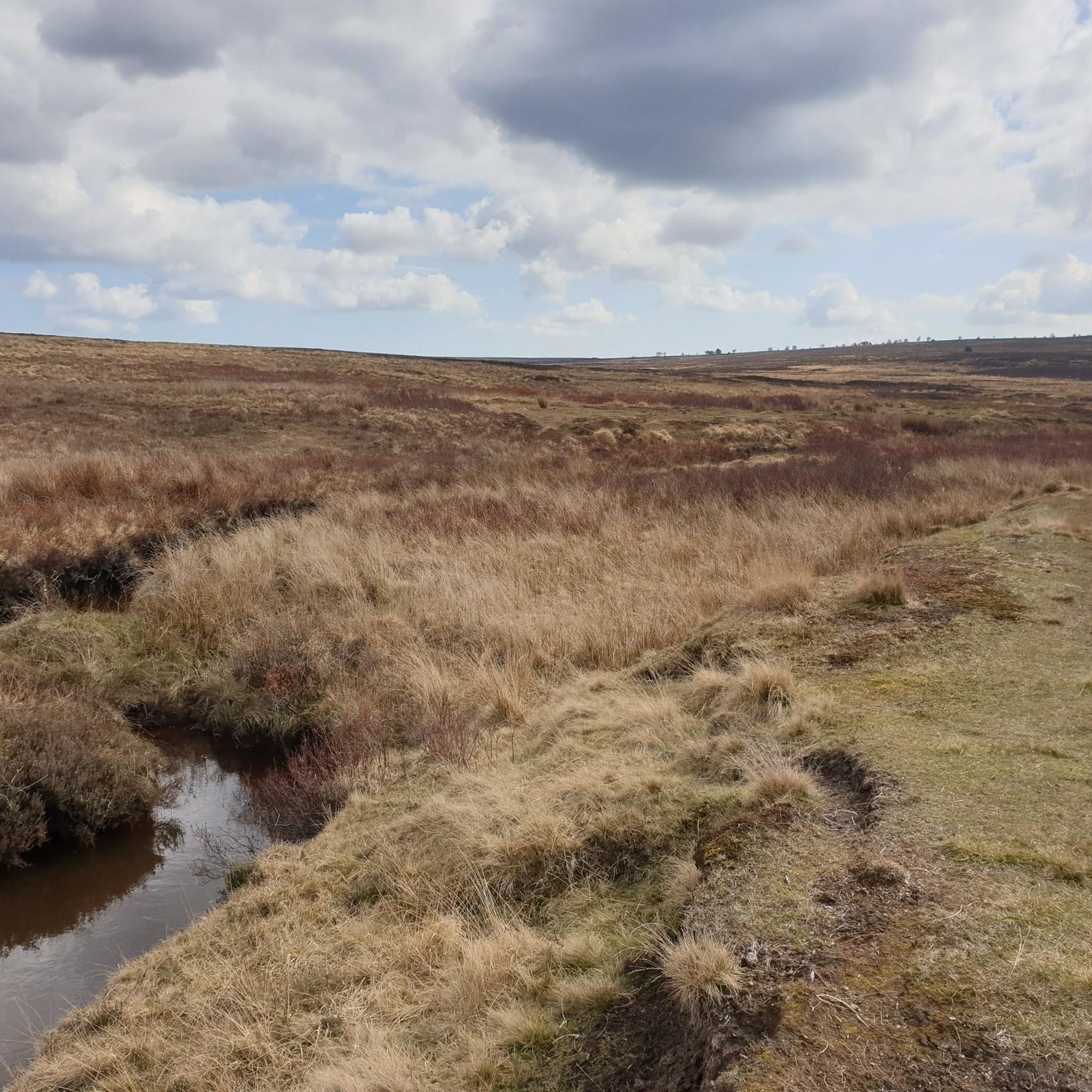
Other adventures around Lockton

Tips from the Community

Bridestones are unique rock formations located in Dalby Forest, North Yorkshire. Originally formed by movement of glaciers during the last Ice Age, the sandstone formations date back 150 million years ago.
0
0

The Bridestones are the remnants of a sandstone cap, deposited during the Jurassic period, some 150 million years ago. The formations consist of alternating layers of hard sandstone and softer calcareous layers. Erosion by wind, frost, and rain over millennia has created the unique and bizarre shapes seen today. The term "Bridestones" may have originated from the Old Norse words "brink-stones" or "edge stones" The Bridestones are steeped in folklore and legend, connecting them to ancient cultures and mythical beings. Some legends suggest the Bridestones were ancient meeting places for Druids, while others tell tales of giants who once roamed the moors. One legend speaks of a young couple who eloped and found shelter among the rocks, whose love caused the stones to form a protective arch. Another story tells of Nan Moor and Jack Stone, guardians of the stones, who lived in a rock house and were possibly married there. The Bridestones are sometimes associated with the Celtic goddess Brigantia.
0
0
Pieces of carved stone crosses suggest that a church has stood on this site from the 10th century. At this time, it would have been at the centre of the old village of Levisham. The present building dates from the 12th century, but it's believed that the original village moved due to the Black Death in the 14th century, leaving the church isolated from the current village. Local legend suggests the devil carried building materials down into the valley every night, contributing to the church's location below the village.
0
0
Dundale Griff is a delightful narrow side valley leading down from Dundale Pond to Levisham Beck. It's an area with significant historical traces, particularly relating to medieval times, when a monastic sheep farm (bercary) was established at the head of Dundale Griff, with the foundations of the stone buildings still visible today. Dundale Pond's history is linked to industrial water supply starting in the 19th century. William Kay, who owned a silk mill requiring substantial water, supplemented his supply by drawing water from a lake at Miswell Farm and connecting it to the hollow at Dundale via a tunnel. He is believed to have constructed a dam at Dundale to create the pond. Another tunnel then carried water from Dundale Pond to the mill. Both lakes were referred to as 'balancing ponds' to maintain consistent water levels. Look out for the herd of resident Highland Cows, actively breeding and very cute small calves can be seen in early summer.
0
0
A ruined two-story structure built around 1830 by Reverend Robert Skelton, the rector of Levisham. It was initially used as a shooting lodge and possibly as a retreat for Skelton to write sermons or enjoy quiet drinks. Situated on Corn Hill Point, a grassy headland overlooking Newtondale, there are fabulous views of both Cropton Forest and the NYMR.
0
0

Near the bend on Saltergate Bank (A169), you get spellbinding views of The Hole of Horcum (to the south-west). In the other direction, to the north-east, if you let your gaze follow the road, you can see the white structures of RAF Fylingdales on the moors in the distance. An amazing place.
0
0

Some pretty houses and the pub The Horseshoe where you can grab a drink and a bite to eat,
0
0
Situated in a truly beautiful location, this church's ruins date back to the 11th century. It was rebuilt in early 19th century, then restored in 1897-98, but, sadly, has now fallen into disrepair.
1
0
Frequently Asked Questions
How many running routes are available around Lockton?
There are over 20 running routes available for jogging around Lockton, offering a diverse range of experiences within the North York Moors National Park and Dalby Forest.
What kind of terrain can I expect on running trails near Lockton?
The terrain around Lockton is varied, featuring open moorland, dense forest tracks, and scenic valleys like the Hole of Horcum. Runners can expect a mix of moderate and challenging paths, with some routes including significant elevation changes.
Are there routes suitable for beginners or more advanced runners?
Yes, the area caters to various fitness levels. While there are no routes specifically classified as 'easy', you'll find a good balance of 10 moderate and 10 difficult routes. For a challenging run, consider the Hole of Horcum Bridleway – Stream Near Hole of Horcum loop from Lockton, which features open moorland and streams.
What do other runners enjoy most about the trails around Lockton?
The running routes around Lockton are highly rated by the komoot community, with an average score of 4.4 stars from over 20 reviews. More than 1600 runners have explored the varied terrain, often praising the dramatic landscapes of the Hole of Horcum and the extensive woodlands of Dalby Forest.
Are there any circular running routes near Lockton?
Yes, many of the routes are circular, allowing you to start and finish at the same point. A popular option is the Hole of Horcum loop — North York Moors National Park, which offers varied terrain through the dramatic valley.
Can I find routes with scenic viewpoints around Lockton?
Absolutely. The region is known for its scenic beauty. You can find stunning views along routes that pass through the North York Moors National Park. For specific viewpoints, look for trails near Simon Howe Bronze Age Cairn or Spires Bank Summit.
Are there any natural attractions or landmarks to see while running?
Yes, the routes often take you through areas with notable natural features. For example, the The Bridestones & Dalby Forest loop winds through ancient rock formations. You might also encounter highlights like Mallyan Spout Waterfall or the unique Boggle Hole nearby.
Are the running routes around Lockton suitable for families?
While specific 'family-friendly' designations aren't provided, the moderate routes within Dalby Forest might be suitable for families with older children who are accustomed to longer walks or runs. Always check the distance and elevation gain before heading out.
Are dogs allowed on the running trails near Lockton?
Many trails within the North York Moors National Park and Dalby Forest are dog-friendly, provided dogs are kept under control, especially around livestock or wildlife. It's always best to check specific signage at trailheads for any local restrictions.
Are there any routes that go through forests?
Yes, Dalby Forest is a prominent feature of the area. The The Bridestones & Dalby Forest loop is an excellent choice for runners who enjoy extensive woodlands.
What is a good route for a longer, more challenging run?
For a longer and more challenging experience, consider the Levisham Wood – Stream Near Hole of Horcum loop from St Giles' Church. This route covers over 13.5 km with significant elevation changes, making it a demanding but rewarding run.
Can I combine running with exploring historical sites?
While the primary focus is natural landscapes, some routes might pass near points of interest. For example, Goathland railway station, a notable historical site, is located nearby and could be incorporated into a longer exploration day.
Most popular routes around Lockton
Most popular attractions around Lockton

Get inspired with the komoot mobile app


Explore more
Browse the best Running Trails & Routes in other regions.
