The best MTB trails around Gresse
4.2
(43)
229
riders
60
rides
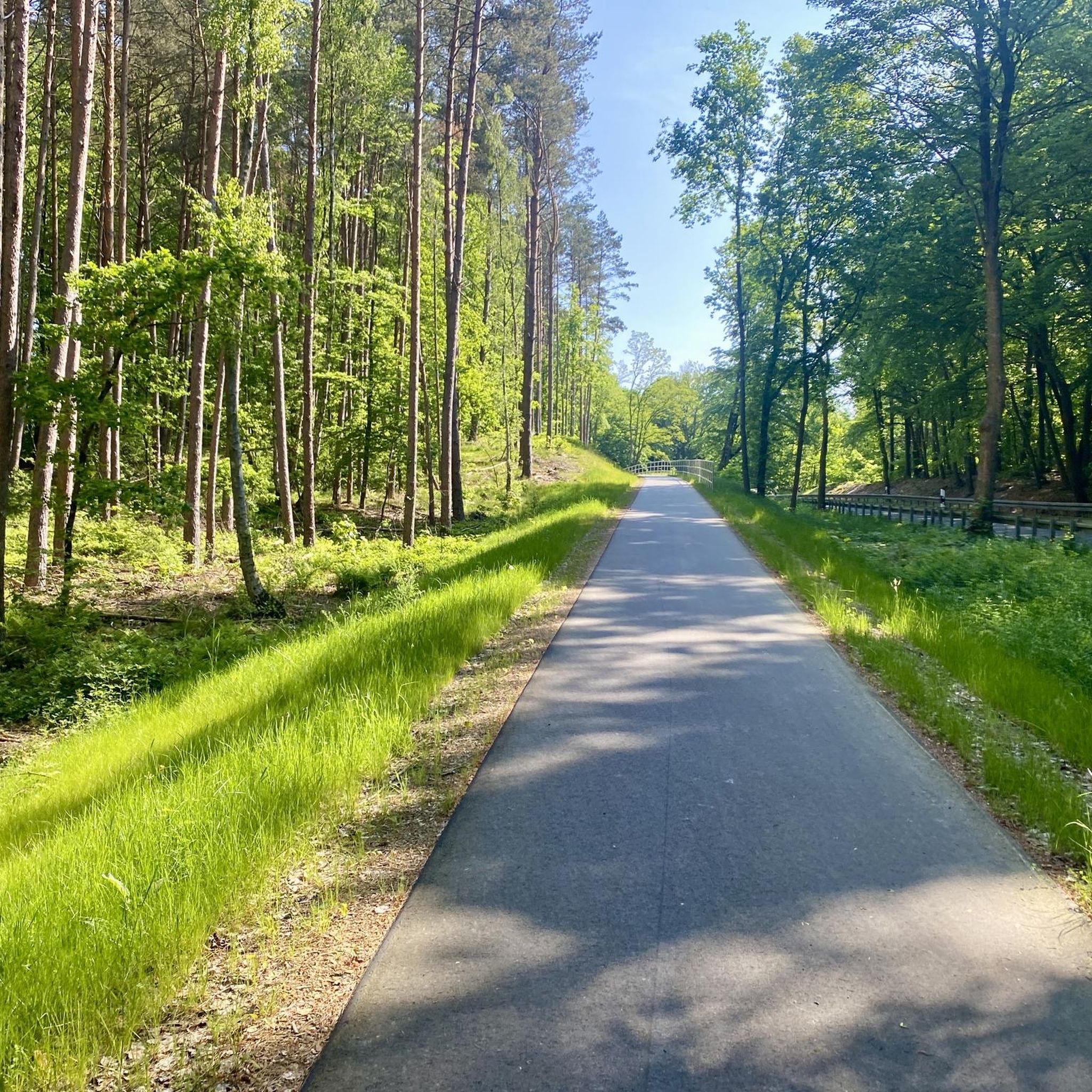
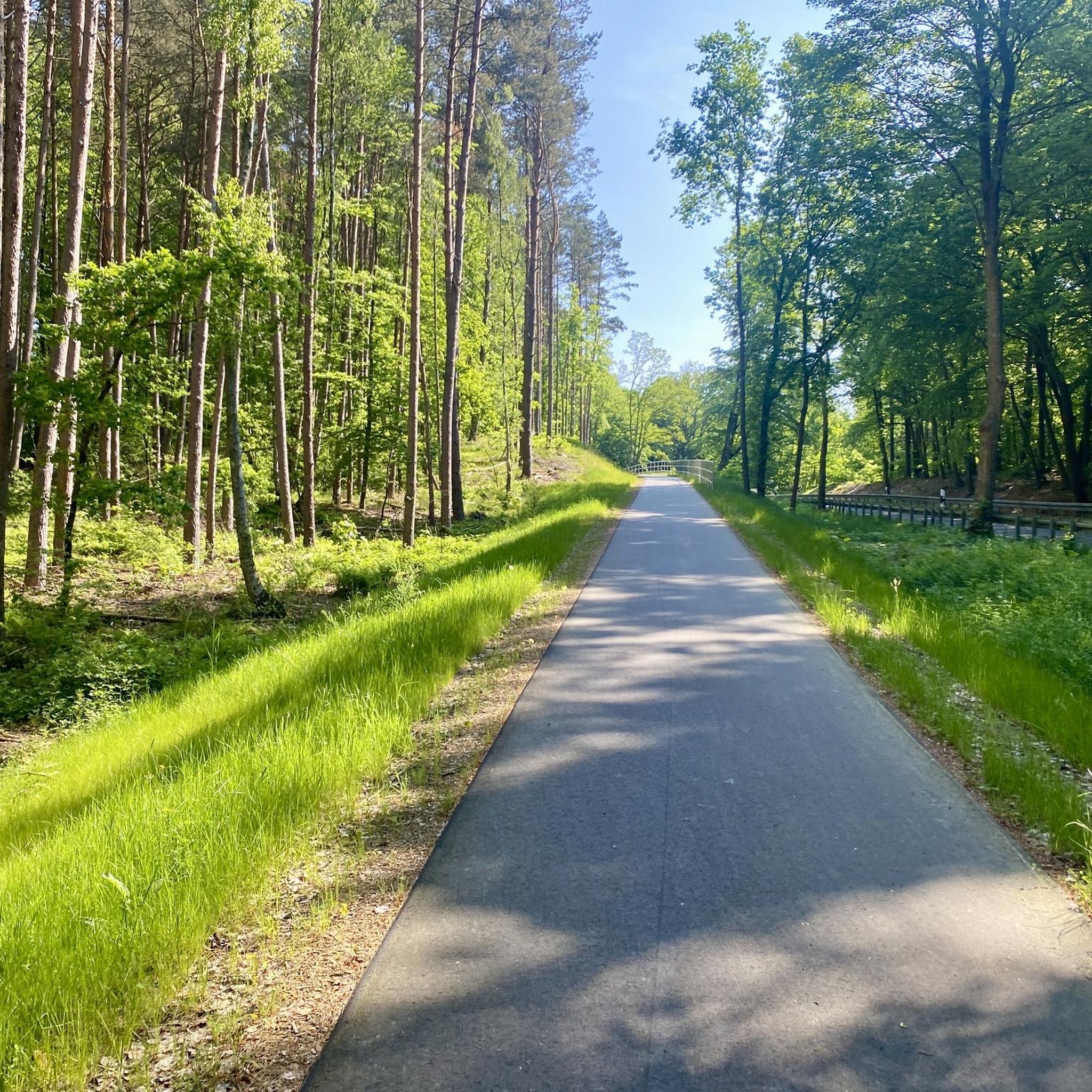
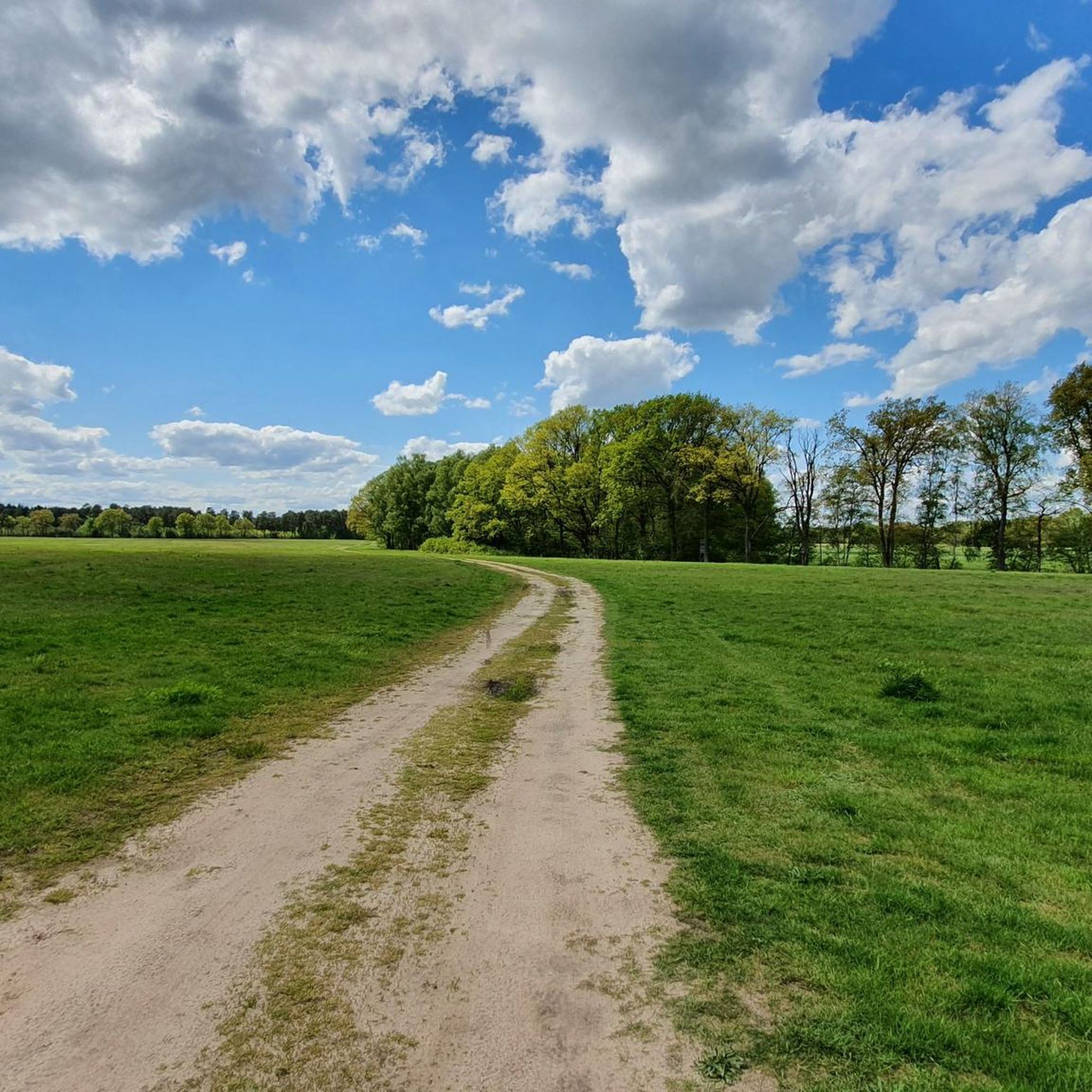
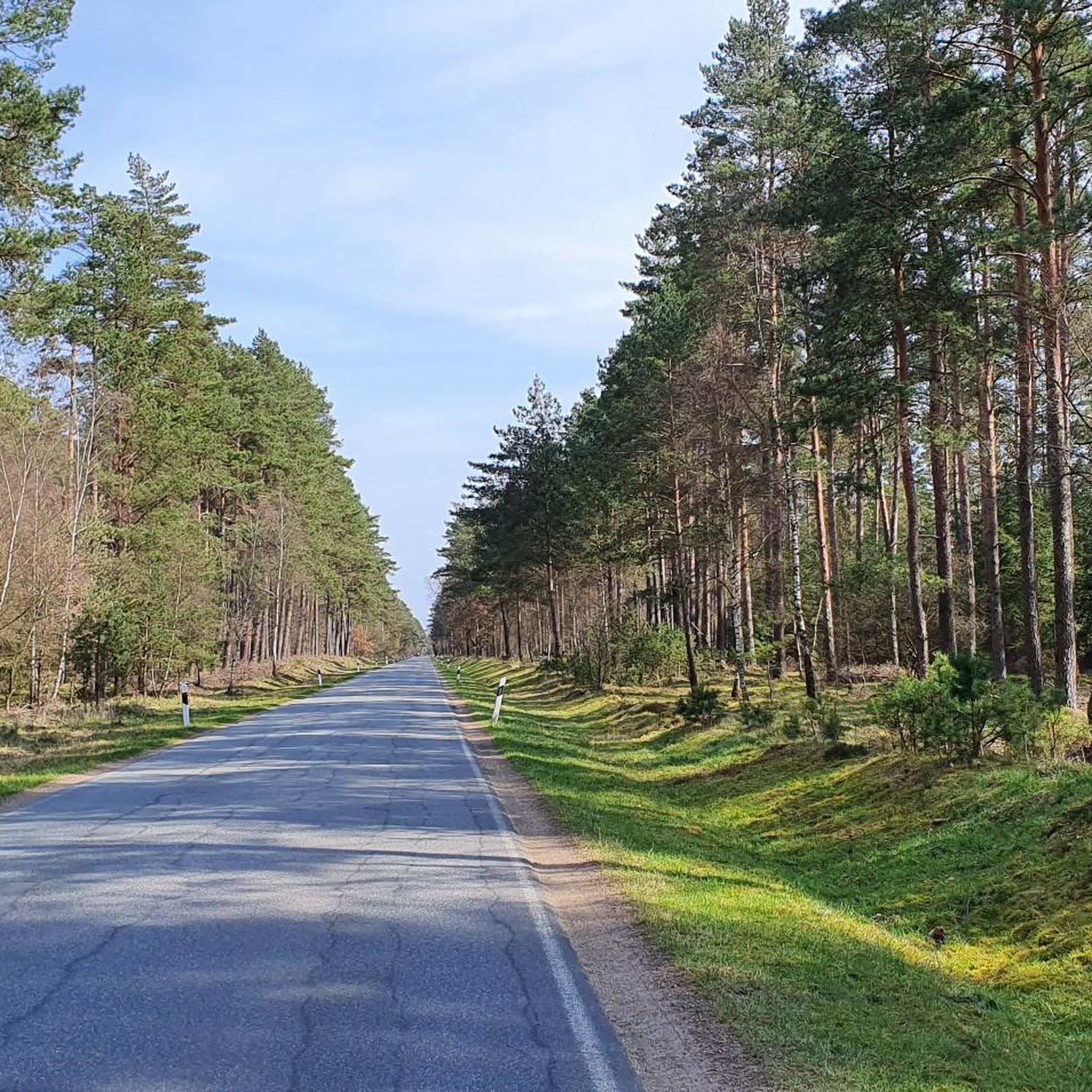
Mountain biking around Gresse offers diverse terrain, characterized by flat riverine landscapes and agricultural areas. The region features a network of paths that traverse open fields, small woodlands, and follow canal and river banks. This varied environment provides a range of routes suitable for exploring the local scenery.
Best mountain bike trails around Gresse
- The most popular mountain bike trail is Dalldorf Canal Bridge – Elbe River Near Lauenburg loop from Boizenburg/Elbe, a 26.6 miles (42.9 km) trail that…
Last updated: October 14, 2026
9
riders
57.5km
04:02
230m
230m
Moderate mountain bike ride. Good fitness required. Advanced riding skills necessary.
6
riders
48.0km
03:24
130m
130m
Moderate mountain bike ride. Good fitness required. Advanced riding skills necessary.

4.0
(2)
2
riders
Moderate mountain bike ride. Good fitness required. Suitable for all skill levels.
3.0
(1)
4
riders
Easy mountain bike ride. Great for any fitness level. Suitable for all skill levels.
4.0
(2)
4
riders
39.0km
02:15
150m
160m
Moderate mountain bike ride. Good fitness required. Suitable for all skill levels.
Get access to more routes and recommendations from other explorers.
Already have an account?
Our route recommendations are based on thousands of hikes, rides, and runs completed by other people on komoot.
Start today with a free account
Your next adventure awaits.

Tips from the Community

The route is no longer passable, piled-up bushes block the way.
0
0

St. Mary's Church is an eye-catcher
0
1

If you want to learn more about the history of the estate: https://de.wikipedia.org/wiki/Gut_Gresse
0
0
Also an impressive building.
0
1

Living on a river like the Elbe has many advantages that people have enjoyed for centuries. At the same time, people needed to protect themselves from the dangers of flooding, so they built dikes and dams. The open-air exhibition EinFlussReich, located in the immediate vicinity of the famous Elwkieker observation tower, provides children and adults with playful content on the topic of flooding. They can learn how people experienced the flooding on the Elbe, how effective flood protection is, and which flood protection projects have already been implemented along the Elbe. Become a decision-maker yourself with our interactive exhibition elements and see if your flood protection measures will help protect Boizenburg from flooding.
0
0
A straight, sandy path steeped in history. The inner-German border once ran here, and today it forms the border between Schleswig-Holstein and Mecklenburg-Western Pomerania. Heather now grows on the former border strip. The path is easy to navigate by mountain bike, although you might occasionally slip a bit.
0
0

A detour from the circular trail to the ancient and mighty Hutebuche is worthwhile. Hudewälder (forests), also called Hutewald (forests), are an ancient form of forest management in which livestock were driven into the forest for grazing ("hutting"). The pigs and cattle ate beechnuts, acorns, and herbs, thus preventing natural forest regeneration. Only a few, now very old and mighty trees with spreading crowns remained standing. However, another traditional farming forest use, the "Krattwald" (forest), seems to have led to the emergence of this Hutebuche. According to this, it was "cut back to the stump" every 15 to 20 years, resulting in increasingly voluminous new shoots. The harvest had a variety of uses: the bark was used for tanning, the wood as building material and fuel, and the leaves as fodder and bedding for livestock. https://de.wikipedia.org/wiki/Hutebaum
2
0

When you enter the village from Kuhlenfeld, look to the left and you will see this great view
0
0
Frequently Asked Questions
What types of mountain bike trails can I find in Gresse-en-Vercors?
Gresse-en-Vercors offers a comprehensive range of mountain biking trails suitable for all levels. You'll find everything from gentle paths perfect for beginners and families to challenging descents and technical routes for experienced riders, covering both cross-country and downhill enduro styles. The terrain includes towering limestone cliffs, deep gorges, vast forests, and high plateaus.
Are there trails suitable for families or beginners in Gresse-en-Vercors?
Yes, Gresse-en-Vercors is well-suited for families and beginners. The area provides numerous gentle paths that are less technical, allowing for enjoyable rides through forests and scenic landscapes. These trails are typically marked with green or blue designations.
What are some notable landmarks or natural features to see while mountain biking in Gresse-en-Vercors?
The region is rich in stunning natural features. You can expect breathtaking panoramic views, including distant glimpses of Mont Blanc from certain points. Key landmarks include the iconic Mont Aiguille, a striking navigational reference, and the majestic Grand Veymont. The Vercors Regional Natural Park itself offers diverse landscapes of limestone cliffs, gorges, and forests.
Is Gresse-en-Vercors suitable for e-mountain biking?
Absolutely. The varied terrain of Gresse-en-Vercors is very well-suited for electric mountain bikes (e-MTB). E-bikes allow riders to comfortably tackle moderate ascents and explore more of the Vercors plateau, including routes with significant elevation changes, making it easier to enjoy the rewarding views across multiple mountain ranges.
Are there dedicated mountain biking facilities or bike parks in the area?
Yes, Gresse-en-Vercors enhances its appeal to mountain bikers with a dedicated bike park located at Col de l'Arzelier. Additionally, local providers offer guided tours, instruction, and equipment rental, including e-bikes, to support your riding experience.
What is the best time of year for mountain biking in Gresse-en-Vercors?
The best time for mountain biking in Gresse-en-Vercors is generally from spring through autumn, when the trails are clear of snow and the weather is favorable. Summer offers warm conditions, while spring and autumn provide cooler temperatures and vibrant scenery. Always check local weather conditions before heading out.
How extensive is the mountain biking trail network in Gresse-en-Vercors?
Gresse-en-Vercors boasts an extensive network of trails. Locally, there are approximately 83 km of mountain biking routes. The broader Trièves area offers an impressive 550 km of itineraries, and the Vercors Regional Natural Park as a whole features thousands of kilometers of marked routes, ensuring endless exploration opportunities.
Can I find challenging or advanced mountain bike trails in Gresse-en-Vercors?
Yes, experienced riders will find plenty of challenging and technical routes in Gresse-en-Vercors. Trails are often categorized with red and black designations, indicating difficult terrain and demanding descents. Routes like the "Boucle de la Crête de la Molière" and "The Bec de l'orient loop" are known for their challenging nature and panoramic views.
What kind of views can I expect on the mountain bike trails?
The mountain bike trails in Gresse-en-Vercors offer spectacular views. You'll ride through landscapes dominated by towering limestone cliffs, deep gorges, and vast forests. Many routes provide breathtaking panoramic vistas of the Vercors massif, including the iconic Mont Aiguille, and on clear days, distant glimpses of Mont Blanc.
Are there any circular mountain bike routes available?
Yes, the extensive network in Gresse-en-Vercors includes many circular routes. For example, the "Col de l'Allimas" is a classic moderate mountain biking itinerary from Gresse-en-Vercors that provides pleasant loops through forests, offering continuous views of the Vercors cliffs and Mont Aiguille.
What do other mountain bikers enjoy most about mountain biking in Gresse-en-Vercors?
Mountain bikers frequently praise the stunning and diverse landscapes, often likened to the "French Dolomites," which provide a dramatic backdrop for rides. The variety of trails catering to all skill levels, from family-friendly paths to challenging enduro routes, is also highly appreciated. The extensive network and the opportunity to explore the Vercors Regional Natural Park's natural beauty are consistently highlighted.
Most popular attractions around Gresse

Get inspired with the komoot mobile app


Explore more
Browse the best MTB trails in other regions.
