Attractions and Places To See around Clint Cum Hamlets - Top 20
Best attractions and places to see around Clint Cum Hamlets include a mix of historical landmarks, natural formations, and cultural sites. Located in North Yorkshire, the region borders the Nidderdale Area of Outstanding Natural Beauty, offering varied landscapes. Visitors can explore market towns, ancient crosses, and significant natural features like reservoirs and unique rock formations. The area provides opportunities for walking and experiencing local history and scenery.
Best attractions and places to see around Clint Cum Hamlets
- The most popular…
Last updated: May 4, 2026
Pateley Bridge — Market Town
Highlight • Historical Site
Tip by

Fewston Reservoir Circular Path
Highlight • Viewpoint
Tip by

Sign up now to discover places like this
Get recommendations on the best single tracks, peaks, & plenty of other exciting outdoor places.
Sign up for free
Studley Royal Deer Park and St Mary's Church
Highlight • Natural
Tip by

Brimham Rocks
Highlight • Natural Monument
Tip by
Thruscross Reservoir
Highlight • Viewpoint
Tip by

Sign up for free to discover even more attractions around Clint Cum Hamlets.
Sign up for free
Already have an account?
Start today with a free account
Your next adventure awaits.
Login or Signup

Tips from the Community

St Mary’s Church at Studley Royal Park is one of the most striking examples of Victorian Gothic Revival architecture in the region. Designed by William Burges in the 1870s, the church is breathtaking inside and out, with intricate carvings, rich stained glass, and dramatic decoration throughout. The craftsmanship and attention to detail are extraordinary, making this church not only a place of worship but also a work of art. Its location within the deer park adds to the sense of tranquillity, and it is well worth a visit for anyone interested in architecture, history, or simply beautiful spaces. The church was actually born out of tragedy, it was built in memory of Frederick Vyner who was kidnapped and murdered in Greece in 1870. While travelling near Marathon, he and others were taken hostage by brigands demanding ransom. A failed rescue attempt led to his death, and his grieving family* used the unspent ransom money to build two churches in his memory – Christ the Consoler at Newby Hall and St Mary’s at Studley Royal. *Frederick’s mother, was Lady Mary Vyner, and his sister (Henrietta), was married to George Robinson who later became 1st Marquess of Ripon, the owner of Studley Royal).
0
0

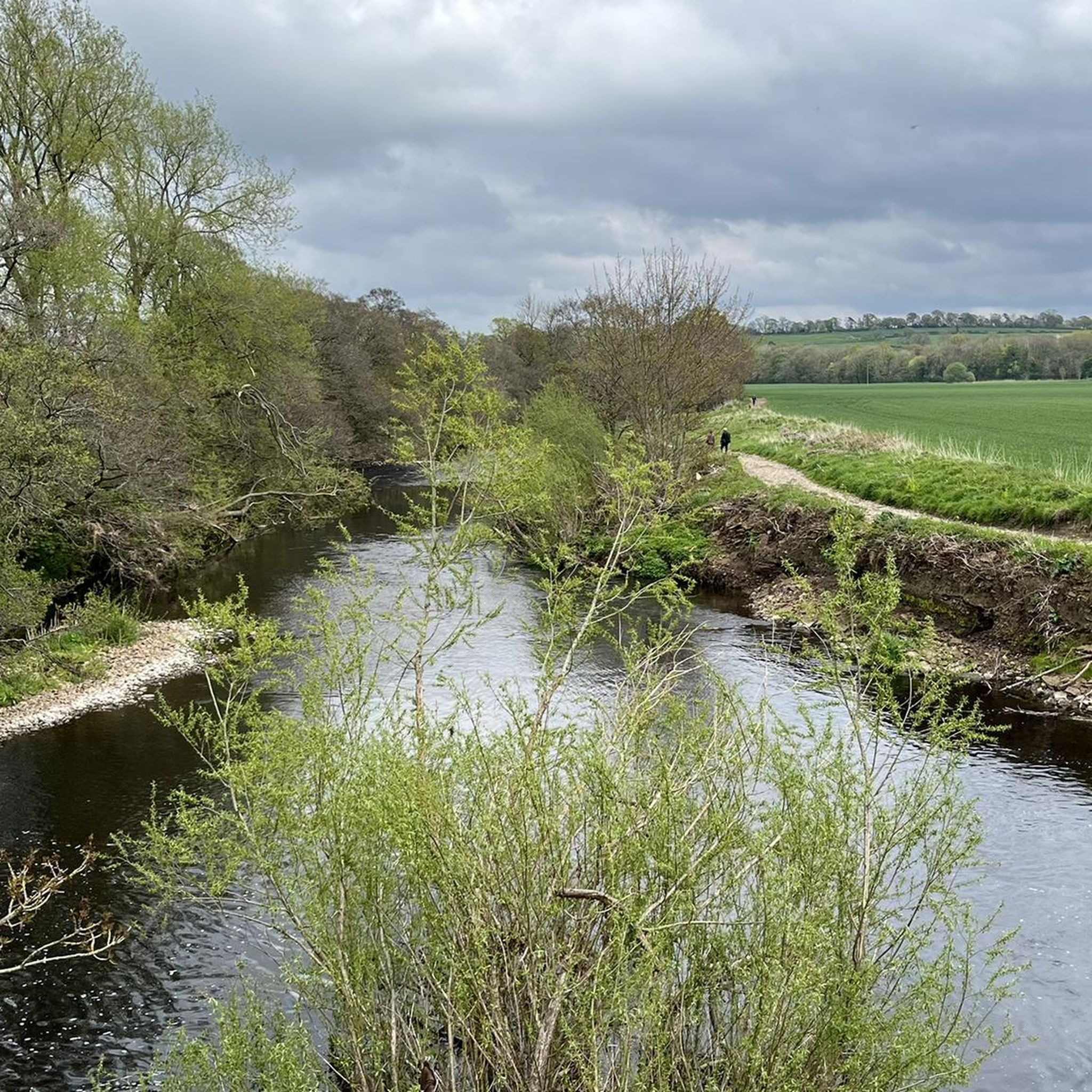
Quintessentially pretty market town, arrive early to find suitable parking, best place is next to the showground on the southern side of the bridge over the River Nidd. Honesty box only (no payment cards), cheap at £1 up to 4 hours and £2 all day (spring 2025 prices). The southern end of Nidderdale around Pateley Bridge has one of the densest concentrations of public footpaths in North Yorkshire, so loads of routeing options. See the North Yorks public rights of way map at https://maps.northyorks.gov.uk/connect/analyst/mobile/#/main?mapcfg=Out_and_About
1
0
If you can stomach getting up very early for hikes and runs, then you will have the place to yourself. Absolutely stunning at around 6-7am in the early morning May sunshine.
1
0
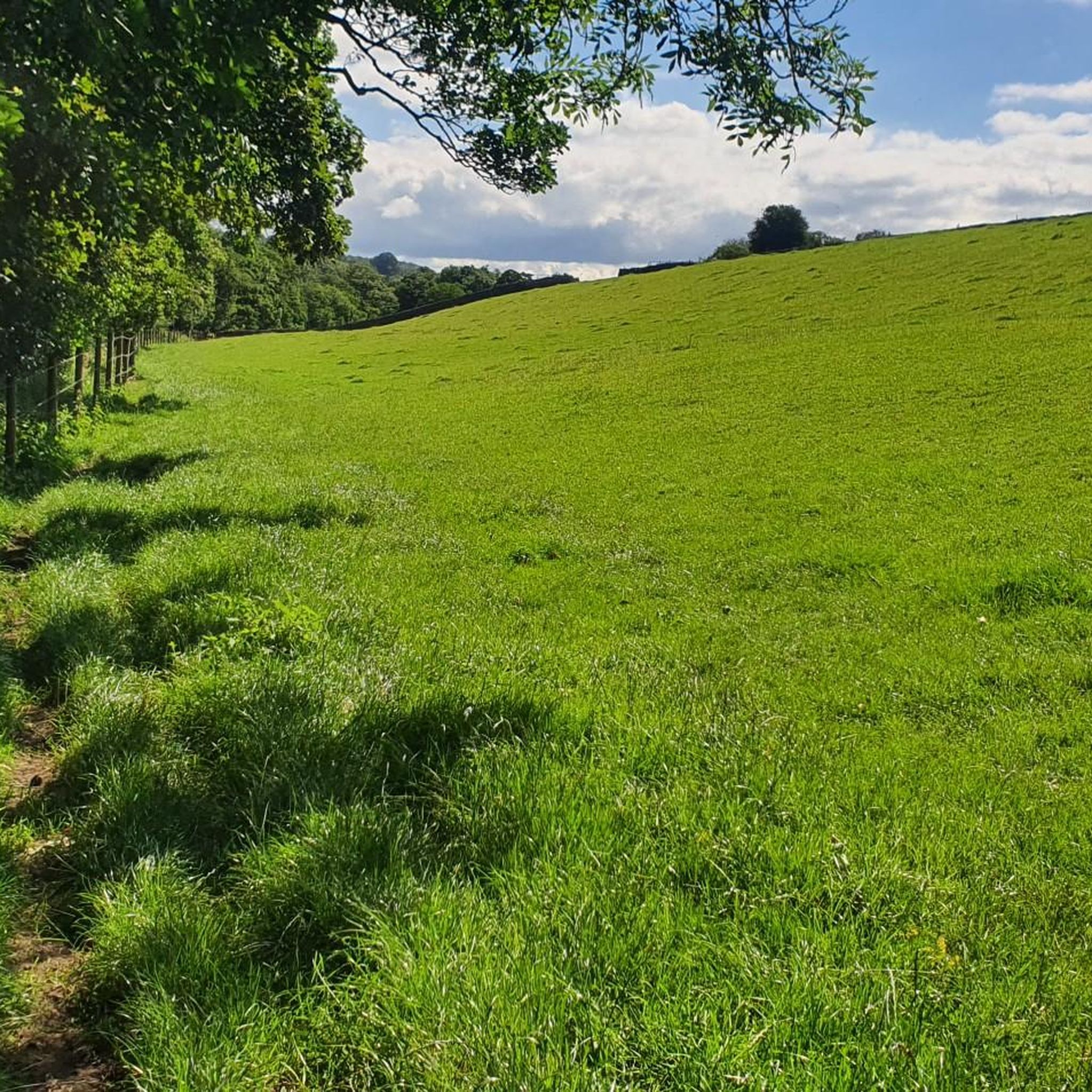
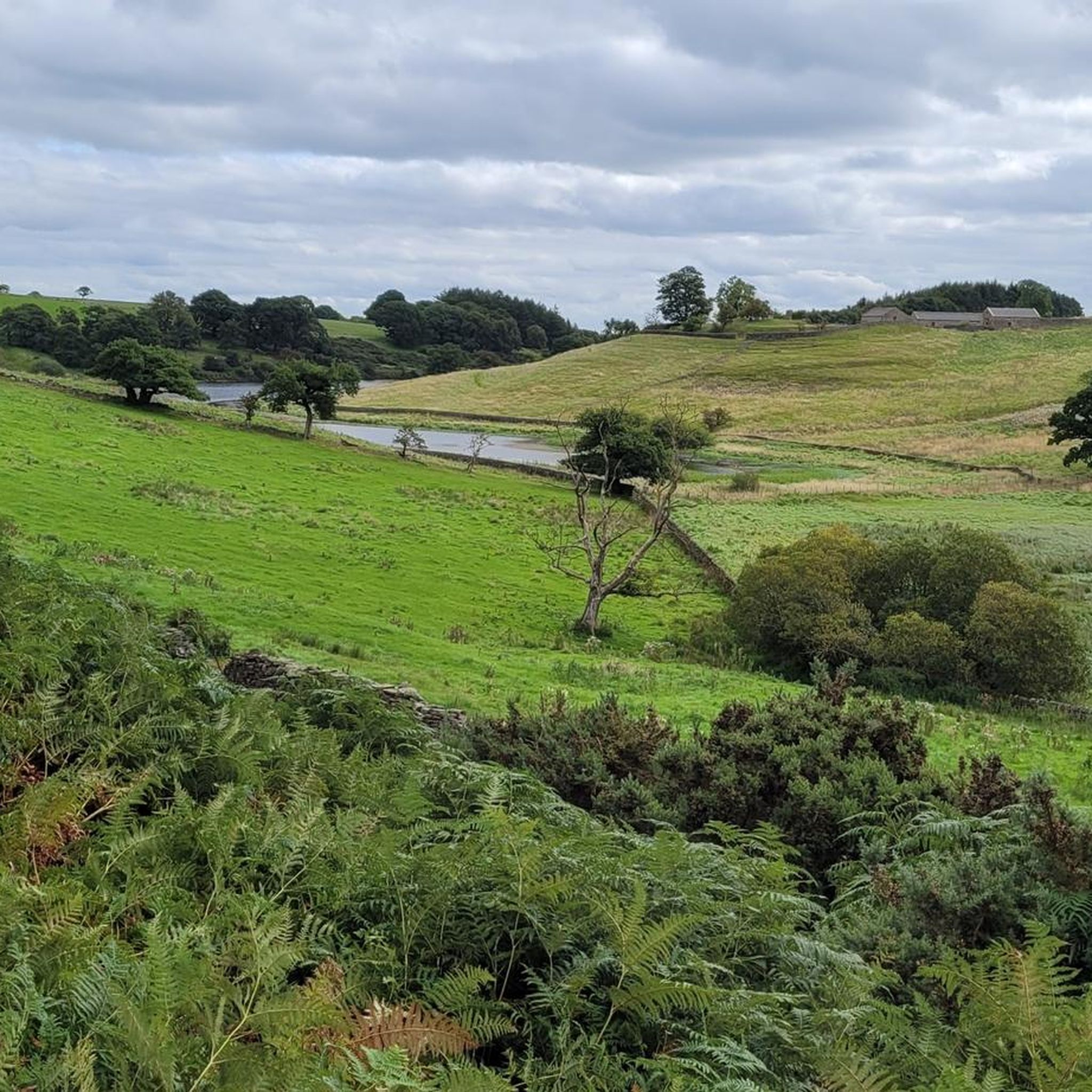
Undoubtedly the most scenic of the Washburn reservoirs with the moorland backdrop to the north. The circular route around the reservoir from the car park is about 5 miles, the track on the southwestern side runs along the edge of plantations and offers some shade from the sun and shelter from the elements. The track on the northeastern side is more exposed, and if you do the whole circuit you will cross over Far Comb Hill and the plantation along the edge of the reservoir at Whit Moor - a great route.
0
0
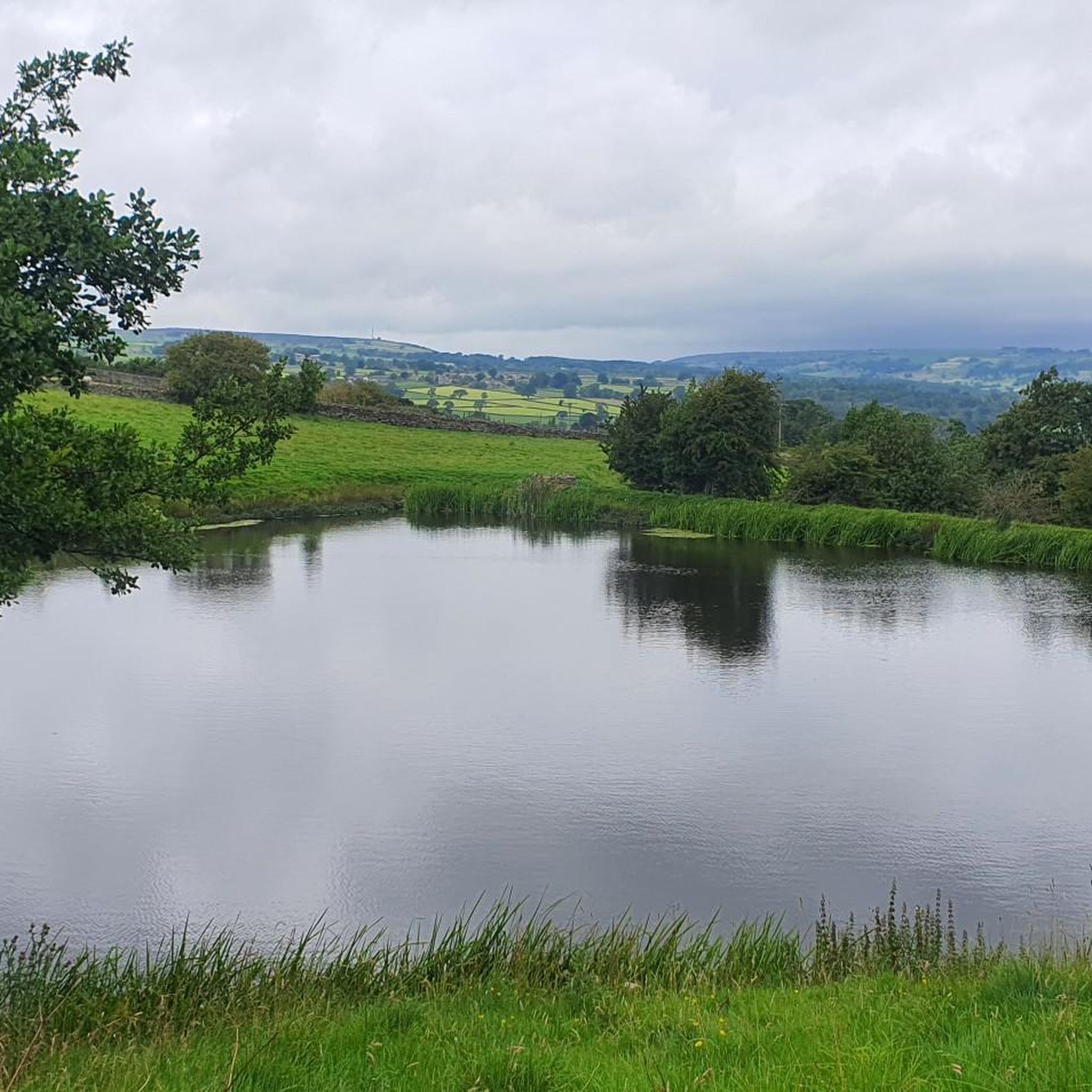
Good quality paths all the way around Thruscross, Fewston and Swinsty Reservoirs, with parking at Swinsty Moor Plantation, Fewston village, Blubberhouses, and Thruscross Reservoir dam. If you do all 3 reservoirs then that clocks in at a 15-mile route, but is well worth it. The paths around the southern reservoirs are generally wide and flat. There are benches at periodic intervals on the eastern side of Fewston and Swinsty Reservoirs, where you can take a break and admire the views.
1
0

The Church of St Mary, Studley Royal, is a Victorian Gothic Revival church built in the Early English style by William Burges
0
0


A television series that I can wholeheartedly recommend presents the culture-loving viewer (in German) with remarkable examples of human creativity from many countries around the world. What they all have in common is that they have been given "World Heritage" status by UNESCO. * "A park, gnarled trees, twisted by the wind, as if by a giant's hand. Herds of fallow deer and roe deer graze in the tall grass. In the valley, nature is reflected in an artificial lake district: the visitor stands in Lord Aislabie's "Watergarden". Small Greek temples and Gothic turrets are also reflected in the water, because in the 18th century it was fashionable to decorate the parks of noble country estates with Greek temples and Gothic turrets - real ruins were very popular. And the Lord had a really magnificent ruin in his park. If you walk along the well-kept park paths by the stream that flows through the artificial lakes, you will see "Fountains Abbey" or what is left of what was once the largest English Cistercian monastery in Yorkshire, an impressive ruin." is written on the media library's website. The corresponding film contribution (in German) can be found at the following link => https://www.ardmediathek.de/video/schaetze-der-welt/der-park-v-studley-und-die-ruinen-von-fountains-abbey-gb-folge-197/swr/Y3JpZDovL3N3ci5kZS83MDM1MzE0
0
0
Frequently Asked Questions
What kind of natural attractions can I explore around Clint Cum Hamlets?
The area boasts diverse natural features. You can walk around the scenic Fewston Reservoir Circular Path, offering a 6 km route with tranquil views in the Washburn Valley. Another impressive site is Brimham Rocks, where you can discover dramatic, wind-sculpted rock formations in the Yorkshire Dales National Park. Additionally, the Studley Royal Deer Park provides opportunities for deer spotting amidst beautiful parkland.
Are there any historical sites or cultural landmarks to visit?
Yes, the region is rich in history. The charming market town of Pateley Bridge is a historical hub, home to the world's oldest sweet shop. You can also find the ancient Clint Cross and stocks in Clint, offering a glimpse into the area's past. St. Andrew's Church in Burnt Yates is the only church within the hamlets, and the repurposed Hampsthwaite Railway Station building also holds historical significance.
What outdoor activities are available near Clint Cum Hamlets?
The area is excellent for outdoor enthusiasts. Hiking is popular, with routes like the 6 km Fewston Reservoir Circular Path and the longer 15-mile route around Fewston, Swinsty, and Thruscross Reservoirs. Pateley Bridge is a starting point for sections of the Nidderdale Way. You can find more hiking routes in the area on the Hiking around Clint Cum Hamlets guide. Road cycling and mountain biking trails are also available; explore options in the Road Cycling Routes and MTB Trails around Clint Cum Hamlets guides.
Are there family-friendly attractions in the area?
Absolutely! Many attractions are suitable for families. Pateley Bridge offers a delightful experience with its historic sweet shop. The Fewston Reservoir Circular Path is a well-maintained, easy walk for all ages. Brimham Rocks provides a fun, interactive landscape for children to explore, and the nearby Brimham Rocks Visitor Centre has facilities and a cafe. Studley Royal Deer Park is also a great spot for families to enjoy nature and spot wildlife.
What are some good options for walking or hiking with a dog?
The Fewston Reservoir Circular Path is a popular choice for dog walkers, featuring well-maintained paths and scenic views. Many of the trails around the reservoirs and in the wider Nidderdale countryside are dog-friendly, though it's always advisable to keep dogs on a lead, especially near livestock or wildlife. You can find more dog-friendly routes in the Hiking around Clint Cum Hamlets guide.
Are there any circular walking routes available?
Yes, the Fewston Reservoir Circular Path is a well-known 6 km (3.7 miles) circular route with good quality, wide, and flat paths. For a longer challenge, you can combine the paths around Fewston, Swinsty, and Thruscross Reservoirs for an approximately 15-mile circular walk.
Where can I find cafes or places to eat near walking routes?
In Pateley Bridge, you'll find numerous pubs, cafes, and independent shops perfect for a break after a walk. Near Brimham Rocks, there is a National Trust visitor centre and cafe offering drinks, snacks, and cakes. Many villages bordering the walking routes also have local pubs or small cafes.
What are some unique geological features in the area?
The most prominent geological features are the dramatic rock formations at Brimham Rocks, shaped over millions of years by natural erosion into unique forms like the 'Eagle and Orangutan' and 'Sphinx'. Further afield, Stump Cross Caverns offers an impressive underground exploration of ancient limestone caves, and Plumpton Rocks near Harrogate provides another natural spectacle.
What do visitors enjoy most about the attractions around Clint Cum Hamlets?
Visitors particularly appreciate the stunning natural beauty and the well-maintained walking paths. The peaceful and tranquil vistas around the reservoirs, the unique rock formations at Brimham Rocks, and the chance to spot deer in Studley Royal Deer Park are frequently highlighted. The charm of Pateley Bridge, with its historical character and local shops, also receives high praise.
Are there any lesser-known or 'hidden gem' attractions worth visiting?
Beyond the main highlights, consider exploring the ancient Clint Cross and its accompanying stocks for a quiet historical moment. The original Hampsthwaite Railway Station building, now repurposed, offers a unique piece of local history. For a deeper dive into the region's past, Admiral Long School in Burnt Yates, built in 1760, is another interesting landmark.
What is the best time of year to visit Clint Cum Hamlets for outdoor activities?
The spring and summer months (April to September) generally offer the most pleasant weather for walking, cycling, and exploring the natural attractions. During these times, paths are typically drier, and the countryside is in full bloom. However, the reservoirs and rock formations can be enjoyed year-round, with autumn bringing beautiful foliage and winter offering crisp, quiet landscapes, though some paths may be muddy or icy.
Most popular routes around Clint Cum Hamlets
Most popular attractions around Clint Cum Hamlets

Get inspired with the komoot mobile app


Explore more
Still not found the Highlight you’re looking for? See guides of the top attractions in other regions:
