Top 18 Lakes around Blubberhouses
Lakes around Blubberhouses are primarily reservoirs nestled in the Washburn Valley of North Yorkshire. This area offers serene natural escapes and opportunities for outdoor activities. Key bodies of water include Fewston Reservoir, Thruscross Reservoir, and Lindley Wood Reservoir. The landscape provides diverse recreational activities, from leisurely strolls to extensive hikes, set within the picturesque North Yorkshire countryside.
Best lakes around Blubberhouses
- The most popular lakes is Fewston Reservoir Circular Path, a viewpoint that offers a 6 km well-maintained path…
Last updated: July 3, 2026
Fewston Reservoir Circular Path
Highlight • Viewpoint
Tip by

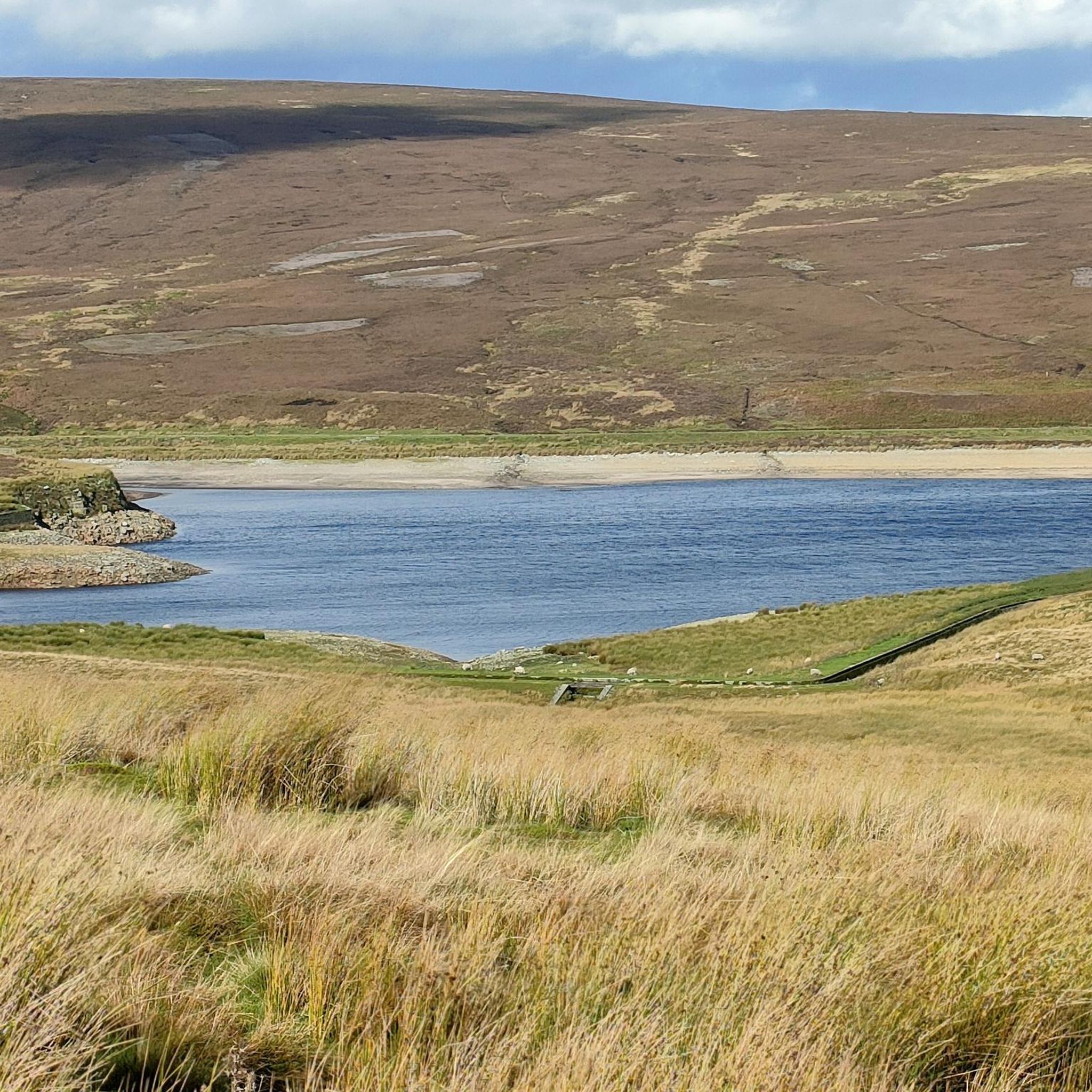
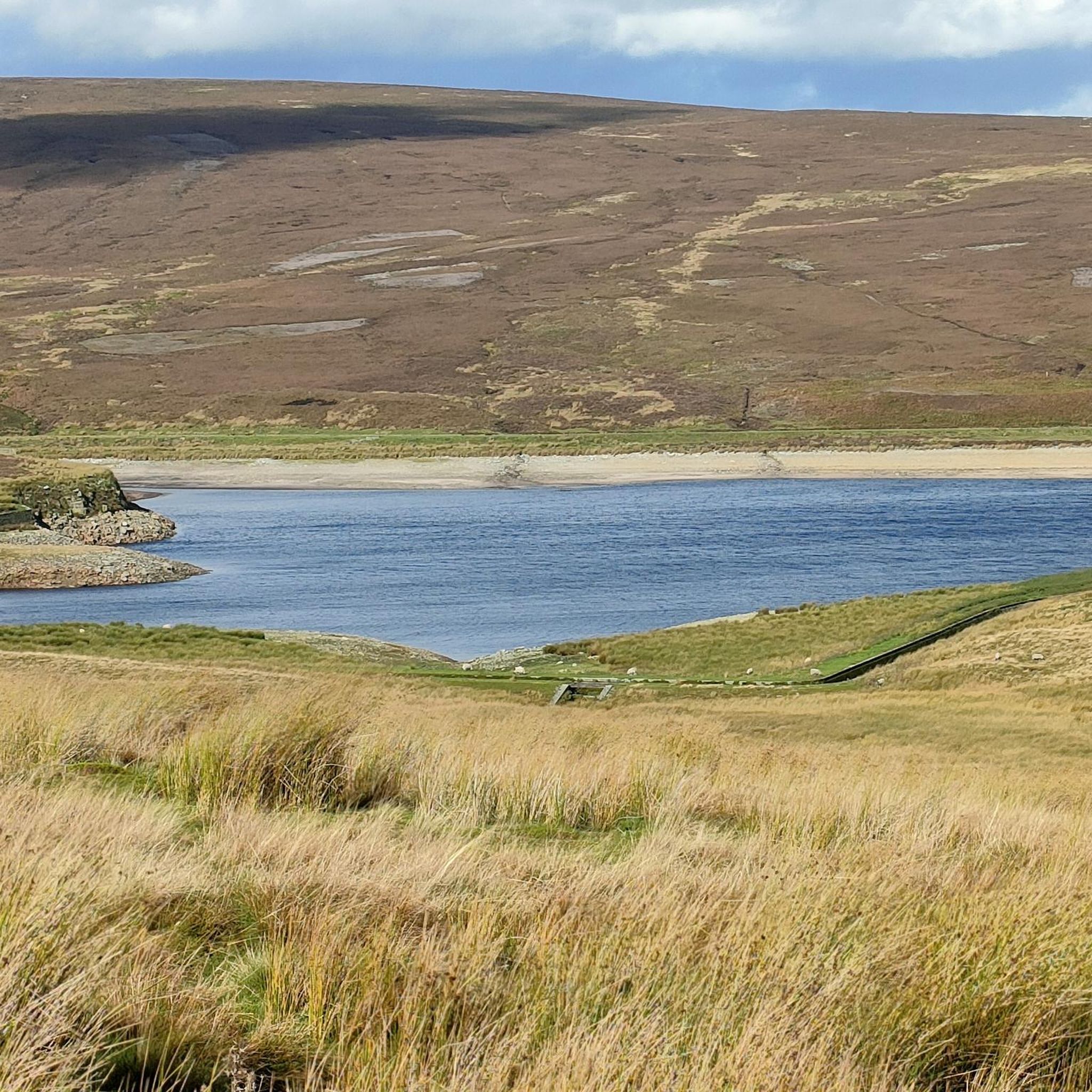
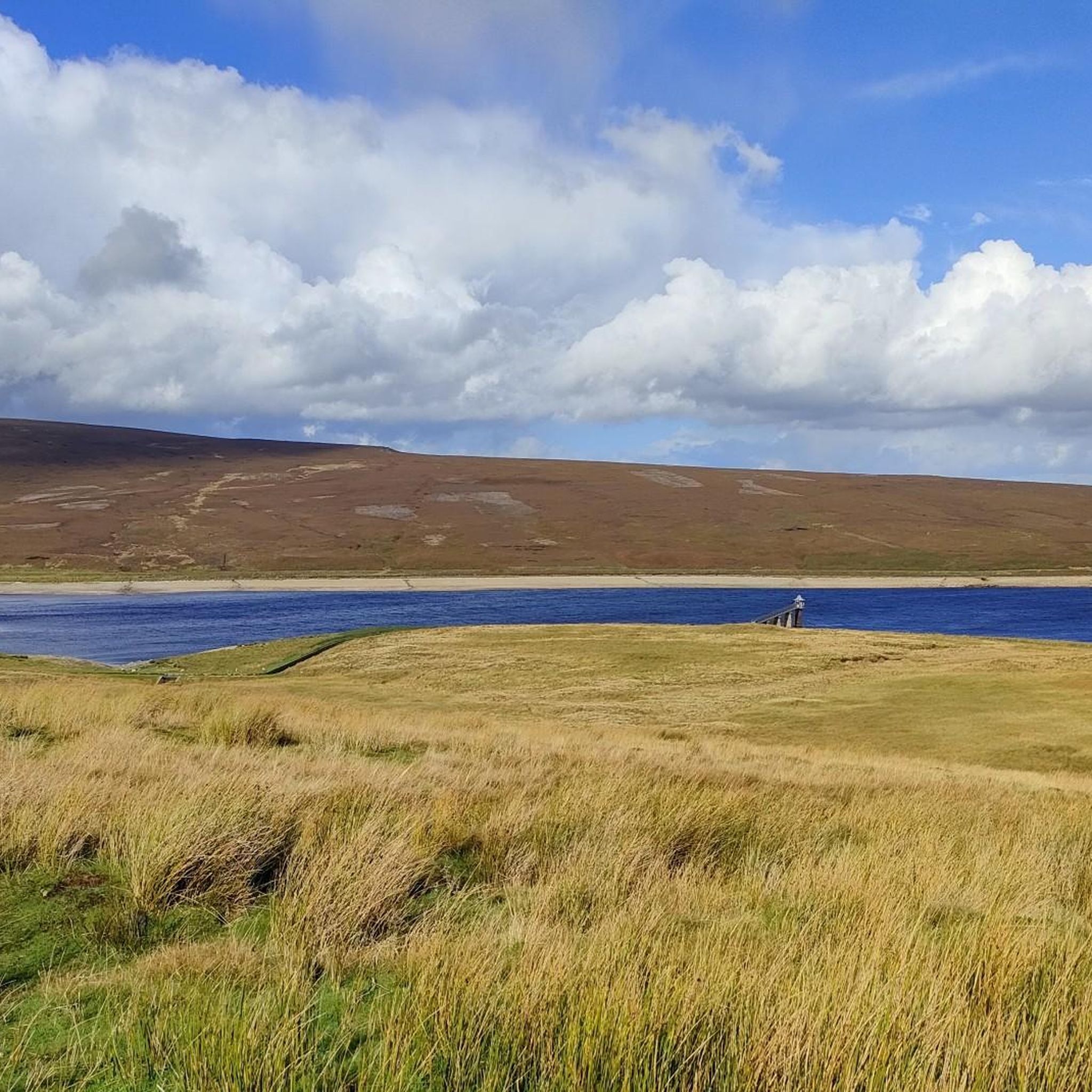
Thruscross Reservoir
Highlight • Viewpoint
Tip by

Sign up now to discover places like this
Get recommendations on the best single tracks, peaks, & plenty of other exciting outdoor places.
Sign up for free
Lindley Wood Reservoir
Highlight • Structure
Walking around …
Tip by

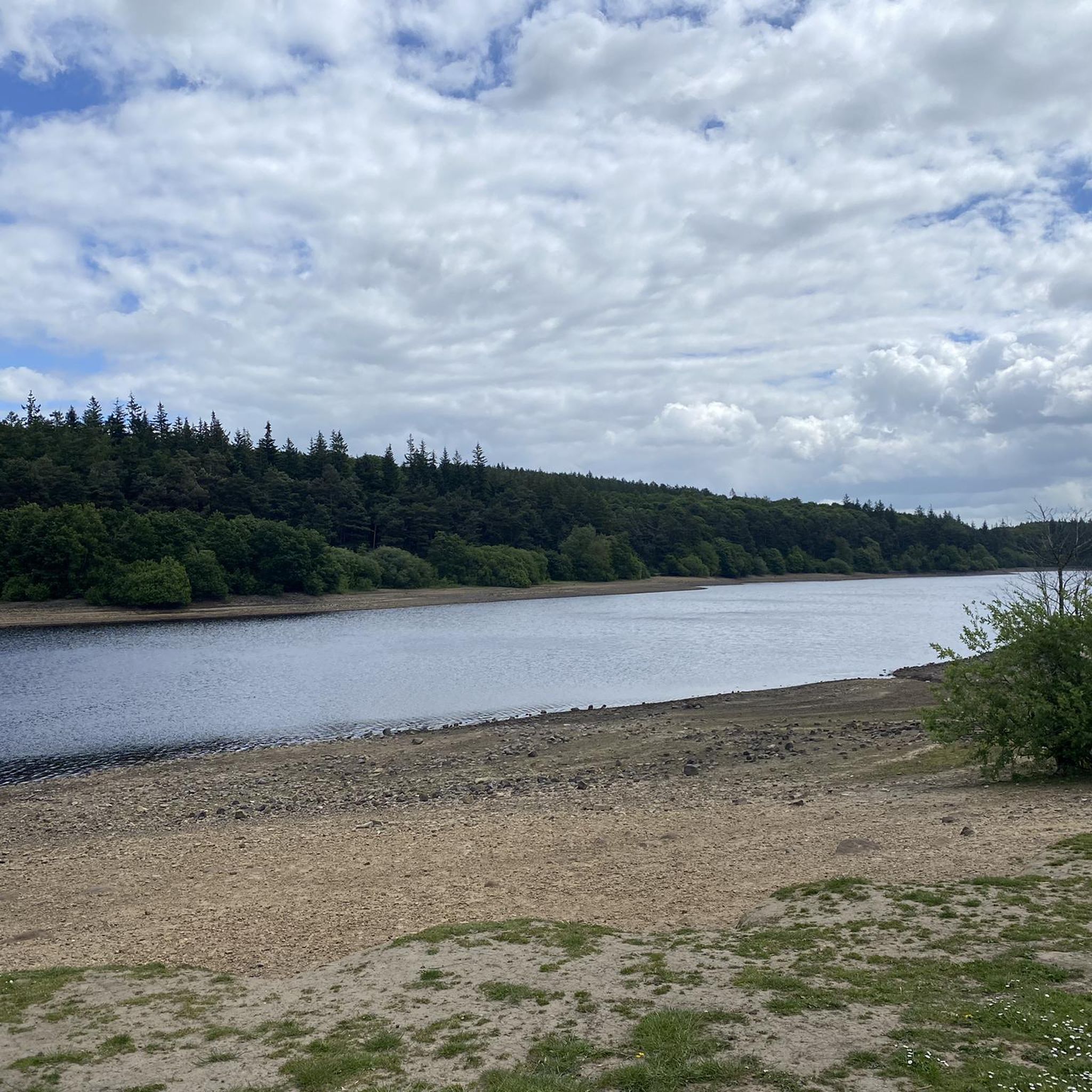
Glasshouses Dam
Highlight • Structure
Tip by

Ruins of West End Village at Thruscross Reservoir
Highlight • Settlement
Tip by
Sign up for free to discover even more lakes around Blubberhouses.
Sign up for free
Already have an account?
Start today with a free account
Your next adventure awaits.
Login or Signup
Tips from the Community

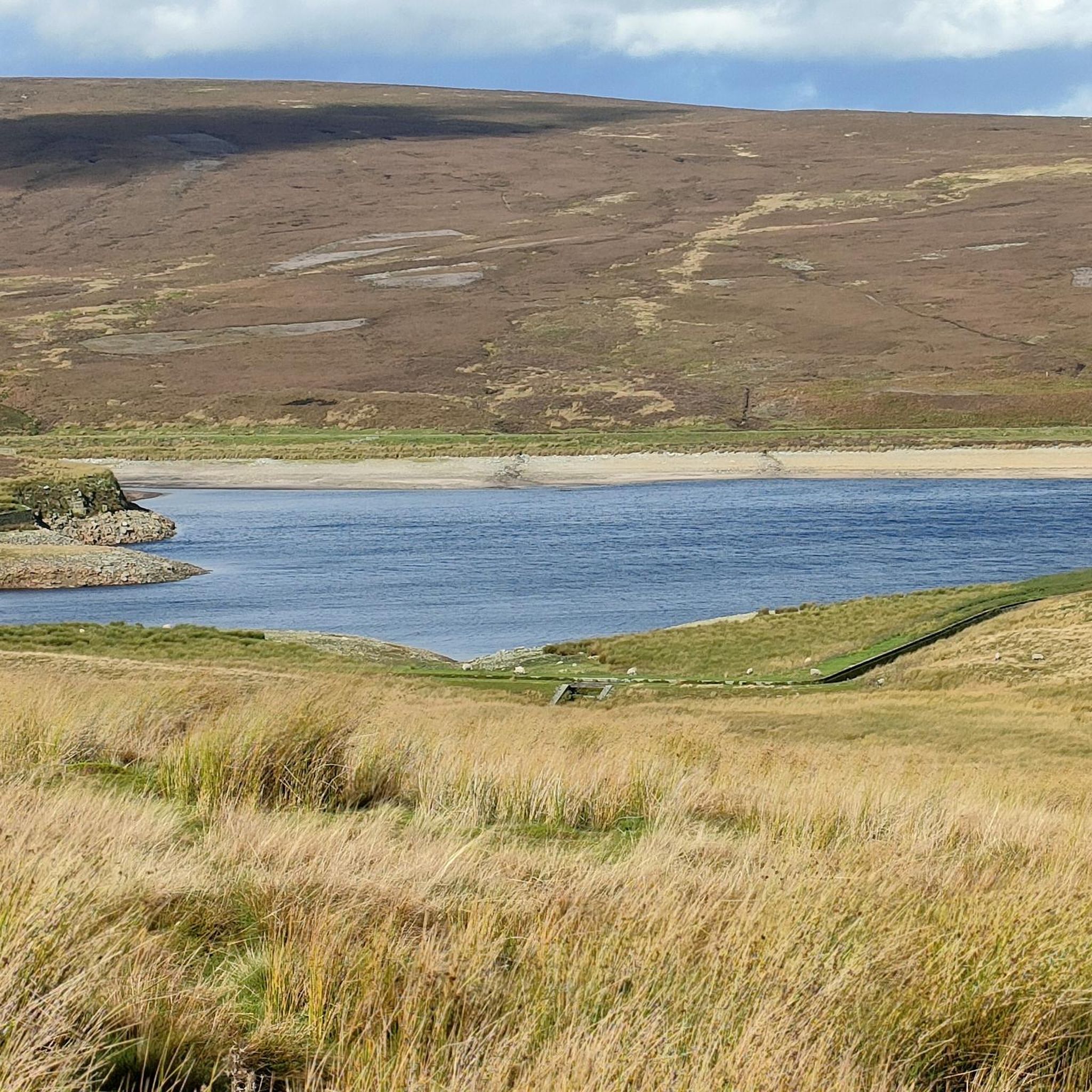
Glasshouses Mill, which the dam served, was initially a corn mill but later transitioned to flax processing in the early 1800s. The dam was built in 1850 by brothers John and George Metcalfe, who expanded the mill and its operations. The mill was a prosperous business, employing around 250 people and known for its responsible employment practices. By the late 19th century, the decline of linen led local mills to produce jute and hemp, but Glasshouses Mill continued flax spinning until the death of George Metcalfe Jr. in 1898. Following his death, the mill struggled, eventually declaring bankruptcy in 1907. The dam is now a recreational area, offering opportunities for fishing, skating in winter, and water sports in summer, although it was literally bone dry when I passed in May 2025 (see photos).
0
0
Undoubtedly the most scenic of the Washburn reservoirs with the moorland backdrop to the north. The circular route around the reservoir from the car park is about 5 miles, the track on the southwestern side runs along the edge of plantations and offers some shade from the sun and shelter from the elements. The track on the northeastern side is more exposed, and if you do the whole circuit you will cross over Far Comb Hill and the plantation along the edge of the reservoir at Whit Moor - a great route.
0
0
Good quality paths all the way around Thruscross, Fewston and Swinsty Reservoirs, with parking at Swinsty Moor Plantation, Fewston village, Blubberhouses, and Thruscross Reservoir dam. If you do all 3 reservoirs then that clocks in at a 15-mile route, but is well worth it. The paths around the southern reservoirs are generally wide and flat. There are benches at periodic intervals on the eastern side of Fewston and Swinsty Reservoirs, where you can take a break and admire the views.
1
0
The walk from the large car park at Thruscross Reservoir dam up the west side of the reservoir to Cloggers Lane is magical and gives far better views than the tracks along Scot Lane on the eastern side. The track meanders along the edge of coniferous plantations, giving dappled shade on a sunny day and unobstructed views across the reservoir.
1
0

Lindley Wood is a compensation reservoir, which means it is not linked to the supply of water to homes but is there to take excess water from Fewston and Swinsty reservoirs, which are nearby. This is why there is not much water in there.
0
0


Here in the Washburn Valley are two reservoirs right next to each other, Fewston and Swinsty Reservoirs. You can walk around both of them or just do a solo jaunt around one. The walk around Fewston reservoir is less obstructed than Swinsty and is the better of the two walks. The Fewston Path goes for 3.7 miles (6 km) around the reservoir on well-maintained paths that, on a sunny day, will give you super nice views along with a good dose of peace and tranquillity.
1
0

It is very odd to think that an entire village once existed here, but that's what you're looking at here. The entire village of West End. Cloggers Lane dropped here towards Patrick's Mill, the Butcher's Arm and a church, all of which vanished under the Thruscross Reservoir in the mid 1960s. A curious, eerie sight.
0
0
Frequently Asked Questions
What kind of walking routes can I find around the Blubberhouses lakes?
The area offers a variety of walking routes, from easy, family-friendly paths to longer, more challenging hikes. For instance, the Fewston Reservoir Circular Path is a well-maintained 6 km route suitable for all abilities. For a more remote experience, Thruscross Reservoir offers varied walks by the water, through woods, and over moors, with a circular route of about 5 miles.
Are the lakes around Blubberhouses suitable for families?
Yes, several lakes are very family-friendly. Fewston Reservoir Circular Path is particularly noted for its wide, flat, and well-maintained paths, making it suitable for families and individuals with pushchairs. Benches are also available for breaks.
Can I bring my dog to the lakes in the Blubberhouses area?
Many of the walking routes around the reservoirs are dog-friendly. Both Fewston Reservoir Circular Path and Thruscross Reservoir are popular choices for walks with dogs, offering plenty of space to explore the natural surroundings.
What historical sites or unique landmarks can I find near the lakes?
Near Thruscross Reservoir, you can explore the eerie Ruins of West End Village. This village was submerged when the reservoir was constructed in the 1960s, and its remains, including a flax mill, can still be seen, especially when water levels are low. Lindley Wood Reservoir is also historically significant as one of the oldest in the Washburn Valley, built between 1869 and 1876.
How long does it take to walk around Fewston Reservoir?
The circular path around Fewston Reservoir is approximately 4.5 miles (7.2 km) long. It's a well-maintained path that typically takes a couple of hours to complete at a leisurely pace, allowing time to enjoy the scenic views.
What other outdoor activities can I do near the Blubberhouses lakes?
Beyond walking, the area is excellent for various outdoor pursuits. You can find numerous hiking routes, road cycling routes, and mountain biking trails. The varying water flow in the River Washburn downstream from Thruscross is also utilized by local canoe clubs.
Is parking available at the reservoirs?
Yes, parking is generally available at the main reservoirs. For example, Fewston Reservoir offers free parking facilities. You can also find parking at Swinsty Moor Plantation, Fewston village, Blubberhouses, and the Thruscross Reservoir dam.
What makes Lindley Wood Reservoir unique compared to others in the area?
Lindley Wood Reservoir is notable for being the first of the four Washburn Valley reservoirs to be built, constructed between 1869 and 1876. It features green wooded banks and open countryside, offering a tranquil setting. It also serves as a compensation reservoir, taking in excess water from Fewston and Swinsty Reservoirs.
Are there any easy or accessible trails around the Blubberhouses lakes?
Absolutely. The paths around the southern reservoirs, particularly Fewston Reservoir, are generally wide and flat, making them accessible for many visitors. These well-maintained paths are ideal for easy strolls and those seeking less challenging terrain.
When is the best time to visit the lakes around Blubberhouses?
The lakes are beautiful year-round, but weekdays are often best to avoid crowds, especially at popular spots like Fewston Reservoir. Spring and summer offer lush greenery and warmer weather, while autumn brings stunning foliage. Winter walks can be serene, though paths might be more exposed to the elements.
What kind of natural scenery can I expect to see?
The lakes are nestled in the picturesque Washburn Valley, offering diverse natural scenery. You'll find serene waters, green wooded banks, open countryside, and moorland backdrops, particularly around Thruscross Reservoir. The area is rich in natural beauty, providing opportunities to observe local flora and fauna.
Are there cafes or pubs near the Blubberhouses reservoirs?
While the immediate vicinity of some reservoirs, like Thruscross, is more remote, the broader Blubberhouses area and nearby villages offer options for refreshments. You can find cafes and pubs within a short drive, providing places to relax and refuel after your walks.
Most popular routes around Blubberhouses
Most popular attractions around Blubberhouses

Get inspired with the komoot mobile app


Explore more
Still not found your perfect lake around Blubberhouses? Check out the guides of these regions to see even more beautiful places.
