Attractions and Places To See around Beningbrough - Top 20
Best attractions and places to see around Beningbrough include the historic Beningbrough Hall, a notable National Trust property. The area features extensive gardens, parkland with walking trails, and natural features along the River Ouse. Visitors can explore a blend of historical sites, art exhibitions, and natural landscapes. The region offers a variety of experiences for those interested in history, art, and outdoor activities.
Best attractions and places to see around Beningbrough
- The most popular attractions is Historic Centre of York, a man-made monument characterized by its historic buildings and narrow medieval streets. This ancient walled city dates back 2,000 years and is known for its outstanding architecture.
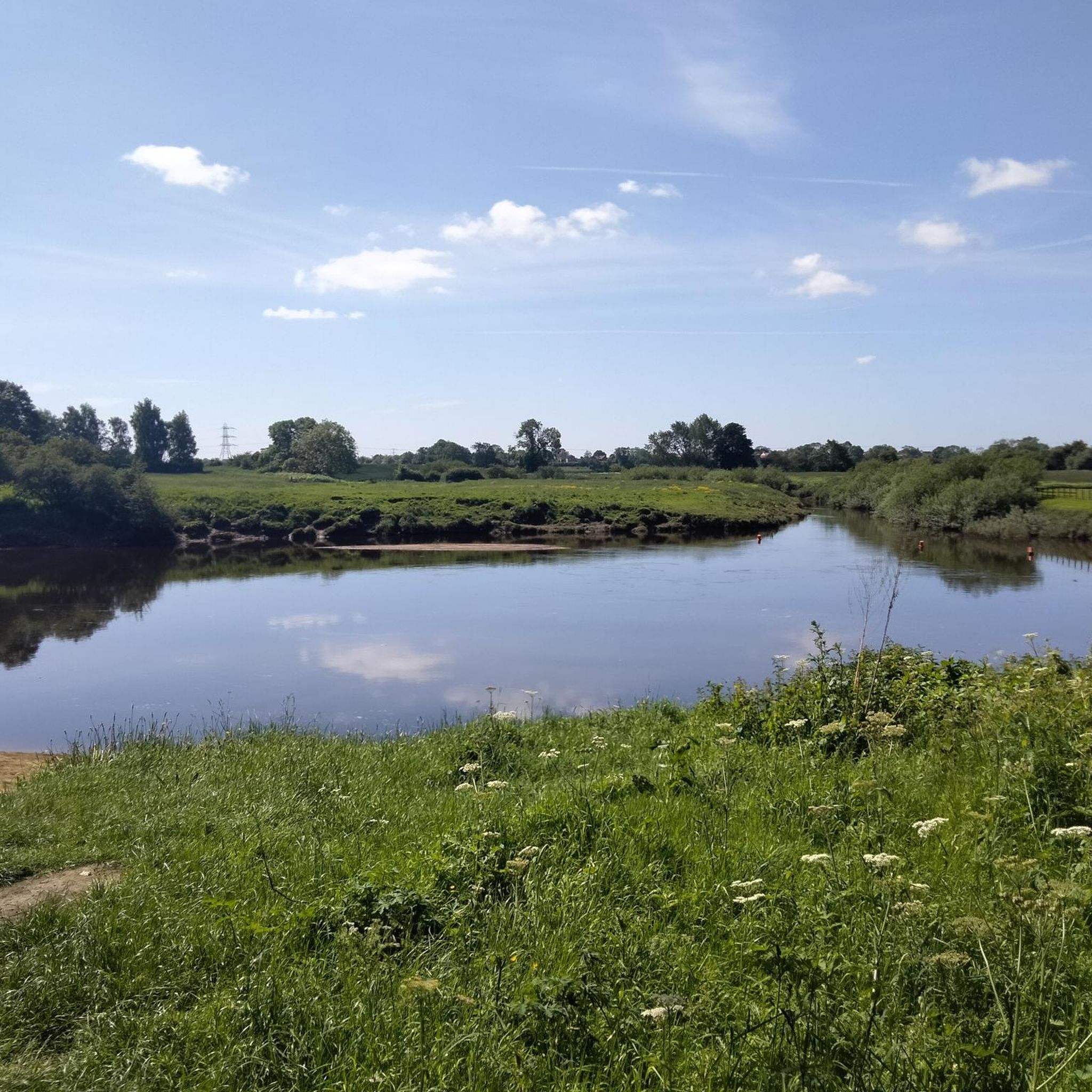
- Another must-see spot is Aldwark Bridge, a bridge that connects the banks of the River Ure. This bridge is a notable landmark in the area, with a picnic area and wildlife site nearby.
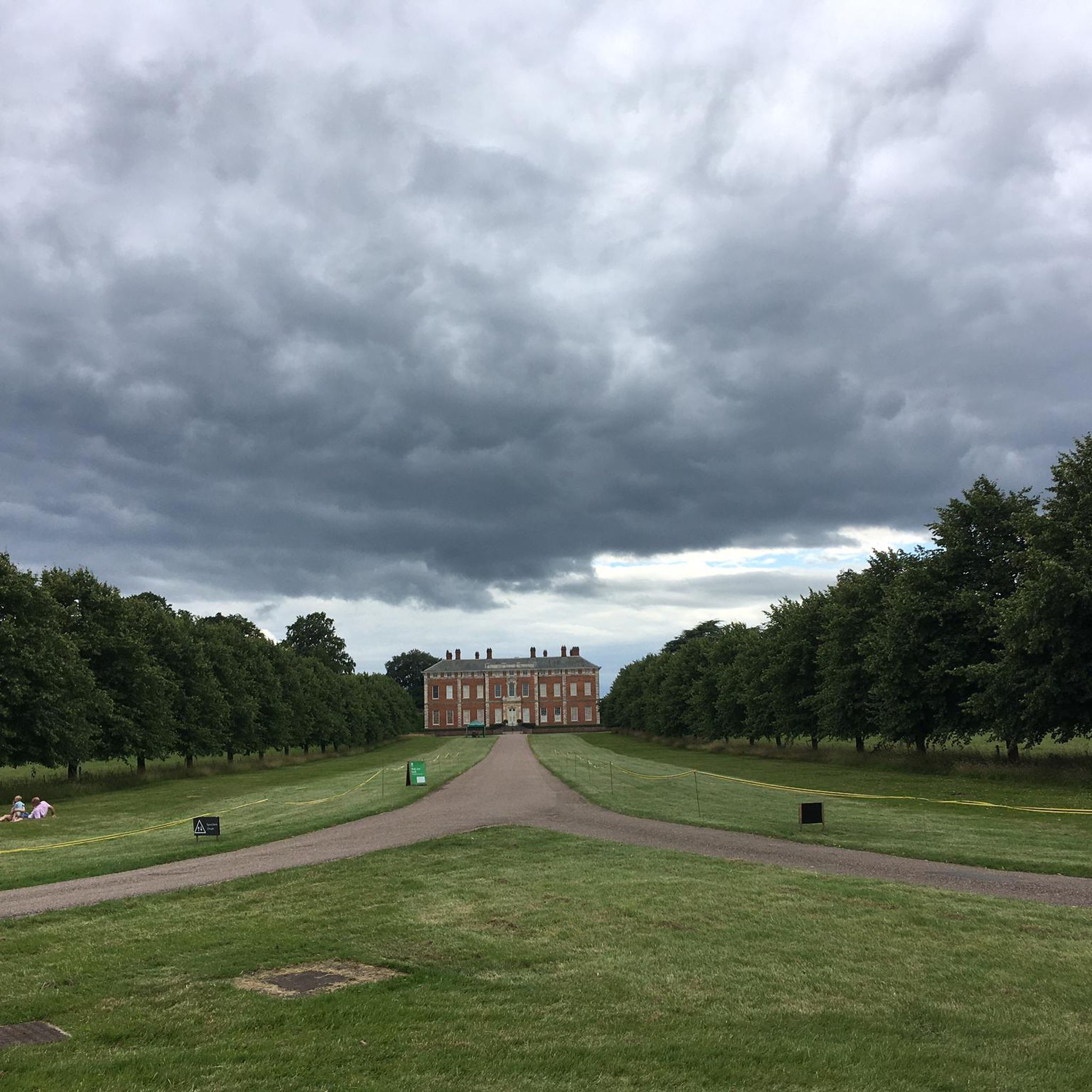
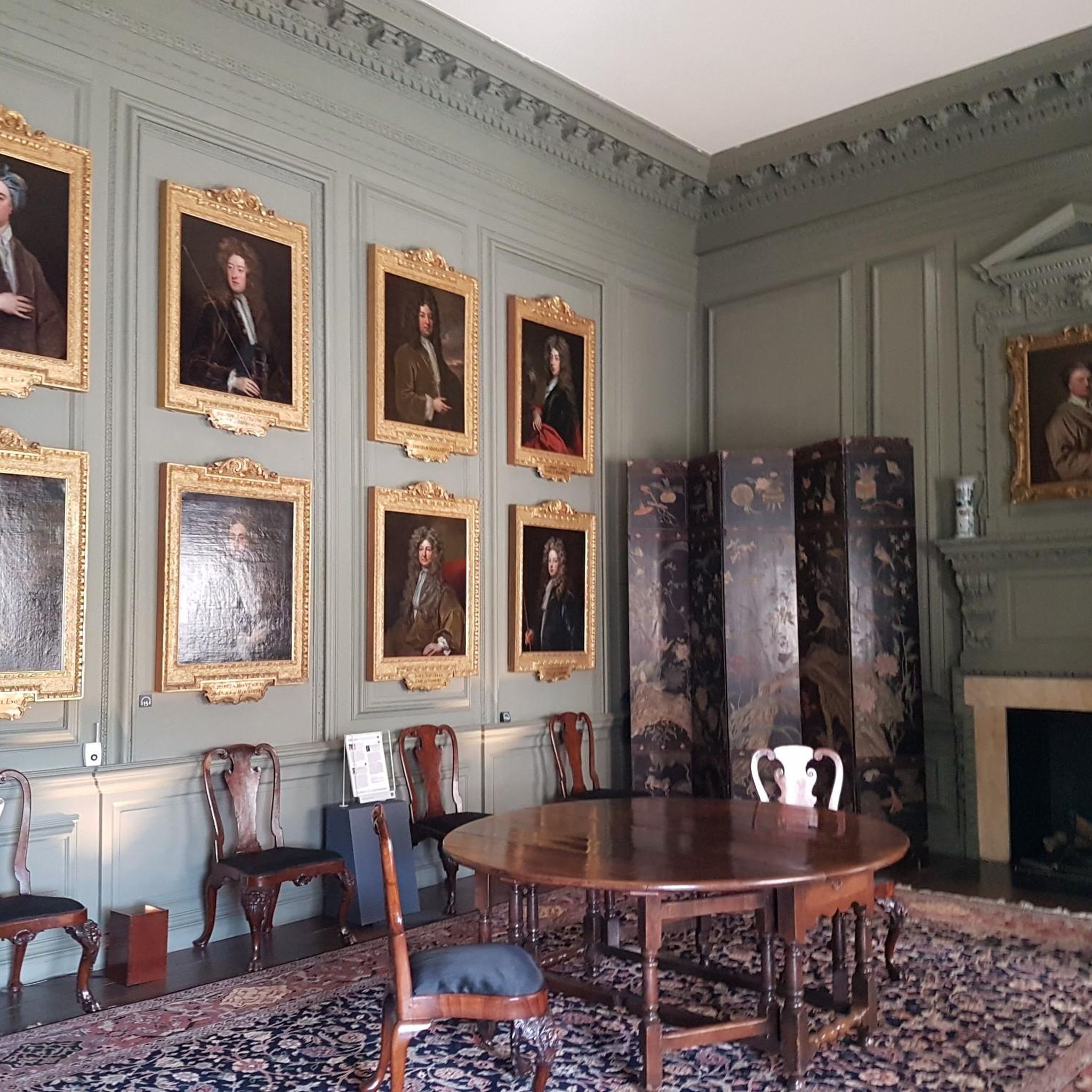
- Visitors also love Beningbrough Hall, a historical site and cafe. This Georgian Mansion is owned by the National Trust and features a walled garden and 18th-century portraits.
- Beningbrough is known for historical sites, bridges, and family-friendly attractions. The area offers a variety of attractions to see and explore, from ancient city centers to stately homes and river crossings.
- The attractions around Beningbrough are appreciated by the komoot community, with 110 upvotes and 46 photos shared by visitors.
Last updated: October 5, 2026
Micklegate Bar
Highlight • Structure
Serving as the primary entrance to the city for those arriving from the South, this historic gate witnessed the passage of numerous reigning monarchs, who adhered to the tradition of seeking the Lord Mayor's permission before entering the city.
Tip by

York City Walls
Highlight • Historical Site
Translated by Google •
Tip by

Sign up now to discover places like this
Get recommendations on the best single tracks, peaks, & plenty of other exciting outdoor places.
Clifford's Tower
Highlight • Historical Site
Translated by Google •
Tip by

Aldwark Bridge
Highlight • Bridge
Tip by

Beningbrough Hall
Highlight • Cafe
Tip by

Sign up for free to discover even more attractions around Beningbrough.
Already have an account?
Start today with a free account
Your next adventure awaits.
Tips from the Community

Old Norse "mykill" (great) and "gata" (street), the "gate" suffix being very common among York street names. You can also add the heads of Edmund, Earl of Rutland and Richard Neville, 5th Earl of Salisbury to the Bar, and some say that the Duke of York's participation in the Battle of Wakefield is the source of the phrase for remembering the traditional colours of the rainbow, Richard Of York Gave Battle in Vain...
1
0
You can't come to York and not walk some of the walls, the most scenic parts are the North Corner around the Minster on the north side of the city centre. Opening times and other notices here: https://www.york.gov.uk/york-city-centre/city-walls/3 Maps and descriptions of wall walks here: https://www.yorkwalls.org.uk/?page_id=3690
1
0

Micklegate Bar was the most important of York’s four main medieval gateways and the focus for grand events. The name comes from 'Micklelith', meaning great street. It was the main entrance to the city for anyone arriving from the South. At least half a dozen reigning monarchs have passed through this gate and by tradition they stop here to ask the Lord Mayor's permission to enter the city. The lower section of the bar dates from the 12th century, the top two storeys from the 14th. The building was inhabited from 1196. Like the other main gates, Micklegate Bar originally had a barbican built on the front, in this case demolished in 1826. For centuries the severed heads of rebels and traitors were displayed above the gate, the many victims include Sir Henry Purcey (Hotspur) in 1403 and Richard, Duke of York in 1460. The last of the severed heads was removed in 1754.
1
2

Micklegate Bar, the most significant among York's four primary medieval gateways, held a prominent role as the focal point for grand events. Its name, derived from 'Micklelith' meaning 'great street,' aptly reflects its significance. Serving as the primary entrance to the city for those arriving from the South, this historic gate witnessed the passage of numerous reigning monarchs, who adhered to the tradition of seeking the Lord Mayor's permission before entering the city.
3
1

In 1890, the prison commissioners agreed to declare Clifford's Tower a national monument and preserve it as a historic site. [112] In 1902, Clifford's Tower was given to York Corporation, along with a grant of £3,000 (equivalent to £320,000 in 2019) for conservation and repairs arranged by Lord Wenlock. The removal of rubble and damage to the castle's masonry in the 16th century placed excessive pressure on the retaining wall, leading to renewed subsidence in the 14th century. [117] Sir Basil Mott, a leading Victorian engineer, installed concrete underpinnings to stabilize the structure beneath the gatehouse. [117]In the early 20th century, Clifford's Tower was regularly open to visitors and in 1915 it was handed over to the Office of Works as a national monument (source: https://en.wikipedia.org/wiki/York_Castle).
5
0

In some ways Beningbrough is a real treat. It's on the natural cycle route from Thirsk to York and provides a lovely stretch of very quiet, stately home grounds to cycle through. And if you are a National Trust member you might as well visit when you are there: the gardens are very pretty, and there is a café. On the other hand, the hall itself is rather deserted with very little by way of furnishings. It certainly doesn't feel like a real place, more like a cinema set in between films.
0
0

Cliffords Tower is a remarkable fortress on a motte (artificial hill). Opposite is York Castle in the gusset between the River Foss and the River Ouse.
5
0
The southern main gate of York's old town houses a small museum on the history of the fortress. The city walls can be walked from here.
5
1
Frequently Asked Questions
What historical sites can I explore in Beningbrough?
The primary historical attraction is Beningbrough Hall, a magnificent Georgian Mansion owned by the National Trust. Completed in 1716, it showcases Baroque architecture, 18th-century portraits, and offers a glimpse into its 300-year history, including its time as an RAF billet. You can also explore the Victorian laundry and a second-hand book room within the hall.
Are there art exhibitions near Beningbrough?
Yes, Beningbrough Hall hosts the Reddihough Galleries on its first floor. These galleries feature changing exhibitions of contemporary and traditional art, often curated with national art institutions and internationally acclaimed artists, providing multi-sensory and hands-on experiences.
What natural attractions can I find around Beningbrough Hall?
The hall is surrounded by extensive natural beauty. You can explore eight acres of formal gardens, including herbaceous borders and a new Mediterranean Garden. The 380 acres of parkland offer riverside and woodland walks along the River Ouse. A unique natural feature is Beningbrough Beach, a sandy cove that appears at lower tides, popular for picnics.
Are there opportunities for wildlife spotting near Beningbrough Hall?
Absolutely. The parkland surrounding Beningbrough Hall is a haven for wildlife. Visitors can observe various birds, rare bats, and the iridescent tansy beetle, especially during walks along the River Ouse and through the woodlands.
What family-friendly activities are available in Beningbrough?
Families visiting Beningbrough Hall can enjoy the wilderness play area, equipped with swings, slides, and climbing frames. There's also a den zone, catering to toddlers through teens. The site encourages participation in activities from the '50 things to do before you're 11 ¾' list, making it a great day out for children.
Where can I find walking trails around Beningbrough?
The parkland around Beningbrough Hall offers various walking trails, ranging from 20 minutes to two hours, including routes along the River Ouse. For more extensive hiking options, you can explore routes like the easy 'Blacksmiths Arms – Beningbrough Hall loop from Newton-on-Ouse' or the moderate 'Moss Hill Woods loop from Nun Monkton'. Find more details on hiking around Beningbrough.
Are there cycling routes available near Beningbrough?
Yes, the area around Beningbrough offers several cycling opportunities. You can find gravel biking routes, such as the 'Millennium Bridge York – Millennium Bridge York loop from York', or road cycling routes like 'The Grange Coffee Shop – Marston Moor Battle Monument loop from Poppleton'. Discover more routes on the gravel biking and road cycling guides around Beningbrough.
What historical attractions are there beyond Beningbrough village?
Just a short distance away, you can explore the Historic Centre of York, an ancient walled city known for its medieval streets and outstanding architecture. Other notable sites include Micklegate Bar, one of York's significant medieval gateways, and Clifford's Tower, the preserved moated castle keep of York Castle with panoramic city views.
When is the best time of year to visit Beningbrough?
Beningbrough Hall and its gardens offer year-round interest. Spring is beautiful with bulbs and herbaceous borders, while the walled kitchen garden provides produce throughout the year. The parkland walks are enjoyable in most seasons, but for outdoor activities and exploring the gardens, late spring to early autumn generally offers the most pleasant weather.
Are there places to eat and drink near Beningbrough Hall?
Yes, within the grounds of Beningbrough Hall, you can find the Walled Garden Restaurant and a Brewhouse. They offer hot meals, light lunches, snacks, and refreshments, often using locally sourced produce from the kitchen garden. There is also a farm shop with a cafe that can be accessed without paying admission to the house and gardens.
What do visitors particularly enjoy about Beningbrough Hall?
Visitors frequently praise the beautiful walled garden and the extensive parkland for walks. The blend of historical exploration within the Georgian Mansion and the opportunity to enjoy nature, along with family-friendly amenities like the wilderness play area, makes it a popular destination. The National Trust's careful preservation and the changing art exhibitions also add to the appeal.
How can I get to Beningbrough Hall by public transport?
While Beningbrough is a village, public transport options to Beningbrough Hall can be limited. It's advisable to check the National Trust's official website or local bus service schedules for the most up-to-date information on routes and timings, especially if traveling from nearby York.
Can I bring my dog to attractions around Beningbrough?
While specific rules vary, Beningbrough Hall typically welcomes dogs in its parkland and certain outdoor areas, often on a lead. It's always best to check the specific attraction's website or contact them directly for their most current dog policy before your visit.
Most popular attractions around Beningbrough

Get inspired with the komoot mobile app


Explore more
Still not found the Highlight you’re looking for? See guides of the top attractions in other regions:
