Top 7 Caves around Litton
Best caves around Litton are found within the wider Peak District, an area characterized by its distinctive limestone geology and rich natural heritage. This region offers a variety of subterranean formations, from natural arches to significant archaeological sites. The landscape provides a blend of geological interest and historical context, making it a notable destination for exploration.
Best caves around Litton
- The most popular caves is Janet's Foss, a forest area featuring a beautiful waterfall nestled among trees. A small…
Last updated: July 3, 2026
Janet's Foss
Highlight • Forest
Tip by

Hull Pot
Highlight • Canyon
In the late 18th century, in …
Tip by

Sign up now to discover places like this
Get recommendations on the best single tracks, peaks, & plenty of other exciting outdoor places.
Sign up for free
Attermire Scar
Highlight • Trail
Tip by

Victoria Cave
Highlight • Natural Monument
Tip by

Calf Holes Waterfall and Dry Lathe Cave
Highlight • Natural Monument
Tip by

Sign up for free to discover even more caves around Litton.
Sign up for free
Already have an account?
Start today with a free account
Your next adventure awaits.
Login or Signup

Tips from the Community

Access: 🚗 c. 2miles from the village of Horton-in-Ribblesdale 🥾 Alternatively, enjoy a 9 miles hike with just 2,000ft of total elevation from Horton-in-Ribblesdale, via Pen-y-Ghent
0
0

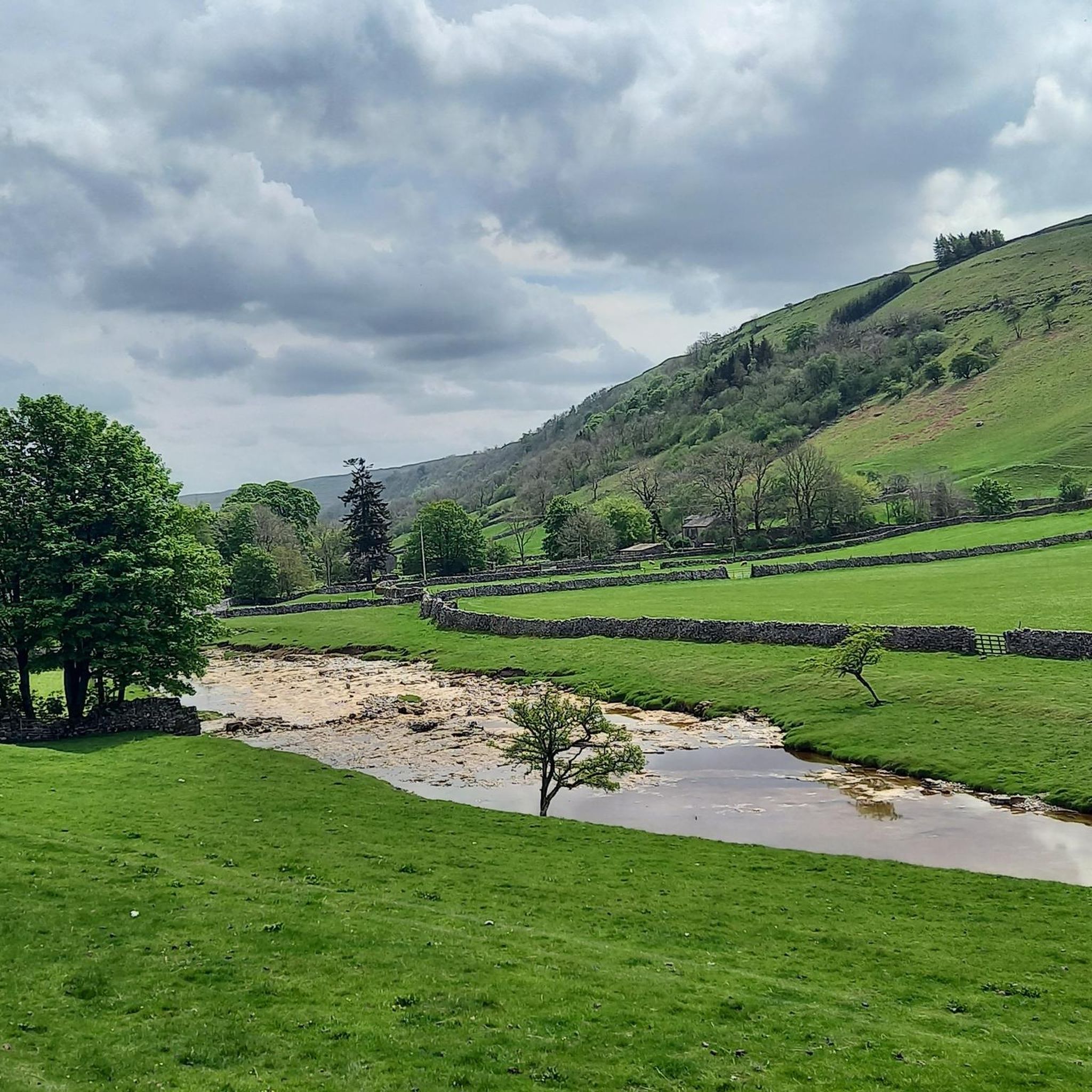
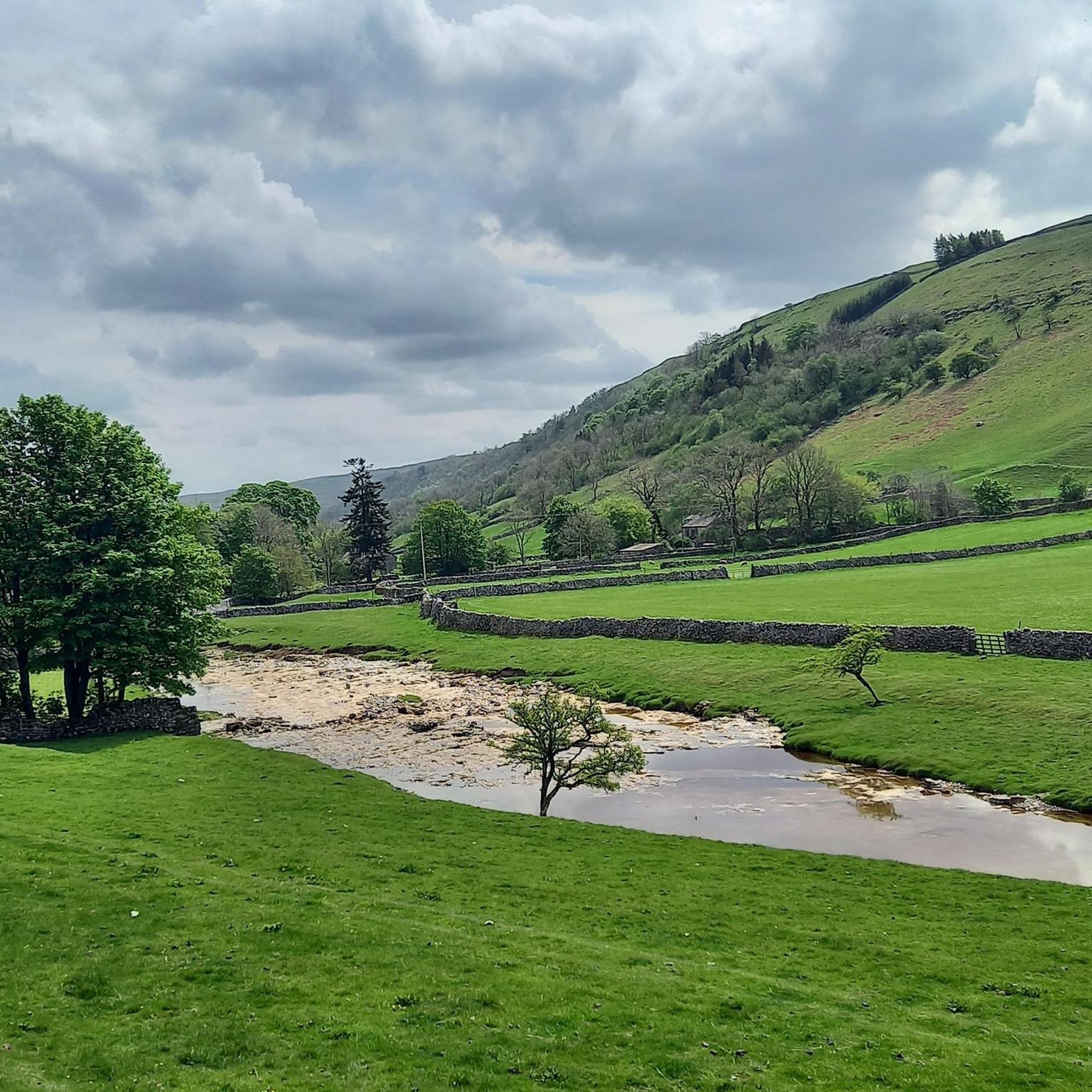
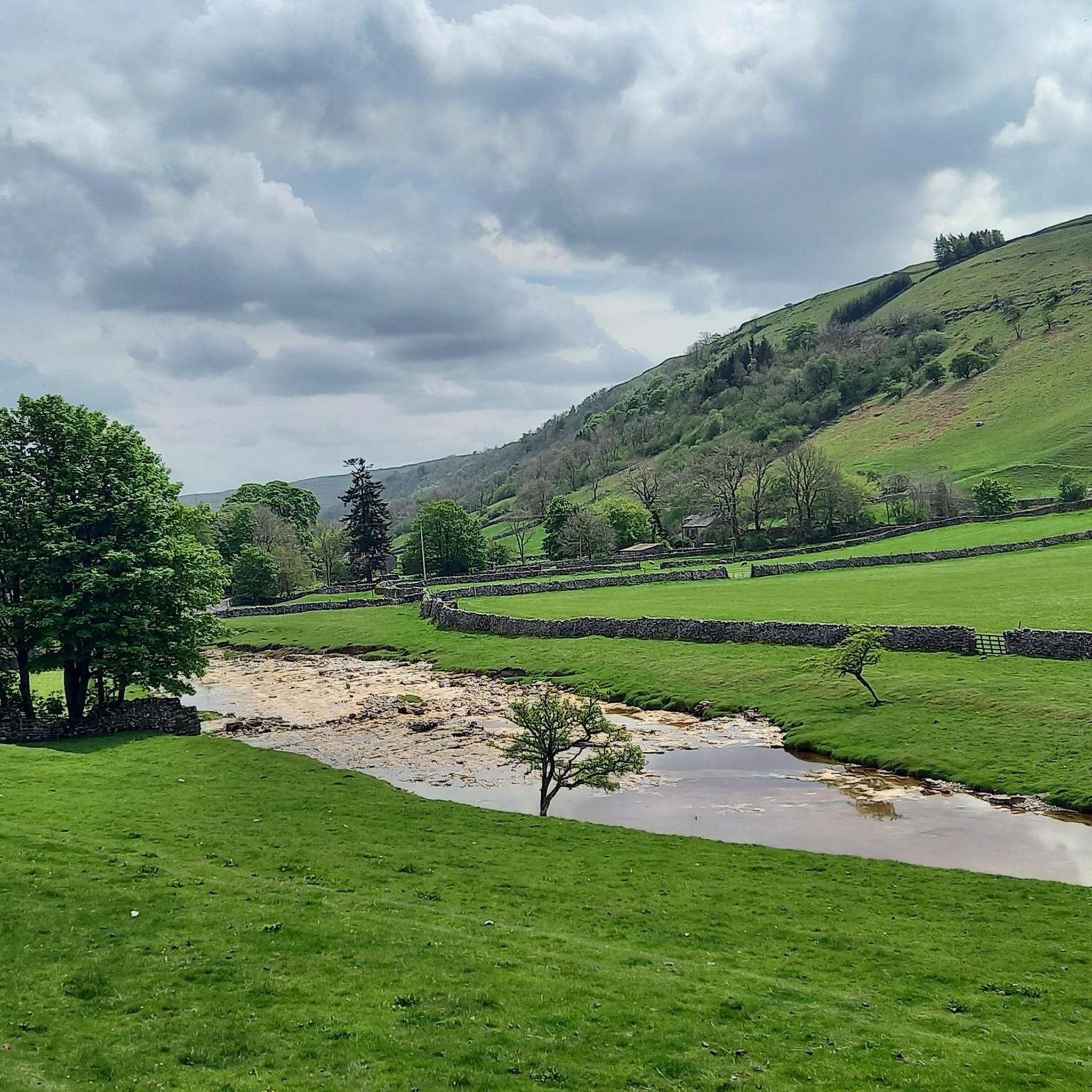
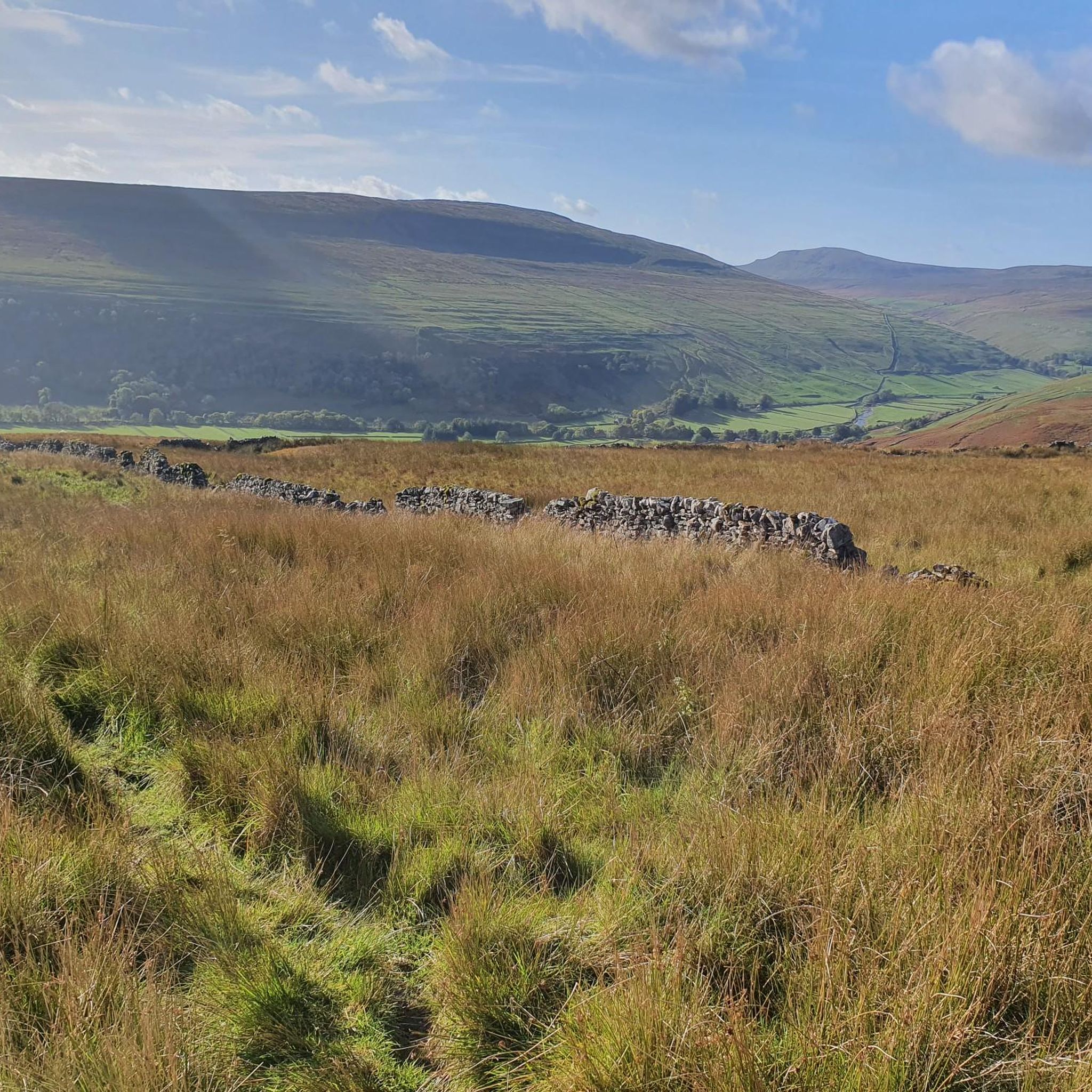
The skyline above Settle makes for a tremendous day out for hikers. There is no central peak to go for, just a jagged collection of rocky high points that make for a really good walk, but you will find a trig point on Warrendale Knotts. You will find a lot of caves in the area too due to the terrain being dominated by limestone, and nearby Victoria Cave is the largest of these caves. All in all, Attermire Scar is an impressive geological feature.
1
0

Be prepared to get muddy, protect your head and take a torch.
0
0

Hull Pot is an amazing collapsed cavern that is now just an open limestone scar measuring 91 metres (300 feet) long by 18 metres (60 feet) deep. In dry weather, like today unfortunately, Hull Pot Beck goes underground before it gets to the rim, but in wet weather, it gives way overground to form a stunning waterfall. A stunning place to spend some time!
0
0

Add to your route if there has been heavy rainfall so you can admire this natural beauty
0
0

Hull Pot, on the western side of Pen-y-Ghent, is a collapsed cavern, and an impressive hole measuring 91m (300ft) long by 18m (60ft) deep. In the late 18th century, in a guidebook published, it was called 'a Hulpit', and the author stated that it "would have appeared like the inside of an enormous old Gothic castle, the high ruinous walls of which were left standing after the roof was fallen in".
1
1

Specular limestone waterfall which is understandably popular and gets very busy. For the best experience, visit on a wet and blustery autumn or winter's day when not only will the waterfall be in full flow, but you might actually get to see it without all the 'wild swimming' instagrammers
4
1
Frequently Asked Questions
What types of caves can I explore around Litton?
The Litton area, situated in the Peak District, offers a diverse range of subterranean formations. You can find natural arches, collapsed caverns like Hull Pot, and significant archaeological sites such as Thirst House Cave and Victoria Cave. The region's limestone geology also creates impressive features like Attermire Scar, known for its numerous caves.
Are there any caves with historical significance near Litton?
Yes, several caves in the area boast rich history. Thirst House Cave is renowned for its archaeological finds, including Roman artifacts and a bear's skull, with many items displayed at Buxton Museum. Victoria Cave, discovered in 1837, contained fossils dating back 130,000 years, along with ancient tools. Additionally, Cucklet Delf Natural Arch holds historical importance as the site where Rector William Mompesson preached during the 1666 plague.
Which caves are suitable for families or easy to access?
Janet's Foss is a family-friendly option, featuring a beautiful waterfall and a small cave to its right, popular for splashing around. While not a deep cave, Cucklet Delf Natural Arch is easily accessible and offers a unique historical experience in a natural setting.
What natural wonders can I see in and around the caves?
You can witness dynamic hydrological processes at Lathkill Head Cave, where the River Lathkill emerges, especially after wet weather. Hull Pot is an impressive collapsed cavern where a waterfall plunges into the depths after heavy rain. Calf Holes Waterfall and Dry Lathe Cave also feature a unique waterfall dropping directly into the cave system. The Deep Dale area near Thirst House Cave is a nature reserve vibrant with wildflowers in spring.
What is the best time to visit the caves around Litton?
The best time depends on what you wish to see. For wildflowers and vibrant nature, spring is ideal, especially around Deep Dale near Thirst House Cave. To witness the impressive waterfalls at Hull Pot or Calf Holes Waterfall and Dry Lathe Cave, visiting after heavy rainfall is recommended. Lathkill Head Cave also showcases its hydrological features best during wet periods.
Are there opportunities for caving or exploration for experienced adventurers?
Yes, Lathkill Head Cave, with its complex and fissured rocks, has multiple entrances that attract experienced cavers seeking exploration. While not a show cave, its natural formation and hydrological features make it an interesting site for those with caving experience.
What outdoor activities can I do near these caves?
The area around Litton offers excellent opportunities for various outdoor activities. You can find numerous hiking trails, including routes that pass by or incorporate some of these geological features. For cycling enthusiasts, there are options for both cycling and gravel biking. If you're looking for dedicated walking routes, explore the hiking guide for Litton.
What makes <a href="https://www.komoot.com/highlight/3054898" target="_blank" rel="noopener">Victoria Cave</a> significant?
Victoria Cave is an important archaeological and paleontological site. It has yielded fossils of prehistoric animals like mammoths, hippos, and saber-toothed cats dating back 130,000 years. Later deposits also revealed evidence of early human activity, including a harpoon head carved from antler and flint tools, making it a key site for understanding ancient life and human presence in the region.
Can I find show caves with unique mineral formations in the wider Peak District?
While the caves directly around Litton focus more on natural formations and historical significance, the wider Peak District region is home to several impressive show caves. These include Blue John Cavern, Treak Cliff Cavern, Speedwell Cavern, and Poole's Cavern, known for their spectacular mineral formations like Blue John stone, stalactites, and stalagmites. You can find more information about these at Visit Peak District.
What do visitors enjoy most about the caves around Litton?
Visitors appreciate the blend of natural beauty, historical intrigue, and opportunities for exploration. The dramatic landscapes of collapsed caverns and waterfalls, the tangible connection to Roman Britain and prehistoric life, and the poignant historical context of sites like Cucklet Delf are frequently highlighted. The komoot community has shared over 290 photos and given more than 600 upvotes to these unique locations.
Where is Cucklet Delf Natural Arch located and what is its historical importance?
Cucklet Delf Natural Arch is a limestone formation located in a valley south of the village of Eyam. It is historically significant as the site where Rector William Mompesson preached to his congregation from a distance during the Great Plague of 1666, allowing them to maintain social distancing. This site, often called 'Cucklet Church', symbolizes community resilience and hosts an annual plague commemoration service.
Most popular attractions around Litton

Get inspired with the komoot mobile app


Explore more
Extend your search for the best caves by checking out these guides of the top ones around Litton:
