The best walks and hikes around Coniston
4.6
(3079)
26,436
hikers
210
hikes
Hikes around Coniston are set within the southern part of the Lake District National Park, at the foot of prominent fells and on the shores of Coniston Water. The landscape is defined by its mix of high fells, serene lakes, and the remnants of a historic copper mining and slate quarrying industry. The trails here range from gentle lakeside paths to challenging mountain ascents over rugged terrain.
Best hiking trails around Coniston
- The most popular hiking route is the Old…
Last updated: September 27, 2026
4.8
(116)
415
hikers
10.2km
02:56
250m
250m
Moderate hike. Good fitness required. Mostly accessible paths. Sure-footedness required.
4.5
(51)
256
hikers
Moderate hike. Good fitness required. Easily-accessible paths. Suitable for all skill levels.

4.7
(55)
567
hikers
3.19km
00:51
40m
40m
Easy hike. Great for any fitness level. Easily-accessible paths. Suitable for all skill levels.
4.7
(37)
97
hikers
Easy hike. Great for any fitness level. Easily-accessible paths. Suitable for all skill levels.
4.8
(321)
1,338
hikers
10.5km
04:23
730m
730m
Moderate hike. Good fitness required. Mostly accessible paths. Sure-footedness required.
Get access to more routes and recommendations from other explorers.
Already have an account?
Our route recommendations are based on thousands of hikes, rides, and runs completed by other people on komoot.
Start today with a free account
Your next adventure awaits.
Popular around Coniston
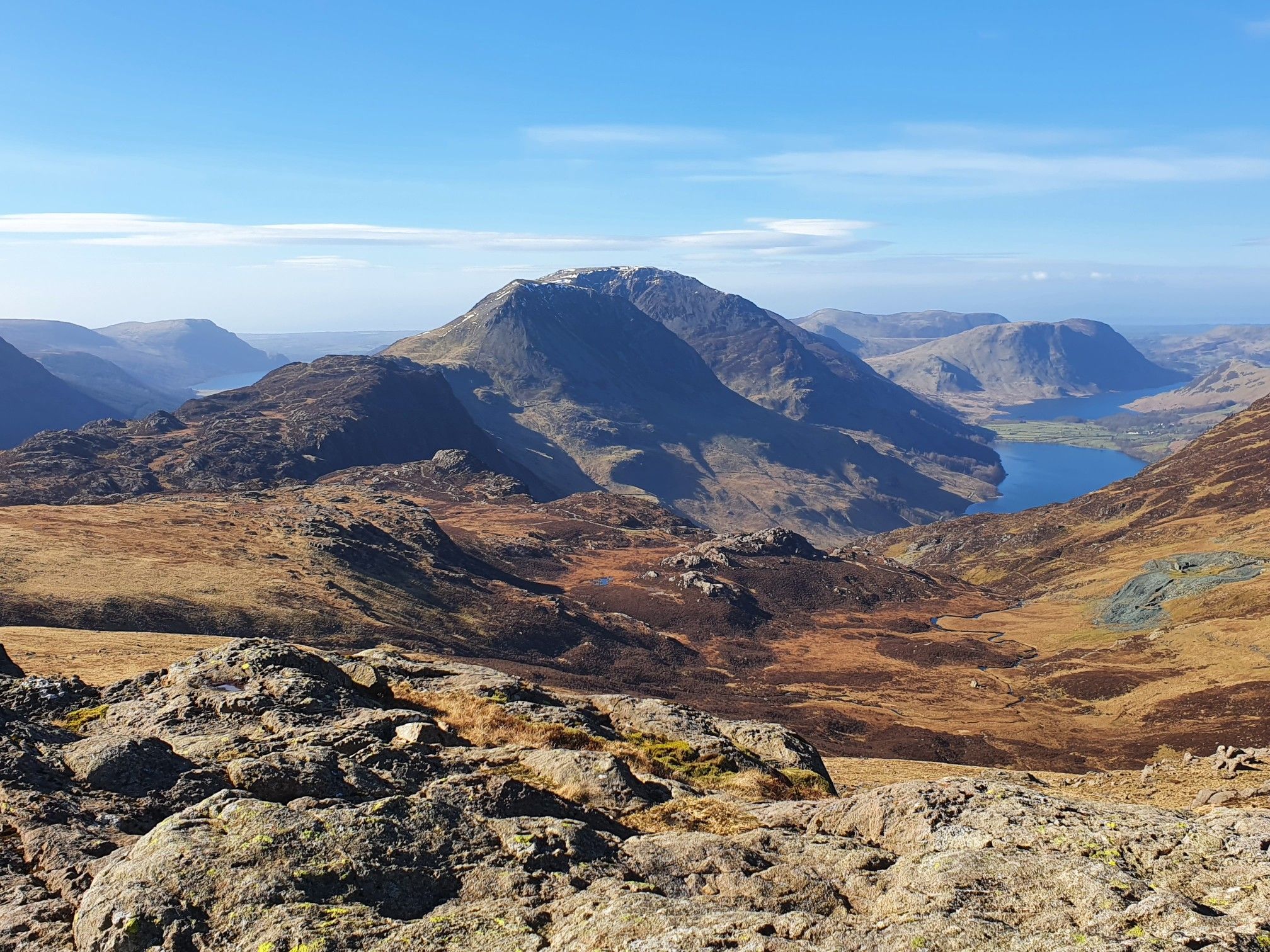
Cumbrian Traverse – A sublime high-level hike across Lakeland
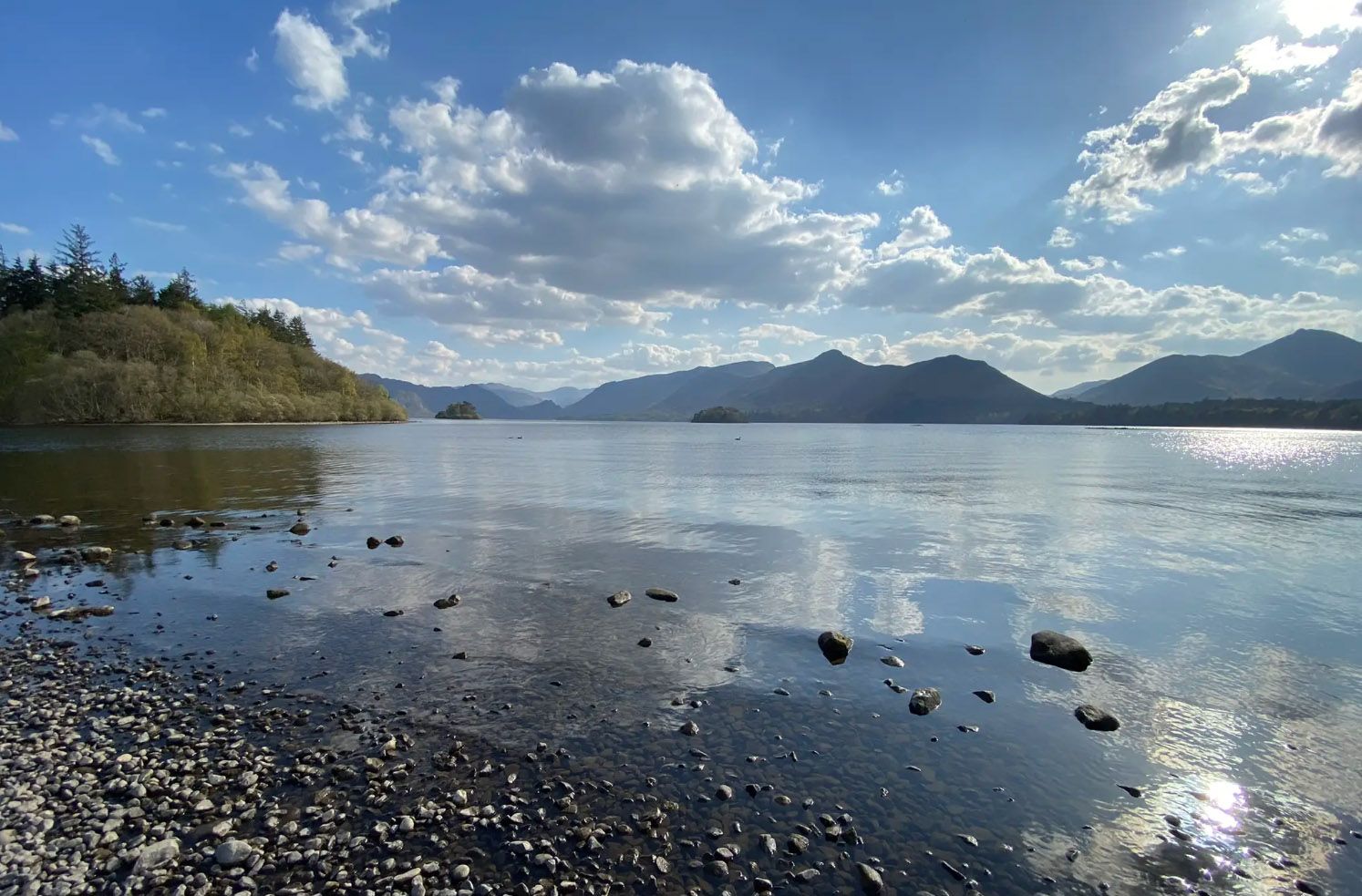
Cumbria Way — An epic hike through the beating heart of Lakeland
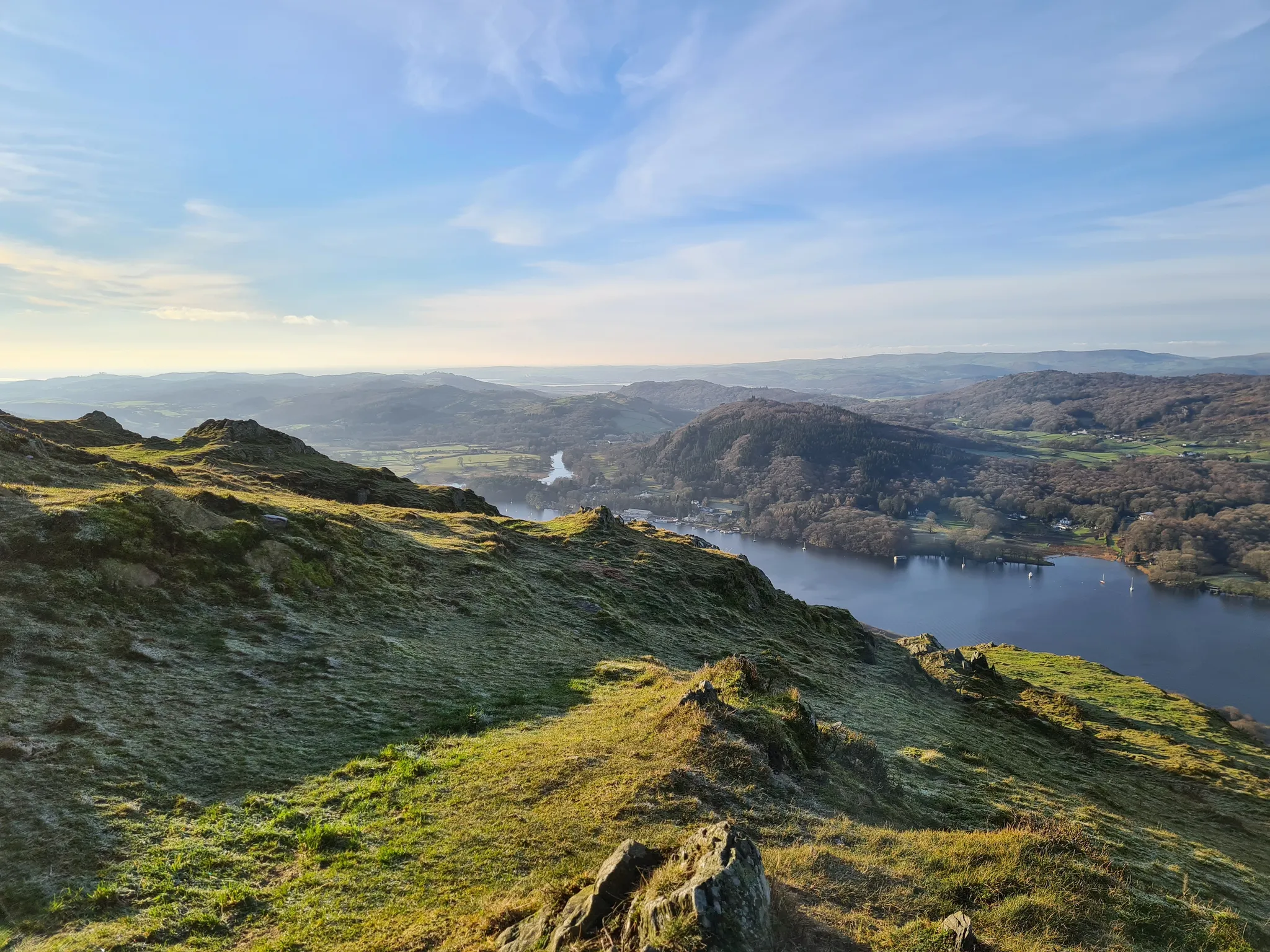
Beautiful beginner hikes in the Eastern Lake District
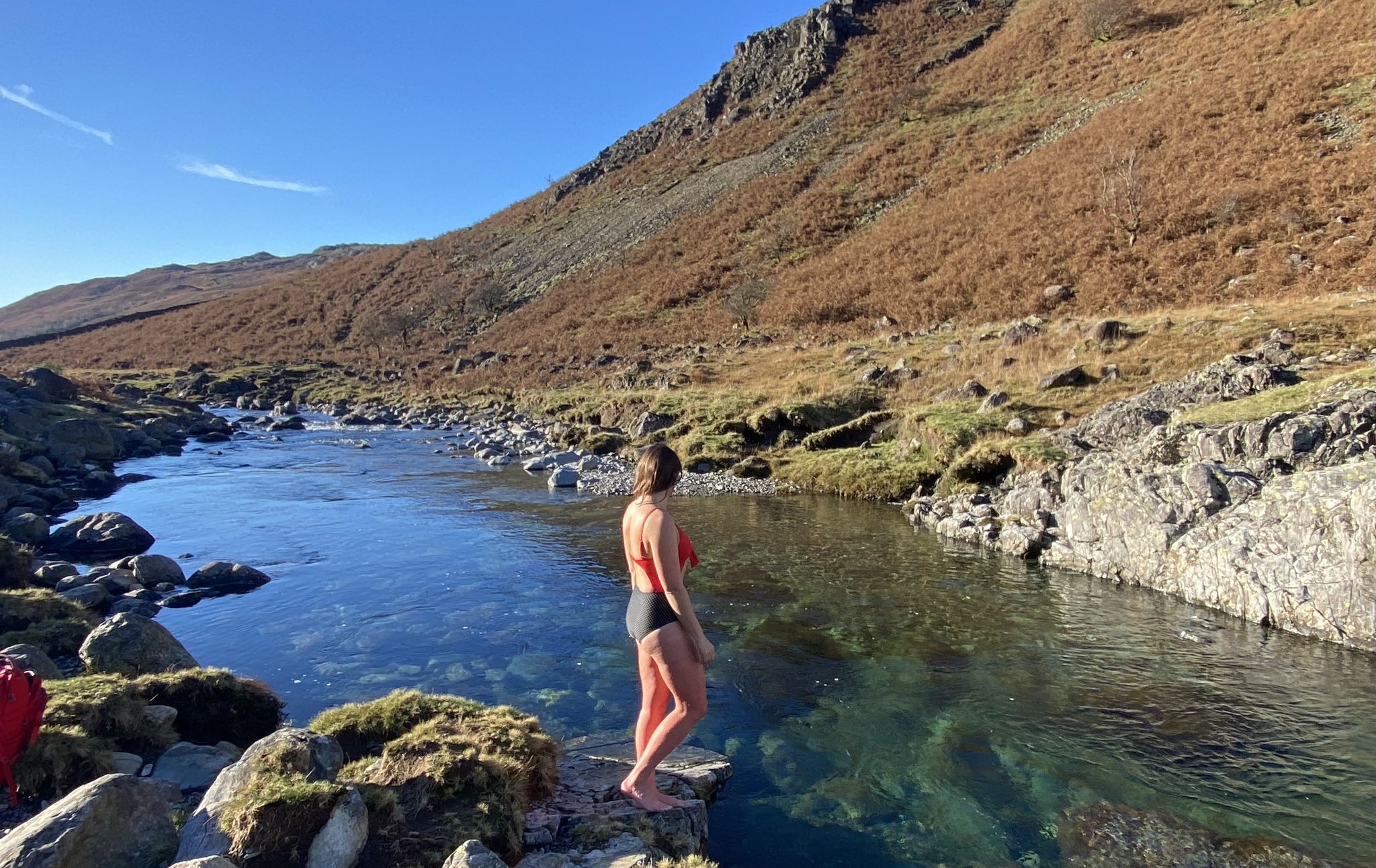
Wonderful wild swimming walks in the Lake District
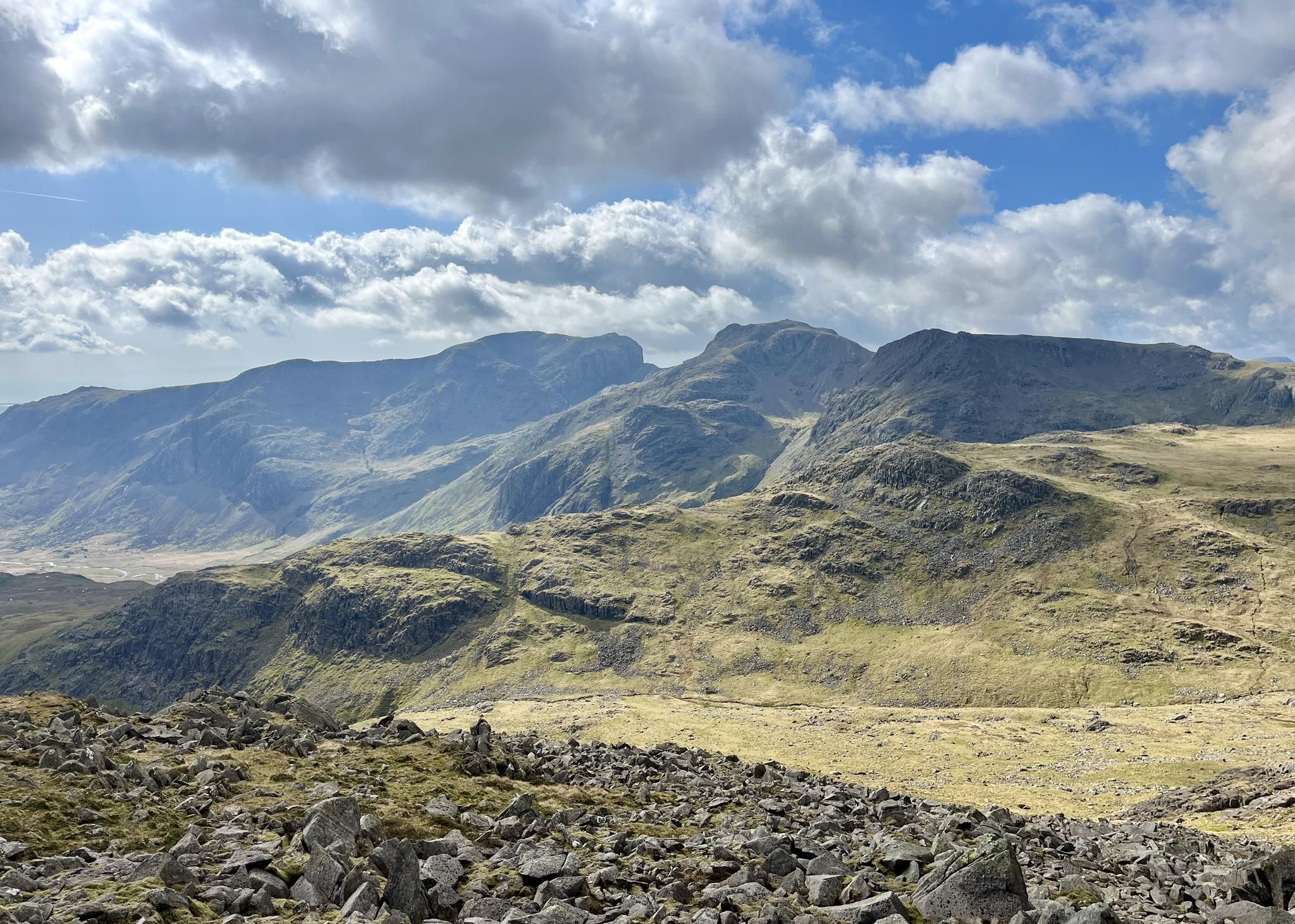
Spellbinding hikes in the Southern Lake District
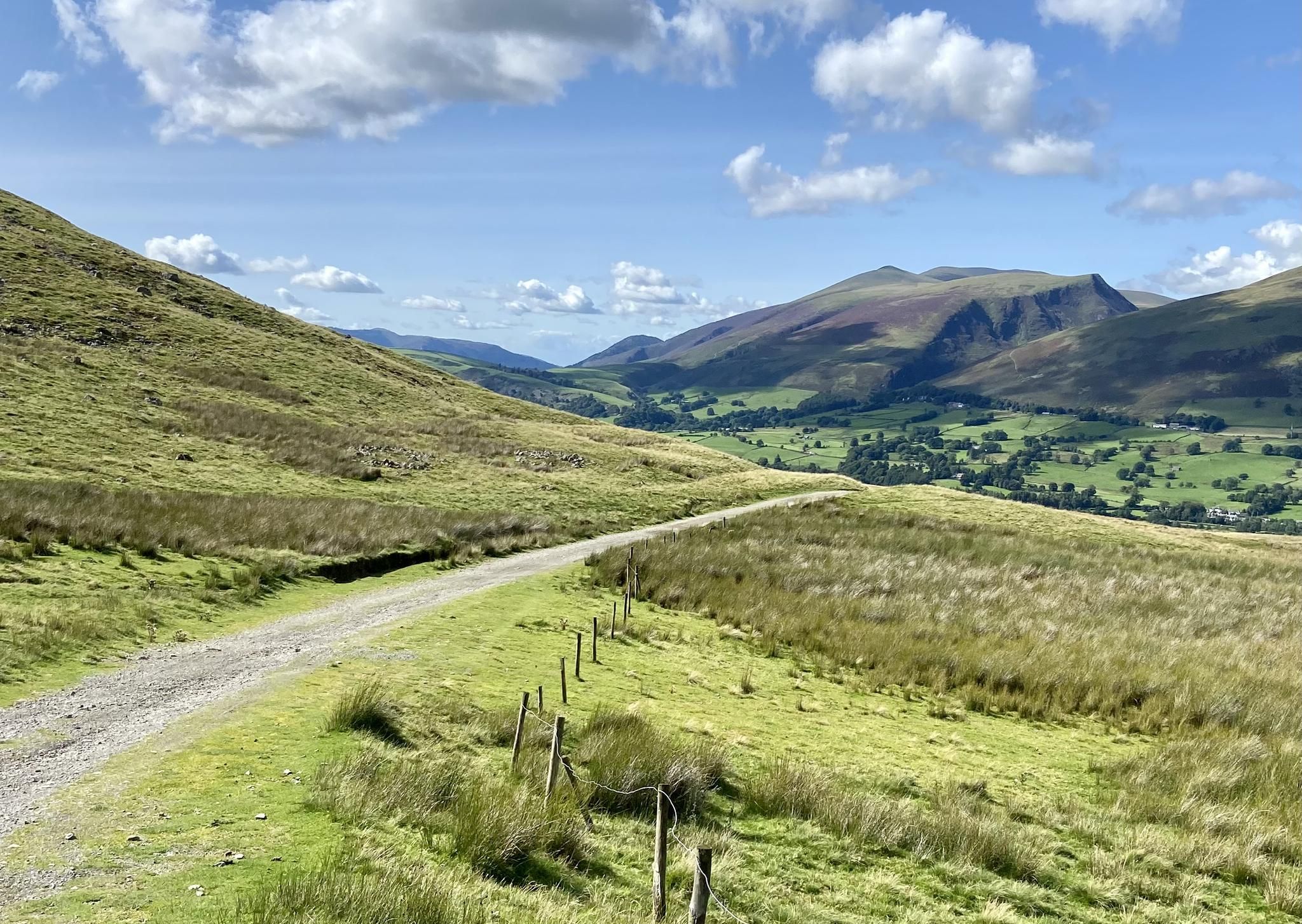
Lakeland 100 – ultra tour of the Lake District
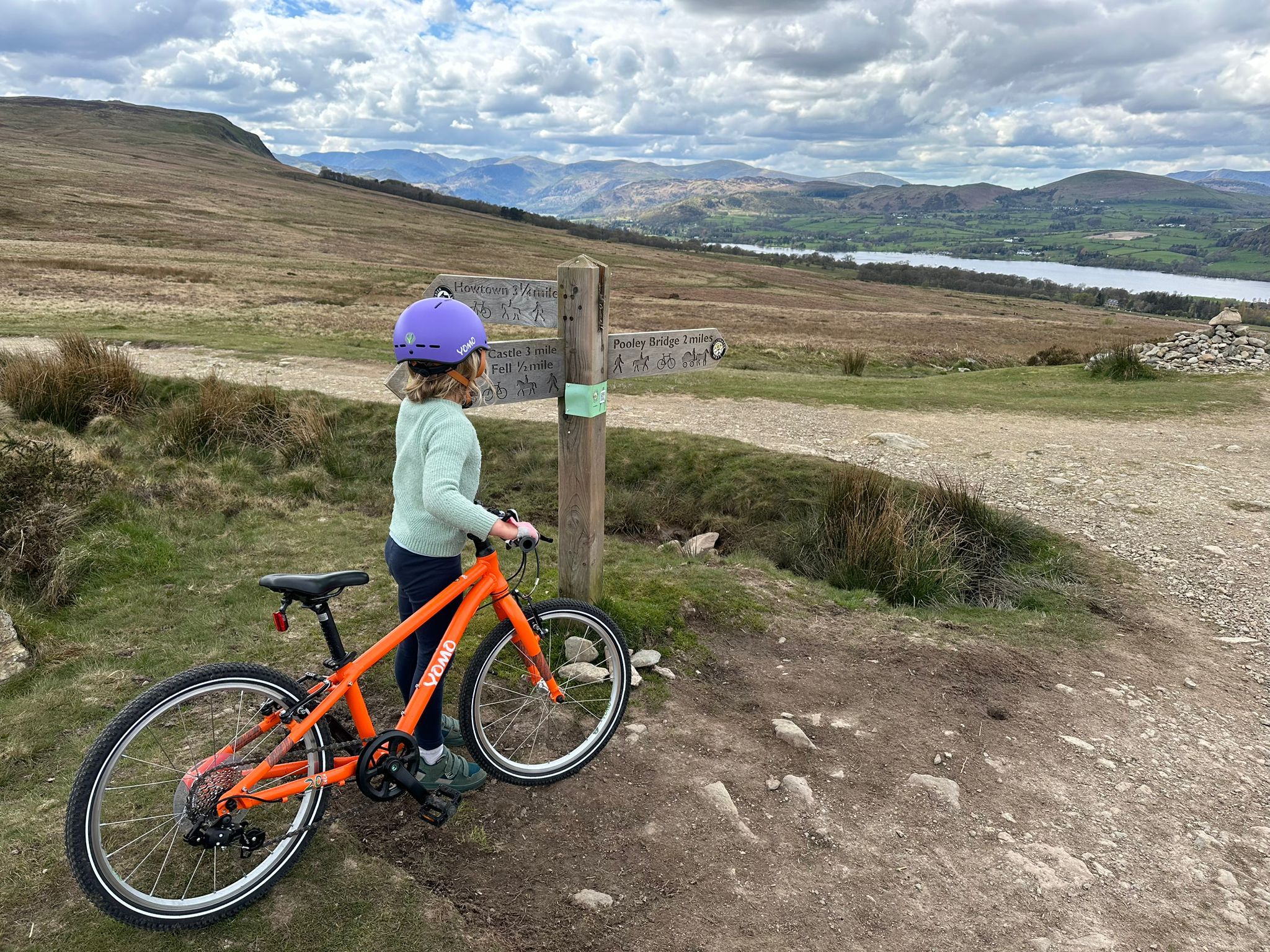
The best family-friendly bike rides in the Lake District

Ephemeral Lines – Stunning UK Winter Ridges
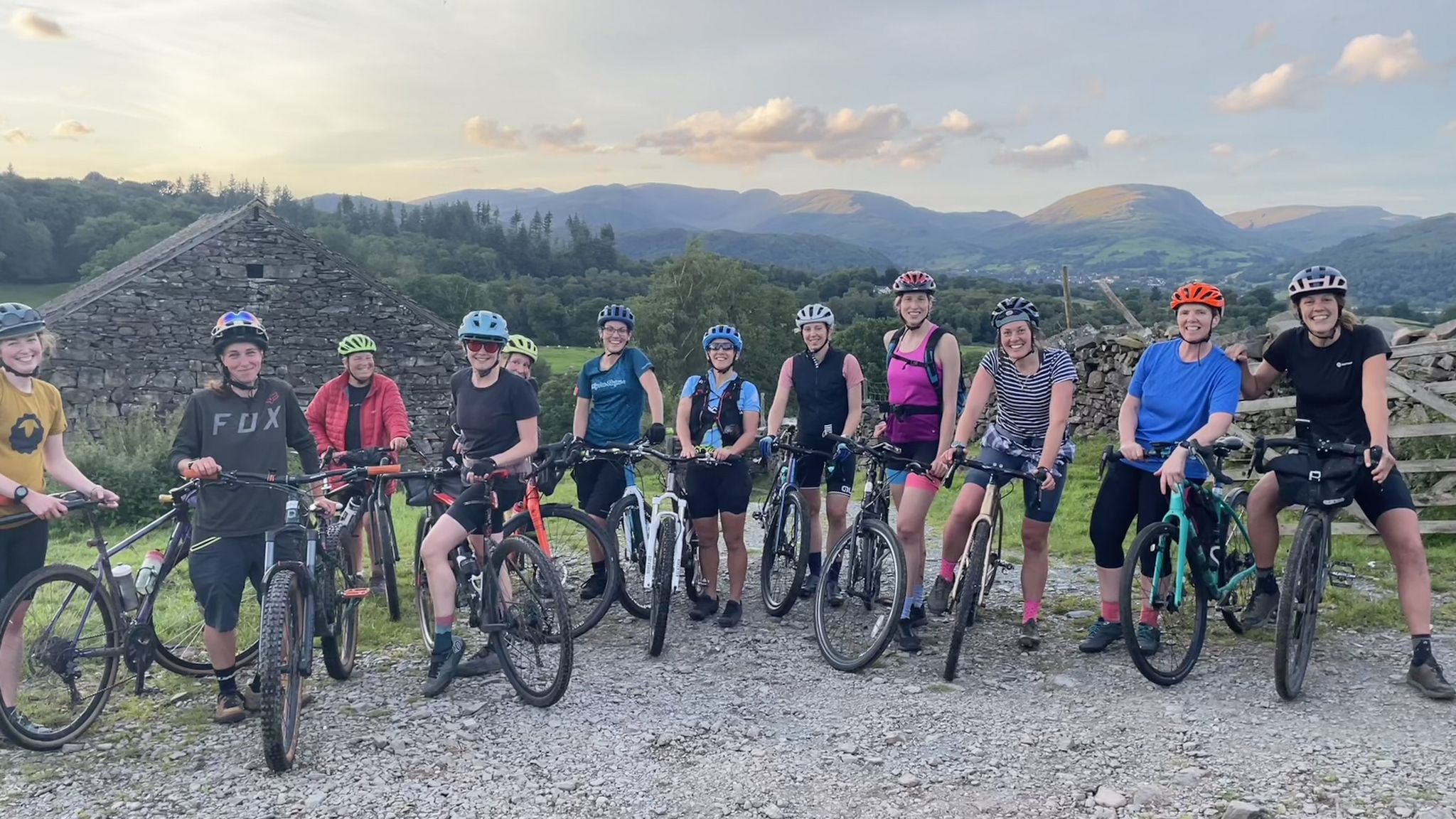
Beginner-friendly gravel rides in the Lake District
10 sublime lakeside trail runs in the Lake District National Park
Other adventures around Coniston


Tips from the Community

Around 1590, the Company of Mines Royal began extracting copper from the Coniston copper veins. The first work was carried out entirely by hand. With brute force, the rock face was broken and tunnels were excavated very slowly. Only enough rock was removed to allow one person to pass through the tunnel, and these access tunnels are called 'coffin levels' because of their characteristic coffin shape. Excavating a 17th-century tunnel like Cobbler's Level could still take three years. The Elizabethan Company of Mines Royal was led by German experts from the Tyrol and Bavaria. Their mines penetrated more than 55 metres into the earth. Work continued after the English Civil War, but perhaps not to a great extent. At the end of the 17th century, gunpowder was introduced, which changed everything. Work went much faster and mines could go much deeper than before, up to more than 90 metres below the surface. The charges were placed in a hole drilled into the rock using 'jumpers', iron rods made on site. You can still see hand-drilled shot holes. Gunpowder was replaced by dynamite in 1877 and jumpers by compressed air drills in 1883. (Lake district national park)
5
0
During the descent, you get a good view of Levers Water, a beautiful mountain lake.
6
0
Brim Fell connects Coniston Old Man with Swirl How, the two main fells of the Coniston group. Its disadvantage is that it is very close to the Old Man, only a short walk away.
6
0
To describe this mountain, here is a quote: "Although cruelly scarred and disfigured by the quarries, the Old Man has retained a dignified bearing and still lifts his proud and venerable head to the sky. His tears flow quietly into Low Water and Goats Water, two beautiful mountain tarns, whence they eventually... find their way to Coniston Water, bathing his ancient feet." Alfred Wainwright, "A Pictorial Guide to the Lakeland Fells, Book Four: The Southern Fells"
5
0
The most spectacular angles for photographing Low Water are from above: it can be seen from the ridge between Brim Fell Rake and the Old Man, but also from the steep, rugged path between the Old Man and the village of Coniston. The shores of the Tarn can also be reached via this latter path. (Lakes, Meres, Tarns & Waters)
7
0
The ruins of Saddlestone Mill are fascinating, derelict remnants of the old "Coniston slate and copper mines" on the northeastern flank of the Old Man of Coniston. The site is located approximately 2 km west of the village of Coniston and includes huge steel cables, old railway tracks, winding gear, buildings, and abandoned quarry tunnels.
7
0
A beautiful waterfall, but difficult to view in the summer due to dense vegetation.
7
0

Very much one of the iconic mountains of the Lake District, Wetherlam is a rugged 763-metre (2,502 ft) mountain top, and getting here is pretty hard work from any direction. It has a rocky summit plateau, and the views across towards the Coniston group are super nice. Now for the big decent!
0
0
Frequently Asked Questions
Are there any easy, family-friendly walks in Coniston?
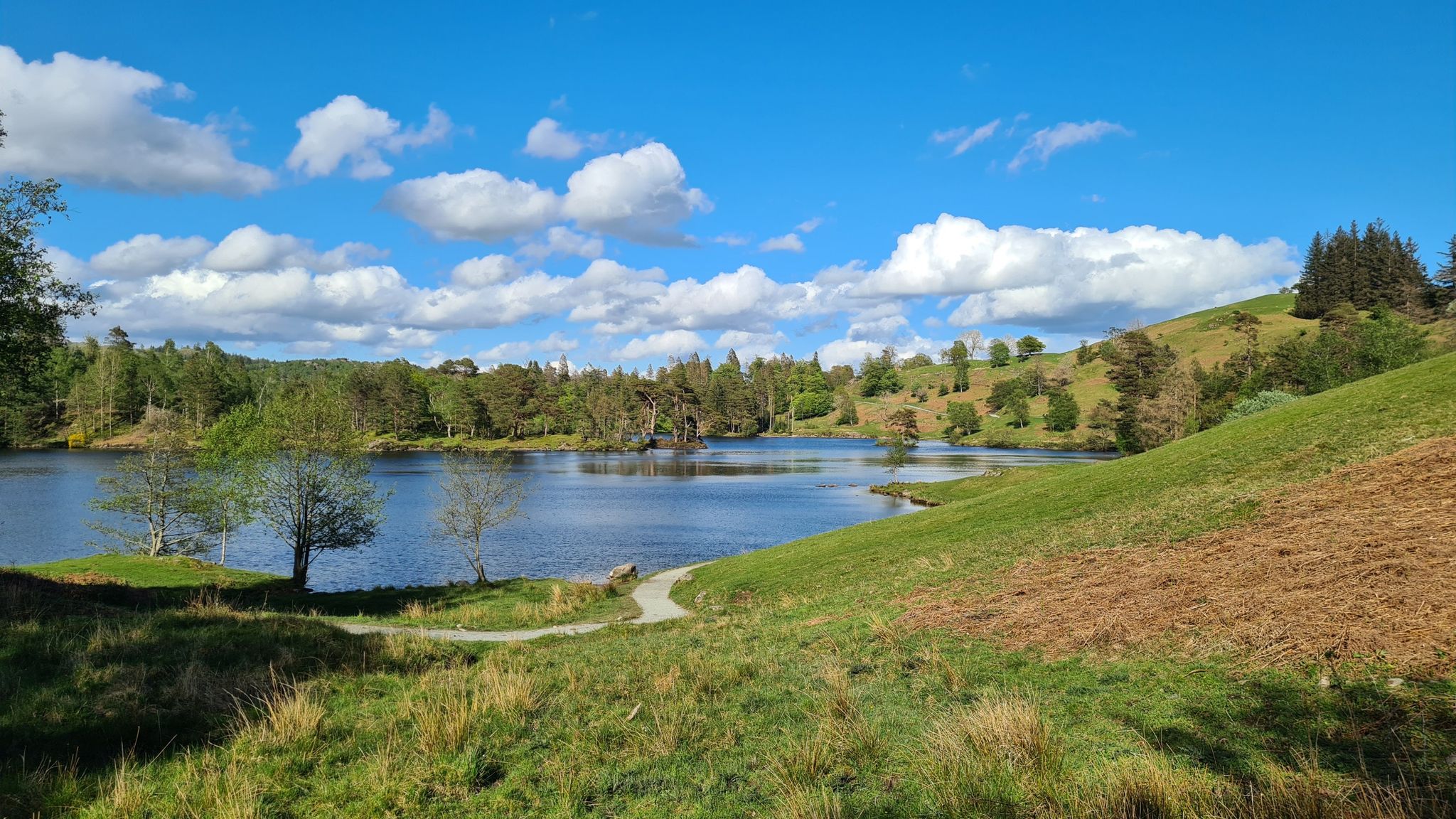
Yes, the area around Tarn Hows is perfect for families. The Around Tarn Hows walk is a gentle 2-mile (3.2 km) loop on a well-maintained path, offering beautiful scenery without any strenuous climbs. It's a very popular spot known for its picturesque lake and surrounding woods.
Can I take my dog on hikes around Coniston?
Most trails in the Coniston area are suitable for dogs, but it's important to be mindful of the terrain and local wildlife. On lower-level paths, dogs can often roam freely, but on higher fells and near farmland, they should be kept on a lead, especially during lambing season (typically spring). Always be prepared with water for your dog, as fell walks can be strenuous.
Where can I find a hike with a waterfall?
For a walk featuring waterfalls, explore the Coniston Coppermines Valley. The trails here follow the course of Church Beck and Levers Water Beck, which feature several cascades, including the notable Tom Gill waterfalls. The Tarn Hows, Tom Gill & Tom Heights loop is an excellent option that incorporates these scenic water features.
What are the parking options for hikers in Coniston?
There are several pay-and-display car parks in Coniston village, which are good starting points for many walks. For accessing the fells more directly, the Walna Scar car park is a popular choice, though it can fill up quickly. Another option is the National Trust car park at Tarn Hows, which is ideal for the accessible walks in that area. Arriving early is recommended, especially on weekends and during holidays.
How difficult is the hike up The Old Man of Coniston?
The ascent of The Old Man of Coniston is generally considered challenging. The paths are steep, rocky, and involve a significant amount of climbing, with most routes gaining over 700 meters in elevation. While the trails are well-trodden, the terrain consists of loose slate and rock in many sections, requiring sturdy footwear and a good level of fitness. The rewarding panoramic views from the summit make the effort worthwhile.
What should I wear for hiking in Coniston?
You should prepare for changeable weather. Wear layers of clothing that you can add or remove easily. A waterproof and windproof jacket is essential, even if the day starts sunny. Sturdy, waterproof hiking boots with good grip are crucial for the rocky and often boggy terrain. In summer, include sun protection like a hat and sunscreen; in winter, a hat, gloves, and extra warm layers are necessary.
Are there any good circular walks in the area?
Yes, Coniston has many excellent circular routes. For a moderately challenging loop with fantastic views that doesn't involve the main peaks, the View of Low Water Tarn – Old Man of Coniston summit loop from Coniston is a great choice. This 6.5-mile (10.5 km) hike offers a different perspective on the fells and takes you past the scenic Low Water tarn nestled below the summit.
Can I get to hiking trails using public transport?
Yes, Coniston village is served by buses, primarily from nearby towns like Ambleside and Windermere. From the village, you can directly access trails leading up to The Old Man of Coniston, into the Coppermines Valley, or along the shores of Coniston Water. For trails starting further afield, like Tarn Hows, you may still need a short taxi ride from the village.
What do other hikers enjoy most about the trails in Coniston?
The trails around Coniston are highly regarded by the komoot community, with an average rating of 4.6 stars. Hikers frequently praise the stunning panoramic views from the fells, the fascinating industrial heritage of the old quarries and mines, and the variety of walks available, from challenging mountain ridges to peaceful lakeside paths.
Are there any interesting historical sites to see on a walk?
Absolutely. The area is rich in industrial history. Many trails, particularly those in the Coppermines Valley and on the ascent of The Old Man of Coniston, pass through the extensive remains of historic slate quarries and copper mines. For a unique destination, consider a walk to Cathedral Cave, a huge man-made cavern left over from slate quarrying, which is a popular and impressive sight.
How many hiking trails are there around Coniston?
There is a wide variety of trails to explore, with over 200 designated hiking routes around Coniston available on komoot. These range from 69 easy walks perfect for a gentle afternoon to 31 difficult tours for experienced mountaineers, ensuring there's a suitable option for every ability level.
Most popular routes around Coniston
Most popular attractions around Coniston

Get inspired with the komoot mobile app


Explore more
Browse the best Hikes in other regions.
