The 20 Most Amazing Peaks around Angerton
Mountain peaks near Angerton, Westmorland and Furness, are primarily found in the wider surrounding region, particularly within the Lake District National Park. Angerton itself refers to small localities not known for significant mountain peaks. The area offers a variety of fells and summits, providing diverse landscapes for exploration. These peaks are characterized by their natural formations and offer extensive views of the Cumbrian landscape and coast.
Best mountain peaks around Angerton
- The most popular mountain peaks is Black Combe Summit…
Last updated: June 20, 2026
Black Combe Summit
Highlight • Natural Monument
Tip by

Stickle Pike summit cairn
Highlight • Viewpoint
Tip by
Sign up now to discover places like this
Get recommendations on the best single tracks, peaks, & plenty of other exciting outdoor places.
Sign up for free
Tarn Hill Summit
Highlight • Summit
Tip by
Caw Summit
Highlight • Viewpoint
Tip by
Nameless Summit (1183 ft) – Outlying Fells of Lakeland
Highlight • Summit
Tip by
Sign up for free to discover even more peaks around Angerton.
Sign up for free
Already have an account?
Start today with a free account
Your next adventure awaits.
Login or Signup
Tips from the Community

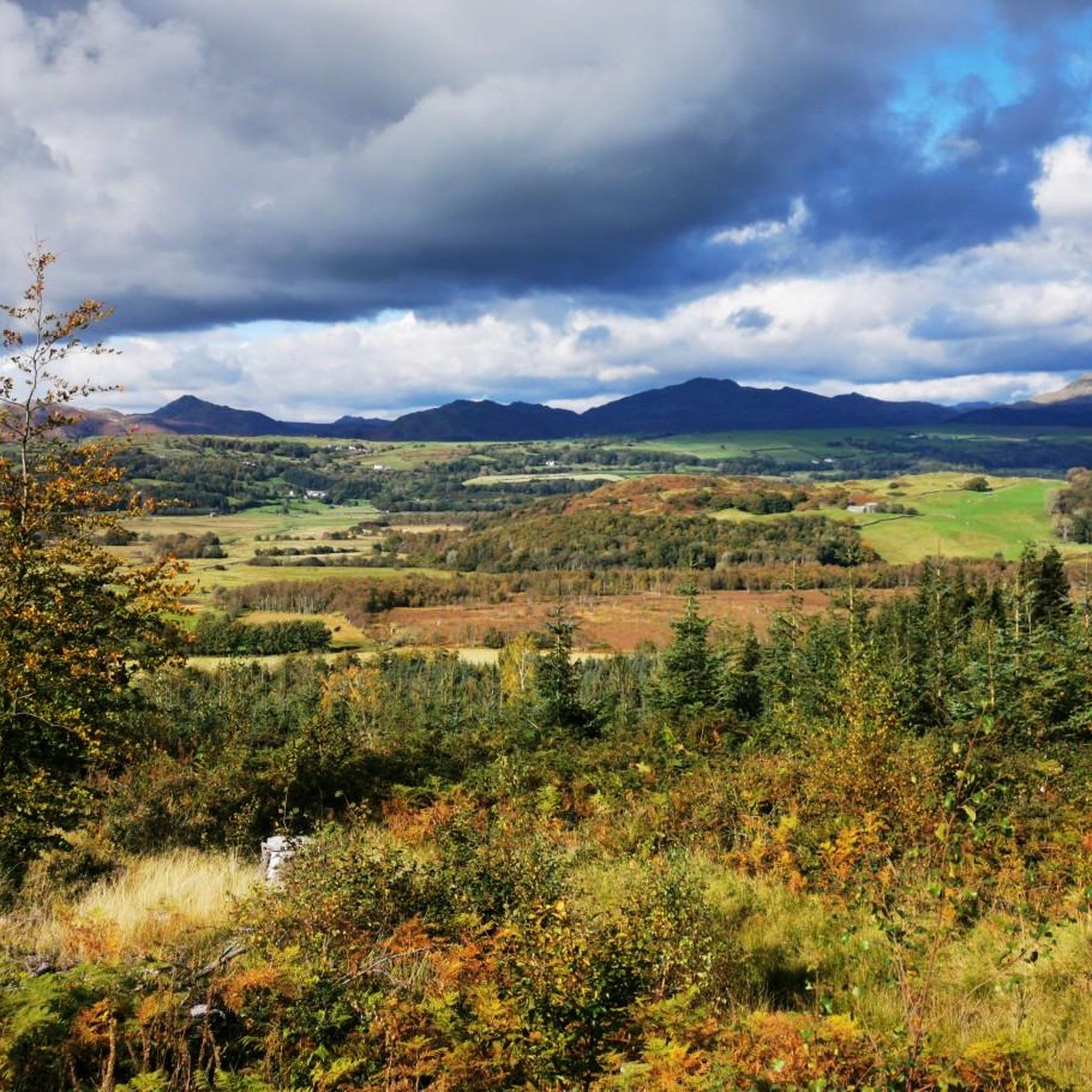
In Alfred Wainwright's own words 'The Dunnerdale fells are low in stature, small in extent and insignificant on the map, yet they assert themselves on the local landscape in a bristly defiance of accepted mountain standards. Of course they are not worthy of comparison with Scafell or Great Gable, but they refuse to admit it.' Tarn Hill meets this description perfectly! It's accessed by following narrow paths through thick bracken, over a bit of boggy ground and dodging rocky outcrops but despite its downfalls, the views from here are something special. It's a great vantage point to view Stickle Pike (the next fell on our peak bagging list for the day) and the bigger fells beyond.
2
0
Stickle Pike is a wonderful small fell with a very distinctive profile in the south of the Lake District National Park. It's pyramid-like in shape and from many angles looks like it would be difficult to ascend but it's actually a joy to walk. The cairn on the top sits on a natural plinth of rock. Pillar, Scafell, Bowfell and the Coniston fells can be appreciated from the summit.
2
0
Alfred Wainwright had a habit of including 'nameless' summits in his walks for the book - The Outlying Fells of Lakeland. He simply lists them as their height in feet. Despite its lack of a name, we 'bagged' this peak regardless. Part of a long walk starting with Great Stickle in the south and ending on Walna Scar to the north east (and all 8 fells in between) before looping back down the valley back to the car.
2
0
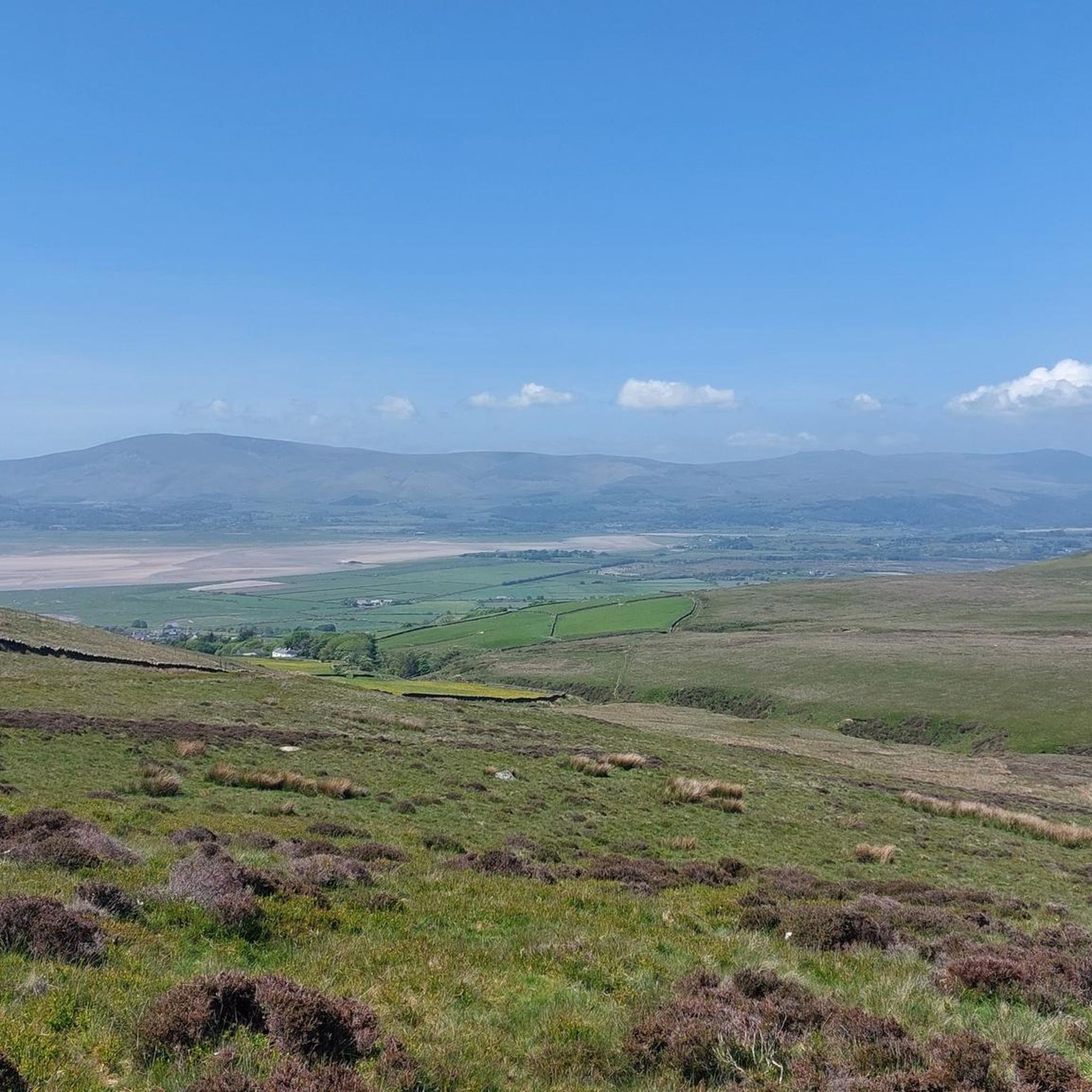
I hiked to the summit of this Lake District fell with a great deal of anticipation! A few had recommended it as their favourite Outlying Fell of Lakeland and it didn't disappoint! Simply outstanding views to the Scafells including Scafell Pike, Pillar, Great End and on to Esk Pike, Bow Fell, Crinkle Crags, Pike O'Blisco and all the Coniston fells - Great Carrs, Swirl How, Dow Crag, Coniston Old Man. In the foreground - Harter Fell and Hard Knott. Wowza! Off to the other side is Black Combe and a number of other outliers. What a treat!
1
0
Black Combe is one of the Trail 100 (Trail Magazine's top 100 UK mountains they recommend you climb) and it's also a Wainwright Outlying Fell, a Birkett and a Marilyn. We were unfortunately caught in a sudden electrical storm during our hike which limited our ability to enjoy the beauty of the fell somewhat but the views from here are remarkable. You can even see all the way to Helvellyn 22 miles (36 km) away as the crow flies).
3
0

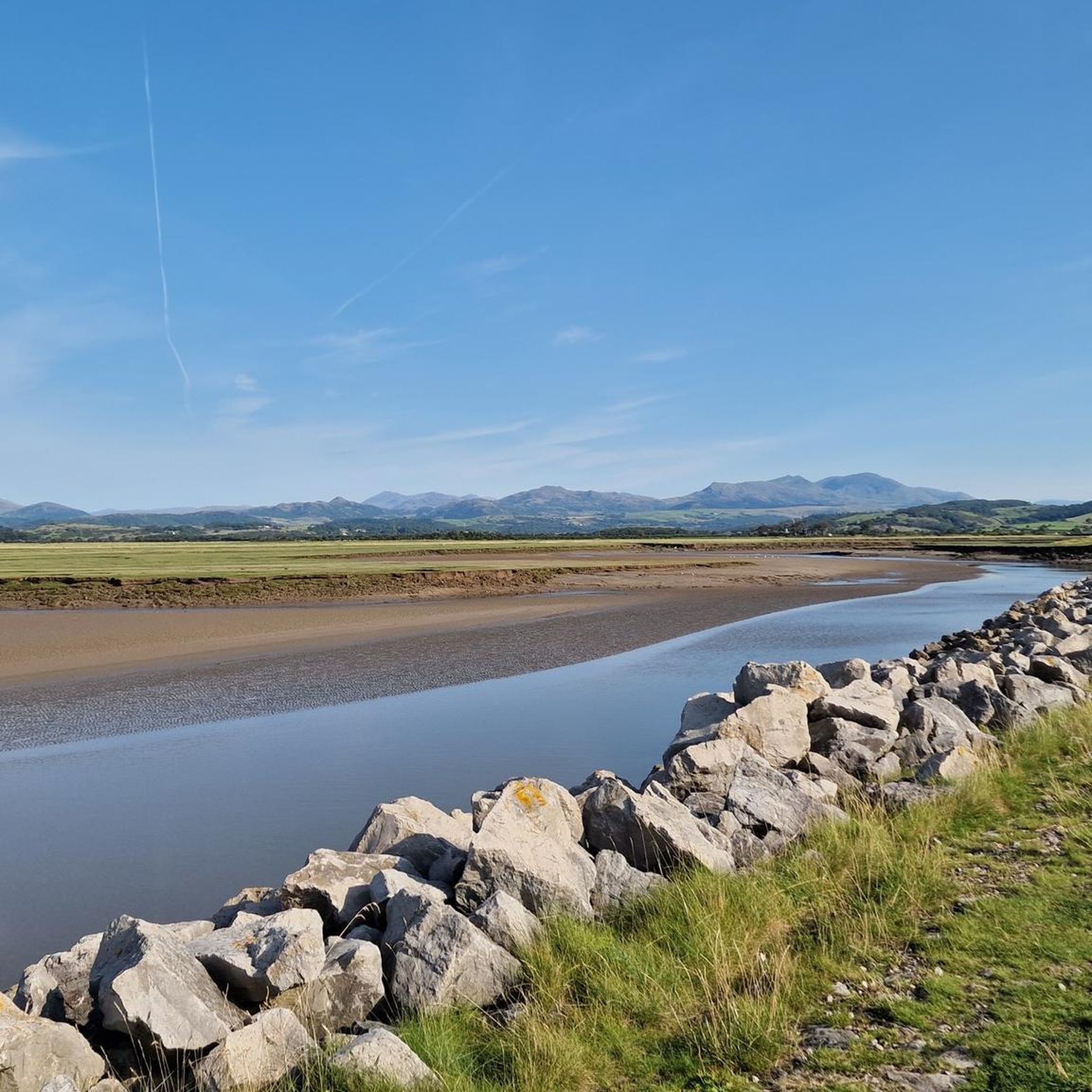
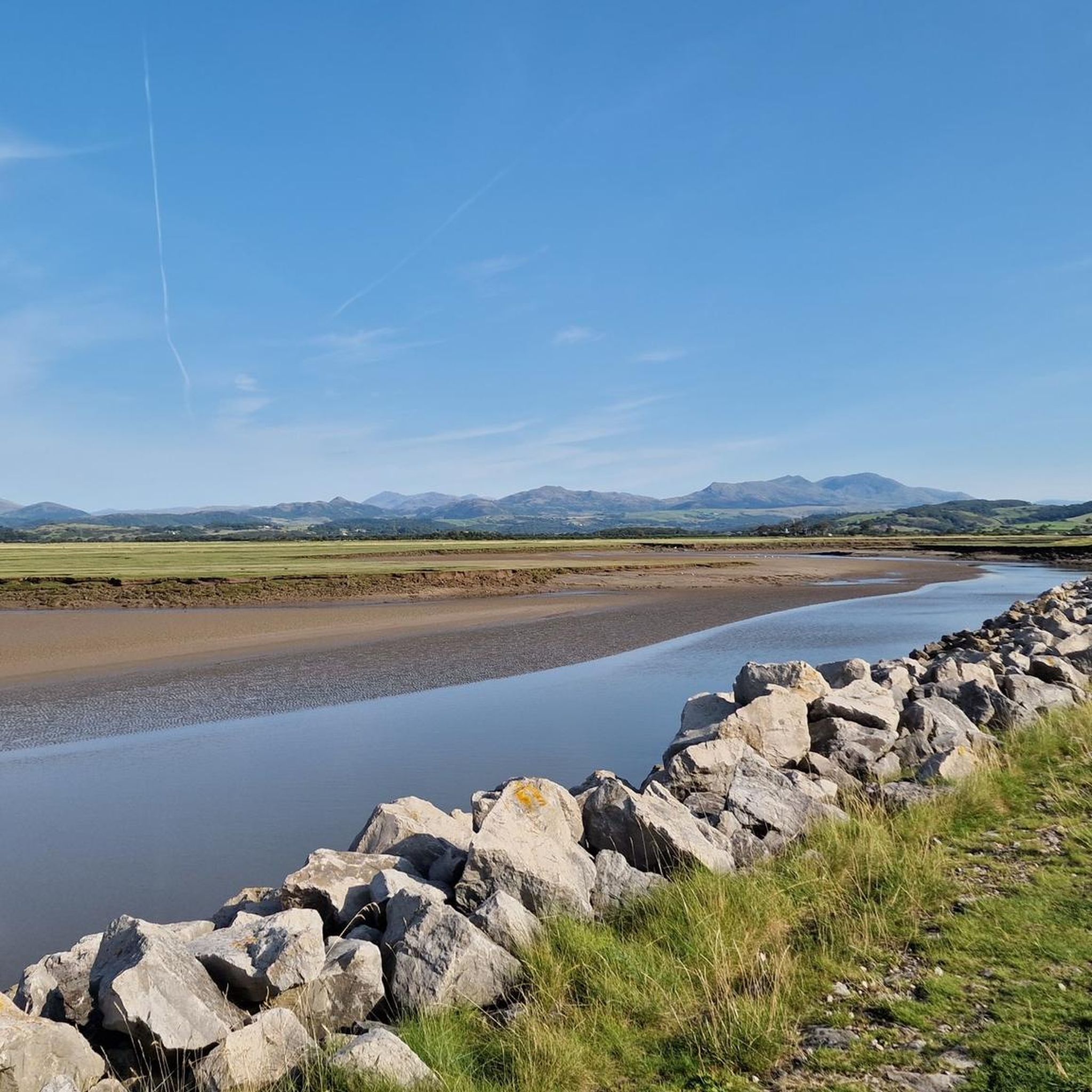
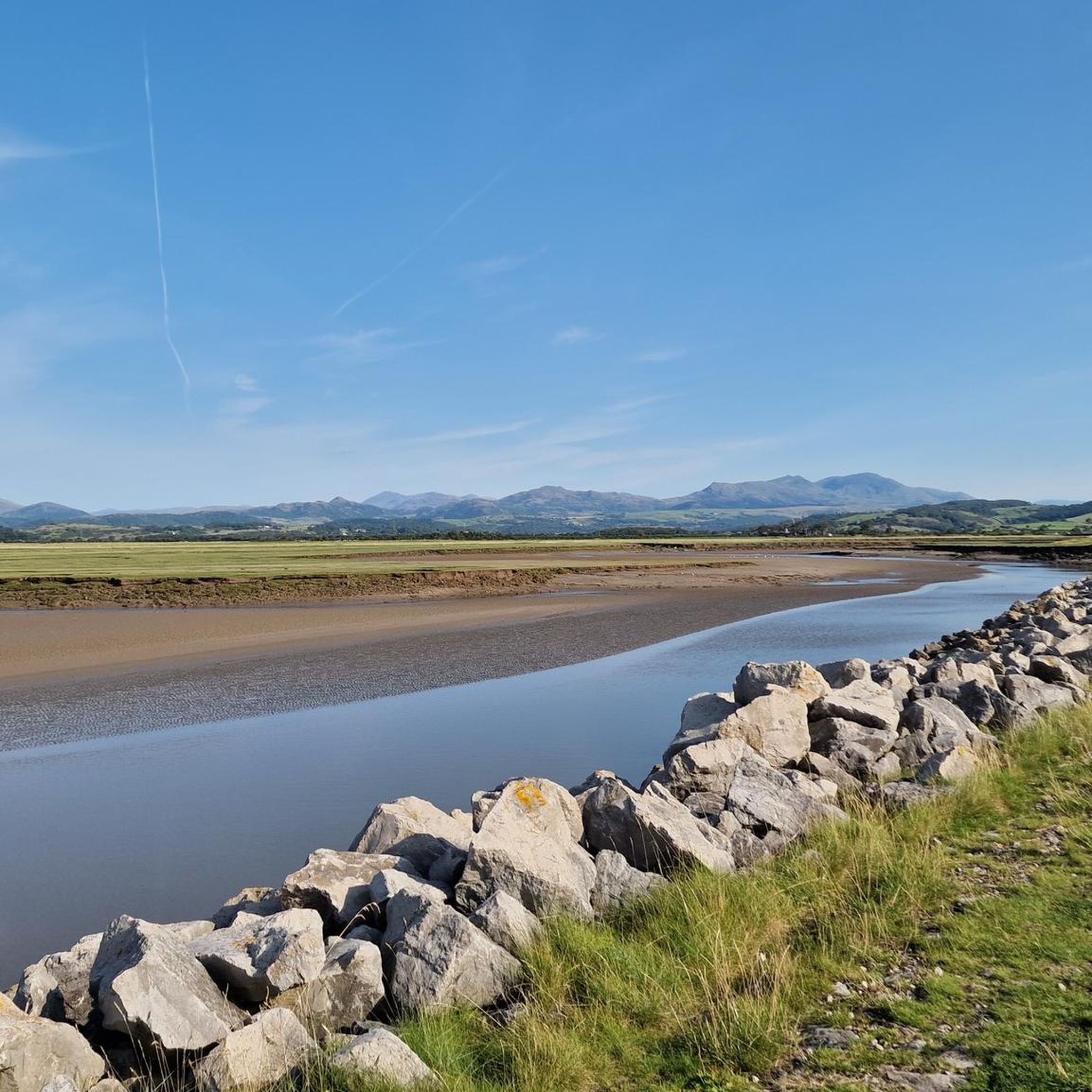
Outlier of Lakeland, Black Combe is the perfect bridge between land and sea. Located in southern Cumbria above the town of Millom, it is a gently-rounded dome so isolated it serves up uninterrupted, soul-satisfying panoramas of the Irish Sea, Cumbrian coast, the Isle of Man and, of course, inland to the Lakes.
1
0

Hidden away in the far south-west corner of the lake District is Black Combe. Just four miles from the Irish Sea, the fell is 1,970 feet (600 meters) high and boasts excellent panoramic views of land and sea.
2
0
Frequently Asked Questions
Where are the mountain peaks around Angerton located?
The mountain peaks associated with the Angerton area are primarily found within the wider surrounding region, most notably the Lake District National Park. Angerton itself refers to smaller localities not known for significant mountain peaks, but the nearby Lake District offers a variety of fells and summits.
Which mountain peaks offer the most impressive views near Angerton?
For breathtaking vistas, consider Black Combe Summit, which provides panoramic views of the Irish Sea, Cumbrian coast, and the Isle of Man. Caw Summit is also highly recommended for its outstanding views of the Scafells, including Scafell Pike, Pillar, and the Coniston fells.
What is the typical difficulty level of mountain peaks in the Angerton area?
The peaks in the wider Angerton region, particularly within the Lake District, offer a range of difficulties. Many are considered intermediate, such as Black Combe Summit and Stickle Pike summit cairn. Some, like Caw Summit, can present challenging sections. It's always best to check specific route details before heading out.
Are there suitable mountain peaks for beginner hikers near Angerton?
While many peaks in the Lake District are intermediate, there are often easier routes or lower fells that are more accessible for beginners. For specific easy hiking trails in the broader Angerton area, you can explore options like the 'Duck Pond loop from Broughton West' or 'Swinside Stone Circle loop from Millom Without' found in the Easy hikes around Angerton guide.
Can families enjoy mountain walks around Angerton?
Yes, families can find enjoyable walks, especially on the lower fells or designated easy trails in the surrounding Lake District. While some summits require more effort, many areas offer gentler paths with beautiful scenery. Always choose routes appropriate for the fitness levels of all family members.
Are there any lesser-known or 'hidden gem' peaks to explore near Angerton?
Yes, the region has its share of less-traveled spots. Wool Knott Summit, for example, offers stunning views across to Beacon Fell and the Coniston Fells from a smaller Lakeland Fell. Another interesting option is the Nameless Summit (1183 ft), an outlying fell noted by Alfred Wainwright.
What outdoor activities can I do near these mountain peaks besides hiking?
Beyond hiking, the area around Angerton and the Lake District offers excellent opportunities for cycling. You can find various routes for road cycling and touring bicycles. Check out the Road Cycling Routes around Angerton or Cycling around Angerton guides for detailed options like the 'Birker Fell and Ulpha loop'.
What natural features can I expect to see when visiting the mountain peaks?
The mountain peaks in this region are characterized by their natural formations, including fells, summits, and distinctive profiles like the pyramid-shaped Stickle Pike summit cairn. You'll also encounter extensive views of the Cumbrian landscape, including the Irish Sea, coastlines, and other prominent fells and lakes within the Lake District National Park.
What do visitors enjoy the most about the mountain peaks around Angerton?
Visitors consistently praise the outstanding panoramic views from these peaks. Highlights like Black Combe Summit are celebrated for their uninterrupted vistas of land and sea. The unique profiles of fells and the sense of accomplishment from reaching a summit cairn are also highly valued experiences.
Are the mountain trails near Angerton dog-friendly?
Many trails in the Lake District National Park are dog-friendly, but it's essential to keep dogs under close control, especially near livestock. Always follow the Countryside Code, clean up after your dog, and be aware of any specific restrictions on certain paths or protected areas. Carrying water for your dog is also advisable.
What is the best time to visit the mountain peaks around Angerton?
The best time to visit generally depends on your preferred activity and weather tolerance. Spring and autumn offer pleasant temperatures and beautiful scenery, often with fewer crowds. Summer provides longer daylight hours but can be busier. Winter hiking is possible but requires appropriate gear, experience, and careful attention to weather conditions due to potential snow and ice.
Are there any cultural or historic sites near the mountain peaks?
While the immediate Angerton area is small, the wider region, particularly the Lake District, is rich in cultural and historical significance. You might find ancient stone circles, historic villages, and literary connections. For example, the 'Swinside Stone Circle loop' is an easy hike option that includes a historic site.
Most popular attractions around Angerton

Get inspired with the komoot mobile app


Explore more
See even more amazing summits around Angerton with these guides:
